It often happens without warning. You’re eating lunch or maybe just running your tongue over your teeth when you feel it: a new, sharp edge that wasn't there before. That sinking feeling is a familiar one for many people. A chipped tooth can be alarming, especially when it’s one of your prominent canines. A chipped cuspid tooth not only affects how your smile looks, but it can also be a sign of a deeper issue. It’s easy to downplay a small chip, but ignoring it can lead to bigger problems like pain, sensitivity, or infection. This guide will walk you through everything you need to know, from what causes these chips to your immediate next steps and how we can restore your smile, making it strong and whole again.
Key Takeaways
- Don't ignore even a small chip: A chipped tooth cannot heal itself and can expose you to infection or lead to a larger fracture. Getting it checked promptly is the best way to avoid more complex and costly problems later.
- A professional fix is essential: The right repair, from simple bonding to a custom crown, depends on the extent of the damage. Your dentist will find the best solution to restore your tooth's strength and natural look.
- Prevent future chips with smart habits: You can protect your smile by wearing a mouthguard for sports, avoiding chewing on hard items like ice, and not using your teeth as tools.
What is a Chipped Cuspid Tooth?
First, What Are Cuspid Teeth?
Let's start with the basics. Your cuspid teeth, more commonly known as canines, are the four pointy teeth located at the corners of your mouth. Think of them as the "eye teeth" that give your smile its unique shape. They are some of the most important players on your team. As the longest teeth in your mouth, their primary job is to tear into food, but they also play a crucial role in guiding your jaw into the correct biting position. This function is a key part of your mouth's natural design to protect your other teeth from excessive wear and tear. Because of their prominent position and sharp shape, they can sometimes be more vulnerable to chips and fractures.
From Minor Chips to Major Breaks
So, what does it mean to chip a cuspid? A chipped tooth happens when a small piece of the hard outer layer, the enamel, breaks off. It might feel like a tiny, rough spot you can feel with your tongue, or it could be a much larger, noticeable fracture. It’s easy to dismiss a small chip, but even minor damage can be more serious than it looks. If the chip is deep enough to expose the sensitive inner layers of your tooth, like the dentin or pulp, it can lead to significant pain and sensitivity. More importantly, it creates an opening for bacteria, which can cause infection and lead to bigger problems down the road that require more extensive dental services.
What Causes a Cuspid Tooth to Chip?
Even though tooth enamel is the strongest substance in your body, it isn't indestructible. A chipped cuspid can happen for a variety of reasons, from obvious accidents to habits you might not even realize are putting your smile at risk. Understanding the common causes can help you protect your teeth and know when it’s time to seek preventive care.
Most chips are the result of three main culprits: sudden impacts, risky biting habits, and underlying tooth weakness. Let's break down what that means for you.
Accidents, Injuries, and Unexpected Impacts
Life happens, and sometimes our teeth bear the brunt of it. A fall on the sidewalk, a sports injury, or even an accidental bump to the mouth can easily cause a chip. It’s a surprisingly common issue, and it’s important to get it treated quickly to prevent bigger problems like an infection or further damage down the road. Even a minor impact can be enough to fracture the sharp point of a cuspid tooth. If you’ve had any kind of facial trauma, it’s always a good idea to check your teeth for damage and schedule an appointment with us, even if you don't feel immediate pain.
Risky Bites: Hard Foods and Using Teeth as Tools
We’ve all been tempted to use our teeth as a built-in tool to open a package or tear off a tag. But using your teeth for anything other than chewing is a major risk factor for chips. The same goes for biting down on hard foods. Things like ice cubes, hard candy, un-popped popcorn kernels, and nut shells can place a sudden, intense pressure on your cuspids that they just aren't designed to handle. Making a conscious effort to avoid these habits can go a long way in keeping your teeth whole and healthy. Your smile is for showing off, not for opening bottles.
Hidden Dangers: Grinding and Weak Enamel
Sometimes, the cause of a chip isn't a single event but a problem that’s been developing over time. Grinding your teeth at night, a condition known as bruxism, puts constant stress on your enamel, wearing it down and making it much more likely to chip or crack. Another hidden danger is tooth decay. A cavity can weaken a tooth from the inside out, compromising its structure. By the time you bite into something as harmless as a sandwich, the weakened tooth can easily fracture. Regular check-ups help us spot these issues early and recommend solutions like a nightguard or a dental crown to restore the tooth’s strength.
How to Tell If Your Cuspid Is Chipped
Sometimes, a chipped tooth is impossible to ignore. You might hear a crack when you bite into something hard or feel a piece of your tooth break away. Other times, the signs are much more subtle. If you suspect you’ve damaged a cuspid, you don’t have to guess. There are a few clear signs you can look for and feel for to figure out what’s going on. Paying attention to these clues is the first step toward getting the right care and preventing further issues. Let’s walk through what you should be looking for.
What to Look For: Visual Signs
The most obvious clue, of course, is seeing the damage. A chipped tooth means a piece of your tooth's hard outer layer, the enamel, has broken off. Take a look in the mirror under good lighting. You might see a small, jagged edge or a noticeable missing piece. Since your cuspids are near the front of your mouth, even a minor chip can be visible when you smile or talk. It might look like a tiny crack or a larger fracture, depending on the severity of the impact. If you see anything that looks different or out of place, it’s worth investigating further.
What You Might Feel: Pain and Sensitivity
Often, you’ll feel a chipped tooth before you see it. Your tongue is surprisingly good at finding things that are out of place in your mouth, and you might notice a new sharp or rough spot on your cuspid. Another major sign is sensitivity. Does your tooth suddenly hurt when you drink a cold glass of water or a hot cup of coffee? This new sensitivity to temperature or even sweet foods is a common symptom. You might also feel a twinge of pain when you bite down or chew. Don't ignore these feelings; they are your body’s way of telling you something is wrong and needs attention.
What to Do Right After Chipping a Tooth
That moment of realization when you feel a chip in your tooth can be jarring. Whether it happened from a fall or biting into something hard, the first thing to do is take a deep breath. While a chipped tooth needs professional attention, a few immediate steps can protect your tooth and mouth from further harm and keep you comfortable until you can see us. Think of it as first aid for your smile.
Your Immediate First-Aid Checklist
First things first, let's manage the situation calmly. Gently rinse your mouth with warm water to clean the area. If you notice any bleeding, apply light pressure with a clean piece of gauze. To help with any pain or potential swelling, you can hold a cold compress against your cheek. If you can find the broken piece of your tooth, save it. Place it in a small container with a bit of milk or your own saliva to keep it from drying out, and bring it with you to your appointment. Sometimes, we can reattach the original piece.
Is It a Dental Emergency?
Not every chipped tooth is a full-blown emergency, but it always requires a dentist's attention. If the chip is small and you aren't in pain, you can likely wait for a regular appointment. However, you should seek immediate care if you're experiencing severe pain, the tooth is bleeding nonstop, or a large piece has broken off. If you can see the pinkish, soft center of the tooth (the pulp), that’s also a sign you need to be seen right away. When in doubt, it's always best to schedule an appointment and let us take a look.
How to Protect Your Mouth Until Your Appointment
While you wait for your visit, you’ll want to keep your mouth comfortable. A chipped tooth can leave behind a sharp edge that can cut your tongue or cheek. You can temporarily cover it with a piece of sugar-free gum or dental wax (available at most pharmacies). To avoid putting pressure on the damaged tooth, stick to soft foods like yogurt, soup, or smoothies. If you’re feeling any discomfort, an over-the-counter pain reliever can help. Taking these simple precautions will make a big difference and protect your tooth until we can provide the right dental services to fix it.
How We Can Fix a Chipped Cuspid Tooth
When you come into our office with a chipped cuspid, our first step is to figure out exactly what we’re working with. The right fix depends entirely on the size and location of the chip, so we’ll take a close look to understand the extent of the damage. Is it a small surface chip, or does it go deeper? Is the tooth’s nerve at risk? Answering these questions helps us create the perfect treatment plan for you. The good news is that modern dentistry offers a solution for every scenario, from a tiny cosmetic imperfection to a more significant break.
Our goal is always twofold: to restore your tooth’s strength and function, and to make sure it looks completely natural. We want you to get back to smiling with total confidence. Depending on the severity, we might suggest a simple bonding procedure, a custom-fit veneer or crown, or, in more serious cases, a root canal to save the tooth. We’ll walk you through the best options for your specific needs, explain the pros and cons of each, and make sure you feel comfortable and informed every step of the way. Your peace of mind is just as important as the health of your smile, and we’re here to provide a stress-free path to fixing it.
For Minor Chips: Bonding and Contouring
If you have a small, minor chip, dental bonding is often the perfect solution. Think of it as a quick and simple touch-up for your tooth. We use a durable, tooth-colored resin and carefully sculpt it onto the chipped area to restore its original shape. Once the resin is perfectly molded, we use a special light to harden it, creating a strong bond with your natural tooth. The whole process is usually done in a single visit and is a fantastic, cost-effective way to fix those little flaws that can make a big difference in your smile.
For Moderate Damage: Crowns and Veneers
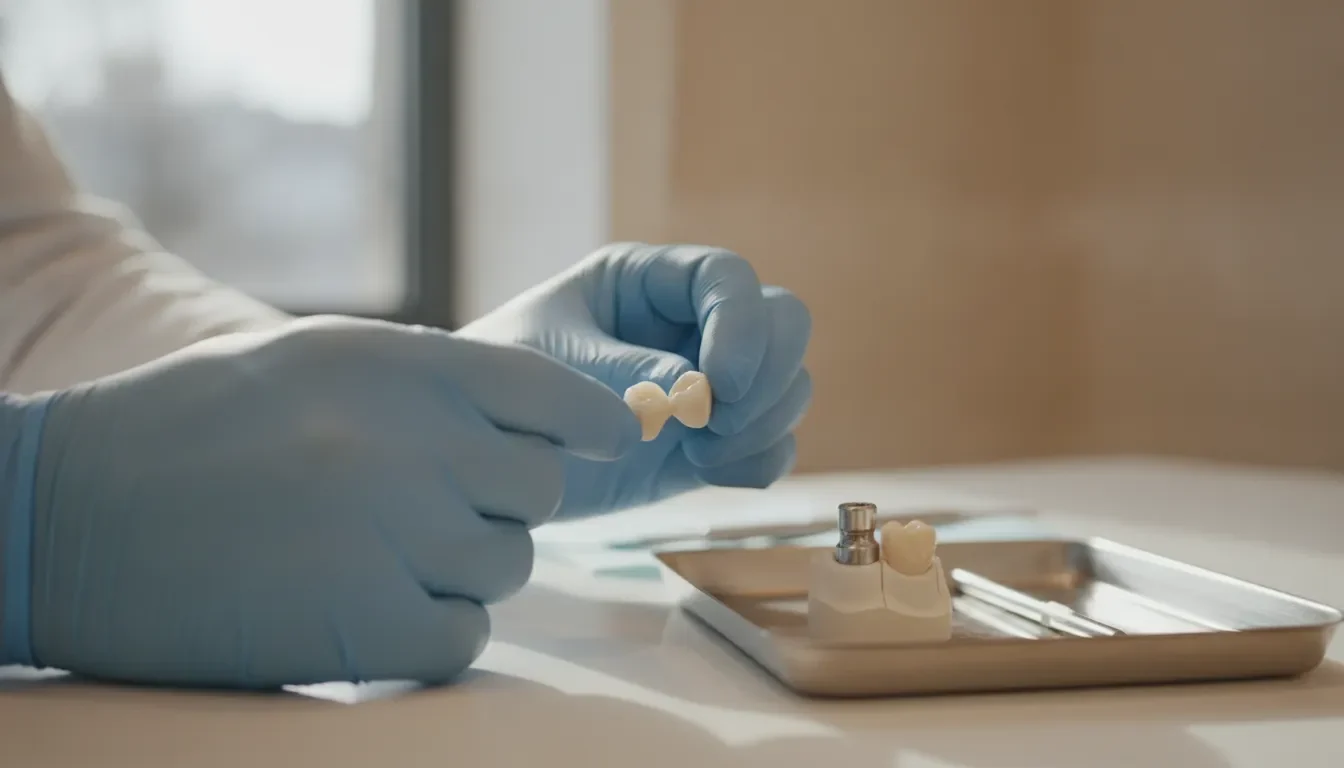
For more noticeable chips or cracks, we might recommend a veneer or a dental crown. A veneer is a very thin, custom-made shell of porcelain that fits over the front surface of your tooth, instantly correcting its shape and color. It’s a great choice for cosmetic fixes. If the tooth needs more structural support, a dental crown is the better option. A crown is a tooth-shaped cap that covers the entire tooth, protecting it from further damage while restoring its function and appearance. Both options are designed to blend in seamlessly with your other teeth.
For Severe Breaks: Root Canals and Extractions
If a chip is deep enough to expose the sensitive pulp and nerve inside your tooth, it can be quite painful. In this case, a root canal may be necessary to save the tooth. This procedure involves gently removing the damaged nerve, cleaning the inside of the tooth, and sealing it to prevent infection. Afterward, we typically place a crown on top for protection. In very rare situations where the tooth is broken beyond repair, an extraction might be the only choice. If that happens, we can discuss excellent replacement options like a dental implant to fully restore your smile.
How to Prevent Future Chips
Once we’ve repaired your chipped tooth, the last thing you want is to go through it all again. The good news is that you have a lot of control over protecting your smile. By being mindful of a few key things, you can significantly lower your risk of future chips and keep your teeth strong and healthy for years to come. It’s all about creating a solid defense for your smile, and it’s easier than you might think. Taking a few preventive steps can save you from future pain, hassle, and expense.
Protect Your Smile with Mouthguards
If you or your kids play sports like soccer, basketball, or hockey, a mouthguard is one of your best lines of defense. These protective shields absorb the force from an unexpected hit, which can prevent a chipped or knocked-out tooth. Experts agree that you should wear a mouthguard when playing any contact sport. While you can buy generic ones at a store, a custom-fit mouthguard from our office offers superior protection and comfort, making it more likely you'll actually wear it. Think of it as a small investment that can save you from a painful and costly dental emergency down the road.
Smart Habits for Stronger Teeth
Your daily habits play a huge role in how resilient your teeth are. Strong enamel is less likely to chip, so focusing on a few smart routines can make all the difference. To keep your teeth in top shape, try to:
- Watch your diet: Sugary and acidic foods and drinks can weaken your enamel over time, making it more vulnerable to damage.
- Stay on top of hygiene: Consistent brushing and flossing are non-negotiable. Regular preventive care appointments also allow us to spot and address weaknesses before they become bigger problems.
- Chew carefully: Avoid biting down on ice, hard candies, or popcorn kernels, especially if you know you have sensitive or previously repaired teeth.
- Manage health conditions: Issues like acid reflux can erode enamel. Getting treatment for it protects not just your overall health, but your teeth, too.
Why It's Important to See a Dentist
I know it’s tempting to look at a small chip in your tooth and think, "I'll just wait and see." Life is busy, and a dental visit can feel like one more thing to add to the list, especially if it doesn't hurt. But when it comes to a chipped tooth, waiting is one of the riskiest things you can do. A quick professional evaluation is the only way to know for sure how deep the damage goes. What looks like a minor cosmetic issue on the surface could be hiding a more serious problem underneath, like a crack that extends below the gumline or damage to the tooth's nerve.
Seeing a dentist right away does two important things. First, it protects your health by preventing potential pain and infection down the road. Second, it can actually save you time and money. A small chip is often a simple, quick fix. But if left alone, that same chip can weaken the entire tooth, leading to a bigger break that requires more extensive and costly treatment. Taking an hour for a check-up now is far better than needing multiple appointments for a complex procedure later. It's about being proactive to keep your smile healthy and strong.
The Risks of Ignoring a Chipped Tooth
A chipped tooth will not heal itself. Even if it doesn’t hurt, the damage creates a weak spot. The chip can easily get bigger from normal chewing, turning a small problem into a major break. More importantly, a chip can expose the sensitive inner layers of your tooth, like the dentin or even the pulp where the nerves are. This opening gives bacteria a direct path inside your tooth, which can lead to painful infections or an abscess. Getting it checked out promptly is the best way to avoid these complications and explore your dental services options before the issue gets worse.
Understanding Treatment Costs and Insurance
Worrying about the cost of treatment is completely normal, but letting that fear stop you from coming in can lead to higher bills later. The cost to fix a chipped tooth depends entirely on how severe the damage is. A tiny chip might just need some simple smoothing and polishing, which is a quick and affordable fix. A slightly larger one might require bonding. More significant breaks could need a veneer or a crown to restore the tooth's shape and strength. We are always happy to discuss options and help you understand your insurance coverage. The sooner you request an appointment, the more likely it is that you'll only need a simple, less expensive solution.
Frequently Asked Questions
Does a chipped tooth always hurt?
Not at all. A very small chip that only affects the outer enamel might not cause any pain, which is why it's so easy to ignore. However, any chip, big or small, creates a weak spot in your tooth's structure and can provide an entry point for bacteria. It's always best to have it checked out, even if you don't feel any discomfort, to prevent a bigger issue from developing later.
Can I just file down a small, sharp chip myself?
Please don't try to fix a chipped tooth at home. Using a nail file or any other tool can easily remove too much enamel, damage the tooth further, and make the situation much worse. We have the proper, sterile instruments to safely smooth the edge without compromising the health and strength of your tooth. It's a quick and simple fix in our office that avoids any unnecessary risk.
How long will the repair for a chipped tooth last?
The durability of the repair really depends on the treatment you receive. Dental bonding, which is great for smaller chips, can last for many years with proper care. For more significant damage, solutions like porcelain veneers or dental crowns are incredibly strong and can last for a decade or even longer. We'll always discuss the longevity of each option so you can make the best choice for your smile.
Is a chipped cuspid tooth considered a dental emergency?
It certainly can be. While a tiny, painless chip can often wait for a regular appointment, you should seek immediate care if you are in severe pain or if a large piece of the tooth has broken off. If you can see the pinkish pulp inside the tooth, that is also a sign you need to be seen right away. When in doubt, the safest bet is to call our office so we can assess the situation.
Will my insurance cover the cost of fixing a chipped tooth?
In many cases, yes. Most dental insurance plans provide coverage for restorative procedures that are necessary for your oral health, which includes fixing a chipped tooth. The amount of coverage depends on your specific plan and the type of treatment needed. Our team is always here to help you understand your benefits and provide a clear cost estimate before we start any work.
Written by
Dr. Iham Gammas, DMDBoard-Certified Implant Dentist & Founder, Lowell Family Dental Practice. Fellow & Master of ICOI and IADI. Associate Fellow of AAID.