We often think of dental procedures as an expense, but it’s more accurate to see them as an investment in your long-term health and well-being. A dental bridge does more than just fill a gap; it protects your bite, prevents other teeth from shifting, and restores your ability to chew comfortably. Of course, the financial component of this investment is a key consideration. The 3 tooth bridge cost can vary, and it’s important to understand what goes into that number. Here, we’ll provide a clear, straightforward look at the pricing, from the initial consultation to the final placement. Our goal is to help you see the lasting value in restoring your smile and feel confident in your decision.
Key Takeaways
- Multiple factors determine your bridge's cost: The final price for a dental bridge is influenced by key variables, including the materials used, the complexity of your case, and any preparatory treatments your supporting teeth may need.
- Look beyond the initial price tag: While a dental bridge often has a lower upfront cost than an implant, its potential need for future replacement can make an implant more cost-effective over your lifetime.
- Use available resources to manage the expense: You can make your dental bridge more affordable by confirming your insurance benefits, asking about in-office payment plans, and using pre-tax funds from an FSA or HSA.
What Is a 3-Tooth Bridge?
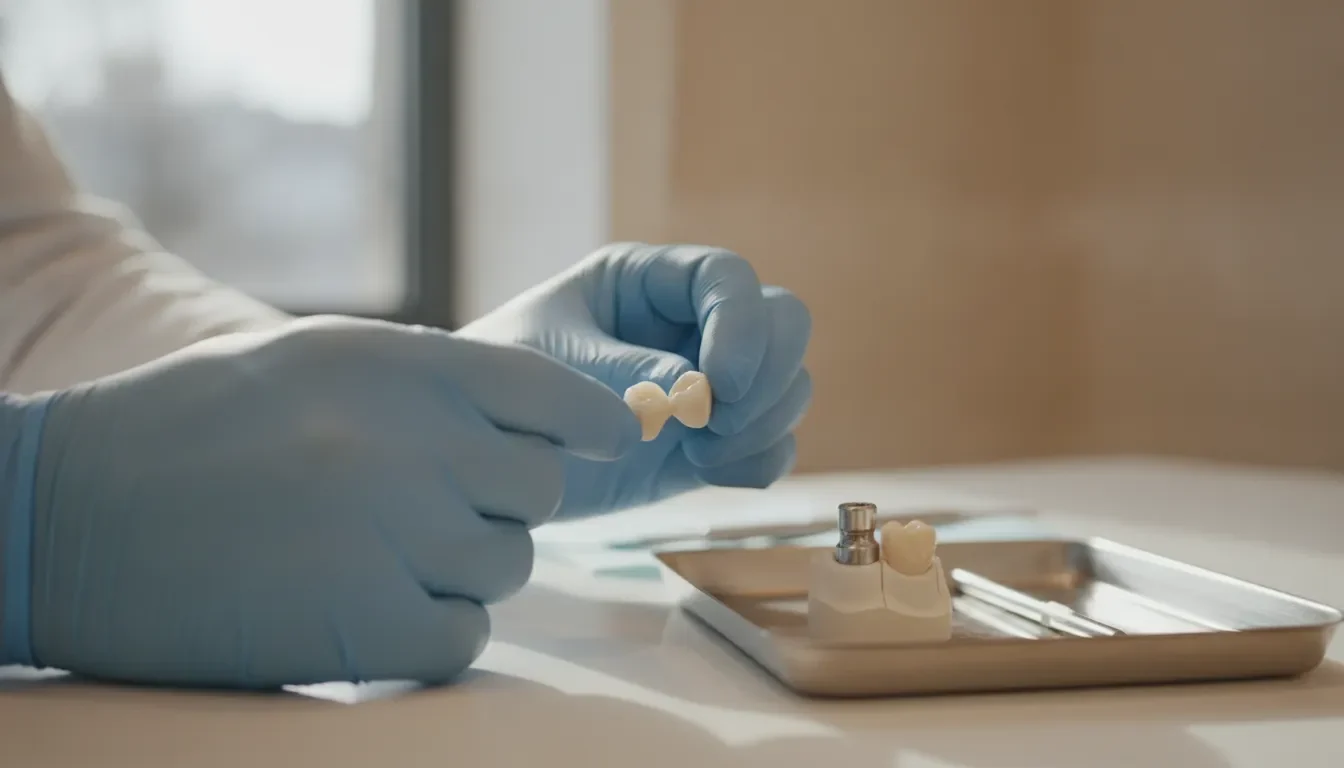
If you have a single missing tooth, you might feel self-conscious about your smile or find it harder to chew your favorite foods. A 3-tooth bridge is a common and effective way to solve this problem. Think of it as three connected crowns that work together to fill the gap. The two crowns on the ends are hollow and fit over the healthy teeth on either side of the space. These are called "abutment teeth," and they act as strong anchors.
The middle crown, called a "pontic," is the replacement tooth that sits snugly in the gap, restoring the look and function of your smile. This entire three-part structure is custom-made to match the color and shape of your natural teeth, so it blends in seamlessly. It’s a fixed solution, meaning it’s cemented in place and doesn’t come out. A bridge is one of the many restorative dental services we offer to help you get your full smile back. It not only improves your appearance but also prevents surrounding teeth from shifting, which can cause bite problems down the road.
How Does It Work?
Getting a dental bridge is a straightforward process that usually takes two to three visits. During your first appointment, we’ll examine the area and prepare the two neighboring teeth that will support the bridge. This involves slightly reshaping them to make room for the crowns. Next, we take precise impressions of your teeth, which are sent to a dental lab where your custom bridge will be crafted. You’ll leave this appointment with a temporary bridge to protect your teeth while the permanent one is being made. A few weeks later, you’ll come back for your final visit, where we’ll fit, adjust, and permanently cement your new bridge into place, leaving you with a complete and confident smile.
Signs You Might Need One
The most obvious sign you might need a bridge is having a missing tooth. But the consequences of that gap go beyond just aesthetics. A missing tooth can cause the surrounding teeth to drift into the empty space, leading to a misaligned bite, jaw pain, and difficulty chewing. It can also make it harder to clean your teeth properly, increasing your risk for decay and gum disease. If you notice any of these issues or simply want to restore your smile’s appearance and function, it’s a good idea to schedule a consultation. We can help you decide if a bridge or another option, like a dental implant, is the right choice for you.
How Much Does a 3-Tooth Bridge Cost?
When you’re thinking about restoring your smile with a dental bridge, one of the first questions that comes to mind is usually about the cost. It’s a practical concern, and knowing what to expect financially is a key part of the decision-making process. The truth is, there isn’t a single, one-size-fits-all price tag for a 3-tooth bridge. The final cost depends on a few important factors, including the materials used to make the bridge and the specific type of bridge that’s right for you.
Think of it less like buying a product off the shelf and more like a custom solution designed just for your smile. At Lowell Family Dental Practice, we believe in being completely transparent about costs. We’ll walk you through every detail during your consultation so you can feel confident in your treatment plan. Understanding the variables will help you see where the value lies and how your investment contributes to a healthy, functional, and beautiful smile for years to come.
A Look at Average Pricing
To give you a general idea, the average cost for a 3-tooth bridge typically falls somewhere between $2,000 and $5,000. This range is a helpful starting point for planning, but it’s important to remember that it’s an estimate. The final price can vary based on the complexity of your case, your geographic location, and the specific details of your treatment plan. This estimate generally covers the creation and placement of the bridge itself.
During your visit, we can provide a precise quote tailored to your unique needs. We’ll break down the costs associated with our dental services so you have a clear picture of the investment in your oral health.
How Materials Impact the Final Cost
The material used to create your bridge plays a significant role in the overall cost. Different materials offer different benefits in terms of durability, appearance, and price. Common options include porcelain, zirconia, and ceramic, all of which are popular for their ability to mimic the look of natural teeth. For teeth that are visible when you smile, most people prefer these materials for a seamless, beautiful result.
In some cases, especially for molars in the back of the mouth, a metal alloy or gold might be recommended for its exceptional strength. The choice of material is a collaborative decision we make with you, balancing your aesthetic goals, functional needs, and budget. Our custom crowns and bridges are designed to provide a lasting and comfortable fit.
What Factors Influence the Cost of a Bridge?
When you start looking into dental bridges, you'll quickly find that there isn't a single, fixed price. The total cost is a sum of its parts, and several key factors come into play. Understanding these variables will help you get a clearer picture of your potential investment and have a more productive conversation with your dentist. From the specific type of bridge you need to the materials used to craft it, each element plays a role in the final price tag. Let's break down the main components that influence what you can expect to pay.
The Type of Bridge
The size and complexity of the bridge are major cost drivers. A bridge is designed to fill the gap left by one or more missing teeth, and its size is described in "units." A 3-unit bridge, for example, replaces one missing tooth and is anchored by crowns on the two adjacent teeth. As you might guess, a larger bridge that replaces more teeth, like a 6-unit bridge, will require more materials and time, which increases the cost. The specific type of dental bridge you need will depend on the location of the missing tooth and the health of the surrounding teeth.
The Materials Used
The materials used to create your bridge significantly affect both its appearance and its price. Porcelain, zirconia, and ceramic are popular choices because they can be matched to the color of your natural teeth, creating a seamless look. Gold alloys are another option, known for their incredible strength and durability, though they are less common for visible front teeth. Each material has a different price point, with options like porcelain fused to zirconia often providing a great balance of aesthetics and strength. Discussing the materials used in dental bridges with your dentist will help you choose the best option for your smile and budget.
Your Dentist's Location
Just like the cost of living varies from one city to another, so does the cost of dental services. The geographic location of your dental practice is a factor in pricing. A procedure in a major metropolitan area might cost more than in a smaller town due to differences in overhead like rent and staff salaries. Additionally, the experience and expertise of the dentist can influence the cost. A specialist or a dentist with advanced training in cosmetic and restorative procedures may have different fees. This is one of several factors, including the complexity of the procedure, that contribute to the final price.
The Health of Your Neighboring Teeth
Before a bridge can be placed, the teeth that will support it, known as abutment teeth, must be strong and healthy. If these neighboring teeth have decay, large fillings, or require a root canal, they will need to be treated first. Any preparatory work adds to the overall treatment timeline and cost. A thorough dental exam is the first step to determine the condition of these teeth. Ensuring the health of the surrounding teeth is solid is essential for the long-term success of your bridge, making any initial investment in their care worthwhile.
A Guide to Different Types of Dental Bridges
When you're looking to replace a missing tooth, a dental bridge is a fantastic option. But not all bridges are created equal. The right type for you depends on a few things, like where the gap is in your mouth and the condition of the teeth around it. Think of it like choosing the right tool for a job; each bridge is designed for a specific situation. Understanding the main types can help you feel more prepared when you chat with your dentist about the best path forward for your smile. Let's walk through the four common types of dental bridges.
Traditional Bridges
This is the most popular type of dental bridge, and for good reason. A traditional bridge consists of a false tooth (called a pontic) held in place by dental crowns that are cemented onto the two teeth on either side of the gap. These neighboring teeth, known as abutment teeth, act as anchors for the bridge, creating a strong and stable restoration. It's a reliable way to fill a gap and restore your bite. The main consideration with this method is that your dentist will need to reshape the abutment teeth to prepare them for the crowns, which means removing some of the enamel from otherwise healthy teeth.
Maryland Bridges
If you're looking for a more conservative option, a Maryland bridge might be the answer. Instead of using crowns, this bridge uses a metal or porcelain framework with "wings" on each side. These wings are bonded to the back of your adjacent teeth, so there's very little, if any, need to alter them. This makes it a great choice for replacing missing front teeth, where the chewing forces aren't as strong. It's one of the many dental services we offer to restore your smile without significantly changing your existing healthy teeth. This approach preserves more of your natural tooth structure, which is always a plus.
Cantilever Bridges
A cantilever bridge is a unique solution for a specific problem: when you only have a natural tooth on one side of the gap. In this case, the false tooth is supported by a crown placed on just one abutment tooth. While this can be an effective fix in certain situations, it's generally not recommended for the back of the mouth. The single anchor point can create a lever-like force that puts too much stress on the supporting tooth, making it less stable over the long term compared to other bridge types. Your dentist can help you determine if this is a safe and viable option for your specific needs.
Implant-Supported Bridges
For the most secure and durable solution, many people turn to implant-supported bridges. This type of bridge is anchored by dental implants rather than your natural teeth. An implant is surgically placed in your jawbone for each missing tooth, and the bridge is then attached to them. This is an excellent option when you have several teeth missing in a row. It doesn't require altering your healthy teeth, and because the implants fuse with your jawbone, they help keep it strong and prevent bone loss. This makes it a wonderful long-term investment in your oral health.
Will Dental Insurance Cover a Bridge?
Figuring out the financial side of dental work can feel like a puzzle, but it doesn't have to be. When it comes to a dental bridge, the cost is a common concern. The good news is that most dental insurance plans do provide some level of coverage for bridges, as they are generally considered a necessary restorative treatment, not just a cosmetic one. However, the amount of coverage can vary quite a bit from one plan to another.
Understanding your specific policy is the key to knowing what to expect. Let's break down how to determine what your insurance will cover and how you can make the most of your benefits.
Understanding Your Coverage
Most dental insurance providers classify dental bridges as a "major" procedure. This is the same category that often includes crowns and dentures. For major procedures, it's common for insurance plans to cover a percentage of the cost, typically around 50%. Some more comprehensive plans might cover more, but that’s less common. The exact percentage depends entirely on your individual plan. Your policy will also have other details that affect your final cost, such as your annual maximum (the most your plan will pay in a year) and your deductible (the amount you have to pay out-of-pocket before your insurance starts to contribute).
How to Verify Your Benefits
The best way to get a clear answer is to go straight to the source: your insurance company. Before you move forward with treatment, take a few minutes to call the member services number on the back of your insurance card. When you speak with a representative, have a list of questions ready. Ask them specifically about coverage for a dental bridge, what percentage they cover for major restorative services, and what your remaining annual maximum is. It’s also smart to ask if you have a waiting period for major procedures. Our new patients often find that a quick call provides all the clarity they need to plan their treatment confidently.
Tips for Maximizing Your Plan
Once you understand your benefits, you can plan your treatment strategically. One of the most effective ways to reduce your out-of-pocket cost is to visit a dentist who is in-network with your insurance plan. In-network dentists have pre-negotiated rates with your insurance company, which usually translates to lower costs for you. Additionally, consider the timing of your treatment. If you need other dental work done, you can plan your procedures to avoid exceeding your plan's annual maximum. Our team is always here to help you understand your treatment plan and can work with you to phase procedures if needed. Feel free to request an appointment to discuss your options.
Are There Other Costs to Consider?
When you get a quote for a dental bridge, it’s helpful to understand exactly what that number includes. The price of the bridge itself is the main component, but it’s often not the only expense involved in restoring your smile. Think of it as the total investment in your oral health. Several other factors can contribute to the final cost, from the initial prep work required to get your mouth ready to the long-term care needed to keep your bridge in great shape.
Understanding these potential additional costs ahead of time helps you budget properly and avoid any surprises down the road. It ensures you’re not just paying for a dental appliance, but for a complete, lasting solution that will keep you smiling for years. Let’s break down the three main areas where you might see other costs: preparatory treatments, follow-up care, and long-term maintenance.
Preparatory Treatments
Before a bridge can be placed, your dentist needs to make sure the foundation is healthy and strong. The teeth that will support the bridge, called abutment teeth, must be in excellent condition. If you have any underlying issues like tooth decay or gum disease, they’ll need to be treated first. The complexity of your specific situation plays a big role in the overall cost. For example, you might need a filling, a root canal, or periodontal treatment before moving forward. Taking care of these things first is essential, as it ensures your new bridge has the stable support it needs to last.
Follow-Up Care
After your bridge is permanently fitted, your journey isn’t quite over. You’ll have follow-up appointments to make sure everything is healing well and that your bite feels comfortable and natural. During these visits, our team will give you detailed instructions on how to clean and care for your new bridge. We’ll show you the best techniques for flossing under it and keeping the surrounding gums healthy. This guidance is a key part of our preventive care philosophy and is vital for maintaining the performance and longevity of your restoration, protecting both your investment and your overall oral health.
Long-Term Maintenance and Repairs
A well-made dental bridge can last anywhere from 10 to 15 years, but its lifespan depends heavily on how well you care for it. Proper daily hygiene is crucial, no matter what material your bridge is made from. Regular dental check-ups and cleanings are also essential for catching any potential issues early. While a high-quality bridge might seem like a bigger investment upfront, it often saves you money in the long run by lasting longer and requiring fewer repairs. If you’re ready to discuss your options, you can request an appointment to get a personalized treatment plan.
Bridge vs. Implant: Which Costs More?
When you’re deciding how to replace a missing tooth, cost is always a major consideration. Both dental bridges and implants are fantastic, reliable solutions, but they come with different price tags and long-term financial commitments. It’s not just about the number on the initial bill; it’s about understanding the value you get over the lifetime of your new smile.
Thinking about the cost in two ways can help you make a clear choice: the upfront investment you’ll make today and the total cost over the next few decades. One option might seem like the obvious winner at first, but when you look at the bigger picture, the most cost-effective solution can be surprising. Let's break down the numbers so you can feel confident discussing your options with us. We believe that a fully informed patient is an empowered one, and we’re here to help you understand every aspect of your dental care.
Comparing the Upfront Investment
At first glance, a dental bridge often has a lower initial cost than a dental implant. The average price for a three-unit bridge, which is used to replace a single missing tooth, typically falls in the range of $3,000 to $5,000. In comparison, a single dental implant, including the crown, can cost anywhere from $3,000 to $4,500.
While these numbers can sometimes overlap, the bridge is frequently the more budget-friendly choice upfront. This initial savings is a big reason why some patients lean toward a bridge. However, it's important to remember that this is just the starting point of the investment in your smile.
Factoring in Longevity and Replacements
This is where the long-term financial picture starts to look a little different. A dental bridge generally has a lifespan of about 5 to 15 years, depending on how well you care for it and other oral health factors. On the other hand, a dental implant is designed to be a permanent solution and can easily last 20 years or more with proper care, often for a lifetime.
This difference in durability is key. Because a bridge has a shorter lifespan, you’ll likely need to plan for its replacement at least once, if not twice, over the years. Each replacement comes with its own cost, which means you’ll be paying for the same solution multiple times.
The Total Lifetime Cost
When you add up the potential replacement costs, the long-term financial outlook shifts. While the implant has a higher initial price, its permanence often makes it the more economical choice over your lifetime. You pay more at the beginning, but you avoid the recurring expense of replacing a bridge every decade or so.
Choosing between a bridge and an implant is about balancing your immediate budget with your long-term goals. Thinking about the total cost over many years, not just the price today, gives you a clearer path forward. We can walk you through a personalized cost breakdown during your consultation to help you find the solution that fits your health needs and financial plan perfectly.
How to Make Your Dental Bridge More Affordable
Investing in your smile is one of the best things you can do for your confidence and overall health, but we know the cost can be a consideration. The good news is that a dental bridge can be more accessible than you might think. With a little planning and knowledge of your options, you can find a payment path that fits your budget. From flexible financing to using pre-tax savings accounts, there are several practical ways to manage the expense without compromising on quality care. Let’s walk through a few key strategies to make your dental bridge more affordable.
Payment Plans and Financing
You don’t have to pay for your entire treatment upfront. Many dental offices offer payment plans that break down the total cost into smaller, more manageable monthly installments. We believe financial concerns shouldn't stand in the way of a healthy smile, which is why we work with patients to find solutions. Some practices also partner with third-party financing companies specializing in healthcare, offering low or no-interest plans for qualified applicants. The best way to understand your options is to ask. When you request an appointment, we can discuss a financial arrangement that works for you.
Using Your FSA or HSA Account
If you have a Flexible Spending Account (FSA) or Health Savings Account (HSA) through your employer, you can likely use those funds for your dental bridge. These accounts allow you to set aside pre-tax money for out-of-pocket health care costs. Since a dental bridge is a restorative procedure that improves oral function, it typically qualifies as a covered expense. Using these tax-free dollars can significantly reduce your overall cost. We recommend checking with your account administrator to confirm your plan's details and learn how to submit for reimbursement.
Planning Your Treatment Timing
When it comes to dental work, waiting often leads to more complex and costly problems. Addressing a missing tooth soon after it's lost is one of the smartest ways to save money long-term. A gap in your smile can cause neighboring teeth to shift, leading to alignment issues or bone loss in your jaw. Correcting these issues later requires more extensive treatment. By getting a dental bridge promptly, you prevent these complications. This proactive approach protects your oral health and helps you avoid the higher costs associated with more involved dental services.
Key Questions for Your Dental Consultation
Walking into your dental consultation armed with the right questions can make all the difference. It helps you feel confident in your decisions and ensures there are no surprises down the road. Think of this appointment as a conversation where you and your dentist work together to create the best plan for your smile. At Lowell Family Dental Practice, we believe an informed patient is an empowered one. To get the most out of your visit, focus on three key areas: the cost and payment structure, the treatment schedule, and how your insurance plays a role. Getting clear answers on these topics will help you move forward with your dental bridge treatment smoothly and without stress.
Discussing Costs and Payment Options
Let's talk about the number one question on everyone's mind: what will this cost? The price of a 3-tooth bridge can vary quite a bit, generally falling somewhere between $2,000 and $5,000. This range depends on the materials used and the specifics of your case. During your consultation, ask for a detailed cost breakdown so you know exactly what to expect. It’s also a great time to discuss payment options, as many dental offices offer financing plans to make treatment more manageable. Don't hesitate to be upfront about your budget; our goal is to find a solution that restores your smile without breaking the bank.
Understanding the Treatment Timeline
Getting a dental bridge isn't a single-visit procedure, so it’s helpful to understand the timeline from start to finish. Typically, the process takes about two to three appointments spread over a few weeks. This allows time for preparing the teeth, taking precise impressions, and creating a custom bridge that fits perfectly. Ask your dentist for a clear schedule of appointments so you know what to expect and can plan accordingly. Knowing the full timeline helps you arrange your schedule and prepares you for each step of restoring your beautiful, functional smile. You can request an appointment to get your personalized treatment plan started.
Confirming Your Insurance Coverage
Working with dental insurance can feel complicated, but a little prep work goes a long way. Before you commit to treatment, it’s smart to confirm your benefits. Most insurance plans classify dental bridges as a major procedure, which often means they’ll cover a significant portion of the cost, sometimes between 50% and 80%. The best first step is to call your insurance provider directly to ask about your specific coverage, including any deductibles or annual maximums. Our office staff is also very experienced in working with insurance and can help you understand and maximize your benefits.
Frequently Asked Questions
How long will my dental bridge last?
A well-cared-for dental bridge can last for many years, often between 10 and 15. The key to its longevity is your daily oral hygiene routine and regular dental check-ups. Think of it as an investment in your smile; consistent care, including proper cleaning under the bridge, ensures you get the most out of it for a long, long time.
Will getting a dental bridge hurt?
We make sure your comfort is the top priority. The entire procedure is done with local anesthetic, so the area will be completely numb while we prepare your teeth and fit the bridge. You might feel some mild sensitivity for a few days afterward as your mouth adjusts, but this is temporary and easily managed.
How do I clean my new dental bridge?
Caring for your bridge is very similar to caring for your natural teeth, with one extra step. You'll brush it just like your other teeth, but you also need to clean the space underneath the replacement tooth. We'll show you how to use special tools like a floss threader or a water flosser to easily remove any plaque or food particles from that area, keeping your gums healthy.
Why is it important to replace a single missing tooth?
Leaving a gap might not seem like a big deal at first, but it can cause a chain reaction of dental issues. The surrounding teeth can start to drift into the empty space, which can throw off your bite, cause jaw pain, and make chewing more difficult. Replacing the tooth with a bridge keeps everything in its proper place, protecting your oral health for the future.
Will my new bridge look like a real tooth?
Yes, absolutely. Your bridge is custom-designed just for you. We use modern materials like porcelain and zirconia that are chosen to perfectly match the color and sheen of your natural teeth. The bridge is carefully shaped to fit seamlessly into your smile, so most people will never know it's not your original tooth.
Written by
Dr. Iham Gammas, DMDBoard-Certified Implant Dentist & Founder, Lowell Family Dental Practice. Fellow & Master of ICOI and IADI. Associate Fellow of AAID.