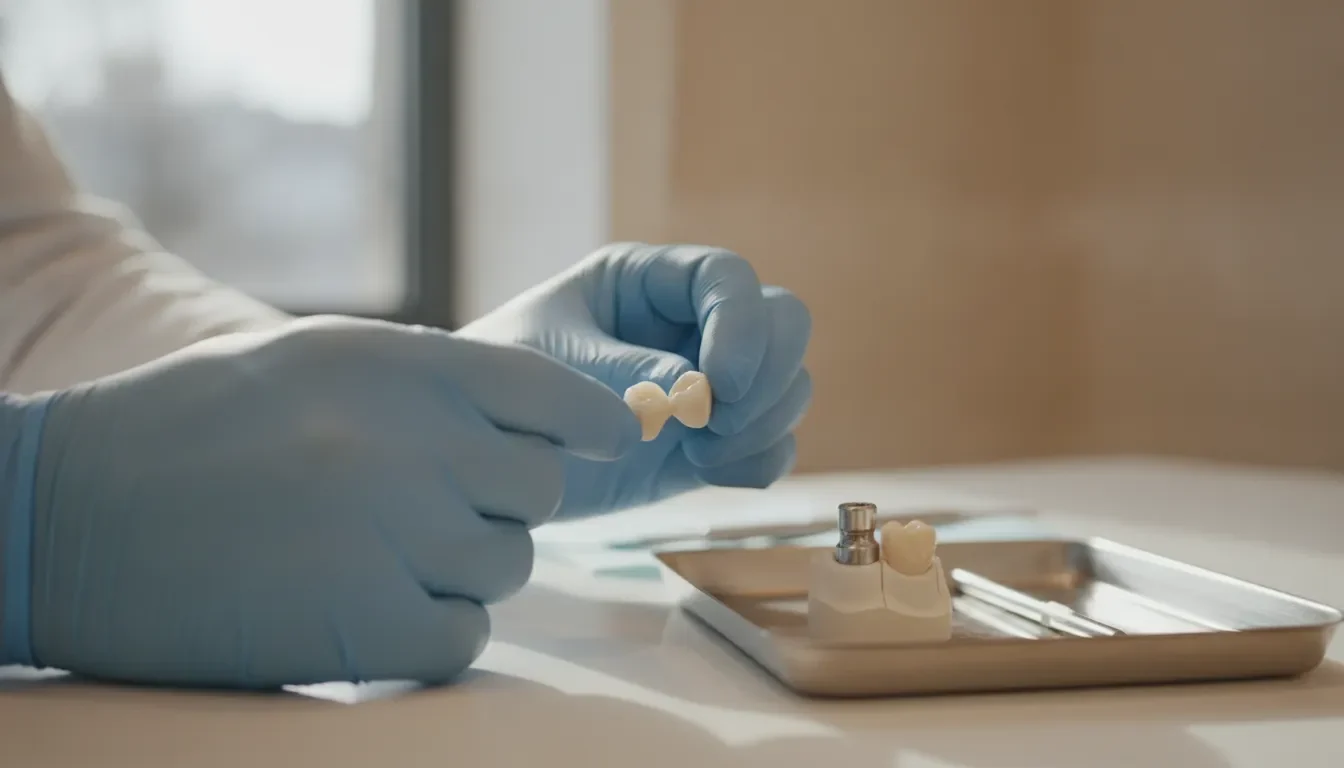
A knocked-out tooth is more than just a piece of enamel; it's a living part of your body that has been forcibly removed from its life source. The root is covered in delicate, living cells that are essential for reattaching it to your jawbone. Once the tooth is out of your mouth, these cells begin to dry out and die very quickly. Your main job in this dental emergency is to protect those cells. This guide explains the simple but vital steps for handling an avulsed permanent tooth to preserve these tissues, giving us the best possible chance to save your natural tooth and restore your smile.
Key Takeaways
- Handle the tooth with care in the first hour: To save a permanent tooth, your immediate actions are key. Only touch the crown (the white part), gently rinse off any dirt, and try to place it back in its socket.
- Proper storage is your next best option: If you can't replant the tooth, keep it moist to protect the delicate root. Place it in a small container of milk, not water, and never let it dry out.
- Call a dentist immediately, but know the difference: A knocked-out permanent tooth is a true emergency requiring professional care. However, never try to replant a baby tooth, as this can harm the developing adult tooth.
What is a Knocked-Out (Avulsed) Tooth?
A knocked-out tooth, which dentists call an "avulsed tooth," is exactly what it sounds like: a tooth that has been completely dislodged from its socket in the jawbone because of an injury. It’s a startling sight, and your first reaction might be panic, but the most important thing you can do is stay calm. This is a definite dental emergency, but with the right steps, there's a good chance the tooth can be saved and successfully put back in place.
The success of replanting a tooth depends heavily on how it's handled in the minutes after the accident. The living cells on the root of the tooth are delicate and need to be preserved for the tooth to reattach to the bone. This is why the first hour is so critical. If this happens to you or someone in your family, your first step after securing the tooth should be to call our office. We can walk you through what to do and prepare for your immediate arrival.
Common Causes of a Knocked-Out Tooth
A permanent tooth doesn't just fall out; it’s almost always forced out by a sudden, strong impact. The most common causes we see are related to accidents. Sports injuries are at the top of the list, especially from contact sports like basketball, hockey, or soccer. Other frequent culprits include falls, bicycle accidents, and car crashes. Any significant blow to the mouth can result in a knocked-out tooth, which is why wearing a custom-fit mouthguard during any athletic activity is one of the best preventive measures you can take.
Why You Can't Replant Baby Teeth
This is a crucial point for parents: if your child knocks out a baby tooth, you should not try to put it back into the socket. While your first instinct is to save the tooth, attempting to replant a baby tooth can cause more harm than good. The permanent adult tooth is developing in the jaw directly underneath that baby tooth. Forcing the baby tooth back in can damage the permanent tooth, potentially leading to issues with its alignment or eruption later on. Instead, comfort your child, use a clean cloth to apply gentle pressure to control any bleeding, and give us a call to schedule an appointment. The advice in this guide applies only to permanent teeth.
First Steps for a Knocked-Out Tooth
Seeing a permanent tooth get knocked out is alarming, but try to stay calm. If you act quickly and handle the situation correctly, there’s a very good chance the tooth can be saved and replanted successfully. The key is to protect the tooth’s delicate root from damage and get to a dentist as soon as you can. Think of it as dental first aid. Following these steps in the first few moments can make all the difference for your smile.
Handle the Tooth by the Crown
First things first: when you pick up the tooth, be very careful to only touch the crown. The crown is the smooth, white chewing surface you normally see. Avoid touching the root, which is the longer, more pointed part that sits below the gumline. The root is covered in tiny, living ligaments and cells that are essential for helping it reattach to the jawbone. Handling the tooth by its root can easily damage these delicate tissues, making it much harder for us to save the tooth.
Gently Rinse the Tooth
If the tooth has picked up some dirt, you’ll want to give it a quick rinse. Hold it by the crown and run it under a gentle stream of cold water for no more than 10 seconds. The goal is simply to wash away any visible debris, not to scrub it clean. Do not use any soap, chemicals, or alcohol. You should also avoid wiping or drying it with a cloth or tissue, as this can damage the sensitive cells on the root’s surface. A quick, gentle rinse is all that’s needed before moving on to the most important step.
Try to Place It Back in the Socket
This might sound a bit daunting, but the best place for the tooth is back in its socket where it belongs. If possible, gently guide the tooth back into the empty space, making sure it’s facing the right way. Don’t force it. Once it’s in position, you can hold it there by biting down softly on a clean piece of gauze or a handkerchief. If you can’t get it back in, that’s okay. The next best thing is to keep it moist. Place it in a small container with milk. Whatever you do, don’t let it dry out. As soon as the tooth is secure, call our office immediately. Time is critical in a dental emergency.
How to Store the Tooth on Your Way to the Dentist
If you weren't able to place the tooth back into its socket, your next mission is to keep it safe and moist on your way to our office. The living cells on the tooth's root are incredibly delicate, and keeping them alive is the key to successfully reattaching the tooth. Proper storage buys you precious time and dramatically increases the chances of a good outcome.
Think of it as a life support system for your tooth. The goal is to transport it in a solution that mimics the environment inside your mouth. This prevents the root from drying out and protects the sensitive tissues needed for healing. Once you have the tooth secured, call a dentist immediately. Getting professional dental care as quickly as possible is the most important step.
The Best Ways to Keep the Tooth Safe
The best and most accessible liquid for storing a knocked-out tooth is milk. Its chemical makeup is compatible with the root cells, helping to keep them viable. Simply place the tooth in a small container and cover it with milk. If you have a tooth preservation kit with Hanks' Balanced Salt Solution, that's an excellent choice, but milk is a fantastic and readily available alternative. For an adult or older child, another option is to tuck the tooth inside their cheek or under their tongue. Saliva can also keep it moist, but this method carries the risk of swallowing the tooth, so only use it if you're confident it can be done safely.
Storage Methods to Avoid
What you don't do is just as important as what you do. First, do not store the tooth in plain tap water. The composition of water can cause the root cells to swell and burst, which will permanently damage them and make replantation impossible. You should also never wrap the tooth in a tissue or cloth, as this will dry it out. It’s also critical that you don’t scrub the tooth or try to clean it with soap or other chemicals. This can remove the vital periodontal ligament fibers that are necessary for it to reattach to the bone. Just a gentle rinse is all it needs before you store it and make your way to the dentist.
How Quickly Do You Need to Act?
When a permanent tooth gets knocked out, your first thought might be panic. But I want you to take a deep breath and focus on one thing: the clock. In a dental emergency like this, time is the single most important factor in saving the tooth. Acting fast and following the right steps can make all the difference between losing a tooth for good and keeping your natural smile intact. The goal is to get the tooth back in its socket, or at least to a dentist, as quickly as humanly possible.
A knocked-out tooth isn't just a piece of enamel; it's a living part of your body. The root surface is covered in tiny, delicate cells that form the periodontal ligament. This ligament is what holds the tooth securely in your jawbone. For the tooth to successfully reattach, those cells need to be kept alive. Once the tooth is out of your mouth, these cells start to dry out and die very quickly. This is why every single second counts. Your immediate actions directly influence whether we can save your tooth. Let's talk about the specific timeline you're working with.
The "Golden Hour" for Saving a Tooth
Think of the first 30 to 60 minutes after a tooth is knocked out as the "golden hour." This is the critical window where the chances of successfully replanting the tooth are highest. The living cells on the root of the tooth need to stay moist and viable to reattach to the bone in your jaw. If you can get the tooth back into its socket within this timeframe, you give it the best possible shot at survival. If you can't replant it yourself, getting to our office immediately is the next best thing. Don't delay; request an emergency appointment as soon as the injury happens.
How Time Affects Success
Every minute that passes after a tooth is knocked out reduces the chance of saving it. After about 30 to 60 minutes, the delicate cells on the tooth's root begin to die, making it much harder for the tooth to reattach once it's back in the socket. The success rate drops significantly after this point, and after two hours, the chances of a successful replantation are very low. This is why proper storage is so crucial. Keeping the tooth in milk or a saline solution helps preserve those vital cells while you're on your way to the dentist. Your quick thinking and careful handling directly impact the long-term outcome for your smile.
What to Expect at the Dentist's Office
When you walk through our doors with a knocked-out tooth, we know you're likely feeling panicked. Take a deep breath—you've already done the hardest part by getting here quickly. Our entire team is ready to jump into action to give your tooth the best possible chance of survival. We handle dental emergencies with a calm, focused approach, because we know that's what you need most in a stressful moment. Your comfort and well-being are our top priorities from the second you arrive.
Our process is straightforward and designed for one thing: to save your tooth. We'll first take a gentle look at the tooth and the area in your mouth where it came from. This helps us understand the extent of the injury and map out the best plan. Then, if possible, we'll carefully place the tooth back where it belongs. The final step is to make sure it stays put while your body does the amazing work of healing. We'll secure it to the neighboring teeth with a small, temporary splint. Throughout this entire process, we'll explain what we're doing and why, so you're never left in the dark. Our experienced staff is skilled in these precise procedures, combining expertise with the gentle touch our practice is known for. We want you to leave our office feeling cared for and confident in your treatment plan.
Assessing the Tooth and Socket
The first thing we’ll do is carefully assess the tooth and the empty socket. We need to check for any damage, like cracks or fractures on the tooth’s root, and make sure the socket is clear of debris. This quick but thorough examination helps us determine the best course of action and confirms if replanting is a viable option. A knocked-out, or avulsed, tooth is one that has been completely dislodged from the jawbone, usually due to an accident or injury. Our gentle approach to all our dental services ensures we handle this delicate situation with the utmost precision to protect the sensitive tissues and give your tooth a fighting chance.
Replanting the Tooth
If everything looks good, the next step is to replant the tooth. The sooner we can get the tooth back into its socket, the higher the odds of success. Ideally, this happens within an hour of the injury. We will gently rinse the tooth and the socket before carefully guiding it back into its natural position. If the tooth was out of your mouth for a little while, we might soak it in a special solution to help preserve the cells on the root surface before reinsertion. This critical step is why it’s so important to request an appointment immediately and let us know you’re on your way so we can be prepared for your arrival.
Splinting to Keep the Tooth Stable
Once the tooth is back in place, it needs to be held steady so it can heal properly. To do this, we use a splint. Think of it as a small, temporary brace that attaches the injured tooth to its healthy neighbors. This stabilization is crucial because it prevents the tooth from moving around, allowing the ligaments and bone to reattach to the root. The splint is typically very discreet and will stay on for about two weeks. We make sure all our new patients feel supported through every stage of their care, and this healing phase is no exception. We’ll give you clear instructions on how to care for the splinted tooth at home.
Caring for Your Tooth After Replantation
Getting your tooth back into its socket is a huge win, but the work isn't over yet. The next few weeks are critical for helping the tooth heal and re-attach to the bone. Think of it like a sprained ankle; it needs time, care, and professional check-ins to heal properly. Your tooth was stabilized with a splint, but it’s still very fragile. This splint acts like a cast, holding the tooth steady so the ligaments that anchor it to your jaw can re-establish a strong connection.
Following your dentist's aftercare instructions is the best way to ensure a successful outcome and keep your smile whole. For the first couple of weeks, you’ll need to stick to a soft food diet, think smoothies, yogurt, soups, and mashed potatoes. It's also important to avoid chewing directly on the injured tooth. When you brush, be extra gentle around the affected area to avoid disturbing the healing process. This careful approach protects the tooth from further trauma and gives it the best possible chance to become a permanent part of your smile again.
Why a Root Canal Is Often Necessary
It might seem strange, but even if your tooth is successfully put back, it will almost always need a root canal. When a tooth is knocked out, the trauma cuts off the blood supply and damages the delicate nerve tissue inside, known as the pulp. This tissue can't repair itself and will eventually die, creating a space for bacteria to grow and cause a painful infection. A root canal treatment is a proactive step to clean out the damaged pulp, disinfect the inside of the tooth, and seal it to prevent future problems. It’s the key procedure that allows you to keep your natural tooth for years to come.
Watch for These Signs
Your body is great at sending signals when something isn’t right. After your tooth is replanted, pay close attention to the area. While some initial discomfort is normal, you should call your dentist right away if you notice persistent symptoms. Be on the lookout for signs of complications like ongoing bleeding, significant pain that doesn't improve, or swelling in the gums around the tooth. Another key sign is tooth discoloration, where the tooth starts to look darker or grayish. This often indicates that the nerve inside has died. Don't wait and hope these issues go away on their own; immediate dental care can make all the difference in saving your tooth.
Schedule Your Follow-Up Visits
Your emergency appointment is just the first step. Regular follow-up visits are essential for monitoring your tooth's recovery. We’ll typically have you come back in about two weeks to remove the splint that’s holding your tooth in place. During these check-ups, we will perform vitality tests to see if the tooth is responding and take X-rays to check for any underlying issues, like the root dissolving, a process called resorption. These appointments allow us to catch any potential problems early and adjust your treatment plan as needed. Staying on top of your follow-up schedule gives your tooth the best possible chance of healing successfully and remaining healthy for the long term.
Can Every Knocked-Out Tooth Be Saved?
While we always hope for the best, the honest answer is that not every knocked-out tooth can be saved. The success of replanting a tooth depends heavily on how quickly you act and how the tooth is handled. Think of it like this: the cells on the tooth's root need to stay alive to reattach to your jaw. After about an hour, those cells can be permanently damaged, which makes saving the tooth much more difficult.
Your quick response is the single most important factor. By following the right steps, you give yourself the best possible chance of a successful outcome.
Factors That Impact Success
Several things can influence whether a replanted tooth will heal properly. A major factor is the tooth's maturity. Immature permanent teeth, often found in children and teens, have open roots and a better blood supply, giving them a higher chance of survival. The condition of the tooth itself is also critical. It’s important not to scrub the root or clean it with soap, as this can damage the delicate ligaments needed for reattachment. These are just a few of the key considerations for treatment that can affect the long-term health of the tooth.
When a Tooth Can't Be Replanted
Sometimes, replanting a tooth just isn't possible. If the tooth has been out of your mouth for more than an hour, the chances of saving it drop significantly. This is why getting to a dentist immediately is so important. If you can't place the tooth back in its socket, keeping it moist is your next priority. Placing the tooth in a small container of milk is the best way to preserve the root cells on your way to our office. An avulsed tooth is a serious dental emergency, and our team is here to help assess the situation and give you the best care.
Your Other Options for a Healthy Smile
If the tooth cannot be saved, please don’t worry. It is not the end of your healthy, beautiful smile. Modern dentistry offers excellent solutions to restore both the function and appearance of your teeth. We can discuss several options with you, depending on your specific needs and oral health. These alternatives might include a dental implant, a bridge, or a partial denture. Our goal is to find the right solution for you, and we offer a range of restorative dental services to help you feel confident in your smile again.
Common Myths About Knocked-Out Teeth
When a tooth gets knocked out, it’s easy to recall bad advice you might have heard somewhere. In a moment of panic, misinformation can seem plausible. Let's clear up a couple of the most common and potentially harmful myths about handling a knocked-out tooth. Getting these facts straight can make all the difference in whether the tooth can be saved. Knowing what not to do is just as important as knowing the right steps to take.
Myth vs. Fact: Cleaning and Storing the Tooth
A common belief is that you can just put a knocked-out tooth in a glass of water to keep it safe. This is actually one of the most harmful things you can do. Plain water can damage the delicate cells on the tooth's root, making it much harder, or even impossible, to successfully replant. If you can't immediately place the tooth back in its socket, you need to store it properly. The best option is a small container of milk. If you don't have milk, you can use saliva by holding the tooth in your cheek. The goal is to keep the root moist without harming the living cells, and milk or saliva are the best choices for the job.
Myth vs. Fact: Replanting Baby Teeth
Many parents think they should try to put a knocked-out baby tooth back in the socket, just like a permanent one. This is a definite "no." You should never attempt to replant a baby tooth. While it might seem like the right thing to do, putting a baby tooth back into the socket can cause serious damage to the permanent adult tooth that is still developing in the jaw underneath. The best course of action is to find the tooth, comfort your child, and call us for guidance. While losing a baby tooth early isn't ideal, protecting the future permanent tooth is the top priority. Dental professionals agree that baby teeth should not be put back in.
How to Prevent a Dental Emergency
An ounce of prevention is worth a pound of cure, especially when it comes to your smile. While you can't plan for every accident, you can take simple, proactive steps to protect your teeth from injury. Most dental emergencies, like knocked-out teeth, happen during predictable situations like sports or common household accidents. By being prepared and taking a few precautions, you can significantly lower your risk of facing a sudden trip to the dentist. It’s all about creating safe habits that keep your teeth right where they belong: in your mouth.
Wear a Mouthguard for Sports
If you or your kids play sports, a mouthguard is a non-negotiable piece of gear. Activities like basketball, hockey, soccer, or martial arts put your teeth at high risk for impact. A well-fitting mouth guard acts as a cushion, absorbing the shock from a blow to the face that could otherwise chip, break, or completely knock out a tooth. While you can buy generic mouthguards at a store, a custom-fit one from your dentist offers the best protection and comfort. Think of it as a helmet for your teeth; you wouldn't play football without one, so don't step onto the field without protecting your smile.
Everyday Safety Tips
Dental injuries don't just happen to athletes. Many common causes of knocked-out teeth are everyday accidents, like falls, bike mishaps, or car collisions. You can protect your smile by being mindful of your surroundings and adopting a few safety habits. Always wear a helmet when biking, skating, or scootering. Avoid using your teeth to open packages or bottles; they aren't tools. For families with young children, child-proofing your home by securing rugs and covering sharp furniture corners can prevent tumbles that might harm their teeth. These small adjustments can make a big difference in keeping your family’s smiles safe and sound.
Frequently Asked Questions
What's the most important thing to do if I can't get the tooth back in its socket?
If you can't gently place the tooth back into its spot, your top priority is to keep it moist. The best and most accessible option is to place the tooth in a small container of milk. The properties of milk help keep the delicate cells on the tooth's root alive. If milk isn't available, you can hold the tooth inside your cheek, as your saliva will also work. The key is to prevent the root from drying out while you make your way to our office.
Why can't I just use tap water to store the tooth?
This is a common mistake, but storing a tooth in plain water can actually do more harm than good. The composition of tap water is very different from the environment inside your mouth, and it can cause the living cells on the root to swell and burst. This damage is irreversible and will make it impossible for the tooth to successfully reattach to your jawbone. Always opt for milk or saliva instead.
If the tooth is put back in, does that mean it's fixed for good?
Not quite. Getting the tooth replanted is the critical first step, but follow-up care is essential for long-term success. Because the nerve and blood supply were severed when the tooth was knocked out, the tissue inside will not heal. To prevent infection and save the tooth, a root canal treatment is almost always necessary a week or two after the injury.
What should I do if my child knocks out a baby tooth?
If your child knocks out a baby tooth, you should not try to put it back in. The permanent tooth is developing in the jaw right underneath it, and attempting to replant the baby tooth could damage the adult tooth before it even has a chance to come in. Instead, comfort your child, control any bleeding with a clean cloth, and give our office a call so we can make sure everything is okay.
How much time do I really have to save the tooth?
Time is the most critical factor. You have the best chance of saving the tooth if you can get to a dentist within 30 to 60 minutes of the injury. We call this the "golden hour." After this window, the success rate drops significantly because the delicate cells on the root begin to dry out and die. This is why it's so important to act quickly and call for an emergency appointment right away.
Written by
Dr. Iham Gammas, DMDBoard-Certified Implant Dentist & Founder, Lowell Family Dental Practice. Fellow & Master of ICOI and IADI. Associate Fellow of AAID.