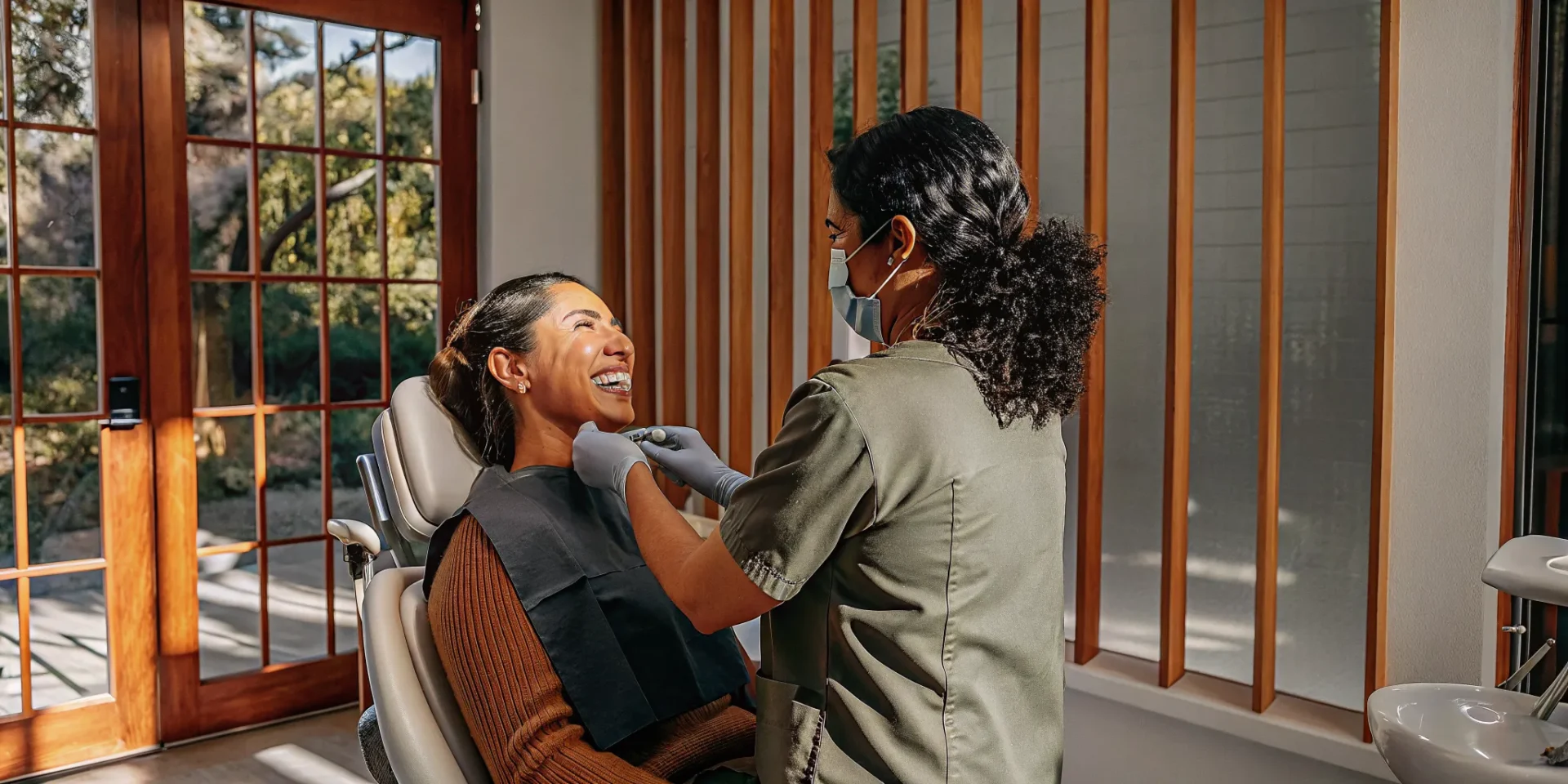
Completing active gum disease treatment is an important step, but it is not the end of caring for your gums. Gum health can change quietly, so follow-up visits help your dental team watch for new inflammation. They also help identify areas that need attention before problems become more difficult to manage.

Periodontal maintenance after gum disease treatment is individualized ongoing care that combines gum-health monitoring, professional cleaning, and reinforced home-care guidance at intervals chosen for your needs. It is different from returning automatically to a routine cleaning schedule, and it is not the same as repeating active deep cleaning at every visit. Learn more about gum disease treatment in Lowell, and read our guide to overcoming dental anxiety and gum disease in Lowell MA.
Knowing what these appointments are designed to protect makes the process easier to understand. It also explains why consistent monitoring remains valuable even when your gums feel comfortable and your smile looks healthy.
Ready to review your next step? Schedule a periodontal care visit with our team or call 978-458-1179.
Why Maintenance Matters After Gum Disease Treatment
Completing active gum disease treatment is an important step, but it is not always the end of periodontal care. The tissues around the teeth can remain vulnerable to plaque buildup and inflammation, especially when a patient has a history of periodontitis. Periodontal maintenance provides a structured way to keep watching those areas, reinforce effective home care, and respond if new concerns appear.
Maintenance supports the progress made during treatment
The American Academy of Periodontology glossary defines periodontal maintenance as procedures performed at selected intervals to help a periodontal patient maintain oral health. In practical terms, this supportive phase follows active treatment and focuses on preserving stability rather than repeating treatment automatically at every visit. Clinical guidance describes supportive periodontal care as necessary for extending the benefits of treatment over time. Read the clinical guidance on supportive periodontal care.
Maintenance also gives your dental team an opportunity to compare current findings with earlier measurements. Changes in gum inflammation, pocket readings, plaque control, or other signs can guide the next recommendation. This monitoring matters because periodontal problems may progress without causing obvious discomfort. Feeling well is encouraging, but it does not replace an examination.
There is no one schedule for every patient
Research has evaluated periodontal maintenance schedules commonly ranging from three to six months. But the evidence does not establish one fixed recall interval that fits everyone after periodontal therapy. Your recommended timing may reflect the severity of the original disease, current gum measurements, home-care routine, risk factors, and how stable your findings remain. A dental professional may adjust the plan as those findings change. The review of recall intervals found that shorter three- to six-month schedules favored retaining more teeth. But this evidence should not be turned into a universal promise or prescription for every patient. Review the evidence on periodontal maintenance recall intervals.
Ongoing care does not mean that gum disease cannot be controlled. It means control is supported through teamwork: professional monitoring and care at the practice, along with consistent daily cleaning at home. If you are wondering can gum disease be reversed, the answer depends on the condition and the findings your dental team observes. Maintenance helps turn that discussion into an individualized, evidence-informed plan.
What Happens at a Periodontal Maintenance Appointment?
A periodontal maintenance visit is designed to keep a close eye on your gums after active gum disease treatment. The appointment is more than a quick polish. It combines a periodontal check, professional cleaning, and practical guidance so your dental team can respond to changes early.
Assessment comes before cleaning
At Lowell Family Dental Practice, a complete periodontal exam is performed with each visit for early disease detection. The team may evaluate plaque levels, measure the depth of the spaces between your gums and teeth, and look for indicators of gum inflammation or other changes. The assessment can also include checking for loose teeth or unusual lumps. X-rays may be recommended when the team needs to evaluate the bone and other supporting structures.
These checks help make the visit individualized. A patient whose readings are stable may simply need continued supportive care, while new bleeding, deeper pockets, or other findings may call for a closer review. You can ask questions throughout the appointment, especially if you notice sensitivity, bleeding, persistent bad breath, or a change in how your teeth feel.
Professional cleaning and home-care review
After the assessment, the hygienist cleans plaque and calculus from the areas identified during the visit. The team also reviews your daily routine and reinforces the techniques that help control buildup between appointments. Lowell’s oral-hygiene guidance includes brushing with soft bristles in gentle circles toward the gums and flossing nightly in a U-shape against the tooth surface.
Maintenance is not automatically the same as active deep cleaning. A deep cleaning, also called scaling and root planing, is a treatment for an existing periodontal problem and targets plaque and tartar below the gumline. Learn more about what deep cleaning involves. Your exam helps the dental team determine whether routine maintenance is appropriate or whether additional treatment needs to be discussed.
The goal is a predictable partnership: monitor gum health, remove buildup, and adjust home care when needed. Keeping these appointments gives you regular opportunities to understand your readings and address concerns before they become harder to manage.
How Often Do You Need Periodontal Maintenance After Gum Disease Treatment?
There is no single calendar schedule that fits everyone after gum disease treatment. Your periodontal maintenance plan should reflect how your gums respond over time, not simply default to a standard twice-yearly cleaning. The goal is to identify inflammation or changes in gum support early, then adjust care before a small concern becomes a larger one.
What determines your maintenance interval?
Your dental team may consider your periodontal history, current pocket readings, and bleeding or other signs of inflammation. They may also consider your home-care routine, tobacco use or other risk factors, and whether your gum measurements remain stable. Previous treatment matters, but it does not determine your schedule forever. A patient whose readings improve and remain stable may eventually be able to move to a longer interval. Someone with recurring inflammation, difficult-to-clean areas, or other ongoing risks may need closer monitoring.
At Lowell Family Dental Practice, complete periodontal exams are performed with each visit for early disease detection. An assessment may include plaque evaluation, pocket-depth measurements, gum-health indicators, and, when appropriate, X-rays to evaluate bone and supporting structures. These findings give the team a practical basis for recommending when you should return and whether your current plan is working. Home-care habits and your experience between visits are also important parts of that conversation.
Why you may hear “every three to six months”
Research on supportive periodontal care commonly evaluates recall schedules in the three- to six-month range. A systematic review found that shorter intervals in this range favored retaining more teeth. It also concluded that the evidence is not strong enough to prescribe one interval for every patient. In other words, three to six months is a research pattern and a possible starting range, not a universal prescription. Review the evidence on periodontal maintenance intervals.
Maintenance is also different from repeating active treatment at every visit. Scaling and root planing is used when plaque and tartar have built up below the gumline and active disease requires treatment. To understand how that treatment is scheduled, read about scaling and root planing frequency. Your maintenance visits focus on monitoring, professional removal of buildup, reinforcement of home care, and timely response when readings change.
Keep the recommended interval even when your gums feel comfortable. Periodontal changes may not cause obvious symptoms, so consistent follow-up helps your team compare readings and protect the progress made during treatment.
How Is Maintenance Different From a Standard Cleaning?
| Appointment type | Primary purpose | What it may involve | When it is used |
|---|---|---|---|
| Periodontal maintenance | Help maintain gum health after periodontal treatment and monitor for changes. | Gum and periodontal evaluation, removal of plaque and calculus, and reinforcement of home-care practices. | At selected intervals after treatment for a known periodontal problem. |
| Routine preventive cleaning | Maintain generally healthy gums and remove everyday buildup. | Professional cleaning, commonly focused on plaque, tartar, and stains above the gumline, along with preventive education. | For patients whose gum health does not require periodontal treatment or post-treatment monitoring. |
| Scaling and root planing | Treat active periodontal disease by cleaning affected areas below the gumline. | Removal of plaque and tartar from below the gumline, with root planing when clinically indicated. | When an evaluation identifies an existing periodontal problem that needs active treatment. |
The key difference is where maintenance fits in the care plan. Periodontal maintenance is not simply a routine six-month cleaning with a different name. It is continuing care after treatment for periodontal disease. The goal is to watch previously affected areas, remove new buildup, and identify changes early. The American Academy of Periodontology definition describes maintenance as procedures performed at selected intervals to help a periodontal patient maintain oral health. Research on periodontal maintenance also does not establish one recall interval that suits every patient.
Scaling and root planing is different because it addresses active disease. Lowell Family Dental describes deep cleaning as treatment for plaque and tartar below the gumline, while a regular cleaning is intended to maintain healthy gums. You can learn more about what deep cleaning involves.
In practical terms, a maintenance appointment may include elements of a professional cleaning, but it is guided by your periodontal history and current findings. Your dentist or hygienist may pay closer attention to pocket measurements, inflammation, bleeding, buildup in previously affected areas, and how your home-care routine is working. The plan can be adjusted when readings remain stable or when an area needs further attention. That individualized monitoring is why periodontal maintenance after gum disease treatment should not be treated as interchangeable with ordinary preventive care.
What Happens If You Skip Periodontal Maintenance?
Missing one appointment does not mean that a serious problem has suddenly developed. But repeated delays can make it harder to monitor your gums and respond to changes early. Periodontal maintenance is designed for ongoing care after active gum disease treatment. It helps the dental team track your gum health, remove buildup in areas that are difficult to clean at home, and reinforce the habits that support stability over time.
Gum disease may change before you notice symptoms
Periodontal disease does not always cause discomfort. A patient may have deeper gum pockets or changes affecting the supporting bone without feeling pain or seeing an obvious difference. This is one reason regular examinations matter. At Lowell Family Dental Practice, a periodontal assessment may include checking plaque, measuring pocket depths, evaluating gum-health indicators, and reviewing the teeth and supporting structures when imaging is appropriate. These findings give the team a way to compare changes from one visit to the next rather than relying only on how your mouth feels.
Bleeding when brushing, persistent bad breath, swollen or tender gums, teeth that appear longer, or a change in how a tooth feels when you bite are reasons to request an evaluation. However, the absence of these signs does not prove that gum health is unchanged. Research on supportive periodontal care emphasizes that follow-up helps extend the benefits of treatment. It also notes that the appropriate recall plan should be individualized rather than identical for every patient. Clinical guidance on supportive periodontal care describes ongoing care as part of maintaining treatment benefits over time.
Maintenance works best as a partnership
Home care remains important between visits. Gentle brushing with a soft-bristle brush aimed toward the gumline and nightly flossing can help control plaque. Maintenance visits provide professional cleaning and an opportunity to adjust your technique. Your dental team can also discuss changes such as sensitivity, bleeding, tobacco use, medical conditions, or difficulty reaching certain areas. Sharing those details is not a test you can fail. It helps the team make the plan more practical for your daily life.
If you have postponed care, you do not need to wait until symptoms become severe. An examination can clarify whether your gums are stable, need a maintenance cleaning, or require additional evaluation. For background on the active treatment phase, read about gum disease treatment in Lowell, then discuss the next step with your dental team.
Ongoing Periodontal Care at Lowell Family Dental Practice
Long-term gum health is easier to manage when you know what to expect and have a dental team that listens. At Lowell Family Dental Practice, our approach is built around clear explanations, complete periodontal exams, preventive care, and practical home-care guidance. The goal is not to make a blanket promise about what every patient will need. Our team works to understand your history, monitor your gums over time, and adjust your plan when your clinical findings or daily routine change.
Care that supports your routine
Our preventive program includes professional cleanings, oral hygiene instruction, and reinforcement of education at recall visits. Your team may review how to brush with soft bristles in gentle circular motions aimed toward the gums and how to floss nightly using a U-shape against each tooth. These details are not a substitute for an examination, but they can make home care more consistent between appointments.
We also understand that some patients feel anxious about dental visits, especially after experiencing gum tenderness or a more involved treatment. Our guide to overcoming dental anxiety and gum disease in Lowell MA explains how comfort-focused communication can support care. We take time to hear your concerns, explain what we are checking, and discuss options before moving forward. Knowing why a measurement, cleaning, or image is recommended can make the process feel more manageable.
Periodontal care in Lowell, Massachusetts
Lowell Family Dental Practice serves patients in Lowell and nearby Greater Lowell communities from 133 Market St, Lowell, MA 01852. If you have finished gum disease treatment, missed follow-up visits, or are unsure whether your current cleaning schedule is appropriate, schedule a periodontal care visit so the team can review your needs. Call 978-458-1179 if you have questions before booking.
Frequently Asked Questions
What happens during a periodontal maintenance appointment?
Your dental team reviews your gum health, checks for changes, and removes plaque and calculus from areas that need attention. The visit may include periodontal measurements, an evaluation of gum indicators, and guidance for improving home care. X-rays may be recommended when the team needs to assess bone or supporting structures.
How often is periodontal maintenance needed after gum disease treatment?
The schedule depends on your pocket measurements, inflammation, home-care routine, risk factors, and response to treatment. Research has commonly evaluated maintenance intervals of three to six months, but evidence does not support one fixed interval for every patient after periodontal therapy. Your dental team should set and adjust your recall schedule based on your findings. Learn more about the evidence on periodontal maintenance intervals.
Is periodontal maintenance different from a regular dental cleaning?
Yes. A routine cleaning is preventive care for patients without the same history of periodontal disease. Periodontal maintenance follows active gum disease treatment and emphasizes continued monitoring, cleaning in and around periodontal pockets, and reinforcement of daily plaque control. If active disease returns or remains, your dentist may recommend additional treatment rather than treating the visit as a standard cleaning.
Do I need periodontal maintenance forever?
Many patients need ongoing supportive care because gum disease can become active again even after treatment appears successful. That does not mean every patient will keep the same appointment interval forever. If your readings remain stable and your risk changes, your dental team may reassess the schedule. Do not extend visits on your own, especially if bleeding, swelling, bad breath, or tooth mobility develops.
Can gum disease be cured?
Treatment can control infection, reduce inflammation, and improve gum health, but periodontitis is not best described as permanently cured for every patient. Long-term results depend on professional follow-up and consistent home care. Maintenance visits help your team detect changes early and support the health of your gums and teeth over time.
Schedule Your Periodontal Care Visit
Ongoing periodontal maintenance can help you and your dental team monitor gum health, reinforce effective home care, and respond thoughtfully as your needs change. Dr. Gammas and his team welcome patients in Lowell and the Greater Lowell area who want a clear, personalized plan after gum disease treatment.
Call (978) 458-1179 to discuss your maintenance plan or schedule a periodontal care visit with Lowell Family Dental Practice.
Written by
Dr. Iham Gammas, DMDBoard-Certified Implant Dentist & Founder, Lowell Family Dental Practice. Fellow & Master of ICOI and IADI. Associate Fellow of AAID.