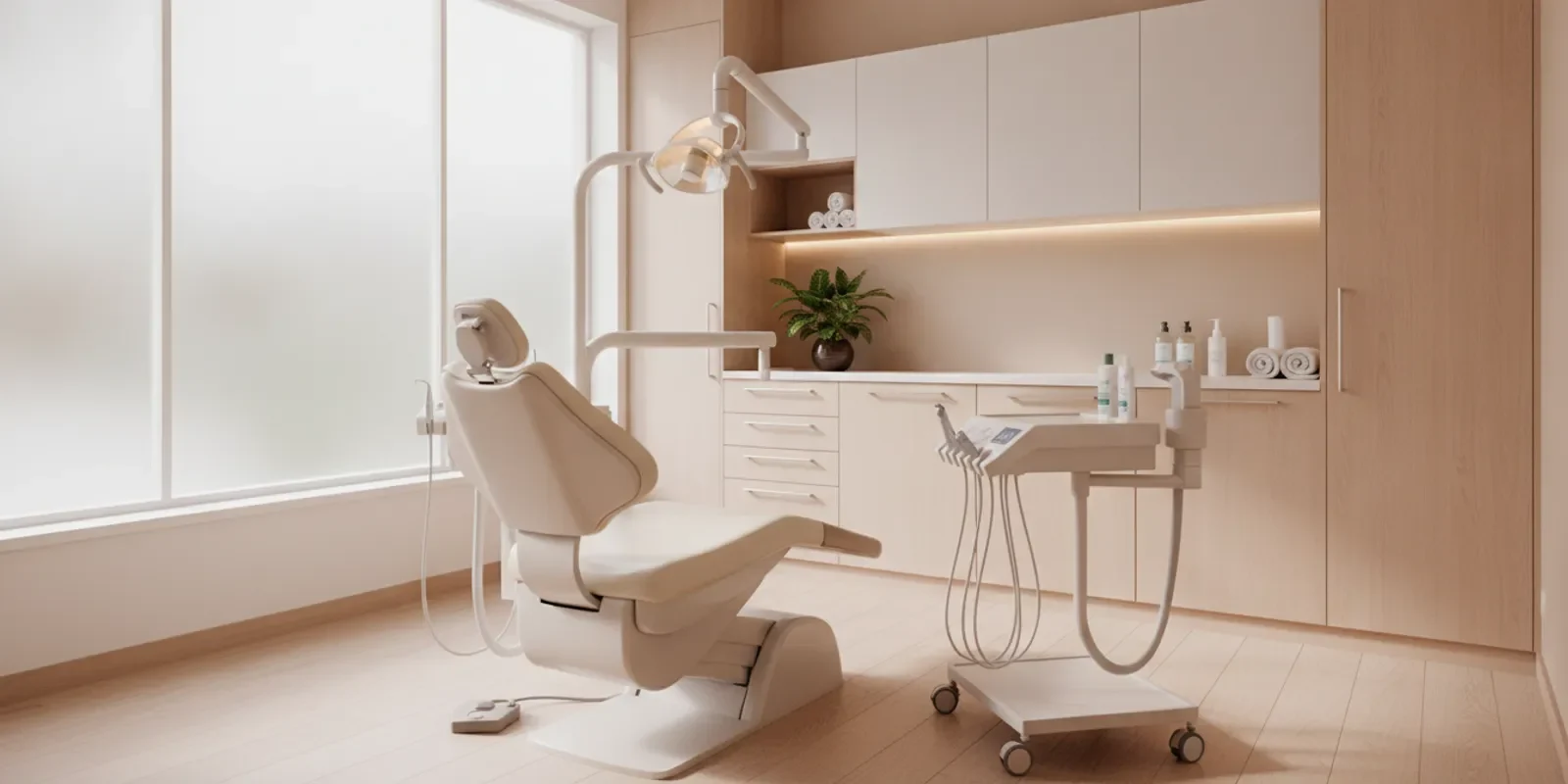
When teeth overlap or seem difficult to keep clean, it can be hard to know whether the change is only cosmetic or worth discussing with a dentist. Tooth crowding describes a lack of room for teeth to sit in an orderly position in the dental arch. It can affect one area or several teeth, and the right next step depends on what an examination shows.
What is tooth crowding?
Tooth crowding occurs when there is not enough space in the jaw for teeth to line up without overlapping, rotating, or shifting from their expected positions. A dental reference describes crowding in similar terms: inadequate space in the jaw can result in overlapping or misaligned teeth. Learn more about the definition of tooth crowding.
Crowding is not a single pattern. One person may have a small overlap among the lower front teeth, while another may have teeth that are twisted, blocked from fully emerging, or crowded in both arches. The teeth may look crowded even when the bite feels comfortable. In other cases, the way the upper and lower teeth meet is also a concern.
Changes can become more noticeable as a child’s permanent teeth come in, or as an adult notices shifting over time. A visual change alone does not show why it happened or whether treatment is needed. A dentist considers the position of the teeth, the gums, the bite, dental history, and the person’s goals.
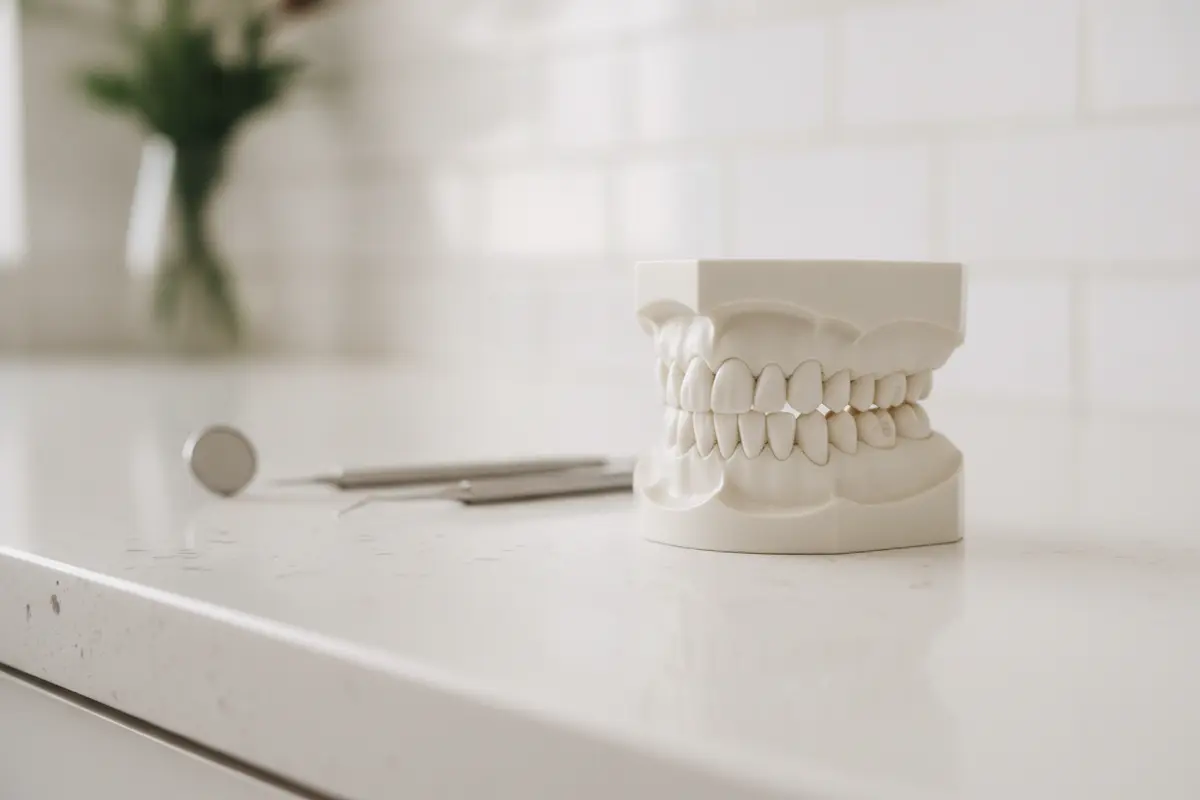
It can help to distinguish crowding from a simple gap. With spacing, there is extra room between some teeth; with crowding, teeth may overlap or turn because the available space is limited in relation to the teeth. Some people have both patterns in different parts of the mouth. Photos or a mirror can help you describe what you see, but they cannot show the bite or the condition of the roots and gums.
What can contribute to crowded teeth?
Tooth position and jaw space reflect several factors. A dental professional can look for possible contributors, but appearance alone usually cannot identify the cause. Common factors to discuss include:
- Jaw and tooth size: The available room in the dental arch may be limited in relation to the size or number of teeth.
- Growth and development: As permanent teeth replace primary teeth, their path and the room available can influence how they emerge and line up.
- Tooth loss or movement: Losing a tooth can allow nearby teeth to drift into the open space. That movement may change spacing elsewhere or alter how the teeth meet.
- Changes over time: Teeth can shift during adulthood. A person may notice that a previous space has narrowed, or that lower front teeth have become more overlapped.
- Family traits: Jaw and tooth characteristics can run in families, though family history does not determine exactly what will happen to an individual.
These are possibilities, not a diagnosis. A dentist may ask when the crowding appeared, whether it is changing, and whether there has been tooth loss, dental treatment, or a change in comfort. If a tooth seems newly displaced or a change happens quickly, mention when you first noticed it.
When you prepare for an appointment, try to separate what you have observed from what you suspect caused it. For example, you might say, “The two lower front teeth started overlapping more over the past year, and food often catches behind them.” That gives the dental team specific details to assess without assuming a cause. If the change is gradual, a past photo or an earlier dental record may also help describe the timeline, but a dentist still needs to examine the teeth directly.
Can tooth crowding affect oral health?
Crowding does not automatically mean that teeth are unhealthy or that treatment is required. Its practical effects depend on the location and degree of overlap, oral hygiene, gum health, and the bite. Still, a tight or overlapping area can make some daily tasks more challenging.
Cleaning between overlapping teeth
When teeth overlap, a toothbrush or floss may be harder to position around certain surfaces. Plaque can collect in areas that are difficult to reach. If you regularly see food trapped in one spot, have trouble flossing without shredding the floss, or find that a particular area stays difficult to clean, tell your dental team. They can assess the area and review cleaning tools and technique that fit your mouth.
Do not force floss through a tight contact or use a sharp object to remove food. If floss catches, a dental professional can help determine whether the contact, a filling edge, or another issue is involved. Regular brushing and cleaning between teeth remain important, but the best approach may vary by person. The practice’s guides to brushing and flossing offer general care reminders.
For a hard-to-reach spot, slow down rather than scrubbing harder. Angle the brush so its bristles can approach the gumline and the surfaces on either side of the overlap. If you use floss, guide it gently between the teeth instead of snapping it down. A dental professional can demonstrate whether another cleaning aid or a different angle would be more comfortable for your specific tooth positions. Avoid adding tools simply because a product claims to solve crowding; the fit and safe use matter.
Gum irritation and tooth wear
Areas that are difficult to clean may be more prone to plaque buildup and gum irritation. Crowding itself does not prove that someone has gum disease; a dental examination is needed to evaluate gum health. A dentist may check for redness, tenderness, bleeding, or other changes and discuss whether further gum evaluation is appropriate.
In some cases, tooth position can affect how the teeth contact during chewing. The pattern of contact may be relevant if you notice uneven wear, discomfort when biting, or difficulty bringing the teeth together. These symptoms have many possible causes, so it is important not to assume crowding is the explanation without an assessment.
Appearance, comfort, and function
Some people seek advice because they are unhappy with how their smile looks. Others are more concerned about cleaning, chewing, or a recent change in tooth position. A dentist can listen to those concerns and explain what is visible on examination. Having crowded teeth does not, by itself, establish that a particular procedure is necessary.
Think about which issue matters most to you before the visit. A person who is mainly concerned about a front tooth’s appearance may have different questions from someone who repeatedly gets food caught or feels that the bite has changed. You can mention more than one concern, then ask the dentist to explain which findings relate to each one. That makes it easier to understand whether a suggested next step addresses comfort, cleaning, tooth position, or another issue.
How does a dentist evaluate tooth crowding?
An evaluation starts with a conversation about your concerns and dental history. Be ready to describe when you noticed the overlap, whether it seems to be changing, and whether you have symptoms such as food trapping, difficulty cleaning, or discomfort when biting. If you have had previous dental or orthodontic care, share that information too.
The dentist may examine the teeth and gums, look at how the upper and lower teeth come together, and consider available dental records or imaging when appropriate. The purpose is to understand the whole situation rather than judge the appearance of one tooth in isolation. The practice describes its use of diagnostic technology, including a dental X-ray evaluation; the need for imaging is determined as part of care, not assumed for every concern.
Questions you may want to ask include:
- Which teeth are crowded, and is the position changing?
- Are my gums and the hard-to-clean areas healthy?
- Does the way my teeth meet raise a functional concern?
- What are the reasonable options, and what are the trade-offs?
- Would an orthodontic consultation help answer questions about alignment?
- How should I keep the area clean while deciding what to do?
Some cases can be monitored with routine dental care; others may benefit from a discussion with a dental specialist. If orthodontic assessment is appropriate, the general dentist can discuss whether a referral is a useful next step. A referral is a way to obtain additional expertise, not a commitment to treatment. You can also read general information about braces and orthodontia to prepare questions, while remembering that an informational page cannot determine which approach fits an individual case.
For children and teens, the dentist may consider how the teeth and jaws are developing and whether the adult teeth have erupted. Families can ask if the pattern should be watched over time or reviewed by an orthodontic provider. It is usually more helpful to base that conversation on an examination than on comparisons with a sibling or a picture of an ideal smile. Each child’s growth and dental development differ.
Adults can also ask whether a current concern appears stable or is changing. If you have noticed shifting, bring up any earlier records or orthodontic treatment, when available. A dentist may compare what is visible now with your history and check whether another issue could explain the change. This context can help guide a useful referral question and avoid assuming that alignment is the only concern.
Before leaving, make sure you understand the suggested next step and why it was recommended. You might ask whether to continue routine checkups, whether a specific area needs closer monitoring, and who to contact if symptoms change. If a referral is offered, ask what information will be shared and whether you need to schedule it yourself. These practical questions can make the process clearer without requiring you to choose a treatment on the spot.
If a child is still losing primary teeth or waiting for permanent teeth to emerge, ask what the dentist is monitoring and when the area should be reviewed again. A simple note of the expected follow-up can help parents avoid relying on memory. For an adult who has seen a shift, ask whether a check at the next routine appointment is reasonable or whether the change deserves an earlier visit. The answer depends on the examination and the symptoms, not on age alone.
What treatment options may be discussed?
There is no single solution for every crowded smile. The appropriate path depends on the location and severity of crowding, the condition of the teeth and gums, the bite, health history, and the person’s priorities. An evaluation may lead to monitoring, practical oral-hygiene guidance, additional assessment, or a referral to an orthodontic provider. A general dental visit is an opportunity to understand the concern and discuss next steps; it does not guarantee that orthodontic treatment is offered at the practice.
| Possible next step | What it may address | What to clarify |
|---|---|---|
| Monitoring during regular dental care | A stable area without a current concern that calls for additional treatment | What changes to watch for and when to return for review |
| Personalized cleaning guidance | Hard-to-reach areas or recurring food trapping | Which tools and technique are suitable for the specific spaces |
| Further dental assessment | A concern involving gums, tooth contact, or a recent change | What the examination suggests and whether imaging or another evaluation is appropriate |
| Orthodontic consultation or referral | Questions about alignment, available space, or bite relationships | What options may be considered, their limits, timing, and care requirements |
This table is a conversation guide, not a treatment recommendation. If an orthodontic provider discusses alignment treatment, ask about the goals, expected steps, possible limitations, retention after treatment, and how progress will be reviewed. The details depend on an individual examination and treatment plan.
Cost and timing also vary by the proposed care and provider. If a referral is suggested, ask what the next appointment is intended to assess and whether you should bring records or imaging. You can also ask the dental office to explain any recommended care before deciding how to proceed.
When comparing possible next steps, focus on what each one is intended to answer. Monitoring may help track whether a stable pattern changes. A cleaning demonstration can address a daily challenge without making an alignment decision. A specialist consultation can provide a closer assessment of tooth position and potential orthodontic approaches. These are different purposes, so ask what information you will gain from each step and whether there is a reason to act sooner rather than revisit the concern at a later appointment.
It is reasonable to ask what a recommendation would and would not change. For example, a cleaning adjustment may make a crowded area easier to manage but does not necessarily reposition teeth. An orthodontic consultation can discuss alignment but should include an explanation of individual goals, limitations, and ongoing care. Getting those distinctions clear helps you avoid treating a general suggestion as a promise of a particular result.
When should you make an appointment?
Consider arranging a dental evaluation if crowding is making it hard to clean, if food repeatedly gets stuck, if your teeth seem to be shifting, or if you have questions about your bite. Seek advice sooner if a change is sudden, a tooth becomes painful, or you notice swelling or another new symptom. These signs do not identify the cause on their own, but they are useful details to share with a dental professional.
Before a visit, it can help to note which teeth seem to overlap, when you first noticed the change, and whether it has become more noticeable. You can also write down what makes cleaning difficult, whether food tends to lodge in the same place, and whether biting feels different. If you have a particular goal, such as improving access for cleaning or understanding alignment choices, mention it. A clear description of your concern helps keep the discussion focused on what matters to you.
Try not to judge progress by repeatedly pushing or wiggling a tooth, or by comparing your teeth with a photo. If something feels loose or painful, avoid manipulating it and contact a dental professional for guidance. A dentist can assess the actual position and surrounding tissues rather than relying on appearance alone.
If there is no discomfort, you can still bring up a gradual change at a routine visit. A dentist can document what is present, check for areas that need attention, and explain whether monitoring or a referral makes sense. For background on the practice and its team, visit the dentist and implant expert profiles, or review new patient information before an appointment.
To make the conversation useful, bring a short list rather than trying to remember every detail in the chair. Include when you first noticed the overlap, which cleaning step is difficult, whether the bite feels different, and what you most want to understand. If you have several questions, start with the one that affects you day to day. You may also ask the team to summarize the recommended next step in plain language so you leave knowing whether to monitor, adjust home care, or arrange another assessment.
Frequently asked questions
Does tooth crowding always need treatment?
No. The need for treatment depends on the individual situation. A dentist can assess cleaning access, gum health, tooth position, and bite, then explain whether monitoring, additional evaluation, or a referral is worth considering.
Can crowded teeth make brushing or flossing harder?
They can make it more difficult to reach certain surfaces or pass floss through a tight contact. If cleaning is uncomfortable or a spot remains difficult to manage, ask a dental professional to check the area and demonstrate a suitable approach.
Can teeth become more crowded as an adult?
Some adults notice that teeth shift over time, but the reason varies. A dentist can compare your current tooth position with your history and check whether the change is associated with another dental concern.
Will a general dentist provide orthodontic treatment?
Services differ by practice. A general dentist can evaluate your concern, discuss what the examination shows, and explain whether consultation with an orthodontic provider may be appropriate. Ask directly what care is available and what a referral would involve.
Discuss your concerns with a dentist
Tooth crowding can be a minor alignment difference or part of a concern involving cleaning, gum health, or the bite. An examination helps separate what is visible from what may need attention, and it gives you a chance to ask about reasonable next steps. Learn about the practice’s dental services or contact the office to arrange an evaluation and discuss your concerns with the dental team.
Contact the practice to plan your visit
Bring your questions and any details about when you noticed the change so the dental team can help you understand what to do next.
Written by
Dr. Iham Gammas, DMDBoard-Certified Implant Dentist & Founder, Lowell Family Dental Practice. Fellow & Master of ICOI and IADI. Associate Fellow of AAID.