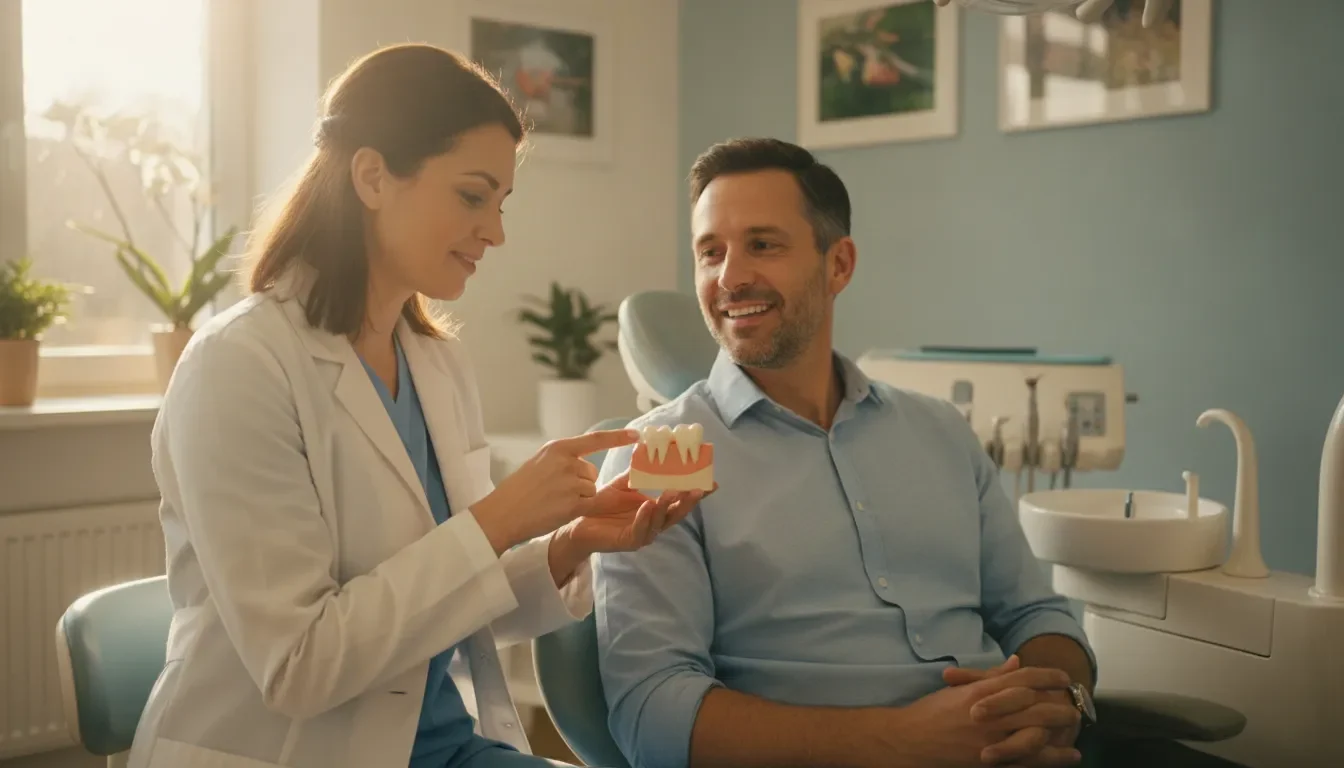
Six months is a useful cleaning schedule, but your gums may set a different clock. For Lowell families, the right timing protects more than a bright smile; it helps stop small oral health problems from becoming larger ones.
How often should you get dental cleaning depends on your current oral health, gum condition, and personal risk factors. For many patients with healthy teeth and gums, the usual starting point is once every six months, a schedule also noted by Cleveland Clinic. Some people need cleanings every three to four months because of gum disease, heavy tartar buildup, dry mouth, smoking, or concerns that raise oral health risks. Others with consistently healthy mouths may receive a different risk-based schedule after an exam. A professional cleaning removes plaque and hardened tartar that brushing and flossing cannot fully clear. The visit also gives your dental team a chance to spot early changes. Your dentist should set and update your schedule based on what they see at each checkup.
If you are new to a Lowell dentist or returning after a missed visit, an exam can clarify whether six months fits your needs. The question, How often should you get dental cleaning?, has a simple starting point and several important exceptions. Here’s how.
How often should you get dental cleaning?
For most adults and children with healthy teeth and gums, a dental cleaning every six months is a useful starting point. This routine gives the dental team regular chances to remove buildup and check for changes. The Cleveland Clinic notes that most dentists recommend cleanings every six months.
Still, six months is not the right schedule for every person. Your dentist may suggest more or less time between visits based on your current oral health. Age, home care, past dental problems, and gum health can all shape that advice.
Why the usual schedule is every six months
Daily brushing and flossing help control plaque, but they do not replace professional care. A cleaning removes hardened buildup from spots that can be hard to reach at home. Regular visits also let the dentist and hygienist compare your oral health with earlier visits.
A six-month routine is simple to remember and helps many families stay consistent. It can also support a broader consistent dental cleaning schedule at home. For families in Lowell, pairing appointments can make preventive care easier to plan around school and work.
When you may need cleanings more often
Some people benefit from shorter gaps between visits. Your dentist may suggest more frequent care if you have active gum disease or a history of fast tartar buildup. Dry mouth, certain health needs, and trouble cleaning around dental work may also affect the plan.
- Gums bleed, swell, or feel tender during brushing.
- Tartar returns soon after a professional cleaning.
- You have had gum disease or repeated cavities.
- Your dentist is tracking a change between visits.
More frequent visits are not a sign that you have failed at home care. They are a way to match preventive care to your needs. If your mouth becomes stable, your dental team can review the schedule again.
Why a personal recommendation matters
Research supports setting dental checkup intervals according to each adult’s level of risk. A review of risk-based dental checkups compared personal schedules with fixed intervals. This approach explains why two people in the same family may receive different advice.
At a Lowell dental visit, ask what your recommended cleaning interval is and why. Share any changes in bleeding, sensitivity, medicines, or home care since your last appointment. Those details help the dental team set a schedule that fits your oral health now.
Who may need more frequent dental cleanings?
A six-month routine does not fit every mouth. Your dentist may suggest visits every three or four months when closer follow-up can better support your current oral health needs.
People receiving periodontal maintenance
People treated for periodontitis may need periodontal maintenance instead of a standard cleaning. One clinical overview notes that maintenance may be scheduled every three to four months after treatment to help stabilize the condition.
These visits are not simply extra routine cleanings. The dental team checks the gums, cleans areas that are hard to reach, and watches for changes between appointments.
Your dentist may recommend a shorter interval when the gums need closer care. That decision should come from an exam and your response to past treatment, not a set calendar alone.
Periodontal maintenance plans can also change as the dental team tracks your gum health over time. Ask how each visit differs from a standard cleaning and what the team will monitor.
Signs that call for closer follow-up
A dentist may also shorten the time between cleanings based on what they find during your visit. Useful factors can include gum findings, plaque buildup, and how quickly buildup returns after a cleaning.
- Gums that need more frequent checks
- Areas that remain hard to clean at home
- Heavy buildup that returns before the next planned visit
- A recent treatment plan that calls for closer monitoring
These factors do not mean that everyone needs the same schedule. Research has compared risk-based dental exam intervals with fixed schedules, which supports tailoring follow-up to each adult’s needs.
Good care at home still matters between professional visits. A consistent dental cleaning schedule works best alongside the brushing and flossing steps your dental team recommends.
When your cleaning schedule may change
A more frequent plan does not always last forever. At each visit, your dentist can review your gums, buildup, home care, and any changes since the last appointment.
If your oral health becomes more stable, the space between visits may change. If new concerns appear, the dentist may suggest closer follow-up or explain whether a different type of cleaning is needed.
Your schedule may also shift after the dentist reviews a recent treatment or changes in your daily care. This review helps keep the plan tied to what the dental team sees now.
Ask what your recommended interval is meant to address. A clear answer explains why the plan differs from the usual six-month schedule. It also shows what progress the team will check.
Routine cleaning vs. deep cleaning
Not every dental cleaning treats the same needs. When asking how often should you get dental cleaning, first find out which type your gums need. A routine cleaning helps prevent problems, while a deep cleaning treats signs of gum disease.
How the cleaning types compare
A routine cleaning removes plaque and tartar from the teeth, mainly above the gumline. It is often part of a preventive checkup for a patient with healthy gums. During the visit, the dental team can also note changes that may need a closer look.
A deep cleaning is also called scaling and root planing. It removes buildup below the gumline and smooths tooth roots so the gums can heal. This treatment is meant for gum disease, not as a stronger version of a routine visit.
| Cleaning type | Main purpose | Area cleaned | Usual timing |
|---|---|---|---|
| Routine cleaning | Prevent plaque and tartar buildup | Teeth and near the gumline | Based on preventive needs |
| Deep cleaning | Treat active gum disease | Below the gums and along tooth roots | Performed when clinical signs call for it |
| Periodontal maintenance | Control gum disease after treatment | Above and below the gumline | Repeated on a dentist-set schedule |
Care after a deep cleaning
After deep cleaning, some patients move to periodontal maintenance. These visits help control gum disease and check how the gums respond over time. They are different from routine cleanings because they focus on areas affected by past or ongoing disease.
Gum disease is common, so a personal plan matters. The Centers for Disease Control and Prevention reports that about 47.2% of adults age 30 and older have some form of periodontal disease. Keeping a consistent dental cleaning schedule supports oral health between visits.
Periodontal maintenance is ongoing care, rather than another deep cleaning each time. The team checks gum health, cleans hard-to-reach areas, and tracks changes. Your home care remains important between these focused visits.
How your dentist chooses
Your dentist chooses the right service after checking your teeth, gums, and health history. The exam may include measuring gum spaces, looking for bleeding, and reviewing dental X-rays. A deep cleaning is only advised when the findings show that routine care is not enough.
The next visit date also depends on your level of risk and how well your gums respond. Research supports risk-based dental checkup intervals as an option for adults. Your dentist can explain why routine cleaning, deep cleaning, or periodontal maintenance fits your current needs.
What happens at a routine dental cleaning?
A routine visit combines a professional cleaning with a careful dental exam. A standard cleaning often takes 45 to 60 minutes, though your visit may vary. The steps are gentle, and your care team should explain what they are doing as they work.
Preparing for your visit
You do not need to make major changes before a routine cleaning. Brush and floss as usual, and eat beforehand unless the office gives different instructions. Bring an updated medicine list, insurance details, and notes about pain, sensitivity, or changes in your mouth.
Tell the team if dental visits make you nervous or if something has caused discomfort before. This helps them adjust the pace and explain each step. Keeping a consistent dental cleaning schedule also gives your care team a clearer view of changes over time.
The cleaning and exam
A typical appointment follows the sequence below. Your hygienist or dentist may adjust it based on your comfort, dental history, and current needs.
-
First, the hygienist reviews your health history and asks about any new concerns. They may also take X-rays when needed for your care.
-
Next, the hygienist checks your teeth and gums. They may measure spaces around the gums and note areas that need closer attention.
-
Using small dental tools, the hygienist removes plaque and hardened buildup from tooth surfaces. They work around each tooth and along the gumline.
-
After scaling, the hygienist polishes the teeth with a special paste. This step smooths the tooth surfaces and removes some surface stains.
-
Floss passes between the teeth to clear material from areas a brush cannot reach. The hygienist may also show you easier ways to clean tight spots.
-
Your dentist then examines your teeth, gums, bite, and other oral tissues. They explain any findings and discuss next steps, if care is needed.
A routine cleaning is different from a deep cleaning used to manage gum disease. If the exam finds signs of gum trouble, the dentist will explain why another type of care may help. You can also review the practice’s broader dental services before discussing your options.
Aftercare and your next visit
Before leaving, ask when you should eat, brush, or floss again, especially if fluoride was applied. Follow any personal instructions from the care team. Contact the office if you have pain, swelling, bleeding, or another concern that does not settle as expected.
Your dentist should also tell you when to return. When people ask how often should you get dental cleaning, there is no single schedule for every mouth. Research supports risk-based dental exam intervals as an option for adults, so your needs and oral health guide the timing.
Signs it is time to schedule a cleaning
Changes that deserve attention
Your calendar is a useful guide, but changes in your mouth can also signal that it is time to book a cleaning. Watch for gums that bleed during brushing, ongoing bad breath, or a rough buildup near the gumline. Tooth sensitivity and gums that look red or swollen also deserve a dental visit.
These signs do not always mean there is a serious problem. Still, they give your dental team a reason to check your teeth and gums. A professional cleaning removes buildup from areas that are hard to reach at home. The visit also creates a chance to discuss any changes before they become harder to manage.
- Bleeding while brushing or flossing
- Bad breath that does not improve with home care
- Visible or rough buildup along the teeth
- New sensitivity, soreness, or swollen gums
A broken filling, a chipped tooth, or food that keeps catching in one spot also calls for attention. Mention these changes when you book. The team can plan enough time to assess the concern along with your cleaning.
Why pain is a late reminder
Do not wait for a toothache before making an appointment. Early changes can be quiet, so pain is not a reliable cleaning reminder. Research summarized by the National Library of Medicine found that some early decay can progress into deeper tooth tissue over time. Regular visits help the dentist look for concerns that you may not feel or see.
If you have missed your usual visit, call even when your mouth feels normal. Most dentists recommend a cleaning every six months for people with good oral health, according to the Cleveland Clinic. Your own schedule may be shorter or longer based on your gums, teeth, health history, and past treatment.
Home care and professional care
Daily brushing and flossing are still the foundation of a healthy routine. They help limit buildup between visits and let you notice changes early. Keeping a consistent dental cleaning schedule adds professional care to that daily work. Neither part should stand alone.
Home care cannot replace an exam or professional cleaning. A dental professional can clean spots that are easy to miss and assess your gums. If you notice a new concern, do not scrub harder or wait for it to pass. Book a visit, describe what changed, and ask how often you should get dental cleaning based on your needs.
How to protect your smile between cleanings
Professional cleanings are important, but your daily habits do much of the work between visits. A simple routine helps limit buildup and gives you a chance to notice changes early. It also supports a consistent dental cleaning schedule as part of your overall health.
A steady daily routine
Brush every tooth with gentle, short strokes, including the outer, inner, and chewing surfaces. Spend extra care near the gumline, where plaque can collect. Clean between your teeth with floss or another tool recommended by your dentist.
Do not rush the spots that are hard to reach. Back teeth, crowded areas, and the space around dental work may need more attention. If a tool feels painful or awkward, ask your dental team to show you a safer method.
- Use a soft-bristled toothbrush that fits your mouth.
- Replace a worn brush or brush head.
- Clean between teeth without snapping floss into the gums.
- Notice ongoing bleeding, soreness, swelling, or bad breath.
What home care cannot do
Brushing and flossing can remove soft plaque, but they cannot remove hardened buildup once it clings to a tooth. Do not try to scrape that buildup away at home. A dental professional can remove it with the right tools while checking the nearby teeth and gums.
Home care also cannot replace an exam. Problems may start before you can see or feel them. According to the Cleveland Clinic dental checkup guide, most dentists recommend a cleaning every six months, though each person’s schedule can differ.
Changes worth sharing
Pay attention to changes that last, even if they seem small. Gum bleeding, tooth pain, new sensitivity, swelling, a chipped tooth, or a loose restoration can signal a need for care. Contact your dentist instead of waiting for your next planned cleaning.
Your medical history and oral health can also change the answer to how often should you get dental cleaning. Tell the dental team about new medicines, health conditions, or pregnancy. Lowell Family Dental Practice can review these details and explain which dental services may fit your needs.
Frequently Asked Questions
Can I get a dental cleaning more than twice a year?
Yes. More frequent cleanings may be appropriate if you have gum disease, heavy tartar buildup, frequent cavities, or certain health risks. Your dentist will recommend a schedule after examining your teeth and gums. Patients in Lowell should follow that personalized schedule rather than waiting for problems or assuming two visits always fit every person’s needs.
Who needs dental cleanings every 3 to 4 months?
People diagnosed with periodontitis often need cleanings every three to four months after their initial treatment. This schedule helps manage plaque and tartar around the gums before disease progresses. The right interval depends on gum pocket depth, home care, smoking, health conditions, and treatment response. Your dentist can adjust the schedule as your gum health changes.
Is once a year enough for a dental cleaning?
One annual cleaning may be suitable for some adults with a low risk of cavities and gum disease, but it is not enough for everyone. The Cleveland Clinic notes that most dentists recommend cleanings every six months. Your dentist should set the interval based on your oral health, medical history, and findings at each examination.
What happens if I skip dental cleanings?
Skipping cleanings allows plaque to harden into tartar, which brushing and flossing cannot fully remove at home. Over time, buildup may raise the risk of cavities, gum inflammation, bad breath, and more involved treatment. Missed visits can also delay the discovery of oral health changes. If you are overdue, schedule an examination instead of waiting for pain.
How do I know if I need a deep dental cleaning?
A dentist determines whether you need a deep cleaning by checking for gum disease, bleeding, bone changes, and deep spaces around teeth. Warning signs can include swollen or bleeding gums, persistent bad breath, gum recession, or loose teeth. A deep cleaning treats disease below the gumline, so it is different from a routine preventive cleaning and is not needed by everyone.
Ready to Get Back on Track With Dental Cleanings?
Delaying a cleaning can leave small oral health concerns unaddressed and make your next visit feel more stressful than necessary. Scheduling now gives you a clear next step before another busy month passes without the preventive care your smile needs. Your dentist can review your current oral health, answer your questions, and recommend a cleaning timeline based on your individual needs.
A regular appointment also gives you time to discuss changes in your teeth, gums, comfort, or home care routine. Starting now makes it easier to plan future visits and maintain a schedule that works for you and your family. Ready to take the next step? Call (978) 458-1179 to schedule a dental cleaning with Lowell Family Dental Practice.
Written by
Dr. Iham Gammas, DMDBoard-Certified Implant Dentist & Founder, Lowell Family Dental Practice. Fellow & Master of ICOI and IADI. Associate Fellow of AAID.