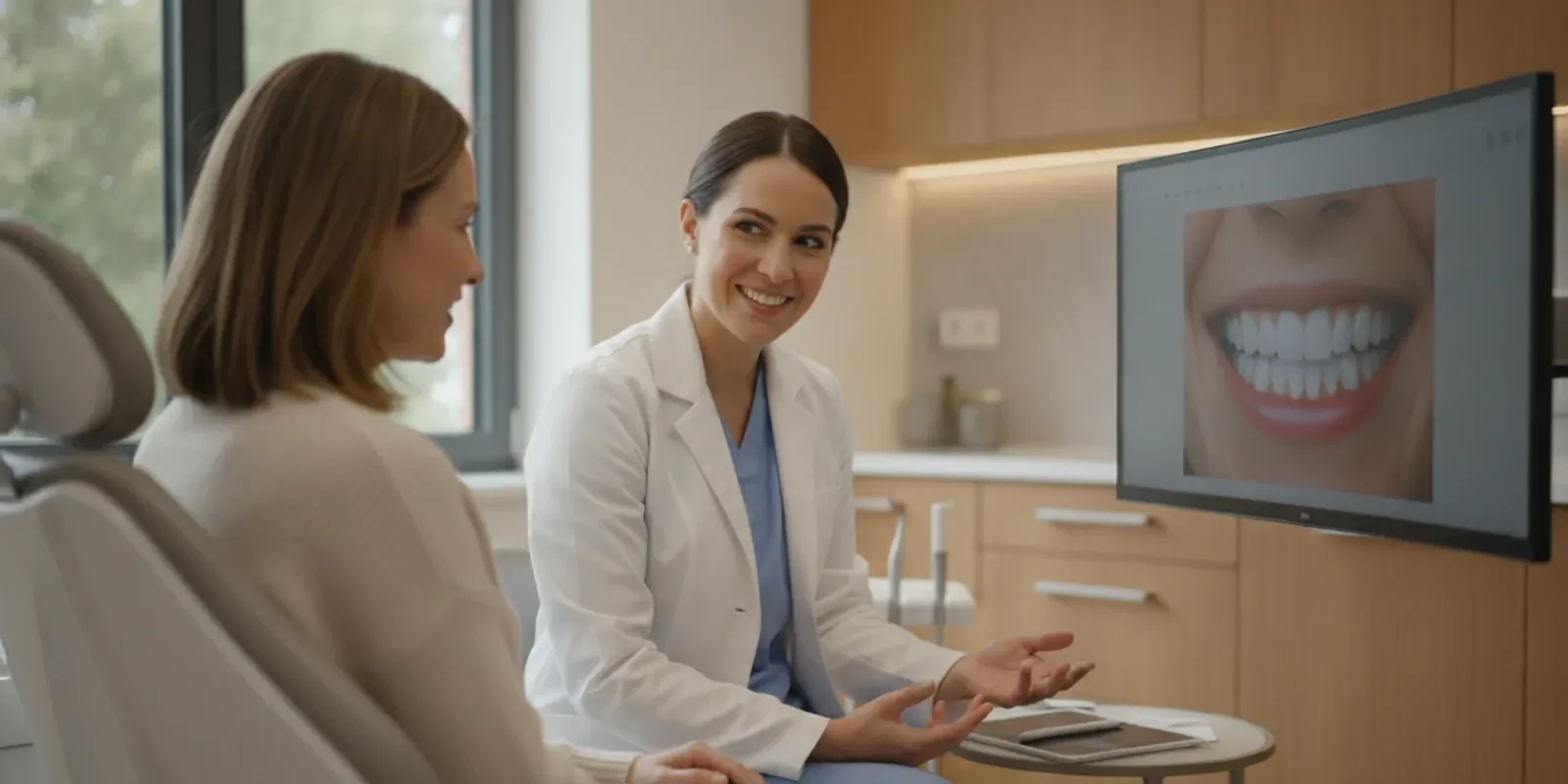
If you are considering replacing one missing tooth, a single tooth implant consultation is a chance to understand whether this option may fit your oral health, priorities, and timeline. The visit is a conversation and evaluation, not a commitment to treatment. You can review the implant consultation options and bring your questions to help make the discussion useful.
What happens during a single tooth implant consultation?
The dentist will usually start by asking what brought you in, how long the tooth has been missing, and what you hope to change. If a tooth was recently lost or removed, mention when that happened and whether you have had discomfort, swelling, or changes in your bite. If you have a temporary replacement or a nearby restoration, describe how it feels and what is working or not working for you.
Next, the clinician reviews your dental and medical history and examines your mouth. The exam may include the gap, neighboring teeth, gums, and how your teeth meet when you bite. These details help the dentist consider the condition of the area and whether more information is needed before recommending a plan. You can also ask about alternatives, such as a bridge or a removable option, rather than assuming that one solution is right for everyone.
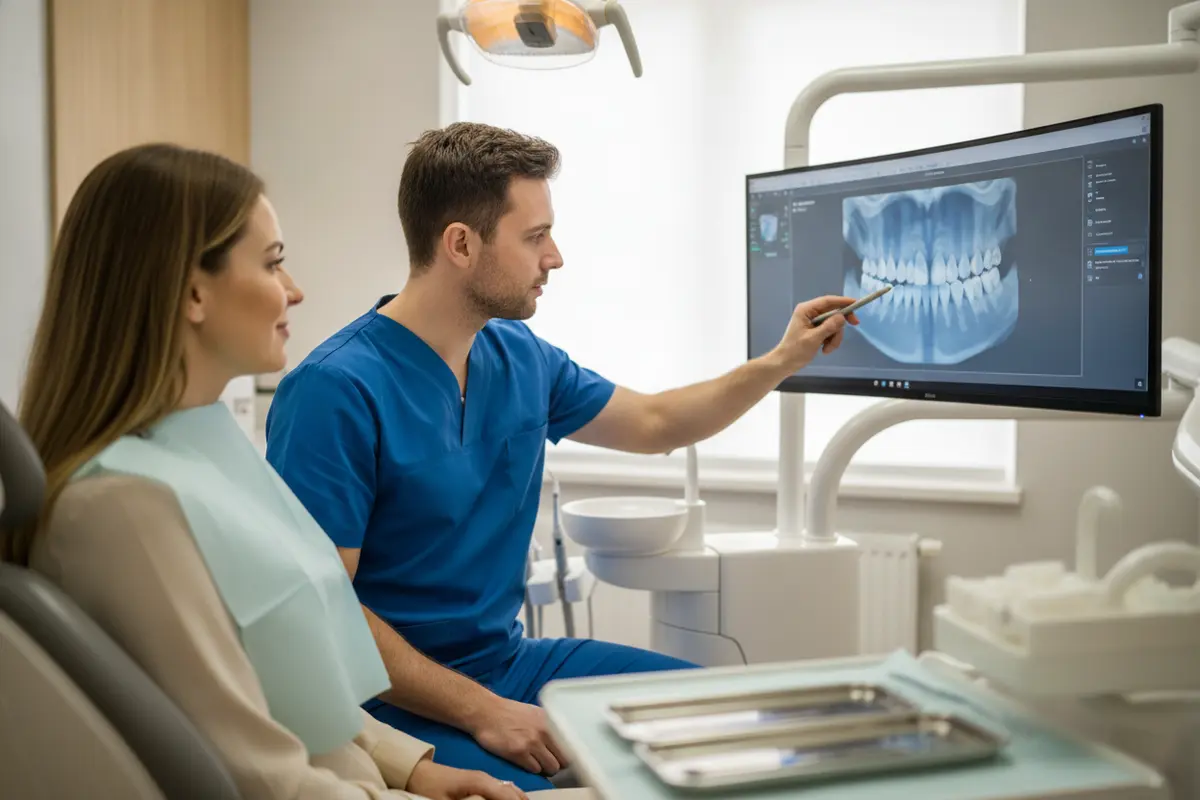
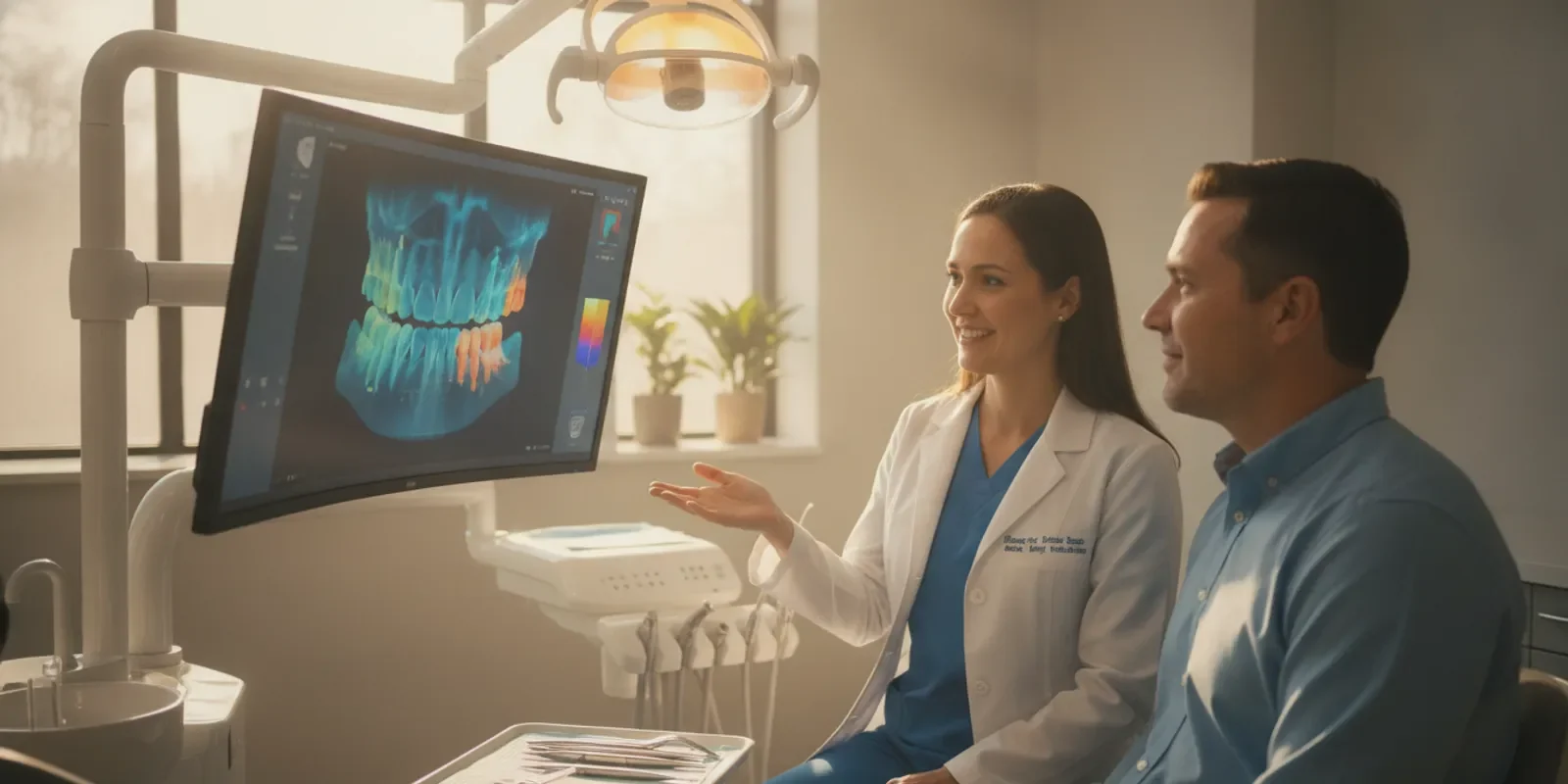
Imaging may be part of the evaluation. The type of image depends on the clinical question and what records are already available. A scan can help the dentist assess the area and plan what further evaluation, if any, is appropriate. Lowell Family Dental Practice describes its use of CT scan technology; whether a particular scan is needed for you is a clinical decision. Learn more about the practice and its team on the dentists and implant experts page.
How does the dentist assess whether an implant may be suitable?
There is no single answer based only on the fact that one tooth is missing. The dentist considers the condition of your mouth, the site where the tooth is absent, and your health history. The shape and available bone in the area can matter to planning, as can the health of nearby teeth and gums. Your bite and the space available for a replacement tooth are also relevant.
Health conditions, medicines, tobacco use, and previous dental treatment may be important context. Be ready to discuss them honestly. Do not stop or change a prescribed medicine for a dental appointment unless the clinician who prescribed it tells you to. If you are unsure whether a health detail matters, include it and let the dental team decide what is relevant.
If you have dental images or records from another office, ask whether they would be useful and how they can be sent securely. You do not need to interpret them yourself. The dentist can explain what the images show and whether anything else is needed to answer a clinical question. If you have had a prior conversation about replacing the tooth, bring your notes or the proposed plan so you can ask how it relates to the current examination.
It is also reasonable to ask what makes your case straightforward or more complex, while recognizing that only the examining clinician can answer for your situation. Ask which factors are most important in the recommendation and whether any of them can be addressed or monitored. A specific explanation helps you understand the reasoning without turning the appointment into a checklist where one answer automatically proves that an implant will or will not work.
Sometimes a consultation leads to more evaluation before a recommendation is made. In other cases, the dentist may discuss more than one reasonable approach. If an implant is not the best fit at that time, ask what factors are affecting the decision and whether another option or a later reassessment could be considered. A clear explanation should connect the recommendation to your own examination rather than promise a particular result.
Research on single-tooth implants discusses potential benefits such as maintaining residual bone and avoiding involvement of adjacent teeth, but research findings do not determine an individual patient’s suitability or predict a personal outcome. The dentist can explain how the potential benefits and limitations apply in your case. Read the study on clinical outcomes of single tooth implant placement for further background.
What should you ask about the replacement tooth?
An implant plan is not just about the part placed in the jaw. The visible replacement tooth, its connection to the implant, and how it will fit with your bite all need consideration. Ask what kind of restoration is being proposed, what needs to happen before it can be made, and how the dentist will check its fit and appearance. The exact plan depends on your clinical findings and the treatment approach recommended for you.
Discuss how the proposed tooth may look beside your natural teeth and what the dentist can and cannot predict before treatment. If the missing tooth is near the front of your mouth, you may have specific concerns about appearance. If it is toward the back, chewing and cleaning access may be more prominent. Tell the dentist what matters most so those priorities can be part of the conversation.
Also ask how the implant and restoration will be maintained over time. You may want to know how to clean around it, what follow-up visits are anticipated, and what signs should prompt a call to the office. For general background on the practice’s implant services, see its dental implants page.
How do tooth-replacement options compare?
A consultation can help you compare a single tooth implant with other ways to replace a missing tooth. This table is a discussion guide, not a treatment recommendation; individual details can change what is feasible and appropriate.
| Option | What to discuss | Questions for your visit |
|---|---|---|
| Single tooth implant with a replacement tooth | Evaluation of the site, overall oral health, restoration design, treatment sequence, and ongoing care. | What findings affect candidacy? What steps are recommended in my case? |
| Fixed bridge | Condition of neighboring teeth, how the bridge would be supported, cleaning access, and maintenance. | What would happen to the adjacent teeth? How would I clean under or around it? |
| Removable replacement | Fit, stability, comfort, daily handling, and cleaning routine. | How would it stay in place? What daily care and adjustments might be needed? |
| No replacement for now | Possible effects of leaving the space, your symptoms and goals, and whether monitoring is appropriate. | What should I watch for, and when should we review the area again? |
Comparisons should include more than the initial procedure. Ask about the care involved, how each option interacts with the neighboring teeth, the expected sequence, and which uncertainties remain. The dentist can explain whether a particular option is appropriate based on your exam; the table cannot replace that assessment.
How can you compare recommendations thoughtfully?
When you hear a recommendation, try to understand the reason behind it as well as the name of the procedure. Ask the dentist to connect the findings from your exam to the proposed approach. You might ask: What is the main problem this plan is intended to address? Which alternatives are reasonable for me? What trade-offs should I consider? What would make you change the plan? Clear answers can help you compare options without relying on a general checklist from someone else’s experience.
If you receive more than one proposed approach, compare them on the same points. Consider the expected steps, the restoration and how it will be cared for, the effect on adjacent teeth, the information still needed, and the financial details you have confirmed. Write down any differences you do not understand and ask the dentist to explain them. Online stories can describe one person’s experience, but they cannot show whether the same plan fits your oral health or goals.
You do not have to settle every question during the first discussion. Ask for time to review written information, and find out how to follow up. If you are uncertain about a recommendation, you can ask whether another clinical opinion would be useful and what records would help another clinician assess the case. A careful decision is one based on your own examination, a clear understanding of alternatives, and the questions that matter to you.
What should you bring and ask at the appointment?
A little preparation can help you use the visit well. Bring or be ready to describe:
- A current list of medicines, supplements, allergies, and relevant health conditions.
- When the tooth was lost or removed, and any symptoms or changes since then.
- Information about previous dental work in the area, if you have it.
- Your priorities, such as appearance, chewing, comfort, cleaning, or timing.
- Questions about payment or available financing, if cost planning is part of your decision.
Lowell Family Dental Practice lists third-party financing through Proceed Finance and CareCredit. Ask the office what details and terms currently apply, and review the available financing information. Avoid making a decision based only on a broad estimate before the clinical plan and its components have been explained.
Useful questions include: What did you see in my exam? What additional images or records do I need, if any? Which options should I compare? What are the main benefits, limitations, and uncertainties of each? What steps would the recommended plan involve, and what would affect the timing? How should I care for the area while I decide? You may wish to write down the answers or bring someone who can help you remember the discussion.
How can you discuss timing and cost?
Timing and cost are personal planning questions, but they are best discussed after the dentist has explained the clinical plan. Ask which steps are being recommended, which steps depend on additional findings, and what could change the sequence. A dentist may not be able to give a useful estimate of the full course until the necessary evaluation is complete. Ask what is known now and what still needs to be determined.
For budgeting, ask for an explanation of the components included in the proposed plan and whether any separate visits or services may be involved. Ask how to get a written treatment estimate and whom to contact if you have questions about benefits or payment. Coverage and out-of-pocket responsibility depend on your own plan and circumstances, so confirm those details with the appropriate office or insurer rather than relying on a general example.
Lowell Family Dental Practice lists third-party financing through Proceed Finance and CareCredit. The availability of a financing option does not establish your eligibility or its terms. Ask the office what information is current and review the details before making a financial decision. You can also use the practice’s financing page as a starting point for questions.
What should you clarify before leaving?
Before you finish the appointment, take a moment to repeat back what you understood. Confirm what the dentist recommends, why that option is being discussed, and what the next action is. If imaging, records, or another evaluation are needed, ask who will arrange it and whether you need to do anything first. If you are comparing alternatives, ask when and how you can follow up after considering them.
It can help to separate decisions into three groups: what you know from today’s exam, what needs more information, and what you personally need to weigh. For example, you might understand the proposed restoration but still need a clearer explanation of cleaning or the treatment sequence. Write down that question so it does not get lost in a long conversation. You are entitled to ask for an explanation in everyday language and to request clarification before agreeing to a plan.
Some people prefer to bring a trusted person to help listen or take notes. Others find it useful to summarize the discussion in their own words before leaving. Either approach can make it easier to remember the rationale, alternatives, and next step. If something remains unclear later, contact the dental team rather than trying to interpret a scan or treatment estimate on your own.
What happens after the consultation?
The next step depends on what the dentist finds and what information is available. You may leave with a proposed treatment plan, a recommendation for additional evaluation, or a discussion of alternatives. Ask for the plan in plain language and make sure you know which parts are confirmed and which depend on future findings. If you would like time to consider the recommendation, say so and ask whom to contact with follow-up questions.
If you need records transferred or have questions about appointment logistics, the practice’s office information can help you prepare. For a visit, you can also review new patient information or get in touch through the contact page. These links are practical starting points; confirm any appointment details directly with the office.
Frequently asked questions
Is the consultation a commitment to get an implant?
No. It is an opportunity to discuss your goals, review your health and dental history, and learn what the examination suggests. You can ask questions, compare options, and take time to consider a recommendation.
Will I need imaging at the first visit?
That depends on your situation, the records available, and what the dentist needs to evaluate. Ask why a particular image is recommended and how it will inform the plan. A clinician can determine which imaging is appropriate for you.
Can I ask about a bridge or removable tooth instead?
Yes. Comparing alternatives is a sensible part of discussing a missing tooth. Ask how each option would work in your circumstances, including care, interaction with adjacent teeth, and any limitations the dentist identifies.
Should I bring my medication list?
Yes. Bring a current list of prescription medicines, over-the-counter medicines, supplements, and known allergies, along with relevant health information. Do not change a medicine for the appointment unless the clinician who prescribed it advises you to.
Plan a conversation about your missing tooth
Use the consultation to understand the findings, compare realistic options, and decide what questions you still need answered. If you are ready to talk with Lowell Family Dental Practice, review the dental implant information and consider what you want to ask Dr. Gammas and his team.
A thoughtful consultation gives you room to ask questions and understand your options before deciding. This article is by Dr. Iham Gammas, DMD, DABOI.
Written by
Dr. Iham Gammas, DMDBoard-Certified Implant Dentist & Founder, Lowell Family Dental Practice. Fellow & Master of ICOI and IADI. Associate Fellow of AAID.