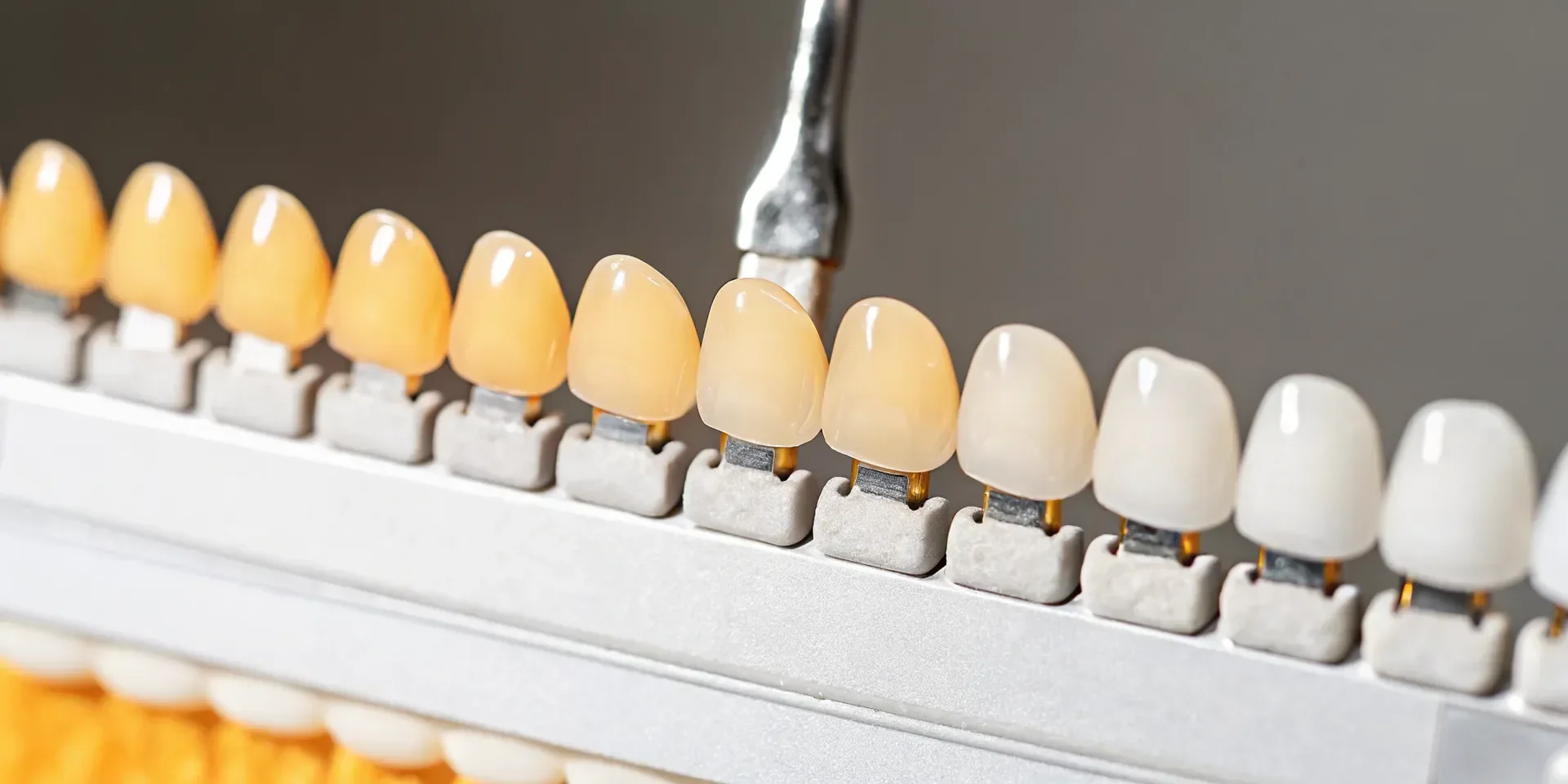
Whether you’re dealing with a cracked molar that needs support or a chipped front tooth that affects your confidence, there’s a dental solution designed to help. When you start looking into your options, you’ll inevitably encounter the cap vs crown vs veneer question. While a cap is just a nickname for a crown, the choice between a crown and a veneer is a critical one. A crown is a full-coverage restoration designed to provide strength and protection to a compromised tooth. A veneer, on the other hand, is a thin, cosmetic shell for the front of a tooth. Choosing the right one isn’t about which is better overall, but which is better for your specific situation. We’ll break down exactly when to choose each one.
Key Takeaways
- Choose based on your tooth’s health: Crowns are the best choice for restoring strength to a tooth that is weak, cracked, or has significant decay. Veneers are ideal for correcting cosmetic issues like stains, chips, or gaps on an otherwise healthy tooth.
- Consider the long-term commitment: A veneer is a minimally invasive procedure that preserves most of your natural tooth, but it is an irreversible cosmetic choice. A crown is a more extensive restoration that requires reshaping the tooth to provide full-coverage protection.
- Your dentist is your best guide: The final decision comes down to a professional assessment of your oral health and a conversation about your goals. A consultation is the best way to get a personalized recommendation and feel confident in your choice.
Crowns vs. Veneers: What Are They?
When you’re looking to improve your smile, you’ll likely come across two popular options: dental crowns and veneers. While both can give you fantastic results, they serve very different purposes. Understanding the basics is the first step toward deciding which one might be right for you.
What Is a Dental Crown?
Think of a dental crown as a snug, protective cap that covers the entire visible part of your tooth, right down to the gumline. It’s designed to restore a tooth’s shape, size, and strength. We typically recommend a dental crown when a tooth is significantly damaged, whether from severe decay, a large crack, or after a root canal procedure. Because they encase the whole tooth, crowns provide robust reinforcement. They are built to withstand strong biting forces, making them an excellent choice for teeth that need serious structural support, including molars.
What Is a Dental Veneer?
A dental veneer, on the other hand, is a very thin shell that covers only the front surface of a tooth. Veneers are primarily a cosmetic solution, perfect for transforming the appearance of your smile. They are usually crafted from stain-resistant porcelain and are about one millimeter thick, which is similar to the thickness of a contact lens. We use veneers to correct a variety of minor imperfections, like chips, gaps, discoloration, or slightly crooked teeth. Since they only cover the front, they are a more conservative option for enhancing the look of your front teeth without altering the entire tooth structure.
Myths vs. Facts: Clearing Things Up
It’s easy to get crowns and veneers mixed up, so let’s clear the air on a few things. The biggest difference is how much of the tooth they cover. A crown is for a tooth that needs a complete structural makeover, while a veneer is for one that just needs a cosmetic touch-up on the front. One common myth is that veneers are damaging to your teeth. In reality, the procedure is minimally invasive. We only remove a tiny layer of enamel to ensure the veneer fits perfectly. This can sometimes lead to temporary sensitivity for about a week, but it’s a small trade-off for a major smile transformation. The best way to know which is right for you is to schedule a consultation so we can assess your specific needs.
Key Differences: Crowns vs. Veneers
At a glance, crowns and veneers might seem similar since they both lead to a more beautiful smile. But when you look closer, you’ll find they are fundamentally different treatments designed for different situations. Understanding these distinctions is the first step in figuring out which one might be right for you. The main differences come down to how much of your natural tooth they cover, what they’re made of, and how much your tooth needs to be altered to fit them. Let’s walk through each of these points so you can feel confident in your conversation with your dentist.
How Much of the Tooth They Cover
The most significant difference between a crown and a veneer is the amount of tooth coverage. Think of a veneer as a thin shell that is bonded only to the front surface of your tooth. Its main job is to hide cosmetic imperfections like chips, stains, or small gaps. A crown, on the other hand, is more like a snug cap that covers your entire tooth, all the way down to the gum line. This complete coverage is why crowns are used not just for cosmetic reasons but also to restore a tooth’s shape, size, and strength after significant decay or damage. Our cosmetic dentistry services can help you achieve a flawless look, whether it’s with a veneer or a crown.
What They’re Made Of
Both crowns and veneers are often crafted from porcelain, a material prized for its ability to mimic the look and feel of natural tooth enamel. For veneers, you typically have two choices: porcelain, which offers superior durability and a more natural appearance, or composite resin, which is a quicker and often more affordable option. Crowns offer a wider range of materials because they need to withstand strong biting forces. Besides all-porcelain or all-ceramic options, crowns can be made from metal alloys for maximum strength (great for molars) or a combination of porcelain fused to metal, which provides both strength and a pleasing aesthetic.
How Your Tooth Is Prepared
The preparation process for crowns and veneers is quite different, and this is a key factor in making your decision. To place a veneer, your dentist will gently remove a very thin layer of enamel, usually about half a millimeter, from the front of your tooth. This creates just enough space for the veneer to sit flush with your other teeth. Getting a crown is a more involved process. Because the crown needs to fit over the entire tooth, your dentist will need to reshape and reduce the tooth on all sides, typically removing about 1.5 to 2 millimeters of its structure. This difference in preparation is why veneers are considered a more conservative treatment. If you’re curious about what this process feels like, we’re happy to walk you through it when you schedule a consultation.
When Is a Crown the Right Choice?
Deciding on a dental procedure can feel overwhelming, but understanding the purpose of each option helps a lot. While veneers are fantastic for cosmetic touch-ups, a dental crown is your go-to solution for restoring a tooth’s strength, shape, and function. Think of it as a protective helmet for your tooth. A crown is often the best choice when a tooth has issues that go beyond surface-level aesthetics. It’s a functional fix designed to save a tooth that might otherwise be lost. If your dentist mentions a crown, it’s usually because they want to address a more significant structural problem and ensure your long-term oral health. We can help you determine if dental crowns are the right solution for your smile.
To Fix Significant Damage or Decay
If a tooth has a large cavity, a serious crack, or is significantly worn down, a filling or veneer just won’t cut it. Crowns are made for these heavy-duty repairs. Because a crown covers the entire tooth, it acts as a new, strong outer surface, holding the damaged tooth together and protecting it from further harm. While veneers are perfect for smaller aesthetic fixes, crowns are essential for teeth that have experienced major trauma or decay. They restore not only the appearance of the tooth but, more importantly, its ability to function properly for biting and chewing.
To Protect a Tooth After a Root Canal
Getting a root canal is a great way to save a tooth from extraction, but the procedure can leave the tooth more fragile. After a root canal, a tooth is no longer vital (it has no living pulp inside) and can become brittle and prone to fracture over time. Placing a crown over the tooth is the standard and highly recommended next step. The crown provides the necessary protection and support, shielding the treated tooth from the forces of chewing. This simple step ensures your restored tooth can last for many years to come.
To Add Strength to a Weak Tooth
Sometimes, a tooth becomes weak without having a massive cavity. This can happen due to genetics, grinding your teeth (bruxism), or having a very large, old filling that has compromised the tooth’s structure. In these cases, a crown is an excellent way to provide reinforcement. By covering the entire visible portion of the tooth down to the gumline, a crown provides 360-degree strength and protection. This makes it the ideal solution for teeth that are very worn down or have multiple cracks, giving them a new lease on life and preventing more serious problems down the road.
When Is a Veneer the Better Option?
While crowns are fantastic for restoring damaged teeth, veneers shine when your goal is primarily cosmetic. If your tooth is healthy but you’re unhappy with how it looks, a veneer is often the ideal solution. Think of it as giving your tooth a brand-new, flawless face without changing its entire structure. This approach is perfect for specific situations where you want to enhance your smile’s appearance while keeping your natural teeth as intact as possible. Veneers are a cornerstone of cosmetic dentistry because they can create a stunning new smile with a minimally invasive approach.
To Correct Minor Cosmetic Issues
If you have small imperfections that bother you every time you look in the mirror, veneers can be a game-changer. They are designed to address cosmetic concerns like stubborn discoloration that whitening can’t fix, or teeth that are slightly misshapen, worn down, or chipped. Veneers can also close small gaps between your teeth or correct minor crookedness, giving you a more uniform smile without the need for braces. They are an excellent way to get the beautiful results you want by focusing on the surface-level appearance of your teeth, making them a popular choice for achieving a polished look.
To Transform Your Front Teeth
Veneers are the stars of cosmetic dentistry, especially when it comes to the teeth that are front and center in your smile. Because they are bonded to the front surface of your teeth, they are perfect for creating a dramatic and beautiful transformation. If your teeth are fundamentally healthy but you want to improve their look, veneers are an amazing option. They can give you that bright, symmetrical smile you’ve always wanted. This is why they are one of the most popular choices for people looking to make a significant aesthetic change to their smile.
To Preserve More of Your Natural Tooth
One of the biggest advantages of veneers is how conservative they are. Unlike a crown, which covers the entire tooth, a veneer only covers the front surface. This means your dentist only needs to remove a very thin layer of enamel to make room for it. This minimal preparation helps preserve more of your natural tooth structure, which is always our goal. If your tooth is strong and doesn’t need the full-coverage protection of a crown, a veneer offers a less invasive way to achieve your cosmetic goals. The best way to know for sure is to schedule a consultation to discuss your specific smile.
A Look at the Costs: Crowns and Veneers
Talking about the cost of dental work is an important part of making the right decision for your smile and budget. The price for crowns and veneers can vary, so understanding what goes into the final cost is a great first step. Think of it as an investment in your long-term health and confidence. Let’s break down the typical costs for each procedure and how insurance might play a role, so you can feel prepared for your conversation with your dentist.
What Affects the Price of a Crown?
The cost of a single dental crown typically ranges from $1,000 to $3,500. This variation depends on a few key factors, like the material used. Porcelain crowns, for example, often cost more than metal ones but offer a more natural look. The tooth’s location and the complexity of the procedure also influence the price. Remember, this cost is for the crown itself. If your tooth needs other work first, like a root canal, that will be a separate cost. We can provide a detailed breakdown of all the dental services you might need.
What Affects the Price of a Veneer?
Veneers are priced per tooth, generally costing between $925 and $2,500 each. Like crowns, the final price is affected by the material. Porcelain veneers are a popular choice for their durability and stain resistance, but they are a higher initial investment than composite resin ones. The total cost also depends on how many veneers you get to achieve your desired smile. While it’s a significant decision, many people find the increase in confidence from having a smile they love is well worth it. The procedure is a blend of art and science, tailored to give you a beautiful result.
Your Insurance and Payment Options
Understanding dental insurance can be tricky, but a general rule can help. Most plans are more likely to cover treatments that are restorative, meaning they fix a functional problem. Because crowns restore a damaged tooth’s strength, your insurance may cover a portion of the cost. Veneers, however, are usually considered cosmetic, so most plans do not cover them. Every plan is different, so it’s best to check your specific benefits. We are always here to help you understand your coverage and payment options. The first step is to schedule an appointment so we can create a personalized treatment plan for you.
How Long Do Crowns and Veneers Last?
When you invest in your smile with a crown or veneer, you want to know it’s going to last. Both are designed to be durable, long-term solutions, but their lifespans differ based on the material and the job they’re meant to do. The best part is, with the right care, you play a huge role in helping them last as long as possible. Think of it as a partnership between you and your dentist to keep your smile healthy and bright for years to come.
The Lifespan of a Dental Crown
Dental crowns are the true workhorses of restorative dentistry. They’re built for durability, meant to withstand the daily pressures of chewing and biting. Generally, you can expect a crown to last about 15 to 20 years. Some materials, like super-strong zirconia, can even last more than 25 years. This impressive longevity makes them a fantastic long-term solution for restoring a tooth that’s been significantly damaged or weakened. When we place a dental crown, we’re not just fixing a problem for today; we’re providing a stable, functional, and reliable fix that will support your oral health for decades.
The Lifespan of a Veneer
Veneers are the artists of the dental world, focused on creating a beautiful look. While they are strong, their lifespan is a bit different from a crown’s. Porcelain veneers typically last around 10 to 15 years, while composite veneers have a shorter lifespan of about 5 to 7 years. A lot depends on your personal habits. Things like grinding your teeth at night or biting into very hard foods can shorten their lifespan. But with the right care, your veneers will keep your smile looking bright and flawless for a very long time. It’s a wonderful way to achieve the aesthetic you’re looking for, and we can help you choose the right cosmetic option to fit your goals.
How to Make Them Last Longer
The great news is that you have a lot of control over how long your crowns and veneers last. It all comes down to consistent care. Good dental hygiene and regular check-ups are the most important things you can do to protect your investment. This means brushing twice a day with a soft-bristled toothbrush and flossing every single day to keep the surrounding gums healthy. It’s also smart to avoid chewing on hard things like ice, popcorn kernels, or pencils. Scheduling regular preventive care appointments allows us to keep an eye on your crown or veneer and catch any potential issues before they become bigger problems.
The Process: What to Expect
Knowing what happens during a dental procedure can make the entire experience feel more comfortable and predictable. Whether you’re getting a crown or veneers, the process is methodical and focused on creating a perfect, lasting result. Here’s a simple breakdown of what you can anticipate from start to finish.
Getting a Crown: Step-by-Step
Getting a crown is a straightforward, multi-step process designed to restore your tooth’s strength and appearance. First, we’ll prepare the tooth by removing any decay and shaping it to create the perfect base for the crown. Next, we take a precise mold or digital scan of the prepared tooth. This impression is sent to a dental lab where your custom crown is expertly crafted. While you wait for your permanent crown, we’ll fit you with a temporary one to protect your tooth. Once your permanent crown is ready, you’ll come back for your final visit. We’ll ensure the fit and your bite are perfect before cementing it securely in place, leaving you with a strong, functional, and natural-looking tooth.
Getting Veneers: Step-by-Step
The journey to a new smile with veneers is all about precision and artistry. The process begins with minimal tooth preparation. We gently remove a very thin layer of enamel, about half a millimeter, from the front surface of your tooth. This creates just enough space for the veneer to sit flush with your other teeth for a seamless look. After that, we take a mold or digital scan of your teeth, which a lab uses to create your custom veneers. You might wear temporary veneers in the meantime. During your final appointment, we will carefully bond the permanent veneers to your teeth using a special cement and a curing light, instantly transforming your smile. Ready to see if veneers are right for you? You can request an appointment to discuss your goals with us.
After Your Appointment: Recovery and Care
Caring for your new crowns or veneers is just like caring for your natural teeth, with a few key habits to keep them looking great for years. The most important thing is a solid oral hygiene routine. Brush twice a day with a soft-bristled toothbrush and a non-abrasive toothpaste, and be sure to floss daily to keep your gums healthy. Maintaining your regular check-ups and cleanings every six months is also crucial. These visits allow us to monitor the health of your restorations and the surrounding teeth. If you have a habit of grinding or clenching your teeth at night, we strongly recommend a custom nightguard to protect your investment from unnecessary pressure and wear.
Are There Any Downsides to Consider?
Making an informed decision about your smile means looking at the full picture. Both crowns and veneers are excellent, reliable solutions, but it’s helpful to know about the potential considerations for each. Thinking through these points ahead of time ensures you feel confident and prepared for your treatment. It’s all about finding the perfect fit for your health, your smile goals, and your lifestyle.
Potential Cons of Crowns
Because a crown is designed to restore a tooth’s function and strength, the preparation process is more involved than with a veneer. We need to reshape the tooth to make sure the crown fits perfectly over it. After the procedure, some patients experience temporary tooth sensitivity to hot or cold. This is completely normal as the area settles down, and it usually fades within a few days or weeks. While crowns are the best solution for teeth with significant damage, they are a more extensive restoration than a veneer, which is something to keep in mind if your tooth only has minor cosmetic issues.
Potential Cons of Veneers
The biggest consideration with veneers is that the procedure is irreversible. To ensure the veneer sits flush with your other teeth, a very thin layer of enamel is removed from the front of your tooth. Because enamel doesn’t grow back, veneers are a permanent commitment to your new smile. You might also notice some mild tooth sensitivity for about a week after they are placed. It’s also worth noting that because veneers are primarily a cosmetic treatment, they may not be covered by dental insurance. We can help you review your plan to understand your benefits.
Answering Your Top Questions
So, how do you know which is right for you? The key difference comes down to your primary goal. Crowns are the go-to solution for restoring teeth that are significantly damaged, decayed, or weakened, perhaps after a root canal. They provide essential structure and protection. Veneers, on the other hand, are ideal for addressing cosmetic concerns on otherwise healthy teeth, like chips, gaps, or discoloration. The best way to get a clear answer is to talk with your dentist. We can assess your specific situation, discuss your goals, and help you choose the option that will give you a healthy, beautiful smile you love.
How to Choose the Right Option for You
Making the final call between a crown and a veneer can feel like a big decision, but it doesn’t have to be overwhelming. The best choice for you really comes down to your unique situation, blending what your tooth needs to be healthy with what you want your smile to look like. Think of it as a partnership between you and your dentist to find the perfect fit. While both options can give you a beautiful, confident smile, they solve different problems. A crown is a protective “cap” that covers the entire tooth, restoring its shape, size, and strength. It’s a workhorse, designed to handle the heavy lifting of chewing and biting when a tooth is weak. A veneer, on the other hand, is a thin shell bonded to the front of the tooth, primarily to improve its appearance. It’s more of an aesthetic touch-up for an otherwise healthy tooth. Understanding this core difference is key to making an informed choice. To get clear on the right path forward, you can break the process down into three simple steps: evaluating your tooth’s current condition, balancing its functional needs with your cosmetic goals, and having a conversation with a dental professional who can guide you. This approach ensures you make a choice you’ll be happy with for years to come.
Assess Your Smile’s Needs
Start by taking a close, honest look at the tooth in question. Is the issue primarily on the surface, like stubborn discoloration, a small chip, or a minor gap? Or is the problem more significant? Crowns are much stronger than veneers, which makes them the go-to solution for teeth that need serious reinforcement because of extensive decay or damage. If your tooth is structurally compromised, a crown provides the 360-degree protection it needs to function properly. Veneers, on the other hand, are perfect for addressing cosmetic imperfections on an otherwise healthy tooth. Understanding the core problem is the first step toward finding the right solution among our cosmetic and restorative services.
Balance Function with Appearance
Next, think about your main goal. Are you trying to save a damaged tooth and restore its function, or are you focused on creating a picture-perfect smile? While both crowns and veneers will improve your smile’s appearance, they serve different primary purposes. A crown is essential for a tooth that is significantly worn down or broken; it’s a functional restoration that also happens to look great. A veneer is a purely cosmetic fix, designed to cover minor flaws and transform the look of your front teeth. The key difference is how much of the tooth is covered and why. A crown is for strength first, aesthetics second. A veneer is all about achieving your ideal look.
Talk with Your Dentist to Decide
This is the most important step. While reading articles like this is a great way to get informed, nothing can replace a one-on-one conversation with your dentist. They can perform a thorough exam, look at your X-rays, and understand the complete health of your tooth. Our dental team will consider your specific needs and goals to help you decide if a crown, a veneer, or even a combination of both is the best choice for you. We’re here to answer all your questions and create a personalized, stress-free plan. When you’re ready, you can easily request an appointment to get started on your journey to a healthier, more confident smile.
Related Articles
- Crowns – Lowell Family Dental Practice & Implant Center
- Veneers – Lowell Family Dental Practice & Implant Center
- Crowns and Bridges – Lowell Family Dental Practice & Implant Center
- Chipped, Cracked, and Worn Teeth – Lowell Family Dental Practice & Implant Center
- How Tooth-Colored Fillings Improve Your Smile – Lowell Family Dental Practice & Implant Center
Frequently Asked Questions
What’s the simplest way to know if I need a crown or a veneer? The easiest way to think about it is to consider your tooth’s health. If your tooth is fundamentally strong but you want to improve its appearance, like fixing discoloration or a small chip, a veneer is likely the right choice. If your tooth is weak, cracked, or has a large filling, a crown is the better option because its main job is to provide strength and protection.
Is getting a crown or veneer a painful process? We make sure the tooth and surrounding area are completely numb before we begin, so you won’t feel any pain during the procedure. Afterwards, it’s normal to experience some temporary sensitivity to hot or cold for a few days as your tooth adjusts. This feeling is temporary and usually resolves on its own.
Will my dental insurance help pay for a crown or veneer? Insurance coverage really depends on the purpose of the procedure. Because crowns are a restorative treatment that fixes a functional problem, most insurance plans will cover a portion of the cost. Veneers, however, are typically considered cosmetic, so they are usually not covered. We can help you review your specific plan to understand your benefits.
How do I take care of my new crown or veneer? You care for them just like you care for your natural teeth, so no special routine is needed. The most important things are consistent brushing twice a day with a soft-bristled brush, flossing daily, and maintaining your regular six-month check-ups. This simple care will help your restoration last for many years.
Can I get a veneer if my tooth already has a filling? This depends on the size of the filling and the overall strength of the tooth. If the filling is small and the tooth is otherwise healthy, a veneer can be a great option. However, if the filling is large and compromises the tooth’s structure, a crown would be a better choice to provide the necessary support and prevent future issues.
Written by
Dr. Iham Gammas, DMDBoard-Certified Implant Dentist & Founder, Lowell Family Dental Practice. Fellow & Master of ICOI and IADI. Associate Fellow of AAID.