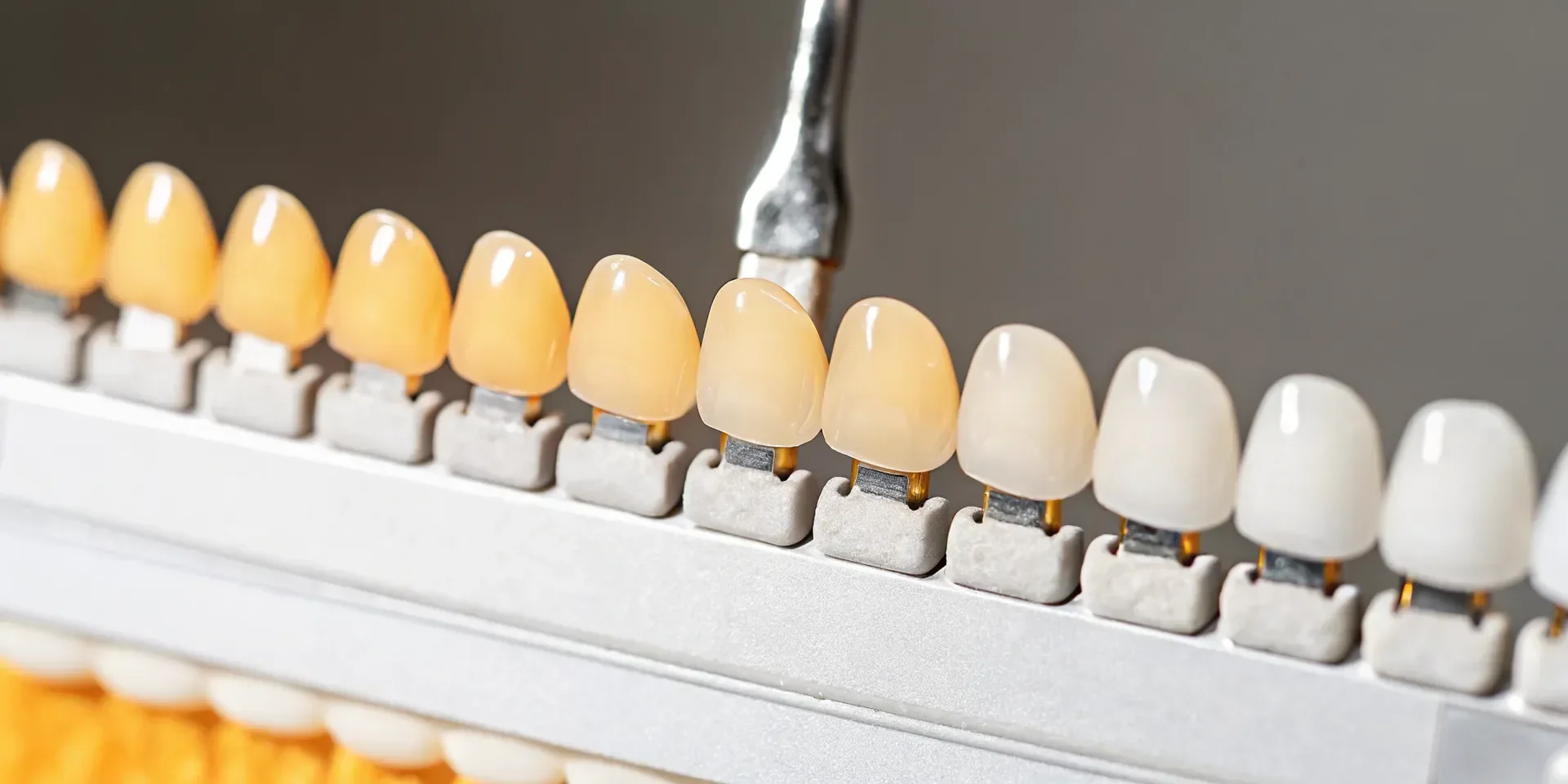
When you hear the word “cavity,” your first thought might be of old-school, noticeable silver fillings. But modern dentistry offers a solution that’s as beautiful as it is effective. Tooth-colored fillings blend so seamlessly with your natural smile that you might even forget they’re there. This is all thanks to a sophisticated, high-tech blend of ingredients known as composite filling material. It’s designed not just to fill a space, but to bond with your tooth, strengthening it from the inside out. In this guide, we’ll break down what this material is made of, how we use it to restore your tooth, and why it’s such a popular choice for patients seeking a healthy, natural-looking smile.
Key Takeaways
- Enjoy a natural-looking and conservative repair: Composite fillings are matched to your tooth color and bond directly to the tooth, which means we preserve more of your healthy tooth structure while creating a strong, seamless restoration.
- You can extend the life of your filling: With consistent daily care, mindful eating habits, and regular dental checkups, you can help your composite filling last for many years and keep it looking its best.
- Understand the trade-offs for an informed choice: While composites offer superior aesthetics, they may not be as durable as metal fillings for back molars and can stain over time, just like your natural teeth.
What’s in a Composite Filling?
Ever wonder what exactly is in that tooth-colored filling that blends so seamlessly with your smile? It’s not just a simple white paste. Composite fillings are a sophisticated blend of materials, carefully engineered to be both strong and beautiful. Think of it as a high-tech recipe designed specifically for your teeth. Each ingredient plays a crucial role in making the filling durable, long-lasting, and practically invisible.
The magic of a composite filling lies in its unique structure. It’s a mix of a moldable resin base, strengthening filler particles, and a special agent that binds everything together. This combination allows us to create a restoration that not only fills a cavity but also bonds directly to your tooth, supporting its natural structure. Let’s break down the key components to see how they work together to repair your tooth and restore your smile.
The Resin Foundation
The foundation of every composite filling is a tooth-colored plastic mixture known as a resin matrix. This is the soft, pliable component that allows us to shape the filling to perfectly match the contours of your tooth. Because the resin is moldable when we first apply it, we can meticulously sculpt it to restore the tooth’s original form and function. This resin base is what makes our dental services for fillings so effective at creating a natural-looking repair that feels comfortable and fits your bite perfectly.
Strengthening Glass Particles
On its own, the resin foundation wouldn’t be strong enough to handle the daily pressures of chewing. That’s where the filler particles come in. Mixed into the resin are microscopic particles of glass, silica, or quartz. These tiny, durable particles act like a reinforcing framework, giving the filling its strength, stiffness, and resistance to wear and tear. They also play a big part in aesthetics, helping the filling reflect light in the same way your natural tooth enamel does. This ensures the final result is a restoration that’s as tough as it is beautiful.
The Bonding Agent That Holds It All Together
To create a single, solid material, the resin and the filler particles need to be held together tightly. This is achieved with a special coupling agent that acts like a microscopic bridge, chemically linking the two components. Finally, a light-sensitive ingredient is added to the mix. When we’ve placed and shaped the filling, we use a special blue light to activate this ingredient, which triggers a rapid hardening process. This technique, called curing, solidifies the filling in seconds, bonding it securely to your tooth. If you have questions about the process, feel free to request an appointment to chat with us.
Getting a Composite Filling: What to Expect
If you have a cavity, you might be wondering what the filling process is actually like. It’s one of the most common dental procedures we perform, and our team is here to make it as comfortable and stress-free as possible. The entire process is quite straightforward and focuses on restoring your tooth’s health and appearance. From start to finish, we’ll walk you through each step so you know exactly what’s happening.
Prepping Your Tooth for the Filling
First things first, we make sure you’re completely comfortable. We’ll numb the area around the affected tooth so you won’t feel a thing during the procedure. Once you’re numb, your dentist will gently clean out the decayed portion of the tooth. The goal is to remove any unhealthy tissue and create a clean, stable foundation for the new filling. This step is crucial for ensuring the filling bonds properly and protects your tooth from further damage. Think of it as creating a perfect canvas before the real artistry begins.
Applying the Filling in Layers
After your tooth is prepped, we start applying the composite resin. This material is like a soft, putty-like substance that we can mold perfectly to the shape of your tooth. We apply it in thin layers, and after each layer is placed, we use a special blue light to harden it. This technique is important because the light can only cure a few millimeters of material at a time. By building the filling in layers, we ensure it’s strong and durable all the way through. This meticulous process helps create a solid restoration that will last for years.
Shaping and Polishing for a Perfect Fit
Once the final layer of composite is hardened, the artistry really comes into play. Your dentist will carefully shape and sculpt the filling to match the natural contours of your tooth. We’ll also check your bite to make sure everything feels comfortable and lines up correctly when you chew. The final step is to polish the filling until it’s smooth and seamless. This not only makes it look great but also helps it resist staining. When we’re done, your restored tooth will blend in so well that you might not even be able to tell where the filling is.
The Benefits of Choosing Composite Fillings
When you need a filling, you have a few options. For years, silver amalgam fillings were the standard, but today, composite fillings are an incredibly popular and effective choice. They offer a combination of strength, aesthetics, and a more conservative approach to treating cavities. If you’re weighing your options, understanding the specific advantages of
At Lowell Family Dental Practice, we often recommend composite fillings because they align with our goal of providing treatments that are not only effective but also support the long-term health and natural beauty of your smile. From how they look to how they feel, these modern fillings provide significant benefits that go beyond just fixing a cavity. They are made from a tooth-colored resin material that bonds directly to your tooth, offering a durable and discreet solution for decay. This modern approach allows us to restore your tooth’s function and appearance while preserving as much of your natural tooth as possible. Let’s look at some of the key reasons why you might choose a composite filling for your tooth. You can learn more about all of our dental services and how we can help you achieve a healthy smile.
They Look Just Like Your Natural Teeth
One of the biggest advantages of composite fillings is their appearance. Unlike metal fillings that stand out, composite resin is tooth-colored and can be matched to the exact shade of your surrounding teeth. This means the filling blends in seamlessly, making it virtually invisible when you smile or talk. This is especially important for cavities on your front teeth or any other visible surfaces. The goal is to restore your tooth’s health without leaving any obvious signs of dental work, and composite fillings achieve that beautifully. You can feel confident that your smile looks completely natural.
A Strong, Secure Bond to Your Tooth
Composite fillings do more than just fill a hole; they actually bond directly to your tooth’s structure. This creates a strong, secure seal that helps support and strengthen the remaining tooth. The adhesive process helps to hold your tooth together and prevents the edges of the filling from leaking over time. In contrast, traditional amalgam fillings don’t adhere to the tooth and simply rest in the cavity, relying on its shape to stay in place. The direct bond of a composite filling provides added stability and durability for a longer-lasting restoration.
We Can Preserve More of Your Natural Tooth
Because composite material bonds directly to the tooth, the preparation process is much more conservative. To place a composite filling, we only need to remove the decayed portion of the tooth. With amalgam fillings, we often have to remove some healthy tooth structure to create a shape that will hold the metal filling securely. By preserving more of your natural tooth, we maintain its inherent strength and integrity. This minimally invasive approach is always our preference, as it’s better for the long-term health of your tooth.
Less Sensitivity Compared to Metal Fillings
Have you ever felt a jolt of sensitivity when eating something hot or cold? Metal fillings are known for conducting temperature changes, which can sometimes lead to discomfort. Composite resin, on the other hand, is a better insulator and doesn’t transfer hot and cold sensations as easily. Many patients report less tooth sensitivity with composite fillings compared to silver ones. This can make for a much more comfortable experience, especially if you already have sensitive teeth. It’s one more way that modern materials contribute to a better dental experience.
Are There Any Downsides to Composite Fillings?
We love composite fillings for so many reasons, but like any dental treatment, they aren’t a one-size-fits-all solution. To help you make the best choice for your smile, we believe in being completely open about the potential downsides. It’s all about finding the right fit for your teeth, your lifestyle, and your budget. Let’s walk through a few things to keep in mind when considering composite fillings so you can feel confident in your decision.
Durability and Potential for Chipping
One of the main trade-offs for the beautiful, natural look of composite fillings is their durability. The resin material is strong, but it’s not quite as tough as traditional metal amalgam fillings. This means they can be more prone to chipping or wearing down over time, especially on your back molars where chewing forces are the strongest. If you have a habit of grinding your teeth or clenching your jaw, this is something we’ll want to discuss. We always evaluate your bite and chewing habits to recommend the most durable and long-lasting dental services for your specific needs.
The Cost and Time Investment
Composite fillings are a more detailed and technique-sensitive procedure, which can affect both the time you spend in the chair and the overall cost. Placing a composite filling can take a bit longer than an amalgam filling because we apply the material in thin layers, carefully curing each one with a special light. This meticulous process is what creates such a seamless, natural result. While the investment may be slightly higher upfront compared to metal fillings, many patients find the aesthetic and health benefits are well worth it. Our team is always here to discuss payment options and help you understand your insurance coverage.
How They Can Stain Over Time
Just like your natural teeth, composite fillings can stain. The resin material is slightly porous, so it can absorb pigments from certain foods and drinks over the years. The biggest culprits are usually coffee, tea, red wine, and tobacco use. The good news is that you can minimize staining with a great at-home oral hygiene routine and regular professional cleanings. If you do notice your filling becoming discolored, we can often polish it to restore its original shade. For more significant staining, we can also explore options like professional teeth whitening to brighten your entire smile.
A Quick Note on Allergic Reactions
While extremely rare, a small number of people may have an allergic reaction to some of the components in composite resin. These reactions typically appear as a localized skin rash, itchiness, or minor swelling. Your health and safety are our top priorities, which is why we always take a thorough medical history before any procedure. Be sure to let our staff know about any known allergies or sensitivities you have. This allows us to choose the safest and most effective materials to restore your smile, ensuring your treatment is comfortable and worry-free from start to finish.
How Long Do Composite Fillings Last?
One of the most common questions we get about composite fillings is about their longevity. You’ve invested in restoring your tooth, and you want to know how long you can count on that beautiful, natural-looking fix. While composite fillings are incredibly durable, they aren’t permanent. The good news is that with the right care, you can enjoy your restoration for many years. Several factors play a role in how long your filling will last, and knowing what to look for can help you keep your smile healthy.
The Average Lifespan of a Composite Filling
On average, you can expect a composite filling to last between five and ten years. For many people, they last even longer. Think of this as a general guideline, not a strict expiration date. The lifespan of your filling really depends on your personal habits and the specifics of the tooth that was repaired. With consistent, excellent oral hygiene and regular dental checkups, you can definitely push that timeline closer to the ten-year mark or beyond. Our goal is to provide dental services that not only fix the immediate problem but also set you up for long-term oral health and durable restorations.
Factors That Affect How Long Your Filling Lasts
Several things can influence how long your composite filling holds up. The location and size of the filling matter a lot; a large filling on a back molar takes on much more chewing force than a small one on a front tooth. Your daily habits also play a big part. If you grind your teeth at night or have a habit of chewing on ice, pens, or fingernails, you’re putting extra stress on your fillings. Your diet is another key factor. Frequent snacking on sugary or acidic foods can weaken the bond over time. Most importantly, your oral hygiene routine is critical for preventing new decay from forming around the edges of the filling.
Signs You Might Need a Replacement
Your body often gives you little signals when a filling needs attention. One of the most obvious signs is visible damage, like a crack, chip, or a worn-down spot. You might also notice new or worsening sensitivity to hot, cold, sweet, or pressure, which could mean the filling is no longer sealed properly. Staining around the edges of the filling can sometimes indicate leakage, where bacteria are getting underneath. If you feel any sharp pain when you bite down or a rough spot with your tongue, it’s a clear sign to get it checked. If you notice any of these issues, it’s best to schedule an appointment so we can take a look.
A Look at Different Composite Materials
You might be surprised to learn that “composite” isn’t a one-size-fits-all material. Think of it like paint finishes; you have matte, eggshell, and gloss, each suited for a different purpose. Similarly, dental composites come in several varieties, each with its own unique blend of strength, durability, and polish. The type we choose for your filling depends entirely on which tooth needs repair and the job it has to do. We always select the perfect material to ensure your smile is both healthy and beautiful, which is a core part of our approach to dental services. Let’s look at the main types you’ll find in a modern dental practice.
Macrofilled Composites
Macrofilled composites are the original workhorses of the composite family. The “macro” in their name refers to their larger filler particles. These larger particles give the material excellent strength and resistance to fracture, which is why they were historically used for fillings in back teeth like molars, where chewing forces are strongest. However, the trade-off for this strength is the finish. Because the particles are larger, macrofilled composites can’t be polished to a super-smooth, glossy surface. Over time, they can feel a bit rougher and may be more prone to staining than newer, more advanced materials.
Microfilled Composites
On the opposite end of the spectrum, we have microfilled composites. As you can guess, these are made with much smaller, finer particles. This allows us to polish them to an incredibly smooth, life-like finish that mimics the high gloss of natural tooth enamel. This beautiful aesthetic makes them a fantastic choice for visible areas, especially front teeth. The downside is that these smaller particles don’t create as strong of a structure, so microfilled composites are not as resistant to wear and tear. We typically wouldn’t use them on back teeth that handle the heavy lifting of chewing.
Hybrid Composites
Hybrid composites are a popular “best of both worlds” solution. They are designed with a blend of different particle sizes, both large and small. This clever combination gives them the strength needed to withstand chewing forces while also allowing for a smooth, polished finish that looks great. Their versatility makes them an excellent all-around choice for fillings in both front and back teeth. Many of the composite fillings placed today are a type of hybrid, as they offer a fantastic balance of durability and aesthetics for a long-lasting, natural-looking restoration.
Nanofilled Composites
Nanofilled composites represent the latest in dental material technology. These composites use tiny nanoparticles, which are even smaller than the particles in microfilled resins. By clustering these nanoparticles together, manufacturers have created a material that is exceptionally strong and wear-resistant, yet can be polished to a brilliant, long-lasting shine. This unique combination of properties means nanofilled composites are strong enough for molars but also beautiful enough for front teeth. They hold their polish well over time, resisting stains and keeping your smile bright for years to come.
Composite Fillings vs. Other Options
When you have a cavity, a filling is the standard solution, but you have more than one material to choose from. While composite fillings are a popular and effective choice, it helps to see how they stack up against other common options. Understanding the differences in appearance, durability, and procedure can help you and your dentist decide on the best fit for your smile and your health. Each material has its own set of benefits, and the right one for you depends on the location of the cavity, your budget, and your aesthetic goals. Let’s look at how composite fillings compare to the alternatives.
Composite vs. Amalgam (Silver) Fillings
Many of us are familiar with amalgam fillings, the silver-colored material that has been used in dentistry for decades. The most obvious difference is appearance. Composite fillings are tooth-colored and blend in seamlessly, while amalgam fillings are metallic and can be noticeable when you laugh or speak. Beyond looks, the application process is different. Getting a composite filling often requires less drilling, which means we can preserve more of your natural tooth structure. The composite material also bonds directly to your tooth, which helps support and strengthen it. Amalgam, on the other hand, doesn’t bond and simply fills the space. While composites are strong, they may not last quite as long as amalgam and can stain over time, just like natural teeth.
How They Compare to Ceramic and Gold
Gold and ceramic are two other materials used for fillings, though they are generally less common than composite or amalgam. Gold fillings are incredibly durable and can last for a very long time, but they are the most expensive option and don’t offer a natural look. Ceramic fillings are tooth-colored like composites and are very strong, but they can also be more brittle and may chip under heavy pressure. One of the great advantages of composite fillings is that the material can be shaped very precisely to match the natural curves of your tooth, ensuring a comfortable and functional fit. This level of customization makes them an excellent choice for our general and cosmetic dentistry patients who want a solution that feels as good as it looks.
Are Composite Fillings Safe?
It’s one of the most common questions we hear, and for good reason. You deserve to feel confident about any treatment you receive. The short answer is yes, composite fillings are considered a very safe and effective way to restore teeth. They are one of the most popular choices for fillings today, not just for their natural look but also for their excellent safety profile.
Answering Your Top Safety Questions
Your health is always our top priority. That’s why we only use materials that have been thoroughly researched and proven to be safe and reliable. Modern composite resins are biocompatible, meaning they work well with your body’s natural tissues. Many patients also find them more comfortable than old metal fillings. Some people report less tooth sensitivity to hot and cold temperatures with composite fillings, which is a wonderful bonus. When you come in for a filling, we’re happy to walk you through all of our dental services and explain exactly what materials we use and why.
Understanding Allergic Reactions
While it is very rare, a small number of people may have an allergic reaction to some of the components in composite resin. An allergic reaction might appear as a skin rash or itchiness. This is why discussing your medical history is a crucial part of your first visit. Before any procedure, we need to know about any allergies or sensitivities you have. By providing your complete health information on our new patient forms, you help us ensure every treatment you receive is perfectly safe and suited for you.
Common Myths About Composite Fillings
Let’s clear the air on a persistent myth: the idea that composite fillings are toxic. This concern is generally linked to older materials and misinformation. The truth is, extensive research has confirmed that modern composite fillings are safe for dental use. They are made from a stable resin material that is free from mercury and other metals found in amalgam fillings. We are committed to using only the highest quality materials for our patients. If you have any more questions or have heard something that concerns you, please let us know. We believe an informed patient is an empowered one.
How to Care for Your Composite Fillings
You’ve got your beautiful, natural-looking composite filling, and now you want to keep it that way. The great news is that caring for a composite filling is straightforward and fits right into a healthy oral hygiene routine. With just a little attention, you can help your filling last for years while keeping your whole smile healthy. Think of it as protecting your investment. Proper care not only preserves the filling itself but also supports the health of the surrounding tooth, preventing future issues. It’s all about consistency and being mindful of a few key things, from your daily habits to your regular dental visits.
Your Daily Oral Hygiene Routine
The best way to care for your composite fillings is to treat them just like your natural teeth. This means sticking to a solid daily routine of brushing and flossing. Brushing twice a day with fluoride toothpaste and flossing at least once daily is crucial. This simple habit removes plaque buildup around the edges of the filling, which helps prevent new decay from forming underneath it. Consistent preventive care is your first line of defense in making sure your fillings, and your natural teeth, stay strong and healthy for the long haul.
Foods and Habits to Watch Out For
While composite fillings are quite durable, they aren’t invincible. Over time, they can stain, much like natural teeth. To keep your filling looking its best, it’s a good idea to limit foods and drinks known for staining, like coffee, tea, and red wine. If you do indulge, try rinsing your mouth with water afterward. It’s also smart to avoid biting down on extremely hard things like ice, hard candy, or nuts directly with the filled tooth. These habits can potentially chip or wear down the filling material, leading to a need for repairs.
Why Regular Dental Checkups Are Key
Visiting us for regular checkups is one of the most important things you can do for your fillings. During these appointments, we don’t just clean your teeth; we carefully examine your fillings for any signs of wear, chipping, or cracking. Catching a small issue early on is much easier (and more affordable) to fix than waiting until it becomes a bigger problem. These visits allow us to polish your fillings to remove surface stains and ensure the seal is still tight, protecting your tooth from decay. If you’re due for a visit, you can easily request an appointment to have your dental work checked.
Related Articles
- Fillings – Lowell Family Dental Practice & Implant Center
- Old and Unsightly Fillings – Lowell Family Dental Practice & Implant Center
- How Tooth-Colored Fillings Improve Your Smile – Lowell Family Dental Practice & Implant Center
- Sealants – Lowell Family Dental Practice & Implant Center
- What Are Dental Sealants? – Lowell Family Dental Practice & Implant Center
Frequently Asked Questions
How long can I expect my composite filling to last? On average, a composite filling can last anywhere from five to ten years, and sometimes even longer. Its lifespan really depends on a few things, like the size of the filling, its location in your mouth, and your personal habits. A filling on a back molar that does a lot of heavy chewing might wear down faster than one on a front tooth. With great daily oral hygiene and regular dental checkups, you can help your filling last as long as possible.
Can I replace my old silver fillings with composite ones? Yes, this is a very common procedure. Many people choose to replace their old amalgam fillings for cosmetic reasons, as they prefer the natural, tooth-colored look of composites. Others may need a replacement because the old filling is worn, cracked, or has decay forming around it. If you’re interested in replacing your metal fillings, we can examine them to see if it’s a good option for you.
Will my composite filling stain like my natural teeth? Composite fillings are quite resistant to staining, but they can discolor over time, much like your natural tooth enamel. Things like coffee, tea, red wine, and smoking are the most common causes of staining. The good news is that you can minimize this by practicing good oral hygiene and having your fillings polished during your regular dental cleanings.
Is getting a composite filling a painful procedure? Your comfort is our priority, so the procedure itself should not be painful. Before we begin, we will completely numb the tooth and the area around it. You might feel some slight pressure while we work, but you shouldn’t feel any pain. It’s a very routine and comfortable process for most patients.
Why are composite fillings sometimes more expensive than metal ones? The cost difference comes down to the materials and the time involved. Composite resin is a more advanced material, and the process of placing it is more detailed. We apply the filling in thin layers, hardening each one with a special light, which requires more time and precision. Many patients find the natural appearance and the ability to preserve more of the original tooth structure to be a worthwhile investment.
Written by
Dr. Iham Gammas, DMDBoard-Certified Implant Dentist & Founder, Lowell Family Dental Practice. Fellow & Master of ICOI and IADI. Associate Fellow of AAID.