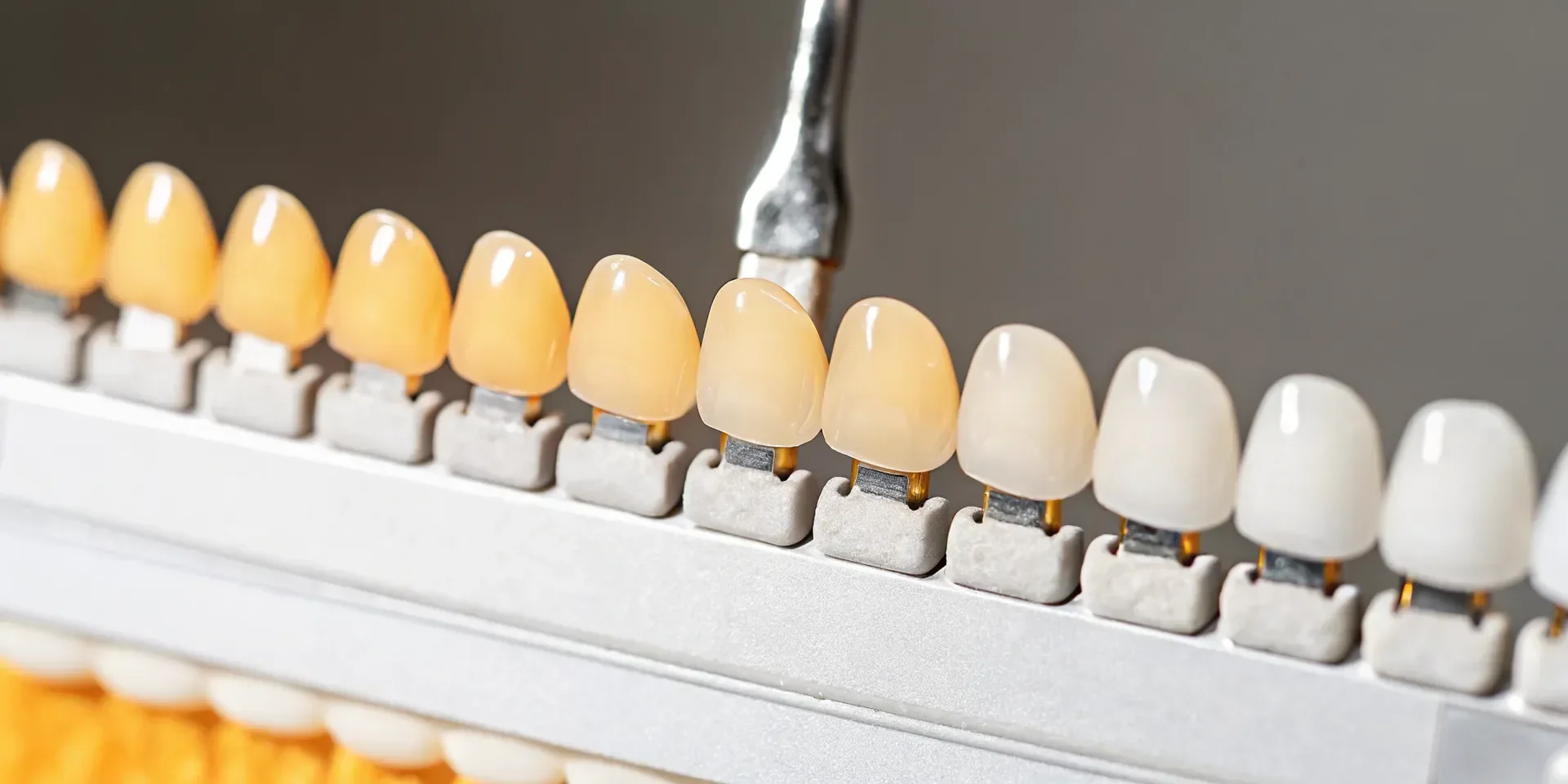
Here at Lowell Family Dental Practice, we know that making a big decision about your oral health feels best when you have a trusted local team by your side. Restoring your smile is a personal journey, and we want our neighbors in the Lowell community to feel fully informed and confident every step of the way. That’s why we created this detailed guide to answer your biggest questions. We’ll provide an honest look at the cost of whole mouth dental implants, explaining the different treatment options and what factors into the final price, so you can make the best choice for your health and your family’s budget.
Key Takeaways
- Your implant cost is a custom quote, not a flat fee: The final price depends on your specific needs, including the materials chosen, the number of implants required, and your jawbone health. A personal consultation is the only way to get an exact number for your treatment.
- Look beyond the initial price to see the lifetime value: While implants cost more upfront, they are a permanent solution. This often makes them more affordable over the long run compared to dentures or bridges that require ongoing replacement and maintenance costs.
- You have several ways to make the cost manageable: Don’t let the price tag stop you from exploring your options. You can use dental insurance, in-house payment plans, third-party financing, or pre-tax funds from an HSA or FSA to make your new smile fit your budget.
What Are Full Mouth Dental Implants?
If you’re dealing with many missing or failing teeth, you might feel like you’ll never get your confident smile back. That’s where full mouth dental implants come in. Think of them as a complete, permanent smile restoration. This solution uses a series of small, medical-grade titanium posts, or implants, that are placed directly into your jawbone. These posts act like new tooth roots, creating a strong foundation for a full set of beautiful, custom-made teeth, often called a bridge or prosthesis.
Unlike traditional dentures that rest on your gums, full mouth implants are securely anchored, so they won’t slip or shift. They are designed to replace all the teeth in your upper jaw, lower jaw, or both. The goal is to give you a smile that not only looks natural but also functions just like real teeth, allowing you to eat, speak, and laugh without a second thought. It’s a long-term solution that helps preserve your jawbone and restore your oral health from the ground up. Our team at Lowell Family Dental Practice can help you understand if dental implants are the right path for you.
Exploring Your Implant Options
When it comes to full mouth implants, there isn’t a one-size-fits-all answer. Your treatment plan will be tailored to your specific needs, jawbone health, and goals. Some of the most common approaches include implant-supported bridges, which use implants to anchor a bridge instead of relying on neighboring teeth. Another popular choice is an implant-supported denture, which snaps securely onto four to six implants, offering much more stability than a traditional denture.
You may have also heard of systems like All-on-X or All-on-6. These treatments use four or six strategically placed implants, respectively, to support an entire arch of teeth. The All-on-6 method is often recommended for patients who have more available jawbone to create an even stronger foundation. During your consultation, we’ll walk you through each option to find the perfect fit for your smile.
Why Choose Implants Over Dentures?
Many people wonder why they should choose implants over traditional dentures. The biggest difference comes down to stability and longevity. Because implants are fused to your jawbone, they become a permanent part of you. This means they look, feel, and function just like natural teeth. You can eat your favorite foods without worry, and you won’t have to deal with messy adhesives or the discomfort of dentures that can slip or rub against your gums.
While the initial investment for implants is higher, they are incredibly durable and can last a lifetime with proper care. This often makes them a more cost-effective solution over the long run, as traditional dentures may need to be relined, repaired, or replaced every few years. Choosing implants is an investment in your long-term health, confidence, and quality of life. We welcome all new patients to schedule a visit and learn more.
How Much Do Full Mouth Dental Implants Cost?
Let’s talk about one of the biggest questions on everyone’s mind: the cost. Investing in a full set of dental implants is a significant decision, and understanding the price is a crucial first step. The final cost isn’t a one-size-fits-all number because every smile is unique. It depends on your specific needs, the materials used, and the treatment plan we create together. Think of it less as a purchase and more as a long-term investment in your health and confidence. We believe in being completely transparent about pricing, so you can feel prepared as you consider your options. The following sections will give you a general idea of the costs involved.
Breaking Down the Average Cost
When you start researching, you’ll see a wide range of prices for full mouth dental implants. Generally, the cost for a single arch (either all your upper or lower teeth) falls between $20,000 and $50,000. If you need to restore both arches, the total typically ranges from $40,000 to $100,000. Some modern techniques, like “teeth in a day,” can average around $12,500 per arch. Remember, these figures are a starting point, as your personalized treatment plan will determine the exact price.
Cost Differences: Single Arch vs. Full Mouth
The type of implant solution you choose also affects the price. For example, fixed full-arch implants, which are permanently secured in your mouth, average around $20,000 per arch and function just like natural teeth. Another popular option is implant-supported dentures, or “snap-on dentures.” These are removable for cleaning but snap securely onto implants for stability. This option is often more affordable, averaging around $8,300 per arch. We can discuss which approach is the best fit for your lifestyle and budget during your visit.
Does Your Location Affect the Price?
Yes, where your dental practice is located can play a role in the overall cost. Dentists in major cities often have higher operating expenses, which can be reflected in their pricing. The final price is also influenced by the materials used for your new teeth, your current oral health, and any preparatory procedures you might need. The best way to get a clear and accurate number is to schedule a consultation. This allows us to create a detailed treatment plan tailored just for you, with no surprises.
What Factors Influence the Final Cost?
When you see a price range for full mouth dental implants, you might wonder why it’s so wide. The final cost isn’t a one-size-fits-all number because every patient’s smile is unique. Several key factors come together to determine your specific treatment plan and its total price. Think of it less like buying a product off the shelf and more like a custom solution designed just for you. From the materials used to your own oral health, each element plays a role. Understanding these components will help you see exactly what goes into the investment for your new smile.
Implant Materials and Systems
The type of material used for your implants is a major factor in the overall cost. Most implants are made from titanium or zirconia, both of which are biocompatible and designed to fuse with your jawbone. The choice between them can affect the price, as can the specific implant system your dentist uses, such as All-on-X or implant-supported bridges. During your consultation, we’ll walk you through the pros and cons of each option, helping you understand which material and system best fit your health needs and budget. Our goal is to find the right combination of dental implant services to give you a durable, long-lasting smile.
The Number of Implants You Need
It makes sense that the more implants you need, the higher the cost will be. A full mouth restoration doesn’t always mean replacing every single tooth with an individual implant. Instead, solutions like All-on-X use just four strategically placed implants to support an entire arch of teeth. Someone needing a full upper and lower arch replacement will have a different cost than someone who only needs a single arch. The final number of implants is determined by your specific anatomy and the type of restoration you choose. This is one of the most direct variables in the final price tag.
Your Bone Health and Other Procedures
Your current oral health is a critical piece of the puzzle. For dental implants to be successful, they need a solid foundation of healthy jawbone to anchor into. If you’ve experienced bone loss, which is common after losing teeth, you might need a preparatory procedure like a bone graft to build the area back up. A sinus lift might also be necessary for upper jaw implants. These additional treatments are essential for a successful outcome but will add to the total cost and treatment timeline. A thorough initial exam will tell us if any of these extra steps are needed for you.
Your Dentist’s Experience and Location
The skill and experience of your dental team are invaluable. A dentist with extensive training and a proven track record in complex implant procedures will have a different fee structure than a less experienced practitioner. While it might be tempting to shop around for the lowest price, remember that this is a significant surgical procedure. Investing in an expert ensures the best possible outcome for your health and the longevity of your smile. Our dedicated staff at Lowell Family Dental Practice brings years of expertise to every procedure, focusing on providing safe, comfortable, and effective care right here in our community.
What’s Included in the Cost?
When you receive a quote for full mouth dental implants, you’re not just paying for the implants themselves. The price reflects a comprehensive, multi-step treatment plan designed to restore your smile from start to finish. Understanding what’s covered in the total cost helps you see the full value of your investment and avoid any surprises along the way. A transparent quote should bundle every phase of the process into one clear price.
Think of it as an all-inclusive package for your new smile. The fee typically covers everything from the initial diagnostic scans and treatment planning to the final placement of your beautiful, permanent teeth. It also includes the surgical procedure, any necessary sedation to keep you comfortable, and all the follow-up appointments required to ensure you heal perfectly. At Lowell Family Dental Practice, we believe in clarity, so we’ll walk you through every item included in your personalized treatment plan before we begin. We want all our new patients to feel confident and informed.
Consultation and Planning
The first step in your journey is a thorough evaluation. This initial phase is crucial for creating a successful and lasting outcome. Your treatment quote will include the cost of your comprehensive consultation, which involves a detailed examination of your oral health. It also covers advanced diagnostics like 3D CBCT scans and digital X-rays. These images give us a precise map of your jawbone, nerves, and sinuses, allowing us to plan your implant placement with incredible accuracy. This careful planning ensures your new smile is not only beautiful but also functional and built to last.
The Surgery and Sedation
The surgical appointment is where the magic happens. The cost of this procedure covers the placement of the titanium implant posts into your jawbone by our skilled dental team. It also includes the price of any sedation you might need to have a completely comfortable and stress-free experience. We want you to feel relaxed and at ease, so we factor in the cost of anesthesia or sedation right from the start. This part of the fee also accounts for the expertise of the dental professionals and the high-quality materials used to ensure your safety and the success of the procedure.
Your Temporary and Final Teeth
You won’t leave our office without a smile. The total cost includes a set of temporary teeth that you’ll wear while your implants integrate with your jawbone. These temporaries look natural and allow you to eat and speak comfortably during the healing period. Once the healing process is complete, you’ll return to have your final, permanent teeth attached. These custom-crafted teeth are made from durable, high-quality materials designed to look and feel just like natural teeth. Both your temporary and final sets of teeth are a standard part of the full mouth implant package.
Follow-Up Appointments and Warranty
Your care doesn’t end after the surgery. The cost of your treatment plan includes all necessary follow-up appointments to monitor your healing and make sure everything is progressing perfectly. We’ll check on your implants, make any needed adjustments, and answer all your questions. Proper long-term care is essential for the longevity of your implants, and we’re here to support you. Maintaining your new smile with daily brushing and flossing is key, and our team will guide you on the best practices for your overall oral health.
Comparing the Cost of Different Implants
When you start looking into full mouth implants, you’ll quickly see there isn’t a one-size-fits-all solution. The type of implant system you and your dentist decide on plays a huge role in the final cost. Think of it like choosing a car; a reliable sedan will have a very different price tag than a custom-built luxury vehicle. Both get you where you need to go, but the features, materials, and process are completely different.
The same idea applies to restoring your smile. Some methods use fewer implants to support a full arch of teeth, while others involve a more detailed, tooth-by-tooth approach. Each has its own set of benefits for your health, appearance, and budget. Let’s break down the most common types of dental implants so you can get a clearer picture of what to expect.
All-on-X vs. All-on-6
The All-on-X method is a popular and efficient way to restore a full arch of teeth. It uses four strategically placed implants to support a permanent, fixed denture. This approach is often a great balance of stability and value, with costs typically ranging from $15,000 to $30,000 per arch.
For a little extra stability, there’s the All-on-6 system. As the name suggests, it uses six implants instead of four. This is often recommended if you have lower bone density, as the additional implants help distribute pressure more evenly. The cost for All-on-6 is slightly higher, generally falling between $20,000 and $35,000 per arch, but that extra support can provide valuable peace of mind.
Traditional Full Mouth Implants
If you’re looking for the most natural look and feel possible, traditional full mouth implants are the top-tier option. This method involves placing an individual implant for almost every missing tooth, each topped with its own crown. The result is a smile that functions just like natural teeth. Because this approach is the most customized and surgically intensive, it’s also the most significant investment. You can expect the cost to range from $25,000 to $50,000 or more per arch. While the price is higher, the unparalleled aesthetics and function are worth it for many patients.
Implant-Supported Bridges
Implant-supported bridges offer a fantastic middle-ground solution. Instead of relying on your remaining natural teeth for support, these bridges are anchored securely by dental implants. This is an excellent way to replace several missing teeth in a row without needing an implant for every single one. It’s a more cost-effective approach than traditional implants while still providing great stability and a natural appearance. Generally, an implant-supported bridge can cost between $10,000 and $25,000 per arch, making it an attractive and functional option for many people.
Common Myths About Implant Costs
When you’re considering a significant investment like full mouth dental implants, the cost is naturally a major topic. It’s easy to get overwhelmed by the numbers and conflicting information out there. Let’s clear up a few common myths about implant costs so you can approach your decision with confidence and clarity.
Are There Hidden Fees?
It’s a common worry: you get a quote, but the final bill is much higher. This can happen if an initial estimate isn’t comprehensive. Some quotes might not include necessary steps like tooth extractions, bone grafting to strengthen your jaw, or the cost of temporary teeth while your implants heal. At our practice, we believe in total transparency. We provide a detailed treatment plan that outlines every step and its associated cost before we begin. Your initial consultation is the perfect time to ask questions and ensure you understand exactly what’s included, so there are no surprises down the road.
What Insurance Really Covers
Many people hope their dental insurance will cover the full cost of implants, but this is rarely the case. Most insurance plans view dental implants as a cosmetic procedure, despite their significant health benefits. Because of this, they might only cover a small portion of the total cost or a percentage of related procedures like extractions. Every plan is different, so the best first step is to review your specific benefits. Our team is experienced in working with insurance providers and can help you understand and maximize your coverage for all our dental services.
Upfront Cost vs. Long-Term Value
There’s no denying that dental implants have a higher upfront cost than options like dentures or bridges. This can cause some hesitation, but it’s important to look at the bigger picture. Implants are designed to be a permanent solution that can last a lifetime with proper care. In contrast, dentures often need replacement every five to ten years, and bridges typically last about ten to fifteen. When you factor in the recurring costs of replacing and refitting these other options over decades, dental implants often become the more sensible and affordable choice. They are a true investment in your lasting health and confidence.
How to Pay for Your Dental Implants
Investing in your smile with full mouth dental implants is a big decision, and thinking about the financial side is a normal part of the process. The great news is that you have several options to make the cost manageable. We believe everyone deserves a healthy, confident smile, and our team is here to help you find a payment solution that fits your budget without adding stress. Let’s walk through the most common ways to pay for your treatment.
Using Your Dental Insurance
While most dental insurance plans don’t cover the entire cost of implants, your policy can still be a big help. Many plans offer partial coverage for certain parts of the procedure, like the final crowns or related treatments. We know insurance can be tricky, so our team is happy to review your policy to help you understand and maximize your benefits. When you visit us as a new patient, bring your insurance information so we can give you a clear picture of your coverage.
In-House and Interest-Free Payment Plans
To make your treatment more accessible, we offer in-house payment plans that let you spread the cost over time. Breaking down the total into smaller, monthly payments can make a world of difference for your budget. We can even set up interest-free plans, so you only pay for the treatment itself. This flexibility is part of our commitment to providing personalized, stress-free care. When you come in for a consultation, we can create a payment schedule that works for you. You can request an appointment online to get started.
Third-Party Financing Options
Another popular choice for managing dental expenses is third-party financing. We partner with trusted healthcare financing companies that specialize in offering loans for medical and dental procedures. These services often provide flexible plans with low or no interest for an introductory period, giving you another way to pay for your implants on a timeline that suits you. The application is usually quick and simple, allowing you to move forward with treatment right away while making predictable monthly payments. Our staff can provide you with information on the financing partners we work with.
Using Your HSA or FSA
If you have a Health Savings Account (HSA) or a Flexible Spending Account (FSA) through your employer, you can use those pre-tax dollars to pay for your dental implants. These accounts are designed for out-of-pocket healthcare costs, and implants are a qualified medical expense. Using your HSA or FSA is a smart way to save money, since you’re paying with funds that haven’t been taxed. It’s a great option for covering any portion of the cost your insurance doesn’t, from your consultation to your final restoration. These funds can be used for a wide range of our dental services.
How to Make Full Mouth Implants More Affordable
The cost of full mouth dental implants can feel like a major hurdle, but it doesn’t have to be a barrier to restoring your smile. With some careful planning and open communication with your dental team, you can find a path forward that works for your budget. Think of it less as a single, overwhelming expense and more as a manageable investment in your long-term health and confidence. There are several practical strategies you can use to make this life-changing treatment more accessible. By exploring different options for timing, financing, and treatment plans, you can take control of the process and make an informed decision that feels right for you.
Plan Your Treatment Timing
One of the most effective ways to manage the cost of dental implants is to plan the timing of your treatment. Spreading the expense over several months can make it much more manageable than paying a lump sum. Many dental clinics offer payment plans, and you can ask our team at Lowell Family Dental Practice about interest-free options that break down the total cost into smaller, predictable monthly payments. This approach lets you begin your treatment without financial strain. Planning ahead also gives you time to use funds from a Health Savings Account (HSA) or Flexible Spending Account (FSA), which use pre-tax dollars for medical expenses.
Compare Different Treatment Plans
Not all full mouth implant solutions are the same, and their costs can vary significantly. A full set of implants for one arch can range from $20,000 to $50,000, so it’s important to understand what you’re paying for. During your consultation, we can walk you through different treatment plans. For example, the material used for your final teeth or the number of implants needed can influence the price. We believe in transparent care and will break down the costs for each option. This allows you to compare benefits and find a dental implant solution that aligns with your health goals and financial comfort level.
Look for Special Offers
It’s always a good idea to ask if your dental practice has any special offers or promotions. Some practices occasionally provide discounts on specific treatments, which can lead to significant savings on procedures like full mouth implants. While not always available, inquiring about these opportunities is a simple way to reduce your overall cost. When you schedule a consultation with us, feel free to ask about any current programs that could make your treatment more affordable. We are committed to helping our patients in the Lowell community access the high-quality dental care they deserve.
Are Full Mouth Dental Implants Worth the Investment?
This is the big question, isn’t it? When you see the price tag for full mouth dental implants, it’s natural to pause and wonder if it’s truly the right choice. It’s helpful to think of this decision not just as a dental procedure, but as a long-term investment in your health, confidence, and overall quality of life. Unlike other dental solutions that act as temporary fixes, implants are designed to be a permanent part of your smile. They function just like natural teeth, allowing you to eat your favorite foods, speak clearly, and smile without a second thought. When you weigh the initial cost against decades of comfort, stability, and improved well-being, the value becomes much clearer. Let’s break down exactly what makes this investment so worthwhile.
Comparing Long-Term Costs
The upfront cost of full mouth implants is significant, and there’s no getting around that. However, it’s important to look at the bigger financial picture. Cheaper alternatives like dentures typically need to be replaced every five to ten years, and bridges often last about ten to fifteen years. These replacement costs, along with adjustments and maintenance fees, add up over time. In contrast, dental implants are designed to last a lifetime with proper care. When you calculate the expenses over 20 or 30 years, implants often prove to be the more affordable choice. You’re paying once for a permanent solution instead of repeatedly paying for temporary ones.
The Impact on Your Health and Life
The benefits of full mouth dental implants go far beyond your bank account. This treatment can completely change your daily life. You’ll be able to eat crunchy, chewy, and tough foods again without pain or worry, which can improve your nutrition. Implants also provide stability for your jawbone, preventing the bone loss that often occurs with missing teeth and helping to maintain your facial structure. Most importantly, a secure, beautiful smile can have a huge effect on your self-esteem. You can laugh, talk, and socialize with confidence, knowing your teeth look and feel completely natural. It’s a key part of our comprehensive approach to dental services that connects oral health to your overall well-being.
Longevity and Maintenance
When you choose full mouth implants, you’re choosing a durable, long-lasting solution. The procedure has a success rate of over 95%, making it one of the most reliable treatments in modern dentistry. The materials used, like zirconia, can last for 20 years or more without issue. With proper oral hygiene, including regular brushing, flossing, and dental check-ups, your implants can last for the rest of your life. They don’t require special adhesives or soaking solutions like dentures do. You simply care for them as you would your natural teeth. For our new patients, we always emphasize that this one-time procedure provides a lifetime of benefits with straightforward, simple maintenance.
Related Articles
- Dental Implant – Lowell Family Dental Practice & Implant Center
- Implants – Lowell Family Dental Practice & Implant Center
- Bridges – Lowell Family Dental Practice & Implant Center
- Treatment – Lowell Family Dental Practice & Implant Center
- Glossary – Lowell Family Dental Practice & Implant Center
Frequently Asked Questions
What’s the real bottom line on cost for full mouth implants? The final price really depends on your specific needs, but a good starting point is to think in terms of arches. Restoring a single arch (all your upper or lower teeth) typically falls between $20,000 and $50,000. The exact number is shaped by factors like the materials we use, your jawbone health, and whether you need any preparatory work like a bone graft. The best way to get a precise number is to come in for a consultation so we can create a plan just for you.
Why are implants so much more expensive than traditional dentures? It’s helpful to think of implants as a permanent, long-term investment rather than a temporary fix. While dentures have a lower initial price, they often need to be relined or replaced every few years, and those costs add up. Implants, on the other hand, are designed to fuse with your jawbone and can last a lifetime with proper care. You’re investing once in a solution that looks, feels, and functions just like your natural teeth.
Will my dental insurance help pay for my implants? This is a great question, and the answer varies with every insurance plan. Most insurance providers consider implants a cosmetic procedure, so they may not cover the full cost. However, many plans do offer partial coverage for certain parts of the treatment, such as the final crowns or any necessary tooth extractions. Our team can help you review your policy to make sure you get the most out of your benefits.
How long does the entire process take from start to finish? The timeline for full mouth implants is different for everyone, but it generally happens in a few key phases. After your initial consultation and planning, the surgical placement of the implants is done in one appointment. Then, there’s a healing period of several months where the implants integrate with your jawbone. During this time, you’ll have a comfortable set of temporary teeth. Once you’re fully healed, we’ll place your final, permanent smile.
Is this procedure right for everyone with missing teeth? Full mouth implants are a fantastic solution for many people, but they aren’t the only option. The ideal candidate has good overall health and sufficient jawbone density to support the implants. If you’ve experienced bone loss, a procedure like a bone graft might be needed first. The best way to know for sure is to schedule a visit with us. We can assess your specific situation and discuss all your options, helping you find the perfect path to a healthy, confident smile.
Written by
Dr. Iham Gammas, DMDBoard-Certified Implant Dentist & Founder, Lowell Family Dental Practice. Fellow & Master of ICOI and IADI. Associate Fellow of AAID.