Getting a price for a dental implant can feel like trying to read a secret code. You might see one price advertised, but is that for the whole tooth or just one part? Understanding “how much is the cost of dental implants” requires knowing what’s actually included in the quote. The total investment is a combination of three key components: the implant post, the connecting abutment, and the custom-made crown. In this guide, we’ll pull back the curtain on pricing, explaining each part of the process so you can spot potential hidden fees and understand exactly what you’re paying for. No surprises, just clear information.
Key Takeaways
- The cost is a custom quote, not a price tag: Your total investment depends on several factors, such as the implant materials, your dentist’s experience, and any required prep work like a bone graft. A one-on-one consultation is the best way to get a precise, itemized estimate for your specific treatment plan.
- The price includes a complete system: A dental implant quote covers three essential parts: the implant post (the new root), the abutment (the connector), and the custom crown (the visible tooth). A clear estimate will break down the cost for each component so you know exactly what you are paying for.
- Payment options can make implants affordable: The upfront cost can be managed through several practical solutions. Ask your dental office about in-house payment plans, third-party financing, or using your HSA or FSA funds to make the investment fit your budget.
What Are Dental Implants?
If you’re dealing with a missing or damaged tooth, you’ve probably heard about dental implants. But what are they, exactly? Think of a dental implant as a permanent, high-tech replacement for your tooth’s natural root. It’s a small, screw-like post, usually made of titanium, that is surgically placed into your jawbone. This post acts as a sturdy anchor for a new, artificial tooth, which could be a crown, a bridge, or even a full set of dentures.
Unlike other tooth replacement options that sit on top of your gums, an implant becomes a part of your jaw. This fusion process, called osseointegration, is what makes implants feel so strong and natural. They are designed to function just like your own teeth, allowing you to eat, talk, and smile with complete confidence. Because they are a permanent solution, they also help preserve your facial structure and prevent the bone loss that often happens when a tooth is missing. Our team offers several dental implant services to restore your smile and your oral health. It’s a fantastic way to get back the function and appearance of a healthy tooth for the long haul.
How Do Dental Implants Work?
The journey to getting a dental implant is a careful, multi-step process that ensures the best possible outcome. It all starts with a consultation where we sit down with you to create a personalized treatment plan. We’ll take a look at your oral health and make sure an implant is the right choice for you. Next comes the preparation phase, which might involve removing a damaged tooth. Then, during a simple surgical procedure, the implant post is placed into your jawbone. Your jaw will then need a few months to heal and fuse with the implant. Once that bond is solid, we’ll attach the final piece: a beautiful, custom-made crown that looks and feels just like a natural tooth. You can request an appointment to get your personalized plan started.
What Are the Different Types of Implants?
Dental implants are not a one-size-fits-all solution. The type of implant you need will depend on how many teeth you’re missing and your specific oral health situation. If you’re missing just one tooth, a single implant with a crown is a perfect fix. If you have several missing teeth in a row, an implant-supported bridge can fill the gap without needing to alter your healthy, neighboring teeth. For those missing most or all of their teeth, implant-supported dentures or a fixed full-arch restoration can provide a stable and comfortable alternative to traditional dentures. Our experienced dental team will walk you through all the options and help you decide which type of implant will give you the best results for a healthy, confident smile.
What’s the Average Cost of Dental Implants?
Let’s talk about one of the biggest questions on everyone’s mind: the cost. When you’re considering dental implants, understanding the financial investment is a huge part of the decision. The truth is, there isn’t a single price tag. The final cost can vary quite a bit based on your specific needs, the complexity of the procedure, and even where you live. Think of it less like buying a product off the shelf and more like a custom solution designed just for your smile.
The total price is influenced by several key elements, including the materials used, your dentist’s expertise, and whether you need any preparatory work like a bone graft. To give you a clearer picture, we can break down the average costs based on how many teeth you need to replace. Remember, these figures are national averages, and the only way to get a precise number for your situation is to come in for a personalized consultation. We can provide a detailed estimate with no surprises.
Cost for a Single Tooth Implant
If you’re looking to replace just one missing tooth, you’re likely looking at a single tooth dental implant. Nationally, the average cost for this is around $2,143, but the typical range can fall anywhere between $1,646 and $4,157. This price usually covers all three main components: the titanium implant post that acts as the root, the abutment that connects the post to the new tooth, and the custom-made crown that looks and feels like your natural tooth. While it’s an investment, it’s for a permanent, stable solution that protects your jawbone and overall oral health for years to come.
Cost for Multiple Teeth or a Full Set
When you need to replace several teeth in a row or even a full arch, the cost structure changes. For replacing a few teeth with an implant-supported bridge, costs can range from $6,000 to $30,000. The final price depends on how many implants are needed to support the bridge and how many teeth are being replaced. If you’re considering replacing all the teeth in your upper or lower jaw, the cost for one arch typically falls between $15,000 and $35,000. This is a transformative procedure that restores full function and aesthetics, making it a comprehensive investment in your health and confidence.
How Your Location Impacts the Cost
It might surprise you, but where your dentist’s office is located plays a role in the overall cost. Prices vary by state due to differences in lab fees, material costs, and the general cost of running a practice in that area. For example, a single implant might cost around $1,790 in a state like Alabama, but that same procedure could be closer to $2,730 in California. Here in Lowell, MA, our costs are based on providing top-quality care with the best materials available. The best first step is always a consultation, where we can give you a clear, itemized estimate based on your specific treatment plan and our local pricing.
What Factors Influence the Cost of Implants?
When you see a price for a dental implant, it’s helpful to know that it’s not just one single item. The total cost is a combination of several important factors that come together to create your new smile. Think of it less like buying a product off the shelf and more like a personalized health treatment. The final price depends on the specific materials used, the expertise of your dental team, and any preparatory work your mouth might need to ensure the implant is successful for years to come. Understanding these components helps you see exactly what you’re investing in: a durable, long-term solution for your oral health. Let’s look at the four main elements that shape the final cost.
The Implant Material and Type
The materials used for your implant play a big role in the overall cost. The implant itself, which is the post that fuses with your jawbone, is typically made of either titanium or ceramic. The visible part, the crown, is also made from different materials, like porcelain or zirconia, to match your natural teeth. Generally, ceramic implants and high-end zirconia crowns can be more expensive. This is due to their excellent durability and aesthetic qualities. During your consultation, we can discuss the pros and cons of each option to find the right balance for your smile and your budget.
Your Dentist’s Experience and Expertise
The skill and training of your dental team are a crucial part of the equation. A dentist with extensive experience and specialized training in implantology may have a higher fee, but this often translates into a smoother procedure and better long-term results. Choosing an experienced professional can help you avoid complications and ensure your implant is placed with precision. You’re not just paying for the implant; you’re investing in the expertise that ensures it’s done right. We believe in transparency and are proud of our team’s qualifications, which you can learn more about on our staff page.
Any Additional Procedures You Might Need
Sometimes, your mouth needs a little prep work before it’s ready for an implant. For an implant to be successful, it needs a solid foundation of healthy jawbone to anchor into. If a tooth has been missing for a while, the bone in that area may have weakened. Procedures like a bone graft (to build up the jawbone) or a sinus lift (for upper implants) might be necessary. While these treatments add to the total cost, they are essential for creating a stable base that will support your implant for a lifetime. These steps ensure your investment is secure and your oral health is protected.
Advanced Imaging and Treatment Planning
Modern dentistry uses incredible technology to make procedures more precise and predictable. Advanced imaging, like a cone-beam computed tomography (CBCT) scan, gives your dentist a detailed 3D view of your jaw, teeth, and nerves. This allows for meticulous planning of the implant placement, which minimizes risks and leads to a better fit. While this technology may add to the upfront cost, it’s a valuable investment in the safety and success of your treatment. This careful planning is a key part of the process for all our new patients to ensure the best possible outcome.
What’s Included in the Price of a Dental Implant?
When you get a quote for a dental implant, it helps to know what you’re looking at. The total price isn’t for a single item but for a multi-part restoration process. Think of it like assembling a piece of furniture: you have the main frame, the connectors, and the finished surface. Each component is essential, and together they create the final, functional piece. For a dental implant, the three main components are the implant post itself, the abutment that connects it, and the custom crown that looks like a natural tooth.
A transparent quote will list these items separately so you can see exactly where your investment is going. This clarity is key to feeling confident and in control of your dental health decisions. At Lowell Family Dental Practice, we make it a priority to provide a clear, itemized breakdown of all costs. We want you to understand the entire process, from the first surgical step to the final placement of your beautiful new tooth. Knowing what’s included helps you compare your options fairly and plan your finances without worrying about unexpected fees. Let’s break down each part of the implant so you know what to expect.
The Implant Post
The implant post is the foundation of your new tooth. It’s a small, screw-like post, typically made of biocompatible titanium, that is surgically placed into your jawbone where the old tooth root used to be. It functions as an artificial tooth root, providing a strong and stable base for the rest of the restoration. When you see an advertised price for a dental implant, it sometimes refers to the cost of this post alone. It’s the starting point of the entire procedure, and its successful integration with your jawbone is critical for a long-lasting result. This is why using high-quality materials and precise placement is so important for the implant’s success.
The Abutment
The abutment is the connector piece. Once your implant post has fully fused with your jawbone in a process called osseointegration, the abutment is attached to the top of it. This small but mighty component acts as the bridge between the implant post and your new crown. It securely holds the crown in place, ensuring it won’t shift or move when you talk, eat, or smile. While it might not be the first thing you think of, the abutment is an essential part of the structure. A complete implant quote will always include the cost of this connector, as the implant can’t be finished without it.
The Custom Crown
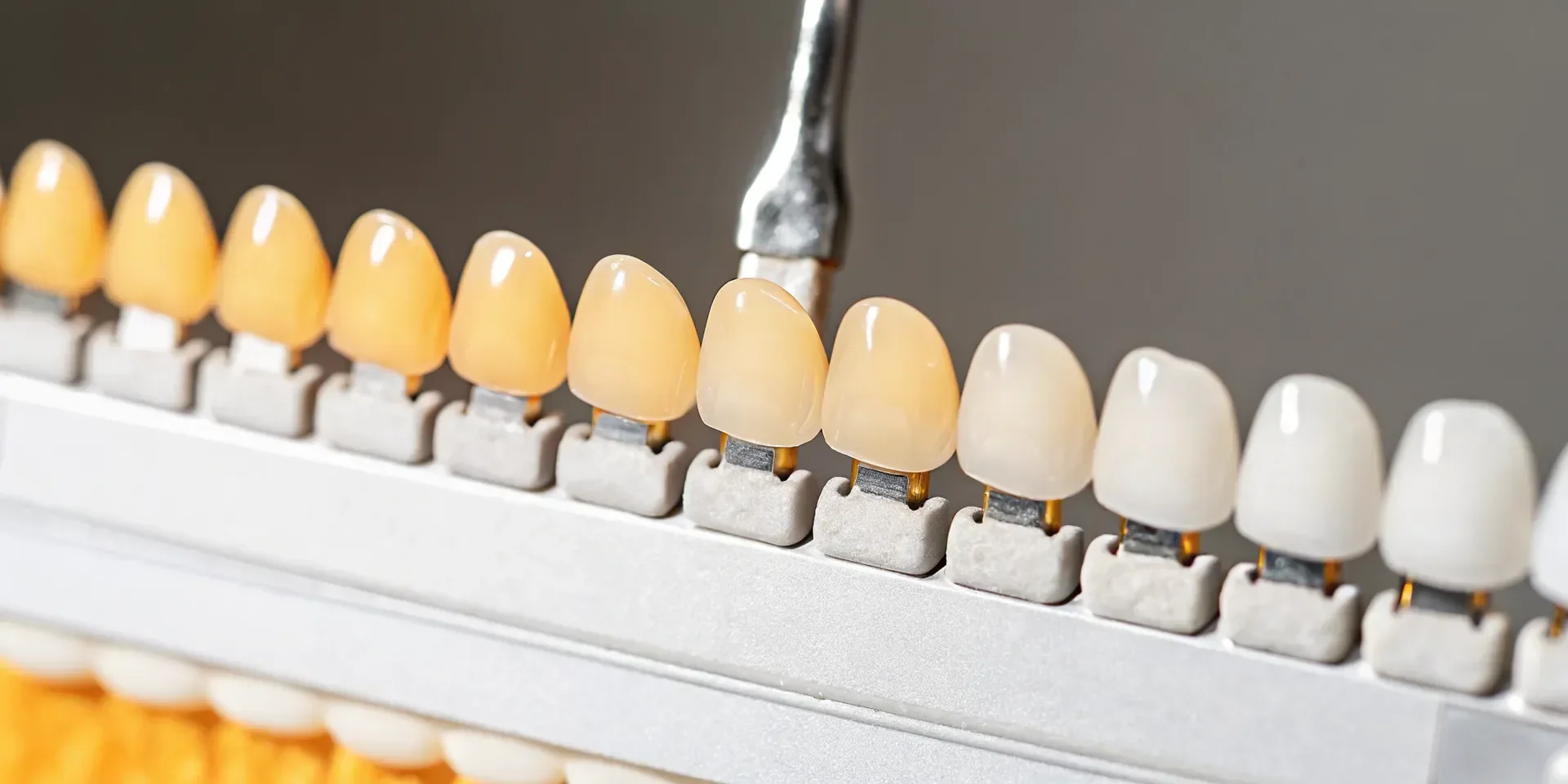
The custom crown is the part everyone sees: the beautiful, new tooth that completes your smile. This isn’t an off-the-shelf product. Your crown is meticulously crafted in a dental lab to match the exact shade, shape, and size of your surrounding teeth, creating a seamless and natural-looking result. The goal is for no one to be able to tell it’s an implant. The cost of the crown is often listed separately from the implant post because it’s a highly customized piece of your treatment. We take great care in designing crowns that not only look great but also function perfectly for chewing and speaking.
How to Spot Potential Hidden Costs
A great implant experience is all about clear communication, especially when it comes to cost. The price of the implant, abutment, and crown is the core of your estimate, but sometimes additional procedures are needed to ensure success. For example, if you don’t have enough healthy jawbone to support the implant, you might need a bone graft first. Other preparatory treatments can include a sinus lift or a tooth extraction. These are not “hidden” costs but rather necessary steps for certain patients.
It’s also wise to clarify what your dental insurance will cover, as many plans have limitations on implant procedures. The best way to avoid surprises is to request an appointment for a consultation. We can provide a detailed, itemized treatment plan that outlines every potential cost from start to finish.
Does Dental Insurance Cover Implants?
Figuring out insurance is often the most confusing part of planning for a major dental procedure. The short answer is: it depends. While dental implants are the gold standard for replacing missing teeth, insurance coverage can be tricky. Some plans view them as an elective or cosmetic procedure, which can limit what they’re willing to pay. However, this is changing as more providers recognize the long-term health benefits of implants.
The key is to understand the specifics of your own plan. Don’t assume you have no coverage. Many plans will contribute to certain parts of the process, even if they don’t cover the entire thing. Let’s break down what you need to know to get the most from your benefits.
Understanding What Your Plan May Cover
Many dental insurance plans do not cover the full cost of dental implants, but they may cover a portion of the fee or related procedures. For example, your insurance might not pay for the implant post itself, but it could help with the cost of the custom crown that attaches to it. This is because the crown is often considered a necessary restoration, similar to a crown on a natural tooth.
It’s also worth checking if your medical insurance might offer any help. In cases where tooth loss is the result of an accident or a specific medical condition, your medical plan might cover some of the costs. The most important step you can take is to call your insurance provider directly. Ask them for a detailed breakdown of your benefits for dental implants so you know exactly where you stand.
How to Maximize Your Insurance Benefits
Once you have a basic understanding of your plan, our team can help you make the most of it. We can submit a pre-treatment estimate to your insurance company, which details the entire procedure and its costs. Your provider will review this and send back a statement explaining what they will cover, leaving you with a clear picture of your out-of-pocket expenses before you commit to treatment.
Be sure to ask your insurance provider if they cover related procedures, such as tooth extractions or bone grafts, which are sometimes necessary before an implant can be placed. At Lowell Family Dental Practice, our staff is experienced in working with a wide range of insurance plans. We are here to help you understand your coverage and ensure you receive all the benefits you’re entitled to. The best way to start is to schedule a consultation with us.
How Can You Pay for Dental Implants?
Seeing the final price tag for dental implants can feel overwhelming, but please don’t let it stop you from exploring your options. A healthy, confident smile is an investment in your overall well-being. The good news is there are several practical ways to manage the cost, making your dream smile an achievable reality. Let’s walk through some of the most common payment routes.
Ask About In-House Payment Plans
One of the simplest first steps is to talk with your dental office about their payment options. Many practices, including ours, want to make excellent care accessible and offer in-house plans to help. These plans allow you to break down the total cost of your treatment into smaller, more manageable monthly payments spread over an agreed-upon time. This is a fantastic way to get the care you need now without the stress of paying the full amount all at once. When you come in for a consultation, we can discuss a payment schedule that works for your budget.
Explore Third-Party Financing
If an in-house plan isn’t the right fit, third-party financing is another popular and effective solution. We partner with reputable financing companies that specialize in healthcare lending. These companies function like a loan provider, paying for your treatment upfront so you can begin right away. You then make regular payments to the financing company over an extended period, often with flexible terms. This approach helps many patients move forward with their dental implants without having to dip into their savings or delay important care.
Use Your Health Savings Account (HSA) or FSA
Do you have a Health Savings Account (HSA) or Flexible Spending Account (FSA) through your employer? If so, you can absolutely use these pre-tax funds to pay for your dental implants. This is a smart financial move that helps you save money while investing in your health. While many dental insurance plans consider the implant itself an elective procedure, some may help cover the cost of the final crown. It’s always a good idea to check with your insurance provider to fully understand your benefits before starting treatment.
Consider Personal or Medical Loans
For some patients, securing a personal or medical loan from a bank or credit union is the best path forward. These loans can provide the necessary funds to cover the entire procedure, giving you the freedom to pay for your treatment on your own terms. While this option requires a separate application process with a financial institution, it can be a great way to manage the expense if other options aren’t suitable. A guide to financing dental implants can offer more information on how these loans work and what to expect.
Are Dental Implants a Worthwhile Investment?
When you’re looking at the price tag, it’s natural to wonder if dental implants are truly worth the cost. While the initial expense is higher than other options, thinking about the long-term value for your health, confidence, and wallet can help you make the right decision for your smile.
Implants vs. Dentures: Which Is Better for You?
Choosing between implants and dentures often comes down to the kind of lifestyle you want. Dentures are a traditional and effective way to replace missing teeth, but they are removable and require daily cleaning and adhesives. For some, this routine can feel a bit cumbersome.
On the other hand, dental implants are designed to feel and function just like your natural teeth. They are securely anchored into your jawbone, so you can eat your favorite foods, speak clearly, and smile without worrying about anything shifting or slipping. Because they are a permanent solution, you simply brush and floss them as you would your other teeth, making them a seamless part of your life.
Implants vs. Bridges: Understanding the Pros and Cons
A dental bridge is another common solution for a missing tooth. It literally “bridges” the gap by anchoring a false tooth to the healthy teeth on either side. While the initial cost of a bridge can be lower than an implant, there’s a significant trade-off. To place a bridge, your dentist must file down the adjacent healthy teeth to fit them with crowns, permanently altering their natural structure.
In contrast, dental implants are a standalone solution. The implant is placed directly into the jawbone without impacting any of your surrounding teeth. This approach preserves the health and integrity of your natural smile, which is a major long-term advantage that many people find makes the investment worthwhile.
The Long-Term Benefits for Your Health and Wallet
Although dental implants have a higher upfront cost, they are often the most cost-effective solution over time. Dentures and bridges typically need to be replaced every 5 to 15 years, and those recurring costs can add up significantly. With proper care, a dental implant can last for decades, and for many people, it’s a permanent fix.
Beyond the financial savings, implants offer a crucial health benefit that other options don’t. They stimulate your jawbone just like a natural tooth root, which prevents the bone loss that occurs when a tooth is missing. This helps maintain your facial structure and keeps your jaw healthy for years to come.
The Impact on Your Confidence and Quality of Life
The value of a confident smile is hard to measure. Living with a missing tooth or wearing a dental appliance that feels unnatural can make you self-conscious when you talk, laugh, or eat. Dental implants can completely restore your smile in a way that looks and feels incredibly natural, giving you a major confidence boost.
Many of our patients tell us that the ability to enjoy life without thinking twice about their teeth is the biggest return on their investment. Restoring the full function of your bite and the appearance of your smile can have a profound effect on your daily happiness and overall quality of life. If you’re ready to explore what’s possible for your smile, we’d love to help you take the next step.
How to Budget for Your Dental Implants
Thinking about the cost of dental implants can feel like a big hurdle, but creating a budget is easier than you think. With a little planning, you can approach this investment in your health and confidence with a clear financial picture. Breaking the process down into manageable steps will help you understand the costs involved and explore your payment options, ensuring there are no surprises along the way. By taking a proactive approach, you can make a plan that works for you and get one step closer to the smile you deserve.
Get a Detailed, Itemized Estimate
Your first step is to get a clear and complete picture of the costs. Before you commit to anything, you should receive a detailed, itemized estimate that breaks down every part of the procedure. This isn’t just a single number; it should list the costs for the implant post, the abutment, the final crown, and the surgical procedure itself. It should also include any fees for initial consultations, X-rays, or 3D imaging. Having this breakdown helps you understand exactly what you’re paying for and prevents unexpected charges later. Don’t hesitate to ask questions if something isn’t clear. The best way to get this personalized information is to schedule a consultation with our team.
Plan for Long-Term Maintenance
Dental implants are known for their durability, but it’s smart to plan for their long-term care. The titanium post that integrates with your jawbone is designed to last a lifetime. However, the crown, which is the part that looks like a tooth, is subject to daily wear and tear, just like your natural teeth. While high-quality crowns are incredibly strong, they may need to be replaced every 10 to 15 years. Factoring in this potential future cost is a key part of responsible budgeting. Think of it like planning for routine maintenance on a car; it ensures the long-term success of your investment and keeps your smile looking its best for years to come.
Ask About Discounts and Special Offers
Don’t be shy about discussing payment options with your dental office. Many practices are committed to making dental care accessible and offer various ways to manage the cost. Start by asking about in-house payment plans, which can allow you to spread the cost over several months without involving an outside lender. You should also inquire about any special offers or promotions they might be running. If you have dental insurance, the office can help you understand your coverage and maximize your benefits. Learning about what to expect as a new patient can help you prepare for these financial conversations and feel more in control of the process.
Prioritize Quality of Care Over the Lowest Price
When you’re looking at estimates, it can be tempting to go with the lowest number. However, when it comes to a medical procedure like dental implants, prioritizing quality is essential. A successful outcome depends heavily on the skill and experience of your dentist, the quality of the materials used, and the precision of the treatment planning. Choosing an experienced dental team can significantly reduce the risk of complications and implant failure. An implant that is placed incorrectly or fails due to poor quality can lead to more complex and costly procedures down the road. Investing in high-quality care from the start is the best way to ensure a beautiful, functional, and lasting result.
Take the Next Step With Lowell Family Dental Practice
Understanding the full picture of what dental implants will cost is a significant part of your decision-making process. While online estimates provide a general idea, the only way to get a truly accurate and personalized cost breakdown is through a one-on-one consultation. Your specific health needs, the materials used, and your long-term goals all play a role in shaping your unique treatment plan. Taking the time for a professional evaluation is the most important step you can take toward restoring your smile with confidence.
At Lowell Family Dental Practice, we believe that a great outcome starts with a great conversation. We are committed to providing a stress-free and comfortable experience where you can ask questions and feel heard. Our team will perform a comprehensive exam, discuss your options in detail, and provide a clear, itemized treatment plan with no hidden surprises. We want you to feel fully informed and confident in your choices. Our goal is to build a partnership with you that is focused on achieving a healthy, beautiful smile that lasts a lifetime.
If you’re ready to see if dental implants are the right solution for you, we’re here to help guide you. Let us show you how our personalized approach to dental care can make a difference. You can request an appointment online or give our office a call to get started. We look forward to meeting you and helping you invest in your long-term oral health.
Related Articles
- Implants – Lowell Family Dental Practice & Implant Center
- Dental Implant – Lowell Family Dental Practice & Implant Center
- Dental Implants in Lowell, MA | Restore Your Smile Today – Lowell Family Dental Practice
- New Patients – Lowell Family Dental Practice & Implant Center
- Treatment – Lowell Family Dental Practice & Implant Center
Frequently Asked Questions
How long do dental implants last? This is one of the best parts about implants. With proper care, the implant post itself can last for decades, and for many people, it’s a permanent solution. The custom crown attached to it is very durable, but like natural teeth, it can experience wear over time and may need to be replaced after about 10 to 15 years. Think of it as a long-term investment in a stable, healthy smile that requires the same simple care as the rest of your teeth: good brushing, flossing, and regular check-ups.
Is the dental implant procedure painful? It’s completely normal to worry about this, but the procedure itself is much more comfortable than people imagine. We use local anesthesia to make sure the area is totally numb, so you won’t feel any pain during the placement. Afterward, it’s common to have some mild soreness and swelling, similar to other dental procedures. Most people manage this easily with over-the-counter pain relievers and find they can return to their normal routine within a day or two. Our practice focuses on making your experience as stress-free and painless as possible.
How do I know if I’m a good candidate for an implant? The best candidates for dental implants have healthy gums and enough jawbone to securely anchor the implant post. However, even if you’ve experienced some bone loss, you may still be a great candidate with the help of a preparatory procedure like a bone graft. Your overall health is also a factor. The only way to know for sure is to come in for a consultation. We can take a look at your specific situation and create a personalized plan that’s right for you.
Why can’t I get a single, all-inclusive price for a dental implant? The cost of a dental implant isn’t for one single item but for a customized, multi-step treatment. The final price depends on several personal factors, including the type of materials used for your implant and crown, whether you need any preparatory work like a tooth extraction or bone graft, and the complexity of your specific case. Because every patient’s needs are unique, we provide a detailed, itemized estimate after your consultation so you can see exactly what’s included and make an informed decision with no surprises.
How long does the entire implant process take? Patience is key with dental implants because the process is designed for long-term success. From your initial consultation to the final placement of your crown, the entire timeline can range from a few months to over a year. The longest phase is typically the healing period after the implant post is placed. During this time, your jawbone fuses with the implant to create a strong, permanent foundation. While it’s not an instant fix, the result is a stable, natural-feeling tooth that is well worth the wait.
Written by
Dr. Iham Gammas, DMDBoard-Certified Implant Dentist & Founder, Lowell Family Dental Practice. Fellow & Master of ICOI and IADI. Associate Fellow of AAID.