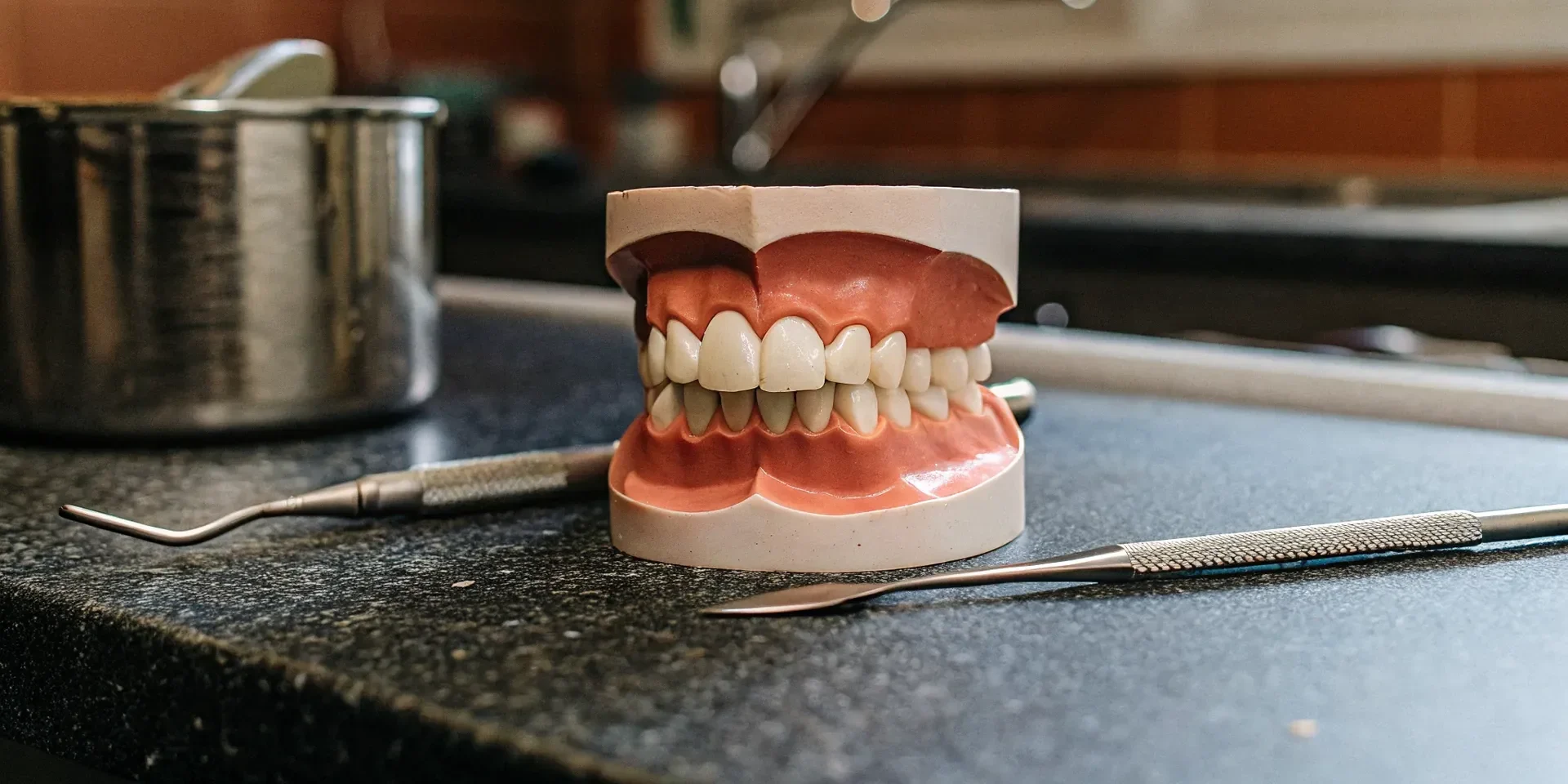
It often starts with a broken tooth or an old, large filling that finally gives out. You know you need to see a dentist, hoping a simple crown will solve the problem. But sometimes, the damage underneath is more severe than you realized. This is often when you hear the news that there’s no tooth left for crown to hold onto securely. This diagnosis can feel overwhelming, but it’s really just the starting point for a new treatment plan. Our goal is always to find a lasting solution. We’ll explain the effective ways we can restore your tooth’s function and appearance, even after significant damage, so you can make an informed choice for your oral health.
Key Takeaways
- A crown needs a solid base: A dental crown requires a certain amount of healthy tooth structure to attach to securely. Without a stable foundation, the restoration can fail, so your dentist’s first priority is ensuring the tooth is strong enough for the long term.
- You have several great options: If a standard crown isn’t the right fit, it’s not the end of the road. Procedures like a post-and-core can rebuild the tooth, while options like dental implants or bridges can provide a permanent, natural-looking replacement.
- Make a plan with your dentist: The best choice for you depends on factors like durability, cost, and your overall oral health. Discussing your goals and asking questions will help you and your dentist create a personalized treatment plan you feel confident about.
What Does “Not Enough Tooth for a Crown” Mean?
Hearing your dentist say there isn’t enough tooth left for a crown can feel discouraging, but it’s a common situation we see and can absolutely address. A dental crown is a custom-made cap designed to cover a damaged tooth, restoring its shape, strength, and appearance. Think of it as a protective helmet for your tooth. For that helmet to fit securely and do its job, it needs a solid base to attach to. If a tooth is severely broken or decayed, there might not be enough healthy structure remaining to support the crown for the long term.
Generally, a dentist needs about a quarter of the original tooth structure to create a stable foundation. Without it, placing a crown would be like building a house on shaky ground; it’s bound to fail. When we tell you this, it isn’t the end of the road for your smile. It simply means we need to explore other excellent options to restore your tooth’s function and appearance. Our goal at Lowell Family Dental Practice is to find a lasting solution that protects your oral health, and we have several ways to achieve that.
Why a Crown Needs a Strong Foundation
A dental crown relies on the underlying tooth for support. It’s bonded directly to the prepared tooth, and this connection needs to be strong enough to withstand daily chewing forces. If the remaining tooth is too small, weak, or fractured, the crown won’t have enough surface area to grip onto. This can lead to the crown becoming loose, falling off, or even causing the remaining tooth structure to break completely under pressure.
Placing a crown on an unstable foundation is a recipe for future problems and more complex dental work down the line. We always prioritize treatments that are durable and reliable. By ensuring the foundation is solid, we’re setting you up for a successful, long-lasting restoration that you won’t have to worry about.
What Causes Severe Tooth Damage?
So, how does a tooth get to the point where it can’t support a crown on its own? It usually happens over time due to a few common issues.
Extensive Decay
A small cavity is easily fixed with a filling, but if decay is left untreated, it can spread deep into the tooth. This decay can hollow out the tooth from the inside, leaving behind a fragile shell. By the time the outer enamel starts to crumble, the internal damage is often so extensive that very little healthy tooth is left to work with.
Cracks, Breaks, and Injuries
A sudden injury from a fall, a sports accident, or biting down on something hard like a popcorn kernel can cause a tooth to crack or break. If a large piece of the tooth breaks off, especially if the fracture line extends below the gumline, what’s left may be too compromised to hold a crown securely.
Large or Failing Fillings
If you’ve had a large filling for many years, it can start to wear down or develop leaks around the edges. This allows bacteria to seep in and cause new decay underneath the filling. When the old filling is removed, we sometimes find that it was holding the tooth together, and the remaining natural walls are too thin and weak to support a new restoration.
Grinding and Long-Term Wear
Chronic teeth grinding (bruxism) or even just decades of normal chewing can gradually wear down your teeth. This constant friction can shorten a tooth to the point where it’s too flat to provide the necessary height and grip for a crown. Over time, this wear can significantly reduce the amount of available tooth structure.
Your Options When a Traditional Crown Won’t Work
Hearing that there isn’t enough of your natural tooth left to support a standard crown can be disheartening. You might be worried about your smile or what the next steps even are. But please don’t worry, this is a common situation, and it’s definitely not the end of the road for your tooth. Modern dentistry has several excellent, reliable methods for restoring teeth, even when they’ve experienced significant damage from decay or injury. Our main goal is to find a solution that not only restores the tooth’s function and appearance but also supports your overall oral health for years to come.
The best path forward depends on your unique situation, including the health of the tooth’s root and where it’s located in your mouth. We won’t move forward until you feel comfortable and informed. We can rebuild the tooth’s structure from the inside out, adjust the gumline to expose more of the tooth, or create a brand-new, permanent replacement. Let’s walk through the most effective treatments we use at Lowell Family Dental Practice. Understanding your options is the first step toward feeling confident in your treatment plan and getting your smile back to its best.
Rebuilding the Tooth: Post-and-Core
Think of a post-and-core as giving your tooth a new, strong foundation. This procedure is a great choice when the root of your tooth is still healthy, but the visible part is too damaged to support a crown on its own. After a root canal, a tiny, strong post is placed inside the tooth’s root. We then build a new “core” structure around this post using dental material. This core acts as a solid base, creating the shape and stability needed to securely place a new, custom-made crown on top. It’s an effective way to save your natural tooth root and restore its function.
Making Room for a Crown: Crown Lengthening
Sometimes, a tooth breaks off at or even below the gumline, leaving nothing for a crown to hold onto. That’s where crown lengthening comes in. It’s a straightforward procedure where your dentist carefully reshapes the gum tissue, and sometimes a small amount of bone, around the damaged tooth. This doesn’t change the overall appearance of your smile; it simply exposes more of your natural tooth structure above the gumline. By creating this additional surface area, we establish a solid foundation for a crown to be securely attached, ensuring a stable and long-lasting restoration. This technique is a key part of our cosmetic dentistry services that helps us save teeth that might otherwise be lost.
Bridging the Gap: Dental Bridges
If a tooth is too damaged to be saved and needs to be removed, a dental bridge is a classic and reliable way to fill the space. As the name suggests, a bridge spans the gap left by the missing tooth. It’s typically made of one or more artificial teeth anchored in place by crowns attached to the healthy teeth on either side of the gap. This not only restores your smile’s appearance but also prevents the neighboring teeth from shifting out of place, which can cause bite problems down the line. A bridge is a fixed solution, meaning it stays in your mouth and functions just like your natural teeth.
Starting Fresh: Dental Implants
When a tooth cannot be saved, a dental implant offers a modern, permanent solution that looks and feels just like a natural tooth. This process involves removing the damaged tooth and replacing it from the root up. A small, biocompatible titanium post is placed into your jawbone, where it fuses with the bone over time to create an incredibly strong artificial root. Once this foundation is solid, a custom-made crown is attached to the post. Dental implants are a standalone solution, so they don’t rely on neighboring teeth for support. They also help preserve jawbone health, making them an excellent long-term investment in your smile.
When Extraction Is the Healthiest Choice
While our goal is always to save your natural teeth, there are times when a tooth is too compromised by decay or fracture for any restorative treatment to be successful. In these cases, the healthiest and safest option is to remove the remaining tooth structure. Leaving a non-restorable tooth or root in place can lead to infection, pain, and damage to the surrounding bone. An extraction is not an endpoint, but rather the first step toward a healthier mouth. After the area has healed, we can discuss replacing the missing tooth with a durable, natural-looking dental bridge or implant to fully restore your smile.
How Does a Post-and-Core Buildup Work?
If your dentist mentions a post-and-core buildup, it means your tooth needs a little extra help before it can support a crown. Think of it as building a new, sturdy foundation for a house on an existing plot of land. When a tooth has significant decay or damage, there isn’t enough structure left for a crown to grab onto. A post-and-core rebuilds the tooth from the inside out, creating a solid base that ensures your new crown will be stable and long-lasting.
This procedure is a fantastic way to save a natural tooth that might otherwise need to be extracted. While it involves a few steps, it’s a common and highly successful treatment. Our team at Lowell Family Dental Practice will walk you through every stage, making sure you feel comfortable and informed. Let’s break down how it works.
Step 1: The Root Canal
The entire process starts with a root canal. If you just cringed a little, don’t worry, modern root canals are a straightforward and comfortable procedure. The goal is to clean out any infection or damaged tissue from the pulp, which is the soft inner part of your tooth. This step is essential because it removes the source of pain and creates a clean, hollow space inside the tooth’s root. This prepares the tooth for the next stage, giving us a sterile and stable area to place the support post. It’s the critical first move in saving your tooth’s structure.
Step 2: Placing the Support Post
After the root canal is complete, we need to add internal support. To do this, your dentist will place a tiny post into one of the cleaned-out canals in your tooth’s root. This post acts like a reinforcing rod, providing strength and stability from within. It’s the anchor for the entire restoration. The post itself doesn’t hold the crown, but it creates the necessary support for the new core material that will be built on top of it. This is the “post” in the post-and-core procedure, and it’s what gives a severely damaged tooth the strength it needs.
Step 3: Building the Core Foundation
With the post securely in place, it’s time to rebuild the part of the tooth that’s missing. This is the “core” part of the procedure. We use a special dental material, similar to what’s used for fillings, and build it up around the post. Your dentist carefully shapes this material to recreate the main structure of your tooth. The goal is to create a solid foundation that has the ideal shape and size to hold a permanent crown. This core buildup essentially gives your new crown a perfectly formed tooth to sit on.
Step 4: Preparing for the New Crown
Once the core is built and hardened, it functions just like a healthy, natural tooth. Your dentist will then prepare this new structure for its final restoration: the dental crown. We’ll shape the core slightly and take a precise impression, which is sent to a dental lab where your custom crown is made. This ensures the crown will fit perfectly over the rebuilt tooth, restoring its appearance and function. Getting a dental crown is the final step that protects the underlying structure and gives you back your beautiful, complete smile.
Is a Post-and-Core Right for You?
A post-and-core buildup is an excellent option if your tooth’s root is healthy, but the visible part of the tooth is too compromised to support a crown on its own. It’s a way to preserve your natural tooth root, which helps maintain jawbone health and the alignment of your other teeth. If you have a broken tooth or a large, failing filling, this procedure could be the key to saving your smile. The best way to know for sure is to have a thorough examination. Schedule an appointment with us at Lowell Family Dental Practice, and we can determine the best treatment plan for you.
What to Do If Your Crown Falls Off a Broken Tooth
It’s a startling moment: one second you’re eating, and the next, you feel a loose crown in your mouth. When the tooth underneath has broken away with it, the situation can feel even more stressful. The most important thing is to stay calm and take a few simple steps before you get professional help. Your quick action can make a big difference in saving your tooth and preventing further problems. Remember, this is a common dental issue, and we have a clear path to fix it.
Your First Steps
First, take a deep breath. Find the crown if you can, holding it by the chewing surface to avoid touching the inside. Gently rinse your mouth with warm salt water to clean the area and soothe your gums. Take a careful look at your tooth to see if it’s bleeding or if you’re in pain. If you are feeling discomfort, an over-the-counter pain reliever can help while you wait for your appointment. The most critical step is to call our office right away. We keep time open for emergencies and will get you in as soon as possible.
What to Expect at Your Dental Visit
When you come in for your appointment, we’ll start by taking a close look at the tooth and the surrounding area. An X-ray will help us see the full extent of the damage to the tooth structure and the root. Getting this looked at quickly is key to preventing infection or more decay. Based on our findings, we will walk you through the best plan for your specific situation. If enough healthy tooth remains, we may be able to rebuild it. If not, we’ll discuss other excellent restorative options to restore your smile’s function and appearance.
Replacement Options After an Extraction
Sometimes, the tooth is too damaged to be saved, and an extraction is the healthiest choice to protect your overall oral health. If this is the case, you won’t have to live with a gap in your smile. We can replace the missing tooth with a solution that looks and feels natural. A dental implant is a popular long-term option that replaces the tooth root and is topped with a new crown. Another choice is a dental bridge, which uses the neighboring teeth as anchors for a replacement tooth. A removable partial denture is also an effective and more budget-friendly alternative.
How to Choose the Best Treatment for You
Facing a major dental decision can feel like a lot to handle, but you don’t have to figure it out alone. The best treatment is one that fits your specific health needs, budget, and goals for your smile. Think of it as a partnership between you and your dentist. We’re here to walk you through every option, explain the pros and cons, and help you make a choice that leaves you feeling confident and healthy. The goal is to find a long-term solution that not only restores your tooth but also protects your overall oral health for years to come. Let’s look at the key factors to consider as you weigh your options.
How Long Will Your Restoration Last?
When you invest in restoring your smile, you want it to last. The durability of your treatment is a major factor to consider. Dental implants are widely considered the most durable and permanent solution. This is because a titanium post is placed directly into your jawbone, where it fuses with the bone to act as a new, sturdy root for a crown. This creates an incredibly strong foundation that can last a lifetime with proper care.
Dental bridges are another long-lasting option. However, their stability depends on the health of the adjacent teeth, which are used as anchors. If those teeth ever develop problems, the bridge could be compromised. Discussing the expected lifespan of each option with your dentist will help you understand the long-term value of your investment.
Protecting Your Jawbone Health
Your teeth do more than just chew; their roots stimulate your jawbone, keeping it strong and dense. When a tooth is lost and not replaced, that area of the jawbone no longer receives that stimulation and can begin to shrink or deteriorate over time. This can affect the stability of neighboring teeth and even change the shape of your face.
If your tooth needs to be extracted, a dental implant is the only restoration that helps prevent this bone loss. The implant post acts just like a natural tooth root, stimulating the bone and keeping it healthy. This is a critical benefit that goes beyond just filling a gap in your smile; it helps preserve your facial structure and prevent future dental complications.
Understanding Cost and Insurance
It’s no secret that the cost of dental work is a practical concern for most people. It’s important to have a clear picture of the financial investment required for each treatment option. Dental implants typically have a higher upfront cost than other solutions like bridges. However, because of their durability and longevity, they can often be more cost-effective in the long run, saving you from future replacement costs.
We believe in transparent conversations about finances. We can help you understand the costs associated with each treatment and explore what your insurance may cover. Our team is happy to discuss payment options to ensure you can get the care you need. For more information, you can visit our page for new patients.
Achieving a Natural-Looking Smile
Restoring a damaged tooth isn’t just about function; it’s also about feeling great about your smile. Thankfully, modern dental materials allow for incredibly natural-looking results. Whether you choose a crown, bridge, or implant, your restoration can be custom-made to match the exact color, shape, and size of your surrounding teeth. The goal is for your new tooth to blend in so seamlessly that no one can tell it’s not your natural tooth. We are dedicated to the art and science of creating beautiful, healthy smiles, and we’ll work with you to achieve an appearance you’re proud to show off.
The Risks of Waiting for Treatment
When you have a severely broken tooth or a crown that has fallen off, it’s easy to want to put off a dental visit. However, delaying treatment can unfortunately lead to more significant problems. An exposed tooth is vulnerable to further decay and infection, which can spread to the nerve or even the jawbone. What might be a straightforward fix today could become a more complex and costly procedure down the road. Acting quickly is the best way to prevent additional damage, manage your costs, and protect your overall health. Seeing your dentist promptly gives you the most options for a successful restoration.
Questions to Ask Your Lowell Family Dental Practice Dentist
Feeling prepared for your dental visit can make all the difference. When you come in for your consultation, you are an active partner in your care. To help you feel empowered, consider asking a few key questions:
- How long can I expect each restoration option to last?
- What are the pros and cons of each choice for my specific situation?
- How will each option affect my long-term oral health, including my jawbone?
- What is the estimated cost for each treatment, and what will my insurance likely cover?
- What does the treatment timeline look like from start to finish?
Our dental team is here to answer every question you have. We encourage you to request an appointment so we can give you personalized answers and create a plan together.
Related Articles
- Crowns – Lowell Family Dental Practice & Implant Center
- Crowns and Bridges – Lowell Family Dental Practice & Implant Center
- Chipped, Cracked, and Worn Teeth – Lowell Family Dental Practice & Implant Center
- Treatment – Lowell Family Dental Practice & Implant Center
- Missing Teeth – Lowell Family Dental Practice & Implant Center
Frequently Asked Questions
Is getting a post-and-core or a dental implant painful? This is the number one question I get, and it’s a completely valid concern. The great news is that these procedures are done with your comfort as the top priority. For a post-and-core, the process starts with a root canal, which is done under local anesthesia, so you won’t feel any pain. The goal of the root canal is actually to remove the source of pain. Similarly, getting a dental implant is a surgical procedure performed with anesthesia, so the area is completely numb. You can expect some soreness afterward, similar to other dental work, but this is usually managed easily with over-the-counter pain relievers.
Why is a dental implant often recommended over a bridge? A dental bridge is a fantastic and reliable solution, but a dental implant offers a few unique, long-term advantages. The main benefit is that an implant replaces the tooth’s root, which helps keep your jawbone strong and healthy. A bridge, on the other hand, rests on top of the gums and relies on the teeth next to the gap for support. An implant is a standalone solution that doesn’t involve altering healthy adjacent teeth. While the upfront investment for an implant can be higher, its durability and bone-preserving benefits often make it the preferred choice for lifelong oral health.
How long does the whole process take, from start to finish? The timeline really depends on the treatment you choose and your body’s healing process. A post-and-core with a crown can often be completed in just a few appointments over several weeks. A dental implant is a longer process because we need to give your jawbone time to fuse with the titanium post, which can take a few months. While it requires patience, this healing period is what makes the implant so incredibly strong and stable. We will always give you a clear and personalized timeline so you know exactly what to expect.
If my tooth can be saved with a post-and-core, is that always the best choice? In many cases, yes. Saving your natural tooth root is almost always our first goal. A successful post-and-core procedure allows you to keep your own tooth, which is great for maintaining bone health and the natural alignment of your bite. However, we also have to consider the long-term prognosis. If the remaining tooth structure is very weak or the root has a fracture, trying to save it might not be a reliable long-term solution. In those situations, moving directly to a more predictable option like a dental implant might be the smarter choice for your health and wallet.
What happens if I do nothing and just leave the broken tooth as is? It can be tempting to ignore a broken tooth, especially if it isn’t causing much pain right now. Unfortunately, this almost always leads to bigger problems. An unprotected, broken tooth is a gateway for bacteria, which can cause a serious infection in the tooth’s root or your jawbone. The tooth can also continue to break apart, making it more difficult and expensive to fix later. Acting quickly gives us the most options to restore your tooth simply and effectively, saving you from potential pain and more complex procedures down the road.
If tooth pain, swelling, or a damaged tooth feels urgent, our emergency dentist in Lowell, MA page explains when to call and what to do next.
Written by
Dr. Iham Gammas, DMDBoard-Certified Implant Dentist & Founder, Lowell Family Dental Practice. Fellow & Master of ICOI and IADI. Associate Fellow of AAID.