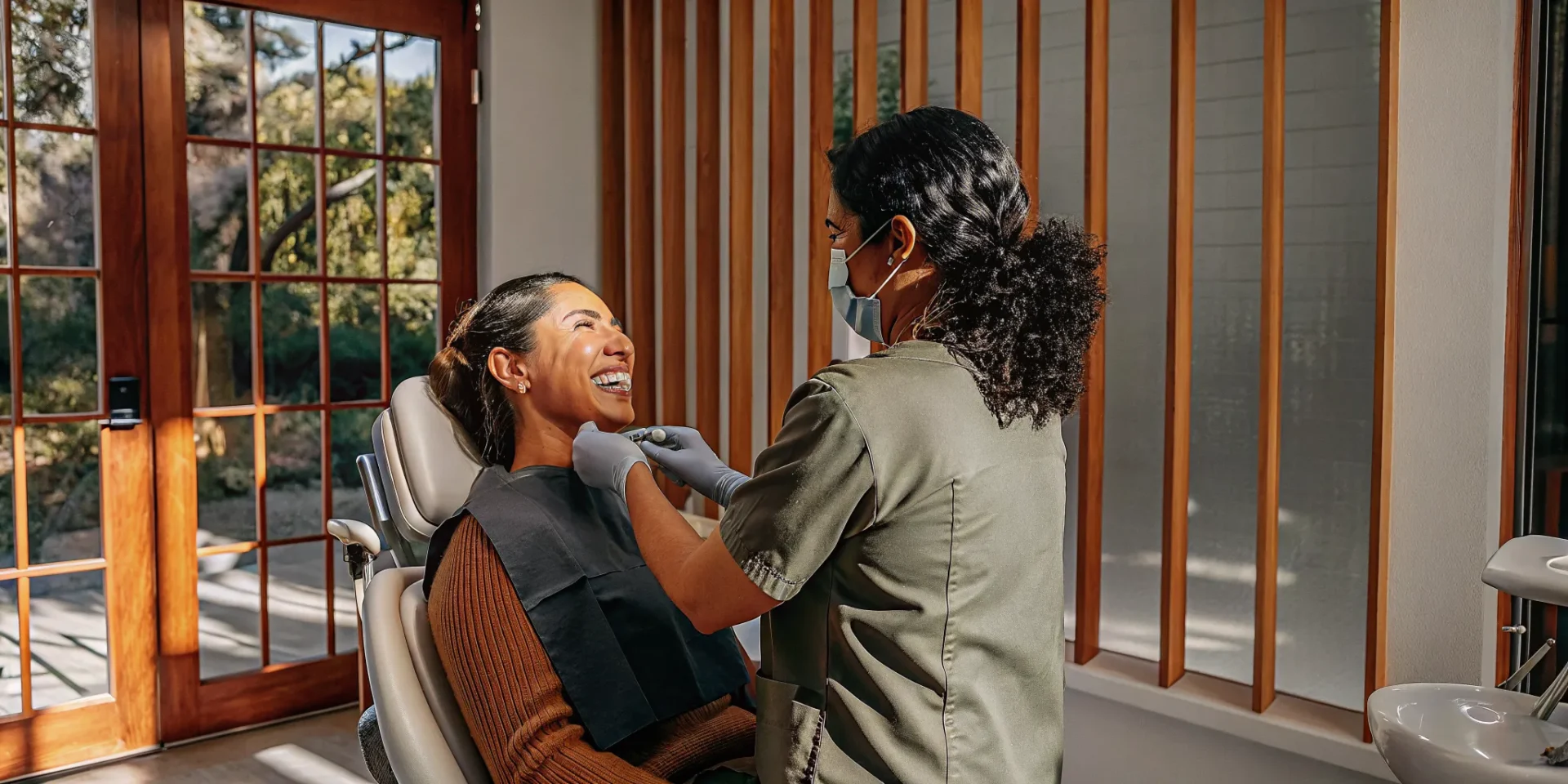
Your oral health is a window to your overall well-being. Persistent infections from widespread tooth decay or severe gum disease don’t just stay in your mouth; they can affect your entire body. Sometimes, the most powerful step you can take for your general health is to address the source of that chronic inflammation directly. A full mouth extraction is a definitive procedure that removes these sources of infection, giving your body a chance to heal. This path of complete teeth removal and dentures is a proactive choice for your long-term health, not just a cosmetic one. Here, we’ll explore the health reasons that might lead to this recommendation and how restoring your smile contributes to a healthier you.
Key Takeaways
- View Extractions as a Path to Better Health: Full mouth extractions are recommended when severe decay or gum disease makes saving your natural teeth impractical. This procedure eliminates chronic pain and infection, creating a healthy foundation for a new, functional smile with dentures.
- Prepare for a Multi-Step Denture Process: Getting your new smile is a journey, not a single appointment. It involves a healing period, often with temporary dentures, and several follow-up visits to fine-tune the fit of your final set for optimal comfort and a natural look.
- Adopt a Daily Care Routine for Your New Smile: Proper care is key to keeping your dentures comfortable and in great shape. This includes daily brushing and soaking, handling them carefully, and continuing with regular dental check-ups to monitor your oral health and adjust the fit as needed.
Full Mouth Extractions: When Are They the Right Choice?
The idea of removing all your teeth can feel overwhelming, but sometimes it’s the most direct path to a healthy, pain-free smile. A full mouth extraction is a procedure where a dentist removes all the remaining teeth from your upper jaw, lower jaw, or both. It’s a significant step, but it’s never a decision made lightly by your dental team. Think of it less as an ending and more as a fresh start for your oral health, one that eliminates chronic issues and sets you up for a comfortable future.
This procedure is typically recommended when your teeth are too damaged by severe decay or gum disease to be saved through other treatments like fillings, crowns, or root canals. When restorative options are no longer viable, a full mouth extraction can be the best way to restore function and get rid of persistent pain. It paves the way for a complete set of beautiful, functional dentures or dental implants, allowing you to eat, speak, and smile with confidence again. At Lowell Family Dental Practice, we make sure to explore every possibility with you, ensuring this is the right choice for your specific situation.
Common Reasons Your Dentist Might Recommend It
The most common reasons for recommending a full mouth extraction are severe tooth decay and advanced periodontal (gum) disease. When decay is widespread and has compromised the structure of most of your teeth, trying to fix them one by one may not be a practical long-term solution. Similarly, advanced gum disease can destroy the bone and tissues that support your teeth, causing them to become loose and painful. In these situations, removing the damaged teeth can eliminate chronic pain and infection. This gives you a clean slate to build a new smile with a custom-fitted denture that looks and feels great.
Health Conditions That Can Affect Your Teeth
Your oral health is deeply connected to your overall health. Chronic infections from decaying teeth or severe gum disease can contribute to other health problems in your body. That’s why removing sources of infection is often a key step toward improving your general well-being. Before recommending a full mouth extraction, your dental team will consider your complete health picture. This includes your age, any existing medical conditions, and your ability to heal. The goal is to find a solution that not only restores your smile but also supports your long-term health. Making this decision is a collaborative process focused on what’s best for you.
What to Expect During Your Extraction Procedure
Thinking about a major dental procedure can feel overwhelming, but knowing exactly what to expect can make all the difference. We believe in making every step clear and comfortable for you. Here’s a straightforward look at the extraction process, from your first conversation with us to the day of the procedure.
Your Initial Consultation and Exam
Everything starts with a conversation. Before any procedure, you’ll have an initial consultation with your dentist. During this visit, we’ll perform a thorough dental exam and take X-rays to get a complete picture of your oral health. This helps us confirm if a full mouth extraction is the right path for you. It’s also your time to ask every question you have. We’ll discuss the entire plan, your goals for your new smile, and make sure you feel confident and informed before moving forward. Our team is here to listen and create a personalized care plan that fits your needs.
A Step-by-Step Look at the Procedure
When it’s time for the procedure, our priority is your safety and comfort. A full mouth extraction involves removing all the teeth from your upper and lower jaws. After you are comfortably sedated, the oral surgeon will make small, precise incisions in your gums to carefully remove each tooth. Once the extractions are complete, the surgeon will clean the area and use stitches to close the gums, which helps the healing process begin. Immediately after, we will take molds of your mouth. These impressions are the blueprint for crafting your new dentures, ensuring they fit the unique contours of your mouth perfectly. This is a key part of our comprehensive dental services.
Staying Comfortable: Your Anesthesia Options
We want your experience to be as stress-free and painless as possible. To ensure you’re completely comfortable, full mouth extractions are typically performed while you are asleep under general anesthesia. You won’t feel or remember the procedure at all. Our team will monitor you closely the entire time. In many cases, we can place a set of immediate dentures right after your teeth are removed. This means you won’t have to go without teeth while your gums heal. We can discuss all your anesthesia and comfort options in detail during your consultation. If you’re ready to talk about your options, you can request an appointment with us today.
Your Recovery: A Week-by-Week Healing Guide
The journey to your new smile continues after you leave our office. Recovery from a full mouth extraction is a process that requires patience, but we’ll be with you every step of the way. Your gums and jawbone will be healing, so it’s important to know what to expect as you adapt to your new dentures. Think of this as a fresh start for your oral health.
The First Few Days and Weeks
After your procedure, your mouth needs time to heal, which can take several months. To protect your mouth during this period, we often place immediate dentures right after the extractions. These help you get used to the feeling of wearing dentures while everything heals. It’s completely normal for them to feel a bit strange at first. You’ll need to practice speaking and chewing, which takes some getting used to. Most people feel comfortable with their new dentures within two to three months. Be patient with yourself as you adjust to this new phase of your dental care.
Tips for a Smooth and Comfortable Recovery
Following your dentist’s instructions is the best way to ensure your recovery is comfortable. Attending all your follow-up appointments is essential, as we’ll check on your healing and make any necessary adjustments to your immediate dentures. Properly caring for your dentures from day one is also key. You should brush and rinse them daily with products designed for dentures to prevent food and bacteria from building up. Soaking them in a cleaning solution for about 20 minutes each day will also help remove stains and keep them fresh. If you have any questions, don’t hesitate to schedule a visit.
Getting Ready for Your Permanent Dentures
Your immediate dentures are a temporary solution. As your gums heal, they will shrink and change shape, which means your initial dentures will start to feel loose. This is a normal part of the process. Once your mouth has fully healed, it will be time to create your permanent dentures. We will take new, precise molds of your mouth to craft a final set that fits snugly and comfortably. This custom fit is what makes your permanent dentures feel secure and look natural. For our new patients, we make sure this process is clear and stress-free, resulting in a smile you can feel confident about.
Finding Your Fit: Exploring Your Denture Options
After your mouth has healed from the extractions, you get to focus on the next step: choosing your new smile. Modern dentures are more comfortable and natural-looking than ever, and there isn’t a one-size-fits-all solution. The right option for you depends on your health, budget, and personal preferences. Understanding the different types of dentures will help you have a productive conversation with your dentist about what works best for your lifestyle. Let’s look at the most common choices available.
Immediate vs. Conventional Dentures
One of the first decisions you’ll make is about timing. Immediate dentures are a temporary set placed in your mouth on the same day as your extractions. This is a great option because you never have to go without teeth. They protect your gums as they heal and allow you to eat and speak while you wait for your permanent set. As your mouth heals and changes shape, these dentures will need adjustments.
Conventional dentures are your final, permanent set. They are custom-made after your gums have completely healed, which can take a few months. Because they are crafted to fit your fully healed mouth, they offer a more precise and comfortable long-term fit.
Complete, Partial, and Implant-Supported Dentures
If all the teeth in your upper or lower jaw have been removed, you’ll need complete dentures. These are what most people picture when they think of dentures. They are custom-fitted to rest comfortably on your gums.
For a more stable and permanent solution, you might consider implant-supported dentures. These are held securely in place by dental implants, which are small posts surgically placed in your jawbone. This option prevents the dentures from slipping, so you can eat and speak with more confidence. Many people find that implant-supported dentures feel the most like their natural teeth.
The Denture Fitting Process: From Impression to Final Fit
Getting your new dentures is a multi-step process designed to give you the most comfortable and natural-looking smile possible. It’s not just about getting a new set of teeth; it’s about creating a custom solution that fits your mouth perfectly. From the initial mold to the final adjustments, our team works with you every step of the way to ensure you feel confident and happy with the result. This journey involves a few key appointments to check the fit, feel, and function of your dentures before you take them home. Think of it as a personalized tailoring process for your smile.
Creating Your Custom Molds
The first step in crafting your dentures is to take a precise impression of your mouth. After your gums have healed from any extractions, we will create a mold of your upper and lower arches. This process is quick and painless. These molds serve as the exact blueprint for your new teeth, capturing every unique contour of your gums and jaw. Our goal is to use this blueprint to create custom dentures that fit snugly and securely, preventing slipping and discomfort. This personalized approach ensures your final dentures will feel as natural as possible.
Fine-Tuning for a Perfect Fit
Once your dentures are created, the fitting process begins. This isn’t a one-and-done appointment. You’ll come in for a few follow-up visits so we can make sure everything is just right. During these appointments, you’ll try on the dentures, and we’ll check the bite, alignment, and overall comfort. We look for any potential pressure points or areas that might cause irritation and make small adjustments on the spot. Your feedback is crucial here, as it helps us fine-tune the fit until it feels perfect. We won’t finalize your dentures until you are completely satisfied with how they look and feel.
Adjusting to Eating and Speaking with Your New Smile
Wearing dentures for the first time can feel a little strange, and that’s completely normal. Your tongue and cheek muscles need time to get used to the new appliance in your mouth. You might notice a slight change in your speech at first, but practicing by reading aloud can help you adjust quickly. When it comes to eating, it’s best to start with soft foods and cut them into small pieces. As you get more comfortable, you can gradually introduce a wider variety of foods. If you have any questions about the process, you can always schedule an appointment to discuss your concerns with our team.
How to Care for Your New Dentures
Getting new dentures is a fresh start for your smile, and learning how to care for them is the best way to keep that smile bright and comfortable. Think of it as establishing a new daily routine, one that’s simple but makes a huge difference in the longevity of your dentures and your overall oral health. Proper care is about more than just looks; it prevents the buildup of bacteria that can lead to gum irritation and other issues. It also helps your dentures maintain their custom fit, which is essential for comfortable eating and speaking. With just a few easy steps each day, you can ensure your dentures stay in top shape, feel great, and function perfectly, allowing you to enjoy all the benefits of your renewed smile with confidence.
Your Daily Cleaning and Soaking Routine
Just like natural teeth, your dentures need to be cleaned every day to remove food particles and prevent plaque from building up. Start by brushing them with a soft-bristled denture brush and a non-abrasive denture cleanser. It’s important to avoid regular toothpaste, as its abrasive ingredients can create tiny scratches where bacteria can hide. After each meal, take a moment to rinse your dentures with water to wash away any loose food. It’s also a good idea to rinse your mouth before putting them back in. To deep clean and disinfect, soak your dentures daily in a specialized cleaning solution. This helps remove stubborn stains and kill odor-causing bacteria, keeping your dentures fresh and clean.
Handling and Storing Your Dentures Correctly
Your dentures are durable, but they aren’t indestructible. It’s important to handle them gently to avoid accidentally dropping or damaging them. A great tip is to stand over a folded towel or a sink filled with water when you’re cleaning them, which provides a soft landing just in case they slip. You should also take your dentures out every night. This gives your gums and jaw a chance to rest and recover from the pressure of wearing them all day. When you’re not wearing them, always keep your dentures moist to prevent them from drying out and losing their precise shape. Storing them in a glass of water or a denture-soaking solution overnight is the perfect way to keep them safe.
Why Regular Dental Check-ups Still Matter
Even if you have a full set of dentures, scheduling regular dental visits is still a crucial part of your health care. Your mouth continues to change over time as the underlying bone and gums shift, which can affect how your dentures fit. During your check-ups, we can assess the fit and make any necessary adjustments to keep them comfortable and secure. We will also examine your gums, tongue, and cheeks to check for any signs of irritation or other oral health concerns. These visits are the perfect opportunity to have your dentures professionally cleaned and to ask any questions you might have. Plan on scheduling follow-up appointments so we can help you keep your new smile in excellent condition for years to come.
Questions to Ask Your Dentist
Having an open conversation with your dentist is the best way to feel confident and prepared for your procedure. Think of your consultation as a planning session for your new smile. No question is too small or silly, especially when it comes to your health and comfort. The team at Lowell Family Dental Practice is here to listen and provide clear answers, ensuring you understand every step of the process. To get you started, here are a few key topics to cover during your visit.
Discussing Comfort and the Healing Process
It’s completely normal to have questions about what happens after the extractions. The healing process is a journey, and knowing what to expect can make it much smoother. Your gums will need several months to fully heal, and it’s true that eating might feel a little strange at first. Ask your dentist, “What can I expect in the first few days?” and “How will we manage any discomfort?” You can also discuss how immediate dentures can protect your mouth while it heals. Getting a clear timeline and care plan will help you feel in control and ready for a comfortable recovery.
Talking About the Look and Feel of Your New Smile
Your new smile should make you feel great. This is your chance to talk about the aesthetic you want to achieve. You can ask to see before-and-after photos of other patients or discuss how your custom-fitted dentures will be designed to complement your features. A great question is, “How do you ensure my new smile will look natural?” Getting dentures can help you avoid feeling self-conscious and allow you to continue your daily life with confidence. Discussing these details ensures your new smile not only functions well but also reflects who you are. Our goal is to provide cosmetic dentistry that helps you feel your best.
Understanding Costs and Insurance Coverage
Finally, let’s talk about the practical side of things. Understanding the financial details upfront prevents surprises later. Don’t hesitate to ask for a complete breakdown of the costs, including the extractions, dentures, and any follow-up appointments. Ask your dental office, “What will my insurance cover, and what will my out-of-pocket cost be?” It’s also a good idea to inquire about payment plans or financing options if you need them. Scheduling a consultation is the perfect opportunity to get a personalized treatment plan and a clear financial picture, so you can move forward with peace of mind.
Related Articles
- Extractions – Lowell Family Dental Practice & Implant Center
- Dentures – Lowell Family Dental Practice & Implant Center
- Denture Care – Lowell Family Dental Practice & Implant Center
- Dental Implant – Lowell Family Dental Practice & Implant Center
- Wisdom Teeth Emergencies: Causes and treatment – Lowell Family Dental Practice & Implant Center
Frequently Asked Questions
Will I have to go without teeth after the extractions? This is a very common concern, and the answer is no, you won’t. We typically create a set of immediate dentures for you to wear on the same day as your procedure. These serve as a temporary smile, protecting your gums as they heal and allowing you to get used to the feeling of wearing
How long does the entire process take, from extraction to getting my final dentures? The full journey has a few stages, and patience is key. The initial healing after your extractions takes a few weeks, but your gums and jawbone will continue to change shape for several months. We wait until your mouth is fully healed and stable, usually around three to six months, before we take the impressions for your permanent dentures. This wait ensures your final set will have the most precise and comfortable fit possible.
What does recovery actually feel like? You can expect some soreness, swelling, and tenderness for the first few days, which is a normal part of the healing process. We will give you detailed instructions on how to manage any discomfort. The first week is typically the most challenging as you adjust, but things get progressively easier. It’s mostly about giving your body time to heal and getting used to a new routine for eating and cleaning your mouth.
Will my new dentures look and feel like real teeth? Modern dentures are custom-crafted to look incredibly natural. We work with you to choose the right shape, size, and shade for your new teeth so they complement your facial features. While there is an adjustment period for getting used to how they feel in your mouth, a well-fitted set of dentures becomes very comfortable for daily activities like talking and smiling.
Can I go back to eating all my favorite foods with dentures? Yes, with a little practice, you can enjoy a wide variety of foods again. We recommend starting with soft foods cut into small bites to help your mouth adjust. As you build confidence, you can gradually reintroduce harder foods. While some extremely sticky or hard items might always be tricky, most people find they can return to a normal, enjoyable diet. For those who want the most stability, implant-supported dentures can provide extra security for chewing.
Written by
Dr. Iham Gammas, DMDBoard-Certified Implant Dentist & Founder, Lowell Family Dental Practice. Fellow & Master of ICOI and IADI. Associate Fellow of AAID.