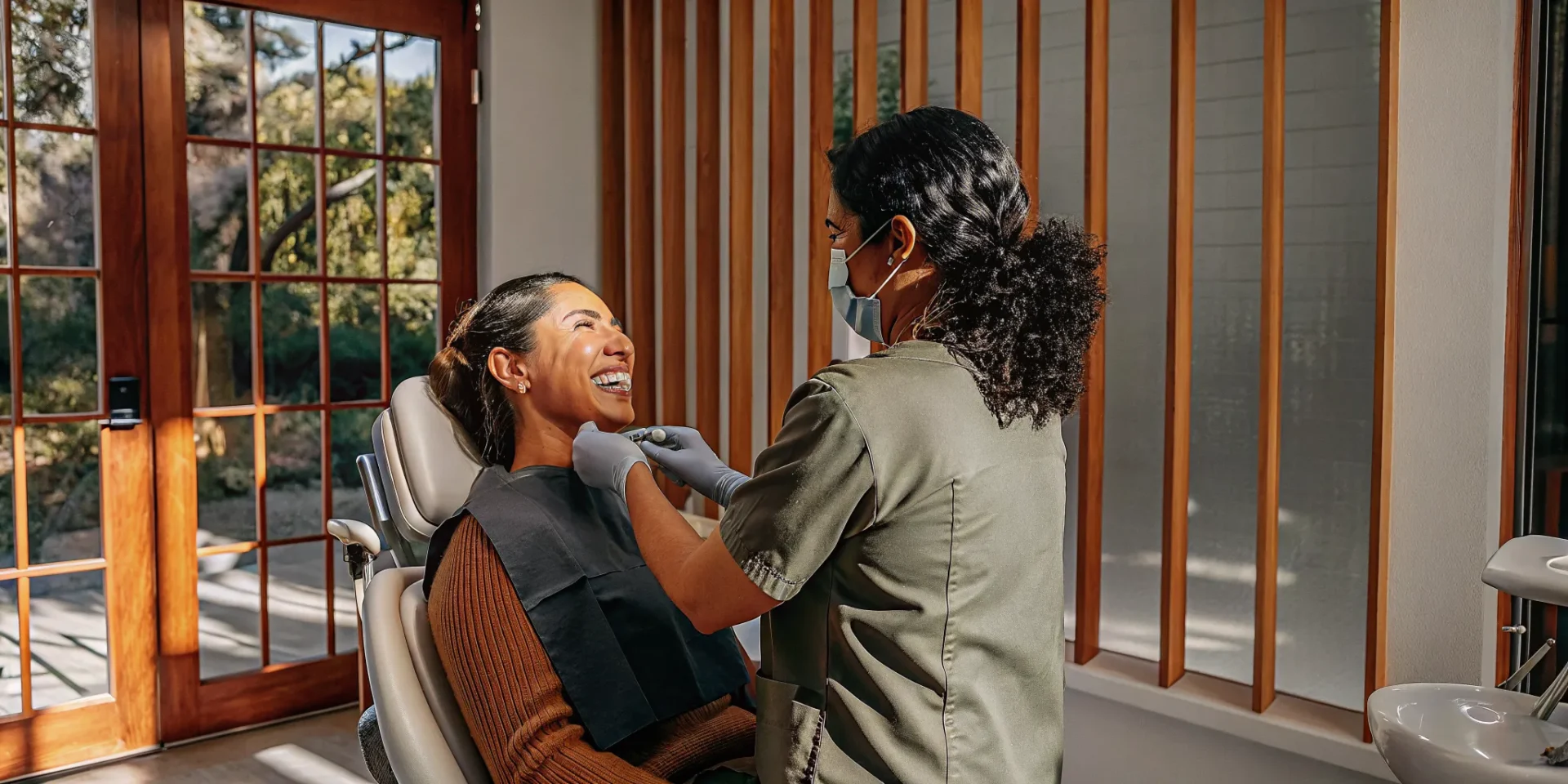
Looking at a dental insurance statement can feel like trying to read a secret code. All those letters and numbers are meant to be specific, but they often just create confusion. One code you might see is D0431. While it looks technical, it represents a simple but powerful tool we use to protect your health. This screening gives us a closer look at the tissues in your mouth, helping us spot potential issues long before they become serious problems. Understanding the d0431 dental code description is about more than just billing; it’s about understanding a key part of your preventive care and feeling empowered in your health journey.
Key Takeaways
- Screening is a proactive step, not a diagnosis: The D0431 code refers to an advanced oral cancer screening that uses special light to find potential issues early. It’s a preliminary check to gather more information, not a final answer.
- This screening is based on your unique health profile: It isn’t performed at every checkup. Your dentist will recommend it if you have specific risk factors, like tobacco use, or if they notice anything unusual during a visual exam.
- Clarify your insurance coverage before your appointment: Every dental plan is different, and coverage for this screening can vary. We recommend checking with your provider beforehand, and our team is always here to help you understand your benefits and avoid any billing surprises.
What Is Dental Code D0431?
When you look at a dental bill, the codes can feel like a different language. But understanding what they mean can help you feel more in control of your oral health. One code you might see is D0431, and it plays a crucial role in keeping your mouth healthy. Let’s break down what this screening involves and why it’s so important.
What It Is and Why It Matters
The official name for D0431 is an “Adjunctive Pre-Diagnostic Test for Mucosal Abnormalities.” In simpler terms, it’s an extra screening tool your dentist uses to get a closer look at any unusual tissue in your mouth. Think of it as an added layer of investigation before a final diagnosis is made. This test helps us identify areas that might be pre-cancerous or show other abnormalities that aren’t visible to the naked eye. It’s a standard code from the American Dental Association, and it represents a proactive step in our comprehensive dental services to ensure we catch potential problems as early as possible.
Its Role in Preventive Care
This screening is a cornerstone of modern preventive care. We might recommend it if you have certain risk factors, like a history of tobacco or heavy alcohol use, or if we spot a suspicious lesion during a routine exam. The primary goal is early detection. Finding and addressing oral mucosal abnormalities, including pre-cancerous spots, at their earliest stage dramatically improves treatment outcomes. It’s one of the most effective ways we partner with you to protect not just your smile, but your overall health. The Oral Cancer Foundation provides more great information on the importance of regular screenings.
A Look at D0431 Screening Technology
When we perform an oral cancer screening, our goal is to be as thorough as possible. While a visual check is standard, the earliest signs of trouble can be too subtle to see on their own. That’s where advanced screening technology comes in. These tools work alongside a traditional exam, using special light to help us identify potential abnormalities that aren’t visible to the naked eye. It’s an extra layer of protection that gives us a clearer picture of your oral health and provides peace of mind.
VELscope
One of the most common tools for this type of screening is the VELscope. This handheld device uses fluorescence technology, which means it shines a specific blue light into your mouth. Healthy tissue reflects this light and glows in a distinct pattern, while areas with potential abnormalities don’t. This contrast allows them to stand out to your dentist. The process is completely painless, takes only a couple of minutes, and doesn’t involve any dyes or rinses. It’s a simple yet powerful way to enhance our standard visual exam.
Vizilite Plus
Another effective screening aid is ViziLite Plus. This system works a bit differently. First, you’ll swish with a special cleansing rinse. Then, your dentist will use a small light stick to illuminate your mouth. Under this light, abnormal cells tend to appear bright white, creating a sharp contrast against the darker, healthy tissue. This clear visual difference helps guide your dentist’s examination, ensuring no suspicious areas are overlooked. It’s quick, non-invasive, and gives us a more detailed view during your check-up.
OralID
Similar to VELscope, OralID also uses fluorescence technology to help us see beneath the surface. During this screening, you’ll wear protective glasses while your dentist uses a compact, handheld light. This device emits a safe blue light that causes the tissues in your mouth to fluoresce. When viewed through a special filter, healthy tissue appears green, while potentially problematic areas look dark. This color difference makes it easier to identify subtle changes. The entire screening is fast and comfortable, adding an invaluable layer of detail to your routine care.
Who Needs a D0431 Screening?
Think of a D0431 screening as an extra layer of security for your oral health. While everyone benefits from regular dental exams, this specific screening is especially important for certain individuals. It’s an advanced test that helps your dentist detect mucosal abnormalities, including early signs of premalignant and malignant lesions, that might not be visible during a standard check-up.
Deciding if you need this screening isn’t a one-size-fits-all situation. It’s a conversation between you and your dentist, based on your unique health profile. Several factors come into play, from your daily habits to your personal and family health history. Understanding these factors can help you and our team at Lowell Family Dental Practice make the best decisions for your long-term well-being. We believe that proactive care is the best care, and this screening is a powerful tool in our preventive dentistry toolkit. It goes beyond a simple visual check, using specialized technology to give us a deeper look at the health of your oral tissues. This helps us catch potential issues at their earliest, most treatable stages. Let’s look at who stands to benefit most from this advanced check.
Identifying High-Risk Patients
So, who is considered a good candidate for a D0431 screening? Generally, it’s recommended for patients who present with specific risk factors for oral cancer. If you have a personal history of oral lesions, for example, this screening provides a more detailed look to monitor your health. The same goes if your routine examination reveals any suspicious changes in the soft tissues of your mouth. Your dentist might suggest this test to get a clearer picture and ensure nothing is overlooked. It’s all about being thorough and taking a proactive stance on your health, giving you peace of mind.
The Impact of Tobacco and Alcohol Use
It’s well-known that lifestyle choices can influence your overall health, and your oral health is no exception. Using tobacco in any form, whether smoking or chewing, significantly increases your risk of developing oral mucosal abnormalities. Heavy alcohol consumption is another major risk factor. If either of these apply to you, a D0431 screening is a smart, preventive measure. It allows your dental team to check for cellular changes before they become more serious problems. Think of it as an essential part of managing your health, similar to how patients with other conditions receive specialized monitoring.
Considering a Patient’s Oral Health History
Your personal health story provides important clues for your dental care. A history of oral lesions or a compromised immune system can make you more susceptible to certain conditions, making a D0431 screening a valuable diagnostic aid. When you become a patient with us, we take the time to understand your complete health background. This is why sharing your full medical history is so important for our new patients. This information helps us justify and document the need for specific procedures like the D0431 screening, ensuring you receive the most appropriate and personalized care possible.
How to Document D0431 Procedures
When it comes to adjunctive oral cancer screenings, what you write down is just as important as what you do. Clear, detailed documentation is your best friend. It not only supports continuity of care for your patient but also provides the necessary justification for insurance claims and protects your practice. Think of your patient’s chart as the complete story of their visit. For a D0431 procedure, that story needs a clear beginning, middle, and end.
The beginning explains why the screening was necessary by outlining the patient’s risk factors. The middle describes how you performed the screening, including the specific technology used. And the end details your findings and lays out a clear plan for the next steps. Getting this flow right makes your records easy to follow for anyone on your team, a specialist you might refer to, or an insurance reviewer. It’s a straightforward process that, once it becomes a habit, will strengthen your practice’s standard of care and ensure everyone involved has a full picture of the patient’s oral health journey. This level of thoroughness demonstrates professionalism and a commitment to comprehensive patient wellness, which is the cornerstone of a trusted family practice.
Record Patient Information and Risk Factors
Before you even begin the screening, your documentation should clearly establish the medical necessity. This starts with recording the specific reasons you recommended the test. Note any relevant risk factors, such as a patient’s history of tobacco or heavy alcohol use. Be specific. Instead of just writing “smoker,” document the frequency and duration, like “smokes half a pack of cigarettes daily for 15 years.” Also, include any suspicious mucosal changes you observed during the routine exam or any concerns the patient mentioned. A thorough assessment of risk factors provides a solid foundation for your clinical decisions and justifies the use of the D0431 code.
Detail Your Method and Equipment
Next, describe exactly how you performed the screening. This section of your notes should be clear enough for another clinician to understand your process. Name the specific adjunctive technology you used, whether it was VELscope, Vizilite Plus, or OralID. Document the procedure itself, noting whether you used special lights or chemical rinses as part of the screening. If you took any photos of the patient’s oral cavity to highlight areas of concern, make sure to mention that these images are attached to their record. This level of detail creates a comprehensive clinical note that validates the procedure and provides a valuable reference point for future appointments.
Note Results and Recommend Next Steps
Finally, close the loop by documenting your findings and the resulting action plan. Clearly state the results of the screening. For example, you might write, “No abnormal tissue fluorescence observed,” or you might need to be more specific, such as, “A dark area was noted on the right buccal mucosa, suspicious for mucosal abnormality.” Based on these findings, outline your recommended next steps. This could be scheduling a two-week follow-up to re-evaluate the area, providing a referral to a specialist for a biopsy, or simply continuing with routine annual screenings if everything looks normal. A clear plan ensures proper patient follow-through and demonstrates a high standard of care.
Handling Billing and Insurance for D0431
Let’s talk about the financial side of things. We know that dealing with dental billing and insurance can feel complicated, especially when it comes to specialized procedures. Our team is here to make the process as clear and straightforward as possible so you can feel confident in your care. When we recommend an advanced screening like the D0431 test, we understand that questions about cost and coverage are often top of mind. That’s why we’re committed to complete transparency every step of the way. We believe that financial uncertainty should never be a barrier to your health.
Our approach is proactive and patient-focused. We don’t want you to have any surprises when it comes to your bill. To ensure a smooth experience, we focus on three key areas. First, we handle all claims with meticulous attention to detail and proper coding, giving your insurance provider the exact information they need. Second, we help you understand the specifics of your insurance plan, as coverage for these screenings can vary quite a bit. Finally, we manage any necessary pre-authorizations by communicating directly with your insurer before your appointment. Our goal is to take the guesswork out of the equation, allowing you to focus on what truly matters: your long-term oral health and well-being.
Submitting Claims with Proper Coding
The first step to a smooth insurance process is making sure everything is documented perfectly. The code D0431 refers to an adjunctive pre-diagnostic test, which is a way of saying it’s an extra screening tool we use to spot any abnormal tissue in your mouth early on. For every screening, we keep meticulous records. We note why the test is recommended for you, such as your health history or specific risk factors. We also document the technology used and the results. This detailed approach helps ensure your insurance provider has all the information they need to process the claim correctly.
Understanding Variations in Insurance Coverage
Insurance coverage for D0431 can be a bit of a mixed bag. Every plan is different, and what one provider covers, another may not. Some plans might limit how often the screening is covered or reserve it only for patients they consider high-risk. Other insurance companies may view these advanced screening tools as experimental and might not include them in their standard benefits. Don’t worry, though. Our team has experience with many different providers and can help you make sense of your specific dental services coverage. We believe in full transparency, so you’ll know what to expect.
Managing Pre-Authorization and Verification
To avoid any billing surprises, we always do our homework before your screening. This often involves a step called pre-authorization, where we proactively contact your insurance company on your behalf. We’ll ask them directly if the D0431 test is a covered benefit under your plan, if there are any limitations, and if we need to get special approval beforehand. Taking this step allows us to give you a clear picture of any potential out-of-pocket costs. It’s just one part of our commitment to providing you with stress-free preventive care.
Clearing Up Common Patient Misconceptions
We know that conversations about new dental technologies and procedures can bring up a lot of questions. That’s completely normal. Our goal is to give you clear, straightforward answers so you can feel confident and informed about every aspect of your care. When it comes to advanced oral cancer screenings, a few common misunderstandings can pop up. Let’s walk through them together so you know exactly what to expect.
Your health and peace of mind are our top priorities, and that starts with open communication. We believe that a well-informed patient is an empowered one, and we’re here to support you every step of the way on your journey to excellent oral and overall health.
Screening vs. Diagnostic Testing
It’s easy to hear about a test for abnormal cells and immediately think of a diagnosis, but it’s important to understand the difference. An adjunctive screening is a preliminary step, not a final answer. Think of it like a smoke detector in your home. Its job is to alert you to potential signs of trouble early on. It doesn’t mean there’s a fire, but it tells you it’s time to investigate further.
This screening helps us identify mucosal abnormalities that deserve a closer look. It is not a biopsy, which involves taking a tissue sample for analysis. Instead, it’s a non-invasive way for us to gather more information and decide if any follow-up steps are needed as part of your preventive care.
Patient Expectations for Insurance Coverage
Navigating dental insurance can be tricky, and coverage for advanced screenings like D0431 varies widely between plans. Some insurance companies cover this procedure, while others may consider it experimental or investigational and not a covered benefit. This lack of a universal standard can be frustrating, and we completely understand that.
Because coverage can be so different from one provider to another, our team always recommends verifying your benefits before the procedure. We are happy to help you contact your insurance company to ask about your specific plan’s coverage, frequency limitations, and any pre-authorization requirements. This helps ensure there are no financial surprises and allows you to make the best decision for your health.
Assumptions About Frequency and Necessity
Another common question is about how often this screening is needed. This isn’t a procedure that’s automatically performed at every checkup for every patient. The decision to use an adjunctive screening tool is based entirely on your individual health profile and risk factors. We consider your medical history, lifestyle habits, and the results of your traditional visual exam.
This screening is recommended when it is medically necessary to get a better look at your oral tissue. It’s a part of our commitment to providing personalized, stress-free dental care tailored to your unique needs. If we recommend it, we will always take the time to explain why it’s an important step for you.
Streamlining Your D0431 Process
When you visit the dentist, you want to feel confident you’re in good hands. That confidence comes from knowing the practice runs smoothly behind the scenes. For important preventive measures like adjunctive oral cancer screenings, which fall under dental code D0431, a streamlined process is key to ensuring your care is efficient, accurate, and stress-free. Here’s how we make our screening process seamless for every patient.
Invest in Staff Training
A great patient experience starts with a knowledgeable team. We prioritize ongoing training for our staff, ensuring everyone understands the latest in oral health and patient care. When our team is well-versed in everything from clinical procedures to insurance billing, your visit is smoother. This training means we can answer your questions with confidence and handle insurance claims accurately, giving you peace of mind. Our dedicated staff is committed to making every step of your care easy and understandable, so you can focus on your health.
Refine Your Documentation Strategy
Your health history is a vital part of your ongoing care, and we treat it with the utmost precision. We maintain meticulous records for every procedure, including detailed notes and images from your oral cancer screening. This careful documentation allows us to monitor your health over time and provides the clear, thorough information your insurance provider needs to process your claim. It’s a simple but crucial step that supports both your long-term wellness and a hassle-free administrative experience. This attention to detail is a core part of the dental services we provide.
Improve Patient Communication
We believe you should be an active partner in your own health care. That’s why clear, open communication is at the heart of everything we do. For preventive screenings, we take the time to explain the process, why it’s important, and what the results mean for you. We want you to feel empowered to ask questions and make informed decisions about your health. Building this trusting relationship is our goal with every patient. If you have questions about your oral health, we’re always here to listen and provide clear answers. Feel free to request an appointment to start the conversation.
Related Articles
- Oral Cancer – Lowell Family Dental Practice & Implant Center
- HPV and Oral Cancer – Lowell Family Dental Practice & Implant Center
- The Preventive Program – Lowell Family Dental Practice & Implant Center
- Digital X-rays – Lowell Family Dental Practice & Implant Center
- Tobacco – Lowell Family Dental Practice & Implant Center
Frequently Asked Questions
Is the D0431 oral cancer screening painful? Not at all. The screening is completely painless, non-invasive, and quick, usually taking only a few minutes to complete. Technologies like VELscope and OralID use a special blue light to illuminate your mouth, and there is no discomfort involved. The entire process is designed to be a simple and comfortable part of your regular preventive care.
If this screening finds something, does that mean I have cancer? No, it does not. It’s important to remember that this is a screening, not a diagnostic test. Its purpose is to flag any tissue that looks different from the surrounding healthy tissue. If we find an area of concern, it simply means we need to investigate further. The next step might be to monitor the area or refer you to a specialist for a definitive diagnosis.
Why would I need this screening if I don’t smoke or drink heavily? While tobacco and alcohol use are significant risk factors, they aren’t the only ones. Other factors, like your family history, personal medical history, or even certain viruses, can play a role. We recommend this screening based on your complete health profile. It’s a personalized decision we make with you to provide the most thorough care possible.
Does this screening take the place of a regular visual check-up? This screening is an additional tool that works alongside a traditional visual exam; it doesn’t replace it. Think of it as an extra layer of protection. The specialized light technology helps us see potential abnormalities beneath the surface that might not be visible to the naked eye, giving us a more complete picture of your oral health.
How will I know if my insurance will pay for this screening? Insurance coverage for D0431 can vary quite a bit from one plan to another. The best way to know for sure is to check with your provider. Our team is happy to help you with this process. We can contact your insurance company beforehand to verify your benefits and request pre-authorization if needed, so you have a clear understanding of any potential costs.
Written by
Dr. Iham Gammas, DMDBoard-Certified Implant Dentist & Founder, Lowell Family Dental Practice. Fellow & Master of ICOI and IADI. Associate Fellow of AAID.