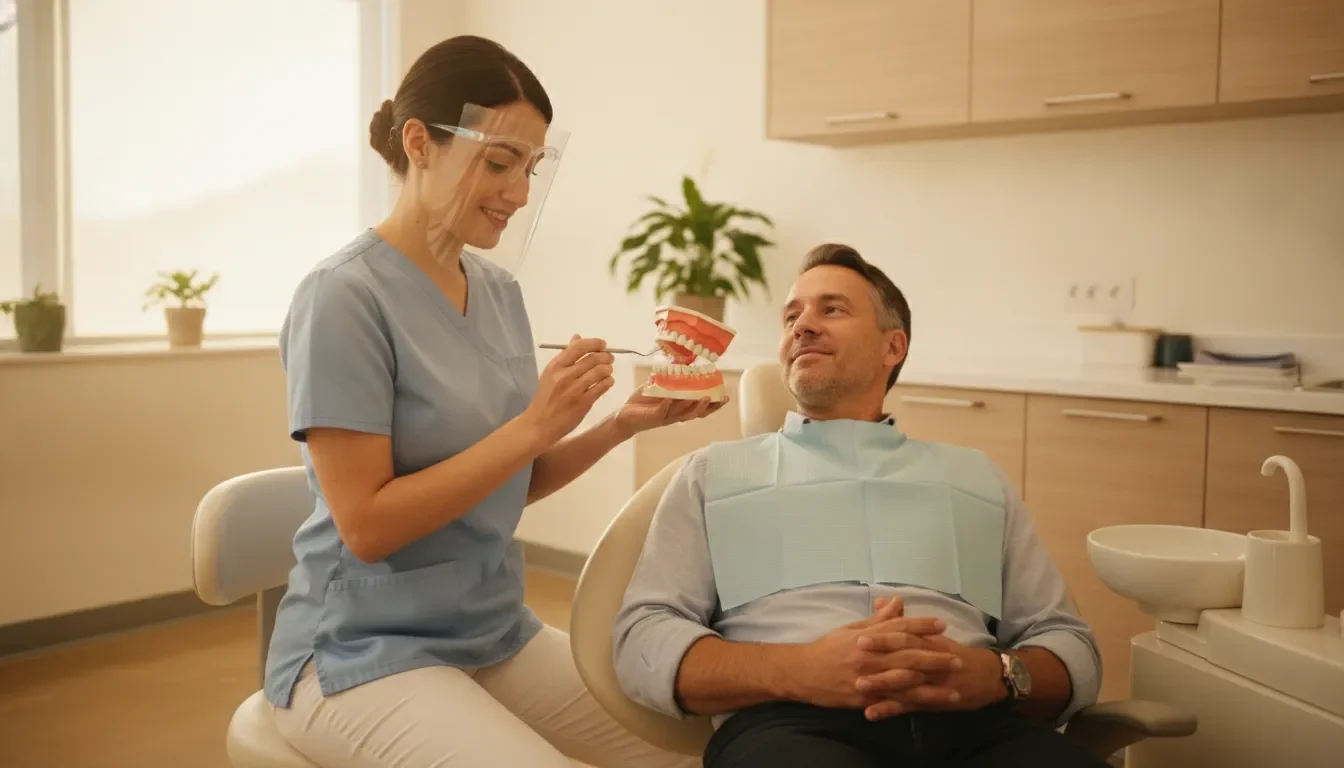
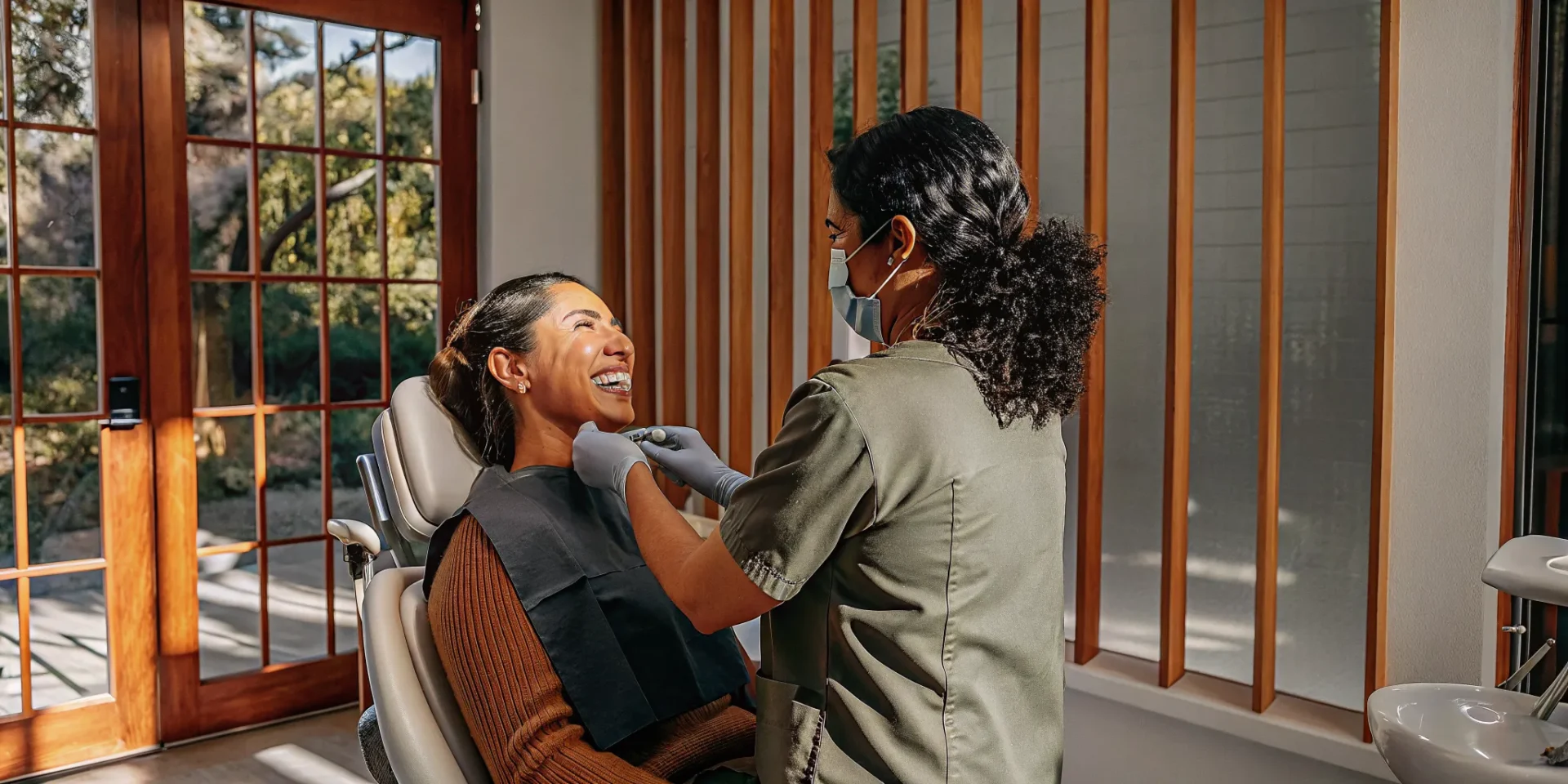
Your oral health is a direct reflection of your overall well-being. In fact, your mouth can show the first signs of health issues happening elsewhere in your body. This is why we take a comprehensive approach to your care that goes far beyond just your smile. An oral cancer screening is a perfect example of this connection. This quick, non-invasive check is a fundamental part of our preventive care philosophy. By performing a dentist oral cancer screening test at your regular checkups, we are monitoring your total health. In this article, we’ll explore how this simple screening fits into a bigger picture of wellness and why it’s a crucial step in protecting your health.
Key Takeaways
- A simple screening is your best defense: This quick, painless exam is part of your regular dental visit and is the most effective way to find potential issues early, when treatment is most successful.
- Screenings are for every adult, especially those with higher risk: This simple visual and physical check is a key part of preventive care for everyone, but it’s particularly important if you use tobacco or drink heavily.
- An unusual finding is a reason for action, not panic: If your dentist spots something, it doesn’t automatically mean cancer. The next step is usually observation or a referral for a closer look, making consistent follow-up essential for your health.
What Is an Oral Cancer Screening?
An oral cancer screening is a quick, painless exam your dentist performs to look for signs of cancer or precancerous conditions in your mouth. Think of it as a routine safety check. During your regular dental visit, we take a few moments to carefully examine your lips, cheeks, gums, tongue, the roof of your mouth, and throat. It’s a simple process that involves both a visual inspection and a physical touch to feel for any unusual lumps. This screening is a standard part of a comprehensive check-up because your oral health is directly connected to your overall health. The goal is to be proactive and identify any potential concerns early.
Why Early Detection Is Key
When it comes to oral cancer, timing is everything. Finding potential issues early dramatically improves the chances of successful treatment and survival. When cancer is detected in its initial stages, it’s often smaller and hasn’t had the chance to spread. This makes treatment simpler, less invasive, and far more effective. An oral cancer screening allows your dentist to spot subtle changes in your mouth that you might not notice yourself. It’s a critical tool for catching problems before they become more serious, giving you the best possible outlook.
How This Simple Screening Can Save Your Life
It might sound dramatic, but this quick, two-minute check can genuinely be a lifesaver. The five-year survival rate for oral cancer is significantly higher when it’s caught early. Unfortunately, many oral cancers are found in later stages, which can make treatment more complex. This is why a routine screening is so vital. It’s a simple, proactive step you can take to protect your long-term health. By making oral cancer screenings a regular part of your health routine, you are taking powerful action to safeguard your future.
Your Dentist’s Role in Protecting Your Health
Your dentist is a key partner in your overall health care, not just for keeping your teeth bright and clean. Since you see us for regular check-ups, we are in a unique position to monitor your oral health consistently. We are often the first healthcare professionals to notice the subtle signs of a potential problem. At Lowell Family Dental Practice, we consider oral cancer screenings a fundamental part of our preventive care. We’re not just looking at your teeth; we’re looking out for you and your total health.
What Happens During an Oral Cancer Screening?
The words “cancer screening” can sound a little intimidating, but I want to assure you that the process is quick, straightforward, and completely painless. It’s a standard part of your regular dental checkup and one of the most important ways we help protect your overall health. Think of it as a routine safety check for your mouth. We’ll walk you through every step, making sure you’re comfortable the entire time. Here’s a simple breakdown of what you can expect during your screening at our office.
A Visual Check of Your Mouth and Throat
First, your dentist will perform a thorough visual inspection of your entire mouth. We’ll use a small light and mirror to get a clear look at all the soft tissues. This includes checking your cheeks, gums, lips, tongue (top, bottom, and sides), tonsils, and the roof and floor of your mouth. We are looking for any potential signs of cancer, such as red or white patches, sores that aren’t healing, or any other abnormalities. It’s a simple but detailed look to make sure everything appears healthy and normal.
A Gentle Exam of Your Neck and Jaw
After the visual check, your dentist will gently feel the outside of your neck, jaw, and the area under your chin. This is called a physical or tactile exam. We’re carefully checking for any lumps, bumps, or swollen lymph nodes that you might not be able to see or feel yourself. This part of the screening helps us detect abnormalities in deeper tissues. We encourage you to speak up during this process. If you feel any tenderness or soreness as we gently press on these areas, please let us know. Your feedback is a valuable part of the examination.
The Advanced Tools We Use
In addition to a hands-on exam, some dentists use special tools, like fluorescent lights, to help spot abnormal tissue that might not be visible to the naked eye. While these technologies can be helpful, a comprehensive visual and physical exam remains the most reliable method for screening. At Lowell Family Dental Practice, we are committed to providing the most effective dental services available. We combine our clinical expertise with proven techniques to ensure your screening is as thorough as possible, giving you complete peace of mind.
What to Expect at Your Appointment
It’s really important to remember that this is a screening, not a diagnosis. The goal is simply to identify any suspicious areas that might need a closer look. If we do find something that seems unusual, it doesn’t automatically mean it’s cancer. Many sores or spots in the mouth are benign. If we see anything that warrants further investigation, we will discuss it with you and refer you to a specialist for more tests, such as a biopsy. We are here to support you every step of the way, so please don’t hesitate to request an appointment to get your screening on the calendar.
Who Needs an Oral Cancer Screening?
The short answer is that everyone can benefit from an oral cancer screening. Since it’s a quick, painless part of a regular dental exam, there’s no reason to skip it. That said, certain lifestyle habits and health factors can put you at a higher risk, making these screenings especially important for your long-term health. Understanding these factors helps you and your dentist stay proactive about your well-being.
Think of it like any other routine health check. We screen for potential issues not because we expect to find something, but because early detection is the single most effective way to ensure successful treatment if a problem ever arises. At Lowell Family Dental Practice, we consider this screening a vital part of our commitment to your overall health, not just your smile. It’s a simple step that provides significant peace of mind and a clear baseline for your oral health year after year. During your next visit, we can discuss your personal health history and make sure you have a clear picture of your own risk factors, creating a personalized approach to your preventive care. We believe that informed patients are empowered patients, and our goal is to give you all the information you need to protect your health for years to come.
Understanding the Main Risk Factors
While anyone can develop oral cancer, some people have a higher likelihood due to specific risk factors. Being aware of these can help you make informed decisions about your health. The most significant factors include any kind of tobacco use, heavy alcohol consumption, and a previous oral cancer diagnosis. Another important one is frequent and prolonged sun exposure, which specifically increases the risk of cancer on the lips. It’s a good reminder to wear a lip balm with SPF when you’re outdoors. Finally, certain strains of the human papillomavirus (HPV) are now known to be a major cause of some oral cancers.
How Tobacco and Alcohol Impact Your Risk
Tobacco and alcohol are two of the most well-known risk factors for oral cancer. Using tobacco in any form, whether it’s cigarettes, cigars, pipes, or chewing tobacco, dramatically increases your risk. The chemicals in tobacco can damage the cells in your mouth, leading to the development of cancerous growths over time. Similarly, heavy alcohol consumption is another major contributor. When you combine tobacco use with drinking alcohol, the risk becomes even greater than for using either one alone. Reducing or eliminating these habits is one of the best things you can do for your oral and overall health.
The Connection Between HPV and Oral Cancer
In recent years, we’ve learned a lot about the link between the human papillomavirus (HPV) and oral cancer. HPV is a very common virus, and while most strains are harmless, certain types are linked to cancers affecting the back of the throat, the base of the tongue, and the tonsils (an area called the oropharynx). In fact, HPV is now associated with a growing number of these specific cancers. It’s important to know that having HPV doesn’t mean you will get cancer, but it is a known risk factor that makes regular screenings a key part of your preventive health routine.
When to Schedule Your First Screening
The best time to get an oral cancer screening is at your next routine dental checkup. We include this simple but crucial check as part of our comprehensive preventive care for every adult patient. Regular screenings are the most effective way to detect oral cancer in its earliest stages, which is when treatment is most successful. If you have any of the risk factors we’ve discussed, or if you have any concerns at all, don’t wait. You can always request an appointment to talk with us. We’re here to answer your questions and make sure you feel confident and cared for.
What Are We Looking For During a Screening?
When we perform an oral cancer screening, we’re essentially looking for anything that seems out of the ordinary in your mouth and the surrounding areas. Think of it as a routine check for changes that helps us keep you in the best possible health. Our goal is to spot any potential issues as early as possible, because early detection is crucial for successful treatment. This simple, painless check is one of the most important parts of your regular dental visit, and we include it because your overall health is our top priority.
It’s important to remember that this screening is a precautionary step. It helps us identify suspicious areas that might need a closer look. Finding something unusual doesn’t automatically mean it’s cancer; in fact, most of the time it isn’t. It just means we’ve found something worth investigating further to ensure you stay healthy. We believe in being thorough and proactive when it comes to your well-being. We’ll walk you through what we’re looking for so you know exactly what to expect during your appointment. Our team is here to make you feel comfortable and informed every step of the way, so you never have to feel uncertain about your health.
Sores, Red Patches, and White Patches
One of the first things we do is a careful visual inspection of your entire mouth. We’re looking for any sores that haven’t healed after a couple of weeks or that bleed easily. We also keep an eye out for specific types of discoloration. This includes red patches, known as erythroplakia, or thick white patches, called leukoplakia, on your gums, tongue, or the lining of your mouth. These patches can sometimes be precancerous, so identifying them early is a key part of preventive care. While they can be caused by many different things, they are something we want to monitor closely.
Lumps or Thickening in Your Mouth or Neck
Next, we perform a gentle physical exam. This part of the screening involves more than just looking. We will carefully feel the tissues in your mouth, including your tongue and cheeks, to check for any lumps or thickened areas that might not be visible. We’ll also gently palpate your jaw and neck to check for any unusual bumps or swollen lymph nodes. This tactile check is a simple, painless way to detect abnormalities that you might not have noticed yourself. It’s a thorough process that allows us to get a complete picture of your oral health.
Pain, Numbness, or Difficulty Swallowing
We also want to hear from you. Your personal experience is a vital part of the screening process. We’ll ask if you’ve noticed any persistent symptoms, even if they seem minor. This could include things like pain, tenderness, or numbness anywhere in your mouth or on your lips. Let us know if you’ve had any trouble chewing, swallowing, speaking, or moving your jaw or tongue. These can be common symptoms of oral cancer, and sharing them with us helps ensure nothing gets missed. Open communication is key to your care.
Common Myths About Oral Cancer Symptoms
It’s completely normal to feel a little anxious when we talk about cancer screenings. A common myth is that any sore or lump is a sure sign of cancer, but that’s rarely the case. Many harmless conditions can cause similar symptoms, from a canker sore to a swollen gland. The most important thing to remember is not to panic, but also not to ignore it. Finding cancer early makes it much easier to treat, which is why we screen. If we see something, we’ll discuss the next steps with you calmly and clearly.
What Happens If We Find Something?
It’s completely normal to feel a little anxious about what an oral cancer screening might uncover. The most important thing to remember is that finding an unusual spot or sore does not automatically mean you have cancer. Most of the time, these findings are harmless. Our goal is simply to be thorough. If we do notice an area of concern during your exam, we’ll walk you through the next steps with care and clarity, ensuring you understand everything and feel supported along the way. Your health is our top priority, and this screening is a key part of protecting it.
Understanding Your Screening Results
If we spot anything unusual, like a red or white patch or a persistent sore, the first step is often simple observation. Many common oral issues, like canker sores or irritation from accidentally biting your cheek, heal on their own within a couple of weeks. We might ask you to return for a follow-up visit so we can see if the area has changed or resolved. This careful, wait-and-see approach prevents unnecessary procedures while still being proactive about your health. We’ll explain exactly what we see and what we’re looking for, so you’re always informed.
The Next Steps: Referrals and Biopsies
If a suspicious spot doesn’t heal or shows other signs for concern, we’ll recommend the next step to get a clear diagnosis. This usually involves a referral to a trusted specialist, such as an oral surgeon. The specialist may perform a biopsy, a simple and routine procedure where a tiny piece of tissue is removed from the area for laboratory analysis. This test is the most definitive way to determine if cells are abnormal and will give us the answers we need to plan any further dental services or care you may require.
Collaborating with Specialists for Your Care
Your well-being is a team effort. If you need to see a specialist, we want you to know that we work with a network of highly skilled and compassionate local experts. Our practice will coordinate with their office to ensure a smooth referral process. We’ll share all the relevant information from your screening and make sure you have a clear understanding of what to expect at your appointment. Our dedicated staff is here to help you feel confident and comfortable, knowing you have a coordinated team looking out for your health.
We’re Here to Support You
No matter the outcome of your screening, you are not alone. Our team is committed to being your partner in health every step of the way. We are here to answer your questions, listen to your concerns, and provide the support you need. Whether it’s scheduling follow-up appointments or simply talking through the process, we want you to feel cared for. Regular check-ups and consistent follow-up care are essential for your long-term oral and overall health, and we’re honored to be the team you trust. If you have any concerns, please don’t hesitate to request an appointment.
How Often Should You Get Screened?
One of the most common questions we hear is about how often an oral cancer screening is necessary. The simple answer is that it should be a regular part of your health routine, just like any other preventive checkup. For most people, this means getting screened during their twice-yearly dental visits. However, your personal health history and lifestyle can influence this schedule. The goal is to stay consistent, as regular screenings are the most effective way to catch any potential issues at their earliest, most treatable stage. Let’s walk through what this looks like for you.
Why It’s Part of Your Regular Dental Checkup
Think of your routine dental visit as more than just a cleaning. It’s a comprehensive check of your entire oral health, and that absolutely includes a screening for oral cancer. We incorporate this quick, painless check into every adult exam because early detection is critical. When found early, oral cancer is often much more successfully treated. This screening is a vital part of our commitment to your overall well-being, connecting the health of your mouth to the health of your whole body. It’s a simple step that allows us to be proactive in protecting your long-term health.
Screening Frequency Based on Your Risk Factors
While we recommend a screening at every checkup, some people may need to be more vigilant. Certain lifestyle factors can increase your risk, and it’s important to be aware of them. These risk factors include any kind of tobacco use, heavy alcohol consumption, a personal history of oral cancer, or significant sun exposure on your lips. If any of these apply to you, it’s a good idea to have an open conversation with your dentist. We can work together to determine the right screening frequency to keep you safe and give you peace of mind.
Making Screenings a Key Part of Your Health Routine
Integrating oral cancer screenings into your life is one of the easiest and most effective things you can do for your health. By simply keeping up with your regular dental appointments, you’re taking a powerful, preventive step. These screenings are the best tool we have for finding signs of cancer before they become more serious. We encourage you to view these visits as an essential part of your wellness plan. If you’re due for a checkup or have any concerns, please schedule an appointment with us. We’re here to make sure your smile, and your health, are protected.
Related Articles
- Oral Cancer – Lowell Family Dental Practice & Implant Center
- HPV and Oral Cancer – Lowell Family Dental Practice & Implant Center
- Tobacco – Lowell Family Dental Practice & Implant Center
- Lip Service – Lowell Family Dental Practice & Implant Center
Frequently Asked Questions
Is an oral cancer screening painful? Not at all. The screening is a completely painless and non-invasive part of your regular dental exam. It consists of a careful visual check inside your mouth and a gentle physical exam where we feel your jaw and neck for any unusual lumps or swelling. The entire process is quick, comfortable, and designed to be a stress-free part of your visit.
How long does the screening actually take? The screening itself is very fast, typically taking only a couple of minutes to complete. We seamlessly integrate it into your routine dental checkup, so it doesn’t add any significant time to your appointment. It’s a simple and efficient way for us to be proactive about your overall health without disrupting your day.
Do I still need a screening if I don’t smoke or drink? Yes, absolutely. While tobacco and heavy alcohol use are significant risk factors, they are not the only causes of oral cancer. Other factors, such as certain strains of HPV and prolonged sun exposure on the lips, can also increase your risk. Because anyone can develop oral cancer, we consider this screening a vital preventive measure for all our adult patients.
What happens if my dentist finds something suspicious? Finding an unusual spot does not mean you have cancer. Most of the time, these areas are harmless and caused by something simple, like a canker sore or an accidental bite. Our first step is often to have you return in a couple of weeks to see if the area has healed on its own. If it remains a concern, we will discuss the next steps with you, which typically involves a referral to a specialist for a definitive diagnosis.
How often should I be screened for oral cancer? We recommend that every adult receive an oral cancer screening as part of their regular dental checkup, which for most people is twice a year. Regular, consistent screenings are the most effective way to detect any changes in your oral health at the earliest possible stage. If you have specific risk factors, we can discuss a screening schedule that best suits your individual health needs.
Written by
Dr. Iham Gammas, DMDBoard-Certified Implant Dentist & Founder, Lowell Family Dental Practice. Fellow & Master of ICOI and IADI. Associate Fellow of AAID.