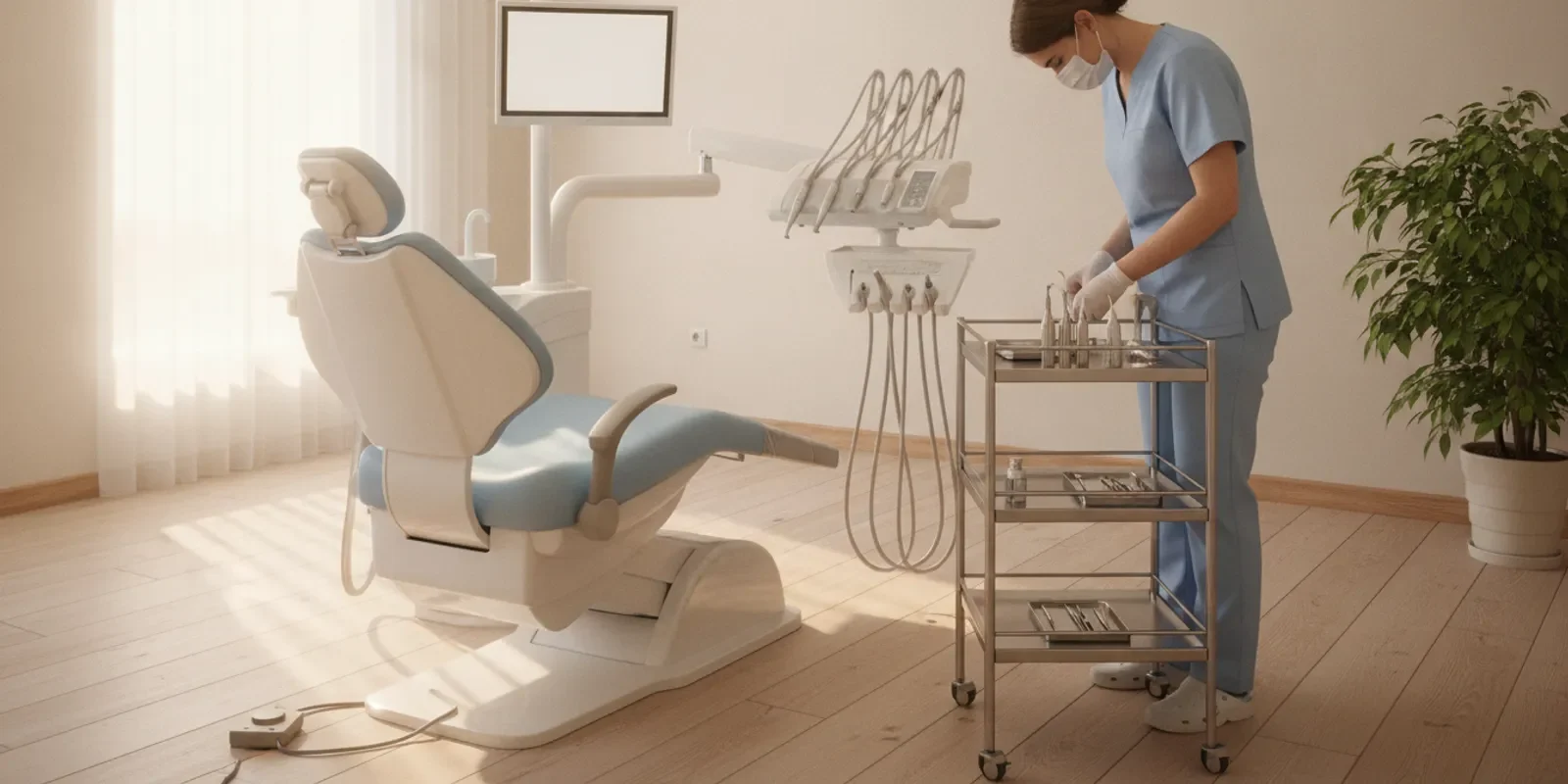
Feeling nervous about a dental procedure is completely normal, but knowledge is the best way to feel more at ease. A simple tooth extraction is a very common and manageable process. This guide is here to answer all your questions about this non surgical extraction tooth procedure, from how we make it painless to what you should eat afterward. We believe that when you understand what’s happening, you feel more in control. We’ll walk you through each step, explain the recovery timeline, and show you how our team ensures your comfort from the moment you sit in the chair.
Key Takeaways
- A simple extraction is a comfortable process: Thanks to local anesthetic, you won’t feel pain during the procedure, only a bit of pressure. This non-surgical method is used for teeth that are fully visible and easy to access.
- Your recovery depends on simple aftercare: Protecting the healing socket is your main priority. For the first few days, stick to soft foods, avoid using straws, and follow your dentist’s cleaning instructions to prevent complications.
- An extraction can be a strategic health decision: Removing a tooth isn’t just for emergencies; it can be the best choice to resolve severe decay, prevent future problems from crowding, or stop the progression of gum disease for better long-term oral health.
What Is a Simple Tooth Extraction?
The idea of having a tooth pulled can sound intimidating, but a simple tooth extraction is one of the most common and straightforward procedures in dentistry. It’s a non-surgical process used to remove a tooth that is fully visible above your gum line. Think of a tooth that has become very loose on its own or one that’s damaged but still easy for your dentist to access.
During a simple extraction, your dentist uses special instruments to gently loosen the tooth from its socket before carefully removing it with forceps. There are no incisions made in your gums, and the procedure is typically quick. At Lowell Family Dental Practice, our priority is your comfort. Our experienced staff is here to ensure the entire process is as stress-free and painless as possible. We’ll walk you through every step, so you know exactly what to expect. This procedure is often the first step toward relieving pain and protecting your overall oral health for years to come.
Simple vs. Surgical Extractions
The main difference between a simple and a surgical extraction comes down to whether your tooth is visible and accessible. A simple extraction is for a tooth that has fully erupted from the gum line. In contrast, a surgical extraction is necessary when a tooth is broken off at the gum line or hasn’t emerged yet, which is common with wisdom teeth. This more complex procedure requires an incision in the gum to reach and remove the tooth. Your dentist will determine the right type of extraction for you after a thorough examination and X-ray.
Why You Might Need a Tooth Pulled
While our goal is always to save a natural tooth whenever possible, sometimes an extraction is the best option for your long-term health. Removing a problematic tooth can prevent infection from spreading, relieve pain, and set the stage for a healthier smile. There are several common situations where a simple extraction might be the recommended course of action.
Severe Decay or Damage
Sometimes, a tooth has so much bad tooth decay that it can’t be repaired with a filling or a crown. When the tooth’s structure is too compromised, removing it is the best way to stop the decay from affecting your surrounding teeth and gums.
Crowded Teeth
If your mouth is crowded, your teeth can become misaligned, making them difficult to clean and affecting your bite. Dentists sometimes recommend an extraction before beginning orthodontic treatment to create the necessary space for your other teeth to move into their proper positions, giving you a straighter, healthier smile.
Gum Disease
Advanced or severe gum disease (periodontitis) can damage the bone and tissues that hold your teeth in place. This can cause teeth to become loose. In these cases, extracting the loose tooth is often necessary to halt the progression of the disease and protect your jawbone.
Problematic Wisdom Teeth
Wisdom teeth are notorious for causing issues. Impacted wisdom teeth that are trapped beneath the gums can cause pain, infection, and damage to neighboring teeth. If a wisdom tooth has erupted but is causing crowding or is difficult to clean, a simple extraction can prevent future dental problems.
What to Expect During a Simple Extraction
Knowing what happens during a procedure is one of the best ways to calm any nerves you might have. A simple tooth extraction is a very common and straightforward process. Our team is here to ensure you feel comfortable and informed from start to finish. We’ll walk you through every part of the process, which typically involves just three main steps.
Step 1: The Exam and X-Ray
Before we do anything else, we start with a careful look. Your dentist will perform a thorough examination of the tooth and the surrounding gum tissue. We’ll also take an X-ray of the area. This gives us a clear picture of the tooth’s root and the bone supporting it. This step is essential because it confirms that a simple extraction is the best path forward and helps us plan the safest, most effective removal. It’s all part of our commitment to providing personalized care for our new patients and our long-time regulars.
Step 2: Numbing the Area
Your comfort is our top priority. Once we’ve confirmed the plan, the next step is to completely numb the area around the tooth. We use a local anesthetic to make sure you won’t feel any pain during the extraction. You might feel a tiny pinch when the anesthetic is applied, but that feeling will quickly fade as the numbing takes effect. From that point on, you should only feel a bit of pressure, not pain. This commitment to painless dental care is at the heart of everything we do at Lowell Family Dental Practice.
Step 3: Removing the Tooth
With the area fully numb, your dentist will proceed with the extraction. For a simple extraction, the tooth is visible above the gumline, making it easily accessible. Using specialized dental instruments, your dentist will gently loosen the tooth from its socket before carefully removing it. The process is usually very quick. Because this type of extraction doesn’t require any incisions in the gums, you won’t need stitches afterward. Once the tooth is out, we’ll give you instructions for a smooth recovery. If you have any concerns, you can always schedule your visit to discuss them with us.
Does a Simple Tooth Extraction Hurt?
The thought of having a tooth pulled can be intimidating, and the first question on most people’s minds is, “Will it hurt?” It’s a completely valid concern. The great news is that with modern dental techniques, a simple tooth extraction is designed to be as comfortable and painless as possible. Our team prioritizes your comfort every step of the way, ensuring you feel secure and informed throughout the entire process. We’re here to manage any discomfort before it even starts, so you can relax knowing you’re in good hands.
What You’ll Feel During the Procedure
During a simple tooth extraction, you should not feel any pain. Before the procedure begins, your dentist will completely numb the tooth and the surrounding gum tissue with a local anesthetic. The most you should feel is a bit of pressure. Because a simple extraction is a non-surgical procedure, your dentist uses special instruments to gently loosen the tooth from its socket before removing it. You might sense this movement and pressure, but the numbness prevents any sharp or painful sensations. We always check in with you to make sure you’re completely numb and comfortable before we proceed.
Your Pain Management Options
Local anesthesia is the key to a painless tooth extraction. It’s a safe and effective way to block nerve signals in a specific area, so you won’t feel any pain during the removal. We will never perform an extraction without making sure the area is thoroughly numbed. Your well-being is our top priority, and that includes creating a stress-free experience. If you ever feel discomfort, just let us know, and we will stop and make adjustments. We want all our new patients to feel confident and at ease with the care they receive from the very first visit.
Common Myths About Extraction Pain
Many people have heard stories that make tooth extractions sound like a painful ordeal, but this is largely a myth based on outdated practices. Decades ago, pain management wasn’t as advanced as it is today. Now, effective local anesthetics make the procedure itself a pain-free experience. The idea that you just have to “tough it out” is completely false. Our approach to all dental services is centered on modern, gentle techniques that put your comfort first. You can leave the myths behind and trust that we will make your procedure as smooth and painless as possible.
Recovering From a Simple Extraction
Once your tooth is out, the focus shifts to a smooth and speedy recovery. The good news is that healing from a simple extraction is usually very straightforward. Your body knows what to do, and your main job is to create the right conditions for it to heal properly. After your procedure, our team will give you detailed aftercare instructions tailored specifically to you. Following these guidelines is the best way to ensure you feel better quickly and avoid any complications.
If you ever have questions during your recovery, don’t hesitate to reach out. We’re here to support you every step of the way, and you can always request an appointment for a follow-up if you have any concerns.
How to Manage Discomfort and Swelling
It’s completely normal to experience some minor discomfort and swelling for a few days after your extraction. Most people find that it’s easily managed at home. An ice pack applied to your cheek can work wonders for swelling; just be sure to wrap it in a towel and apply it for about 20 minutes on, then 20 minutes off.
For any soreness, over-the-counter pain relievers like ibuprofen or acetaminophen are usually very effective. We will discuss the best option for you and the appropriate dosage to take. The goal is to keep you comfortable as the extraction site begins to heal. The most significant discomfort typically subsides within a day or two.
Your Healing Timeline
Recovery from a simple extraction is typically quick. The first 24 hours are the most critical, as this is when a blood clot needs to form in the empty socket. This clot is like a natural bandage that protects the underlying bone and nerves, so it’s essential to leave it undisturbed.
Within a few days, you should feel much better, with most discomfort and swelling gone. The gum tissue will begin to close over the socket, and you’ll be able to return to most of your normal activities. Complete healing of the socket can take a few weeks, but you’ll likely feel back to your old self long before then. As a new patient, we make sure you have all the information you need for a predictable and comfortable recovery.
Aftercare for a Smooth Recovery
A little care goes a long way in making your recovery as smooth as possible. These simple steps help protect the healing socket, prevent complications, and get you back to smiling in no time.
Eat Soft Foods
For the first few days, stick to a soft-food diet to avoid irritating the extraction site. Think yogurt, applesauce, smoothies (without a straw!), mashed potatoes, and lukewarm soups. These foods are easy to eat and won’t disturb the delicate healing process. Avoid anything crunchy, hard, or spicy that could get stuck in the socket or cause irritation. Also, steer clear of very hot foods or drinks, as they can dissolve the protective blood clot.
Know Which Activities to Skip
To protect the essential blood clot, you’ll need to avoid a few specific things for the first 24 to 48 hours. Don’t use a straw, as the suction can easily dislodge the clot. It’s also crucial to avoid smoking, which can slow healing and significantly increase your risk of a painful complication called dry socket. Finally, take it easy. Postpone any strenuous exercise or heavy lifting for a day or two, as this can increase blood flow and lead to more bleeding at the extraction site.
Keep the Area Clean
While you need to be gentle, keeping your mouth clean is vital for preventing infection. For the first 24 hours, avoid rinsing your mouth altogether. After that, you can begin gently rinsing with a warm saltwater solution (about half a teaspoon of salt in a cup of water) a few times a day, especially after meals. You can continue to brush your other teeth as normal, but be very careful to avoid the extraction site for the first couple of days.
How to Avoid Complications After an Extraction
Once your tooth is out, your main job is to rest and let your body heal. A smooth recovery is usually straightforward, but it depends on following a few key aftercare steps. Taking care of the extraction site properly is the best way to prevent complications like a dry socket or infection and get back to feeling like yourself as soon as possible. At our practice, we believe that excellent care doesn’t end when you leave the chair. We are committed to providing personalized, stress-free experiences for all our dental services, and that includes your recovery at home.
Think of the next few days as a partnership: we’ve done our part, and now we’re here to guide you through yours. We will provide detailed instructions tailored to your specific procedure because we want your healing process to be as comfortable as possible. Following these guidelines will help ensure everything heals exactly as it should, minimizing discomfort and getting you back to your routine quickly. Your focus should be on gentle care and giving your body the time it needs to mend.
Prevent Dry Socket
The most common complication after an extraction is a dry socket. This happens when the protective blood clot over the empty socket gets dislodged before the area has healed. This clot is like a natural bandage, and keeping it in place is your top priority for the first few days. To protect it, you’ll need to avoid a few things. For the first 24 hours, don’t rinse your mouth. For the next few days, skip using straws, smoking, or spitting forcefully. These actions create suction that can pull the clot out. It’s also best to stick to soft foods like yogurt or soup and chew on the opposite side of your mouth to avoid disturbing the site.
Avoid Infection
Keeping your mouth clean is essential for preventing infection and helping the extraction site heal quickly. While you need to be gentle, you don’t want to stop your oral hygiene routine altogether. After the first 24 hours have passed, you can start rinsing very gently with a warm saltwater solution (a half-teaspoon of salt in a cup of warm water) a few times a day, especially after meals. This helps keep the area clean without being too harsh. When you brush your other teeth, just be careful to avoid the extraction site. Following the specific aftercare instructions we provide is the surest way to keep things clean and promote a speedy recovery.
When to Call Your Dentist
We want you to feel confident during your recovery, but it’s also important to know when to reach out for help. While some discomfort and swelling are normal, certain signs indicate you should give us a call. If you experience severe pain that isn’t getting better after two or three days, or if you have heavy bleeding that continues past the first 24 hours, please contact us. Other red flags include fever, pus, or a bad taste or smell from the extraction site. Don’t hesitate to get in touch; addressing a potential issue early is always the best approach. You can always request an appointment online or call our office directly if you have any concerns.
Is a Simple Extraction Right for You?
Deciding if a simple extraction is the right path for you really comes down to one main factor: can your dentist easily see and access the tooth? This procedure is a non-surgical way to remove a tooth that has fully grown in and is visible above your gum line. Think of it as the most straightforward type of extraction. If your tooth is intact and not hidden under the gums or bone, a simple extraction is likely the method we would consider.
This procedure is often recommended for a few common reasons. Sometimes, a tooth has such severe decay or damage that a filling or crown can’t save it. In other cases, your mouth might be too crowded, and removing a tooth can create the necessary space for your other teeth to align properly, especially before getting braces. Our goal is always to preserve your natural teeth with our restorative services, but when an extraction is the healthiest option, we ensure the process is as smooth as possible.
In contrast, a surgical extraction is needed for more complex situations. This includes teeth that have broken off at the gum line, haven’t fully erupted (like impacted wisdom teeth), or are in a position that’s difficult to reach. A surgical procedure involves making a small incision in the gum to access and remove the tooth.
The only way to know for sure which type of extraction you need is to have a professional take a look. During your visit, we’ll perform a thorough exam and take X-rays to get a complete picture of the tooth’s condition and its roots. From there, we can discuss the best plan for your oral health. If you’re experiencing tooth pain or think you might need an extraction, the first step is to schedule an appointment so we can give you a clear and personalized recommendation.
Related Articles
- Extractions – Lowell Family Dental Practice & Implant Center
- Abscessed Tooth – Lowell Family Dental Practice & Implant Center
- Wisdom Teeth – Lowell Family Dental Practice & Implant Center
- Wisdom Teeth Emergencies: Causes and treatment – Lowell Family Dental Practice & Implant Center
- Toothaches – Lowell Family Dental Practice & Implant Center
Frequently Asked questions
How long does the actual extraction procedure take? The entire appointment includes an exam, X-rays, and time for the anesthetic to take effect, but the part where the tooth is actually removed is surprisingly fast. Once you are completely numb, loosening and removing a visible tooth often takes only a few minutes. We prioritize being thorough and ensuring you’re comfortable, so we never rush the process.
Can I drive myself home after a simple extraction? Yes, in most cases you can. A simple extraction uses a local anesthetic, which only numbs the area around the tooth being removed. It does not affect your overall alertness or ability to operate a vehicle. You will be fully awake and aware throughout the procedure, so you should feel perfectly fine to drive yourself home afterward.
What happens to the empty space where my tooth used to be? After the extraction, a blood clot will form in the socket, and over the next few weeks, your gum tissue will heal and close over the space. The underlying bone will also remodel itself. Depending on the location of the tooth, we may discuss options for replacing it, such as a dental implant or a bridge, to prevent other teeth from shifting and to maintain your bite.
When can I go back to work or school? Most people feel well enough to return to their normal, non-strenuous activities the day after a simple extraction. We recommend taking it easy for the first 24 hours to allow the protective blood clot to form properly. If your job involves heavy lifting or a lot of physical activity, you might want to take an extra day off to be safe.
Why is it so important to avoid smoking after an extraction? Avoiding smoking is one of the most critical parts of your aftercare. The suction from inhaling can dislodge the blood clot from the socket, leading to a painful condition called dry socket. Beyond that, the chemicals in tobacco smoke can interfere with your body’s natural healing process, slow down recovery, and increase your risk of infection.
Written by
Dr. Iham Gammas, DMDBoard-Certified Implant Dentist & Founder, Lowell Family Dental Practice. Fellow & Master of ICOI and IADI. Associate Fellow of AAID.