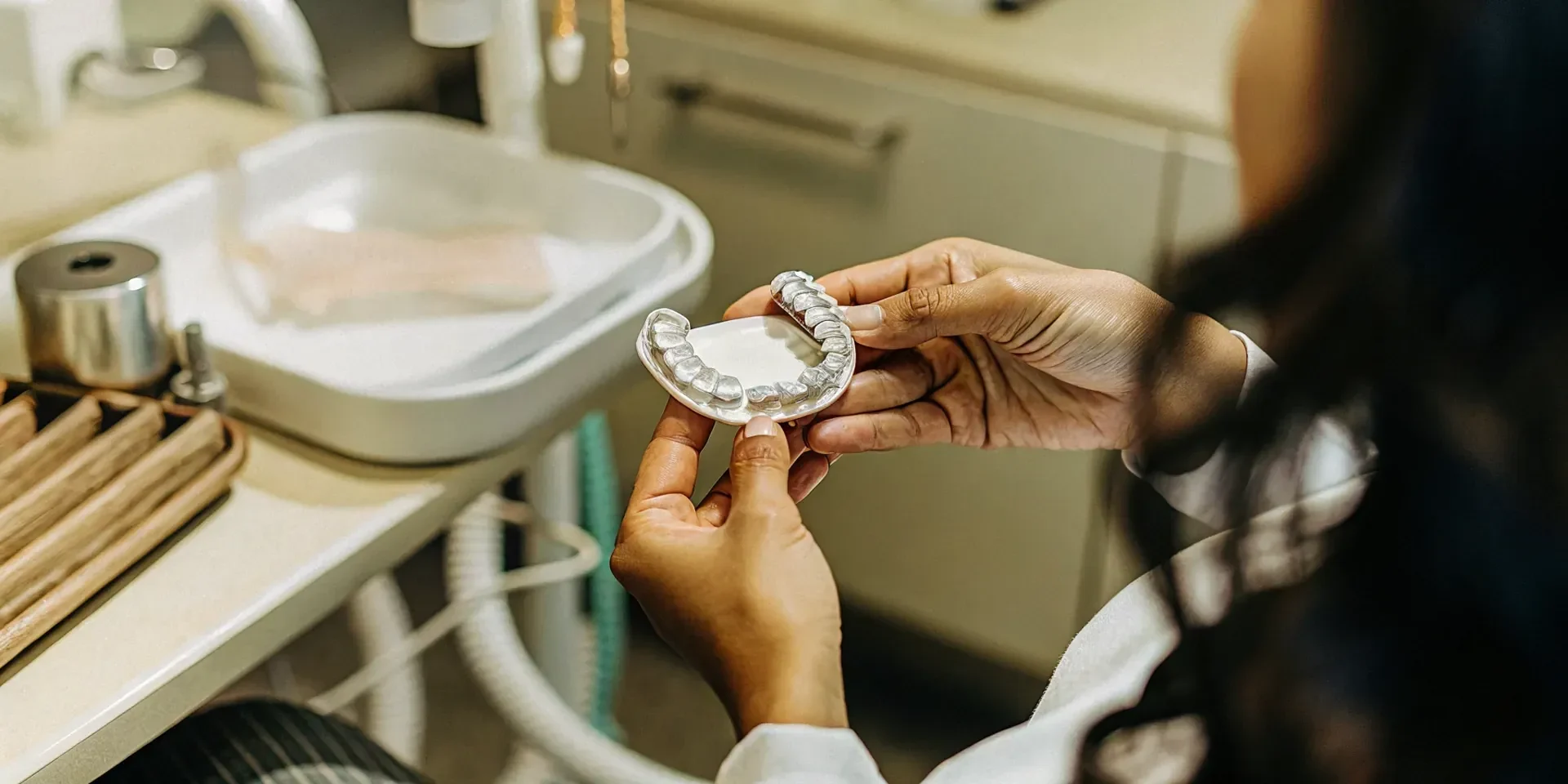
The effects of teeth grinding go beyond your smile, often showing up as chronic headaches, neck tension, and jaw pain that can disrupt your daily life. It’s a clear sign that something is off balance. Many people reach for an over the counter night guard for teeth grinding as a way to manage the symptoms, hoping to find some relief. While these devices can cushion your teeth, they don’t address the underlying cause, which could be stress or even a sleep disorder. True, lasting relief comes from understanding the complete picture. This guide will explore the role of OTC guards and explain why a professional evaluation is the most important step toward protecting not just your teeth, but your overall well-being.
Key Takeaways
- View an OTC guard as a temporary tool: It can provide immediate protection for your enamel, but it won’t solve the underlying reason you grind your teeth. Use it as a short-term fix while you explore a more permanent solution.
- Prioritize a proper fit to avoid new issues: The biggest risk with a store-bought guard is its one-size-fits-most design. An improper fit can feel uncomfortable, make you clench more, and even cause your bite to shift over time.
- Listen to your body’s warning signs: If you have constant jaw pain, wake up with headaches, or wear through your guard quickly, it’s time to see a dentist. These symptoms indicate you need a professional evaluation and a more durable, custom-fitted solution.
What Is an Over-the-Counter Night Guard?
If you’ve ever woken up with a sore jaw or a dull headache, you might be grinding your teeth at night. An over-the-counter (OTC) night guard is a device you can find at most drugstores or online that’s designed to protect your teeth from this habit, which dentists call bruxism. Think of it as a protective cushion between your upper and lower teeth. It absorbs the force from clenching and grinding, which can help prevent tooth damage, reduce noise, and ease some of the jaw pain that often comes with it.
These guards are typically made from a flexible plastic material and are a popular first step for many people because they’re affordable and easy to get. You can usually find them for under $50. While they can offer immediate relief, it’s helpful to see them as a temporary solution. An OTC guard can protect your enamel from wear and tear, but it doesn’t address the underlying reasons you might be grinding in the first place, like stress or a misaligned bite.
It’s also important to know that not all OTC guards are the same. Some softer versions can inadvertently encourage more clenching, almost like chewing on something soft. A poor fit can also be uncomfortable or, in some cases, cause your bite to shift over time. While an OTC guard can be a great tool for short-term protection, getting to the root of the problem often requires professional dental services to find a lasting solution for your oral health.
Finding the Right Type of OTC Guard for You
Walking down the pharmacy aisle, you’ll find a few different types of over-the-counter night guards. The right one for you really comes down to what you value most: a custom-like fit, convenience, or a less bulky feel. Each style has its own pros and cons, so understanding the basics will help you make a better choice for your specific needs. Let’s break down the three main options you’re likely to see on the shelf.
Boil-and-Bite Guards
This is probably the most common type of OTC guard you’ll find. Boil-and-bite guards are made from a special plastic that becomes soft and pliable when you place it in hot water. After a quick dip, you carefully place it in your mouth and bite down, using your fingers and tongue to mold it around your teeth as it cools. This process creates a semi-custom fit that’s generally more secure and comfortable than a standard, one-size-fits-all guard. For many people, this option offers a good balance between affordability and a personalized fit, which is crucial for managing the effects of teeth grinding.
Disposable Guards
If convenience is your top priority, disposable guards are worth a look. These guards are typically very thin, require no molding, and are ready to use right out of the package. They are designed to be worn for just a few nights before being thrown away. Most feature small bite plates that sit on your molars to absorb the pressure from clenching and grinding. While they are incredibly convenient, especially for travel or very occasional use, the cost can add up over time. If you find yourself needing a guard every night, you may want to consider a more durable option or schedule a visit to discuss a long-term solution.
Front-Only (Anterior) Guards
A front-only guard, sometimes called an anterior guard, is a much smaller device that fits only over your top or bottom front teeth. By creating a tiny separation between your front teeth, it prevents your back molars from ever touching. This design effectively stops the grinding motion where it does the most damage. Many people find this style more comfortable because it feels less bulky and intrusive than a full-arch guard. However, it’s important to ensure it fits correctly, as any guard that alters your bite should be used with care. If you experience any jaw pain, it’s a sign you should stop using it and consult a professional about our dental services.
What to Look for When Choosing an OTC Night Guard
Once you start shopping, you’ll notice the drugstore aisle is packed with options. It can feel a little overwhelming, but knowing what to look for makes all the difference. To find a guard that’s both safe and effective, you’ll want to pay close attention to a few key details: the materials it’s made of, its thickness, and how well it fits. Getting these three things right is your first step toward a quieter, more comfortable night’s sleep.
Safe, Quality Materials
Since a night guard will be in your mouth for hours at a time, the material it’s made from is incredibly important. You’ll want to look for a guard that is explicitly labeled as BPA-free and latex-free. BPA is a chemical that can have health risks, and latex can trigger allergies in some people, so it’s best to avoid both for your peace of mind. Reputable brands are usually transparent about this on their packaging. Choosing a safe material ensures you’re protecting your teeth without introducing any unwanted substances into your body while you sleep.
The Right Thickness and Protection
Night guards aren’t one-size-fits-all when it comes to protection. The right thickness depends entirely on how severely you grind or clench. If you’re a light to moderate grinder, a thinner guard (around 1-2mm) will likely feel more comfortable and less intrusive. However, if you’re a heavy grinder, you’ll need a thicker guard (3mm or more) for better durability and protection. While a thicker guard can feel a bit bulky at first, it’s designed to withstand more force and will last much longer. Choosing the right thickness is a balancing act between comfort and the level of protection your teeth need.
A Comfortable and Secure Fit
A proper fit is non-negotiable for a night guard to work correctly. A well-fitting guard should feel snug and secure on your upper teeth, staying in place even when you open your mouth. You shouldn’t have to clench your jaw just to keep it from falling out. It also shouldn’t pinch or rub against your gums, which can cause irritation. The guard should cover all of your teeth to distribute pressure evenly. If you find that over-the-counter options just don’t feel right, it might be time to consider a custom-fitted guard. Our team can create one that provides a perfect, comfortable fit for your unique smile and offers superior preventive care.
A Closer Look at Popular OTC Night Guards
Walking down the dental aisle at your local pharmacy can feel a bit overwhelming with so many night guard options on the shelf. While a custom-fitted guard from your dentist is always the best way to protect your smile, I get that you might be looking for a temporary solution right now. To help you make a more informed choice, let’s take a look at some of the most popular over-the-counter (OTC) guards you’re likely to find.
Each of these guards has a different design and is made for different needs, from light clenching to more moderate grinding. Understanding what makes each one unique can help you find a better temporary fit while you consider a long-term solution. Remember, an OTC guard is a short-term fix, not a replacement for professional dental care. If you’re experiencing persistent jaw pain or tooth damage, it’s always best to schedule a periodontal exam to address the root cause of your grinding. For now, here’s a breakdown of four common OTC choices.
Oral-B Nighttime Dental Guard
If comfort is your top priority, the Oral-B Nighttime Dental Guard is one to consider. Many people like it because it has a thinner, less bulky profile than other boil-and-bite guards. This makes it feel a bit more natural in your mouth, which can be a huge plus if you’re sensitive to wearing an appliance overnight. It’s designed to be molded at home for a personalized fit, creating a comfortable cushion that absorbs the pressure from grinding. This guard strikes a nice balance between providing solid protection and not feeling overly intrusive, making it a popular starting point for many people new to using night guards.
DenTek Professional-Fit Maximum Protection
For those who feel they might be grinding with a bit more force, the DenTek Professional-Fit guard is a step up in durability. Its standout feature is a dual-layer design. The inner layer is soft and pliable for a comfortable fit against your teeth and gums, while the hard outer surface is tough enough to withstand moderate grinding. This combination provides both comfort and strength. Like other boil-and-bite models, you can customize the fit at home. It’s a solid middle-ground option for someone who needs more than a basic guard but isn’t quite ready for a custom lab-made device.
Neomen Professional Dental Guard
If you’re looking for a budget-friendly and versatile option, the Neomen Professional Dental Guard is a popular choice. These guards often come in a multi-pack, which provides excellent value and gives you a few extras on hand. This is great if you’re worried about getting the molding process right the first time or if you tend to misplace things. The material is designed to be easy to soften and mold, and it can be trimmed to fit different mouth sizes and dental shapes. Because they are so adaptable, many people find them to be a comfortable and cost-effective way to get some immediate relief from clenching and grinding.
Plackers Grind No More
The Plackers Grind No More guards are designed with convenience and hygiene in mind. Unlike boil-and-bite models, these are disposable and ready to use right out of the package, with no molding required. They are meant to be worn for up to three nights before being thrown away, which eliminates the need for daily cleaning. Their slim, lightweight design primarily protects the back molars, making them less intrusive than full-arch guards. This makes them an excellent choice for travel, for people who only grind their teeth occasionally during stressful times, or for anyone who wants to try a guard without committing to a reusable one.
OTC vs. Custom-Fitted Guards: How Do They Really Compare?
Walking down the dental aisle, you’ll see plenty of over-the-counter (OTC) night guards. They seem like a quick and affordable fix for teeth grinding, but how do they stack up against a guard made by your dentist? While both aim to protect your smile, there are key differences in their effectiveness, comfort, and long-term value. Understanding these distinctions will help you decide which path is right for protecting your teeth from the effects of bruxism.
Protection and Durability
An OTC guard is certainly better than no guard at all. It creates a barrier between your upper and lower teeth to reduce the impact of clenching and grinding. However, these one-size-fits-most options are often made from softer, less resilient materials. This means they can wear down quickly, especially if you grind heavily. A custom-fitted guard, on the other hand, is crafted in a dental lab from high-quality, durable materials designed to withstand significant force over a long period. It provides a superior level of protection that you just can’t get from a store-bought product.
Overall Fit and Comfort
Comfort is king when it comes to a night guard, because if it’s not comfortable, you won’t wear it. OTC guards, even the boil-and-bite kind, can feel bulky and awkward. A poor fit isn’t just uncomfortable; it can also cause your bite to shift or lead to new jaw problems. A custom guard from your dentist is a completely different experience. We take precise impressions of your teeth to create a guard that fits your mouth perfectly. This snug, streamlined fit makes it much more comfortable to wear all night, ensuring you get the protection you need without disrupting your sleep.
The Cost Difference
There’s no denying the price gap. An OTC guard might set you back $20 to $50, while a custom guard is a more significant investment. It’s tempting to go for the cheaper option, and for some, an OTC guard can be a reasonable temporary solution or a way to confirm if a guard helps their symptoms. Think of a custom guard as an investment in your long-term oral health. It offers unparalleled protection, a comfortable fit that prevents other issues, and durability that makes it more cost-effective over time. If you’re serious about stopping dental damage, it’s worth a conversation with your dentist.
The Potential Downsides of Using an OTC Night Guard
While grabbing a night guard from the pharmacy might seem like a quick and affordable fix for teeth grinding, it’s important to understand the potential risks. These one-size-fits-most solutions can sometimes create more problems than they solve. Unlike a custom guard designed specifically for your mouth, an over-the-counter (OTC) product can’t account for your unique bite, the severity of your grinding, or the underlying reasons for it.
Thinking of an OTC guard as a long-term solution can be a gamble with your oral health. From an improper fit that can shift your teeth to using a material that might actually make you clench more, the downsides are worth considering. A night guard should protect your smile, not put it at risk. Understanding these potential issues can help you make the best choice for your health and find a solution that provides real, lasting protection for your teeth. Our team is always here to help you explore all your dental service options.
An Improper Fit Can Shift Your Bite
The biggest issue with most OTC guards, especially the “boil-and-bite” kind, is getting the fit right. It’s incredibly difficult to create a perfect impression of your teeth in your kitchen. A guard that fits poorly isn’t just bulky or uncomfortable; it can be actively harmful. If the fit is off, it can place uneven pressure on your teeth, potentially causing them to shift over time. This can alter your bite alignment, leading to a whole new set of problems, including jaw pain and difficulty chewing. A professional guard is molded to your exact dental structure, ensuring it protects your teeth without unintentionally moving them out of place.
Soft Guards Can Encourage More Clenching
It seems logical that a soft, cushioned guard would be comfortable, but it can backfire. For many people, the soft, chewy material of an OTC guard can trigger a reflex to clench even more. Your jaw muscles may interpret the guard as something to chew on, which can intensify grinding throughout the night instead of reducing it. This can lead to increased muscle fatigue, headaches, and jaw soreness. Professionally made guards are often crafted from a firmer, more rigid acrylic that provides a slick surface. This design helps your teeth slide harmlessly instead of gripping and grinding, which helps relax the jaw muscles.
They Don’t Treat the Underlying Cause
A night guard is a shield, not a cure. Its job is to protect your teeth from wearing each other down while you sleep. However, it does absolutely nothing to address the root cause of why you’re grinding in the first place. Bruxism (the medical term for teeth grinding) can be triggered by stress, anxiety, a misaligned bite, or even sleep apnea. By simply using an OTC guard without a proper diagnosis, you’re only managing one symptom. A visit with one of our dentists can help identify the real reason you’re grinding and create a comprehensive plan to address it.
The Risk of Long-Term Use Without a Dentist
OTC guards are best viewed as a temporary, short-term fix, if they are used at all. Relying on one for months or years without a dentist’s oversight is risky. Because the fit is imperfect, it can slowly contribute to changes in your bite or even lead to jaw joint issues (TMJ disorders). A dentist doesn’t just create a perfectly fitted guard; they also monitor your oral health over time. During check-ups, we can spot early signs of tooth wear, check your jaw’s alignment, and ensure the guard is still doing its job effectively. This professional supervision is a critical part of safely managing bruxism. If you’re experiencing symptoms, it’s always best to request an appointment for a professional evaluation.
Debunking Common Myths About OTC Night Guards
When you’re dealing with the headaches and jaw pain of teeth grinding, it’s easy to grab the first solution you see on a drugstore shelf. Over-the-counter night guards seem like a quick fix, but there’s a lot of confusing information out there about what they can and can’t do. Let’s clear up a few common myths so you can make a more informed choice for your smile.
Myth: They Stop Grinding Completely
It’s a common belief that popping in a night guard will magically stop you from grinding your teeth. Unfortunately, that’s not how they work. A night guard doesn’t cure bruxism; it acts as a protective barrier. Think of it as a cushion that gives your teeth something to grind against besides each other. This shield is fantastic for preventing chips, cracks, and wear on your enamel. However, it doesn’t address the root cause of why you’re grinding in the first place, which could be related to stress, anxiety, or a misaligned bite. True relief often involves a more comprehensive approach to preventive care.
Myth: Softer Is Always Better
You might think a softer, more flexible guard would be the most comfortable option, but that’s not always the case. For some people, a soft, chewy material can actually act like a toy for your jaw, encouraging you to clench and grind even more throughout the night. This can lead to increased muscle fatigue and jaw pain. A poorly fitting guard, whether soft or hard, can also cause issues. The right material and firmness depend entirely on your specific needs and the severity of your grinding. What works for one person might make things worse for another, which is why a one-size-fits-all approach can be risky.
Myth: They Are a Permanent Solution
An OTC night guard can be a good first step, especially if you’re just trying to get some immediate protection for your teeth. However, it’s best to view them as a temporary measure, not a permanent fix. Because they aren’t custom-made for your mouth, they often don’t fit perfectly. Over time, an ill-fitting guard can do more harm than good by causing your bite to shift or leading to new jaw joint problems. If you find that you’re consistently grinding through your guards or your symptoms aren’t improving, it’s a clear sign that you need a more durable, long-term solution. It’s always best to get professional advice before your grinding causes more serious issues.
When Is It Time to See a Dentist About Your Grinding?
An over-the-counter night guard can be a great first line of defense, giving your teeth some much-needed protection while you sleep. But it’s important to think of it as a temporary tool, not a permanent fix. If your grinding is severe or you notice certain symptoms, it’s a clear signal that you need to bring in a professional. Your dentist can get to the root of the problem and create a solution that not only protects your teeth but also supports your overall jaw health. Ignoring these signs can lead to more significant dental issues down the road, so paying attention to your body’s signals is key. Let’s walk through the specific signs that mean it’s time to schedule a dental visit.
You Have Persistent Jaw Pain or Headaches
If you consistently wake up with a sore jaw, tenderness around your ears, or a dull, persistent headache, your body is telling you something. These are common signs that the muscles in your jaw are working overtime at night. You might also notice a clicking or popping sound when you open your mouth, or in some cases, your jaw might even feel like it’s locking up. While an OTC guard provides a cushion, it may not be enough to alleviate this kind of strain. A dentist can assess your bite and provide a custom-fitted guard that offers superior support and can help prevent your teeth from shifting. This professional approach is part of good preventive care to stop pain from becoming a chronic problem.
You’re Chewing Through Guards Quickly
Are you finding that your store-bought night guard is shredded or worn down after just a few weeks? This is a major red flag. It means the force of your grinding is much stronger than the guard’s material can handle. OTC guards are typically made from softer, less durable plastics that just can’t stand up to heavy clenching and grinding night after night. If you’re replacing your guard constantly, you aren’t getting the protection you need. A dentist can create a custom guard from high-grade, durable materials built to last for years, not weeks. This is a much more effective and cost-efficient solution in the long run for anyone with moderate to severe bruxism.
You Notice Symptoms of TMJ or Sleep Apnea
Sometimes, teeth grinding is a symptom of a larger underlying health issue, like a temporomandibular joint (TMJ) disorder or sleep apnea. TMJ disorders affect the jaw joint and surrounding muscles, causing pain, clicking, and difficulty chewing. Sleep apnea is a condition where your breathing repeatedly stops and starts during sleep, and grinding can be your body’s way of trying to reopen your airway. If you experience chronic jaw pain, wake up gasping for air, or feel exhausted during the day despite a full night’s sleep, you should see a professional. An OTC guard can’t treat these conditions, and a proper diagnosis is essential for your health. Our dental services can help identify the cause of your symptoms.
You Can See Tooth Wear, Cracking, or Shifting
Take a close look at your smile in the mirror. Do your teeth appear shorter or flatter than they used to? Do you see any small chips, fractures, or cracks? These are telltale signs of long-term, untreated grinding. The immense pressure can wear down your enamel, making your teeth more sensitive and vulnerable to decay. Over time, this can lead to broken teeth and damaged dental work like fillings or crowns. If you see any visible changes to your teeth, it’s time to request an appointment. A custom guard will protect your teeth from further damage, and your dentist can recommend restorative treatments to repair any existing issues.
How to Get the Most from Your OTC Night Guard
So you’ve picked out an over-the-counter night guard. That’s a great first step in protecting your teeth from the effects of grinding. But just buying it isn’t enough. To make sure your guard is doing its job effectively and not causing other issues, you need to use and care for it properly. Following a few simple habits will help you protect your investment and, more importantly, your smile.
Keep It Clean
Think about it: your night guard spends hours in your mouth, which is a natural breeding ground for bacteria. Without regular cleaning, it can accumulate plaque, start to smell or taste funky, and introduce unwanted germs. To keep it fresh, you should clean your guard every single morning. A good routine is to rinse it with cool water and gently brush it with a soft toothbrush and a mild, non-gritty soap. Avoid hot water, as it can warp the plastic and ruin the fit. After cleaning, let it air dry completely before storing it in its case. This simple daily habit is a key part of your overall preventive care and keeps your guard hygienic and ready for another night’s work.
Know When to Replace It
Over-the-counter guards are not designed to last forever. They are made from softer materials that wear down over time. As a general rule, you should plan to replace your OTC guard every three to six months. However, you might need a new one sooner if you notice it looks worn, discolored, or feels loose. Check for any holes, thin spots, or cracks, as these are signs that the guard is no longer providing adequate protection. Continuing to use a worn-out guard can be ineffective and may even pose a risk if it breaks. If you find you’re chewing through your guards very quickly, it’s a strong signal that your grinding is severe and it’s time to schedule a consultation for a more durable, custom-fitted solution.
Pair It with Stress-Reducing Habits
A night guard acts as a protective barrier for your teeth, but it doesn’t stop the grinding itself. Since stress and anxiety are often the root causes of bruxism, pairing your guard with stress-management techniques can make a huge difference. Consider incorporating relaxing activities into your evening routine, like gentle jaw exercises, meditation, or deep breathing. Winding down with a book instead of a screen can also help calm your mind before sleep. It’s also wise to avoid stimulants like caffeine and alcohol, especially in the hours before bed. Addressing the underlying cause of your grinding is a holistic approach to your health, which is something we can discuss as part of our comprehensive dental services.
Related Articles
- Teeth Grinding (Bruxism) – Lowell Family Dental Practice & Implant Center
- Mouth Guards – Lowell Family Dental Practice & Implant Center
- Dental Problems – Lowell Family Dental Practice & Implant Center
- Jaw Disorders – Lowell Family Dental Practice & Implant Center
- Ouch! Are You Biting Your Cheeks More Often? – Lowell Family Dental Practice & Implant Center
Frequently Asked Questions
My OTC night guard makes me want to chew on it. Is this normal? This is a surprisingly common experience. When you use a guard made from a very soft, pliable material, your jaw can interpret it as something to chew on. This can trigger a reflex that actually encourages more clenching and grinding throughout the night, which is the opposite of what you want. A professionally made guard is often crafted from a firmer material that provides a slick, non-chewable surface, helping your jaw muscles to relax instead of engage.
How do I know if my grinding is serious enough to need a dentist? You should listen to the signals your body is sending you. If you consistently wake up with a sore jaw, dull headaches, or ear pain, it’s a sign that the strain is significant. Another major red flag is if you are chewing through your store-bought guards very quickly, like every few weeks or months. Visible changes to your teeth, such as new chips, cracks, or a flattened appearance, are also clear indicators that it’s time for a professional evaluation to prevent further damage.
Can an over-the-counter night guard actually make my bite worse? Yes, it is a potential risk. Because an OTC guard is not molded to the precise details of your mouth, it can create an imperfect fit. If the guard puts uneven pressure on certain teeth, it can cause them to slowly shift out of position over time. This can alter your bite alignment, which may lead to new problems like jaw pain or difficulty chewing properly. A custom-fitted guard is designed to protect your teeth without interfering with their natural alignment.
Is a custom-fitted guard from a dentist really worth the extra cost? While the initial price is higher, a custom guard should be seen as a long-term investment in your health. It is made from much more durable, high-quality materials that can withstand heavy grinding for years, not months. The perfect fit also makes it far more comfortable, so you’re more likely to wear it consistently. When you factor in the superior protection and the cost of repeatedly replacing worn-out OTC guards, a custom guard often proves to be the more cost-effective and healthier choice.
How should I clean my night guard, and how often? You should clean your night guard every single morning right after you take it out. The best method is to rinse it with cool water and gently brush it all over with a soft toothbrush and a mild, non-abrasive soap. Be sure to avoid hot water, as it can warp the plastic and ruin the fit. After cleaning, let it air dry completely on a clean surface before putting it back in its storage case to prevent bacterial growth.
Written by
Dr. Iham Gammas, DMDBoard-Certified Implant Dentist & Founder, Lowell Family Dental Practice. Fellow & Master of ICOI and IADI. Associate Fellow of AAID.