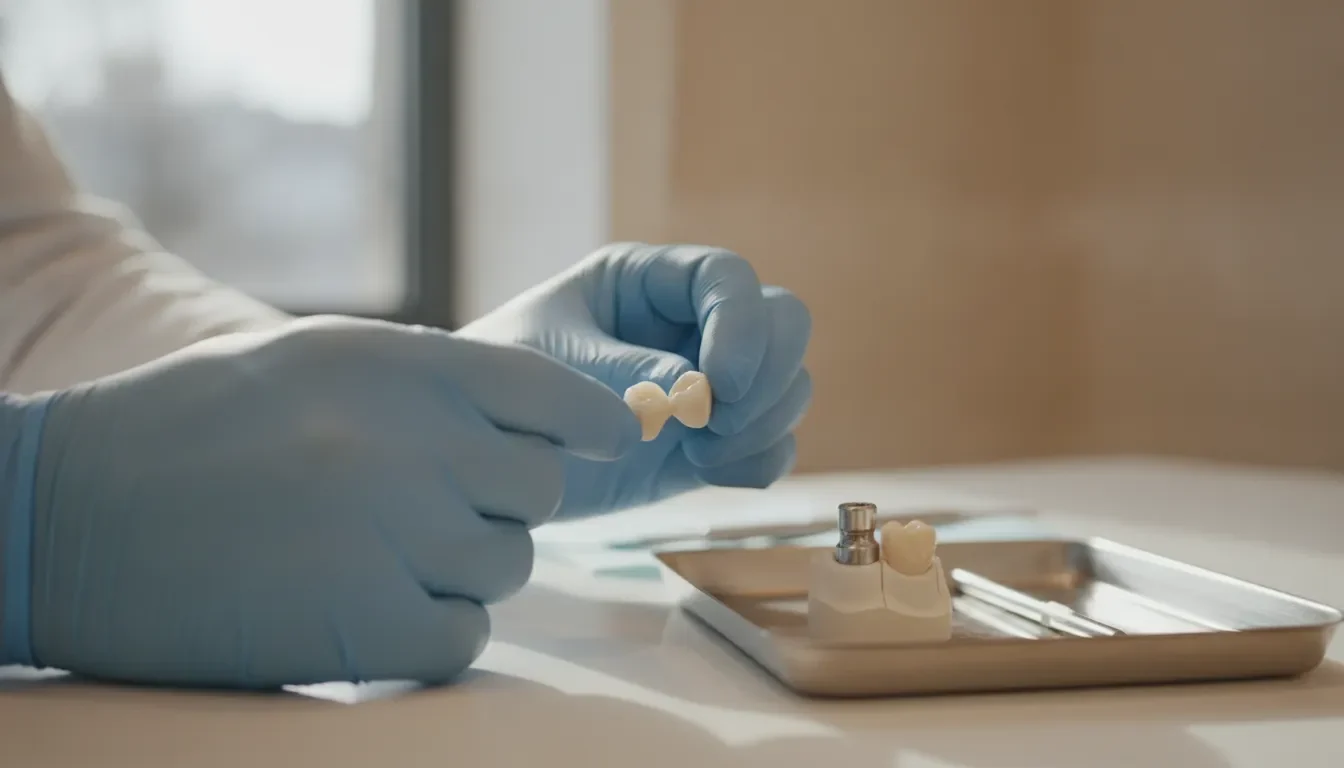
Dental terms can sometimes sound more complicated than they really are. If your dentist mentions you need a “core buildup,” don’t worry. It’s a very common and straightforward process that sets your tooth up for success. Think of it as giving your tooth the ideal shape before its final restoration. When a tooth has lost a lot of its natural structure, we simply need to add some back. The dental crown build up procedure uses a strong, tooth-colored material to reconstruct the tooth, creating the perfect base for your new crown to fit onto securely. It’s a simple step that makes all the difference.
Key Takeaways
- A buildup provides essential support: It reconstructs a weak or damaged tooth, creating a solid base so your new crown fits securely and can withstand daily use.
- It’s the solution for significant tooth loss: You’ll likely need a buildup after a root canal, or if your tooth has extensive decay or a large fracture, to restore its shape and strength.
- The process is simple and comfortable: Your dentist will numb the area completely before rebuilding the tooth with durable materials, making the procedure a straightforward and painless step toward your final restoration.
What is a Dental Crown Buildup?
Think of a dental crown buildup as creating the perfect foundation before building a house. If the foundation isn’t solid, the house won’t be stable. It’s the same with your tooth. When a tooth has lost a significant amount of its natural structure, whether from extensive decay, a fracture, or a large old filling, it might not be strong enough to hold a crown securely on its own. A crown buildup is a restorative procedure we use to reconstruct the tooth, giving it the necessary shape and strength to properly support the final crown.
This process is essential for the longevity and success of your dental work. It involves adding material to the existing tooth to create a solid core. This ensures your new crown fits perfectly, functions correctly, and can withstand the daily pressures of chewing and biting for years to come. Essentially, a buildup restores the tooth from the inside out, preparing it for the final touch that brings back your healthy, beautiful smile. It’s a common and straightforward step that makes a world of difference in the final outcome of your treatment.
Building a Strong Foundation for Your Crown
The core of the buildup procedure involves carefully reconstructing the inner part of your tooth. We use a special, durable filling material, usually a composite resin, to rebuild the tooth’s structure. This material essentially replaces the missing tooth structure, creating a solid and stable foundation. Without this strong base, a dental crown might not have enough support to stay in place securely. This could lead to problems down the road, like the crown becoming loose or wearing down prematurely. By building up the tooth first, we ensure your final restoration is set up for long-term success.
Why a Buildup is Sometimes Necessary
You might need a crown buildup if your tooth has experienced extensive damage. This is common in a few situations. For instance, after a root canal, a tooth can become hollow and more brittle, requiring extra support. Severe decay that has removed a large portion of the tooth is another classic example. Similarly, if a tooth is cracked or broken, a buildup is often necessary to restore its integrity before placing a crown. In all these cases, the goal is the same: to ensure the tooth is strong enough to securely hold the crown, protecting it from further damage and restoring its function as part of our comprehensive dental services.
When Do You Need a Crown Buildup?
Think of a dental crown as a custom-made cap that protects your tooth. For that cap to fit securely and last for years, it needs a solid, stable foundation to sit on. If a tooth has lost a significant amount of its natural structure, there simply isn’t enough left for the crown to grip onto. Trying to place a crown on a weak or diminished tooth is like building a house on a shaky foundation; it just won’t be stable.
A crown buildup is the step we take to rebuild that foundation. We add material to the tooth to restore its shape and strength, creating the ideal base for your new crown. While not every crown procedure requires a buildup, it’s a crucial step in certain situations to ensure the long-term success of your treatment. It’s one of the many ways we provide comprehensive dental services designed to restore both the function and beauty of your smile.
Let’s look at a few common scenarios where a crown buildup is necessary.
After a Root Canal
A root canal is a fantastic procedure for saving a tooth that has a damaged or infected nerve. During the treatment, the inner pulp of the tooth is removed, which can leave the tooth hollow and more brittle over time. To protect it from future fractures, a crown is almost always recommended. Before we place that crown, a buildup is often needed to fill the space inside the tooth and rebuild its core. This provides the internal support the tooth needs to handle daily chewing forces and ensures the crown has a solid structure to bond to.
Due to Severe Decay or Damage
Sometimes, a cavity goes beyond what a simple filling can repair. When decay is extensive, a large portion of the natural tooth structure has to be removed to get rid of all the bacteria. Similarly, an old, large filling might fail or fall out, leaving a significant hole behind. In these cases, there isn’t enough healthy tooth remaining to support a crown on its own. A crown buildup allows us to reconstruct the tooth, replacing the structure that was lost to decay and creating a stable foundation for a protective crown.
For Fractured or Weak Teeth
A cracked or broken tooth is often fragile and at risk of breaking further. A dental crown is the perfect solution to hold the tooth together and protect it from additional damage. However, if a large piece has broken off, the tooth’s shape will be uneven and too small to properly support a crown. A buildup helps us restore the tooth to its ideal shape and size. This not only ensures your new crown will fit perfectly but also reinforces the weakened tooth, giving it the strength it needs to function properly for years to come.
What Materials Do We Use for a Crown Buildup?
When we need to rebuild a tooth to support a crown, we use specific materials designed for strength and longevity. The goal is to create a solid core that will act as the perfect foundation for your new crown, ensuring it fits securely and lasts for years. Think of it like preparing a sturdy base before building a house; the final structure is only as strong as what’s underneath it. We carefully select the right materials for your specific situation to give your tooth the best possible support.
Durable Composite Resin
For most buildups, we use a high-quality composite resin. This is a special, tooth-colored filling material that bonds directly to your natural tooth structure. We apply it in layers to replace the missing parts of the tooth, carefully shaping it to create a stable core. The resin is incredibly strong and durable, designed to withstand the daily pressures of biting and chewing. Because it mimics the look of a natural tooth, it provides an excellent base that won’t affect the final appearance of your beautiful new dental crown. It’s a reliable and effective way to restore the tooth’s form and function.
Posts and Pins for Extra Strength
Sometimes, a tooth has lost a significant amount of its natural structure, especially after a root canal or extensive decay. In these cases, the composite resin needs a little extra help to stay securely in place. This is where posts and pins come in. These are tiny, specially designed anchors that we place into the tooth. A post typically goes into the root canal space, while smaller pins can be placed in other areas. They act as an internal scaffold, giving the buildup material something strong to grip onto. This added reinforcement ensures the entire structure is stable enough to support the final crown.
How We Choose the Right Material for You
Choosing the right approach for your crown buildup is a decision we make together, based on your unique dental needs. The main goal is always to create a strong, stable foundation for your crown. To do this, we consider several factors, including how much healthy tooth is left, the location of the tooth in your mouth, and your overall oral health. For example, a molar that handles a lot of chewing force might need a post for extra support, while a less damaged tooth might only need the composite resin. We’ll always explain our recommendation so you feel confident and informed about your dental care.
The Crown Buildup Procedure: A Step-by-Step Guide
Understanding what happens during a dental procedure can make the entire experience feel more comfortable and predictable. If you need a crown buildup, you can rest assured that it’s a straightforward process designed to restore your tooth’s strength and prepare it for a beautiful new crown. We’ll walk you through every step, so you know exactly what to expect when you’re in our care. Our goal is always to provide stress-free and painless dental care, and that begins with clear communication.
Your Initial Exam and Preparation
The first step is always a thorough evaluation. Before we begin any work, one of our dentists will carefully examine the tooth to confirm that a core buildup and crown are the best solution for you. This often includes taking X-rays to get a complete picture of the tooth’s structure and the extent of any damage or decay below the surface. This detailed assessment allows us to create a precise treatment plan tailored to your specific needs, ensuring the foundation for your new dental crown is perfectly prepared for a long-lasting result.
Keeping You Comfortable: Anesthesia Options
Your comfort is our top priority. Once we’ve determined the treatment plan, we begin by completely numbing the tooth and the surrounding area with a local anesthetic. This ensures you won’t feel any pain or discomfort during the procedure. We take our time to make sure the area is fully numb before we proceed. At Lowell Family Dental Practice, we are committed to providing a gentle and stress-free experience. Please let us know if you have any anxiety about dental work; we are here to support you and make your visit as pleasant as possible.
Applying and Shaping the Buildup Material
With the tooth fully numb, we can begin rebuilding its core. We start by applying a special buildup material directly to the tooth. This composite resin is added in layers to reconstruct the missing or damaged structure, essentially creating a new, solid core. After the material is in place, we use a special light to harden and cure it, making it strong and durable. Finally, your dentist will skillfully shape the new filling, creating the ideal size and form so it’s ready to properly support your permanent dental crown for a secure and stable fit.
What to Expect After Your Crown Buildup
After your crown buildup, you’re one step closer to a fully restored, healthy tooth. The good news is that the recovery process is usually very straightforward. Since the buildup creates a solid foundation for your new crown, the next steps focus on making sure your final restoration fits perfectly and feels comfortable. We’ll walk you through exactly what to expect as you heal and prepare for your permanent crown, ensuring you feel confident and informed. Our team at Lowell Family Dental Practice is always here to answer any questions you might have along the way.
Your Recovery and Healing Timeline
One of the best parts about a crown buildup is how quickly you can get back to your routine. Most people experience little to no discomfort after the procedure, which is a huge relief for anyone feeling a bit of dental anxiety. In many cases, the entire process is completed in a single appointment, so you can leave our office and carry on with your day without much interruption. You won’t have to deal with a long or complicated recovery period that requires significant downtime. We want to make your dental care as seamless and stress-free as possible, and the quick, straightforward healing time for a crown buildup helps us do just that.
Tips for Managing Sensitivity
It’s completely normal to experience some temporary sensitivity to hot or cold temperatures after your procedure. This feeling typically fades within a few weeks as your tooth and the surrounding gums adjust. If you do feel any discomfort, over-the-counter pain relievers like ibuprofen or acetaminophen can provide effective relief. We also recommend avoiding extremely hot or cold foods and drinks for the first few days. This sensitivity is a common part of the healing process for many dental crown procedures, but if you have any concerns at all, please don’t hesitate to give us a call.
Next Step: Getting Your Permanent Crown
With the buildup complete, your tooth is now ready for its permanent crown. The next step is to prepare the tooth by carefully shaping it to ensure a precise and secure fit for your final restoration. Once the tooth is ready, we will place your custom-made crown, checking that it aligns perfectly with your bite and looks completely natural. We then permanently bond the crown to the buildup, restoring your tooth’s strength, function, and appearance. This final step completes your tooth restoration, giving you a durable and beautiful result. You can learn more about our restorative dental services on our website.
Benefits and Risks of a Crown Buildup
Deciding on any dental procedure involves weighing the good against the potential downsides. A crown buildup is a common and highly successful treatment, and understanding its purpose can help you feel confident in your care. The primary goal is always to set your new crown up for long-term success, ensuring your smile is both healthy and strong. Let’s walk through the specific benefits and what to keep in mind.
Benefit: Saving Your Natural Tooth
One of the biggest advantages of a crown buildup is its ability to save a natural tooth that might otherwise be lost. When a tooth has significant decay, is cracked, or has lost a lot of its structure from a large, old filling, it becomes too weak to support a crown on its own. The buildup procedure essentially reconstructs the core of the tooth, giving it the strength and shape it needs for a new restoration. This is a crucial restorative step that allows us to preserve your original tooth root and avoid an extraction, which is always our preferred outcome for your long-term oral health.
Benefit: Creating a Stable Fit for Your Crown
Think of a crown buildup as creating the perfect foundation for a house. Without a solid, stable base, the house won’t be secure. The same is true for your dental crown. The buildup material reshapes the tooth, providing an ideal surface for the crown to bond to. This ensures a snug, secure fit that prevents the crown from rocking, shifting, or coming loose. A well-supported dental crown distributes chewing forces evenly, lasts much longer, and protects the vulnerable tooth underneath from further damage or decay.
Understanding the Potential Risks
The risks associated with a crown buildup are very low and the procedure is considered extremely safe. The main concerns are typically related to the pre-existing condition of the tooth, not the buildup itself. If a tooth is severely compromised, there’s always a small chance it could fracture. To prevent this, we sometimes place a tiny post within the tooth for added stability, especially after a root canal. The risk of not getting a necessary buildup is actually greater, as it could lead to a failed crown, which might require more complex and costly treatment down the road. We’ll always discuss your specific situation with you before you request an appointment.
How to Prepare for Your Crown Buildup Appointment
Getting ready for a crown buildup is a simple process that helps ensure your final crown fits perfectly and lasts for years. Knowing what to do before, during, and after your visit can make the experience feel smooth and stress-free. We want you to feel completely comfortable and informed every step of the way. Here’s a straightforward guide to help you prepare for your appointment with us.
Pre-Procedure Instructions
In the days leading up to your appointment, the main goal is to protect the tooth that needs the buildup. Since it may be weakened by decay or damage, it’s best to avoid putting unnecessary pressure on it. We’ll ask you to stick to soft foods and try to chew on the opposite side of your mouth. Think smoothies, soups, yogurt, and mashed potatoes. This simple step prevents further damage and keeps you comfortable. It’s also a great time to make sure you’re keeping up with your regular brushing and flossing to keep the area clean. If any questions pop into your head before your visit, don’t hesitate to give our office a call.
What to Expect on the Day of Your Visit
When you arrive for your appointment, our first priority is your comfort. We’ll begin by numbing the tooth and the surrounding area with a local anesthetic, so you won’t feel any pain during the procedure. Once you’re completely numb, your dentist will carefully shape the tooth, removing any decayed or weak areas. After the tooth is prepared, we will apply the buildup material and shape it to create a solid, stable foundation. Once the buildup is complete, we’ll take an impression of the tooth. This impression acts as a precise blueprint for crafting your permanent dental crown.
Discussing Aftercare and Costs
After your buildup, we’ll discuss the next steps, including how to care for your tooth while your permanent crown is being made. We may place a temporary crown to protect the prepared tooth. It’s important to remember that while a crown can’t get a cavity, the natural tooth underneath it still can. Maintaining excellent oral hygiene by brushing and flossing daily is the best way to keep your tooth and gums healthy for the long haul. We believe in clear communication, so we’ll also go over the costs and your insurance coverage. Our team is here to answer any financial questions and help you understand your new patient information.
Related Articles
- Crowns – Lowell Family Dental Practice & Implant Center
- Crowns and Bridges – Lowell Family Dental Practice & Implant Center
- Ridge Augmentation – Lowell Family Dental Practice & Implant Center
- Bonding – Lowell Family Dental Practice & Implant Center
- Glossary – Lowell Family Dental Practice & Implant Center
Frequently Asked Questions
Is a crown buildup necessary for every dental crown? Not at all. A crown buildup is only needed when a tooth has lost a significant amount of its natural structure from decay or damage. If your tooth is still mostly intact and strong, it can likely support a crown without any extra help. We perform a buildup to create a solid foundation when there isn’t enough healthy tooth left for the crown to securely attach to.
Will the crown buildup procedure be painful? Your comfort is our top priority, so you can expect a painless experience. We use a local anesthetic to completely numb the tooth and the surrounding area before we begin any work. You won’t feel anything during the procedure itself. It’s normal to have some mild sensitivity for a few days afterward, but this is temporary and easily managed.
What’s the difference between a regular filling and a crown buildup? That’s a great question. A regular filling is the final restoration used to repair a small to medium-sized cavity. A crown buildup, on the other hand, is a foundational step. Its specific purpose is to reconstruct the core of a severely damaged tooth so it’s strong enough to support a separate dental crown, which will be placed over it as the final restoration.
How long will my crown buildup last? A crown buildup is designed to be a permanent part of your tooth restoration, lasting for the entire life of the crown it supports. We use strong, durable materials that bond directly to your tooth to create a solid core. With good oral hygiene, including regular brushing and flossing, your buildup should provide a stable foundation for many years.
Why can’t I just get a large filling instead of a crown and buildup? When a tooth is severely weakened, a large filling can sometimes do more harm than good by acting like a wedge and putting the remaining tooth structure at risk of fracturing. A crown and buildup work together to provide superior protection. The buildup reconstructs the tooth’s core, and the crown covers the entire tooth, holding it together and protecting it from the forces of chewing.
Written by
Dr. Iham Gammas, DMDBoard-Certified Implant Dentist & Founder, Lowell Family Dental Practice. Fellow & Master of ICOI and IADI. Associate Fellow of AAID.