Tooth pain can make even a routine day feel uncertain, especially when you are trying to understand tooth abscess vs cavity. A cavity is an area of tooth decay that weakens the tooth. An abscess is a bacterial infection that can form a pocket of pus. The two problems can overlap, and symptoms alone cannot confirm which one you have. A dental evaluation helps identify the cause and the safest next step.
Some cavities cause sensitivity to hot, cold, or sweet foods, food trapping, rough spots, or discoloration. An abscess may bring severe or throbbing pain, pain when chewing, a bad taste, fever, or swelling in the face or neck. These signs deserve prompt attention, particularly if symptoms are worsening. Difficulty breathing or swallowing, or major facial swelling, calls for emergency medical care if a dentist cannot be reached.
Concerned about tooth pain? Contact Lowell Family Dental Practice to schedule a visit and meet Dr. Gammas and his team.
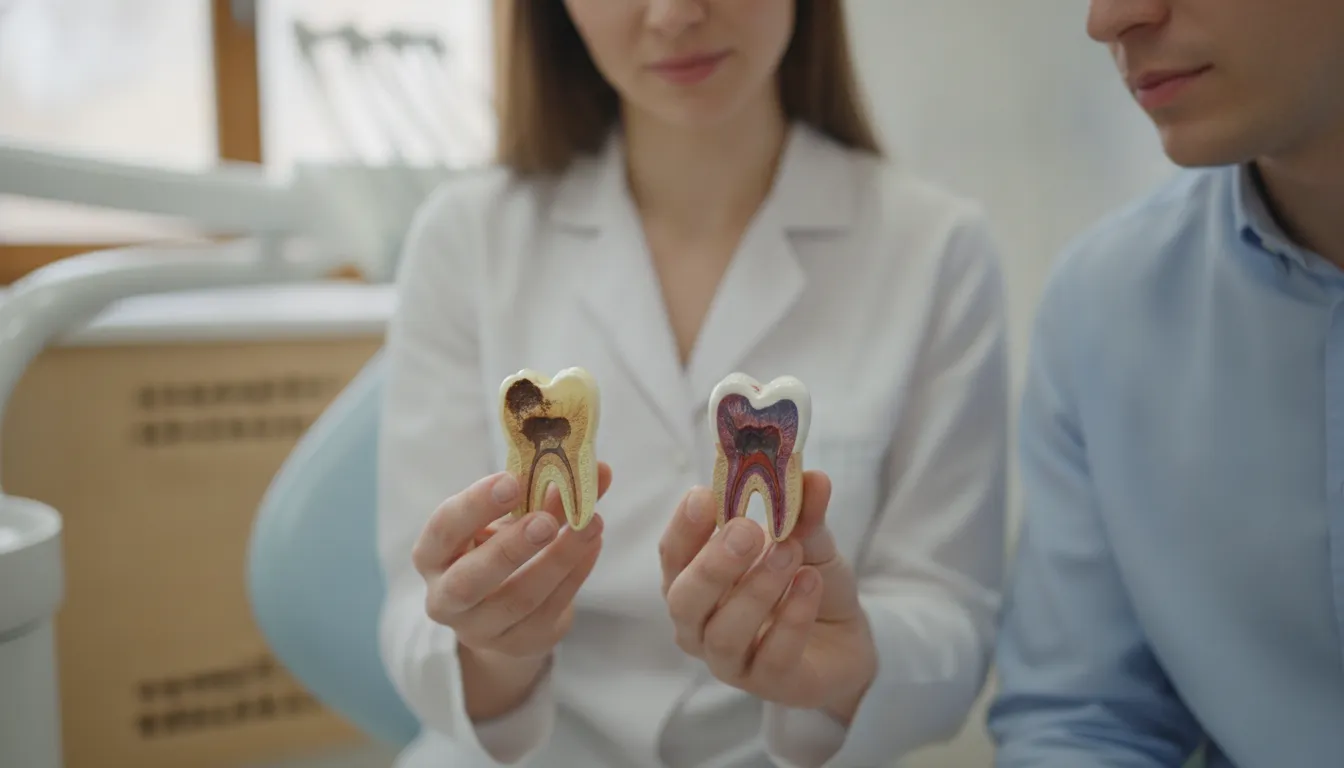
In the sections ahead, we will compare the warning signs of decay and infection. Explain how a cavity can progress, and outline when Lowell patients should seek urgent help. We will also cover safe steps while waiting for dental care. The goal is clear guidance, not a remote diagnosis, so you can make a confident decision about contacting a dentist.
How to Compare Tooth Abscess vs Cavity Symptoms
When comparing a tooth abscess vs cavity, the key difference is the type of problem involved. A cavity is tooth decay that damages the hard outer structure of a tooth. A tooth abscess is a bacterial infection that creates a pocket of pus, often near the root or in the gum beside a tooth. A cavity may need timely treatment, while an abscess can require more urgent attention because infection may spread.
Tooth decay develops as bacteria use sugars and starches to form acids that weaken enamel. Early decay may have no noticeable symptoms. As it advances, it can cause sensitivity, a toothache, staining, or a visible hole. The American Dental Association’s cavity guide describes these common signs and explains why an examination matters.
| Concern. | Cavity. | Tooth abscess. |
|---|---|---|
| Definition. | Decay and tooth damage. | Infection with pus. |
| Typical clues. | Brief sensitivity or food trapping. | Throbbing pain, swelling, or fever. |
| Possible pathway. | Acid weakens enamel. | Deep decay or a crack lets bacteria reach the inner tooth. |
| Next step. | Arrange dental care. | Contact a dentist promptly. |
Reading the table: These are general patterns, not a diagnosis. A cavity can hurt, and an abscess may lack obvious swelling. Pain can also come from a crack or gum problem.
The table shows general patterns, not a rule that applies to every patient. A cavity can become painful when decay reaches deeper layers, and an abscess can produce sensitivity before other warning signs appear. A cracked tooth, gum problem, or worn filling can also create similar discomfort. A professional examination is the safest way to separate these possibilities.
The symptoms can overlap. Both conditions may cause tooth pain or sensitivity, and pain intensity is not a reliable way to identify the cause. Some cavities cause little or no discomfort, while an abscess can occasionally drain and seem less painful without resolving the infection. That is why symptoms alone cannot provide a diagnosis. A dentist may use your history, an examination, and diagnostic images when appropriate.
Mayo Clinic notes that a tooth abscess may cause severe constant pain, facial or neck swelling, fever, or difficulty swallowing or breathing. Those warning signs need prompt attention. If you are in Lowell and notice possible infection, you can learn more about abscessed tooth symptoms and treatment, then contact a dental professional for individualized guidance. A timely evaluation can clarify whether the concern is decay, infection, or another dental problem.
How Can You Tell If Tooth Pain Is From a Cavity?
A cavity can begin quietly, so the absence of pain does not necessarily mean a tooth is healthy. As decay advances, common clues include sensitivity to cold, heat, or sweet foods, a mild toothache. Food that repeatedly catches in one spot, or a rough edge you can feel with your tongue. White, brown, or black staining may also appear. A visible hole is a more advanced sign, but you should not wait for one before arranging an examination.
Some decay is difficult to see at home. It may develop between teeth, near the gumline, beneath an existing restoration, or in a back tooth that is hard to view. Early decay often has no symptoms, while a deeper cavity may irritate the inner part of the tooth and cause lingering discomfort. A dentist may assess the tooth during an examination and use diagnostic images when appropriate. That combination is more reliable than trying to identify the cause from pain alone.
Tooth pain can also overlap with other problems. Sensitivity may relate to worn enamel, gum recession, a crack, an irritated filling, or an infection. Even when discomfort feels mild, its timing and triggers do not confirm whether the problem is a cavity or an abscess. Pain that becomes constant, throbbing, or increasingly severe deserves prompt dental attention, especially when swelling, fever, or a bad taste is present. For more background, review these causes of tooth sensitivity, but do not use an online symptom list as a diagnosis.
If an examination shows decay that has not extensively weakened the tooth. Lowell Family Dental Practice may use a tooth-colored filling to remove the damaged area and restore the tooth’s shape. A larger area of damage may require a different restoration. A crown can cover and protect a tooth that has lost substantial structure, including a tooth restored after root canal therapy. Learn more about crown versus filling treatment to understand why the recommended option depends on the tooth’s condition, not simply on how much it hurts.
If you are unsure whether new tooth pain is from a cavity, schedule an evaluation with a Lowell dental practice. Sharing when the pain started, what triggers it, and whether it lingers can help the dental team understand your concern and explain the next steps clearly.
What Symptoms Suggest a Tooth Abscess?
A tooth abscess is an infection that creates a pocket of pus in or around a tooth. It can develop when decay, a crack, an injury, or previous dental work allows bacteria to reach deeper tooth tissue. Symptoms can be concerning, but they are not a diagnosis. Tooth pain can have several causes, and only a dental evaluation can determine what is happening.
One warning sign is persistent or throbbing pain. An abscess-related toothache may feel severe, constant, or difficult to ignore. Pain can spread toward the jaw, ear, or neck. You may also notice pain when chewing or biting, especially if pressure on one tooth makes the discomfort worse. Sensitivity to hot or cold can occur as well, although sensitivity by itself does not confirm an abscess.
- Swelling: The gum, cheek, or face may look puffy or feel tender. Swelling that is growing or extending toward the neck deserves prompt attention.
- A gum bump: A small raised spot, pimple-like bump, or sore area on the gum near a tooth can be a sign that an infection is draining through the gum.
- Drainage or a bad taste: Fluid from the gum, a sudden unpleasant taste, or persistent mouth odor can occur when infected material reaches the mouth. A bad taste does not mean the problem has resolved.
- Fever or swollen glands: Fever, chills, or tender lymph nodes under the jaw or in the neck may indicate that the body is responding to infection.
Mayo Clinic’s tooth abscess guidance identifies severe or constant throbbing pain, temperature discomfort, fever, facial or neck swelling, and tender swollen lymph nodes among possible symptoms. Difficulty breathing or swallowing, major facial or neck swelling, or fever with facial swelling requires emergency medical attention if a dentist cannot be reached.
Do not wait for every symptom to appear before seeking advice. An abscess may cause several signs, only one noticeable sign, or symptoms that change over time. If you have ongoing tooth pain, swelling, a gum bump, drainage, a bad taste, fever, or pain with chewing, contact a Lowell dentist for an evaluation. For a deeper overview of abscessed tooth symptoms and treatment, review our related guide. A dental examination can help distinguish a cavity from a deeper infection and clarify the next step without relying on self-diagnosis.
Can a Cavity Turn Into an Abscess?
Yes, an untreated cavity can progress, although not every cavity becomes an abscess. Tooth decay starts when acids produced by mouth bacteria weaken enamel. As the damaged area grows deeper, bacteria can move through the harder outer layers and toward the pulp. The living center of the tooth that contains nerves and blood vessels.
When bacteria reach the pulp, the tissue can become inflamed or infected. An abscess is a pocket of pus caused by a bacterial infection. This is why the difference between a cavity and an abscess matters: a cavity describes damage to the tooth structure. While an abscess describes an infection that can affect the tooth and nearby tissues. Pain, swelling, fever, or a bad taste can be concerning, but symptoms can overlap with other dental problems. Only an in-person evaluation can clarify what is happening.
Early evaluation matters because decay may be easier to manage before it reaches the pulp. A dentist may review your symptoms, examine the tooth, and use diagnostic images when appropriate. A smaller area of decay may be treated by removing the damaged tissue and placing a tooth-colored filling. Lowell Family Dental Practice provides fillings as part of its restorative care.
If decay has reached the pulp or the tooth has become infected, a filling may no longer address the problem. Root canal therapy removes infected or inflamed tissue from inside the tooth and cleans the space before it is sealed. Lowell patients can learn more about this option through root canal therapy in Lowell. The need for this treatment depends on the examination and the condition of the tooth, so it should not be assumed from pain alone.
After extensive decay or root canal therapy, a crown may be considered to restore and protect the remaining tooth structure. A crown is not automatically needed for every cavity. The appropriate restoration depends on how much healthy tooth remains, whether the pulp is involved, and other findings from the dental evaluation. If you are concerned that a cavity is worsening, contact a Lowell dental office promptly rather than waiting for symptoms to become severe.
When Should You Contact an Emergency Dentist?
Not every toothache requires emergency medical care, but persistent or worsening symptoms deserve prompt attention. A cavity and an abscess can feel similar at first, and symptoms alone cannot confirm the cause. Use this decision guide to choose a safe next step while arranging an evaluation in Lowell or the surrounding Greater Lowell area.
- Contact a dental office promptly for ongoing or escalating pain. Call when tooth pain persists, keeps returning, or becomes more intense instead of settling. Also contact a dentist for pain with chewing, new sensitivity that lingers, or discomfort that interferes with eating, sleeping, or normal activities. These symptoms may reflect decay, a cracked tooth, irritation near the nerve, or infection. A dental team can review your history, examine your mouth, and use diagnostic images when appropriate.
- Do not postpone care when swelling or drainage appears. Swelling around a tooth or gum, a pimple-like bump, a draining sore, or a bad taste can signal infection. Fever is another reason to contact a dentist promptly, especially when it occurs with tooth pain or swelling. An abscess does not reliably heal on its own, so waiting for drainage or a temporary drop in pain can allow the underlying problem to continue. Read more about urgent dental pain in Lowell while deciding how to reach care.
- Seek emergency medical care for breathing or swallowing problems. Difficulty breathing or swallowing can mean swelling is affecting areas beyond the tooth. If this occurs, seek emergency medical care immediately rather than waiting for a routine dental appointment. If you have fever with major facial or neck swelling and cannot reach a dentist, an emergency room may be appropriate.
- Treat rapid or extensive swelling as an emergency. Go for emergency medical assessment for major facial or neck swelling, severe trouble opening your mouth, or swelling near the eye. These warning signs can indicate that an infection is spreading into deeper tissues. Do not drive yourself if you are having difficulty breathing, swallowing, or staying alert.
If your symptoms are uncomfortable but do not include these medical warning signs, contact Lowell Family Dental Practice and explain what you are experiencing. The team can help determine the appropriate level of urgency and discuss an examination. Avoid trying to diagnose a tooth abscess versus a cavity from symptoms alone, and do not assume that reduced pain means the problem has resolved.
What Can You Do While Waiting for Dental Care?
When tooth pain is uncomfortable, a few careful steps can help you get through the wait for a dental evaluation. These measures are temporary and cannot determine whether the problem is a cavity, an abscess, a cracked tooth, or another concern. Contact a dental office promptly, especially if symptoms are worsening or interfering with sleep, eating, or daily activities.
Choose gentle interim steps
- Keep the area clean. Brush gently with a soft toothbrush and clean between the teeth if you can do so without forcing floss into a painful or swollen spot. If food is trapped, remove it carefully rather than using a sharp object.
- Choose softer foods and chew on the opposite side for now. Avoid foods and drinks that clearly trigger pain, including very hot, cold, acidic, or sugary choices. If sensitivity is your main concern, review these causes of tooth sensitivity for helpful context.
- Write down when the pain began, what brings it on, whether it lingers, and whether you have noticed swelling, drainage, fever, or pain with chewing. Sharing this information can help the dental team understand the concern and decide how quickly you should be seen.
Know what not to do
Do not place aspirin or another medication directly on the tooth or gum, and do not use leftover antibiotics or someone else’s prescription. Do not poke, squeeze, or pop a bump on the gum. A temporary decrease in pain, including after drainage, does not prove that an infection has cleared. Avoid delaying care because symptoms briefly improve. Breathing or swallowing difficulty, major facial or neck swelling, or fever with swelling requires emergency medical attention if a dentist cannot be reached.
Use the visit for prevention and evaluation
Continue your regular oral hygiene routine as comfort allows, and limit frequent sugary or acidic snacks and drinks between meals. Longer-term prevention may include professional cleanings, fluoride, sealants, oral hygiene instruction, and dietary guidance. During an evaluation, the dentist may review your symptoms, examine your teeth and gums, and use diagnostic images when appropriate. That process helps distinguish decay from infection and identify the right next step without relying on symptoms alone. Lowell Family Dental Practice can explain the findings and discuss options in a clear, patient-focused way.
Need help deciding what to do next? Contact Lowell Family Dental Practice to schedule a visit and meet Dr. Gammas and his team.
Frequently Asked Questions About Tooth Abscess vs Cavity
Can a cavity hurt without an abscess?
Yes. A cavity can cause sensitivity or pain without an abscess, especially as decay moves deeper into the tooth. You may notice discomfort from hot, cold, sweet, or acidic foods, pain when food becomes trapped, or a rough or discolored area. Pain can become more persistent when decay approaches the nerve. These symptoms do not confirm the cause by themselves, because cracked teeth, worn fillings, gum problems, and other concerns can feel similar. A dental examination can help determine whether the tooth needs a filling, a larger restoration, or different care.
Does an abscess always cause swelling?
No. An abscess may cause swelling in the gum, face, cheek, or neck, but visible swelling is not present in every case. Other possible signs include severe or throbbing pain, pain when chewing, sensitivity, a bad or bitter taste, fever, a draining gum sore, or tender lymph nodes. Some infections may cause pain that comes and goes, so a temporary decrease in pain does not necessarily mean the problem is gone. If symptoms are worsening or you suspect an infection, seek prompt dental evaluation rather than waiting for swelling to appear.
Can a cavity become an abscess?
It can. If decay continues through the protective enamel and dentin, bacteria may reach the pulp, the living tissue inside the tooth. Infection can then spread toward the root and form an abscess. A crack, injury, or previous dental work can also allow bacteria to enter. Early evaluation may help limit progression, but only a dentist can assess the tooth and explain the appropriate options. Do not rely on symptoms alone to decide that a cavity is harmless.
When should I go to the emergency room for tooth pain?
Seek emergency medical care if tooth symptoms include difficulty breathing or swallowing. Major swelling of the face or neck, or fever with facial swelling, especially when a dentist cannot be reached. These signs may indicate that an infection is spreading beyond the tooth. Severe, rapidly worsening pain also deserves urgent attention. For less severe but persistent pain, contact a dentist promptly for guidance and an examination.
Does a tooth abscess resolve on its own?
No. A tooth abscess does not reliably heal on its own and requires evaluation by a dental health professional. Pain can change or briefly ease if pressure drains, but the underlying infection may remain and spread. Avoid delaying care because the tooth feels better. A dentist can examine the area, use diagnostic images when appropriate, and discuss the next step without assuming a diagnosis from one symptom.
Talk With Lowell Family Dental Practice
Tooth pain can be difficult to interpret, especially when cavity symptoms and infection warning signs overlap. If you are unsure what your symptoms mean, a dental evaluation can help clarify the next step without relying on guesswork. Lowell Family Dental Practice welcomes patients from Lowell and the surrounding Greater Lowell communities with clear explanations, thoughtful guidance, and family-focused care.
Ready to take the next step? Schedule a visit with Lowell Family Dental Practice and meet Dr. Gammas and his team. Use the contact page to arrange an appointment and discuss your concerns.
Written by
Dr. Iham Gammas, DMDBoard-Certified Implant Dentist & Founder, Lowell Family Dental Practice. Fellow & Master of ICOI and IADI. Associate Fellow of AAID.