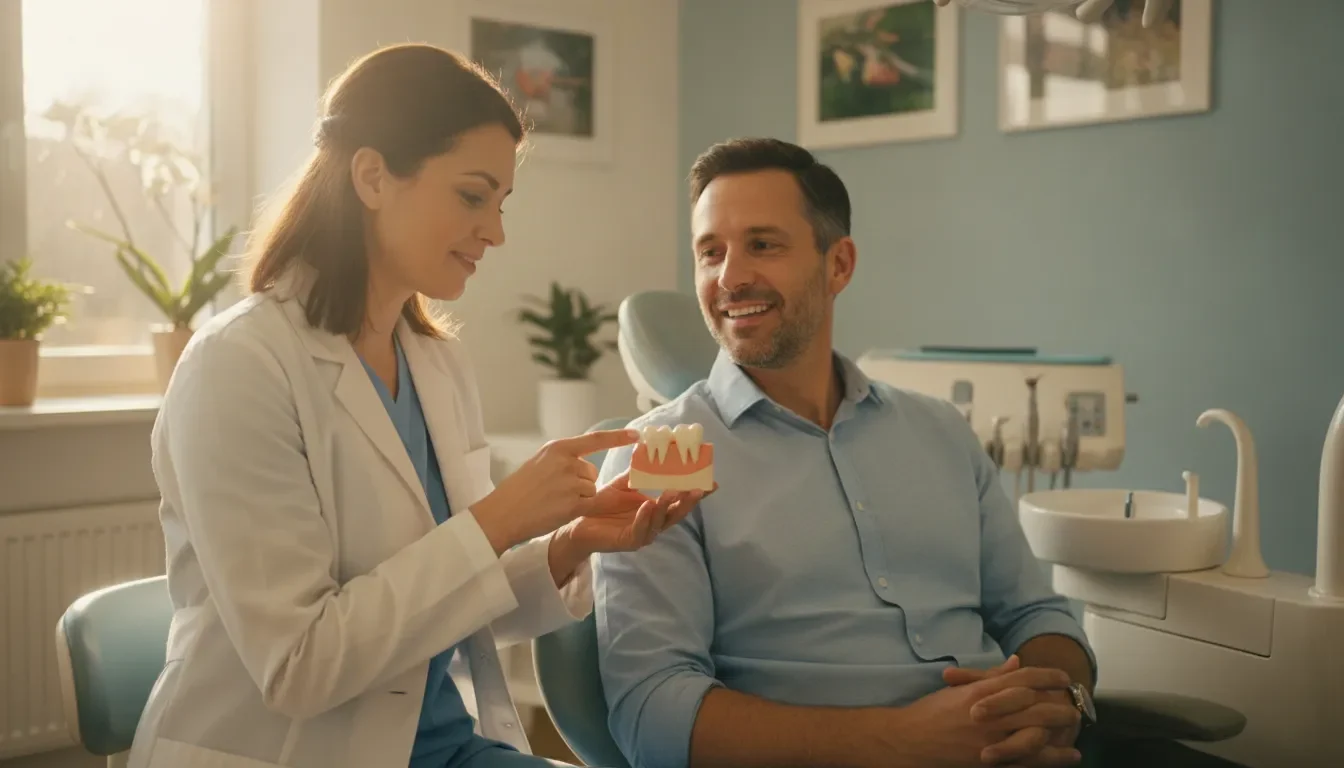
A dental cleaning is easier to navigate when you know what information to bring, how to care for your teeth beforehand, and which concerns are worth mentioning. A few calm preparations can help your Lowell appointment feel more organized, especially if it has been a while since your last visit or dental care makes you uneasy.
Request an appointment for a dental cleaning and speak with the Lowell Family Dental team about your questions.
To understand how to prepare for a dental cleaning, confirm your appointment details and gather an up-to-date medication and health history. Brush and clean between your teeth gently. Write down questions or areas of sensitivity. Avoid scraping your teeth at home. Routine cleaning removes plaque from tooth surfaces, while hardened tartar requires professional scaling, as explained by the National Library of Medicine.
Preparation does not need to be complicated or perfect. The best starting point is an honest snapshot of your current health, habits, and comfort level, so the dental team can tailor the visit and explain what comes next.
How to Prepare for a Dental Cleaning Before You Arrive
Knowing how to prepare for a dental cleaning can make a routine visit feel more organized. A little planning also gives you time to share concerns with the dental team instead of trying to remember them once you are in the chair. Use this checklist as general guidance, and contact the practice if your health history creates special questions.

- Confirm the appointment details. Check the date, time, location, and any instructions you received. Plan enough travel time so you do not have to rush. If you need to change the appointment or clarify what to bring, request an appointment or contact the practice before your visit.
- Make a short note of concerns. Write down bleeding, sensitivity, discomfort, a rough area, a change you have noticed, or a question about your home-care routine. Mention these details when you arrive. Questions are welcome, and clear communication helps the team understand what matters most to you.
- Brush gently before you leave. Brush thoroughly but avoid aggressive scrubbing. Plaque is a sticky bacterial film that professional cleaning aims to remove from tooth surfaces. When plaque remains, its bacteria and waste products can contribute to tooth decay or gum inflammation, according to the National Center for Biotechnology Information.
- Clean between your teeth carefully. Use floss or another interdental cleaner in the way you normally do, without forcing it into tender tissue. Regular brushing and cleaning between teeth can remove plaque. They cannot remove hardened tartar, also called calculus.
- Do not scrape tartar yourself. Tartar requires removal by a dental professional through scaling. Trying to chip it away with a sharp or improvised tool can injure your gums or damage your teeth. Instead, ask about dental cleaning services in Lowell and let the team evaluate your oral health safely.
These steps are enough for most routine visits. You do not need to create a perfect record of your brushing before arriving. Honest questions and accurate information help your Lowell dental team provide guidance that fits your needs.
What Should You Bring or Update Before Your Visit?
A little preparation can help your dental team understand your needs before care begins. Bring an accurate list of your current medicines, including prescriptions, over-the-counter products, and supplements. It is also helpful to note medication allergies, other allergies, and any recent change in your health, such as a new diagnosis, illness, surgery, or pregnancy.
Your medical and dental history is more than routine paperwork. The American Dental Association explains that a complete, accurate history is essential before diagnosis or treatment because it can reveal conditions or medicines that may affect treatment decisions. Some medicines can interact with anesthetics or influence care after a procedure, so do not leave out a medication simply because your appointment is expected to be a routine cleaning. Read the ADA guidance on medical and dental health histories.
Review your dental history, too
Think about recent dental visits, ongoing concerns, sensitivity, bleeding, mouth sores, changes in your bite, or dental work that may need follow-up. If you are unsure whether a detail matters, mention it anyway and let the dentist or hygienist decide how it relates to your visit. Patients should be able to ask for clarification when a health-history question is unclear and discuss relevant details before an examination or treatment.
If you are an established patient, review and update your health history at each visit. ADA guidance also says patients should complete a new health-history form every two years. Your dentist may need information that changed since your last appointment, even if you have been coming to the practice for years.
Bring your questions
Write down questions before you leave home so you do not have to remember them while you are in the chair. You might ask about sensitivity, gum concerns, home-care techniques, or what the team sees during your evaluation. If you are new to Lowell Family Dental, you can meet our dental team beforehand. For recurring discomfort, you can also learn about tooth sensitivity and bring specific questions to your visit.
Keep your appointment details accessible, and bring identification or insurance information only if the practice has asked for it. Requirements can vary, so contact the office if you are uncertain rather than guessing. Sharing complete information and asking questions helps make the visit more focused and collaborative.
What Should You Eat, Brush, and Floss on Cleaning Day?
For most people, cleaning day does not require a special fasting rule or a prescribed meal. Unless your dental team has given you different instructions for a medical reason or another procedure, choose food and drink that fit your usual routine and leave yourself comfortable for the appointment. Water is a simple choice if your mouth feels dry, and you can bring questions about food, medications, or symptoms to the team.
A gentle brushing and interdental cleaning before you leave can remove fresh plaque and food debris. Regular brushing and cleaning between teeth help remove plaque, while hardened tartar requires professional scaling. Learn more about plaque and tartar from the National Center for Biotechnology Information.
| Cleaning-day choice | Helpful approach | What to avoid |
|---|---|---|
| Eating and drinking | Follow your normal routine, choose a comfortable meal, and drink water as needed. | Do not assume you must fast unless your dental team specifically tells you to. |
| Brushing | Brush gently and thoroughly with your usual toothbrush and toothpaste. | Do not scrub harder or longer to make up for missed home care. |
| Flossing or interdental cleaning | Clean between teeth carefully, using the method that works for you. | Do not force floss or an interdental cleaner into a tender area. |
| Symptoms or concerns | Tell the team about bleeding, soreness, sensitivity, or a change you have noticed. | Do not scrape tartar, pick at your gums, or try to treat a dental problem aggressively at home. |
The goal is to arrive ready to communicate, not to create a perfect performance immediately before the visit. Overbrushing can leave already-sensitive gums feeling irritated, and home tools cannot safely replace professional care for tartar. If sensitivity is part of your concern, you can learn about tooth sensitivity before your visit and mention it when you arrive.
Preparation can vary with your health history, medications, gum condition, or the type of appointment planned. If you are unsure what to eat, whether to take a medication, or how to manage a symptom, review our dental cleaning services in Lowell and contact the practice for guidance rather than guessing.
How Can You Make a Dental Cleaning More Comfortable?
Comfort begins with communication. Before the cleaning starts, tell the hygienist or dentist if you have sensitive teeth, tender gums, a strong gag reflex, dental anxiety, or pain in a particular area. You do not need to minimize the concern or apologize for it. Sharing what you are feeling gives the team useful information and creates an opportunity to explain the next step before it happens.
A cleaning may feel different from one person to another. Sensitivity can be more noticeable around certain teeth, while anxiety or a gag reflex may make it harder to relax. The team can listen to your concerns and discuss reasonable ways to make the visit more manageable. But no dental office can guarantee that every cleaning will be completely painless. If you are already experiencing significant or persistent pain, mention it before treatment so the dentist can consider what may be causing it.
Agree on a signal and ask questions
If you are worried about discomfort, ask what you may feel and which parts of the appointment could be more sensitive. You can also agree on a simple hand signal to request a pause. Knowing that you can communicate during the cleaning may help you feel more in control. The American Dental Association emphasizes a patient-first experience and notes that a welcoming visit can help patients feel at ease. Clear questions and honest answers are part of that partnership.
It may help to share whether you have had an uncomfortable dental experience before, whether certain sounds or sensations trigger anxiety, or whether keeping your mouth open causes strain. Your preferences may also change from visit to visit, so mention any new concern rather than assuming it is already in your record. For more practical background, you can learn about tooth sensitivity and review what to expect at a dental visit.
Use preparation to reduce uncertainty
Bring a short list of questions, arrive with enough time to settle in, and tell the team what would help you feel informed. Lowell Family Dental describes its approach as reassuring and compassionate, with an emphasis on discussing concerns and options. If you are preparing for a first visit or returning after a long gap, you can also meet the dental team in advance. A conversation does not promise a certain experience, but it can help the visit reflect your needs more closely.
What Happens During a Routine Dental Cleaning?
A routine cleaning usually begins with a brief conversation. The dental professional may ask about changes since your last visit, sensitivity, bleeding, or anything you would like checked. This is a useful time to mention concerns rather than trying to remember them after the appointment has ended. If you are visiting Lowell Family Dental, the team can explain what they are observing and answer questions as the visit progresses.
The next part may include an evaluation of your teeth and gums. Lowell Family Dental states that periodontal examinations are performed with each visit. Depending on your needs, an assessment can include looking at gum health, evaluating plaque, or measuring the spaces around the teeth. That does not mean every cleaning follows an identical sequence. Your health history, current concerns, and clinical findings can shape what is appropriate.
Professional cleaning focuses on removing buildup that regular home care cannot fully address. Brushing and cleaning between your teeth help remove plaque, but plaque that remains can harden into tartar. Tartar requires removal by a dental professional, a process commonly called scaling. The goal is to remove plaque from tooth surfaces and support healthier teeth and gums. The National Center for Biotechnology Information explains the difference between plaque, tartar, and professional scaling.
Cleaning between the teeth may be part of the process, followed by polishing or a rinse when appropriate. These steps can help clear remaining debris and leave the mouth feeling cleaner, but they are not necessarily identical for every patient. The team may also review home-care techniques. Lowell Family Dental describes oral-hygiene instruction as something reviewed at initial visits and reinforced at recall visits.
You can ask what the team noticed, what to work on at home, and whether anything needs follow-up. If you want a broader overview of what to expect at a dental visit, read what to expect at a dental visit. To learn more about dental cleaning services in Lowell, review the practice service page and contact the team with questions about your individual appointment.
What If You Have Not Had a Cleaning in a While?
If it has been longer than you intended since your last cleaning, you are not alone, and there is no reason to feel embarrassed. A warm welcome can help patients feel at ease, and a first visit or return after a long gap can shape the future relationship with a dental practice. Our team will meet you where you are and focus on understanding your current needs.
When you return, the visit may involve more conversation about changes since your last appointment. Tell the team about new sensitivity, bleeding, discomfort, dental work, health conditions, medications, or concerns about your smile. These details help the team understand your situation and explain what they see. Lowell Family Dental describes its approach as explaining conditions and treatment options while listening to individual patient concerns.
A periodontal exam is performed with each visit, but the assessment is not identical for every patient. Depending on your needs, the team may consider gum health, plaque, and other aspects of periodontal health. You can ask questions at any point, especially if you are unsure what a recommendation means or what the next step involves.
This guidance is about preparing for a routine dental visit, not comparing a regular cleaning with deep periodontal treatment. The appropriate care depends on what the team finds and discusses with you. If you are ready to reestablish preventive care in Lowell, you can learn more about our dental cleaning services in Lowell and share your concerns when you schedule.
What Should You Do After a Dental Cleaning?
Once your cleaning is complete, return to the habits that help manage plaque between visits. Brush thoroughly and clean between your teeth as part of your normal home-care routine. Plaque that remains can harden into tartar, which requires professional removal, so consistent daily care matters.
Use the visit as an opportunity to clarify your next steps. If our team reviews brushing or interdental-cleaning techniques, make a note of the suggestions that fit your needs. Lowell Family Dental reviews oral-hygiene instruction at an initial visit and reinforces it at recall visits. Your recommendations may depend on your gum health, existing restorations, sensitivity, and other findings, so avoid assuming that another person’s routine is right for you.
It can also help to write down questions while they are fresh. Ask what changes to watch for, which areas need more attention, and whether you should schedule a follow-up for a concern discussed during the visit. If you are managing gum concerns, learn more about protecting your gum health. Patients receiving ongoing periodontal care may also need individualized periodontal maintenance visits.
Contact the practice if sensitivity, soreness, bleeding, or another concern continues or worries you. Sharing what you are experiencing gives the dental team a chance to answer questions and recommend an appropriate next step. You can also review tooth sensitivity causes and treatment for general background, but personal guidance should come from your dentist.
Have questions after your cleaning or need help planning your next visit? Contact our practice to discuss your concerns with the Lowell Family Dental team.
Frequently Asked Questions
What should I do before going for a dental cleaning?
Confirm your appointment details, plan enough time to arrive calmly, and bring any questions or concerns. Brush gently and clean between your teeth as you normally would. There is no need to scrub aggressively or try to remove tartar yourself.
What should I not do before a dental cleaning?
Do not overbrush, use excessive force, or scrape at your teeth or gums with sharp objects. Aggressive cleaning can irritate already sensitive tissue. Gentle brushing and interdental cleaning are appropriate, unless your dentist has given you different instructions.
How can I make my dental cleaning more comfortable?
Tell the dental team before the cleaning if you have sensitivity, gum tenderness, a strong gag reflex, dental anxiety, or a painful area. Sharing that information helps the team discuss reasonable comfort adjustments and explain what to expect. You can also ask questions at any point.
How long does a professional dental cleaning take?
Visit length varies with your oral health, the services planned, and whether the appointment includes an examination or other care. When you schedule, ask the practice what to expect and mention any timing needs. The team can give guidance based on your appointment.
Is a deep cleaning different from a routine cleaning?
Yes. A routine cleaning is preventive care, while a deep cleaning may be recommended when an evaluation shows different periodontal needs. Your dentist or hygienist can explain which type of care is appropriate and why. Preparation should follow the instructions given for your individual situation.
Ready for Your Dental Cleaning?
Preparing for a cleaning can feel simpler when you know what to expect and have a chance to share your questions. If you are in Lowell or the surrounding area, our team can help you take the next step toward routine preventive care. Request an appointment for a dental cleaning and speak with the Lowell Family Dental team.
Written by
Dr. Iham Gammas, DMDBoard-Certified Implant Dentist & Founder, Lowell Family Dental Practice. Fellow & Master of ICOI and IADI. Associate Fellow of AAID.