After a routine dental cleaning, most people can eat when they feel ready. The main exception is a fluoride treatment or another procedure, which may come with specific directions. If your teeth or gums feel tender, a soft meal may be more comfortable. Here is how to decide what to eat and when to ask your dental team.

Can you eat immediately after a dental cleaning?
For a standard cleaning without fluoride or another treatment that requires a pause, there is usually no need to wait for a meal. A cleaning removes plaque and tartar from tooth surfaces and around the gumline; it does not normally call for fasting or a special recovery diet. Eat when you feel comfortable and follow any instructions your clinician gave you.
The key detail is what happened during your appointment. Some visits include fluoride varnish, gel, or foam. Others may include an examination or additional care that has its own aftercare directions. Products and procedures differ, so a single waiting time cannot safely cover every visit. Before leaving, ask whether fluoride was applied and when you can eat, drink, brush, and floss.
That question is especially useful if you have plans immediately after your visit, need to coordinate a child’s meal, or have a long trip home. If you did not get a chance to ask, use written instructions if you have them. Otherwise, contact the office rather than guessing based on advice intended for a different product.
To see the types of care offered, review the practice’s dental services. For an overview of preparing for a visit, see new patient information.
How does fluoride treatment affect eating and drinking?
Fluoride is used to help protect enamel. Depending on the product and how it is applied, the dental team may give you instructions about how long to wait before eating or drinking and what to do with brushing or flossing. The right directions are the ones for the treatment you received, not a general rule found online.
Try to get clear, specific instructions before you leave. You can ask:
- Was fluoride applied today, and which type was used?
- How long should I wait before eating or drinking?
- Are there foods or drinks I should avoid during that period?
- When should I brush and floss again?
- Do these directions change for my child or because of another treatment?
If instructions are printed or sent through a patient portal, keep them where you can refer to them later. If you are uncertain whether a direction applies to food, water, or oral hygiene, call and clarify. Do not scrape or brush away a coating just because it feels unusual; first confirm what the clinician advised for that product.
Children may need help following post-visit directions, especially if they are hungry or thirsty on the ride home. Ask the dental team to explain the instructions in plain language and repeat the timing. A caregiver can make a simple plan before leaving, such as waiting until the stated time and then offering a meal that the child usually tolerates well.
What foods may feel comfortable after a cleaning?
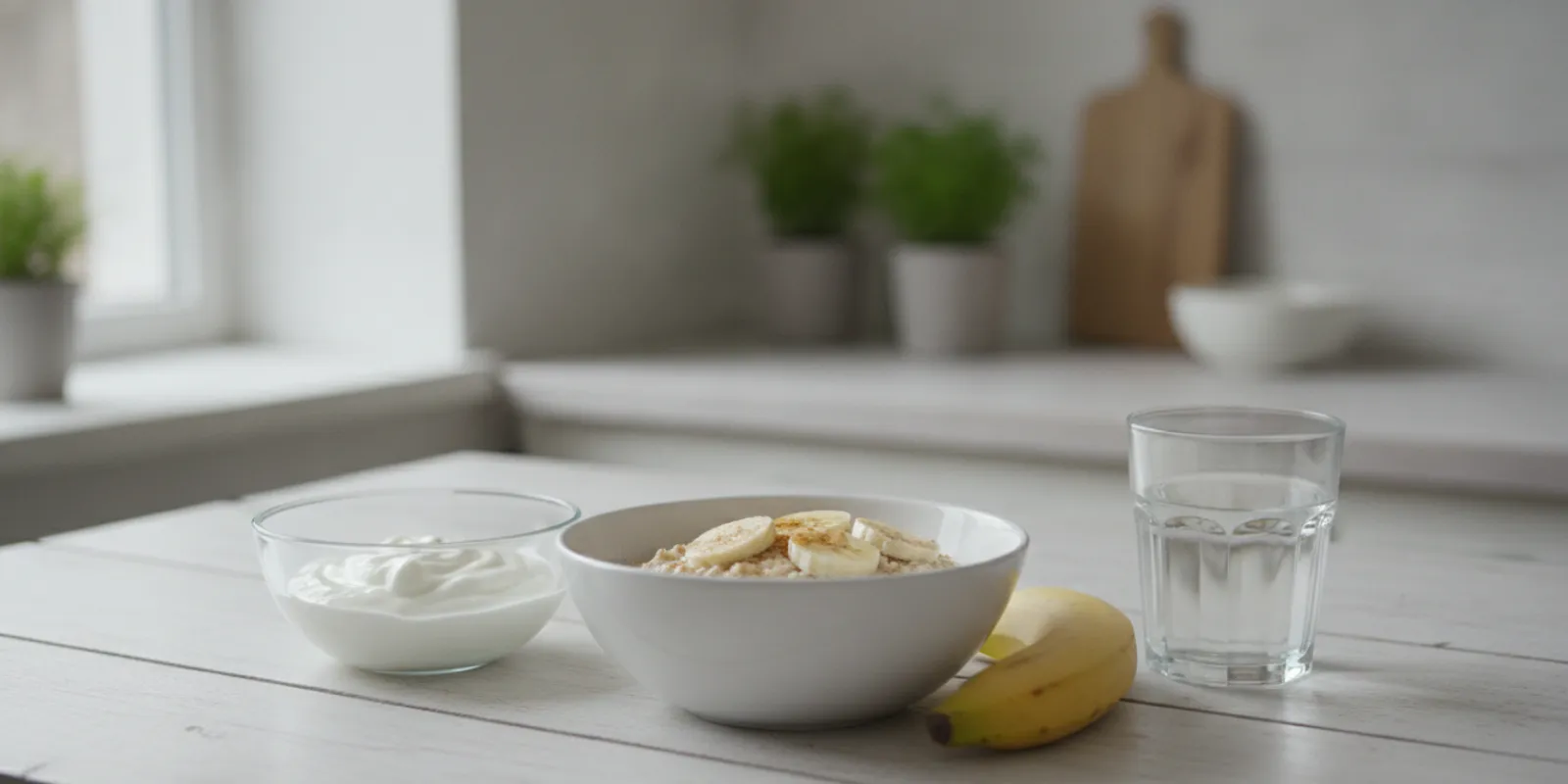
Most people do not need a special menu after an uncomplicated cleaning. If your teeth or gums are sensitive, choose foods that are soft, mild, and served at a temperature that feels comfortable. The goal is not to treat the mouth with a particular food. It is simply to avoid irritating an area that feels tender while you eat.
| Food or drink | Why it may be comfortable | How to adjust it |
|---|---|---|
| Yogurt or cottage cheese | Soft texture requires little chewing. | Choose a cool or room-temperature option if very cold foods bother you. |
| Oatmeal or soft scrambled eggs | These are easy to chew and can make a filling meal. | Let hot food cool before eating if heat triggers sensitivity. |
| Banana or applesauce | Both have a soft texture and need little biting force. | Drink water afterward if residue feels sticky, unless your fluoride instructions say to wait. |
| Soup with soft ingredients | Cooked ingredients can be easier to chew than crisp foods. | Let it cool to a comfortable temperature; do not sip it piping hot. |
| Water | A simple drink when your mouth feels dry. | Check first if fluoride directions tell you to wait before drinking. |
Use the table as a set of ideas, not a prescribed diet. Consider your normal dietary needs, allergies, and any instructions from your clinician. If a food stings, feels too cold, or takes too much chewing, pause and choose something gentler. You can return to your usual choices as comfort allows.
For example, if you leave a morning appointment with mild gum tenderness, you might pick room-temperature yogurt and a banana rather than a crunchy granola bar. If you have no sensitivity and no fluoride-related restriction, you may simply eat your usual lunch. The decision depends on your comfort and the directions for that visit.
Are there foods to avoid after a dental cleaning?
After an ordinary cleaning, there is not usually a universal list of forbidden foods. Still, you may want to avoid something temporarily if it aggravates your mouth. Let your symptoms guide comfort choices, and follow any treatment-specific instructions over general suggestions.
- Very hot or icy foods: Skip them if temperature brings on sensitivity. Choose a moderate temperature instead.
- Hard or crunchy foods: If your gums are sore, a hard crust, nuts, or raw crunchy vegetables may be uncomfortable to bite and chew. Choose a softer alternative for that meal.
- Sticky foods: If sticky sweets cling to your teeth or bother a tender area, choose something easier to clear from the mouth when you are allowed to eat.
- Highly acidic foods or drinks: If they sting or trigger sensitivity, leave them for another time and choose a milder option.
- Anything restricted by your clinician: A fluoride product or another treatment may come with directions that take priority over this general list.
These are comfort suggestions, not a required post-cleaning diet. A routine cleaning does not automatically mean you must avoid coffee, spicy food, or every crunchy item. If a drink is too hot or cold, adjust its temperature. If a food feels fine and your instructions allow it, there may be no reason to exclude it.
If the appointment included care beyond a standard cleaning, do not use this section as a substitute for aftercare instructions. A separate procedure may change what you can eat or when. Ask the dental team to distinguish the cleaning advice from the directions for any additional treatment.
Why might teeth or gums feel different afterward?
Some people notice temporary tenderness or sensitivity after a cleaning. Teeth may feel more exposed to cold or pressure, and the gumline can feel a little sore, especially if the gums were already irritated or there was buildup to remove. A different sensation does not by itself tell you whether something is wrong.
When eating, take smaller bites and chew gently if needed. Use a soft toothbrush and brush carefully around tender gums unless your clinician gave you different instructions. Avoid repeatedly testing a sensitive tooth with ice or very hot drinks; notice what triggers discomfort, then choose a comfortable alternative while it settles.
Pay attention to how symptoms change rather than expecting every person to feel the same way. Mild sensitivity that improves is different from discomfort that becomes more intense or interferes with eating. Contact the dental team if pain is severe, worsening, lasts longer than you expected, or comes with swelling or bleeding that concerns you. Explain when the cleaning occurred, what you feel, and whether a particular temperature or bite sets it off.
For general office details, visit the practice office page. If you have questions about scheduling or visit logistics, use the contact page.
How should you plan a meal around your appointment?
A little planning can make it easier to follow instructions without having to make decisions while you are hungry. You do not need to prepare a special recovery meal for every cleaning. Instead, think through whether you have a tight schedule, a history of sensitivity, or a reason to ask about fluoride before leaving.
- Before the visit: Eat as you normally would unless the office has given you a different instruction. If you have a meal or work commitment soon afterward, mention it when you arrive or ask at the end of the visit.
- Before you leave: Confirm whether fluoride or other treatment was provided. Ask for the specific waiting period and instructions for food, drinks, and brushing.
- On the way home: Keep written directions accessible. If a child is with you, explain when they can eat in a simple, concrete way.
- At mealtime: If there is no restriction, choose food as usual or pick a soft option if your mouth is tender. Eat slowly and stop if a particular texture or temperature hurts.
- Afterward: Resume normal oral care according to the directions you received. If you are unsure when to brush or floss, ask the practice for clarification.
Here is a practical example. Suppose you have a cleaning shortly before lunch and you are not sure whether fluoride will be included. Ask the dental team before leaving. If they say there is no food restriction and your mouth feels normal, you can follow your ordinary lunch plan. If they give you a wait time, plan your meal for afterward and keep a soft alternative in mind in case your gums feel tender.
For another example, imagine you are picking up a child after an appointment and heading to an activity. Ask the team to state the food and drink directions clearly, then repeat them back to make sure you understood. That small check can prevent a rushed guess in the car or at the next stop.
For routine care information, explore the practice’s patient education resources. You can learn more about the dental team and the office’s home page.
What questions should you ask before leaving?
Clear instructions are more useful than trying to remember a general rule. Before you walk out, take a moment to confirm what was done and what you should do next. If you are accompanying a child or another family member, ask the clinician to address the directions to the person who will help with meals and care at home.
- Was today’s visit only a cleaning, or did it include another procedure?
- Did you apply fluoride? If so, what is the exact waiting time for eating and drinking?
- Are any food textures, temperatures, or drinks best avoided for now?
- When may I brush and floss normally?
- What symptoms should prompt me to call the office?
- Who should I contact if I remember a question after I get home?
It can help to repeat the directions in your own words: “I should wait until this time to eat, and then I can have a regular meal unless it feels uncomfortable.” If that summary is wrong, the team can correct it before you leave. Write down an unfamiliar product name or instruction if you think you may need to refer to it later.
The CDC overview of oral and dental health offers general information about dental visits. It does not replace instructions for a specific product or procedure. For a personal question about what happened at your appointment, contact your own dental team.
Frequently asked questions
Can I eat if I did not get fluoride?
In most cases, yes. If the visit was a routine cleaning and no additional treatment requires restrictions, you can eat when you feel ready. Ask the team if you are uncertain what was included.
Can I drink water after a cleaning?
Often you can, but fluoride directions may include a waiting period. Check the instructions you received or call the office for clarification instead of assuming the same rule applies to every product.
Should I avoid coffee after a cleaning?
There is not a universal requirement to avoid coffee after an ordinary cleaning. If heat bothers your teeth, let it cool or wait until you feel comfortable. Follow any instructions about drinks after fluoride.
What if my gums bleed a little when I eat?
Gums may feel tender after cleaning. Choose soft foods and brush gently. If bleeding is heavy, continues, or worries you, contact your dental team for guidance.
What if I had another procedure during the same visit?
Follow the instructions for that procedure, which may be different from routine-cleaning guidance. If you are unsure which direction applies, call the practice and describe the care you received.
Ask the team about your next visit
Get guidance for your next visit
After a routine cleaning, eating is usually a matter of comfort unless fluoride or another treatment calls for specific timing. Ask what was done and follow the directions for your visit; when in doubt, contact your dental team rather than guessing.
Written by
Dr. Iham Gammas, DMDBoard-Certified Implant Dentist & Founder, Lowell Family Dental Practice. Fellow & Master of ICOI and IADI. Associate Fellow of AAID.