If you are wondering how long after dental cleaning can i eat, the answer depends on what happened during your visit. After a routine cleaning without fluoride, most people can eat as soon as they feel comfortable. If you received fluoride, follow the instructions for the specific product; the wait can vary, and fluoride varnish commonly comes with a short period of eating and drinking restrictions. If you are not sure which treatment you had, call the dental office before eating.
Can you eat right after a routine dental cleaning?
Usually, yes. A standard cleaning removes plaque and hardened deposits from tooth surfaces. If the appointment did not include a fluoride treatment, there is generally no required fasting period afterward. You can eat when you feel ready and when any temporary sensitivity allows.
Your mouth may feel a little different after a cleaning. Gums can be tender, and teeth may react briefly to cold or hot foods. If that happens, choose a gentle meal and let comfort guide you. A soft, lukewarm option may be easier than a crunchy snack or an icy drink. You do not need to wait a set number of hours simply because your teeth were cleaned.
Some visits include additional care beyond scaling and polishing. Fluoride, a local anesthetic, or another procedure can affect what is comfortable and when you should eat. Instructions from the dental team who treated you take priority over general guidance.
It can help to separate the cleaning itself from anything added to the appointment. Polishing your teeth does not normally mean food must be avoided. But a preventive product applied after the cleaning may have directions about eating, drinking, or brushing. If the appointment also included treatment for a specific tooth or gum concern, that care may have its own after-care steps. The name of the visit on your calendar does not always tell you everything that was done.
If you are arranging lunch or picking up a child after an appointment, ask about eating before you leave the chair. A clear time such as âafter 2:30 p.m.â is easier to follow than an unclear phrase like âwait a little while.â You can ask the team to write it down or repeat it if you are managing instructions for someone else.
Does fluoride treatment change when you can eat?
It can. Fluoride is applied in different forms, and instructions depend on the product used. A varnish may be left on the teeth for a period after the appointment. Some products come with directions to avoid eating or drinking for about 30 minutes; others may have specific advice about foods to avoid for several hours. Do not assume every fluoride treatment has the same waiting time.
Before leaving, ask what product was applied and when you may eat and drink. You can also ask whether the product should stay on your teeth until a certain time, whether brushing should wait, and whether there are foods you should skip for the rest of the day. If you were given a printed instruction sheet, use that rather than a general rule found online.
When you look up advice later, you may see different timing recommendations. That does not necessarily mean one is wrong: products can have different directions, and protocols may vary. A short wait before eating and a longer period for avoiding certain textures are not the same instruction. Check whether the advice is about eating, drinking, brushing, or the coating itself. If you cannot match online guidance to the product used at your visit, call the dental office and ask for the directions that apply to you.
Do not scrape or brush away a material simply because it feels unusual unless the instructions tell you to do so. Ask the team when to resume your normal brushing routine. This is especially useful if you had treatment late in the day or have a regular evening routine you do not want to disrupt.
The Centers for Disease Control and Prevention tracks dental exams and cleanings as part of adult oral health measures. Its national summary reports on how many adults had an exam or cleaning in the past year; that information describes routine care, not the after-care timing for a specific fluoride product. For personal instructions, rely on your dental team.
See the CDCâs FastStats on oral and dental health.
What should you eat after a cleaning or fluoride application?
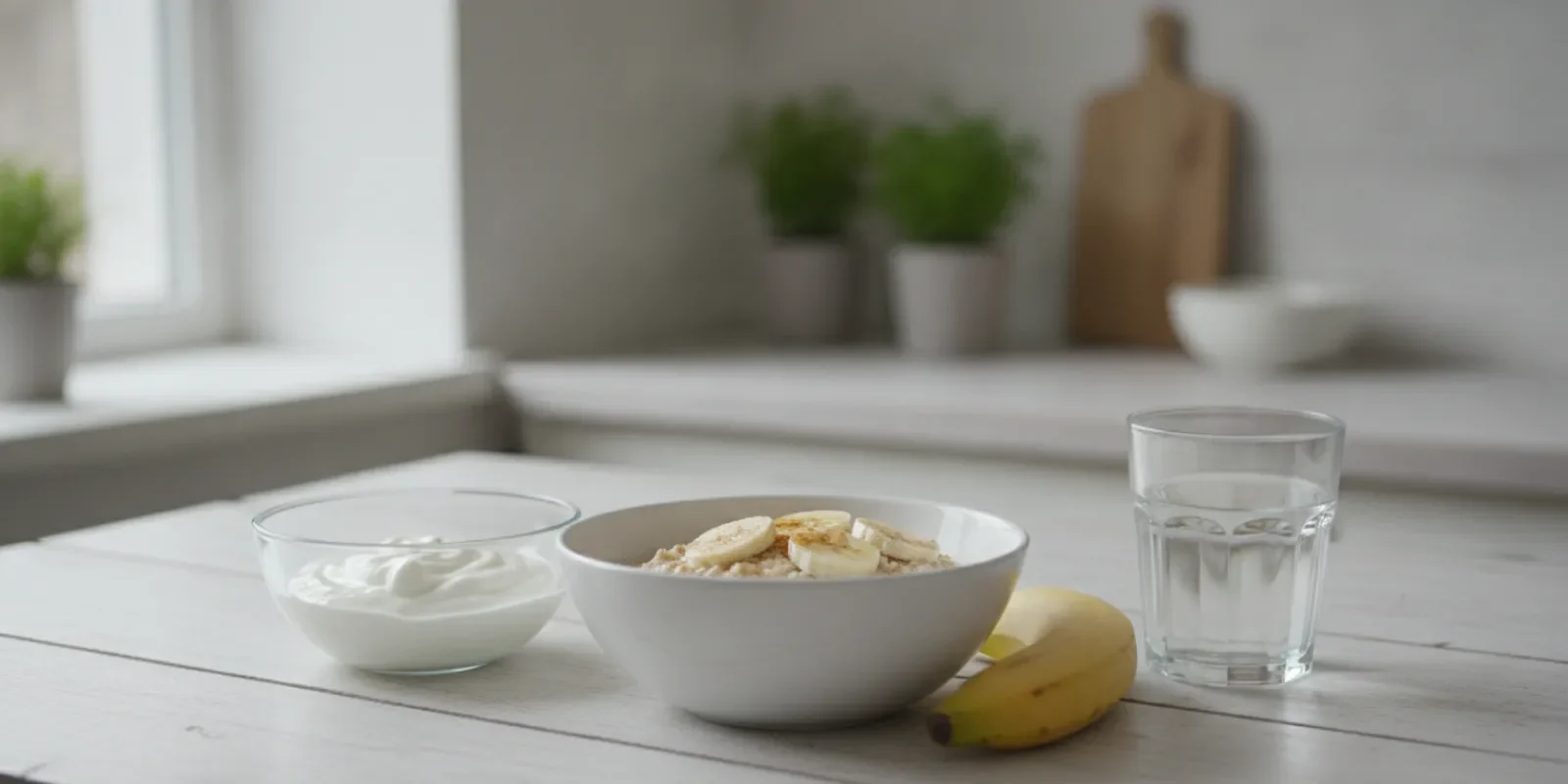
After a regular cleaning, choose what feels comfortable. If the gums are sensitive, soft foods at a mild temperature can make the first meal easier. Examples include eggs, oatmeal, yogurt, soup that is not hot, soft rice, or a banana. These are options, not requirements; most people can return to their usual diet if they feel fine and did not receive a treatment with special instructions.
After fluoride, follow the product directions first. If your team says you may eat but asks you to avoid certain textures, choose soft foods and leave crunchy, sticky, or chewy foods for later. Hard foods can feel unpleasant if your teeth or gums are tender. Sticky foods may be inconvenient if the product instructions say to let the coating remain in place. If the instructions say not to eat for a given period, wait until that period has passed.
For instance, if you had a routine cleaning at lunchtime and no fluoride was used, you may be able to eat lunch right away. If fluoride varnish was applied and you were told to wait, plan a meal after the recommended interval instead. If you have conflicting instructions, ask the office to clarify rather than guessing.
If you are hungry on the way home, check the instructions before stopping for food. When the directions permit eating but your mouth feels tender, an easy-to-chew meal may be more comfortable than a bag of chips or crusty bread. If you have a meal planned soon after the appointment, you can mention that before treatment so the team can explain any expected restriction in advance. They cannot change product directions, but they can help you understand what to plan for.
What foods and drinks might be worth avoiding briefly?
There is no universal forbidden-food list after every cleaning. Use your own after-care directions and pay attention to sensitivity. When fluoride instructions call for it, avoid foods that could disturb the coating or make chewing uncomfortable for the stated period. These might include very hard, crunchy, sticky, or chewy foods, depending on the product and the directions your dental team provided.
If your teeth feel sensitive, you may also prefer to pause very hot or very cold items for a little while. If your gums feel sore, avoid anything that scrapes or presses against the tender areas. This is about comfort, not a sign that the cleaning has damaged your teeth. Sensitivity can have more than one cause, so contact the office if it is severe, worsens, or does not settle.
Water is a practical choice when you are unsure whether a drink is allowed. Still, some fluoride products have a short no-food-or-drink period. Check first if a product was applied and you cannot remember the instructions.
Does a cleaning make your teeth sensitive?
Some people notice short-lived sensitivity after a cleaning, especially around areas where deposits were removed or gums are already irritated. A cold drink may feel sharper than usual, or the gums may be tender when you brush. Sensitivity does not mean that everyone needs to change their diet, and many people can eat normally after the appointment.
Try a comfortable temperature and a softer texture for your first meal if needed. Brush and floss as your dental team instructed, using a gentle touch near sore gums. If you have questions about a product for sensitivity, ask before adding a new treatment to your routine. The best next step depends on what is causing the discomfort and your dental history.
Call the office if pain is strong, keeps getting worse, or lasts longer than the time frame your team described. Also call if you have swelling, bleeding that concerns you, or another symptom you were not told to expect. A dental professional can help decide whether you need follow-up care.
What if you received numbing or another treatment too?
A cleaning appointment may include something besides a routine polish, such as numbing medicine for another procedure. If your mouth is numb, avoid chewing until sensation has returned enough for you to eat safely. It is easy to bite your cheek, tongue, or lip without noticing. Your dental team can tell you how long the numbness may last and what to avoid.
When a cleaning is combined with another treatment, follow the after-care directions for that treatment. For example, instructions after an extraction or other procedure may be different from instructions after a cleaning alone. If you had more than one service, ask which set of instructions applies to eating and drinking, and whether one treatment changes the guidance for another.
Before you head home, make sure you know whether the advice is temporary or applies until a specific follow-up. If you have written instructions for another procedure, keep them together with the cleaning or fluoride guidance, so you do not accidentally follow one while overlooking the other. When the directions seem to conflict, call the office and explain what was done during the visit.
Before you leave, it can help to repeat the instructions back: âI can eat after this time, and I should avoid these foods until then, correct?â That quick check is useful if the appointment included several steps or if you are bringing instructions home for a family member.
How can you tell which instructions apply to you?
Think about what the team did, not only what the appointment was called. A âcleaningâ visit can include additional preventive care. Ask the hygienist or dentist to name any product placed on your teeth and give you the timing in plain language. If a caregiver or another family member attended, compare notes before deciding what to eat.
For a future visit, note these questions on your phone before you arrive:
- Was fluoride applied today, and what type was it?
- At what time may I eat and drink?
- Are there foods or textures I should avoid, and for how long?
- When may I brush or floss?
- Who should I contact if sensitivity or soreness does not improve?
Patients who want to prepare for an appointment can review the practiceâs new patient information and explore its dental services. For information about imaging used in dental care, see the page on dental X-rays. These resources provide general practice information; they do not replace instructions for a treatment performed at your visit.
How does a cleaning fit into regular dental care?
A cleaning is one part of preventive dental care. An exam gives the dental team a chance to assess your mouth and discuss any concerns or next steps. The appropriate schedule varies by person, based on oral health needs and the recommendation you receive. The CDCâs dental health measures include both exams and cleanings, reflecting how these visits are tracked in public health reporting, but they do not determine an individualâs ideal interval.
If you are overdue or unsure what kind of visit to request, you can contact the practice to ask about scheduling. To learn about the clinicians, visit the dentist and team page. For general information about preventive habits, the practice also provides resources on brushing and flossing.
Side-by-side: eating after different dental visits
Routine cleaning only
When you may eat: Usually when you feel ready.
What to keep in mind: There is generally no required wait; consider sensitivity or sore gums.
Cleaning with fluoride
When you may eat: Follow the product-specific time given by the dental team.
What to keep in mind: Some products call for a short wait or temporary food restrictions.
Cleaning with numbing medicine
When you may eat: Wait until you can feel your mouth well enough to chew safely.
What to keep in mind: Avoid biting your cheek, tongue, or lip while numb.
Cleaning with another dental procedure
When you may eat: Follow the instructions for the additional procedure.
What to keep in mind: Ask which directions take priority if the visit included multiple treatments.
Frequently asked questions
How soon can I eat after a dental cleaning without fluoride?
In most cases, you can eat as soon as you feel comfortable. If your gums are tender or your teeth are sensitive, start with food that is soft and not too hot or cold.
How long should I wait to eat after fluoride varnish?
Use the instructions from the dental team who applied it. Timing and food restrictions can vary by product, so do not rely on a single wait time for every varnish or treatment.
Can I drink water after a dental cleaning?
After a routine cleaning, water is generally fine. If fluoride or another product was applied, check whether the directions include a temporary limit on drinking.
Can I eat crunchy foods after my cleaning?
If you had no fluoride and your mouth feels normal, there is usually no special restriction. If you have tender gums, sensitivity, or product-specific instructions, choose something gentler and wait as directed.
What should I do if I forgot the instructions?
Call the dental office and ask what was applied and when you can eat, drink, or brush. If you are still numb, avoid chewing until sensation returns enough to protect your cheek and tongue.
Get clear guidance for your next meal
After a routine cleaning alone, most people can eat when they are ready. Fluoride products, numbing medicine, and other treatments may change that advice, so ask what was used and follow the instructions you received. If anything is unclear, contact the dental team before you eat.
Understanding what happened during your visit makes it easier to choose a comfortable meal and follow the right after-care plan.
Written by
Dr. Iham Gammas, DMDBoard-Certified Implant Dentist & Founder, Lowell Family Dental Practice. Fellow & Master of ICOI and IADI. Associate Fellow of AAID.