If you are missing one tooth, it can be hard to picture what treatment involves or how a bridge compares with an implant. A single tooth bridge procedure replaces the visible gap by attaching an artificial tooth to support from neighboring teeth. The steps depend on your teeth, gums, bite, and treatment plan, so a dental examination is the place to begin.
Schedule a consultation about your missing tooth
What is a single tooth bridge?
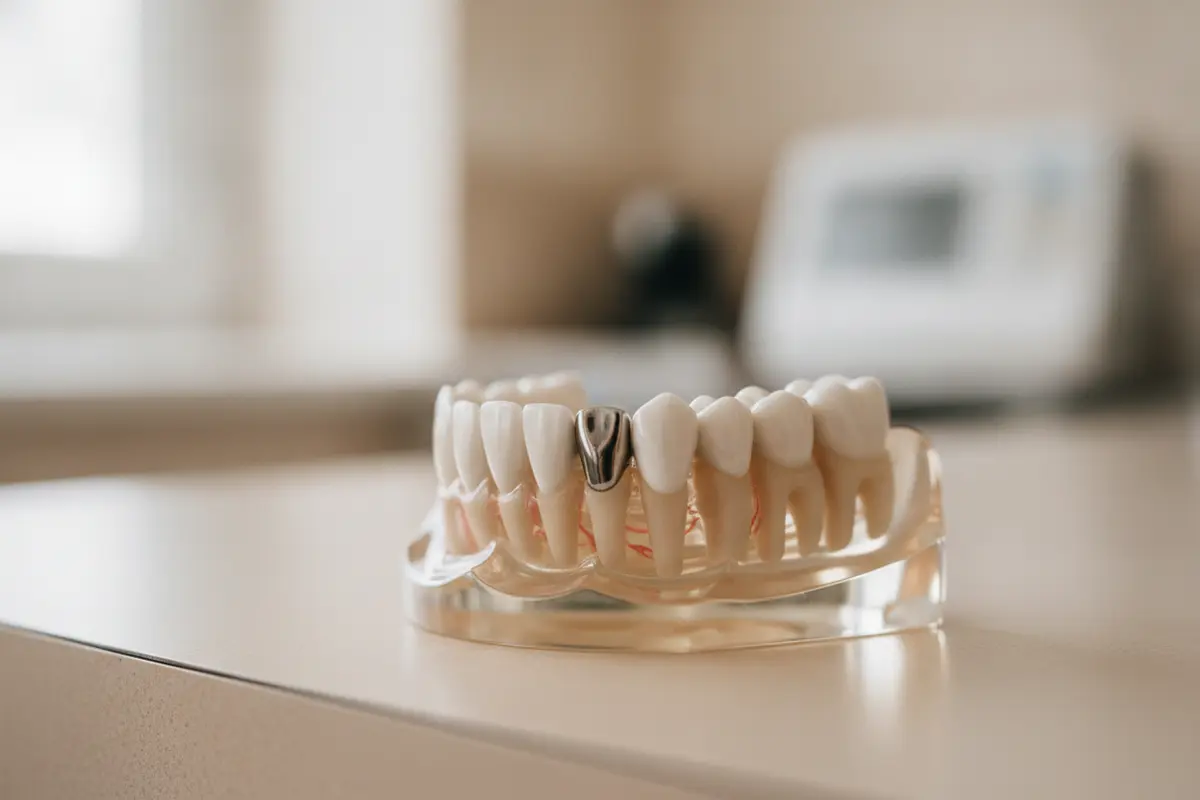
A traditional fixed bridge replaces a missing tooth, called a pontic, by connecting it to crowns on the teeth beside the gap. Those neighboring teeth are the bridge’s supports, or abutments. Once cemented in place, the bridge is not designed to be removed by the patient for daily cleaning.
A bridge is different from a dental implant. An implant is placed in the jawbone and can support a replacement tooth without using the neighboring teeth as bridge supports. Whether either option is suitable depends on an examination and your individual needs. You can read about the practice’s dental implant services and its information about dental bridges as you prepare questions.
Not every bridge uses the same design. A conventional bridge typically uses crowns on the teeth on both sides of the space. Other designs may be considered in selected situations, but the choice depends on the location of the gap, available support, bite forces, and the condition of nearby teeth. Your dentist can explain the design being proposed and why it fits the case.
What happens before the bridge is made?
The first stage is an evaluation, not simply choosing a replacement tooth. Your dentist reviews your dental and health history, asks about your goals, and examines the space and the teeth around it. The assessment may include dental X-rays or other imaging when needed to understand the teeth, roots, and supporting structures. Lowell Family Dental Practice describes its diagnostic approach as including digital X-rays; ask the team what images are appropriate for your situation.
The supporting teeth need to be assessed carefully. Your dentist checks for decay, old fillings or crowns, cracks, gum concerns, mobility, and other factors that could affect their ability to support a bridge. The way your upper and lower teeth meet also matters. A bridge must be shaped to fit the bite and leave room for cleaning.
Tell the dentist which tooth is missing, when it was lost, and whether you have pain, sensitivity, or changes in chewing. Share relevant health conditions, medications, allergies, and prior dental treatment. If the gap is visible when you smile, explain what matters most to you about appearance as well as function. That context helps make the discussion specific rather than assuming one solution is right for everyone.
Planning also means considering alternatives. Depending on the situation, a removable partial denture, a bridge, or an implant-supported tooth may be discussed. A removable option is different from a fixed bridge in how it is worn and cared for. An implant has its own evaluation and treatment requirements. The practice’s dental implant information can help you identify topics to discuss, but it cannot replace an in-person assessment.
What are the steps in a single tooth bridge procedure?
For a conventional bridge, treatment often involves preparing the supporting teeth, taking records so the bridge can be made, and then fitting and cementing the finished restoration. The exact sequence and timing vary. Your dentist should explain the plan before beginning and tell you what to expect between visits.
1. Prepare the supporting teeth
If a conventional bridge is planned, the dentist reshapes the teeth next to the gap so crowns can fit over them. The amount and type of preparation depends on each tooth and the design. If those teeth already have restorations or damage, that information may factor into planning. Preparation is done with local dental care appropriate to the procedure; ask your dentist how comfort will be managed and what choices are appropriate for you.
Because preparation changes the support teeth, it is important to understand the plan and alternatives beforehand. Ask which teeth will be prepared, what will be removed, and whether additional treatment is needed before the bridge is placed. If a supporting tooth has a concern that changes the plan, the dentist should discuss that with you.
2. Record the shape, bite, and shade
The dentist records the prepared teeth and nearby areas, using an impression or a digital method depending on the office and treatment plan. Measurements of your bite help the dental laboratory shape the bridge so it meets the opposing teeth appropriately. The dentist also selects a shade intended to blend with the surrounding teeth. If the replacement tooth will show when you talk or smile, ask how shade selection and the appearance of the bridge will be reviewed.
These records are used to make a restoration that fits your mouth. The dentist may discuss a temporary restoration while the permanent bridge is being made. If a temporary is part of your plan, ask how to care for it, what foods to avoid, and whom to contact if it loosens or feels uncomfortable. Do not assume every case uses the same temporary approach or schedule.
3. Check and fit the finished bridge
At the fitting visit, the dentist checks how the bridge sits, how the replacement tooth looks, and how your bite feels. The fit may be adjusted before the bridge is secured. Speak up if the bite feels high, if an edge feels rough, or if the shape does not seem right. It is easier to address concerns while the dentist is evaluating the restoration.
When the fit and bite are acceptable, the bridge is cemented according to the treatment plan. Your dentist gives instructions for the first hours and days, including what to do if you notice persistent discomfort or a change in the way your teeth meet. Follow the instructions from your own dental team, since they know the materials and details used in your case.
4. Learn how to clean around it
A bridge needs daily cleaning even though the replacement tooth itself cannot decay. Plaque can collect at the gumline and beneath the pontic, and the supporting teeth remain vulnerable to decay and gum disease. Your dentist or hygienist can show you how to clean under the bridge with an appropriate floss threader, interdental aid, or other method. Ask for a demonstration and practice until you can reach the area comfortably.
Keep regular dental visits so the bridge, the support teeth, and your gums can be checked. Tell the office if the bridge feels loose, if food repeatedly traps under it, if your gums become sore or swollen, or if you develop pain when biting. Avoid trying to repair a loose bridge yourself.
What can affect the treatment plan?
A bridge plan can change when an examination finds a problem that should be addressed first. Decay, gum inflammation, a cracked tooth, or a bite issue may need attention before a restoration is made. The dentist may also find that a tooth beside the gap is not strong enough to serve as support, or that the space has limited room for a bridge design. These findings do not automatically rule out a bridge, but they may affect the design, sequence, or alternatives worth discussing.
Before treatment, make sure you understand what is included in the proposed plan. Ask which teeth will be involved, what the dentist will do at each visit, whether a temporary restoration is planned, and when you should expect to return. Confirm how to reach the office with questions between visits. If you have a strong preference about preserving a particular tooth or avoiding a certain treatment, say so early. Your dentist can explain what is clinically feasible and where a preference may affect the options.
It can help to bring a support person or take notes if you have several questions. Ask the dentist to explain unfamiliar terms in plain language, including what the bridge supports are and how you will clean below the replacement tooth. You do not need to make a decision before you understand the choices. A useful consultation should leave you knowing the reasons behind the recommendation, the likely sequence, and what questions still need an answer.
Bridge versus implant: what should you compare?
There is no universally best choice for every missing tooth. A bridge and an implant differ in what they rely on, what treatment involves, and how the surrounding teeth factor into the plan. The table below is a starting point for a conversation, not a recommendation for an individual case.
| Question | Traditional bridge | Single-tooth implant |
|---|---|---|
| What supports the replacement? | Crowns on neighboring teeth support the artificial tooth. | An implant in the jaw supports a replacement tooth, subject to clinical suitability. |
| What happens to nearby teeth? | Support teeth are prepared for crowns in a conventional design. | Nearby teeth are not used as bridge supports, though their condition is still assessed. |
| What treatment is involved? | Preparation, records, bridge fabrication, fitting, and cementation are commonly involved. | Evaluation and implant treatment are involved; the steps and timing depend on the case. |
| What ongoing care is needed? | Daily cleaning around and beneath the bridge, plus checks of the support teeth and gums. | Daily cleaning around the restoration and routine dental checks are still important. |
| What should guide the decision? | Support-tooth health, gap location, bite, cleaning access, and your preferences. | Jaw and gum condition, health history, treatment needs, and your preferences. |
Ask your dentist to explain the tradeoffs in your own mouth. For example, if the teeth next to the gap already need crowns, that may shape the discussion differently than if they are healthy and untouched. The number and position of missing teeth, gum health, bite, and your ability to clean the area are also relevant. An implant may not be appropriate for every person, and a bridge may not be right for every gap.
Time, appointments, and cost should be discussed before you decide. The treatment sequence for an implant can differ from that for a bridge, and personal clinical factors affect timing. Do not rely on a general online estimate to predict your care. Lowell Family Dental Practice notes that third-party financing is available through Proceed Finance and CareCredit. You can review the practice’s financing information and ask what payment arrangements currently apply to the treatment being considered.
If you are comparing options, bring a written list of questions: Which teeth would be involved? What are the benefits and limitations in my case? What maintenance will I need? What could change the plan? How many visits are expected, and what costs are included? A clear explanation helps you weigh function, appearance, treatment steps, and upkeep together.
How do you care for a bridge after placement?
Good home care supports both the bridge and the natural teeth that hold it. Brush twice a day with a soft-bristled toothbrush and fluoride toothpaste, unless your dental team gives you different instructions. Clean between your teeth daily and use the tool or technique recommended for the space under the bridge. A hygienist can tailor the demonstration to the shape of your restoration.
Pay attention to changes. A bridge that rocks, a new bite mismatch, a chipped area, gum tenderness, or persistent food trapping deserves a call to the dental office. These signs do not tell you exactly what is wrong, but an examination can identify what needs attention. Avoid chewing hard objects, and ask whether any foods or habits pose a particular concern for your restoration.
Regular checkups let the dental team assess the bridge and supporting teeth. Keep your follow-up appointments and mention changes in your health or medications. If you are new to the office, review the new patient information before your visit and bring a list of questions. You can also learn more about the practice and its team on the dentist and team page.
For general oral-health education, the American Dental Association is a professional resource; your treating dentist remains the best person to advise you about your individual bridge and home-care needs.
Talk with our team about bridge and implant options
Frequently asked questions
How many visits does a single tooth bridge procedure take?
The number of visits depends on the treatment plan, the bridge design, and whether any other dental work is needed. A conventional bridge commonly involves a preparation and records visit followed by a fitting visit, but your dentist can give you a schedule for your case.
Will the bridge look like my other teeth?
The replacement tooth is made to fit the space and is selected to coordinate with the surrounding teeth. The result depends on the shade, shape, and position of your natural teeth and the bridge design. Ask to discuss the planned appearance before the restoration is finalized.
Can I eat normally with a bridge?
Your dentist will tell you when to resume eating after treatment and whether you should avoid particular foods. Once you have adjusted, follow the care instructions you receive and use caution with very hard or sticky foods if your dental team recommends it. Contact the office if chewing causes pain or your bite feels different.
Is a bridge better than an implant?
Neither option is best for everyone. A bridge uses neighboring teeth for support, while an implant is placed in the jaw and supports a replacement tooth in a different way. An exam and discussion of your health, teeth, bite, preferences, and treatment needs can help identify the options appropriate for you.
Plan a conversation about your missing tooth
Book a visit to discuss your options with Dr. Gammas and his team
A thoughtful plan considers more than filling the space: it accounts for the nearby teeth, your bite, daily cleaning, and the treatment you feel comfortable choosing. Bring your questions to a consultation so you can understand the options for your own smile.
Written by
Dr. Iham Gammas, DMDBoard-Certified Implant Dentist & Founder, Lowell Family Dental Practice. Fellow & Master of ICOI and IADI. Associate Fellow of AAID.