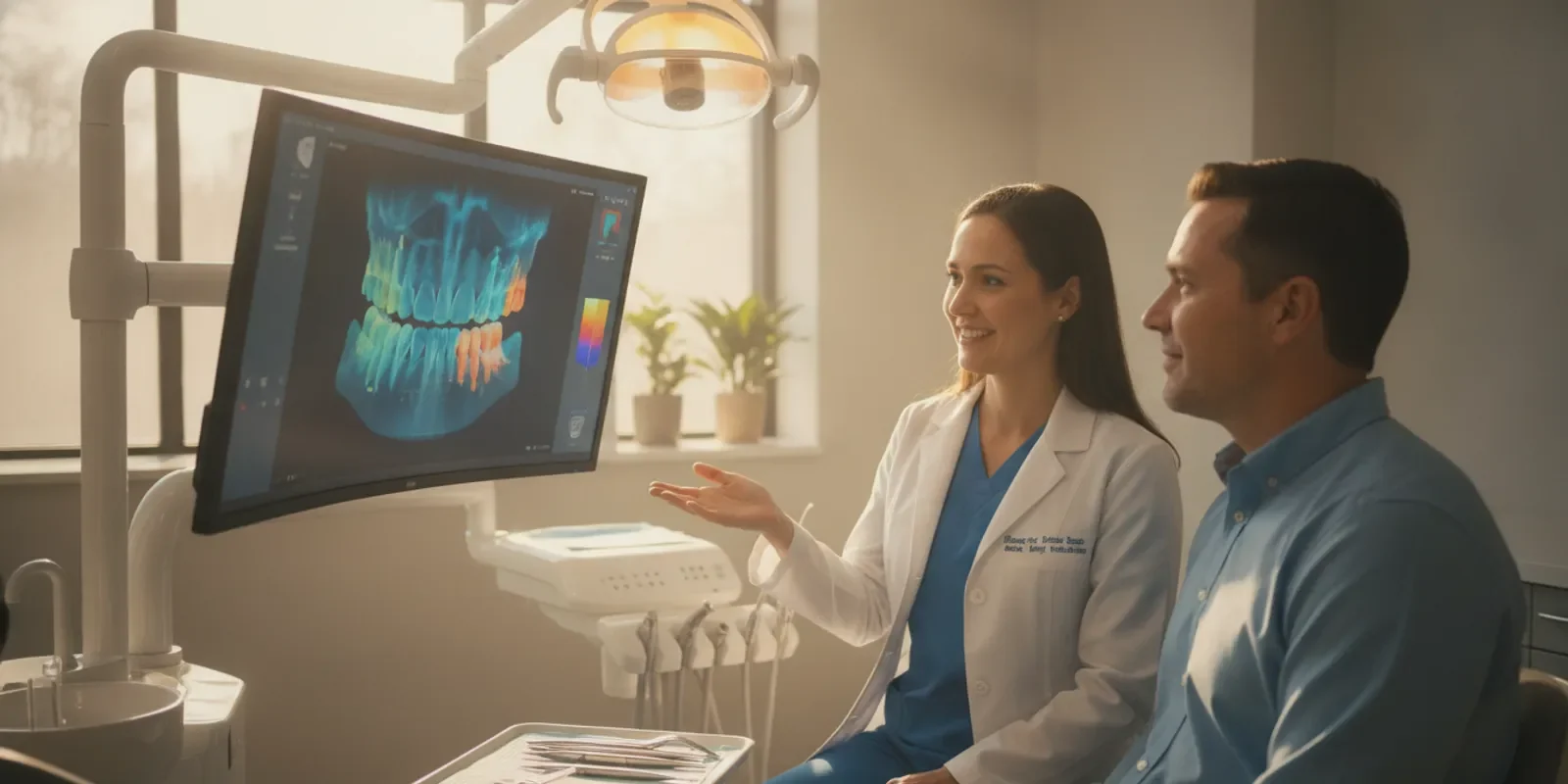
When a dental implant has felt comfortable for years, new soreness or pressure can be unsettling. Dental implant pain years later is not a diagnosis by itself: discomfort may come from the gum, the implant area, the replacement tooth, or a nearby tooth. The cause cannot be confirmed at home, but noticing when the pain began and what makes it worse can help guide a dental evaluation.
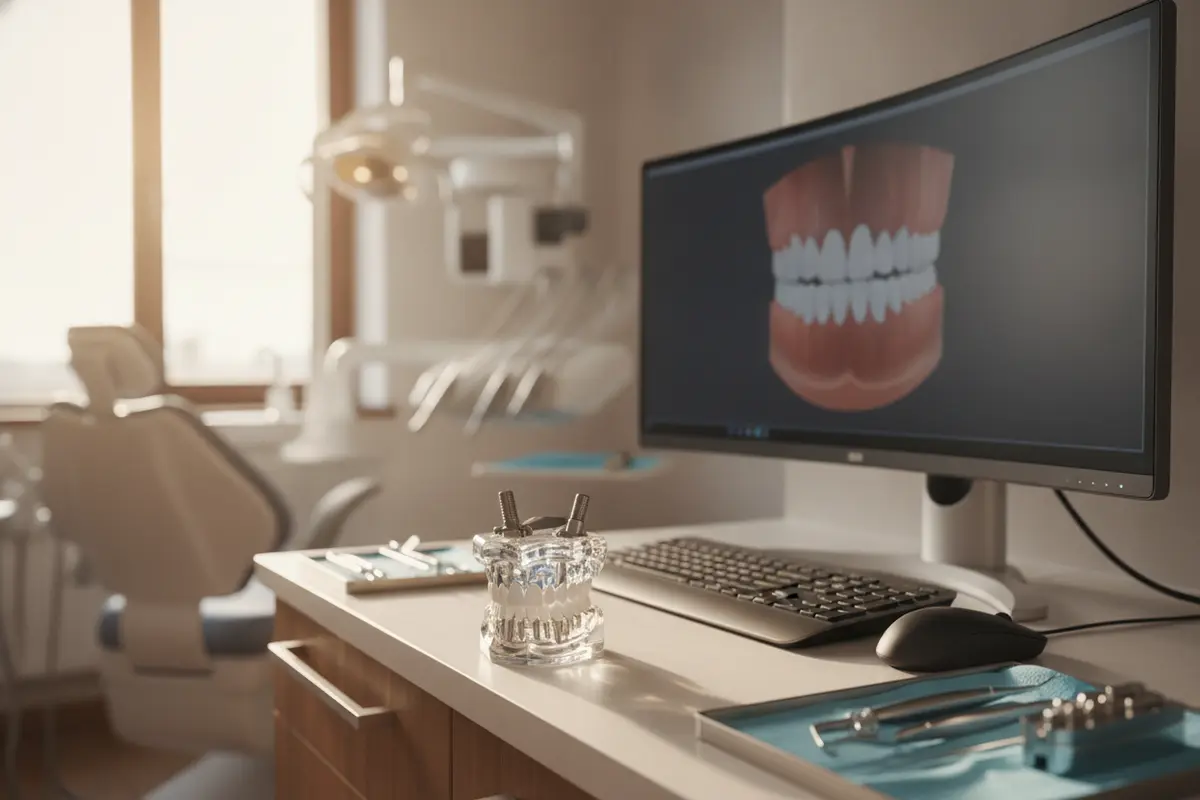
A dental implant is a replacement tooth system, not a natural tooth root. The implant post sits in the jawbone, while an abutment and crown or other restoration connect above it. Pain may involve any of these parts—or something beside them. A dentist can examine the area and decide whether imaging or other tests are appropriate. This guide explains common possibilities, what to watch for, and how to prepare for care.
Can a dental implant start hurting years after placement?
Yes. A problem or change around an implant can show up after a long period without symptoms. That does not automatically mean the implant has failed. Soreness may be temporary, may come from a neighboring tooth or gum, or may need prompt professional attention. The timing alone cannot identify the cause.
Research reviews describe persistent pain and altered sensation after oral implant treatment as concerns that can have more than one explanation. They also emphasize that ongoing pain deserves assessment rather than assumption. See the review on persistent pain and neurosensory disturbance after dental implants and the journal discussion of pain complications of oral implants. These sources discuss complications broadly; they cannot determine what is happening in an individual case.
What can cause pain around an implant years later?
Several different issues can feel similar. These are possibilities to discuss with a dentist, not a way to diagnose the problem yourself.
Inflammation or infection in the gum around the implant
The gum around an implant can become inflamed. Tenderness, redness, swelling, bleeding when brushing, or an unpleasant taste may occur. In some cases, inflammation can affect the supporting tissues around the implant. A dentist needs to assess the gum and surrounding structures to determine what is present and what care is suitable.
Do not assume that a lack of severe pain means the area is healthy. Some changes are easier to notice as bleeding, swelling, or a change in how the tissue looks than as strong pain. If you notice a new change, contact a dental professional rather than trying to treat it with sharp tools or unprescribed medication.
A loose, damaged, or stressed restoration
The visible crown or other restoration is not the implant post itself. A restoration or connecting component may loosen, chip, crack, or become uncomfortable under biting pressure. The sensation may be a click, movement, a high spot when you close your teeth, or pain when chewing. Only an examination can distinguish a restoration concern from a problem in the supporting area.
If the crown seems to move, avoid repeatedly wiggling it to test it. Do not try household glue or tools. Choose softer foods and chew on the other side if comfortable while arranging a dental assessment. If a piece breaks off, keep it in a clean container and bring it with you.
Changes in the way your teeth meet
Pressure may develop if the bite changes or the implant restoration takes more force than it should. A high or concentrated contact can make chewing uncomfortable. Clenching or grinding may also place extra force on teeth and restorations. A dentist can check how the teeth come together and whether the discomfort appears to involve the implant restoration, another tooth, or the jaw.
Try to notice whether pain occurs only when biting, whether it continues after you stop, and whether it is worse in the morning. These details can help explain the pattern, but do not adjust the restoration yourself.
A nearby tooth or gum problem
Pain that seems to be coming from an implant may actually arise from a natural tooth nearby. A cavity, a crack, gum irritation, or another dental concern can be hard to localize because discomfort may spread across the jaw. A dentist may check surrounding teeth and gums as well as the implant area.
For more context about replacement options and how they differ, see the practice’s guide to dentures versus implants and its information about options for missing teeth. Those pages explain treatment choices; they do not replace an evaluation of new pain.
Jaw, sinus, or nerve-related symptoms
Jaw muscle or joint discomfort can feel like tooth pain, particularly when chewing or opening the mouth. Depending on the implant’s location, sinus-related symptoms may also be relevant. Tingling, numbness, burning, or an altered feeling in the lip, chin, or nearby area should be mentioned clearly to a dentist. Such symptoms have multiple possible causes and need professional assessment.
If you have numbness or a change in sensation, note when it began and whether it is spreading or improving. Avoid assuming that it is caused by the implant—or that it will resolve without review.
How do symptoms compare, and what should you do?
The table below is a guide to describing what you notice, not a diagnostic checklist. Different causes can overlap, and symptoms alone cannot tell you which structure is involved.
| What you notice | Possible area to assess | Practical next step |
|---|---|---|
| Red, tender, swollen, or bleeding gum | Gum and tissues around the implant | Contact a dental office and describe the change |
| Pain mainly when biting or chewing | Bite contact, restoration, nearby tooth | Avoid testing it repeatedly; arrange an exam |
| A loose feeling, click, or chipped piece | Crown, connecting component, or supporting area | Do not glue or adjust it; request dental guidance |
| Persistent ache or worsening discomfort | Implant area, adjacent tooth, gum, or jaw | Seek an assessment, especially if symptoms progress |
| Facial swelling, fever, drainage, or feeling unwell | Possible infection or another urgent concern | Contact a dentist promptly; seek urgent medical care if severe |
When should you seek urgent help?
Arrange dental care promptly for pain that is getting worse, swelling, pus or drainage, a bad taste with swelling, or a restoration that has become loose or broken. Contact a dentist promptly if you develop a fever or feel unwell along with symptoms in the mouth.
Severe facial swelling, trouble breathing or swallowing, rapidly spreading swelling, or a serious change in your general condition needs urgent medical attention. Do not wait for a routine appointment when breathing or swallowing is affected.
Even if symptoms are mild, contact a dental office if discomfort persists, returns, or is paired with bleeding or a change in the way the implant restoration feels. Mention if you have recently had dental work, an injury, a change in medication, or a new health concern. If you are unsure how quickly you need to be seen, call and describe the symptoms.
What can you do while waiting for an appointment?
- Keep the area clean with gentle brushing. Do not poke under the gum or use sharp objects around the implant.
- Choose foods that are comfortable to chew and avoid putting extra pressure on a sore area.
- Do not try to tighten, remove, or glue any part of the restoration.
- Use pain medicine only if it is appropriate for you and according to its label or advice from a health professional. If you have questions about interactions or a medical condition, ask a clinician or pharmacist.
- Write down when the pain began, what triggers it, and whether you have noticed swelling, bleeding, a bite change, or altered sensation.
These steps may help you avoid irritating the area, but they do not treat the cause. If symptoms become more severe while you wait, contact the dental office again or seek urgent care as appropriate.
What might a dentist check during an evaluation?
The dentist will ask about the pain, when it started, and what makes it better or worse. Be ready to describe whether it feels sharp, dull, throbbing, or pressure-like; whether it occurs at rest or only while chewing; and whether the sensation is changing. Bring a list of medicines and relevant health conditions, and mention any recent dental treatment or injury.
An examination may include looking at the gum and restoration, checking for tenderness or movement, and assessing how your teeth meet. Depending on the findings, the dentist may recommend dental imaging or other checks. The purpose is to identify which area needs attention—not to assume that every symptom means the implant itself is damaged.
Possible next steps depend on what the evaluation shows. The dentist may discuss care for irritated gum tissue, a restoration concern, a nearby tooth, or another source of discomfort. If additional assessment is needed, the dentist can explain why and what questions to ask. Treatment should be based on your specific findings, not a general article.
If you are considering implant care or need to discuss an existing restoration, you can read about the practice’s dental implant services and implant treatment information. You can also review information about the dentists and implant team and the office before arranging a visit.
How can you prepare for the appointment?
A few clear observations can make it easier to explain what has changed. You do not need to inspect or test the implant yourself. Instead, record what you notice during normal activities and share it with the dentist. For example, note whether discomfort happens with every meal or only when chewing a particular food, whether it stops quickly or lingers, and whether the area hurts when you are not eating. If symptoms come and go, write down when they return and how long they last.
It may help to take note of visible changes without touching the area. Is the gum newly swollen or bleeding during routine brushing? Does the crown look chipped, or does your bite feel different? If you notice a sensation change, describe its location and whether it is numbness, tingling, burning, or a feeling of pressure. Avoid repeatedly pressing on the gum or moving the restoration, since this can irritate the area and does not establish the cause.
Consider bringing a list of your current medicines and any recent health or dental changes. The dentist may want to know about a new medication, a recent illness, a fall or impact to the mouth, or recent work on a nearby tooth. If another clinician has evaluated the issue, bring any relevant information you have. You can also ask what the examination found, whether imaging is recommended, what the proposed next step is, and what symptoms should prompt a call before a follow-up visit.
If anxiety or uncertainty is making it difficult to arrange care, tell the office when you contact them. Describe the symptoms plainly and ask what appointment timing they recommend. The goal is to help the dental team understand the concern and direct you to an appropriate evaluation; a brief phone description cannot replace an exam.
Frequently asked questions
Does pain years after implant placement mean the implant is failing?
No. Pain alone cannot show whether an implant has failed. The cause might involve the gum, restoration, bite, a nearby tooth, or another structure. A dentist needs to assess the area to identify what is happening.
Can an implant hurt even if it has been comfortable for a long time?
Yes. New changes can occur after a period without symptoms. Note when the discomfort began and whether you see swelling, bleeding, a bite change, or movement, then arrange a dental assessment if pain persists or worsens.
Should I wait to see if the pain goes away?
Brief, mild soreness may change, but persistent, returning, or worsening pain should be discussed with a dentist. Swelling, drainage, fever, altered sensation, or a loose restoration are reasons to seek guidance promptly. Severe swelling or difficulty breathing or swallowing requires urgent medical care.
What should I tell the dentist?
Explain when the pain started, where you feel it, what triggers it, and whether it is changing. Mention bleeding, swelling, drainage, numbness, a loose or damaged restoration, recent treatment, injury, medicines, and relevant health conditions.
Get guidance for implant pain
New pain around an implant is worth understanding, even when the implant has been comfortable for years. A dental evaluation can help identify the source and guide an appropriate next step.
Written by
Dr. Iham Gammas, DMDBoard-Certified Implant Dentist & Founder, Lowell Family Dental Practice. Fellow & Master of ICOI and IADI. Associate Fellow of AAID.