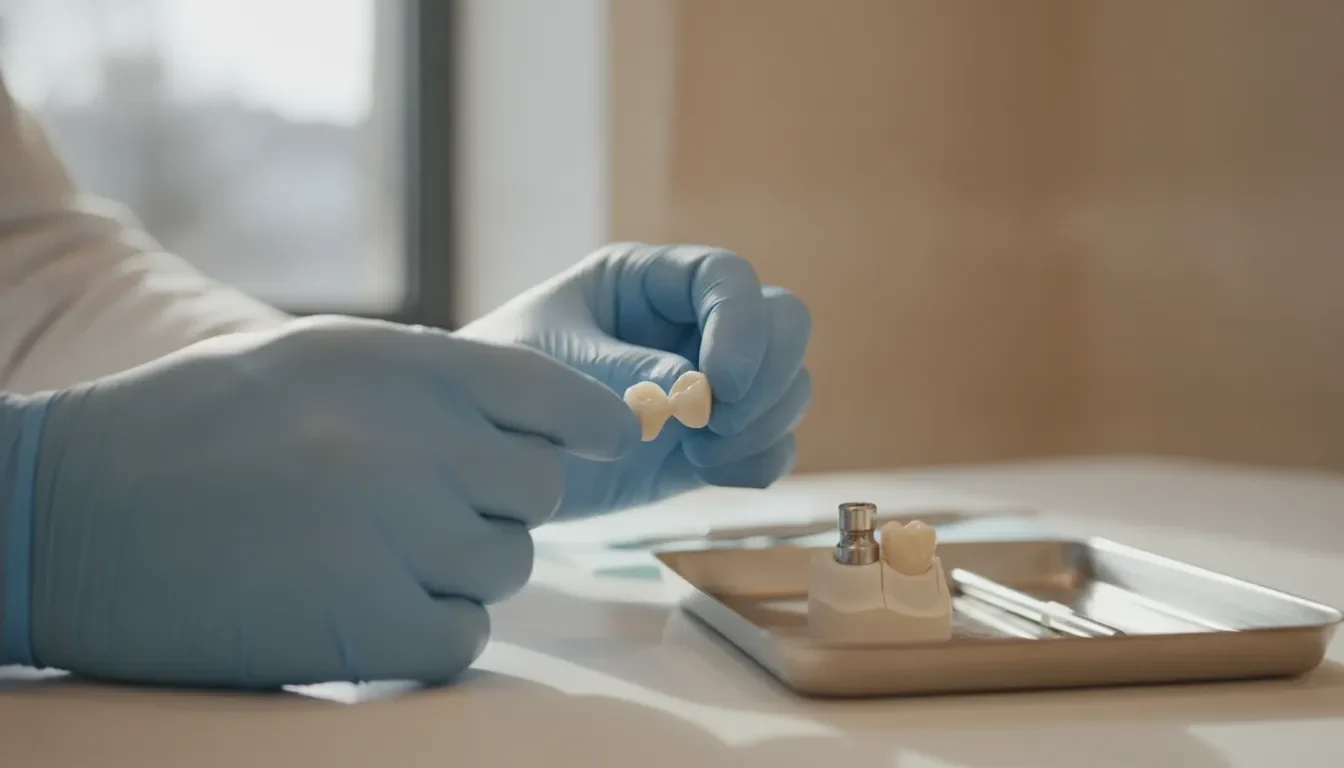
If you are planning a visit, you may wonder: how long does a dental cleaning take? A routine appointment often takes about 30 to 60 minutes, although the full visit can vary based on check-in, examination, cleaning needs, and questions. Knowing what happens at each stage can make it easier to plan your day and arrive feeling prepared.
Ready to plan your visit? Request an appointment and ask our team what to expect at your cleaning.
What is the usual dental cleaning timeline?
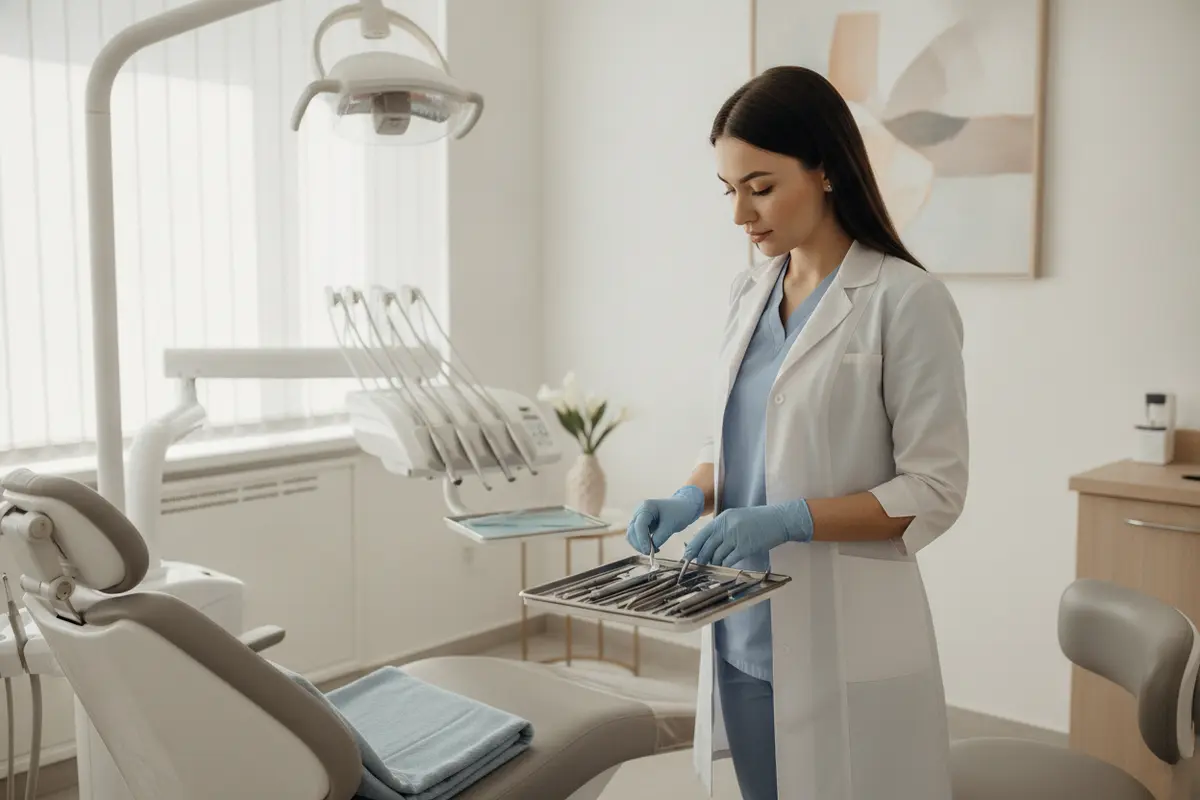
Most routine cleanings fit into a manageable appointment window. The time is not spent only on brushing or polishing. Your dental team may review your health history, examine your mouth, remove plaque and tartar, polish your teeth, and discuss ways to care for your smile at home.
The Cleveland Clinic explains that most cleanings take 30 to 60 minutes, while special cleanings may take longer: learn more about what happens during a dental cleaning. Your own timing depends on the condition of your teeth and gums, how long it has been since your last visit, and whether your appointment includes additional care.
Think of the time as an appointment window rather than a promise that the cleaning itself will last exactly 30 or 60 minutes. Some visits move quickly through each stage. Others need a longer conversation, a careful examination, or a plan for a concern that cannot be addressed during routine preventive care.
| Visit stage | What usually happens | What may change the timing |
|---|---|---|
| Check-in and update | Confirm information, medications, and concerns | New-patient forms or a detailed health history |
| Examination | The dental team looks at your teeth, gums, and bite | Symptoms, sensitivity, or a concern needing closer review |
| Cleaning | Plaque and tartar are removed with dental instruments | Amount and location of buildup |
| Polishing and flossing | Surface stains may be polished and areas between teeth cleaned | Sensitivity or areas that need extra attention |
| Home-care discussion | Review questions and next steps | Need for follow-up treatment or a longer conversation |
How long does check-in take?
Check-in is often the shortest part of the appointment, but it can take longer if you are visiting the practice for the first time. You may need to confirm contact details, medical history, medications, allergies, and the reason for your visit. If you have dental insurance or a payment question, you may also want to allow time to review those details.
Completing forms before you arrive, when that option is available, can help your visit begin smoothly. Bring a current list of medications and be ready to mention any changes in your health. Tell the team if you have noticed bleeding, swelling, sensitivity, a loose tooth, pain, or another change since your last appointment. Clear information helps the dental team decide what deserves attention during the visit.
New patients can review new-patient information and forms before an appointment. If you are unsure which type of visit to request, the contact page provides an appointment path for questions.
For an established patient, an update may be brief, especially when your contact details and health history have not changed. Still, do not skip important information just to save time. A new medication, pregnancy, recent surgery, change in health, or prior dental treatment may be relevant to the questions your team asks.
What happens during the examination?
Before or during the cleaning, a dental professional examines your mouth. This may include looking at the teeth and gumline, checking for visible changes, and asking about symptoms or concerns. Depending on your needs and appointment plan, dental X-rays may also be discussed or taken. X-rays are not automatically needed at every visit; the appropriate timing depends on your dental history and the clinician’s assessment.
This part of the visit gives you a chance to explain what you have noticed. For example, tell the team if one area bleeds when you floss, a tooth reacts to cold, or you have difficulty cleaning around a restoration. A focused question can make the visit more useful and may help identify whether you need routine preventive care or a separate appointment.
You can read more about the role of dental X-rays and periodontal exams when preparing for a visit. These educational pages are not a diagnosis, but they can help you form questions for your dental team.
An examination can also change the expected schedule. If you arrive for a cleaning but mention persistent pain, swelling, or a broken tooth, the clinician may need to focus first on understanding that problem. In that situation, it is more useful to identify the right next step than to force every part of a routine cleaning into the original time slot.
How long does the cleaning itself take?
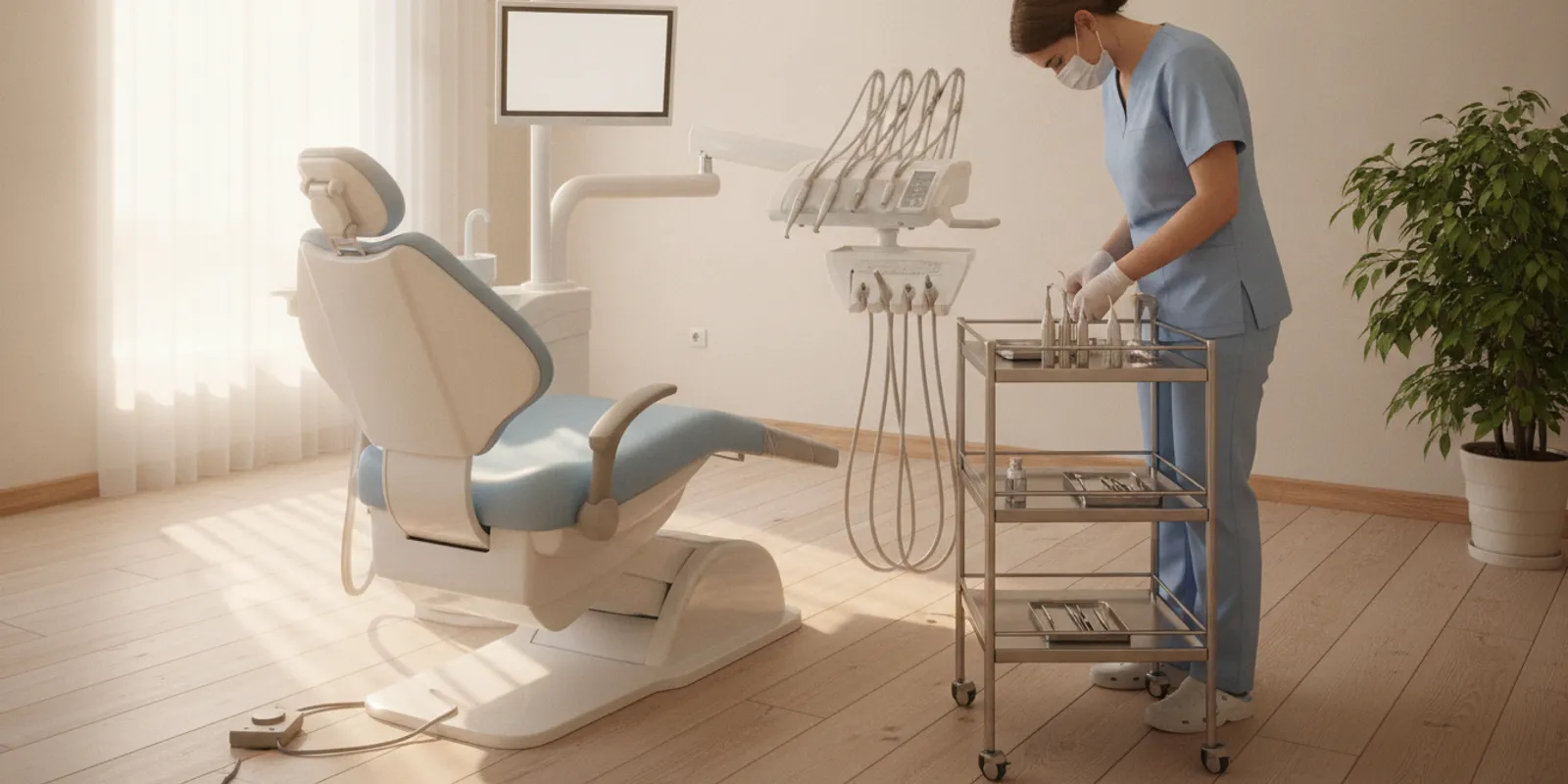
The hands-on cleaning may take a portion of the overall appointment rather than the entire 30-to-60-minute window. The dental professional removes plaque, a soft film that develops on teeth, and tartar, hardened buildup that cannot be removed reliably with ordinary brushing alone. The process may involve instruments that gently loosen buildup around the teeth and along the gumline.
Time varies from person to person. A patient with light buildup and a consistent home-care routine may need less time than someone with more hardened deposits or areas that are difficult to reach. Crowded teeth, orthodontic appliances, dental restorations, dry mouth, and tenderness can also make careful cleaning more involved. The goal is a thorough, comfortable visit rather than rushing to meet a fixed number of minutes.
It can help to separate the words plaque and tartar when thinking about the appointment. Plaque is continually forming and can often be removed at home with brushing and cleaning between the teeth. Tartar is hardened and attached to the tooth surface, so a dental professional uses specialized instruments to remove it safely. The more buildup that needs attention, the more time the hands-on portion may require.
If the dental team sees signs that the gumline needs more extensive care, they may explain another type of appointment instead of trying to complete everything as a routine cleaning. A deeper cleaning is different from a regular preventive cleaning and may involve a separate plan. You can read about gum treatment options or ask which recommendation applies to your situation.
What happens after plaque and tartar are removed?
After the main cleaning, your teeth may be polished. Polishing can smooth the tooth surfaces and remove some surface staining. The team may also floss between the teeth or demonstrate a technique for reaching areas that are easy to miss. This stage is usually brief, but sensitivity or a tight contact between teeth may call for a slower approach.
The appointment generally ends with a review. You can ask whether your brushing and flossing routine is reaching the gumline, whether a water flosser could help, and which areas deserve extra attention. If the team recommends a follow-up, ask what the next visit is meant to address and whether it should be scheduled separately from your routine care.
Our guides on brushing and flossing cover everyday habits you can discuss with your dental professional. If you use a water flosser, you may also find the water-pick guide useful when comparing cleaning methods.
Before leaving, make sure you understand whether the visit is complete or whether the team wants you to return for an examination, additional cleaning, or another treatment. Ask for the recommended timing in plain language. “Schedule a follow-up” can mean different things depending on the concern, so it is reasonable to ask what the next appointment will include and how long it may take.
What can make a dental cleaning take longer?
A routine appointment may run longer for practical or clinical reasons. That does not necessarily mean something is wrong. It may simply mean the team needs more time to understand your history, clean carefully, or answer questions.
- It is your first visit. A new-patient appointment usually includes more forms, questions, and review than an established-patient cleaning.
- It has been a while since your last cleaning. More plaque or tartar can require additional time for careful removal.
- Your gums bleed or feel tender. The team may slow down, check the area, and discuss what you are experiencing.
- You have sensitivity. Mention it early so the team can work with your comfort in mind.
- You have a specific concern. A toothache, broken filling, swelling, or other symptom may require an examination and discussion beyond a routine cleaning.
- Your health history has changed. New medications or medical conditions may affect the questions the team asks before treatment.
- You need additional records or care planning. X-rays, a periodontal assessment, or a discussion of another treatment may extend the appointment or require a follow-up visit.
Appointment timing can also be affected by the number of questions you bring, the number of areas you want to discuss, or the need to coordinate care for more than one family member. That is not a reason to avoid asking questions. It is a reason to mention them when booking so the office can allow an appropriate amount of time.
When booking, describe your needs as accurately as you can. Asking for a routine cleaning when you also have pain or swelling may not leave enough time for the right evaluation. Calling ahead helps the office plan an appointment that fits the reason for your visit.
How should you prepare for a cleaning?
You do not need a special preparation routine. Brush and clean between your teeth as you normally do, but do not try to scrub aggressively right before the appointment. Bring your medication list, insurance information if applicable, and any questions you want answered. Arrive a few minutes early if you need to complete forms.
It is also helpful to notice patterns before you arrive. Does your mouth bleed when you floss? Does cold cause a quick sensation or lingering pain? Is one area difficult to reach? Writing down these details can help you describe them clearly. If you are worried about dental visits, tell the team. A calm conversation about what makes you uncomfortable can help everyone plan a better experience.
For questions about tooth discomfort before your appointment, review this guide to toothaches and treatment options. Severe pain, swelling, trauma, or trouble breathing or swallowing should be treated as a more urgent concern rather than waiting for a routine cleaning.
A practical preparation checklist can make the morning or afternoon easier:
- Confirm the appointment time and allow travel and parking time.
- Complete available forms before arriving.
- Bring medication, allergy, and insurance information that may need updating.
- Write down symptoms, questions, and the date of your last cleaning if you remember it.
- Tell the office in advance if you need a longer visit or have a concern beyond routine cleaning.
There is no benefit to hiding bleeding or trying to make your teeth look different for the appointment. The purpose of the visit is to understand your everyday oral health and provide useful care and guidance.
How long can your mouth feel different afterward?
Many people return to their normal routine after a cleaning. Your teeth may feel smoother, and your gums may feel slightly tender if an area needed more attention. Temporary sensitivity can occur, particularly when there was substantial buildup or the gumline was sensitive. Follow the instructions your dental team gives you, and contact the office if discomfort is severe, worsening, or does not improve as expected.
Good home care helps maintain the result. Brush twice daily with a soft-bristled toothbrush unless your dental professional recommends another approach, clean between your teeth, and keep the follow-up schedule recommended for your needs. Home care does not replace professional examinations, because some problems are difficult to see or feel on your own.
Ask before you leave if you received anything beyond a routine cleaning that changes what you should do afterward. Your dental team can explain whether you should take any temporary precautions, how to respond to sensitivity, and when to call with a concern. Instructions should be based on what happened during your appointment, not on a general assumption about every cleaning.
What questions should you ask before leaving?
A short list of questions can turn a routine cleaning into a useful learning opportunity. Consider asking:
- Did you notice any areas that need extra attention?
- How should I clean around a crown, bridge, denture, or other restoration?
- Was my gum health within a routine range, or do I need a follow-up?
- What symptoms should prompt me to call sooner?
- When should I schedule my next examination or cleaning?
- Would a different toothbrush, flossing method, or water flosser help me reach a problem area?
- If I need another appointment, what will that visit address?
If a concern is identified, ask whether the recommended care can be completed during another visit and what that appointment is intended to accomplish. You can also review the practice’s dental services and office information before you call.
Have questions about the right appointment? Contact Lowell Family Dental Practice so the team can help you choose a visit type.
Frequently asked questions
How long does a dental cleaning take for a new patient?
A new-patient visit may take longer than a routine established-patient cleaning because it can include forms, a health-history review, an examination, and a conversation about your goals. Ask the office for the expected appointment length when you schedule.
Can a cleaning take more than an hour?
Yes. A cleaning may take more than an hour when there is significant buildup, gum sensitivity, a detailed examination, additional records, or several concerns to discuss. The team should explain why more time or a separate appointment is recommended.
Can I eat after a dental cleaning?
In many cases, you can return to your normal routine after a routine cleaning. Your dental professional may give different instructions if you received another treatment during the visit or if your mouth feels particularly sensitive, so ask before you leave.
How often should I schedule a cleaning?
The appropriate interval depends on your oral health, gum health, home-care routine, and dental history. Rather than choosing a schedule based only on a general rule, ask your dental team what interval fits your needs.
What if I have pain before my cleaning?
Tell the office about pain, swelling, trauma, or another significant change when you schedule. The team may recommend an appointment focused on evaluating the symptom rather than treating it as an ordinary cleaning visit.
Ready to plan a comfortable cleaning visit?
Take the next step toward regular preventive care. Book a visit and meet Dr. Gammas and his team.
At Lowell Family Dental Practice, you can bring your questions to a team focused on understanding your concerns and explaining your options clearly, so you know what to expect before, during, and after your visit.
Written by
Dr. Iham Gammas, DMDBoard-Certified Implant Dentist & Founder, Lowell Family Dental Practice. Fellow & Master of ICOI and IADI. Associate Fellow of AAID.