When you are considering cosmetic dentistry, the most important question is not simply how different your smile may look. It is whether the treatment fits your oral health, goals, budget, and willingness to maintain the result over time. A thoughtful plan should improve your smile without losing sight of comfort and function.
Whether cosmetic dentistry is worth it depends on your goals and treatment plan, but it can be a worthwhile investment when the result supports both your confidence and long-term dental health.
That value can come from a subtle change, such as professional whitening, or from restorative cosmetic care that addresses several concerns together. At Lowell Family Dental Practice, we begin with education and an honest discussion of your options, not pressure to pursue a particular procedure. Our overview of cosmetic dentistry in Lowell MA explains how care can be tailored to your smile and dental needs. Before weighing cost and longevity, it helps to look at what research says about the connection between dental appearance and confidence.
Ready to find out if cosmetic dentistry is worth it for you? Book a cosmetic dentistry consultation with Dr. Gammas and his team in Lowell, MA to discuss your smile goals and get straight answers.
What Does the Research Say About Cosmetic Dentistry and Confidence?
Cosmetic dentistry is often discussed as a way to change the appearance of a smile, but the reasons people seek treatment can be more personal. A patient may feel distracted by tooth color, avoid smiling in photographs, or become less comfortable in social settings. Research does not mean that a cosmetic procedure will create the same emotional result for everyone. It does suggest that satisfaction with dental appearance and self-esteem can be connected.
What the research shows
A 2026 study published in Frontiers in Psychology examined the psychosocial impact of dental aesthetic treatment and included measures related to self-esteem among patients seeking care. The study reflects an important point: appearance concerns may involve more than a preference for a particular shade or tooth shape. For some patients, they are part of how they experience themselves and interact with other people. Read the Frontiers study.
A 2025 study in Scientific Reports also explored the relationship between dental aesthetics and self-esteem. Its findings support considering a patient’s perception of their smile as part of the consultation, while still treating self-esteem as a personal and complex outcome rather than a guaranteed treatment result. Review the Scientific Reports research.
Even a focused treatment can affect satisfaction. In an Old Dominion University study of adults aged 50 and older, vital tooth whitening produced statistically significant improvements in tooth color and tooth-color satisfaction in the experimental group, with results reported at p<.001. The study is useful because it measured satisfaction directly, rather than assuming that a whiter smile automatically feels better to every patient. See the ODU whitening study.
Why does how my teeth look affect how I feel?
Answer: Your smile is part of your facial appearance and everyday communication, so concerns about tooth color, shape, or visibility may influence how comfortable you feel speaking, laughing, or meeting others. Research links dental aesthetics with self-esteem and satisfaction, but the personal effect varies. A thoughtful evaluation should focus on your goals, dental health, and expectations rather than promising a particular emotional outcome.
At our practice, we use this evidence as a reason to listen carefully, not as a reason to pressure anyone into treatment. A consultation with Dr. Gammas and his team can help clarify whether a small change, a broader plan, or no cosmetic treatment at all best fits your needs.
The Functional Benefits of Cosmetic Procedures Beyond Aesthetics
A healthier-looking smile and a more comfortable, useful smile do not have to be separate goals. Some cosmetic treatments address visible concerns while also improving the shape, position, or strength of a tooth. The right approach depends on your oral health, the condition of each tooth, and what you want your smile to do every day.
For example, veneers may correct minor misalignment, small gaps, and discoloration in selected teeth. By refining tooth shape and proportion, they can create a more even contact between neighboring teeth and support a balanced smile. This is different from treating significant crowding or a complex bite problem, which may require orthodontic or restorative care instead. A consultation helps clarify which concerns cosmetic treatment can reasonably address.
When cosmetic care is also restorative
Cosmetic and restorative dentistry frequently overlap. A tooth that is worn, weakened, chipped, or structurally damaged may need more than a surface-level change. Depending on the diagnosis, a restorative treatment can protect or reinforce the remaining tooth structure while improving its appearance. In those cases, the goal is not to hide a dental problem. It is to restore a tooth in a way that supports strength, comfort, and a natural-looking result.
Function also includes routine care. When teeth are shaped and positioned more evenly, some people may find it easier to brush and floss around the treated areas. That does not replace daily hygiene, professional cleanings, or treatment for gum disease, but a well-planned result can make consistent care more manageable. Addressing rough edges, spaces where food collects, or an uneven bite may also improve day-to-day comfort.
At our practice, we plan for aesthetics and function together. Dr. Gammas and his team consider your bite, tooth structure, gum health, and long-term maintenance before recommending a cosmetic option. You can learn more about the ways cosmetic dentistry in Lowell MA may fit into a broader treatment plan.

Is cosmetic dentistry purely cosmetic?
Answer: No. Although the visible improvement is often the first reason patients seek care, some cosmetic procedures can also address minor alignment concerns, gaps, discoloration, tooth wear, or structural weakness. The functional benefit varies by treatment and by patient, so the plan should begin with an examination and a conversation about your goals.
How Long Do Cosmetic Results Last?
Cosmetic dental treatment is not a one-time change that ends when you leave the office. Its lifespan depends on the material, the condition of your teeth and gums, your bite, and the habits you bring to daily care. With a careful treatment plan and consistent maintenance, many improvements can remain attractive and comfortable for years.
Veneers, whitening, and bonding: realistic timelines
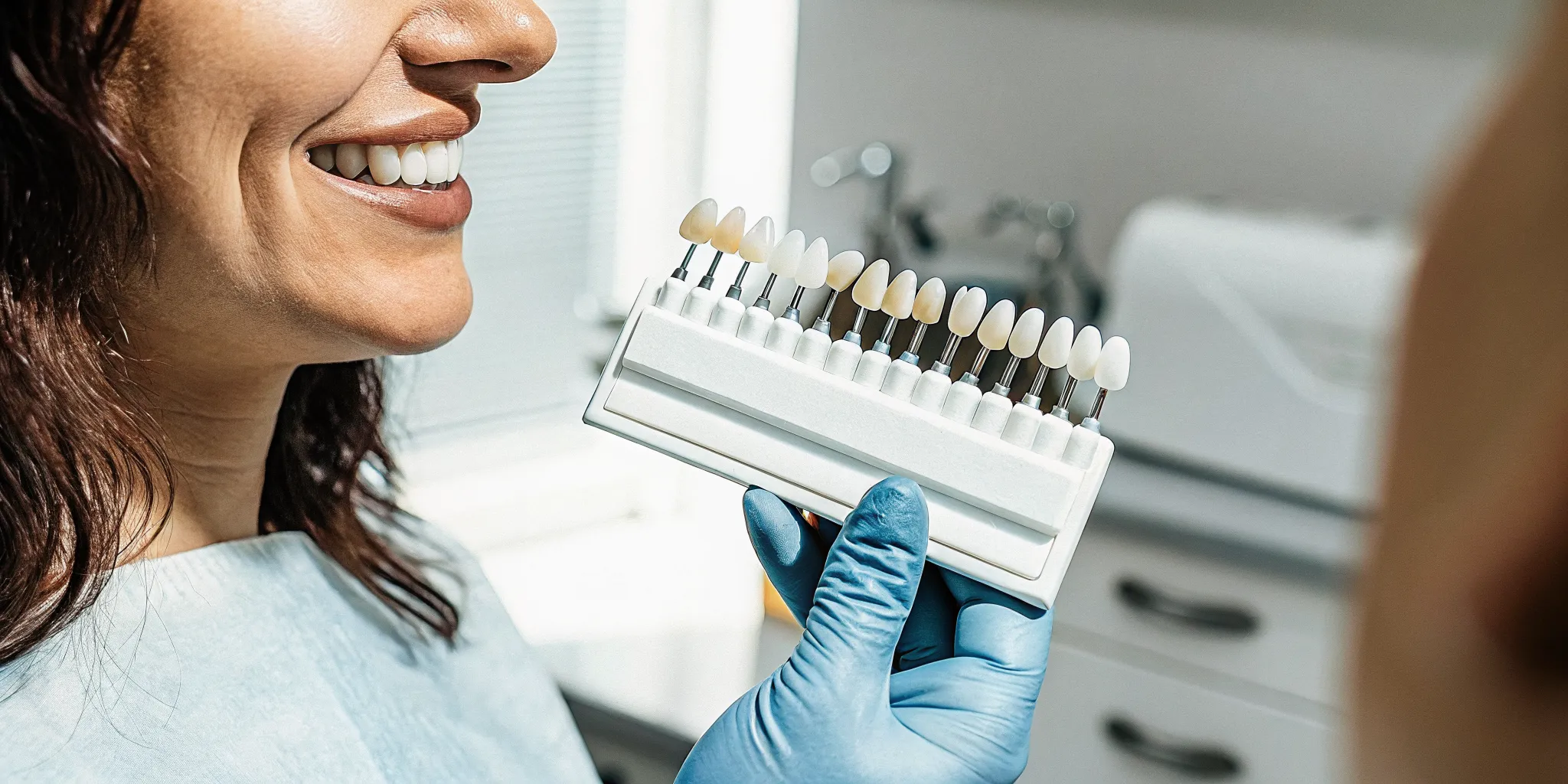
Porcelain veneers are among the more durable cosmetic options. A PubMed-indexed study reported survival of feldspathic porcelain veneers for up to 21 years, while a prospective clinical trial from KU Leuven followed porcelain veneers over a 10-year period. These findings do not promise that every veneer will last that long, but they show why high-quality materials, conservative preparation, a stable bite, and good home care matter.
For many patients, a practical planning range for veneers is about 10 to 15 or more years. Veneers can still need repair or replacement sooner if they are exposed to heavy grinding, trauma, nail biting, ice chewing, or untreated gum disease. During consultations, we evaluate those risks rather than treating longevity as a guarantee.
Teeth whitening is different because it changes the shade of natural tooth structure rather than covering it with a permanent restoration. Results gradually fade as teeth are exposed to coffee, tea, tobacco, red wine, and normal aging. Touch-ups may be needed periodically, and the timing varies by diet and starting shade. Our professional teeth whitening options can be planned around your goals and maintenance preferences.
Tooth bonding generally has a shorter expected lifespan than porcelain because composite material can stain, chip, or wear at the edges. It may still be an excellent choice for a small repair or a conservative cosmetic change, particularly when preserving natural enamel is a priority. We can discuss whether bonding, whitening, veneers, or a combination best fits the result you want.
Maintenance protects the investment
Regular hygiene visits and dental check-ups help us monitor the edges of restorations, gum health, bite forces, and any signs of wear. Brushing with a soft-bristled brush, cleaning between teeth, wearing a custom nightguard when recommended, and avoiding habits that stress the front teeth can also extend the useful life of cosmetic work. If a restoration feels loose, sharp, or suddenly sensitive, contact our practice instead of waiting for a routine appointment.
Want a treatment plan designed to last? Schedule a consultation with Dr. Gammas and his team to learn which cosmetic option fits your goals, budget, and maintenance preferences.
Is Cosmetic Dentistry Worth It? Breaking Down the Value
Cosmetic dentistry is a personal investment, so the right question is not simply what a treatment costs today. It is whether the result addresses your goals, remains healthy and attractive over time, and gives you benefits you will use in daily life. Treatment costs vary according to the procedure, the number of teeth involved, and your individual dental needs. We determine those details during a comprehensive consultation rather than quoting one price for every patient.
It can help to think of the investment over the expected life of the result. A treatment that lasts for years may offer a different value than a lower-cost option that requires frequent maintenance. The emotional and social benefits matter, too. Patients commonly tell our practice that feeling more comfortable smiling, speaking, and being photographed changes how they move through work and personal relationships. Those benefits cannot be reduced to a dollar figure, but they are part of an honest decision.
| Treatment | Typical purpose | What it can fix | Approximate longevity | Maintenance | Value over time |
|---|---|---|---|---|---|
| Porcelain veneers | Refine the appearance of several visible teeth | Selected discoloration, small gaps, and minor shape or alignment concerns | Often many years; longevity depends on materials, bite, and oral habits | Daily hygiene, regular examinations, and protecting the veneers from damaging habits | Can provide durable, comprehensive smile changes when multiple concerns share one plan |
| Professional whitening | Brighten natural tooth enamel | Many forms of surface and age-related discoloration | Results vary and gradually fade | Good home care, sensible stain prevention, and periodic professional touch-ups | A focused option when color is the main concern and the existing tooth shape is satisfactory |
| Dental bonding | Make small, conservative changes to tooth shape | Minor chips, uneven edges, small gaps, and localized cosmetic flaws | Varies with placement, bite, and eating habits | Routine hygiene and examinations; avoid using bonded teeth to bite hard objects | May offer efficient, targeted improvement when a broader treatment is unnecessary |
There is no universal best value. Veneers may make sense for a coordinated change, while whitening or bonding may better match a narrower goal. For more context, review our guide to porcelain veneer costs and our whitening vs veneers comparison. Dr. Gammas and his team can explain the alternatives, expected maintenance, and likely long-term value before you decide.
What Patients Say After Their Smile Transformation at Lowell Family Dental
Our patients often describe the result of cosmetic treatment in practical, personal terms. They may feel more comfortable smiling in photographs, less hesitant when speaking, or more at ease during social and professional interactions. These changes are not guaranteed, and every experience is individual, but they are common themes we hear when treatment supports a patient’s goals and oral health.
A smile transformation does not need to look dramatic to feel meaningful. Small adjustments in tooth shape, color, or balance can help a patient stop focusing on the feature that once made them self-conscious. The value may show up in everyday moments: joining a conversation without covering the mouth, accepting a camera’s attention, or laughing freely with family and friends.
Common themes we hear
- More confidence in photos: Patients may feel less inclined to hide their smile or avoid being photographed.
- Easier communication: Feeling comfortable with the smile can reduce hesitation during conversations, presentations, or introductions.
- Greater social ease: Patients sometimes describe being more willing to participate in gatherings and professional interactions.
- A sense of reclaiming the smile: For someone who has felt self-conscious for years, improving the smile can contribute to a better overall quality of life.
Dr. Gammas and his team treat these outcomes as part of a larger conversation, not as a promise or sales pitch. We begin by listening to what a patient wants to change, evaluating dental health, and explaining realistic options. The best plan is one that feels natural, functions well, and fits the patient’s priorities.
Q: Will cosmetic dentistry automatically make me feel more confident?
A: Not automatically. Confidence is personal, and treatment cannot guarantee a particular emotional result. However, when a cosmetic concern has been affecting how you smile or interact, addressing it may help you feel more comfortable in those situations.
To explore how treatment can be tailored to your goals, read about our smile makeover journeys, then discuss your questions with our team before making a decision.
Signs You Are a Good Candidate for Cosmetic Dentistry
Cosmetic dentistry works best when the treatment matches both your oral health and your goals. A consultation gives us an opportunity to examine your teeth and gums, discuss what you want to change, and explain which options may be appropriate. Use the following signs as a starting point, not as a substitute for an in-person evaluation.
- You have healthy teeth and gums. Stable oral health provides a stronger foundation for cosmetic treatment. If you have active decay, gum inflammation, or another untreated concern, addressing that issue first may protect your results and your overall comfort.
- You can describe a specific aesthetic goal. You may want to brighten discoloration, soften the appearance of gaps, improve a minor irregularity, or create a more balanced smile. Clear goals help us compare treatments rather than recommend a one-size-fits-all solution.
- You understand that maintenance matters. Whitening may need periodic touch-ups, while bonding and veneers require thoughtful daily care. Results can last longer when you follow home-care instructions, protect your teeth from damaging habits, and attend recommended visits.
- You are willing to treat decay or gum disease before beginning. Cosmetic work should not cover up an active dental problem. Completing necessary restorative or periodontal care first can make the treatment plan safer and more predictable.
- You have realistic expectations. Cosmetic dentistry can improve the color, shape, proportion, or appearance of your smile, but every treatment has limits. We will discuss what is achievable with your natural teeth, existing restorations, bite, and facial features.
- You are committed to hygiene and regular check-ups. Brushing, cleaning between your teeth, and professional examinations support the health of your smile after treatment. This commitment is especially important around restorations, where plaque can still contribute to decay or gum problems.
Just as important, a good candidate should feel comfortable asking questions and taking time to decide. Our practice uses consultation and patient education to make the process clear, including alternatives, maintenance, and expected tradeoffs. If you are researching choosing a qualified cosmetic dentist, look for a provider who evaluates health and function alongside appearance. That approach helps ensure your plan supports a natural-looking, healthy smile rather than pursuing change for its own sake.
Frequently Asked Questions
Is cosmetic dentistry really worth the cost?
It can be, when the treatment addresses a concern that meaningfully affects your comfort, confidence, or daily life. The value depends on your goals, the treatment selected, expected maintenance, and the condition of your teeth. A consultation should explain alternatives and costs before you decide, so you can weigh the likely benefits against the investment without pressure.
Are teeth rotting under veneers?
Veneers do not cause decay when they are properly planned, placed, and maintained. The natural tooth beneath and around a veneer still needs daily brushing, flossing, professional cleanings, and regular examinations. Decay can develop if plaque remains at the margins or if an underlying dental problem is not treated first. That is why healthy teeth and gums matter before treatment.
How long do cosmetic dental treatments typically last?
Longevity varies by material, procedure, bite forces, home care, and follow-up visits. Porcelain veneers may last many years, while bonding can require earlier repair and whitening generally needs periodic touch-ups. We will discuss realistic maintenance and replacement expectations for the option that fits your smile.
Does cosmetic dentistry improve oral health?
Some treatments are primarily aesthetic, but cosmetic and restorative goals can overlap. Correcting certain gaps, discoloration, or minor alignment concerns may make teeth easier to care for, while restorative treatment can also improve function. The best plan begins with an examination to identify cavities, gum disease, bite concerns, or other needs before elective treatment.
How do I know if I am a candidate for cosmetic procedures?
Good candidates typically have healthy teeth and gums, a specific concern they want to address, and realistic expectations about results and maintenance. If active decay, gum disease, or another dental issue is present, treating that condition may come first. Dr. Gammas and his team can review your goals and recommend a customized, health-conscious approach.
Ready to explore your cosmetic dentistry options?
A consultation can help you connect your goals with a thoughtful treatment plan and decide whether cosmetic dentistry feels right for you. Book a cosmetic dentistry consultation at Lowell Family Dental Practice to meet Dr. Gammas and his team, ask questions, and discuss your options. Call (978) 458-1179 to schedule your visit.
Written by
Dr. Iham Gammas, DMDBoard-Certified Implant Dentist & Founder, Lowell Family Dental Practice. Fellow & Master of ICOI and IADI. Associate Fellow of AAID.