If you have a chipped tooth or a gap between your front teeth, you may be wondering what is composite bonding dental and whether it can help. Composite bonding is a popular cosmetic dentistry procedure. It uses a tooth-colored resin that your dentist sculpts directly onto your tooth to repair imperfections, all in a single visit. Unlike porcelain veneers or crowns, it requires little to no removal of your natural enamel. This makes it one of the most conservative ways to enhance your smile. At Lowell Family Dental Practice, Dr. Iham Gammas and his team offer composite bonding as part of a comprehensive cosmetic dentistry approach. We design our treatments to give you results that look natural and feel comfortable.
Contact Lowell Family Dental Practice today to schedule your cosmetic consultation and find out if composite bonding is right for your smile.
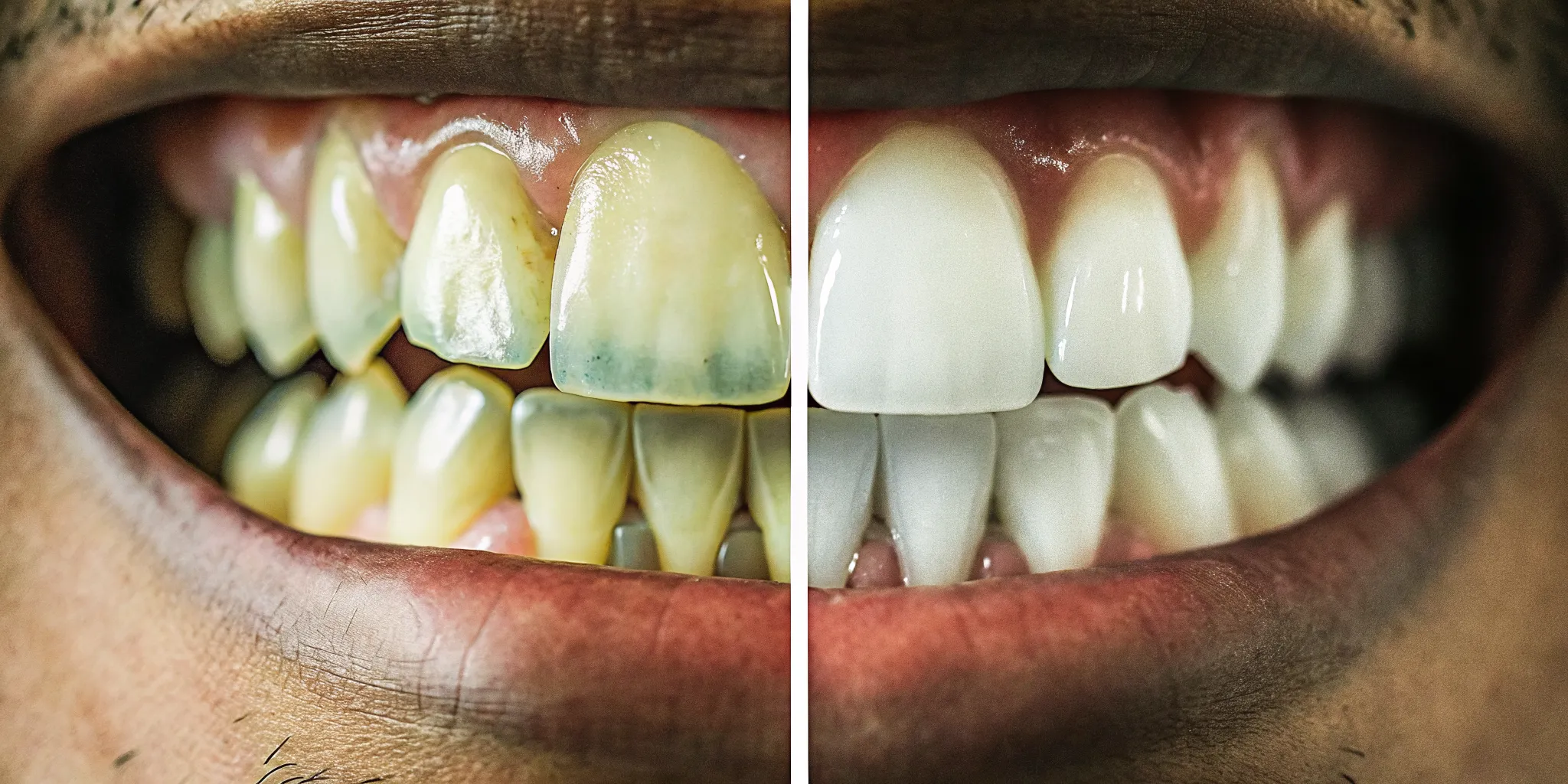
What Is Composite Bonding Dental: What Is Composite Bonding and How Is the Resin Applied?
Composite bonding is a cosmetic dental procedure. A tooth-colored resin made from plastic and glass particles is applied to a tooth to repair chips, cracks, discoloration, or gaps. The resin is matched to your natural tooth shade so the result blends in seamlessly. The process is minimally invasive and takes 30 to 60 minutes per tooth, depending on the repair complexity. Many patients are surprised by how quick and comfortable the procedure is compared to other cosmetic options.
Here is how the procedure works, step by step:
- Shade selection. Your dentist selects a composite resin shade that matches your natural tooth color. This step is critical for a natural-looking result.
- Tooth preparation. The tooth surface is lightly roughened with etching gel. This creates microscopic irregularities that help the bonding material adhere securely. Little to no drilling is required for cosmetic cases.
- Bonding agent application. A liquid bonding agent is applied to the etched surface. This adhesive layer creates a strong bond between your tooth and the composite resin.
- Resin application. The dentist applies the composite resin in thin layers, carefully shaping it to restore your tooth’s natural contours.
- Curing. A high-intensity curing light hardens each resin layer instantly. This triggers a chemical reaction that makes the material durable and strong.
- Shaping and polishing. Once hardened, the dentist uses fine instruments to shape and contour the material. It is then polished to a smooth, glossy finish that resists staining and feels natural.
The result is a seamless restoration that transforms your tooth in a single appointment. Because the material is hand-sculpted and color-matched, the dentist’s artistic skill plays a major role in how natural the final result looks. Dr. Gammas at Lowell Family Dental Practice has extensive experience creating natural-looking bonding restorations for patients throughout the Lowell area.
What Dental Problems Can Bonding Fix?
Composite bonding addresses a wide range of cosmetic concerns. It is conservative and often reversible, so it is frequently the first option patients consider. Whether you have a single tooth that needs attention or multiple teeth that could benefit from cosmetic enhancement, bonding offers a flexible solution. Common issues that bonding can fix include:
- Chipped or cracked teeth. Bonding restores the shape and integrity of a tooth with minor damage from everyday wear, accidents, or habits like nail-biting.
- Gaps between teeth. Composite resin can close small spaces between teeth without orthodontic treatment.
- Discoloration and stains. For teeth that do not respond to whitening, such as those with intrinsic stains from medications, bonding provides an effective solution.
- Misshapen or irregular teeth. Bonding can lengthen short teeth, round out irregular shapes, and create a more uniform smile.
- Minor crowding or misalignment. When orthodontic treatment is not practical, bonding can improve the appearance of crowded teeth through reshaping.
- Exposed tooth roots. Bonding protects roots exposed by gum recession, reducing sensitivity and improving appearance.
How does composite bonding compare to alternatives like porcelain veneers? The table below breaks down the key differences:
| Factor | Composite Bonding | Porcelain Veneers |
|---|---|---|
| Number of visits | Usually one | Two or more |
| Enamel removal | Little to none | Thin layer removed |
| Treatment time per tooth | 30-60 minutes | Two weeks (lab fabrication) |
| Lifespan | 3-10 years | 10-15 years |
| Stain resistance | Moderate | High |
| Repairability | Easily repairable | Must be replaced |
| Cost | More affordable | Higher investment |
| Reversible | Generally yes | No |
Bonding is best for minor to moderate cosmetic imperfections. For significant structural damage or decay, a dental crown may be more appropriate. Unlike porcelain veneers, bonding preserves more of your natural tooth structure. For more on all cosmetic options, visit our services page to see what treatments may work for you.
Is Composite Bonding Painful?
Most patients do not experience pain during composite bonding. The procedure is minimally invasive and does not involve drilling into the tooth. Anesthesia is usually not required. The etching gel may cause a brief sensation, but it is not painful.
Some patients experience minor tooth sensitivity in the days after the procedure. This is typically mild and resolves on its own within a few days. Over-the-counter pain relievers are usually sufficient if any discomfort arises. Patients with naturally sensitive teeth should mention this during their consultation.
For bonding used to fill a cavity or repair decay near the nerve, a local anesthetic may be recommended. For strictly cosmetic bonding, the process is gentle and well-tolerated. At Lowell Family Dental Practice, patient comfort is a top priority. The team ensures the experience is stress-free from start to finish.
How Long Does Composite Bonding Last Before It Needs Replacing?
With proper care, composite bonding can last three to ten years before it needs repair or replacement. The lifespan depends on your oral hygiene, diet, and how well you protect the bonded areas.
Factors that affect the longevity of composite bonding include the following:
- Oral hygiene. Brush twice daily with a soft-bristle brush and fluoride toothpaste. Floss daily and keep up with regular cleanings to prevent decay at the bonded margins.
- Avoiding damaging habits. Chewing ice, biting nails, using teeth to open packages, or chewing pens can chip the composite resin.
- Diet and staining. Composite resin is more porous than enamel and can stain from coffee, tea, red wine, or tobacco. Rinsing with water after consuming these helps maintain the resin’s look.
- Teeth whitening considerations. Composite resin does not respond to whitening agents. If you plan to whiten, do so before bonding so the resin can be matched to your brighter shade.
- Repairability. Minor chips or wear can often be repaired by adding more composite material without replacing the entire restoration.
Regular checkups allow Dr. Gammas to monitor your bonding and address minor issues before they grow. If you are considering bonding as part of a broader smile update, explore our smile makeover options to see how treatments can work together. With the right care and regular dental visits, your bonding can stay looking great for years to come.
Bonding Cost: What to Expect in Massachusetts
Composite bonding is generally more affordable than porcelain veneers and dental crowns. This makes it an accessible entry point for cosmetic dentistry. Because the procedure is often completed in one appointment, you save time and the cost of multiple visits. The conservative treatment also means less preparation and no lab fees.
In Massachusetts, the cost varies by the number of teeth treated, the complexity, and the dentist’s experience. On average, patients can expect to pay between $300 and $600 per tooth for composite bonding. At Lowell Family Dental Practice, we recommend calling for pricing options during your consultation. Each patient’s needs are unique. We review your cosmetic goals, examine your teeth, and provide a clear cost breakdown before any work begins. Learn about our financing options to make treatment more affordable.
Bonding is often the first step patients take when exploring cosmetic enhancements. It offers a low-commitment way to see what is possible before deciding on more involved treatments like veneers or orthodontics. Many patients choose bonding because it allows them to test-drive a cosmetic change. If they decide to upgrade to veneers down the road, the bonding can be easily replaced without compromising the tooth structure underneath.
Is Bonding Right for Me? Questions to Ask at Your Consultation
Composite bonding is an excellent option for many patients, but it is not right for every situation. Your dentist will evaluate whether you are a good candidate. Ideal candidates have healthy teeth and gums with no active decay or advanced gum disease. Any underlying dental issues should be treated before cosmetic bonding.
During your consultation with Dr. Gammas, ask these important questions:
- Can composite bonding achieve my goals? Be specific about what you want to change: shape, color, size, or alignment.
- What are the alternatives? Porcelain veneers or crowns may also work. Understanding the trade-offs helps you decide with confidence.
- How much experience do you have with cosmetic bonding? The dentist’s artistic skill is a key factor in natural-looking results. Ask to see before-and-after photos of previous bonding cases to set realistic expectations.
- How do I maintain my bonding? Your dentist should provide clear aftercare instructions including foods and habits to avoid.
- Are there health concerns I should share? Some patients may have sensitivities to resin components. Review your full medical history with your dentist.
The consultation is also your chance to get a feel for the practice. At Lowell Family Dental Practice, we focus on education, transparency, and partnership. You are never rushed into a decision, and every treatment step is explained in clear terms. New patients are always welcome — see what to expect when you visit us for the first time.
Frequently Asked Questions
Does composite bonding hurt?
Most patients do not experience pain during composite bonding. Anesthesia is typically not needed because the procedure is minimally invasive and does not involve drilling. Some patients may notice minor temporary sensitivity for a few days after the procedure, but this usually resolves on its own.
How long does composite bonding last on a tooth?
Composite bonding typically lasts between three and ten years with proper care. Factors such as oral hygiene, diet, teeth-grinding habits, and avoiding hard foods all influence how long the material holds up before it needs repair or replacement.
How much does one composite bonding cost?
The cost of composite bonding varies based on the number of teeth treated and the complexity of the case. It is generally more affordable than porcelain veneers or crowns. For specific pricing, schedule a consultation with your dentist for a personalized estimate.
What is the downside to composite bonding?
Composite resin is more prone to staining than natural enamel or porcelain, and it may not last as long as veneers or crowns. It is also not as strong, so it is best suited for minor cosmetic repairs. However, chips and wear can often be repaired without replacing the entire restoration.
Is dental composite bonding worth it?
For patients with minor chips, gaps, stains, or irregularly shaped teeth, composite bonding offers a fast, affordable, and minimally invasive way to improve their smile. A single visit is usually enough to complete the procedure, and it requires little to no removal of natural tooth structure. Many patients find it to be an excellent first step in cosmetic dentistry. If you are looking for a solution that delivers immediate results without a lengthy treatment process, bonding is definitely worth considering.
Ready To Transform Your Smile with Composite Bonding?
If you are considering composite bonding to repair chips, close gaps, or enhance the appearance of your teeth, the first step is a conversation. Dr. Iham Gammas and his team at Lowell Family Dental Practice take the time to understand your cosmetic goals. They examine your teeth and recommend the approach that gives you the best possible outcome. Schedule a cosmetic consultation today and discover how this simple, single-visit procedure can make a real difference in your smile. Call us at (978) 458-1179 to book your appointment and meet Dr. Gammas and his team.
Written by
Dr. Iham Gammas, DMDBoard-Certified Implant Dentist & Founder, Lowell Family Dental Practice. Fellow & Master of ICOI and IADI. Associate Fellow of AAID.


