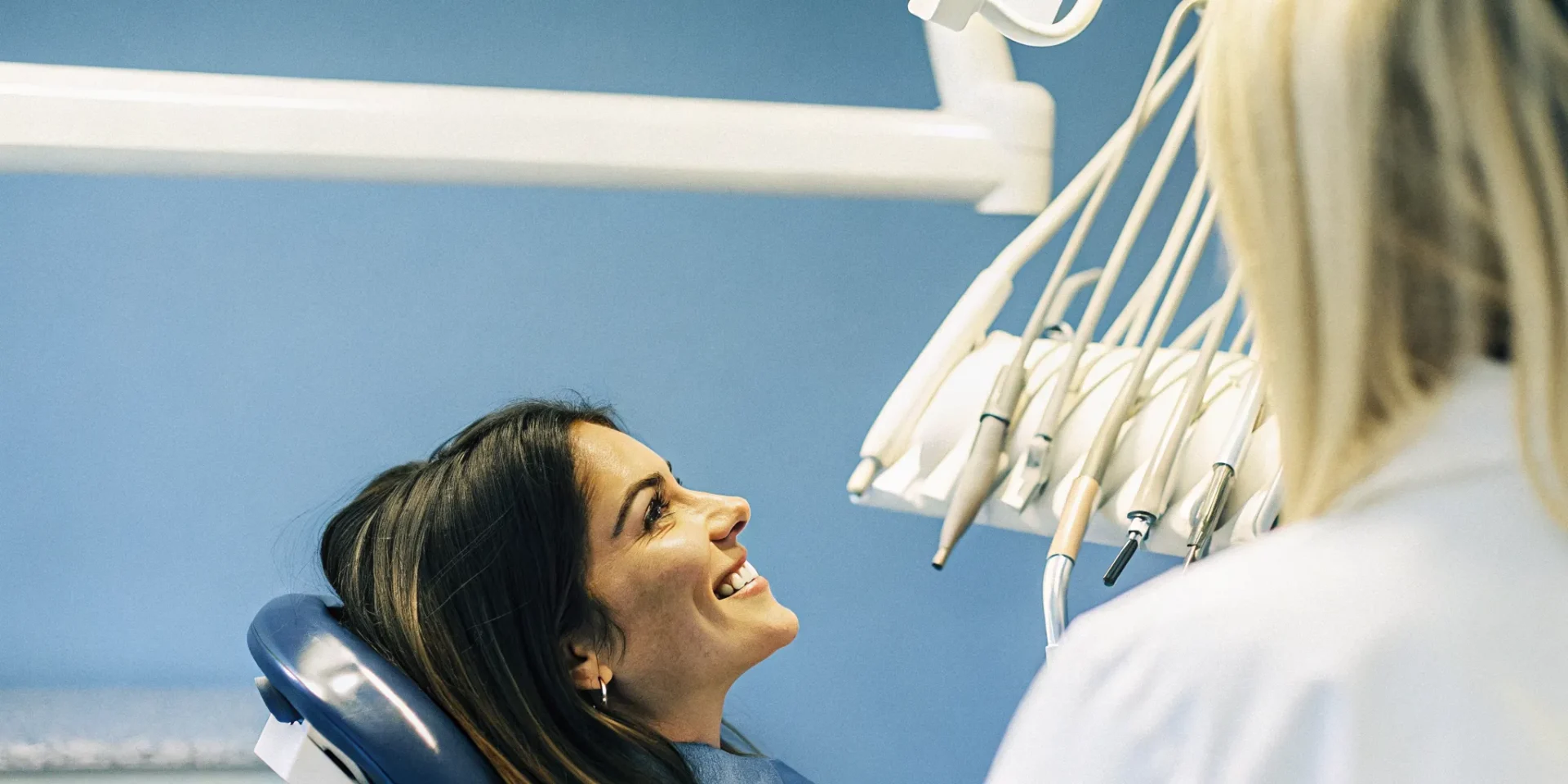
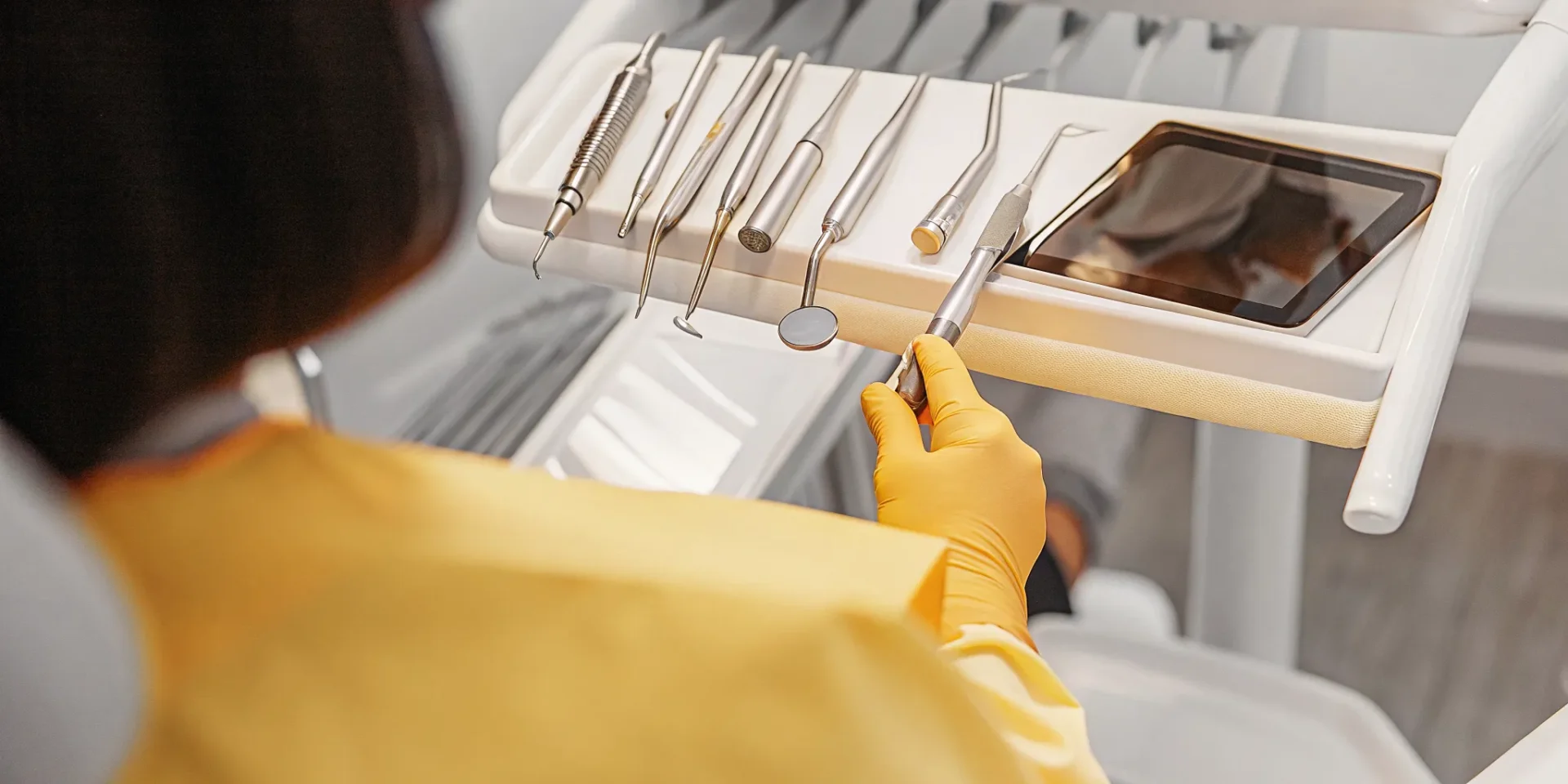
Your first dental visit should replace uncertainty with a clear picture of your oral health. At Lowell Family Dental Practice, the appointment begins with your concerns, health history, and goals.
What to expect at first dental visit usually includes a review of your health history, a conversation about your concerns, and a comprehensive oral exam. Your dental team may recommend X-rays based on your needs, examine your teeth and gums, review home-care habits, and explain the findings. A cleaning may happen at the same visit, but timing depends on your oral health and the care you need.
Every new-patient appointment is a little different. Understanding the usual flow can help you arrive prepared, ask useful questions, and leave with a clear plan.
What to expect at first dental visit: the short answer
A first appointment is primarily a fact-finding and relationship-building visit. The team learns about your health, listens to what brought you in, examines your mouth, and discusses appropriate next steps.
Your welcome and health history
You will likely begin with forms and a review of your medical and dental history. Be ready to share medications, allergies, previous treatment, and current health conditions. These details can affect oral health and help the dental team make safer recommendations.
This is also the right time to mention tooth pain, sensitivity, bleeding gums, changes in your bite, or cosmetic concerns. If dental visits make you nervous, say so. A clear conversation helps the team tailor the pace and explanations to you.
Your exam and possible X-rays
During a comprehensive exam, the dentist may evaluate your teeth, gums, bite, existing dental work, and other oral tissues. X-rays are not automatic for every patient. The dentist decides whether images are useful based on symptoms, exam findings, dental history, and any recent records.
Learn more about the practice’s approach and useful forms on the new patients page.
Findings and next steps
After the exam, the team explains what they found in plain language. You may receive personalized guidance about brushing, cleaning between teeth, diet habits, or caring for existing dental work. If follow-up care is recommended, ask what should happen first, why it matters, and what choices are available.
How to prepare for your first dental appointment
A little preparation makes the visit more useful and helps the team understand your needs from the start. Use this checklist before your appointment.
- Gather health information. Bring an accurate medication list and note allergies, diagnoses, surgeries, and other health details.
- Summarize your dental history. Share recent treatment, current symptoms, past dental experiences, and available records.
- Bring insurance and payment information. If you plan to use dental benefits, bring the relevant card or details and ask questions before treatment.
- Write down questions. Note concerns about discomfort, appearance, home care, or treatment so you do not forget them.
- Allow time for forms. Ask when to arrive and whether any paperwork can be completed in advance.
Prepare for a productive conversation
Think about what matters most to you. You might want to address a specific problem, return to routine preventive care, or understand how oral health connects with overall health. Clear priorities help the team focus the appointment.
If you feel anxious
Dental anxiety is common, especially after a long gap in care. Tell the team what makes visits difficult and what has helped before. You can ask for explanations before each step and request a pause if you need one.
For scheduling questions or help preparing, use the practice’s contact page.
What happens during a new patient dental exam?
The new-patient exam gives the dentist a broad view of your oral health. At Lowell Family Dental Practice, it also creates time to understand your concerns and discuss options collaboratively.
A comprehensive look at oral health
The dentist may assess your teeth, gums, bite, existing restorations, and other oral tissues. The team may also discuss habits, symptoms, and health conditions that could influence your mouth. This comprehensive view helps identify priorities rather than focusing only on one tooth.
Oral hygiene guidance tailored to you
Your first visit includes a thorough review of oral hygiene instructions. Rather than giving generic advice, the team can connect recommendations to the findings in your mouth. You may discuss brushing technique, cleaning between teeth, products, and preventive habits.
Clear options and shared decisions
If the exam identifies a concern, the dentist will explain it and discuss treatment options. You are encouraged to ask questions and participate in decisions. Explore the practice’s range of dental services for more context about available care.
Will you receive a cleaning or X-rays at the first visit?
You may receive a cleaning or X-rays at your first appointment, but neither should be assumed. The appropriate plan depends on your history, recent records, symptoms, gum health, and exam findings.
| Part of the visit | May it happen? | What determines it |
|---|---|---|
| Comprehensive exam | Typically part of a first visit | Your concerns, history, and current oral health |
| Cleaning | May happen that day | Exam findings, gum health, type of cleaning needed, and scheduling |
| X-rays | Taken when clinically useful | Symptoms, exam findings, history, and available recent images |
| Oral hygiene guidance | Discussed as appropriate | Your home-care routine and findings |
| Next-step discussion | Usually follows the exam | Your priorities and recommended care |
Why a cleaning may be scheduled separately
Different patients need different kinds of preventive or gum care. Examining the gums first helps the team recommend the appropriate approach. If a cleaning is better scheduled for another day, ask what type is recommended and why.
Why X-ray decisions are individualized
X-rays can reveal information that is not visible during an exam, but the need for them varies. Recent records, symptoms, risk factors, and the dentist’s findings all influence the decision.
How long does a first dental visit take?
There is no single duration that fits every first dental visit. Appointment length varies with the complexity of your health history. The number of concerns you want to discuss, the exam needed, and whether X-rays or a cleaning are appropriate.
Factors that affect timing
A straightforward preventive visit may require less time than an appointment involving several symptoms, extensive history, or a long gap in care. Time is also needed to explain findings and answer questions without rushing.
Plan enough time to feel informed
When scheduling, ask how much time the office recommends for your specific visit. Mention urgent symptoms, anxiety, or mobility needs in advance. This helps the practice prepare and gives you a more comfortable experience.
What happens after your first dental visit?
Before leaving, you should understand your current oral health and the recommended next steps. Those steps may involve routine preventive care, a follow-up cleaning, more evaluation, or treatment for a specific concern.
Review the plan and priorities
Ask which recommendations are most time-sensitive and why. If several options exist, discuss the benefits, limits, and sequence of each. A collaborative plan should reflect both clinical needs and your goals.
Continue preventive habits at home
Follow the personalized home-care guidance from your visit. Consistent daily habits support both your mouth and your wider well-being. Read more about how good dental hygiene supports overall health.
Why Lowell patients choose relationship-focused dental care
Lowell Family Dental Practice serves individuals and families across generations with a warm, patient-centered approach. The team views patients as active partners and explains conditions and options in accessible language.
Care shaped around the person
A relationship-focused practice considers more than a checklist of procedures. It connects oral health with physical well-being, listens to your concerns, and helps you make informed decisions over time.
A welcoming local environment
For people who feel uneasy about dentistry, compassionate explanations and an unhurried conversation can reduce uncertainty. Learn more about the Lowell dental office and read patient reviews before scheduling.
How to make the most of your first visit
Your appointment is a chance to learn about your mouth and establish a useful baseline for future care. You do not need to understand dental terms before arriving. You only need to share what you have noticed and ask for clarification whenever an explanation is unclear.
Describe symptoms with useful details
If something hurts, tell the team when it started, what triggers it, and whether the feeling is sharp, dull, or sensitive. Mention changes such as swelling, bleeding, a loose filling, or discomfort while chewing. These details help the dentist focus the exam and decide whether further evaluation is appropriate.
Also mention changes that are not painful. A different bite, persistent dry mouth, new spots, or trouble keeping an area clean may still be useful information. Do not feel embarrassed about a long gap in care. Honest details are more helpful than a perfect dental history.
Ask questions that support informed choices
When the dentist explains a finding, ask what it means, what may happen if it is monitored, and what treatment choices are available. You can also ask which recommendations are preventive and which address an active concern. Clear answers make it easier to decide what fits your health and goals.
If a treatment is recommended, ask about the expected steps and how to prepare. You can request a written plan before scheduling follow-up care. Taking notes or bringing a trusted family member may also help when several topics need discussion.
Leave with a clear preventive routine
Before leaving, confirm how often to brush, how to clean between teeth, and whether any product recommendations apply to you. Ask when your next visit should occur and what signs should prompt an earlier call. A simple, realistic plan is easier to follow than several changes made at once.
Good dental care is a partnership. Your daily habits, the practice’s clinical guidance, and regular follow-up all work together. The first visit establishes that partnership and gives you a practical starting point.
Frequently asked questions
What should I bring to my first dental appointment?
Bring a medication list, relevant medical and dental history, available recent dental records, insurance details if applicable, and a written list of questions or symptoms.
Do I get a cleaning at my first dental visit?
A cleaning may happen, but it depends on the exam findings, gum health, the type of cleaning appropriate for you, and scheduling. The team will explain the recommended next step.
Will I have X-rays taken at my first visit?
X-rays may be recommended when they can provide useful information. The decision depends on your symptoms, history, exam findings, risk factors, and recent available images.
What if I have not visited a dentist in years?
Be honest about the gap and any worries. The first goal is to understand your current health and create a manageable plan. You can ask the team to explain each step and prioritize concerns.
Can I ask questions before booking?
Yes. Contact the practice to ask about preparation, timing, forms, or what to share when scheduling. Clear information before the visit can make the experience easier.
Schedule your first dental visit in Lowell
Ready for a clear, supportive start? Schedule your first visit with Lowell Family Dental Practice to discuss your concerns, understand your oral health, and plan the next steps with confidence.
Schedule an appointment online or call (978) 458-1179.
Written by
Dr. Iham Gammas, DMDBoard-Certified Implant Dentist & Founder, Lowell Family Dental Practice. Fellow & Master of ICOI and IADI. Associate Fellow of AAID.