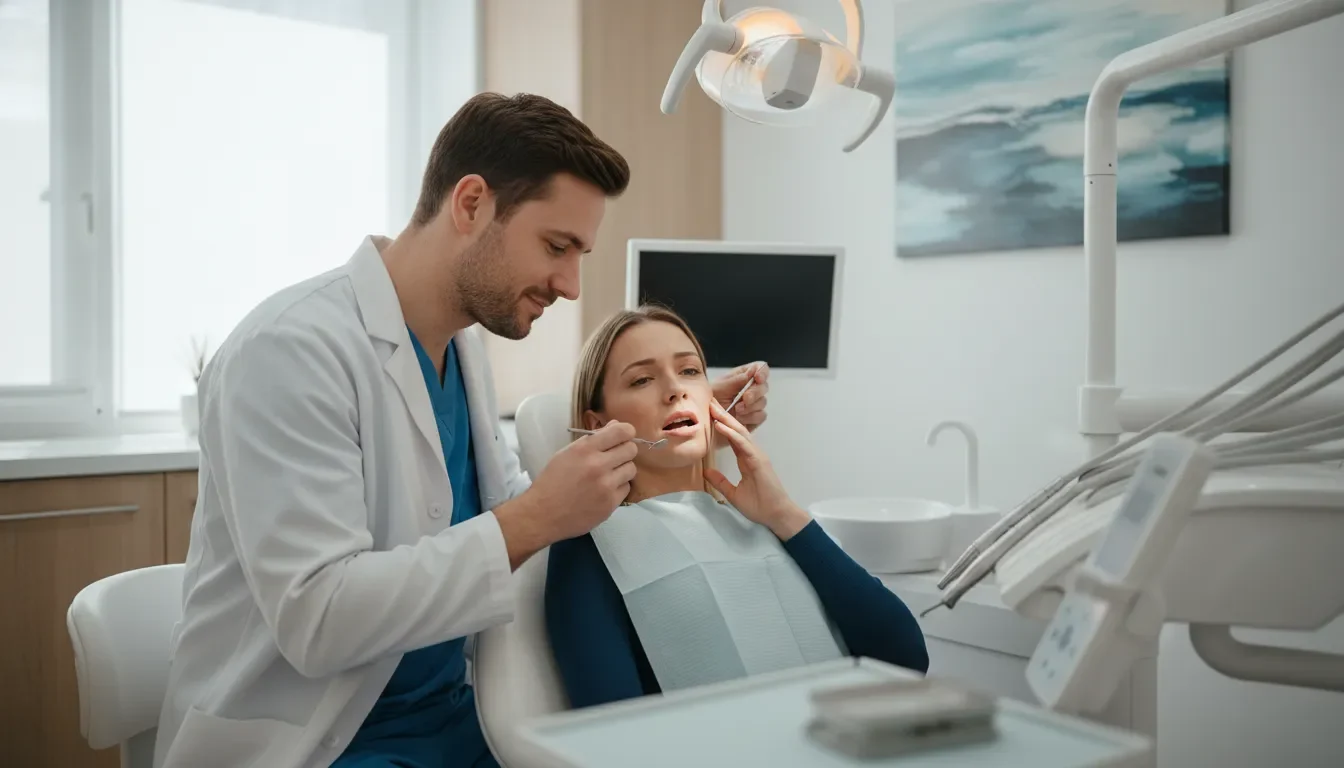
A toothache can interrupt meals, sleep, and work long before it looks like an emergency. If you are searching for help with tooth pain in Lowell, MA, the safest next step is to call a dentist early, describe your symptoms, and arrange an evaluation before the problem worsens. Home care may make the wait more comfortable, but it cannot diagnose or repair the cause.
Call Lowell Family Dental Practice at (978) 458-1179 to request a tooth pain appointment.
Tooth pain Lowell MA: when should you call a dentist?
Mild sensitivity or a lasting problem?
A brief twinge after a cold drink may come from temporary sensitivity. Note what triggers it, how long it lasts, and whether it returns. Pain that fades quickly and does not come back may not need urgent care. Still, mention repeat sensitivity at your next dental visit.
Call a dentist soon when pain lingers, keeps returning, or affects sleep and meals. Pain when biting can also point to a problem that needs an exam. A dentist can check the tooth, gums, and nearby tissues to find the likely cause. Lowell Family Dental Practice offers a range of dental services for diagnosis and care.
Warning signs that need prompt care
Some symptoms can signal infection, injury, or another urgent concern. Contact a dentist promptly if tooth pain comes with swelling, fever, a bad taste, or drainage. Guidance from Mayo Clinic also lists fever, earache, and pain when opening the mouth wide as reasons to seek care.
- Swelling in the face, jaw, gums, or around a painful tooth
- Fever or feeling ill along with tooth pain
- A broken, loose, or knocked-out tooth after an injury
- Bleeding that does not stop with steady, gentle pressure
- Severe pain that does not ease or keeps getting worse
Do not wait for a routine appointment if swelling spreads or pain rises fast. Trouble breathing or swallowing needs emergency medical care right away. Uncontrolled bleeding or a serious facial injury also calls for emergency care. After urgent medical needs are handled, a dentist can assess damage to the teeth and gums.
What to share when you call
Give the dental team clear details so they can judge how soon you need an exam. Explain when the pain began, where it hurts, and what makes it better or worse. Mention swelling, fever, trauma, bleeding, or trouble swallowing. Also share any health conditions and medicines that may affect care.
Until you are seen, avoid chewing on the painful side and keep the area clean. Do not place aspirin against the tooth or gum. For tooth pain in Lowell, MA, use the practice’s contact and booking page or call the office. The dental team can advise on the next safe step based on your symptoms.
What to do for a toothache before your appointment
A toothache can make it hard to eat, sleep, or focus. Safe home care may ease tooth pain while you wait for a dental visit. These steps do not treat the cause, so keep your appointment even if the pain fades.
Safe steps for short-term relief
Start with gentle care and avoid anything that could irritate the sore tooth. Follow this sequence until you can see a dentist:
- Rinse your mouth with warm water. Swish gently to loosen food and clear the area, then spit out the water.
- Floss around the sore tooth with care. This may remove trapped food, but stop if flossing causes bleeding or sharp pain.
- Hold a cold compress against the outside of your cheek. Wrap it in cloth first, and take breaks to protect your skin.
- Choose soft foods, and chew on the other side. Avoid foods and drinks that are hard, sticky, hot, cold, or sugary.
- Keep your head raised when resting or sleeping. An extra pillow may help limit pressure that can make throbbing feel worse.
- Use an over-the-counter pain medicine only as its label directs. Ask a pharmacist before use if you take other medicine or have health concerns.
Do not place aspirin on your tooth or gums. It can harm the soft tissue and will not fix the source of pain. The Mayo Clinic toothache guidance also recommends rinsing with warm water and gently removing trapped food.
What to avoid while you wait
Do not poke the sore area with sharp tools or try to drain a lump yourself. Skip home remedies that burn, numb, or irritate your gums. Heat against the face may make swelling feel worse, so use a cold compress instead.
Be cautious if pain suddenly stops without treatment. A quiet tooth can still have decay, a crack, or an infection below the surface. A dental exam can find the cause and show which care is right for you.
Planning your dental visit
When you call, describe where the pain is and when it began. Mention swelling, fever, a broken tooth, recent dental work, or trouble eating. These details help the dental team judge how soon you should be seen.
If you need care for tooth pain in Lowell, MA, review our dental services and contact the practice for an appointment. Relief at home is temporary; a dentist must diagnose and treat the cause.
Common causes of tooth pain and what they may feel like
Tooth pain can feel sharp, dull, brief, or constant. The feeling offers useful clues, but different problems can cause similar symptoms. Only a dentist can find the cause through an exam and, when needed, dental X-rays.
How the pain can guide an exam
Notice when the pain starts and how long it lasts. Pain during biting may point toward a crack, loose filling, decay, or irritation around the tooth. A quick sting from cold may suggest sensitivity, while pain that lingers can signal a deeper problem.
Also note whether the pain wakes you, spreads toward the jaw, or comes with swelling. These details help a dentist focus the exam. They do not replace one, since a nearby tooth can sometimes seem like the source.
| Possible cause | What it may feel like | Other clues |
|---|---|---|
| Tooth decay | Sensitivity or a growing ache | Pain with sweets, heat, or cold |
| Crack or lost filling | Sharp pain when biting or releasing | Pain may come and go |
| Gum inflammation | Tenderness around one or more teeth | Redness, swelling, or bleeding |
| Grinding or clenching | Dull soreness or pressure | Jaw fatigue, often after waking |
| Infection | Strong, throbbing, or constant pain | Swelling, bad taste, or fever |
| Tooth sensitivity | Short, sudden sting | Triggered by cold, heat, or touch |
Common sources of pain
Decay can begin with little discomfort, then hurt as damage reaches deeper tooth layers. The National Institute of Dental and Craniofacial Research explains how decay develops and why early treatment matters. A lost filling can expose the tooth and create a similar response.
Cracks are often hard to see. Some hurt only when chewing, while others react to temperature changes. Gum inflammation can make the tissue sore and may cause bleeding during brushing. Grinding can strain teeth and jaw muscles, leading to a broad ache rather than pain in one spot.
An infection may cause steady pain, swelling, or pressure. Fever, facial swelling, or trouble swallowing needs prompt care. These signs can mean the problem is moving beyond the tooth and should not be watched at home.
Why symptoms need a dental diagnosis
Sensitive teeth may react to cold air, drinks, or brushing. The cause may be exposed roots, worn enamel, decay, or another issue. Because treatment depends on the cause, covering the pain alone may delay needed care.
If you are searching for help with tooth pain in Lowell, MA, start with a dental exam. Lowell Family Dental Practice offers general and restorative dental services that can help find the source. Bring notes about triggers, timing, swelling, and recent dental work to make the visit more useful.
Should you go to the ER for tooth pain?
When hospital care is the safer choice
Most tooth pain needs a dentist, not a hospital emergency room. Go to the ER or call 911 if you have trouble breathing or swallowing. You should also seek hospital care for severe facial or neck swelling, uncontrolled bleeding, or a serious injury to your face or jaw.
Fever, weakness, confusion, or fast-growing swelling with tooth pain can point to a spreading infection. A tooth abscess can spread beyond the tooth if it is not treated, according to MedlinePlus guidance on tooth abscesses. When you are unsure whether symptoms threaten your breathing or general health, choose emergency medical care.
What the ER can and cannot do
An ER team can check for dangerous infection, control bleeding, treat a major injury, and help stabilize you. The team may also ease pain or start other medical care when needed. However, most hospitals cannot provide the dental work that fixes the cause, such as treating decay or repairing a damaged tooth.
Even after an ER visit, you may still need prompt dental care. A dentist can examine the tooth and nearby tissues, then explain the treatment options. Lowell Family Dental Practice offers digital X-rays and a range of dental services to help find and address the source of pain.
When to call a dentist promptly
Call a dentist as soon as you can for tooth pain without life-threatening warning signs. Examples include pain when biting, lasting sensitivity, a cracked tooth, a lost filling, or swelling limited to the gum. Do not wait for mild pain to become hard to manage. Prompt care may also make the needed treatment simpler.
- Note when the pain began and what makes it better or worse.
- Tell the dental team about swelling, fever, injury, or a bad taste in your mouth.
- Avoid placing aspirin on the tooth or gum.
- Use only pain medicine that is safe for you and follow its label.
If you have tooth pain in Lowell, MA, describe your symptoms when you call. This helps the dental team assess how soon you should be seen. You can use the practice’s contact page or call (978) 458-1179 during business hours to request an appointment. If symptoms change before the visit, call again or seek hospital care when warning signs appear.
What happens at a tooth pain appointment?
A tooth pain appointment starts with a simple goal: find the source of the pain and explain what can help. The visit should feel calm and clear, not rushed. If you need care for tooth pain in Lowell, MA, share every detail you can when you arrive.
Your symptoms and health history
The dental team will first ask when the pain began and what it feels like. They may ask whether it is sharp, dull, constant, or triggered by biting. Tell them about swelling, fever, a bad taste, or pain that wakes you at night.
You will also review your health history, medicines, allergies, and recent dental care. These details help the dentist see the bigger picture. The CDC explains the connection between oral health and overall health, so even a detail that seems unrelated may be useful.
The exam and possible imaging
Next, the dentist will examine the painful tooth, nearby teeth, gums, and the rest of your mouth. They may gently press the area or check how the tooth reacts to temperature. A bite check can also show whether chewing pressure causes pain.
Some causes are easy to see during the exam. Others may sit below a filling, inside a tooth, or under the gumline. In those cases, digital X-rays may help the dentist find the source. The team should explain why an image is useful before taking it.
Children can often feel less worried when they know what comes next. Parents can help by describing the visit as a careful check rather than a test. The dental team can pause, answer questions, and explain each step in plain language.
Diagnosis and treatment choices
After the exam, the dentist will explain what they found and discuss the likely cause. They will also review treatment choices, expected timing, and ways to keep you comfortable. Ask what needs prompt care and what can safely wait.
Treatment depends on the cause, so not every painful tooth needs the same type of care. The next step may involve protecting the tooth, treating an infection, or planning restorative care. You can review the practice’s dental services before your visit or treatment discussion.
Before you leave, make sure you understand the plan and any home-care directions. Ask who to call if pain or swelling gets worse. Clear instructions help families know what to expect after the appointment and when to seek more care.
How can you keep tooth pain from becoming an emergency?
The best time to respond to tooth pain is when it first appears. Sensitivity that keeps returning, discomfort when biting, or a rough edge on a tooth may be early warnings. Calling a dentist promptly gives the team a chance to evaluate the problem before pain becomes severe or swelling develops.
Routine dental visits also matter. Checkups and professional cleanings can help identify decay, worn restorations, gum inflammation, or signs of grinding before they become more difficult to manage. At home, brush gently twice a day with fluoride toothpaste, clean between your teeth daily, and avoid chewing ice or other very hard foods.
If you play contact sports or grind your teeth, ask a dentist whether a properly fitted mouthguard may be appropriate. Protective care should be based on your needs rather than a one-size-fits-all product.
Do not wait for a manageable ache to become an urgent problem. Call (978) 458-1179 to request an appointment.
Frequently asked questions about tooth pain
What stops tooth nerve pain immediately?
No home remedy can immediately fix the dental problem causing nerve pain. For temporary relief, rinse with warm water, floss gently, use a cold compress on the outside of the cheek, and take over-the-counter medicine only as directed. Arrange a dental exam promptly.
Should I go to the ER for severe tooth pain?
Seek emergency medical care for trouble breathing or swallowing, uncontrolled bleeding, major facial trauma, or rapidly increasing facial swelling. Otherwise, call a dentist promptly. An emergency department may address an immediate medical risk, but a dentist usually must treat the tooth itself.
What is the 3-3-3 rule for toothache?
The 3-3-3 rule is an informal online dosing phrase, not a safe universal recommendation. Medicines, strengths, and individual risks differ. Follow package directions or instructions from a qualified clinician instead, and contact a dentist about persistent pain.
How long should I wait before calling a dentist about tooth pain?
Call promptly if pain is severe, follows an injury, keeps returning, or comes with swelling or fever. Even milder pain that lasts more than a day or interferes with eating or sleep deserves a dental evaluation.
Get help with tooth pain in Lowell, MA
Waiting can allow a treatable dental problem to become more painful and disruptive. Lowell Family Dental Practice provides patient-centered care for individuals and families in Greater Lowell. The team can assess your symptoms, explain the likely cause, and discuss appropriate next steps.
Call Lowell Family Dental Practice at (978) 458-1179 to request an appointment. If you have trouble breathing or swallowing, uncontrolled bleeding, major facial trauma, or rapidly worsening swelling, seek emergency medical care.
Written by
Dr. Iham Gammas, DMDBoard-Certified Implant Dentist & Founder, Lowell Family Dental Practice. Fellow & Master of ICOI and IADI. Associate Fellow of AAID.