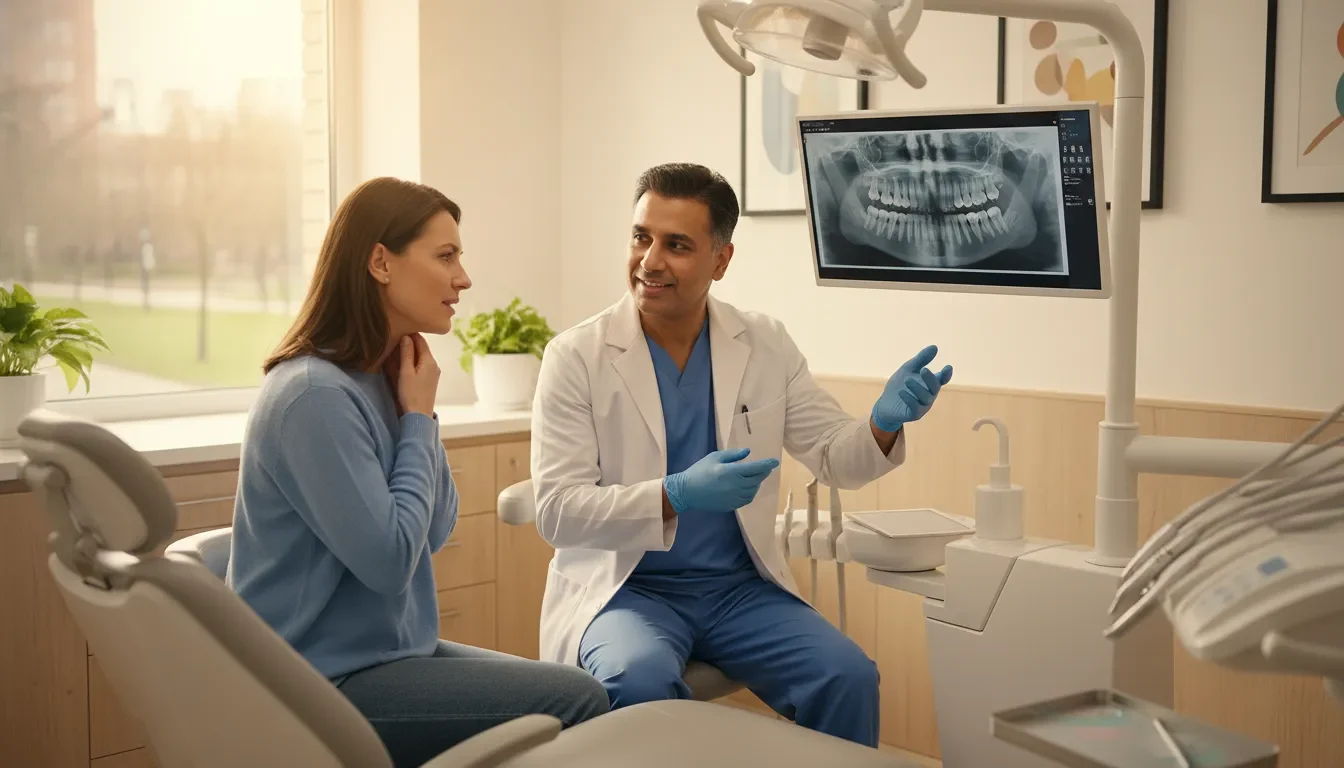
Swelling, nonstop pain, or a broken tooth should not sit untreated overnight. Calling promptly can protect your health, ease pain, and give Lowell Family Dental Practice more options to stabilize the problem.
Contact Lowell Family Dental Practice now to request an urgent dental appointment.
Same day dentist Lowell MA care is for urgent problems that should be assessed before a routine appointment becomes available today. Call promptly for persistent or severe pain, facial or gum swelling, uncontrolled bleeding, a knocked-out tooth, or a painful crack or break. Quick evaluation matters because untreated dental emergencies can become extremely painful, spread infection, affect nearby tissues, or, in rare cases, threaten the airway. A dentist can find the cause, ease pain, and stabilize the problem before it causes more damage or becomes harder to treat. Trouble breathing or swallowing, heavy bleeding, major facial trauma, or other life-threatening symptoms need emergency medical care instead of a dental office.
The key question is simple: When should you call a same-day dentist in Lowell, MA? Some symptoms need a prompt dental visit, while others point to an emergency room. Knowing the difference helps you choose the right place for care without losing valuable time. Here’s how.
Same Day Dentist Lowell Ma: When should you call a same-day dentist in Lowell, MA?
Call a dentist today when pain, swelling, bleeding, or an injury cannot safely wait for a routine visit. Early care can ease pain and help stop the problem from getting worse. Dental infections may spread fast and cause serious problems without prompt care, according to an NCBI clinical review.
Signs that need a call today
A severe or lasting toothache is a clear reason to call. The same is true for gum or facial swelling, fever, or pain when biting. These signs may point to an abscess or another infection that needs a dentist’s exam.
Also call for bleeding that will not stop, a painful cracked tooth, or a broken tooth with a sharp edge. A loose crown or filling needs quick attention if it causes pain or leaves the tooth exposed. Pain or swelling that gets worse after dental work also merits a same-day call.
- Severe, lasting, or worsening tooth pain
- Swelling in the gums, jaw, cheek, or face
- Fever with tooth pain or swelling
- Bleeding that does not stop
- A knocked-out, broken, loose, or badly cracked tooth
- A lost filling or crown that causes pain
Injuries that cannot wait
A knocked-out permanent tooth needs immediate dental care. Handle it by the crown, not the root, and keep it moist in milk or saliva. The Mayo Clinic’s tooth-loss first aid guidance says to bring it to a dentist right away.
Call after a blow to the mouth, even if the tooth still looks intact. A dentist can check for hidden cracks, loose teeth, and damage below the gumline. If you need a same-day dentist in Lowell, MA, call the Lowell Family Dental Practice services team and explain the injury clearly.
When to go to the emergency room
A dental office is usually the right first call for tooth pain, a damaged tooth, or a lost restoration. The emergency room is safer when symptoms may threaten breathing or involve a major injury. Go now for trouble breathing or swallowing, fast-growing facial or neck swelling, heavy uncontrolled bleeding, or possible jaw trauma.
Call emergency services if the person has lost consciousness or has other life-threatening symptoms. Once immediate medical danger is under control, a dentist can treat the tooth or infection itself.
For other urgent dental problems, call the office as early as possible. Tell Lowell Family Dental Practice when symptoms began, where the pain is, and whether swelling or fever is present. Mention recent treatment, injury, medical conditions, and current medicines so Lowell Family Dental Practice can guide the next step.
Dental problems that often need care today
Severe pain, swelling, and infection signs
A severe or lasting toothache needs prompt attention, especially when pain makes it hard to sleep, eat, or focus. Pain when biting, lasting sensitivity, fever, or cheek swelling may point to an abscess. The signs of a tooth abscess can include severe toothache, fever, and sensitivity to pressure or temperature.
Swelling in the gums, face, or jaw also calls for care today. An infection can spread quickly, even if it began as a small sore spot. A bad taste, drainage near a tooth, or a tender bump on the gum may also suggest infection. Do not wait for pain to fade before calling a dentist.
Bleeding that does not stop is another urgent sign. Apply gentle pressure with clean gauze while you contact a dental office. If swelling makes breathing or swallowing hard, seek emergency medical help instead of waiting for a dental visit.
Broken teeth and lost dental work
A cracked or broken tooth may have sharp edges, pain with chewing, or new sensitivity. Even a small break can leave weaker tooth material exposed. Same-day care lets a dentist check the damage, ease pain, and choose a safe way to protect the tooth.
A lost filling or crown can also expose a sensitive area and change how your teeth meet. Avoid chewing on that side, and keep the crown if you can find it. Do not use household glue to put it back. A same day dentist in Lowell, MA can check whether the restoration or tooth needs repair.
- Call today for a broken tooth that hurts, cuts your mouth, or has a deep crack.
- Call today when a lost filling or crown leaves pain, sensitivity, or a weak tooth.
- Bring any broken tooth pieces, loose crown, or lost restoration to the visit.
Knocked-out teeth and mouth injuries
A knocked-out permanent tooth needs immediate action. Pick it up by the crown, which is the part normally seen above the gum. Avoid touching the root. Keep the tooth moist in milk or saliva, then bring it with you.
Fast care gives the dentist the best chance to save the tooth. Mayo Clinic advises getting dental help within an hour after a permanent tooth is knocked out. Its first-aid guidance for tooth loss also says to keep the tooth moist in milk or saliva.
Mouth injuries can also cause cuts, loose teeth, or bleeding. Hold clean gauze over a bleeding area with gentle pressure. Call a dentist for a loose or damaged tooth, even when the pain seems mild. Go for emergency medical care after major facial trauma or when bleeding will not stop.
What to do before your same-day dental visit
Quick action can protect your health and help the dentist plan care. Dental infections can worsen fast and cause serious problems when they are not treated. Follow these steps while you arrange a visit.
Call and describe the problem
-
Check for signs that need medical care. Call 911 or go to an emergency room for trouble breathing, trouble swallowing, or major facial trauma. A dentist treats teeth and gums, but these signs may need hospital care first.
-
Call Lowell Family Dental Practice as soon as possible. Explain when the problem began, where it hurts, and whether you have swelling or bleeding. Mention any injury, fever, broken restoration, or loose tooth. Calling a same day dentist in Lowell, MA early gives Lowell Family Dental Practice more time to review your needs.
-
Protect a knocked-out permanent tooth. Find the tooth and keep it moist in a small container of milk or saliva. Bring it with you and seek care at once. Treatment within an hour can improve the chance of saving it. See this Mayo Clinic guidance on tooth loss for safe handling details.
-
Limit pain and further damage. Handle the sore area with care while you wait. If a crown or filling is loose, avoid chewing on that side. Choose soft foods, and stop eating if chewing makes the pain worse.
-
Prepare for the visit. Bring your medication list, insurance details, and any tooth pieces or loose restorations. Note when symptoms started and what makes them better or worse. This information helps the dental team assess the problem.
Safe short-term pain care
For a toothache, an over-the-counter pain reliever may give short-term relief. Follow the package directions, and tell the dental team what you took. Pain relief does not fix the cause. Also, dental infections can progress quickly without proper care.
Keep the mouth clean with gentle brushing, but do not scrub an injured area. If there is bleeding, use clean gauze and gentle pressure. Call the office again if bleeding does not stop or symptoms change before your visit.
Risky home fixes to avoid
Do not place aspirin, household glue, sharp tools, or other home products on the tooth or gum. Do not try to drain swelling or force a loose tooth into place. These steps can hurt tissue or make the dentist’s work harder.
Do not ignore growing facial swelling, fever, or severe pain. Seek urgent medical help if swelling affects breathing or swallowing. Tell Lowell Family Dental Practice about any change, even after you have booked your visit.
What happens at an urgent dental appointment?
An urgent visit starts with a focused review of the problem, not a full routine checkup. The dental team will ask when symptoms began, what makes them worse, and whether you have swelling, bleeding, or an injury. Share any health conditions, allergies, and medicines before the exam.
The goal is to find the likely cause, ease pain, and reduce the risk of further harm. Emergency dental care can provide symptom relief and help prevent serious complications, according to an NCBI clinical review of dental emergencies.
Triage and a focused exam
Triage helps Lowell Family Dental Practice decide how quickly you need care and what must be checked first. A dentist will examine the painful or injured area, nearby teeth, gums, and bite. They may also check for swelling, infection, loose dental work, or signs of trauma.
X-rays may be needed when the cause is not clear from the exam alone. They can help the dentist assess areas that are hard to see directly. The type and number of images depend on your symptoms and the dentist’s findings.
- Describe where the pain is and when it started.
- Explain whether pain changes with biting, heat, or cold.
- Report swelling, fever, bleeding, injury, or a bad taste.
- Bring a list of medicines, allergies, and health conditions.
Pain relief and treatment choices
Once the dentist finds the likely cause, they will explain the safest next step. Care during the visit often focuses on easing pain and stabilizing the problem. The exact plan depends on the diagnosis, your health, and the time needed for treatment.
Some problems can receive definitive treatment during the urgent visit. Others may need temporary care first, followed by a longer visit after symptoms settle. A temporary measure protects the area or controls symptoms, but it does not always finish the needed dental work.
If you are looking for a same day dentist in Lowell, MA, call before traveling to the office. Same-day care depends on appointment space and the type of problem. Calling first also lets Lowell Family Dental Practice share instructions for the time before your visit.
Follow-up after urgent care
Before you leave, the dentist should explain what was found, what care was provided, and what still needs attention. You may receive instructions about eating, cleaning the area, and managing pain. Follow those directions closely, since urgent care may be only the first step.
Ask when to return and which changes should prompt another call. If a follow-up visit is needed, schedule it within the advised time. This visit may complete treatment, check healing, or review whether symptoms have improved.
Pain or swelling getting worse? Contact Lowell Family Dental Practice to ask about prompt care.
Same-day dentist or hospital emergency room?
Choosing where to go depends on whether the problem threatens your overall health or mainly affects a tooth or gum. A dentist can assess urgent dental pain, protect damaged teeth, and treat the cause. A hospital emergency department is the safer choice when breathing, bleeding, infection, or major trauma puts your health at risk.
Problems for a same-day dentist
Contact a dentist quickly for severe tooth pain, a cracked tooth, a lost filling, or a loose crown. A dentist should also assess gum swelling, a dental abscess, or a knocked-out permanent tooth. Untreated dental emergencies can cause deep infections and may eventually threaten the airway, according to this clinical review of dental emergencies.
Call before traveling so the office can review your symptoms and prepare for your visit. When you need a same day dentist in Lowell, MA, explain when the problem began and whether pain or swelling is getting worse. Mention any injury, fever, bleeding, trouble swallowing, or medicine you have taken.
| Situation | Same-day dentist | Hospital emergency room |
|---|---|---|
| Severe tooth pain | Call for urgent assessment | Go if paired with life-threatening signs |
| Knocked-out or badly broken tooth | Call immediately | Go for serious facial or head trauma |
| Swelling or suspected infection | Call for prompt dental care | Go for breathing or swallowing trouble |
| Bleeding from the mouth | Call if bleeding is limited and slowing | Go if bleeding is heavy or will not stop |
Red flags for the emergency room
Go to a hospital emergency department now if swelling makes breathing or swallowing hard. Seek emergency medical care for uncontrolled bleeding, loss of consciousness, or serious injury to the face, head, or jaw. These signs may involve the airway, blood loss, or injuries beyond the teeth.
Spreading infection also needs fast medical attention. Warning signs include fast-growing facial or neck swelling, fever with worsening swelling, confusion, or feeling severely ill. Dental infections can escalate quickly and cause serious complications when they are not promptly managed.
Care while help is arranged
Do not delay an emergency room visit while waiting for a dental office to respond. If no red flags are present, call the dentist and follow Lowell Family Dental Practice’s instructions. For a knocked-out permanent tooth, keep it moist in milk or saliva and seek immediate care. This step follows Mayo Clinic first-aid guidance.
After the hospital addresses an immediate medical danger, ask what dental follow-up is needed. Share any discharge notes, imaging, prescriptions, and treatment details with the dentist. This information helps the dental team plan the next step safely.
How to prepare when you call for urgent care
When you call about urgent dental care, give the office a clear picture of what is happening. Good details help Lowell Family Dental Practice understand your needs before you arrive. Lowell Family Dental Practice can then explain the next steps without promising a same-day opening.
Symptoms and timing
Start with your main symptom, such as pain, swelling, bleeding, a broken tooth, or a lost filling. Say when it began, where it hurts, and whether it is getting worse. Also report fever, facial swelling, trouble sleeping, or pain when biting. Mayo Clinic lists persistent toothache, pain when chewing, and fever among signs of a tooth abscess.
Explain what happened just before the problem began. Mention a recent dental treatment, an injury, or food that may have cracked the tooth. Do not downplay fast-growing swelling or spreading pain. Dental infections can progress quickly and cause serious problems if they are not treated promptly.
Details to gather
Have key health details nearby before making the call. A full medication list helps the dentist plan safe care. Include prescription drugs, over-the-counter medicine, vitamins, and any medicine already taken for the pain. Also share allergies, ongoing health conditions, recent surgery, pregnancy, and past problems with dental treatment.
- Your full name, date of birth, and phone number
- The affected tooth or side of the mouth, if known
- When symptoms started and how they have changed
- Current medicines, doses, allergies, and key medical history
- Dental insurance company, member ID, and group number
- Photos or records from another dentist, if available
Keep your insurance card close, but call even if you cannot find it right away. Ask what information the office needs and what costs may be due at the visit. If another dentist treated the area, share that office’s name and the date of care.
Location and schedule flexibility
Tell the office where you are calling from and how soon you can reach Lowell. This helps staff discuss realistic timing if an appointment is available. Mention whether you can come on short notice, accept a cancellation opening, or visit during a wider time range.
Confirm the office address, parking needs, and the best number for a return call. If someone else will drive you, check that person’s schedule too. When contacting a same day dentist in Lowell, MA, ask what to bring and whether to eat before the visit. Follow the office’s instructions because the right advice depends on the likely treatment.
Why prompt dental care matters
A dental problem can change quickly, even when it starts with mild pain or a small chip. Prompt care gives the dentist a chance to find the cause before more tooth structure is lost. It can also ease pain sooner and make the next steps clearer.
A better chance to protect the tooth
Timing can affect which treatments remain possible. For example, a knocked-out permanent tooth needs immediate care to improve the chance of saving it. The Mayo Clinic guidance for a knocked-out tooth says to keep it moist and bring it to a dentist right away.
Fast evaluation also matters for cracks, loose restorations, and sudden tooth pain. A dentist can check the damaged area, find the source of pain, and stabilize it. Early care may help limit further damage while protecting healthy parts of the tooth.
Pain relief and fewer complications
Dental pain often signals a problem that home care cannot fix. Pain medicine may offer short-term relief, but it does not treat the cause. A same-day visit lets the dentist assess the issue and choose care based on the exam.
Prompt evaluation is also important when an infection may be present. Dental infections can progress quickly if they are not recognized and managed. An NCBI clinical review explains this risk. This does not mean every toothache is dangerous. It means ongoing pain, swelling, fever, or worsening symptoms should not be ignored.
Urgent care should feel focused, not alarming. The first goal is often to reduce pain, protect the area, and prevent the problem from getting worse. The dentist can then explain whether the visit can resolve the issue or whether more treatment is needed.
Follow-up and prevention after urgent care
Same-day treatment may be the first step rather than the final one. Follow-up care lets the dentist check healing and complete any planned treatment. It also gives you time to ask about soreness, eating, brushing, and signs that should prompt another call.
After the urgent issue settles, routine visits can help reduce the chance of another surprise. The dentist may review brushing habits, check older fillings or crowns, and discuss protection for teeth at risk. Patients seeking a same day dentist in Lowell, MA can also ask how urgent care fits into a long-term dental plan.
Frequently Asked Questions
Can I see a dentist on the same day in Lowell, MA?
Same-day dental appointments may be available in Lowell, especially for urgent pain, swelling, bleeding, or a damaged tooth. Call Lowell Family Dental Practice as early as possible, explain your symptoms, and ask about the earliest opening. Lowell Family Dental Practice can determine how quickly you should be seen and provide instructions for managing the problem until your visit.
What qualifies as a dental emergency?
A dental emergency includes severe or persistent pain, facial or gum swelling, uncontrolled bleeding, a knocked-out permanent tooth, or major mouth trauma. Fever with tooth pain can also signal an infection. Dental infections can worsen quickly and cause serious complications, according to the National Library of Medicine, so prompt evaluation matters.
How can I book an emergency dentist in Lowell, MA?
Call Lowell Family Dental Practice directly and clearly describe what happened, when symptoms started, and whether you have pain, swelling, fever, or bleeding. Mention any injury or knocked-out tooth immediately because timing may affect treatment. Ask what to do before arrival, bring your medication list, and have insurance details ready if you plan to use coverage.
Do same-day dentists in Lowell offer payment plans?
Payment options vary by dental practice and by the treatment needed. Before your visit, ask whether the office accepts your dental insurance, offers payment plans, or works with third-party financing providers. An emergency examination may be needed before the office can estimate costs because treatment depends on the diagnosis, imaging, and steps required to stabilize the problem.
Are there dentists in Lowell open for emergency care 7 days a week?
Some Lowell dental offices provide emergency help seven days a week, but hours and same-day availability can change. Call before traveling to confirm that a dentist can see you. If facial swelling makes breathing or swallowing difficult, or you may have a broken jaw, seek emergency medical care instead of waiting.
Ready to Address Urgent Dental Pain Today?
Waiting to address sudden dental pain or damage can make daily tasks harder and leave you unsure about what to do next. Calling now gives the dental team more time to review your concern, explain the next step, and discuss appointment options. Starting today also helps you plan around work, school, transportation, and any care that may follow.
Ready to get clear guidance for an urgent dental concern? Contact Lowell Family Dental Practice to request an urgent dental appointment and ask whether same-day care may be available for your needs. When you contact the office today, describe your symptoms, when they began, and any recent injury to help Lowell Family Dental Practice understand your concern.
Written by
Dr. Iham Gammas, DMDBoard-Certified Implant Dentist & Founder, Lowell Family Dental Practice. Fellow & Master of ICOI and IADI. Associate Fellow of AAID.