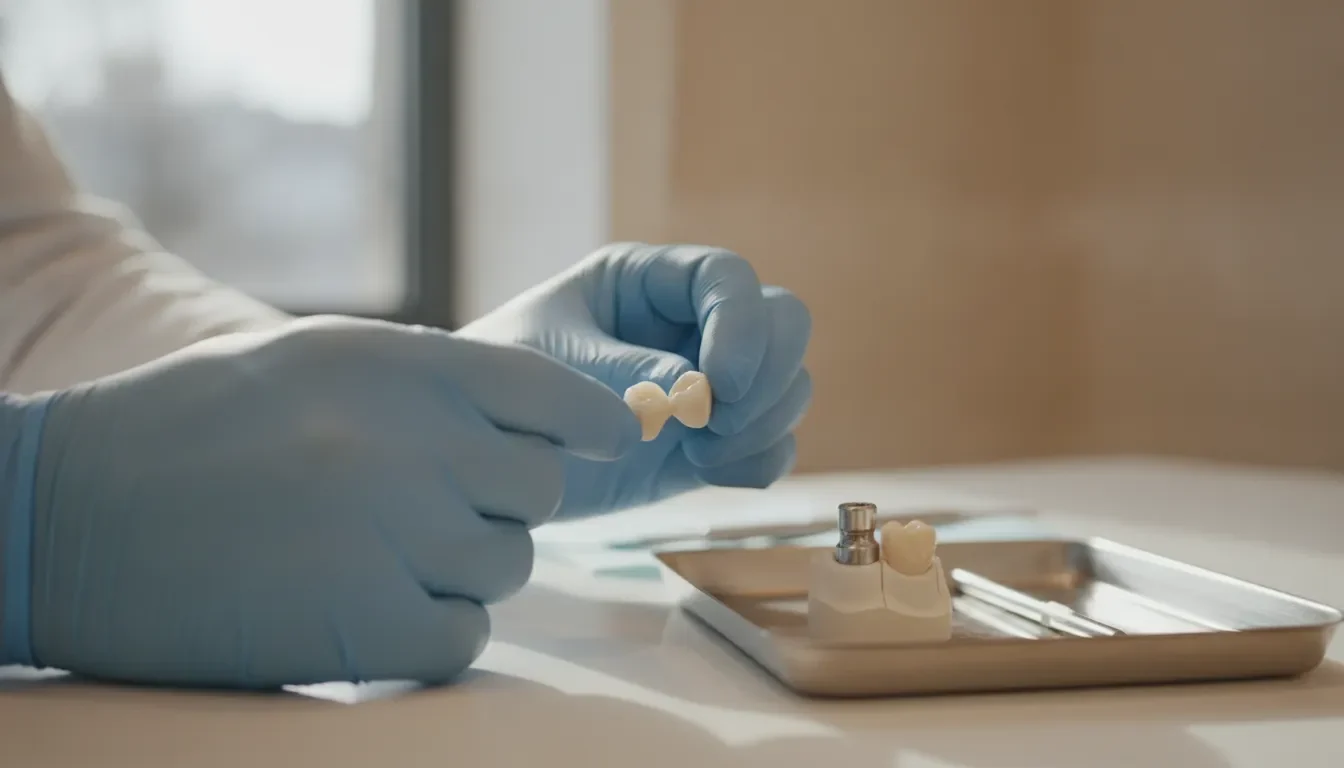
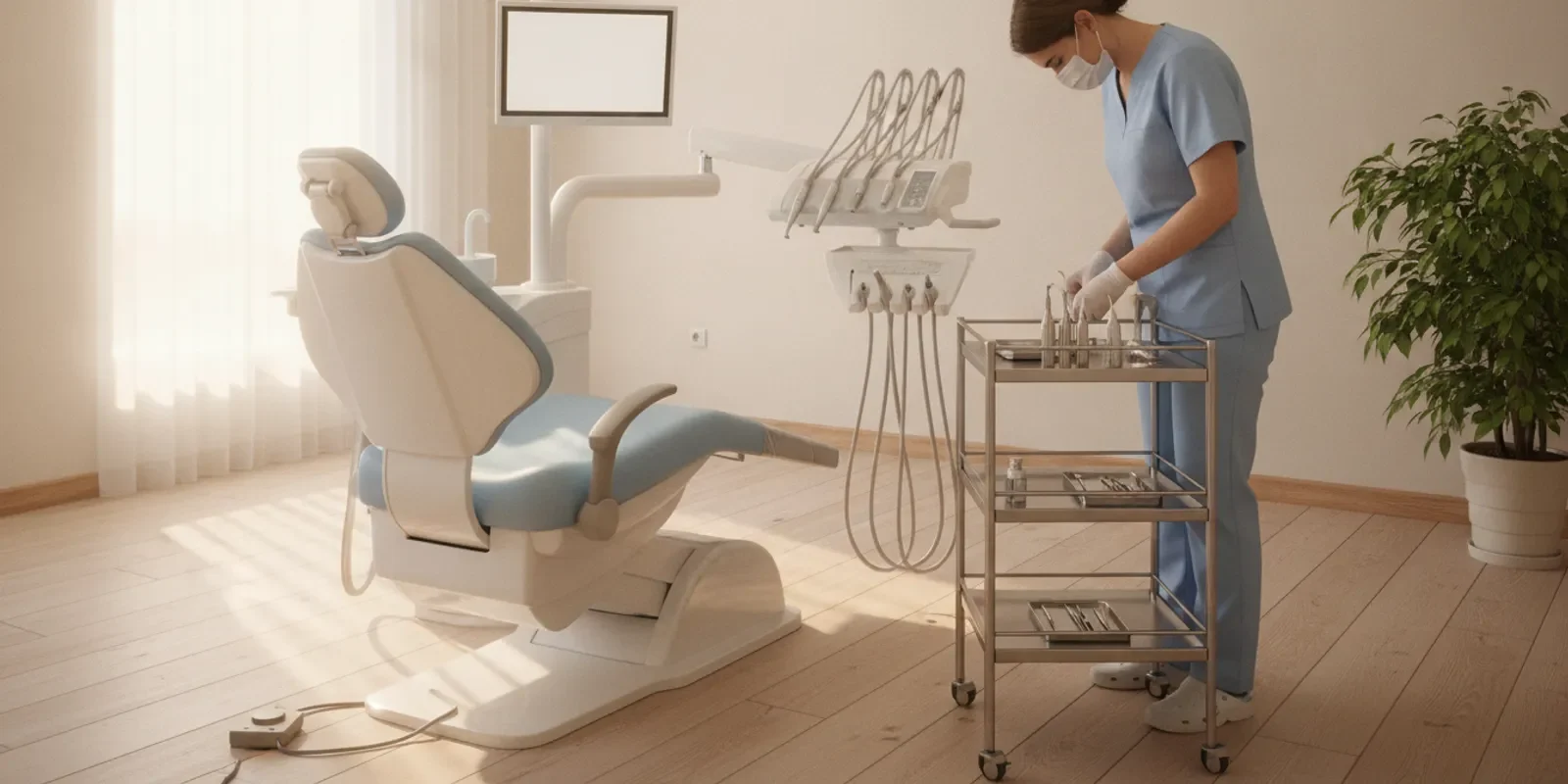
A child’s first cleaning and a grandparent’s restorative care can belong under one trusted roof. For busy Lowell families, that continuity means fewer offices, familiar faces, and care shaped around every life stage.
A pediatric dentist lowell ma search may lead parents toward children’s specialists, but a family dental home offers another practical option. Children, parents, and older adults can receive exams, cleanings, sealants, restorative treatment, and cosmetic care in one familiar setting. Keeping care together helps the dental team understand family history, track oral health changes over time, and explain treatment choices clearly. It also gives children familiar surroundings as their needs change, which may make future visits less stressful. Parents can manage their own preventive or restorative care through the same practice instead of coordinating several dental offices. Saturday hours can make visits easier for working families, and a digital patient portal adds another layer of convenience. The result is steady, age-appropriate care supported by a team that knows the whole family.
Choosing between a children’s office and a family practice starts with understanding how each model supports your child’s needs. The key question is simple: What does a family dental home offer? Knowing the answer can help you choose convenient, lasting care for everyone. Here is how.
Pediatric Dentist Lowell Ma: What does a family dental home offer?
A family dental home is one local practice that supports oral health through each stage of life. Children, parents, and older adults can receive care in a familiar setting. For families seeking a pediatric dentist in Lowell, MA, this model offers a useful option. It means each family member may not need a different office.
Care that grows with your family
Dental needs change over time. A young child may need gentle exams, cleanings, and help learning good brushing habits. Adults may need preventive, restorative, or cosmetic care. Older adults may need support for worn teeth, missing teeth, or changes that affect daily comfort.
Seeing one dental team can make those changes easier to track. The team learns each patient’s history, concerns, and care needs over time. It can also explain how home habits and oral health may affect the whole family. The CDC’s oral health guidance notes that good oral health supports eating, speaking, and overall well-being.
One plan for preventive care
A shared dental home helps families plan regular care instead of waiting for pain. Exams and cleanings give the team a chance to watch for changes. Sealants and home-care guidance may also be discussed when they fit a child’s needs. Parents can ask questions and understand the next steps before making care choices.
Continuity also gives the dental team more context. It can note patterns, follow earlier findings, and adjust guidance as a patient grows. When several family members receive care at one practice, parents can keep schedules and records in one place. That simpler routine can make preventive care easier to manage.
A familiar and calm experience
Comfort matters for patients of any age. Children often benefit from seeing familiar faces and learning what happens during a visit. Dental-anxious adults may also feel more at ease when the team knows their concerns. A compassionate approach uses clear explanations, time for questions, and care paced to the patient’s needs.
Lowell Family Dental Practice aims to serve as a welcoming dental home for children, parents, and older adults. Its services include preventive care, restorative dentistry, and cosmetic options in one local setting. Saturday hours also help working families plan visits with less disruption.
A family dental practice is not the same as a pediatric specialist. Some children may need specialist care based on their health, comfort, or treatment needs. A general dental team can discuss those needs and provide suitable routine care. It can also explain when a referral may help.
How children’s dental visits change as they grow
A child’s dental needs change as teeth, daily habits, and independence develop. Early visits often focus on comfort, growth, and parent guidance. Later visits add more direct coaching for the child and care based on new risks.
Parents searching for a pediatric dentist in Lowell, MA may also consider a family practice that sees patients across life stages. Having one dental home can help parents keep family care in one familiar setting.
A visit plan that grows with your child
Each visit should fit the child’s age, comfort level, and current oral health. The dentist may adjust the exam, cleaning, home-care advice, and preventive options as needs change.
- Begin with calm early visits. The dental team can check tooth development and help the child get used to the setting. Parents can ask about brushing, food choices, and habits such as thumb sucking.
- Build routines during the preschool years. Exams and cleanings become more familiar. The team can show parents how to brush hard-to-reach spots and discuss when a child can start helping.
- Protect new permanent teeth. During the school years, visits can track newly arriving adult teeth. The dentist may suggest sealants for certain chewing surfaces when they are appropriate for the child.
- Coach growing independence. Older children often brush more on their own. Dental visits can reveal missed areas and give clear tips on brushing, flossing, snacks, and sports mouthguards.
- Address teen habits and risks. Adolescent visits may include guidance about braces care, sugary drinks, oral piercings, and tobacco or vaping. The care plan should reflect the teen’s health, habits, and exam findings.
What preventive care may include
Routine preventive care commonly includes an exam and professional cleaning. The dentist also checks the gums, bite, and tooth development. X-rays may be recommended when they can answer a care question that an exam alone cannot.
Sealants are thin coatings placed on the chewing surfaces of back teeth. They can help protect grooves that are hard to clean. The Centers for Disease Control and Prevention explains dental sealants and their role in preventing cavities in children.
Home-care coaching changes too. A young child needs hands-on help from an adult, while an older child may need reminders and technique checks. Advice should stay practical, specific, and suited to the child’s skills.
A comfortable path through each stage
Some children need extra time before an exam or cleaning feels routine. A calm introduction, simple explanations, and praise for small steps can make visits easier. Parents can share past worries or sensory needs before the appointment.
Keeping care in one practice can also make changes easier to track over time. Records from earlier visits give the team context as permanent teeth arrive and habits shift. Families can schedule an appointment to discuss care that fits their child’s current stage.
Does my child need a pediatric dentist or family dentist?
Many children can receive routine care from a family dentist. A pediatric dentist may be a better fit when a child has complex needs. The right choice depends on the child’s health, comfort, and the type of care required.
How the two options differ
A family dentist treats patients across many life stages, often including both children and adults. This can make visits easier for families who want one dental home. It also helps the dentist follow shared habits and health concerns over time.
A pediatric dentist is a specialist whose practice focuses on children. Their setting and care methods may suit children with strong dental fear, developmental needs, or complex oral conditions. A family dentist can also refer a child when specialist care would help.
| Factor | Family dentist | Pediatric dentist |
|---|---|---|
| Patients served | Children, adults, and older adults | Infants, children, and teens |
| Routine care | Exams, cleanings, sealants, and fillings | Child-focused preventive and restorative care |
| Visit setting | One office for the family | Environment designed around children |
| Complex needs | Assesses needs and refers when helpful | Focused care for complex child cases |
| Long-term care | Care can continue into adulthood | Care later shifts to an adult dentist |
Questions to ask before choosing
Start with your child’s needs rather than the office label. Ask whether the dentist regularly treats children of the same age. Parents can also ask how the team handles fear, explains treatment, and responds when a child needs extra support.
- Does the dentist offer the preventive or restorative care your child needs?
- Can the team adapt visits for fear, sensory needs, or trouble sitting still?
- How does the office decide when to refer to a specialist?
- Will the schedule and location make routine visits practical?
Regular home care and dental visits both support a child’s oral health. The National Institute of Dental and Craniofacial Research gives parents clear guidance on brushing, fluoride, healthy food, and dental checkups. Ask any office how it helps families build these habits.
When a referral may help
A referral does not mean a family dentist cannot care for children. It means the child may benefit from a specialist’s focused skills or care setting. This may apply when treatment is complex or past visits have been hard to complete.
Parents searching for a pediatric dentist in Lowell, MA should ask what care the child needs now. They should also consider which office can provide calm, safe, and steady care. A family dentist can examine the child, discuss concerns, and recommend a referral when appropriate.
Making dental visits easier for children and parents
A calm dental visit often begins before the family reaches the office. Parents can explain the plan in simple terms, answer basic questions, and keep the tone steady. The goal is not to promise a perfect visit. It is to help each family member know what comes next.
Preparing without adding worry
Use clear, positive words when talking with a child about an upcoming appointment. You might say the dental team will count teeth, check their smile, and help keep teeth clean. Avoid sharing upsetting dental stories or using treatment as a threat. Those messages can add fear before the visit starts.
Ask the dental office what the visit may include. Then share only the details your child needs. Bring a comfort item if the office allows it. Choose a time when your child is usually rested and fed. Parents seeking a pediatric dentist in Lowell, MA can also ask how the team helps children settle into the room.
Questions that support a calmer visit
Tell the dental team about past fears, sensory needs, or concerns before care begins. This gives the team time to explain each step and adjust its approach when possible. The National Institute of Dental and Craniofacial Research also offers plain guidance on children’s oral health for families.
- What will happen during today’s visit?
- Can you explain unfamiliar tools before using them?
- How can we support good dental habits at home?
- What signs should prompt us to call the office?
Children are not the only family members who may feel uneasy. Adults can share their concerns, ask for clear explanations, and agree on a way to pause. A compassionate team listens without judgment. It also gives patients space to ask questions before making care decisions.
Building a familiar family routine
Consistent routines can make dental care feel more familiar over time. Keep home brushing calm, use the same simple language, and avoid turning it into a struggle. After the visit, praise specific actions such as asking a question or sitting in the chair. Focus on effort rather than labeling the visit as good or bad.
Using one dental home for children and parents can also make planning simpler. Family members get to know the setting, while parents can keep appointments and questions organized. When concerns arise, call ahead so the team can help set clear expectations for the next visit.
One practice for parents, adults, and older family members
Families often begin their search with a child’s needs in mind. Yet oral health needs do not stop when a child grows up. Choosing a pediatric dentist in Lowell, MA, can also prompt parents to consider care for the whole household.
A family practice can become a steady point of care through changing ages and needs. The American Academy of Pediatric Dentistry defines a dental home as an ongoing relationship that offers broad, continuous, and accessible oral health care. That model can help families keep their dental history and care plans organized.
Preventive care at every age
Routine exams and cleanings matter for adults and older family members, not only for children. These visits give the dental team time to review current concerns and discuss practical home care. They also create a regular chance to explain options before a patient chooses a treatment.
Needs can change with daily habits, health history, medicines, and past dental work. A useful visit should account for those changes without making care feel rushed. Patients who feel uneasy can also ask what will happen before an exam or procedure begins.
Restorative and cosmetic choices
Restorative dentistry focuses on damaged or missing teeth and the way the mouth works. Cosmetic care focuses more on appearance. Some treatment plans may address both goals, but the right choice depends on the patient’s needs and preferences.
Common discussions may cover a worn filling, a damaged tooth, missing teeth, or a desired change in a smile. The dental team should explain what each option involves, what care it may need, and what result is realistic. This gives patients room to weigh function, appearance, comfort, and long-term upkeep.
- Preventive care may include exams, cleanings, and guidance for home care.
- Restorative care may address damage, lost tooth structure, or missing teeth.
- Cosmetic options may help a patient change the look of a smile.
Oral health and overall wellness
The mouth is one part of the body, so dental visits should consider the patient’s wider health picture. This does not mean that dental care can prevent or cure every health issue. It means that health history and current symptoms can help guide safer, more personal conversations.
Older adults may have different goals than parents or young adults. They may want help caring for existing dental work, staying comfortable, or keeping daily routines manageable. Clear explanations can help each person understand choices and ask useful questions.
Keeping care under one roof can also make family scheduling and records easier to manage. Lowell Family Dental Practice offers preventive, restorative, and cosmetic services for different stages of life. Families looking for a lasting dental home can discuss each member’s needs with one local practice.
How to choose a family dentist in Lowell, MA
A good family dental office should fit each person’s needs without making care hard to manage. Start by asking clear questions about ages served, routine care, office hours, and referrals. The answers will help you compare offices on practical details rather than broad promises.
A practical office checklist
Use this checklist when calling or visiting an office. Ask staff to explain any answer that is unclear, especially when it affects a young child or anxious family member.
-
Confirm the ages served. Ask whether the office routinely treats young children, teens, adults, and older adults. Also ask when the office may recommend outside care.
-
Review preventive services. Look for exams, cleanings, sealants, and clear home-care guidance. Ask how the team adjusts visits for a child’s age and comfort.
-
Listen for clear communication. Staff should explain findings and options in plain language. They should also welcome questions from both parents and children.
-
Verify scheduling details. Confirm current office hours directly before choosing a practice. If Saturday visits matter, ask which services are available then and how far ahead families should book.
-
Check location and access. Consider travel time from home, school, or work. Ask about parking, building access, and the best way to handle urgent concerns.
-
Understand the referral approach. Ask what happens when a patient needs care beyond the office’s routine services. A clear referral process helps families know what to expect.
Questions about children’s care
Parents searching for a pediatric dentist in Lowell, MA should ask how the office helps children feel safe. Useful details include how staff introduce tools, respond to fear, and keep parents informed. Ask whether a parent can stay nearby and how the team handles a visit that needs extra time.
Also ask how early visits and preventive care fit into the office’s approach. The American Academy of Pediatric Dentistry describes a dental home as an ongoing relationship that supports continuous, accessible, and family-centered oral care. That idea can guide questions without assuming every child needs the same type of office.
Fit for the whole family
An office may be convenient for one child but less practical for the full household. Compare how well each practice can coordinate visits, share care instructions, and explain next steps. Ask if family members can book nearby appointment times and use a patient portal for routine tasks.
Lowell Family Dental Practice provides preventive, restorative, and cosmetic care for different ages at one location. Families can review the practice as a possible dental home, then confirm current Saturday hours and service details directly. A final phone call can also clarify scheduling, communication, and referral questions before the first visit.
Why Greater Lowell families value convenient dental care
Family schedules often leave little room for separate dental offices, forms, and travel plans. A local practice that welcomes children, parents, and older relatives can make routine care easier to manage. It also gives the family one familiar place for questions, records, and follow-up visits.
One dental home across life stages
A dental home is more than a place for a single cleaning. The American Academy of Pediatric Dentistry defines it as an ongoing relationship that provides continuous, accessible, coordinated, and family-centered oral care. That model can support a child from early visits through the teen years and adulthood. Families can read the dental home policy for more detail.
Continuity can also help the dental team learn a family’s routines, concerns, and oral health history. Children may feel more at ease when the office, staff, and visit steps are familiar. Parents also have one team to ask about preventive care, restorative needs, or changes that arise with age.
Fewer separate trips and routines
Using one local office can reduce the need to coordinate several practices across Greater Lowell. Family members may be able to plan visits around the same place and keep dental routines under one roof. This setup can be useful when school, work, caregiving, and other appointments already compete for time.
- One familiar office for children and adults
- Preventive, restorative, and cosmetic care in one setting
- A shared location for records, questions, and follow-up
- Saturday hours that can fit working family schedules
Convenience should not replace a careful review of a child’s needs. Parents searching for a pediatric dentist in Lowell, MA, should ask how the office supports young patients. They should also discuss any health needs, dental anxiety, or visit concerns before care begins.
Care that fits the family calendar
Saturday availability can give families another option when weekday visits conflict with work or school. A local office also limits the number of routes and locations that caregivers must track. These small practical gains can make it easier to keep routine visits on the calendar.
Greater Lowell families may value a practice that combines this convenience with clear, compassionate care. Lowell Family Dental Practice aims to serve as a dental home for patients across life stages. Families can use the site to learn more or schedule an appointment.
Frequently Asked Questions
What services are offered at a pediatric dental office in Lowell, MA?
A family dental office serving children may provide routine exams, cleanings, fluoride treatments, sealants, fillings, and care for dental injuries. Available services vary by practice and a child’s needs. Before scheduling, ask whether the office treats your child’s age group, manages dental anxiety, and provides any specialized care your child may need.
How do I choose the best pediatric dentist in Lowell, MA?
Look for an office that regularly treats children, explains care clearly, and creates a calm environment. Ask about preventive services, emergency visits, scheduling, and referrals when specialized treatment is needed. A convenient family dental home can also help parents coordinate visits and keep oral health records in one place as children grow.
Can a pediatric dentist care for a child with special health care needs?
Yes, some pediatric dental offices provide individualized care for children with special health care needs, but services and accommodations vary. The American Academy of Pediatric Dentistry supports a dental home for children and people with special health care needs. When calling an office, explain your child’s needs, communication preferences, sensory triggers, and past dental experiences.
When should my child’s first visit to a pediatric dentist be?
The American Academy of Pediatric Dentistry recommends a first dental visit by age one. An early visit lets the dentist check tooth development, discuss brushing and feeding habits, and spot problems before they worsen. Parents should schedule sooner if a tooth is injured or they notice pain, swelling, discoloration, or another concern.
Does my child need a pediatric dentist or a general dentist?
Many children can receive preventive and routine restorative care from a family dentist who is comfortable treating their age group. A pediatric dentist may be a better fit when a child needs specialized treatment, added behavior support, or specific accommodations. The right choice depends on the child’s needs, comfort, medical history, and the services each office provides.
Ready to Choose One Dental Home for Your Family?
Delaying routine dental visits can allow small concerns to become harder to manage, while separate providers can make family care more complicated. Starting now gives children, parents, and older adults time to build steady habits and confidently create a clear plan for upcoming needs. With one trusted Lowell dental home, your family can spend less time coordinating visits and more time following a consistent care plan.
Ready to simplify dental care for every age? Call (978) 458-1179 to schedule an appointment and begin building a practical care plan for your household today. Our team can help you choose a convenient first visit and explain what to expect before your family’s next busy season.
Written by
Dr. Iham Gammas, DMDBoard-Certified Implant Dentist & Founder, Lowell Family Dental Practice. Fellow & Master of ICOI and IADI. Associate Fellow of AAID.