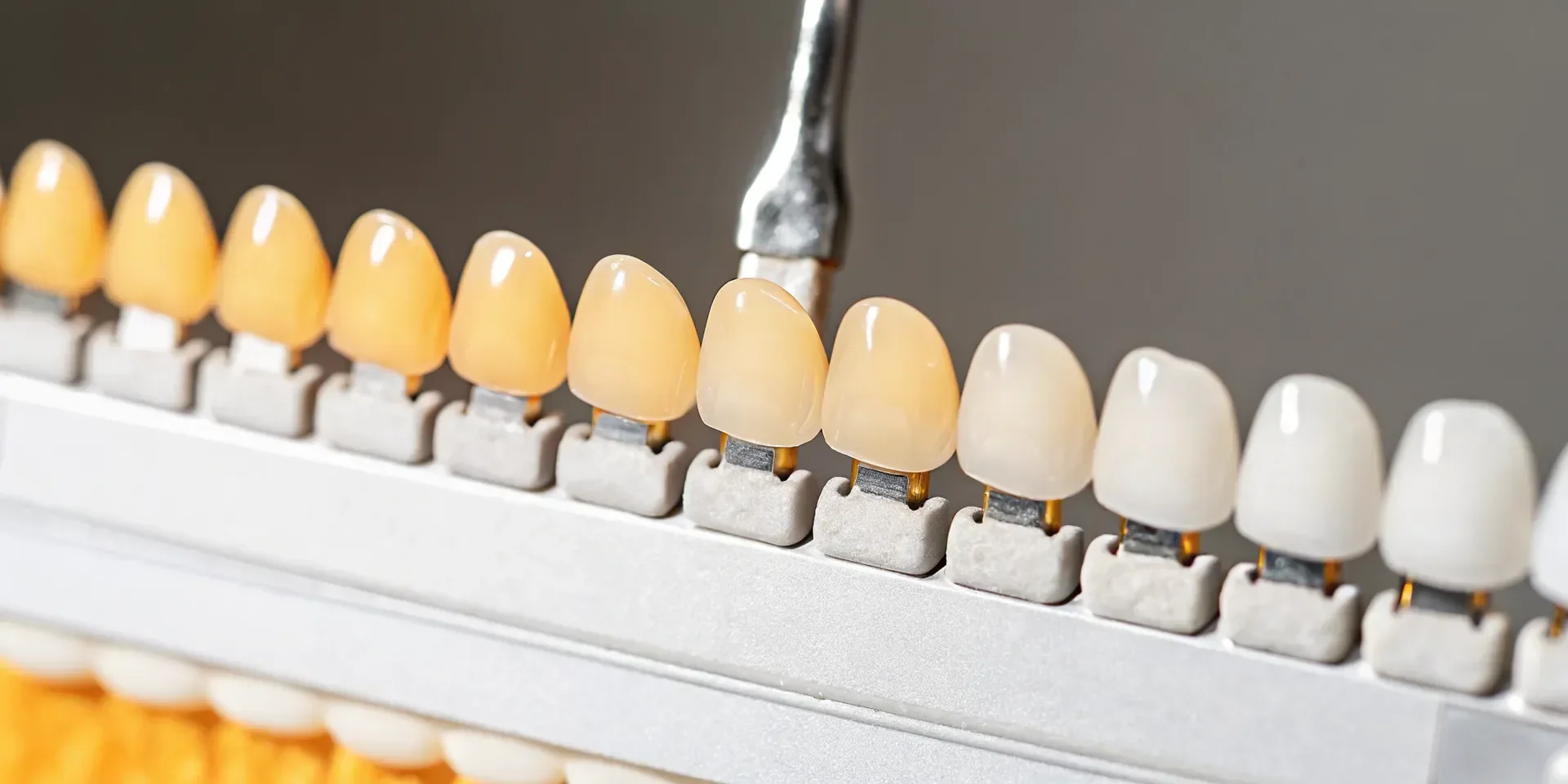
If you are comparing teeth whitening dentist vs strips, the right choice depends on more than how quickly you want a brighter smile. Store-bought strips can be a convenient option for mild surface stains, especially when your teeth and gums are healthy. Professional whitening adds an oral health evaluation, a treatment plan tailored to your smile, and closer control over how the whitening material reaches your teeth.
The most important difference is predictability. Whitening strips use a flat design that may not contact every tooth evenly. And they cannot account for crowns, veneers, bonding, cavities, gum irritation, or discoloration that may not respond to bleaching. A dentist can identify those factors before treatment and help set realistic expectations. Both options may cause temporary sensitivity, so following directions and avoiding overuse matters.
For Lowell-area patients, the best starting point is to consider your timeline, budget, current oral health, and whether you have visible dental restorations. The comparison below explains where each choice fits and when a dental visit can help you avoid uneven or disappointing results.
Teeth whitening dentist vs strips: the quick comparison
The short answer is that dentist whitening suits people who want faster, more controlled results. Store-bought strips can suit mild surface stains and small touch-ups. The better choice depends on your stain type, oral health, schedule, and comfort with gradual change.
Best use case for each option
Professional care is often the better fit for deeper stains, uneven color, or an upcoming event. A dentist first checks whether your teeth and gums are healthy enough for bleaching. This step can also reveal restorations or stain types that may not respond as expected.
Strips are convenient for someone with mild stains who can follow the package directions each day. They use a standard shape rather than a fit made for your mouth. That simple design may miss parts of crowded or uneven teeth.
| Option | Best fit |
|---|---|
| Dentist whitening | Faster tailored change. |
| Store-bought strips | Mild surface stains. |
Speed and customization
Dentist whitening uses a treatment plan based on your mouth, stain pattern, and goals. Professional care can include gum protection and controlled contact between gel and tooth surfaces. The tailored application and gum protection help make this option more controlled.
Strips trade that custom fit for ease and access. Their lower-strength bleaching agents usually need longer and more frequent use than professional products. They can still be useful when the goal is a modest, gradual change rather than a fast result.
Patients considering an office visit can learn what to expect from professional teeth whitening. A personal assessment helps set a realistic plan before treatment starts.
Limits that affect the choice
Neither method is right for every stain or every mouth. Strips may not sit well on crowded teeth, so the gel can contact some areas more than others. A research review also found that both nonprescription and dentist-guided bleaching can cause side effects, including sensitivity.
The same review compared color change and enamel effects across whitening methods. Its findings support weighing safety and results, not just convenience. Read the review of nonprescription and professionally prescribed bleaching for more detail.
Existing crowns, veneers, and fillings also affect the decision because whitening does not change their color. If you have dental work, gum concerns, decay, or past sensitivity, ask a dentist before choosing either route. That check can help prevent an uneven result or needless discomfort.
How professional whitening and strips work
The bleaching process
Both options use peroxide-based bleaching agents to break apart stain molecules in natural tooth enamel. This process makes the stained areas look lighter without removing a layer of enamel. The main difference in teeth whitening dentist vs strips is how the bleaching agent reaches the teeth.
Store-bought strips place a lower-strength bleaching gel on a thin, flexible sheet. The sheet holds the gel against the front of each tooth for a set time. Because the gel is less strong, strips often need longer and more frequent use than professional products.
In-office whitening places the bleaching gel with care, while the dental team protects nearby gum tissue. Some treatments also use a special light to speed the bleaching process. The dentist watches the teeth throughout the visit and can adjust the plan as needed.
Coverage and control
A flat strip fits best across teeth that form a smooth, even row. It may lift away from curved edges, crowded teeth, or spaces near the gumline. Research on nonprescription and dentist-supervised bleaching notes that retail strips may not stick well to every tooth surface. Missed contact can leave some areas lighter than others.
Professional treatment gives the dentist more control over placement and contact time. A dentist may use an in-office gel or make trays that fit the patient’s teeth. Custom-fitted trays provide closer coverage and more controlled gel contact across each tooth. Lowell patients can learn more about the practice’s professional teeth whitening options before choosing an approach.
Why the dental exam matters
A whitening plan should start with a look at the teeth, gums, stain type, and past dental work. The exam can find decay or gum disease that may change when bleaching should begin. It also helps the dentist decide whether surface whitening suits the stain or another treatment makes more sense.
The dentist also checks for crowns, veneers, and fillings in visible areas. These restorations do not whiten like natural enamel, so bleaching nearby teeth may create a color mismatch. Planning first helps set a realistic target shade and may shape the order of future dental work.
Professional care can also account for tooth sensitivity and protect the gums during treatment. The Mayo Clinic overview of teeth whitening explains that treatment is tailored to the patient. That added control matters when teeth are uneven, stains are deep, or restorations affect the smile.
Which option gives faster, more even results?
In the teeth whitening dentist vs strips comparison, dentist-supervised care usually offers faster and more predictable change. Strips can still suit mild surface stains when you are comfortable with gradual results. A dentist can first assess the stain type, tooth shape, and existing dental work.
Speed depends on the stain
Store-bought strips use lower-strength whitening agents and often need repeated applications. That slower pace may be reasonable for mild stains left by food or drinks. Yet strips may be less effective when discoloration sits deeper within a tooth.
Professional treatment can address more noticeable or stubborn stains with a plan chosen for the patient. It may also offer a quicker visible change than strips. Still, no method can promise an exact shade or timeline because teeth and stains respond in different ways.
Color can also vary from tooth to tooth. One tooth may have a deeper stain, while nearby teeth only have surface marks. An exam helps set realistic goals before whitening starts.
Coverage shapes consistency
Even results depend on how well the whitening product reaches each visible tooth surface. Flat strips may not sit closely around crowded, rotated, or uneven teeth. Research on nonprescription and professionally prescribed bleaching also notes differences in color change and side effects.
Dentist-supervised options allow the whitening approach to fit the patient’s mouth and goals. Custom trays can give more controlled contact between gel and tooth surfaces. In-office care also lets the dental team watch the process and adjust the plan when needed.
Existing crowns, veneers, and fillings add another concern because whitening does not change their color. As a result, natural teeth may brighten while restorations stay the same shade. A dentist can spot this risk before treatment and discuss a more balanced plan.
Predictable results still need upkeep
Professional care tends to provide more predictable results, but whitening is not permanent. Coffee, tea, red wine, tobacco, and other stain sources can dull the result over time. Daily brushing, flossing, and routine dental care help maintain a brighter shade.
Touch-ups should match your needs rather than follow an aggressive schedule. Using products too often can raise the risk of sensitivity or gum irritation. For a practical upkeep plan, review the longevity of professional whitening and ask a dentist which touch-up method fits your smile.
The more uneven or deep the discoloration, the more useful a dental exam becomes. Tailored professional whitening supports even application and helps protect gum tissue. For mild surface stains, strips may be a practical choice when used as directed.
Are whitening strips safe for your teeth and gums?
Whitening strips can be safe when used exactly as directed on healthy teeth and gums. Still, safety depends on proper fit, careful timing, and your current oral health. Dentist-supervised care adds an exam and a treatment plan before bleaching begins.
Why strips can irritate teeth and gums
A strip may extend past a tooth and rest on the nearby gum tissue. That overlap can expose soft tissue to whitening gel and cause irritation. Poorly fitted strips may also miss parts of crowded or uneven teeth.
Using a strip longer or more often than its label directs raises the chance of sensitivity and gum irritation. Some products may also harm enamel when used incorrectly or too often. A review of whitening products describes possible enamel effects from some over-the-counter products.
- Place each strip only on the teeth, not across the gumline.
- Follow the stated wear time and treatment schedule.
- Do not stack products or repeat a course early.
Why an exam should come first
Discoloration does not always come from surface stains. A dark tooth, new spot, or uneven color may have a dental cause. Whitening may not fix that cause, and bleaching could delay the care you need.
Cavities, worn enamel, exposed roots, and gum disease can make whitening less comfortable. The CDC oral health guidance supports talking with a dentist before whitening when decay or gum disease is present. Existing fillings, crowns, and veneers also need review because they do not whiten like natural teeth.
With professional teeth whitening, the dentist can check your teeth and gums before treatment. They can then adjust the plan, protect gum tissue, and help manage sensitivity. This clinical check is a key safety difference in the teeth whitening dentist vs strips choice.
When to stop whitening and call a dentist
Brief, mild sensitivity can occur with both strips and professional whitening. Stop treatment if discomfort becomes sharp, strong, or hard to ignore. Do not keep applying gel in hopes that the feeling will pass.
- Call a dentist for gum swelling, bleeding, burns, or lasting white patches.
- Seek care for strong tooth pain, pain when biting, or sensitivity that continues after stopping.
- Get an exam if one tooth suddenly darkens or changes color.
A dentist can look for decay, cracks, gum problems, or exposed roots before you restart. They may suggest a break, a lower-strength option, or care for the dental problem first.
How to choose the right whitening option
The right choice depends on more than the teeth whitening dentist vs strips price difference. Your deadline, stain type, dental work, and sensitivity all matter. Use this process to narrow your options without relying on guesswork.
Your practical decision process
-
Set your budget and deadline. Strips may suit a limited budget and a flexible timeline. Consider in-office care when you want faster change before an event.
-
Assess the staining. Mild surface stains may respond to strips. Deep, uneven, or unclear discoloration calls for a dental exam before you choose a product.
-
Check for dental work. Crowns, veneers, fillings, and bonding do not respond like natural enamel. A dentist can plan around them and reduce the risk of a color mismatch.
-
Consider sensitivity and oral health. Both store-bought and professional whitening can cause temporary sensitivity. Ask a dentist first if you have sensitive teeth, decay, gum problems, or pain.
-
Choose your level of oversight. Strips require careful home use and may fit minor touch-ups. Dentist-supervised care offers a tailored plan, even coverage, and support if sensitivity occurs.
When professional oversight matters
An exam is the safer starting point when you are unsure why a tooth looks dark. The same applies when you have pain, gum irritation, or past dental work. The CDC oral health guidance supports speaking with a dentist before whitening when decay or gum disease may be present.
Professional care also gives the dentist a chance to protect gum tissue and tailor the application. Mayo Clinic notes that professional whitening treatments can be tailored for even use and gum protection. This oversight may be useful for people with past sensitivity or uneven tooth shapes.
A choice based on your priorities
Choose strips when stains seem mild, your teeth and gums are healthy, and gradual change meets your needs. Follow the package directions and stop if pain or irritation develops. Do not use extra treatments to speed the process.
Think about the daily routine, too. Strips require steady use at home, while in-office care puts the main treatment in one scheduled visit. The better fit is the option you can use safely and as directed.
Choose dentist-supervised care when the deadline is short, staining is deep, or your smile includes restorations. It is also a sound choice when sensitivity worries you. Learn what to expect from professional teeth whitening before comparing the time, cost, and expected result.
If the choice still feels unclear, start with an exam rather than a whitening product. A dentist can check your oral health, explain realistic results, and help match the method to your goals.
When should you see a dentist before whitening?
Talk with a dentist before using any whitening product if your mouth does not feel healthy. Tooth pain, bleeding gums, cavities, or strong sensitivity may signal a problem that whitening cannot fix. A dental exam helps separate a stain concern from an oral health concern.
Signs that need a dental exam
Whitening can irritate teeth and gums, so pain or gum disease should be addressed first. The CDC advises people with tooth decay or gum disease to consult a dentist before whitening. People with very sensitive teeth should also ask about safer options and ways to limit discomfort.
See a dentist if one tooth has turned gray or dark, especially after an injury. This may be internal discoloration, which can respond differently than a surface stain. A dentist can check the cause and explain whether bleaching or another treatment makes sense.
Pregnancy and visible dental work
The same advice applies if you are pregnant or breastfeeding. Pause before using strips or scheduling an in-office treatment, then discuss timing with your dentist or physician. They can help you decide whether to wait and how to manage stains in the meantime.
Talk with a dentist if crowns, veneers, or tooth-colored fillings show when you smile. Whitening agents lighten natural teeth, but they do not change the color of those restorations. The ADA explains why existing dental work can create a color mismatch after whitening.
A dentist can compare the shade of your natural teeth with visible restorations before treatment. This step helps you set a realistic goal and plan the order of any cosmetic work. It also avoids relying on strips when the color difference comes from a crown or filling.
Preparation and aftercare
Before your visit, note where sensitivity occurs, when a tooth changed color, and which products you have tried. Bring a list of current dental work and mention any upcoming event. These details help the dentist compare whitening approaches for your teeth rather than relying on guesswork.
If whitening is appropriate, follow the product schedule and stop if pain or gum irritation develops. Do not use strips more often or longer than directed. Ask when to brush, what foods may stain, and which product may help with sensitivity.
After treatment, keep up with brushing, flossing, and regular dental visits. For more planning help, review the longevity of professional whitening. Your dentist can also explain when a touch-up may fit your needs.
Planning a brighter smile in Lowell
Start with your whole smile
Choosing between a teeth whitening dentist vs strips is not only about how white you want your teeth. Your current oral health, stain type, past dental work, and comfort with sensitivity all shape the right approach. A Lowell dentist can check these details before you begin.
A consultation can spot tooth decay or gum concerns that may need care before bleaching. It also gives you a chance to discuss past sensitivity and your preferred level of change. The individual fit of professional whitening can support even gel placement and better gum protection.
Account for visible dental work
Crowns, veneers, and fillings need special thought when planning a brighter smile. Whitening strips do not change the color of these restorations. As nearby natural teeth lighten, a restoration may look darker by comparison. Your dentist can review what shows when you smile and help plan a balanced result.
Professional care may make sense when you have visible dental work, uneven stains, or questions about sensitivity. Strips may suit some people with mild surface stains and healthy teeth. The right choice depends on your mouth, not just the product box. Learn what to expect from professional teeth whitening before comparing your options.
Habits that help preserve results
Whitening results fade over time, so daily habits matter after either approach. Coffee, tea, red wine, and tobacco can add new stains. Regular brushing and flossing also help maintain results, according to the CDC’s oral health guidance. Keep routine dental visits so your care team can track changes.
- Brush and floss each day using the method your dental team recommends.
- Rinse with water after drinks or foods that tend to stain teeth.
- Follow product directions, and do not use whitening products more often than advised.
- Tell your dentist if sensitivity or gum irritation starts or lasts.
- Ask before using a touch-up product, especially if you have restorations.
For Lowell patients, timing also matters. If you want a brighter smile for an event, allow time for an exam and a clear plan. Avoid rushing into repeated strip use when the first result seems uneven. A dentist can help set a safe schedule and explain how your daily habits may affect the shade.
Frequently Asked Questions
Is professional teeth whitening safer than whitening strips?
Professional whitening is performed after a dental exam and can be adjusted to protect the teeth and gums. Strips may be safe when used exactly as directed, but poor placement or overuse can increase sensitivity and gum irritation. A review of nonprescription and dentist-supervised bleaching found that professional supervision generally improves the management of side effects.
Can I use whitening strips if I have veneers, crowns, or fillings?
Whitening strips do not lighten veneers, crowns, or tooth-colored fillings. Natural teeth may become brighter while restorations stay the same shade, creating an uneven result. The American Dental Association advises discussing whitening with a dentist first. A Lowell dentist can assess visible restorations and explain which approach may provide a more even appearance.
Why do my teeth feel sensitive after whitening?
Whitening agents can temporarily make teeth more sensitive, whether treatment comes from a dentist or a store-bought strip. Discomfort may be more likely when products are used too often or longer than directed. Stop using the product and contact a dentist if sensitivity is severe or continues. A dentist can also check for decay, gum recession, or other causes before further whitening.
How long do teeth whitening results last?
Whitening results are not permanent, and their duration varies with the treatment, oral hygiene, and daily habits. Coffee, tea, red wine, and tobacco can make stains return sooner. The American Dental Association notes that whitening fades over time. Regular brushing, dental cleanings, and dentist-approved touch-ups can help maintain a brighter shade.
Ready to Choose a Safer Whitening Plan in Lowell?
Putting off a dental assessment can mean spending more time and money on whitening strips that may not match your needs. Starting now gives you time to understand your options before another round of store-bought treatment leaves you dissatisfied. A personalized conversation can help you choose a practical whitening plan that fits your goals, comfort, schedule, and current oral health.
Ready to stop guessing about your whitening options? Request an appointment to discuss the right next step with Lowell Family Dental Practice. Contact our team now so you can make an informed choice and begin your selected whitening plan without another cycle of trial and error. Take the first step toward a plan you understand.
Written by
Dr. Iham Gammas, DMDBoard-Certified Implant Dentist & Founder, Lowell Family Dental Practice. Fellow & Master of ICOI and IADI. Associate Fellow of AAID.