A dental implant quote can rise quickly when the jaw needs extra preparation. Knowing what is included helps Lowell patients compare treatment plans without mistaking the lowest starting price for the best value.
Ready to learn your dental implant cost? Call Lowell Family Dental Practice at (978) 458-1179 for a personalized consultation.
Dental implant cost Lowell MA estimates depend on the number of teeth replaced, restoration type, and whether the jaw or gums need treatment first. A single-tooth plan commonly includes the implant post, abutment, and crown. Imaging, extractions, bone grafting, or sedation may add costs, so an exam is needed for a personalized estimate.
To understand why two quotes may differ, start with the clinical and treatment choices behind each number. A clear estimate should show what is included, what may be optional, and which steps protect your oral health. Next, we answer, “What determines dental implant cost in Lowell, MA?” Here’s how.
Dental Implant Cost Lowell Ma: What determines dental implant cost in Lowell, MA?
There is no single dental implant cost in Lowell, MA that fits every patient. A personalized estimate reflects the tooth being replaced, the planned restoration, and the health of the mouth and jaw.
Number of teeth and restoration type
Replacing one tooth calls for a different plan than replacing several teeth. The dentist must decide how many implants are needed and what the implants will support. Some plans restore one tooth at a time, while others use implants to support a larger restoration.
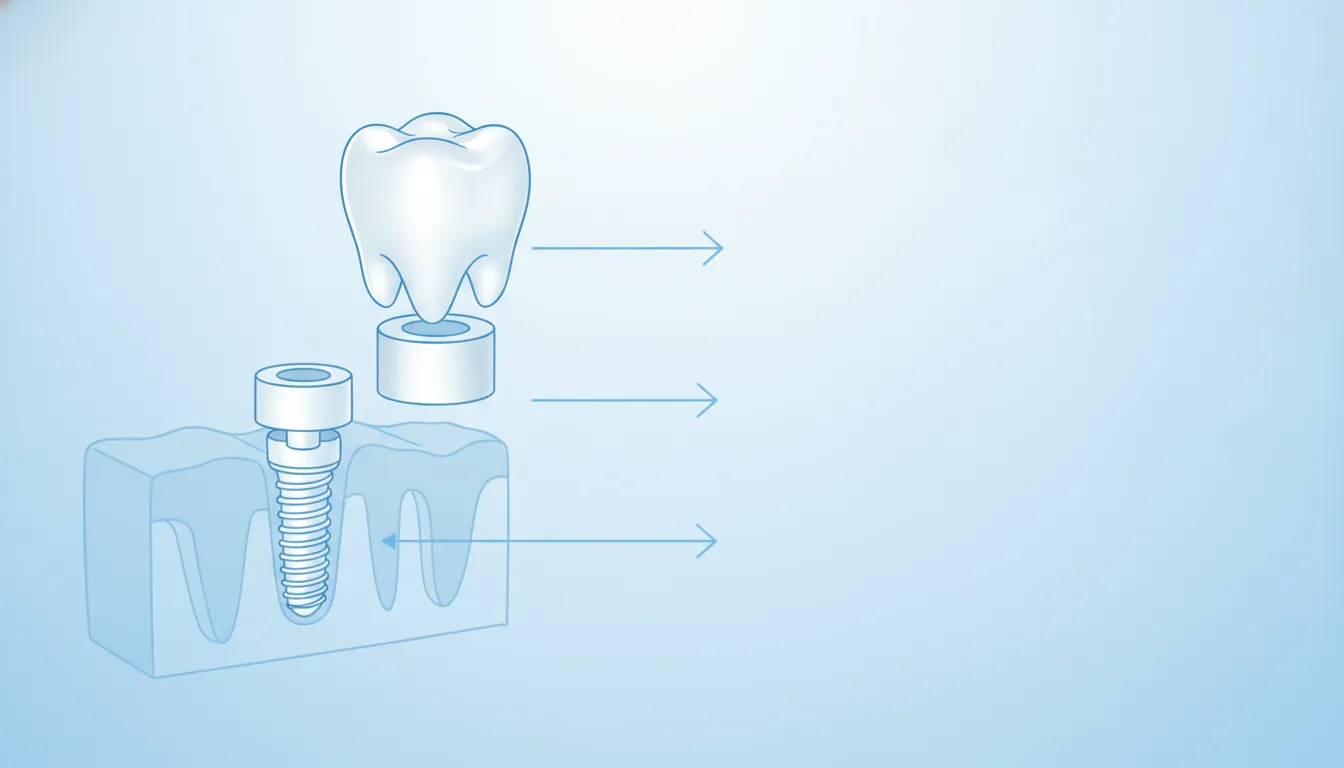
A complete single-tooth implant often has three main parts: the implant post, the abutment, and the crown. Each part has its own role, so an estimate should state which parts and services are included. Explore the practice’s dental implant service before discussing your plan.
Case complexity and supporting care
The condition of the gums, nearby teeth, and jawbone can change the scope of care. An implant needs a healthy setting, so the dentist checks for concerns that may affect placement or healing. Any needed supporting care becomes part of the treatment plan and estimate.
- The location and number of missing teeth
- The type of final restoration
- The health of the gums and jawbone
- The need for care before implant placement
- The timing and number of treatment visits
Implants are designed as a lasting tooth replacement, which makes careful planning important. A clinical reference from the National Center for Biotechnology Information reports a success rate above 97% over 10 years. That figure does not predict one patient’s result, but it shows why health and planning matter.
Diagnostic planning and a clear estimate
A useful estimate starts with an exam and a discussion of your goals. The dentist reviews the treatment area, your oral health, and the restoration options that may fit. Diagnostic records help the care team map the steps before providing a final plan.
The first visit also gives you time to share health concerns and ask how the process may unfold. This discussion helps the dentist tailor the plan instead of relying on a fixed package or broad price range.
Ask whether the estimate includes the implant, abutment, crown, diagnostic work, and follow-up visits. Also ask which parts could change after the dentist reviews the treatment site. This makes it easier to compare estimates based on the same scope of care.
Lowell Family Dental Practice takes time to explain conditions and discuss treatment choices. Patients considering dental implant treatment in Lowell can use that conversation to understand the planned steps, included services, and personal cost factors.
How treatment type changes the total investment
Treatment type is one of the biggest factors in your final implant cost. Replacing one tooth calls for a different plan than replacing several teeth or a full arch. The right comparison starts with the amount of care your mouth needs.
Single-tooth implant treatment
A single-tooth implant replaces one missing tooth with an implant post, an abutment, and a crown. Each part contributes to the total fee. This focused option may also involve related care based on the health of the area.
The crown is the visible replacement tooth, while the implant sits below the gum. Lowell Family Dental Practice explains how crowns support restorative care when a damaged or missing tooth needs a lasting solution.
| Treatment type | Typical treatment reach | Restoration | Effect on total investment |
|---|---|---|---|
| Single-tooth implant | One missing tooth | One implant, abutment, and crown | Most focused treatment scope |
| Implant-supported bridge | Several missing teeth in one area | Connected replacement teeth supported by implants | Broader restoration and planning |
| Full-arch solution | Most or all teeth in an arch | Full row of replacement teeth supported by implants | Broadest treatment scope |
Implant-supported bridges
An implant-supported bridge replaces several nearby teeth as one connected restoration. Its total cost reflects both the supporting implants and the larger bridge. The plan may also change based on the condition of nearby teeth and gums.
This approach is not simply the single-tooth price multiplied by the number of missing teeth. The dentist must plan the support and fit of the full restoration. Patients researching dental implant treatment in Lowell can discuss whether a bridge fits their needs and goals.
Full-arch solutions and personal planning
A full-arch solution replaces a complete row of teeth with one larger implant-supported restoration. Because the treatment covers a wider area, its planning and restorative work are more involved. The final investment reflects the full care plan, not only the replacement teeth.
Implants can serve as a long-term treatment choice. A clinical review notes a success rate above 97% over ten years. Each patient still has a different health history and treatment path.
An exam is needed before the practice can give a personal estimate for dental implant cost in Lowell, MA. The consultation helps define the treatment type, needed preparation, and restoration design. It also gives you space to ask what each part of the proposed fee covers.
Will you need preparatory dental care?
Preparatory care gives an implant a healthy place to heal. Some patients need one added procedure, while others can move straight to implant placement. Your treatment plan depends on the tooth, jawbone, gums, and nearby teeth.
When an extraction may come first
A failing tooth may need removal before an implant can replace it. This step may apply when decay, a fracture, or infection leaves the tooth beyond repair. If the tooth is already missing, an extraction will not be part of the plan.
The dentist will assess the area and explain whether extraction and implant placement can happen during the same visit. In other cases, the site needs time to heal first. This timing can affect the number of visits and your full treatment cost.
Bone grafting and implant support
An implant needs enough healthy jawbone for support. If the bone is too thin or has changed since tooth loss, a bone graft may be discussed. The graft adds material to the area and may require healing time before implant placement.
Not every patient needs grafting. An exam and dental images help show whether the current bone can support an implant. That personal assessment is one reason a dental implant cost in Lowell, MA cannot be based on the implant alone.
Planning also matters for long-term care. Dental implants have a documented success rate above 97% over 10 years, according to an NCBI clinical review. Your dentist can explain how bone health and other findings shape your treatment plan.
Managing oral health before surgery
Active gum disease, tooth decay, or infection may need care before implant surgery. Treating these concerns creates a cleaner, healthier setting for healing. The exact steps vary, so one patient’s plan should not be used to predict another patient’s needs.
Preventive care remains important before and after implant treatment. Lowell Family Dental Practice includes implant checks as part of periodontal exams. Its approach to dental implant treatment in Lowell also considers your concerns, oral health, and treatment options.
Ask for an itemized plan after your exam. It should show which preparatory procedures are recommended, why each one matters, and how each step affects timing and cost. This makes it easier to compare estimates based on the same scope of care.
How can you plan for dental implant costs?
Start with a complete written estimate
Planning starts with a visit and a written estimate based on your needs. Ask which services the estimate includes, such as imaging, the implant post, the abutment, the crown, and follow-up care. Also ask what could change the final total.
When researching dental implant cost in Lowell, MA, compare the same parts of treatment across each estimate. A lower initial figure may leave out a later step. The practice’s page about dental implant treatment in Lowell can help you prepare for a personal cost discussion.
A practical payment planning sequence
Use the following steps before you agree to treatment. They can help you understand what insurance may pay and what you may need to fund yourself.
- Request an itemized treatment plan. Ask for the fee and expected timing of each planned service, including any care needed before implant placement.
- Send the plan to your insurer. Ask which services may be covered, whether limits or waiting periods apply, and how much remains available.
- Ask the dental office when each payment is due. Implant care often has several stages, so the full balance may not be due at once.
- Review any financing offer carefully. Compare the interest rate, fees, monthly payment, term length, and total amount paid before signing.
- Set aside room for changes. Ask how added treatment would be approved and priced if the dentist finds a new need during care.
Do not judge the plan by its monthly payment alone. A longer term can make payments smaller while changing the total paid. Request the financing terms in writing, then compare them with savings or other payment choices available to you.
Questions that reveal the full cost
Ask whether the estimate includes exams, scans, sedation, temporary teeth, follow-up visits, and the final restoration. It is also useful to ask which fees are firm and which depend on findings during treatment. Clear answers make different estimates easier to compare.
Consider the expected useful life as well as the upfront amount. An NCBI clinical review reports implant success rates above 97% over ten years. That finding does not predict one person’s result, but it explains why long-term care questions belong in a cost discussion.
Before treatment, ask who handles routine checks and what future repairs might cost. Also ask whether quoted fees include care for the crown, implant, or both. These questions help you build a realistic budget without assuming a specific insurance benefit or financing plan.
Want a clear, itemized estimate? Contact Lowell Family Dental Practice to discuss your treatment options and next steps.

Why the lowest advertised price may not be the best value
A low headline price can be useful, but it rarely tells the whole story. The better comparison is the complete treatment plan and what it is designed to provide. When researching dental implant cost in Lowell, MA, ask each office to explain what its estimate includes.
What the estimate includes
An implant restoration often involves several parts and stages of care. A quote may cover only one part, while another may reflect a broader plan. Before comparing totals, check whether each estimate includes the implant post, connector, crown, imaging, follow-up visits, and any needed preparatory care.
Written estimates also make added fees easier to spot. Ask what could change after treatment begins and which services would have a separate charge. Lowell Family Dental Practice takes time to discuss options for dental implant treatment in Lowell, so patients can compare plans with clearer context.
Long-term use and upkeep
Value also depends on how a treatment supports daily function over time. Fit, bite balance, comfort, home care, and regular dental visits can all shape the patient experience. These points may matter more than a small difference in the first estimate.
Durability deserves careful thought, but no provider can promise a fixed lifespan for every implant. One clinical overview of dental implants reports success above 97% over ten years. Personal health, oral hygiene, and ongoing care can still affect results.
The crown is the visible part used for chewing, and it may need care apart from the implant itself. Learning how crowns support restorative care can help patients ask better questions about materials, repairs, and upkeep.
A fair comparison between plans
Compare like with like before choosing a plan. A clear review should cover the planned treatment, expected visits, materials, maintenance needs, and the process for handling concerns. It should also explain which parts may need future repair or replacement.
- Request a written, itemized estimate from each office.
- Confirm which tests, procedures, and restoration parts are included.
- Ask about follow-up care and possible maintenance costs.
- Discuss how the plan supports comfort, chewing, and bite function.
The lowest advertised price may still fit your needs. Yet the strongest value is usually the plan you understand and can maintain. A careful comparison helps separate a limited offer from a complete approach to care.
What happens at a dental implant consultation?
Your health, goals, and oral exam
A dental implant consultation starts with a conversation about the tooth you want to replace. The dentist will ask about pain, chewing, appearance, and your goals for treatment. You can also share any past dental concerns or anxiety, so the visit can move at a comfortable pace.
Next, the dentist reviews your health history, medicines, and oral health. This review helps spot issues that may affect healing or the treatment plan. The dentist also checks your gums, nearby teeth, bite, and the space available for a replacement tooth.
Imaging and a personal treatment plan
Dental images help the dentist assess the jawbone and plan the implant’s position. Depending on your needs, the visit may include X-rays or a referral for more detailed imaging. The dentist will explain whether any care is needed before implant placement, such as gum treatment or bone support.
Implants have a high long-term success rate, but each person’s needs and health are different. An NCBI clinical overview of dental implants notes a success rate above 97% over ten years. Careful planning helps the dentist decide whether an implant is a sound option for you.
After the exam and imaging, you should receive a personal treatment plan. It should list each stage, the likely timeline, and the parts included in the restoration. A final restoration often includes a crown, which you can learn about in this guide to dental crowns.
Questions to ask before comparing quotes
A written estimate is easier to compare when it shows what is included. Ask whether the quote covers the implant post, connector, crown, imaging, follow-up visits, and any needed preparatory care. Also ask which costs could change after treatment starts and why.
- Who will complete each stage of care?
- Does the estimate include imaging, the final crown, and follow-up visits?
- Could I need bone or gum treatment first?
- How long is the expected treatment timeline?
- What payment options are available?
When comparing quotes, look beyond the total at the bottom. One estimate may include more steps, materials, or follow-up care than another. Ask for plain explanations of any differences, and confirm what happens if the plan changes during treatment.
A consultation should leave you with a clear plan, not just a price. Patients exploring dental implant treatment in Lowell can call Lowell Family Dental Practice at (978) 458-1179 for personal pricing information.
Frequently Asked Questions
How much should a dental implant cost in Massachusetts?
Published estimates vary because each treatment plan is different. One Lowell-area estimate places a single dental implant at $3,000 to $4,500, while more complex care may cost more. Your final quote depends on the number of implants, restoration type, imaging, sedation, and any needed preparatory treatment.
What components make up the cost of a dental implant?
A complete single-tooth implant usually has three main parts. These are the post placed in the jaw, the connecting abutment, and the crown that replaces the visible tooth. A quote may also include exams, imaging, surgery, anesthesia, and follow-up visits. Ask for an itemized estimate so you can compare the same services.
How do patients afford dental implants?
Patients often combine several payment methods, such as dental benefits, savings, and monthly financing. Coverage and eligibility vary, so ask your insurer what portions of treatment it may cover. Also request a written, itemized treatment plan before choosing financing. Lowell Family Dental Practice provides personalized pricing information by phone at (978) 458-1179.
Are dental implants more expensive than other tooth replacement methods?
Dental implants often cost more upfront than bridges or removable dentures. However, the best comparison includes expected maintenance, repairs, and replacement over time, not only the starting price. Implants may provide better long-term value in some cases because they can reduce recurring repair or replacement costs, according to this implant cost overview.
Can bone grafting increase the cost of a dental implant?
Yes. Bone grafting can add to the total cost because it requires an additional procedure, materials, and healing time before implant placement. It may be recommended when the jaw lacks enough healthy bone to support an implant. A clinical exam and imaging help determine whether grafting is needed, so an accurate estimate requires an individual evaluation.
Ready to Plan Your Dental Implant Treatment?
Waiting to replace a missing tooth can leave you managing the same daily concerns while uncertainty about treatment costs continues. Starting now gives your dentist time to assess your needs, explain each cost factor, and build a clear treatment plan around your priorities. A personal consultation can help you understand the recommended steps, prepare for the timeline, and make an informed budget decision without added pressure.
You do not need to decide on every detail before asking questions about your treatment options and costs. Our dental team can review your concerns and explain what may affect your individual treatment plan. Ready to take the next step? Call (978) 458-1179 to schedule a dental implant consultation.
Written by
Dr. Iham Gammas, DMDBoard-Certified Implant Dentist & Founder, Lowell Family Dental Practice. Fellow & Master of ICOI and IADI. Associate Fellow of AAID.