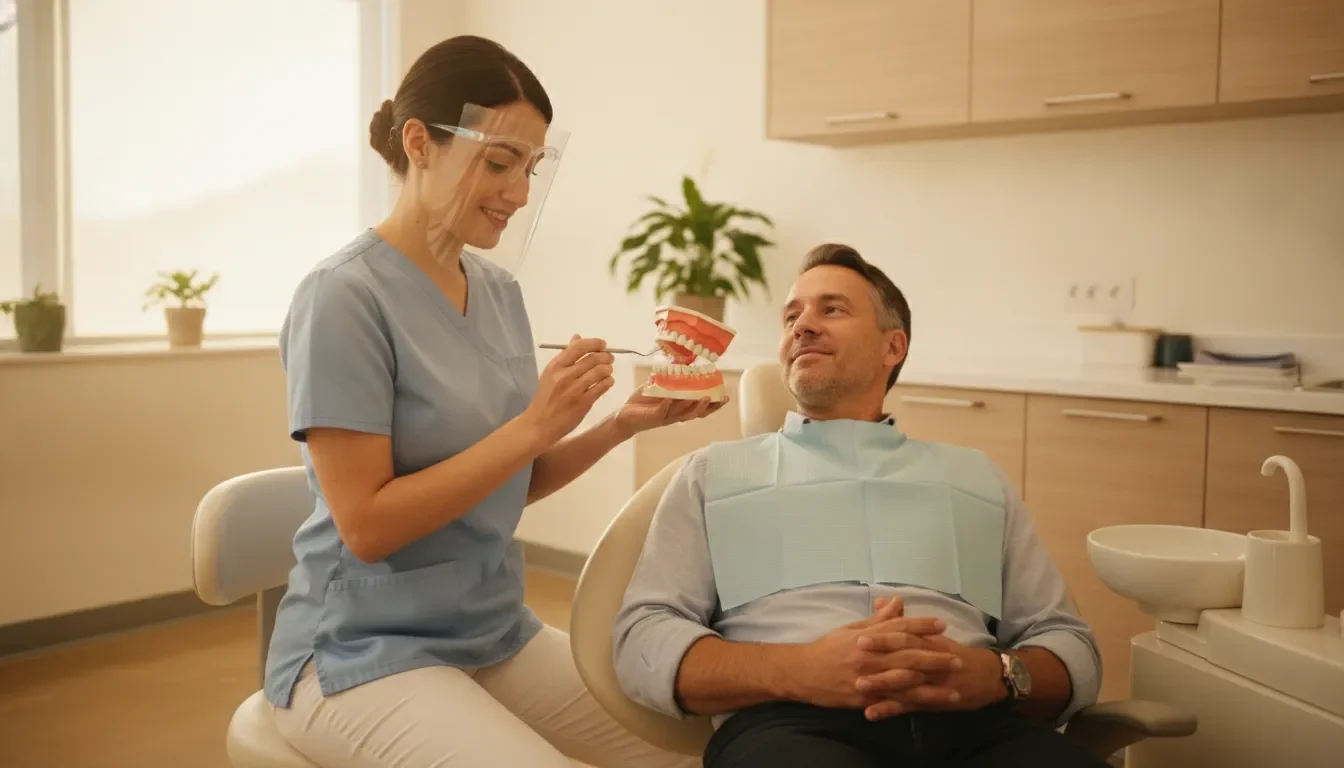
Let’s start by clearing up a common myth: losing your teeth is not a normal or inevitable part of aging. This outdated idea can unfortunately keep people from seeking the care that could preserve their natural smile for a lifetime. The truth is, with today’s preventive strategies and restorative treatments, you have more power than ever to maintain excellent oral health. Believing you can keep your teeth is the first step. This guide is here to give you the facts about modern senior citizens dental care, from effective daily habits to understanding which services can address your specific concerns, ensuring your smile stays strong, functional, and bright for years to come.
Key Takeaways
- Daily habits protect your long-term health: While your dental needs evolve, issues like tooth loss are not a given. A consistent routine with the right products, like an electric toothbrush and fluoride toothpaste, combined with regular professional cleanings, is the best way to keep your natural smile for life.
- Modern treatments can restore your smile: If you experience challenges like missing teeth or gum disease, you have excellent options. Services such as dental implants, periodontal therapy, and well-fitting dentures are designed to restore your smile’s function and appearance, helping you eat and speak with confidence.
- Affordable care is within reach: Don’t let cost prevent you from getting the dental care you need. You can manage expenses by understanding your insurance, such as Medicare Advantage or standalone plans, and exploring resources like community clinics or your dentist’s payment options.
Why Your Dental Needs Change as You Age
Just as other parts of your body change with time, so do your teeth and gums. These shifts don’t have to lead to problems, though. Understanding what to expect is the first step toward proactive care, ensuring your smile stays healthy and bright through every stage of life. Our approach to senior dental care is all about partnering with you to meet these changing needs with compassion and expertise.
How aging impacts your teeth and gums
As the years go by, you might notice changes like receding gums, which can expose tooth roots and increase sensitivity. Plaque may also build up more quickly. These are common experiences, and it’s important to know that nearly 70% of seniors have some form of gum disease. While that sounds serious, it’s often preventable and treatable. Regular periodontal exams allow us to catch and manage these issues early, helping you avoid complications like discomfort or tooth loss and keep your natural smile for years to come.
The connection between oral and overall health
Your oral health is a mirror of your overall wellness. The bacteria and inflammation from gum disease don’t just stay in your mouth; they can enter your bloodstream and contribute to serious health conditions like heart disease, diabetes, and respiratory issues. Taking care of your smile is a crucial part of taking care of your entire body. We believe in a holistic approach, where healthy teeth and gums are the foundation for a healthier you. This philosophy is at the heart of every service we provide.
The effect of medications on your dental health
If you take any prescription or over-the-counter medications, it’s important to know how they might affect your oral health. Hundreds of common medicines can cause dry mouth, which is more than just a minor annoyance. Saliva is your body’s natural defense against cavities because it washes away food and neutralizes acids. When your mouth is dry, your risk for tooth decay and gum disease goes up. Always let your dentist know about any medications you’re taking so we can help you manage the side effects and keep your smile healthy.
Common Dental Concerns for Seniors
As we get older, our bodies change, and our mouths are no exception. Years of chewing, grinding, and exposure to different foods and drinks can take a toll. Plus, general health conditions and the medications used to treat them can have a direct impact on your oral health. Staying aware of the common dental issues that can arise in our later years is the first step toward maintaining a healthy, confident smile for life. Regular communication with your dentist is key to addressing these concerns before they become bigger problems.
Gum disease
Gum disease, or periodontal disease, is incredibly common, affecting a majority of adults over 65. It often starts quietly with symptoms you might dismiss, like red or swollen gums. If not addressed, it can progress, leading to bleeding gums, pain while chewing, and even tooth loss. The good news is that it’s largely preventable and treatable. Consistent preventive care and professional cleanings are your best defense. During these visits, we can spot the early signs of gum disease and create a plan to get your gums healthy again.
Tooth decay and cavities
You might think of cavities as a childhood problem, but they are a significant issue for seniors, with research showing about one in five have at least one untreated cavity. A major contributor is dry mouth, which we’ll discuss next. Without enough saliva to wash away food particles and neutralize acid, your teeth are more vulnerable to decay. Maintaining a diligent oral hygiene routine at home is essential, but so are regular check-ups. Catching decay early can mean the difference between a simple filling and a more complex procedure like a crown.
Dry mouth (xerostomia)
If your mouth frequently feels dry or sticky, you might be experiencing xerostomia. This condition is a common side effect of hundreds of medications prescribed for everything from high blood pressure to depression. It’s more than just a minor annoyance; a lack of saliva dramatically increases your risk for cavities and gum disease. While you should never stop taking a prescribed medication without consulting your doctor, you can manage the symptoms by staying hydrated and talking to your dentist. We can recommend special mouthwashes or other treatments to help provide relief and protect your teeth.
Tooth loss and shifting
Losing teeth is not an inevitable part of aging. However, it is a reality for many, with more than a quarter of adults over 75 having lost one or more teeth. Each tooth plays a role in supporting its neighbors and your overall bite. When one is lost, others can begin to shift, leading to changes in your facial structure and difficulty chewing. Studies even show that keeping your natural teeth is linked to a longer life. If you have lost teeth, modern solutions like dental implants and bridges can restore your smile’s function and appearance, preventing further shifting.
Oral cancer
The risk for oral cancer increases with age, particularly for those with a history of smoking or heavy alcohol use. The most important thing to know is that early detection dramatically improves treatment outcomes. This is why regular dental visits are so critical. An oral cancer screening is a quick, painless part of a routine check-up. Your dentist is trained to spot subtle changes or abnormalities in your mouth, tongue, and throat that you might not notice. If you have any concerns, don’t wait to request an appointment and get peace of mind.
Debunking Senior Dental Care Myths
Let’s clear up some common myths about dental care for seniors. Many of the things we assume are “normal” are actually based on outdated ideas. The truth is, with the right care, your smile can stay healthy and strong throughout your entire life. We’ll walk through a few of these misconceptions to help you feel confident about your dental health.
“Losing teeth is a normal part of aging”
This is one of the most persistent myths. While many older adults experience tooth loss, it is not an inevitable part of aging. Your teeth are designed to last a lifetime, and with consistent home care and regular dental visits, you can keep them. In fact, research shows that keeping your natural teeth is associated with a longer, healthier life. Tooth loss is often the result of preventable conditions like gum disease or decay, not just the number of candles on your birthday cake. We’re here to help you keep your smile complete for years to come.
“You don’t need check-ups if you have dentures”
Even if you have full or partial dentures, regular dental check-ups are essential. Your mouth is more than just teeth. During these visits, we check the fit of your dentures to prevent sores and ensure you can eat and speak comfortably. More importantly, we perform a thorough examination of your gums and other soft tissues. This includes a screening for oral cancer, which is crucial for early detection. As Penn Dental Medicine notes, good oral health helps keep your whole body healthy, so these appointments are a key part of your overall wellness routine.
“Preventive care is just for children”
Preventive care isn’t something you graduate from; it’s a lifelong commitment to your health. Just as you continue with annual physicals, regular dental cleanings and exams are vital as you age. These visits help us catch potential issues like cavities or gum disease before they become serious problems. Keeping your teeth and gums healthy is directly linked to your overall well-being and can even contribute to a longer life. Our preventive services, from cleanings to periodontal exams, are designed to support your smile at every stage, ensuring it stays as healthy and vibrant as you are.
Essential Dental Products for Healthy Aging
Walking down the dental care aisle can feel overwhelming, but having the right tools at home is one of the simplest ways to protect your smile. As we age, our needs change, and the products we use should change, too. The good news is that a few smart swaps can make your daily routine easier and more effective, helping you maintain excellent oral health for years to come. Think of these products as your at-home support team for keeping your teeth and gums strong.
Electric toothbrushes for easier cleaning
If you have arthritis or find it harder to move your hands and arms, an electric toothbrush can be a game-changer. It does most of the work for you, providing consistent, gentle cleaning with just the press of a button. Research has consistently shown that electric toothbrushes are more effective at removing plaque and reducing gingivitis than manual ones. This extra cleaning power is a huge benefit for preventing the gum inflammation that can become more common as we get older. It’s a simple switch that can make a big difference in your daily preventive care routine.
Fluoride toothpastes and antimicrobial mouthwashes
Fluoride isn’t just for kids. As an adult, you’re still susceptible to cavities, and your risk can even increase due to factors like dry mouth. Using a toothpaste with fluoride is one of the best ways to strengthen your tooth enamel and fight decay. The American Dental Association confirms that fluoride is crucial for preventing cavities in adults of all ages. Pairing your fluoride toothpaste with an antimicrobial mouthwash can also help control bacteria, reduce plaque, and keep your gums healthy, which is essential for managing or preventing periodontal disease.
Tools for cleaning between teeth and caring for dentures
Cleaning the tight spaces between your teeth is just as important as brushing. If traditional floss is difficult to handle, don’t worry. Water flossers, interdental brushes, or soft picks are fantastic alternatives that make it easy to remove plaque and food particles from those hard-to-reach areas. For those with dentures, proper care is vital for both your comfort and your overall health. Using a specialized denture brush and soaking solution helps prevent stains, get rid of bacteria, and avoid oral infections like stomatitis. Following a daily denture care routine ensures your appliance stays fresh and your mouth stays healthy.
Dental Services to Support Your Smile
As your dental needs evolve, it’s good to know what services can help you maintain a healthy, confident smile. Modern dentistry offers fantastic solutions to address the most common concerns that come with age. From replacing missing teeth to managing gum health, your dentist is your partner in keeping your smile strong for life. At Lowell Family Dental Practice, we focus on providing personalized and comfortable care, ensuring you always feel at ease.
Dentures, implants, and bridges
Losing a tooth can be disheartening, but it doesn’t have to permanently affect your smile or your ability to enjoy your favorite foods. While keeping your natural teeth is always the goal, restorative options are available if you need them. For the more than a quarter of adults over 75 who have lost one or more teeth, solutions like dentures, bridges, and dental implants can restore full function and appearance. These treatments fill gaps left by missing teeth, which supports your facial structure, helps you chew properly, and gives you back a complete, confident smile.
Periodontal therapy and deep cleanings
Did you know that nearly 70% of seniors experience some form of gum disease? If left untreated, it can lead to sore or bleeding gums, pain while chewing, and even tooth loss. Regular check-ups are your first line of defense. If we spot signs of gum disease, we may recommend periodontal therapy, also known as a deep cleaning. This treatment goes further than a standard cleaning to remove plaque and tartar buildup below the gumline, helping to halt the disease’s progression. Consistent periodontal exams are key to protecting your gums and the foundation of your smile.
Oral cancer screenings
Oral cancer screenings are a quick, painless, and incredibly important part of every routine dental exam, especially for older adults. The risk of oral cancer increases with age, and it’s higher for those with a history of tobacco or heavy alcohol use. The screening process is simple: your dentist will visually inspect your mouth, gums, and tongue for any unusual sores or tissue changes. Finding any potential issues early is critical for successful treatment, which is why we make these screenings a standard part of our comprehensive care for every patient.
Sedation options for dental anxiety
Feeling anxious about visiting the dentist is very common, and it shouldn’t stop you from getting the care you need. We understand that past experiences or physical discomfort can make appointments stressful. That’s why we are committed to providing a painless and stress-free environment. If you feel nervous, we can discuss sedation options to help you relax completely during your treatment. Our goal is to make sure you feel safe and comfortable from the moment you walk in, so you can maintain your oral health without any added worry. We welcome all new patients to discuss their concerns with us.
Does Medicare Cover Dental Care?
It’s one of the most common questions we hear from our senior patients, and the answer isn’t always straightforward. Understanding how your healthcare plan handles dental services is key to managing your health and your budget. While Medicare is a lifeline for many healthcare needs, its dental coverage can be limited and often confusing.
The short answer is that it depends on the type of Medicare plan you have. Original Medicare and Medicare Advantage plans treat dental care very differently. Knowing the distinction can help you avoid surprise bills and ensure you get the care you need to maintain a healthy smile for years to come. Let’s walk through what each type of plan typically covers so you can feel confident about your options.
What Original Medicare covers (and what it doesn’t)
If you have Original Medicare, which includes Part A (Hospital Insurance) and Part B (Medical Insurance), you’ll find that it does not cover most dental care. This means routine services like check-ups, cleanings, fillings, tooth extractions, and dentures are not included. For day-to-day dental health, you cannot rely on Original Medicare to foot the bill.
There are, however, a few rare exceptions. Medicare Part A may pay for specific dental services you receive while in a hospital. For example, if you have an emergency or a complicated surgery that requires a hospital stay, and dental services are a necessary part of the procedure, it might be covered. But for the vast majority of your dental needs, you’ll need to look beyond Original Medicare coverage.
Understanding Medicare Advantage dental benefits
This is where things get a little different. Medicare Advantage plans, also known as Part C, are offered by private insurance companies approved by Medicare. Many of these plans bundle health, vision, and dental benefits into one package. If you have a Medicare Advantage plan, there’s a good chance you have some form of dental coverage.
The key thing to remember is that these benefits can vary dramatically from one plan to another. Some may only cover preventive care like cleanings and X-rays, while others might offer more comprehensive coverage for procedures like root canals or crowns. It’s essential to read the fine print of your specific plan to understand your deductibles, copayments, and annual coverage limits before you schedule a treatment.
Your options if a treatment isn’t covered
Finding out a needed treatment isn’t covered can be stressful, but you have options. Many seniors without adequate coverage choose to purchase a standalone dental insurance plan to help manage costs. These plans are separate from your medical insurance and are designed specifically to cover routine and major dental work.
Another great step is to have an open conversation with your dental office. Many practices, including ours, are happy to discuss payment plans or financing options to make care more affordable. At Lowell Family Dental Practice, we believe cost shouldn’t be a barrier to a healthy smile. We welcome new patients and are always here to help you understand your treatment plan and financial options.
Finding the Right Dental Insurance for You
Figuring out dental insurance can feel like a puzzle, but it’s a crucial piece of managing your health and budget. Without a good plan, you could end up paying a lot out of pocket for everything from routine cleanings to more involved treatments. The right dental insurance helps cover these costs, making it easier to get the consistent care you need to keep your smile healthy for years to come. Let’s walk through your main options so you can find a plan that fits your life.
Standalone dental insurance vs. Medicare Advantage
One of the first things you’ll discover is that Original Medicare and Medigap plans typically don’t pay for regular dental care like cleanings, fillings, or dentures. This is a surprise for many people. Your two main alternatives are Medicare Advantage plans and standalone dental insurance. Some Medicare Advantage plans (also called Part C) bundle health, vision, and dental coverage together. This can be convenient, but the dental benefits might be limited or have a smaller network of dentists. A standalone dental plan is a separate policy you buy directly from an insurance provider. These plans are focused solely on your oral health and often provide more comprehensive coverage and a wider choice of dentists.
How to compare dental insurance plans
When you start looking at plans, it’s easy to get lost in the details. The best approach is to compare a few key numbers. Look at the monthly premium (what you pay to keep the plan active), the deductible (what you pay before the plan starts covering costs), and the annual maximum (the most the plan will pay in a year). It’s also essential to check which dentists are in the plan’s network. If you have a dentist you trust, you’ll want to make sure they are covered to keep your costs down. Finally, ask about waiting periods. Some plans require you to be a member for a few months before they will cover major procedures.
Key features to look for in a policy
A good dental plan should cover the services you’re most likely to need. Most policies are structured to prioritize preventive care. You’ll often see coverage broken down into a 100-80-50 model: 100% coverage for preventive services like cleanings and exams, 80% for basic procedures like fillings, and 50% for major work like crowns or dentures. When reviewing a policy, check that it includes a wide range of dental services, from regular check-ups to more complex treatments. If you know you might need specific care, like periodontal therapy or dental implants, make sure that’s part of the package. This ensures your plan will be there for you when you need it most.
How to Access Affordable Dental Care
Finding affordable dental care on a fixed income can feel like a major challenge, but please don’t let it stop you from getting the care you need. Your oral health is directly linked to your overall well-being, and there are several fantastic resources available to help you manage the costs. Many community and state programs are specifically designed to help seniors access high-quality dental services without breaking the bank. Think of it as having a support system for your smile. From local clinics to national nonprofits, you have more options than you might realize. Let’s walk through some of the best avenues for finding dental care that fits your budget.
Community health and sliding-scale clinics
A great starting point for affordable care is your local community health clinic. These centers often provide dental services on a sliding scale, which means the amount you pay is based on your income. They are set up to serve the community, especially those with lower incomes, and can offer comprehensive care tailored to your specific health needs. As experts at Penn Dental Medicine explain, routine care is essential for maintaining your quality of life, and these clinics make that possible. They are a wonderful resource for receiving consistent, budget-friendly dental attention.
Local dental school clinics
Have you ever considered visiting a dental school for your care? It’s a practical and often overlooked option for high-quality, low-cost services. At these clinics, dental students perform procedures under the close supervision of experienced, licensed dentists. Because they are learning institutions, they offer services at a significantly reduced price. Many dental schools also accept different insurance plans, including Medicaid, and may offer payment plans to help you manage the cost. This makes them a reliable choice for seniors who need excellent care without the high price tag.
Nonprofit programs like the Dental Lifeline Network
Nonprofit organizations can be a true lifeline when you’re facing financial barriers to dental care. The Dental Lifeline Network (DLN) is a perfect example. This incredible organization connects adults who cannot afford dental work with a nationwide network of volunteer dentists. These dentists donate their time and services to provide free, comprehensive treatment to qualified applicants. For seniors struggling with the cost of necessary procedures, a program like the DLN can be life-changing, helping you restore your oral health and smile with confidence.
Massachusetts state and local assistance programs
If you live in Massachusetts, you have access to state and local programs designed to help you. The Dental Lifeline Network is a great tool for this, as it helps you find free dental care by looking through their state-specific programs. You can visit the DLN website and click on Massachusetts to see what services are available and learn how to apply. Exploring these state-level resources is a proactive step you can take to find the support you need right in your own community. Don’t hesitate to see what assistance is available to you.
Daily Habits for Lifelong Oral Health
Maintaining a bright, healthy smile as you age comes down to consistent daily habits. Just like any other aspect of your health, your teeth and gums thrive on routine care and proper nutrition. Small, consistent actions can make a huge difference in preventing common dental issues and keeping your smile strong for years to come. Think of it as a daily investment in your long-term health and confidence.
Foods that strengthen your teeth and gums
What you eat has a direct impact on the health of your teeth and gums. A diet rich in vitamins and minerals is essential for maintaining strong oral health. Focus on incorporating foods high in calcium, like dairy and leafy greens, to fortify your tooth enamel. Vitamin C, found in citrus fruits and bell peppers, is fantastic for your gums. Staying hydrated is also key, as it helps your mouth produce saliva, which naturally cleanses your teeth. Drinking plenty of water is the best choice, but hydrating fruits and veggies count, too. It’s also wise to limit sugary and acidic foods, which can contribute to tooth decay and enamel erosion.
Your ideal daily oral hygiene routine
A simple yet effective daily routine is your best defense against dental problems. The foundation is brushing your teeth at least twice a day with a soft-bristled brush and fluoride toothpaste. Make sure to brush for a full two minutes, covering all surfaces. Don’t forget to floss daily to clean the tight spaces your toothbrush can’t reach; floss picks can make this easier if you have dexterity challenges. Rinsing with an antimicrobial mouthwash can also help reduce plaque. Finally, consistent professional care is non-negotiable. Regular dental check-ups allow us to perform professional cleanings and catch any potential issues early, keeping your smile healthy and bright.
Choosing the Right Dentist for Your Needs
Finding a dentist who understands your specific needs is the key to a positive and successful care experience. As you get older, your dental requirements change, and it’s important to partner with a professional who can address those changes with expertise and compassion. The right dentist will not only help you maintain your oral health but also make you feel comfortable and heard during every visit. Taking the time to find a good fit ensures you have a trusted partner in your health journey for years to come.
Questions to ask before your first appointment
Before you schedule a cleaning, it’s smart to do a little research. Calling the office to ask a few questions can give you a great sense of whether a practice is the right fit for you. Consider asking about their experience with senior dental care and their familiarity with common issues like dry mouth or gum disease. It’s also helpful to know how they handle dental emergencies and what payment options are available. The American Dental Association offers a helpful guide for choosing a dentist that can give you more ideas. Don’t be shy; a good dental team will be happy to answer your questions and help you feel confident in your choice.
Why a family practice is a great fit for seniors
There’s a special kind of comfort in a place that feels like home, and that’s often the atmosphere you’ll find at a family dental practice. These offices are designed to care for patients of all ages, from toddlers to seniors, which means they are well-equipped to handle a wide range of dental needs. A family dentist often takes a holistic view of your health, understanding that your oral health is connected to your overall well-being. They are also familiar with the unique challenges seniors may face, from mobility issues to the need for extra gentle care. This approach helps build a trusting, long-term relationship, making your dental visits feel less stressful and more like catching up with a trusted friend.
Find compassionate senior care at Lowell Family Dental Practice
At Lowell Family Dental Practice, we are dedicated to providing personalized and gentle care for our senior patients. Our team understands the specific dental challenges that can arise with age, and we offer a full range of dental services to keep your smile healthy and bright, from preventive care to restorative treatments. We believe that great dental care is built on a strong relationship, which is why we take the time to listen to your concerns and make sure you feel comfortable and informed. We want to be your partner in maintaining excellent oral health for a lifetime. If you’re ready for a stress-free dental experience, we would be honored to welcome you to our practice.
Related Articles
- Age and Oral Health – Lowell Family Dental Practice & Implant Center
- Tooth Care – Lowell Family Dental Practice & Implant Center
- Denture Care – Lowell Family Dental Practice & Implant Center
- Dental Problems – Lowell Family Dental Practice & Implant Center
- Diabetes – Lowell Family Dental Practice & Implant Center
Frequently Asked Questions
I have dentures, so do I still need to see a dentist? Yes, absolutely. Regular dental visits are still very important even if you have full or partial dentures. During these appointments, we check the soft tissues of your mouth, including your gums and tongue, for any signs of irritation or oral cancer. We also examine the fit of your dentures to make sure they are comfortable and functioning properly, which helps prevent sores and allows you to eat and speak with confidence.
Many of my medications cause dry mouth. Is this a serious problem? It is definitely something to take seriously. Saliva is your body’s natural defense system for your mouth; it rinses away food particles and neutralizes the acids that cause cavities. When your mouth is persistently dry, your risk for tooth decay and gum disease increases significantly. While you should never stop a prescribed medication, you should always let your dentist know about it so we can help you manage the symptoms and protect your teeth.
Losing teeth is just part of getting older, right? This is a common belief, but it’s not true. Your natural teeth are strong and are meant to last a lifetime. Tooth loss is most often the result of preventable conditions, like advanced gum disease or untreated decay, not simply the aging process itself. With consistent daily care at home and regular professional check-ups, you can keep your natural smile healthy and complete for many years.
I’m on a fixed income and worried about the cost of dental care. What can I do? This is a very valid concern, and you have several options. First, review your insurance. While Original Medicare offers limited dental benefits, many Medicare Advantage plans and standalone dental policies provide good coverage. It’s also a great idea to talk directly with your dental office. Many, including our practice, offer payment plans to make treatment more manageable. Finally, community health centers and dental schools often provide quality care at a lower cost.
What makes a family dental practice a good choice for senior care? A family practice is uniquely suited to care for seniors because we build lasting relationships with our patients. We see people through every stage of life, so we have a deep understanding of how dental needs evolve over time. This allows us to provide truly personalized and gentle care, always considering your overall health and comfort. It creates a familiar, trusting environment where you can feel at ease.
Written by
Dr. Iham Gammas, DMDBoard-Certified Implant Dentist & Founder, Lowell Family Dental Practice. Fellow & Master of ICOI and IADI. Associate Fellow of AAID.