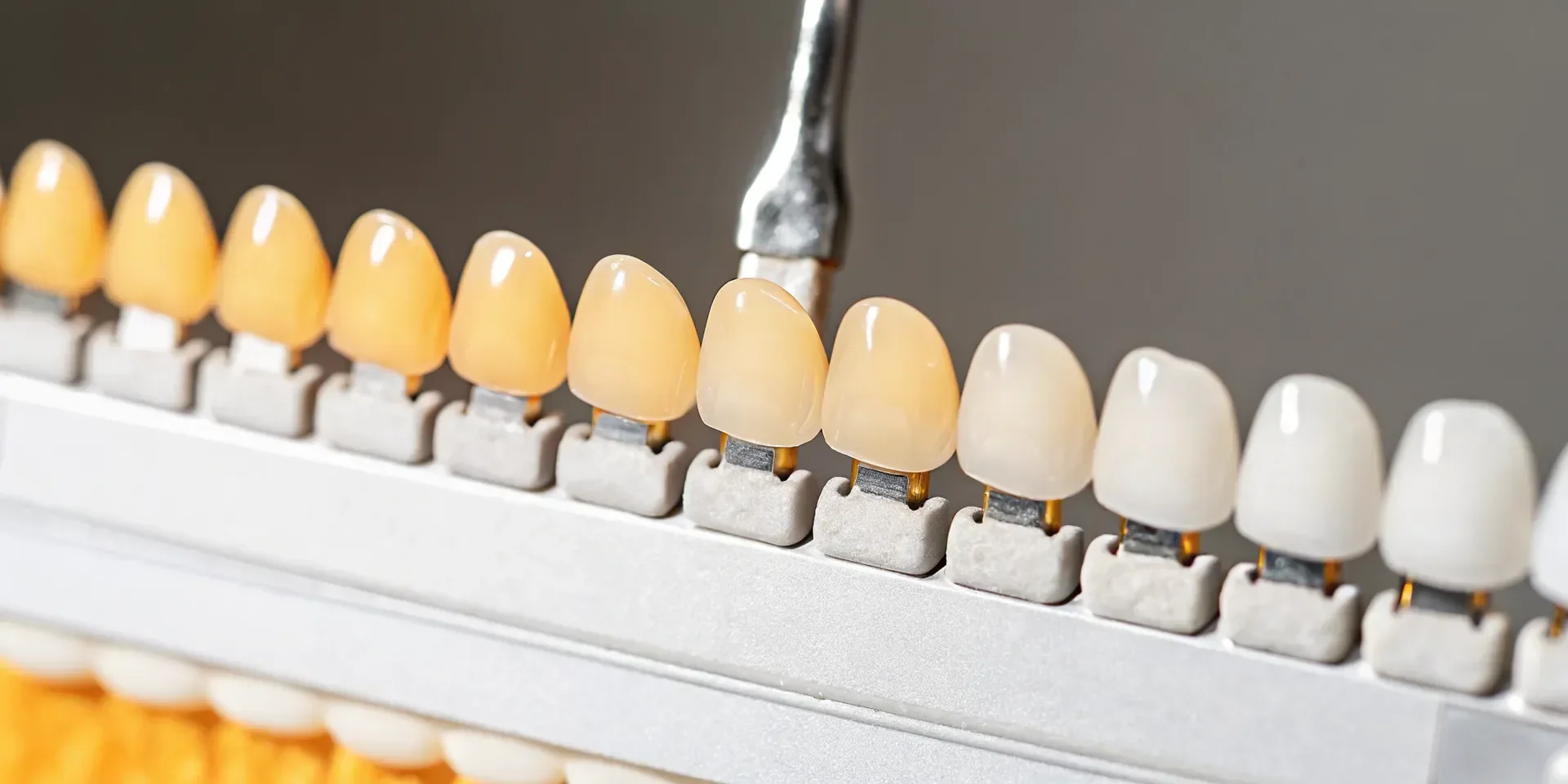
Veneers are well-known for their cosmetic power, but their function can go beyond just aesthetics. They can also serve a restorative purpose by protecting a tooth with worn-down enamel or repairing a chip from an injury. This dual nature is exactly why the question “does insurance cover veneers?” can be so confusing. Insurance companies typically draw a hard line between procedures that improve appearance and those that restore health and function. Understanding which side of the line your situation falls on is the first step to determining your potential coverage. We’ll help you understand the difference and what it means for your financial planning.
Key Takeaways
- Veneers are a versatile cosmetic solution: They are custom-made shells that cover the front of your teeth to fix a variety of issues at once, including stains, chips, gaps, or minor crookedness, giving you a natural-looking smile.
- Insurance coverage depends on medical need: Most plans consider veneers cosmetic and won’t cover them, but exceptions exist. If veneers are needed to restore a tooth after an injury or from severe enamel wear, you may have a case for coverage, so always get a pre-authorization.
- You have several ways to pay without insurance: Don’t let a lack of coverage stop you. You can make veneers affordable by using healthcare-specific credit cards, asking about in-house payment plans, or using pre-tax funds from an HSA or FSA.
What Are Dental Veneers?
If you’ve ever wished for a straightforward way to get a brighter, more even smile, dental veneers might be the answer. Think of them as thin, custom-made shells designed to cover the front surface of your teeth. They’re crafted from tooth-colored materials to blend in seamlessly, giving you a natural-looking smile you can feel confident about.
Veneers are a popular choice in cosmetic dentistry because they can correct a variety of concerns all at once. Whether you’re dealing with teeth that are chipped, stained, slightly crooked, or have gaps between them, veneers offer a long-term solution. Instead of undergoing multiple different treatments, veneers can transform your smile’s appearance in just a few appointments. They are permanently bonded to your teeth, creating a durable and beautiful result that can last for many years with proper care.
Types of Veneers
When it comes to veneers, you generally have two main options: porcelain and composite resin. Porcelain veneers are crafted from a strong, high-quality ceramic material that does an excellent job of mimicking the light-reflecting properties of natural teeth. They are highly resistant to stains, so you won’t have to worry about your morning coffee dulling your smile. With proper care, porcelain veneers can last for 15 years or even longer, making them a fantastic long-term investment.
Composite resin veneers, on the other hand, are made from a tooth-colored filling material that is applied directly to the tooth. This process is typically less invasive and can often be completed in a single visit. While they are a more budget-friendly option, composite veneers have a shorter lifespan of around five to seven years and can be more prone to staining over time.
How Are Veneers Applied?
The process of getting veneers usually starts with your first consultation, where we’ll discuss your goals and make sure veneers are the right choice for you. We’ll take X-rays and make impressions of your teeth to design your custom veneers. To prepare your tooth for the veneer, your dentist will gently reshape its surface by removing a very thin layer of enamel, about the thickness of a contact lens. This step is important because it ensures the veneer fits perfectly and doesn’t look bulky.
Once your tooth is prepared, the final steps depend on the type of veneer you’ve chosen. For composite veneers, the resin is applied directly to your tooth and sculpted into the desired shape. For porcelain veneers, we’ll take a final impression to send to a dental lab where your custom veneer will be made. Once it’s ready, you’ll come back to have it permanently cemented in place, revealing your brand-new smile.
Why Choose Dental Veneers?
If you’re dreaming of a brighter, more even smile, dental veneers might be the perfect solution. These thin, custom-made shells are designed to cover the front surface of your teeth, correcting a wide range of imperfections. At Lowell Family Dental Practice, we’ve seen how veneers can completely transform a person’s confidence by addressing both cosmetic goals and minor functional concerns. They are a versatile treatment that offers the best of both worlds.
Cosmetic Benefits
The main reason people choose veneers is for the incredible aesthetic improvement. If you have teeth that are chipped, stained, slightly crooked, or have gaps between them, veneers can conceal these issues beautifully. Each veneer is meticulously crafted to match the color and shape of your natural teeth, so the result is a smile that looks both flawless and authentic. When placed by an experienced dentist, they blend in so seamlessly that people will only notice your gorgeous, confident smile. It’s one of the most impactful cosmetic services we offer for a complete smile makeover.
Functional Improvements
While veneers are famous for their cosmetic power, they also offer some practical benefits. For example, a veneer can restore the original shape of a chipped tooth, preventing irritation to your tongue and making biting more comfortable. They can also close small gaps, which can make cleaning easier. For teeth with worn-down enamel, a veneer adds a thin but durable layer of protection. It’s important to remember they aren’t a fix for major structural problems, but they are excellent for making minor improvements on otherwise healthy teeth. You can always schedule a consultation with us to see if they’re the right choice for you.
Does Dental Insurance Cover Veneers?
One of the first questions we hear from patients considering veneers is about the cost and whether insurance will help. It’s a great question, and the answer isn’t always straightforward. Most of the time, it comes down to whether the procedure is considered cosmetic or medically necessary. Understanding how insurance companies view veneers is the first step to figuring out your financial plan. Let’s walk through what you need to know so you can feel confident about your decision.
Why Most Plans Don’t Cover Veneers
The main reason most dental insurance plans don’t cover veneers is that they are typically classified as a cosmetic procedure. In the world of insurance, “cosmetic” means the treatment is chosen to improve your appearance rather than to fix a health issue. Think of it like the difference between a procedure that helps you chew properly and one that makes your teeth look more uniform. Because veneers are primarily used to enhance the look of your smile by correcting things like color or shape, insurance providers often place them in the same category as teeth whitening, which is usually not covered.
Cosmetic vs. Medically Necessary
This is where things can get more nuanced. While veneers are usually cosmetic, there are situations where they might be considered “medically necessary.” For instance, if your teeth were chipped or broken in an accident, veneers could be part of the restorative treatment plan to bring them back to full function. Another example is severe enamel erosion that has weakened your teeth and made them painfully sensitive. In cases like these, veneers aren’t just about looks; they’re about restoring the health and integrity of your teeth. Your dentist can help determine if your situation qualifies and provide the necessary documentation for your insurance claim.
Common Misconceptions About Coverage
It’s easy to assume that if a dental procedure is offered, your insurance will cover at least part of it. Unfortunately, this is a common misconception with veneers. The best rule of thumb is to never assume coverage, as every insurance plan has its own specific rules and exclusions. The only way to know for sure is to check directly with your provider before you begin treatment. We always recommend getting a pre-authorization. Our team at Lowell Family Dental Practice is happy to help you with the paperwork and provide the information you need to have a clear conversation with your insurer.
When Might Insurance Cover Veneers?
While it’s true that most insurance plans categorize veneers as a cosmetic procedure, there are important exceptions. The key is whether the treatment can be defined as “medically necessary.” If your veneers are needed to repair damage or restore the normal function of your teeth, you have a much stronger case for coverage. Think of it less as an enhancement and more as a restoration.
These situations are not always clear-cut, and insurance policies can be tricky. However, understanding the specific circumstances where coverage might apply is the first step. If your reason for getting veneers falls into one of the categories below, it’s worth having a conversation with both your dentist and your insurance provider. Our team can help you gather the right information to present your case clearly.
When Veneers Are Medically Necessary
The term “medically necessary” is what can shift veneers from a cosmetic want to a healthcare need in the eyes of an insurance company. This typically means that the procedure is required to treat a disease, injury, or a condition that impairs your dental function. For example, if a medical condition has caused significant deterioration of your teeth, veneers might be part of a larger treatment plan to restore your oral health. The goal here isn’t just a prettier smile; it’s about making sure your teeth can do their job properly without pain or further damage.
Coverage for Injuries
Accidents happen, and if a tooth is chipped, cracked, or broken due to an injury, your dental insurance is more likely to help. In this scenario, a veneer isn’t just for looks; it’s a restorative treatment to fix the damage. Most dental insurance plans draw a clear line between cosmetic choices and necessary repairs. If your tooth was healthy before an accident and now needs to be fixed, some coverage may be available to restore its original shape and strength. It’s always best to document the injury and seek dental care promptly.
Addressing Severe Enamel Wear
Your tooth enamel is the hard, protective outer layer of your teeth. If it becomes severely worn down from issues like acid reflux, grinding, or a medical condition, it can lead to serious problems. This includes extreme sensitivity, transparency, and an increased risk of decay. When enamel loss is significant, veneers can be considered a medically necessary procedure because they act as a replacement for the lost enamel. By bonding a veneer to the tooth, we can protect it from further damage and restore its structural integrity.
What Documentation You’ll Need
If you believe your veneers should be covered, you’ll need to provide clear proof to your insurance provider. They won’t just take your word for it, so strong documentation is essential. This usually involves a formal letter from your dentist explaining the medical necessity of the procedure. We can support this claim with your dental records, X-rays, and photographs that show the extent of the damage or wear. Before starting treatment, it’s a great idea to request an appointment so we can assess your situation and help you get the pre-authorization you need from your insurance company.
How to Check Your Insurance Coverage
Figuring out what your dental insurance covers can feel like a puzzle, but you don’t have to solve it alone. While most insurance plans consider veneers a cosmetic treatment, it’s always worth investigating your specific policy. Sometimes, if a veneer is needed to restore a damaged tooth, you might find you have partial coverage. Taking a few proactive steps will give you a clear picture of your benefits and help you plan financially. Think of it as your homework before you can get to the exciting part: designing your new smile.
Our team at Lowell Family Dental Practice is always here to help you with the insurance process, but starting with these steps will put you in a great position to understand your options.
Review Your Policy
Your first step is to become familiar with your dental insurance plan. You can usually find your benefits booklet or policy documents by logging into your insurance provider’s online portal. Look for sections on “cosmetic procedures” or “exclusions.” Most plans explicitly state that they don’t cover treatments intended to improve appearance.
However, you should also check the details for “major restorative services.” In rare cases where a veneer is the best way to fix a chipped or broken tooth, it might fall under this category. It’s a good idea to check with your insurance company directly if the language in your policy seems unclear, but having a basic understanding of your plan is the perfect starting point.
What to Ask Your Insurance Provider
Once you’ve reviewed your policy, it’s time to call your insurance provider. Speaking with a representative is the most direct way to get answers. Don’t be afraid to ask specific questions and take notes during the call.
Here are a few key questions to ask:
- Do you offer any coverage for porcelain veneers under my plan?
- If so, under what circumstances are they covered (e.g., for medical necessity)?
- What percentage of the cost is covered for major restorative procedures?
- What is my annual maximum and how much of it have I used this year?
- Do I need a pre-authorization before starting treatment?
Our new patient coordinators are pros at this and can help you understand the answers you receive.
Get Pre-Authorization
A pre-authorization, also called a pre-treatment estimate, is your best tool for avoiding financial surprises. It’s a formal request our office sends to your insurance company on your behalf. The request details the proposed veneer treatment, along with any X-rays or notes explaining why it’s needed.
Your insurance company will review this information and send back a document outlining exactly what they will pay for and what your out-of-pocket cost will be. This isn’t a guarantee of payment, but it’s the most accurate estimate you can get. Getting a pre-authorization is essential, especially if we believe your veneers have a restorative component that might qualify for coverage. You can schedule a consultation with us to get this process started.
Understand Your Policy Limits
Dental insurance plans typically group procedures into categories with different coverage levels. While veneers often fall outside these groups, understanding them helps you know what to expect for other dental work.
Generally, you’ll see coverage like this:
- Preventive Care: Cleanings and exams are often covered at 100%.
- Basic Procedures: Fillings and simple extractions might be covered at 70% to 80%.
- Major Procedures: Crowns, bridges, and dentures are often covered at around 50%.
If your veneers are approved for coverage, they would likely be considered a major procedure. This means you’ll also need to be aware of your annual maximum, which is the total amount your plan will pay for all your dental services in a benefit year.
How to Pay for Veneers Without Insurance Coverage
Finding out that your insurance won’t cover veneers can feel like a setback, but it doesn’t have to be the end of your smile journey. Many people pay for cosmetic dental work without insurance, and there are several straightforward ways to make it more manageable. The key is to understand your options and create a financial plan that works for you. From specialized credit cards designed for healthcare costs to flexible plans offered directly by your dentist’s office, you have more control than you might think. You may even have funds set aside in a health savings account that you can put toward your new smile. The best approach is to talk openly with your dental team about your budget and goals. We can walk you through the different paths available and help you find the right fit. Your dream smile is achievable, and we’re here to help you figure out the financial side of things. Ready to explore your options? You can always schedule a consultation to discuss a personalized plan.
Healthcare Credit Cards
One popular option is a healthcare credit card, like CareCredit. These cards are designed specifically to cover health, wellness, and dental expenses that insurance doesn’t pick up. They often come with promotional financing options, such as interest-free periods if you pay the balance within a certain timeframe. This allows you to break down the cost of your veneers into smaller, more manageable monthly payments without accumulating interest right away. You can apply for these cards online or sometimes directly in your dentist’s office. It’s a flexible way to finance your procedure and start treatment without having to pay the full amount upfront.
In-House Payment & Discount Plans
Don’t hesitate to ask us about in-house financing or payment plans. Many dental practices offer these directly to patients to make treatments more accessible. These plans can vary, but they often allow you to pay for your veneers in installments over several months. Some offices also have in-house dental savings plans for patients without insurance. These membership-style plans typically involve an annual fee in exchange for significant discounts on various procedures, including cosmetic ones. They often have no yearly maximums or deductibles, making them a simple and predictable way to save on your dental care.
Using Your HSA or FSA
If you have a Health Savings Account (HSA) or Flexible Spending Account (FSA) through your employer, you can use these pre-tax dollars to pay for your veneers. Both HSAs and FSAs are designed to cover qualified medical and dental expenses, which often includes cosmetic procedures that improve function or treat a specific dental issue. Using these funds is a smart financial move because you’re paying with money that hasn’t been taxed, which can save you a significant amount. Be sure to check the specifics of your account, but this is an excellent way to make your treatment more affordable.
Exploring Covered Alternatives
In some cases, an alternative treatment might achieve a similar result and have a better chance of being covered by insurance. For example, if a tooth is severely damaged or decayed, a dental crown might be a more appropriate solution than a veneer. Because crowns restore the tooth’s function and structure, insurance is more likely to consider them medically necessary and provide coverage. It’s always worth discussing all possible treatment options with your dentist. We can help you weigh the pros and cons of each and determine which procedure best fits your dental needs and your budget.
Create a Plan for Affordable Veneers
Getting veneers is an exciting step toward the smile you’ve always wanted, but it’s also a significant financial investment. The good news is that with a little planning, you can make it work for your budget. By understanding the full cost, exploring your payment options, and making the most of any available insurance benefits, you can create a clear path forward. Let’s walk through how to build a practical financial plan for your new smile.
Talk to Your Dentist About Costs
Your first step is to have an open conversation with your dentist. A clear understanding of the investment from the start prevents any surprises down the road. Before you commit to the procedure, be sure to ask your dentist about the total cost, how long the veneers are expected to last, and if there are any special care instructions. This initial consultation is the perfect time to get all your questions answered.
We believe in full transparency, so we encourage you to schedule an appointment to discuss your goals. We can create a personalized treatment plan that outlines every detail, including what your insurance might cover, so you can feel confident and prepared.
Compare Your Financing Options
If your insurance doesn’t cover veneers or only covers a portion of the cost, you still have plenty of ways to make them affordable. Many people use financing to fit cosmetic dental work into their budget. It’s a good idea to look into all your options to find what works best for you.
Many dental offices offer in-house payment plans that allow you to spread the cost over several months. You can also explore third-party financing options like CareCredit, which is a healthcare credit card designed for health and wellness expenses. Dental discount plans are another alternative that can reduce the overall price. Don’t hesitate to ask our office staff what plans we accept or recommend.
Maximize Your Insurance Benefits
While most dental insurance plans don’t cover veneers for purely cosmetic reasons, there are exceptions. Your insurance might cover part of the cost if your veneers are considered “medically necessary.” This can happen if your teeth were damaged in an accident, weakened by a medical condition, or if the veneers are needed to restore proper function to your bite.
To find out if you qualify, we can help you submit a pre-treatment estimate to your insurance provider. This request will include documentation like X-rays and a letter explaining why the procedure is a medical necessity and not just a cosmetic choice. It’s always worth checking, as any amount of coverage can make a big difference.
Related Articles
- Veneers – Lowell Family Dental Practice & Implant Center
- Cosmetic Dentistry – Lowell Family Dental Practice & Implant Center
- How Tooth-Colored Fillings Improve Your Smile – Lowell Family Dental Practice & Implant Center
- Chipped, Cracked, and Worn Teeth – Lowell Family Dental Practice & Implant Center
- Patient Education – Lowell Family Dental Practice & Implant Center
Frequently Asked Questions
How long do veneers last? The lifespan of your veneers really depends on the material you choose and how well you care for them. Porcelain veneers are incredibly durable and can last for 15 years or even longer with proper oral hygiene. Composite veneers have a shorter lifespan, typically around five to seven years. In either case, treating them like your natural teeth with regular brushing, flossing, and dental check-ups is the best way to ensure they stay beautiful for years to come.
Will getting veneers damage my natural teeth? This is a common concern, but you can rest easy. To ensure a veneer fits perfectly and doesn’t look bulky, we remove a very thin layer of enamel from the front of the tooth. This process is minimally invasive and doesn’t harm the underlying health of your tooth. In fact, the veneer then acts as a strong, protective shield for the tooth surface.
Can I get a veneer on just one tooth, or do I need a full set? You absolutely can get a veneer for a single tooth. Veneers are a fantastic solution for correcting a single chipped, cracked, or discolored tooth that stands out from the rest. We custom-craft each veneer to meticulously match the color, shape, and translucency of your surrounding teeth, so the result is a seamless, natural-looking smile.
What’s the real difference between porcelain and composite veneers? The main differences come down to material, longevity, and cost. Porcelain veneers are crafted from a high-quality ceramic in a lab, offering superior durability and stain resistance for a beautiful, long-term result. Composite veneers are made from a resin material that is applied and sculpted directly onto your tooth in a single visit, making them a faster and more budget-friendly option, though they may need to be replaced sooner.
What if my insurance still says no, even if my veneer is for a medical reason? It can be frustrating when an insurance provider denies a claim, but it doesn’t mean you’re out of options. If your claim is denied, the next step is to explore other financial avenues. Many of our patients use healthcare credit cards like CareCredit, take advantage of our in-house payment plans, or use funds from an HSA or FSA. We are always here to help you review these options to find a solution that fits your budget.
Written by
Dr. Iham Gammas, DMDBoard-Certified Implant Dentist & Founder, Lowell Family Dental Practice. Fellow & Master of ICOI and IADI. Associate Fellow of AAID.