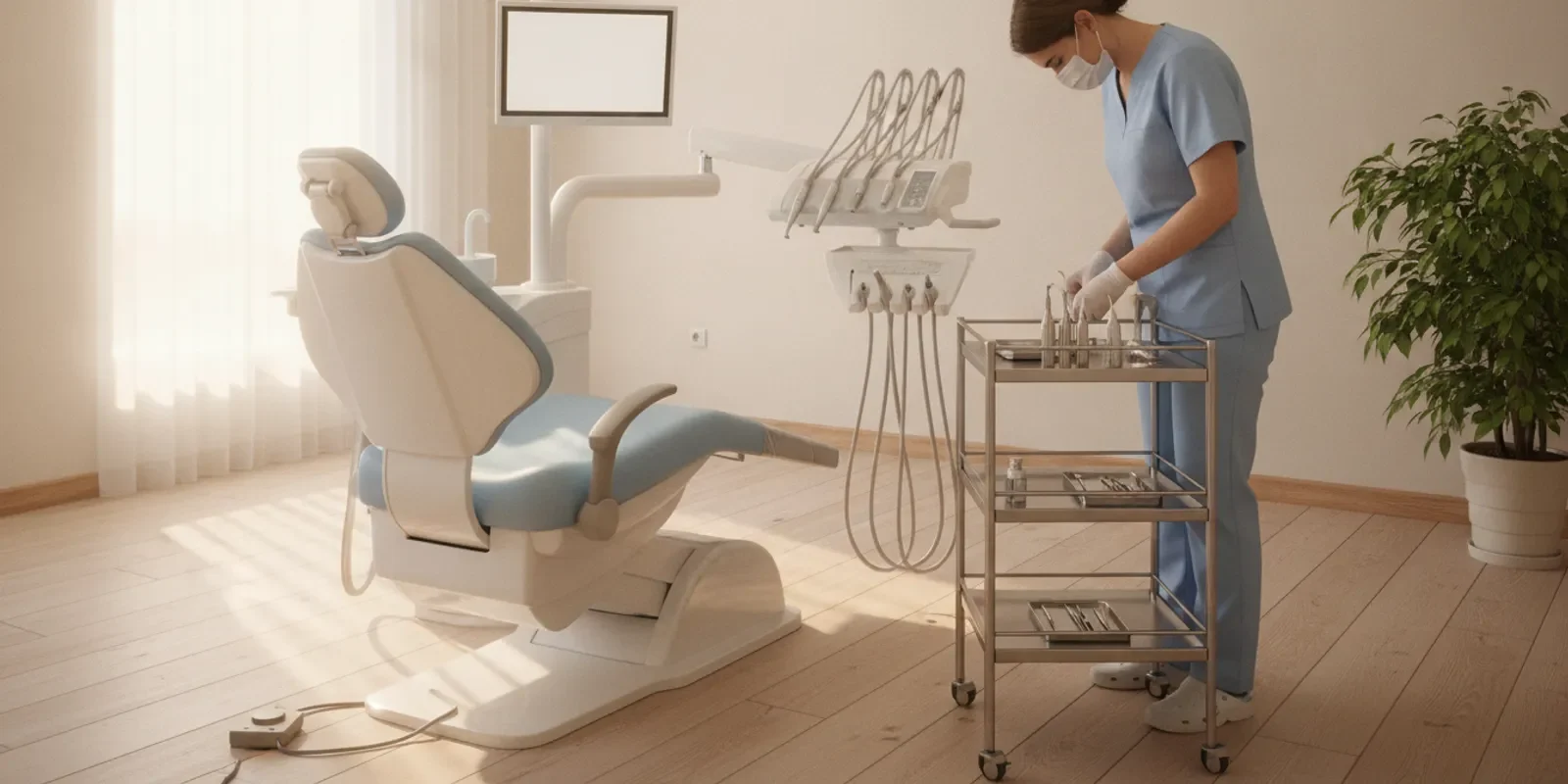
Sometimes, the best way to protect your smile is to remove a tooth that’s causing problems. This is often the case with impacted wisdom teeth, severe decay, or a tooth that has broken below the gumline. In these situations, a surgical extraction is the safest and most effective solution. It’s a proactive step to prevent infection, relieve pain, and protect your neighboring teeth from damage. While removing a fully erupted tooth can be straightforward, a more complex extraction surgical erupted tooth might be necessary if it’s compromised. We’ll explain the specific reasons this procedure is recommended and how it contributes to your overall well-being.
Key Takeaways
- Surgical extractions solve specific dental problems: This procedure is the best option for teeth that are broken below the gumline, impacted in the jaw, or have complex roots. It is a common and safe way to prevent future issues like infection or damage to neighboring teeth.
- Your preparation makes the procedure smoother: A successful extraction starts before you’re in the dental chair. Providing a complete medical history and discussing your comfort options with your dentist allows the team to create a safe, personalized plan for you.
- Proper aftercare is essential for healing: How you care for the extraction site at home directly impacts your recovery. The most important steps are protecting the blood clot by avoiding straws and smoking, sticking to soft foods, and keeping the area clean to prevent complications.
What Is a Surgical Tooth Extraction?
Hearing that you need a surgical tooth extraction can sound a bit intense, but it’s a very common and safe procedure designed to protect your long-term oral health. A surgical extraction is simply a method for removing a tooth that is difficult to access or take out. This might be because the tooth is broken off at the gum line, hasn’t fully emerged from the gums, or is stuck in the jawbone.
Unlike a simple extraction, this procedure is more detailed. Our goal is always to provide stress-free and painless dental care, and a surgical extraction allows us to carefully remove a problematic tooth while keeping you comfortable and preserving the health of the surrounding bone and tissue. It’s a necessary step when a tooth can’t be removed with simpler methods, ensuring that potential issues like infection or crowding are resolved effectively.
Surgical vs. Simple Extractions: What’s the Difference?
The main difference between a simple and a surgical extraction comes down to whether the tooth is visible and easily accessible. A simple extraction is performed on a tooth you can see in the mouth. Your dentist can typically grasp it with forceps and gently remove it.
A surgical extraction is more involved because the tooth isn’t as easy to reach. To remove it, your dentist may need to make a small, precise incision in your gum to access the tooth. Sometimes, a complex tooth might be divided into smaller, more manageable pieces to make its removal easier and gentler on your mouth.
Why a Surgical Extraction Might Be Necessary
Your dentist might recommend a surgical extraction for several important reasons, all focused on maintaining your overall health. One of the most common reasons is for an impacted tooth, which is a tooth that doesn’t have enough room to grow in properly, like many wisdom teeth.
Other situations that call for this procedure include a tooth that has broken off at the gum line or one that is severely decayed and cannot be saved with other dental services like a root canal. By removing it, we prevent the risk of infection, pain, and damage to neighboring teeth.
When Is a Surgical Extraction Necessary?
It can be unsettling to hear you need a tooth removed, and even more so when you learn it requires a surgical extraction. While we always aim for the most straightforward approach, sometimes a surgical procedure is the best and safest way to protect your oral health. This type of extraction is more involved than a simple one, but it’s a common procedure our team is highly experienced with. Several specific situations call for a surgical extraction, from deep decay to preparing for orthodontic work. Understanding why it’s needed can help you feel more comfortable and confident as you prepare for your appointment.
Severe Tooth Decay or Damage
One of the most common reasons for a surgical extraction is when a tooth is severely decayed or damaged. If a cavity has been left untreated for too long, it can destroy so much of the tooth structure that there’s not enough left above the gumline to grasp with forceps. The same is true for a tooth that has broken off at or below the gumline. In these cases, a simple pull isn’t possible. When a tooth is too compromised to be saved by other dental services like a root canal or a crown, a surgical extraction is necessary to remove the remaining fragments and prevent infection from spreading.
Complicated or Fractured Roots
Sometimes, the issue isn’t what you can see above the gums, but what’s happening below. Teeth can have long, curved, or tangled roots that make a simple extraction impossible. A tooth’s roots might also be fractured beneath the gumline. To handle these complexities safely, a surgical approach is required. This usually involves making a small incision in the gum tissue to access the tooth fully. In some instances, the tooth may need to be divided into smaller, more manageable sections to be removed cleanly and efficiently. This careful technique minimizes trauma to the surrounding bone and ensures the entire tooth is removed.
Advanced Infection or Abscess
A severe tooth infection or abscess can create a situation where a surgical extraction is the only option. When an infection is advanced, it can weaken the tooth, making it brittle and likely to shatter during a simple extraction. It can also damage the surrounding jawbone, causing the tooth to become less stable. If an abscess has formed at the root, it makes the area incredibly sensitive and difficult to manage. A surgical extraction allows your dentist to not only remove the source of the infection (the tooth) but also to clean out any infected tissue from the socket, which is a critical step in promoting healing and protecting your overall oral health.
Crowding and Orthodontic Needs
Not all surgical extractions are due to damage or decay. In some cases, a perfectly healthy tooth needs to be removed to improve the overall alignment of your smile. This is common in orthodontic treatment plans. If your jaw is too small to accommodate all of your teeth, it can lead to severe crowding. To create the necessary space for braces or other aligners to work effectively, one or more teeth may need to be surgically extracted. This is often the case with impacted wisdom teeth, but it can also apply to other teeth, like premolars. This proactive step helps ensure the best possible outcome for a straighter, healthier smile.
How to Prepare for Your Surgical Extraction
Knowing what’s coming can make any dental procedure feel much more manageable, and a surgical extraction is no exception. A little preparation goes a long way in ensuring everything goes smoothly and your recovery is as quick as possible. We believe in keeping you fully informed every step of the way, so you can walk into your appointment feeling confident and calm. Let’s go over what you can do to get ready and what to expect before, during, and after your procedure.
Your Pre-Op Checklist and Medical History
Before we schedule your extraction, we’ll sit down with you to go over your complete health history. This is a crucial first step. We need to know about any medications you’re taking or health conditions you have to ensure the procedure is completely safe for you. We’ll also take detailed X-rays of your mouth. These images give us a clear view of the tooth, its roots, and the surrounding bone structure, allowing us to plan the extraction with precision. Think of it as creating a detailed map before a journey; it helps us perform the procedure safely and effectively. If you’re a new patient, you can even get a head start on your forms.
Understanding Your Anesthesia Options
We know that the thought of pain is a major concern for many people, and our top priority is your comfort. Before the extraction begins, we will give you a local anesthetic to completely numb the tooth and the area around it. You won’t feel any pain during the procedure, though you might feel a bit of pressure, which is totally normal. If you’re feeling particularly nervous about your appointment, please let us know. We can discuss options to help you feel more relaxed and at ease. Our goal is to provide a stress-free experience, and we tailor our dental services to meet your individual needs.
What to Expect on the Day of Your Procedure
On the day of your extraction, we’ll start by making sure you’re comfortable and answering any last-minute questions you might have. After we’ve administered the anesthetic and the area is fully numb, the procedure will begin. Your dentist will make a small, precise incision in your gum tissue to access the tooth. In some cases, a tiny amount of bone around the tooth may need to be removed, or the tooth might be divided into smaller sections to make it easier to take out. This is all a standard part of the process, performed carefully to be as gentle as possible. Ready to discuss your options? You can request an appointment with our team today.
The Surgical Extraction Procedure: A Step-by-Step Guide
Knowing what to expect can make any dental procedure feel much more manageable. A surgical extraction is a very common and safe treatment, and our team is here to make sure you feel comfortable and informed every step of the way. Let’s walk through the process together so you know exactly what happens before, during, and after your appointment.
Initial Assessment and X-Rays
First things first, we need a complete picture of your oral health. Before scheduling the extraction, your dentist will perform a thorough assessment. This starts with a conversation about your medical history to ensure the procedure is safe for you. We’ll also take detailed X-rays of the tooth and the surrounding jawbone. These images are incredibly important because they allow us to see the tooth’s position, the shape of its roots, and the condition of the bone. This detailed view helps us plan the smoothest, most effective approach for your extraction.
What Happens During the Extraction
On the day of your procedure, our priority is your comfort. After numbing the area completely, your dentist will make a small, precise incision in your gum tissue to access the tooth. Sometimes, if a tooth is impacted or below the gumline, a tiny amount of bone might be removed to create a clear path. If the tooth is fragile or has complex roots, we may break it into smaller, more manageable sections to make the removal gentler on the surrounding tissue. This technique is very common and helps ensure a smoother extraction with less discomfort.
Immediate Post-Procedure Care
Once the tooth is removed, the healing process begins. It’s completely normal to experience some minor bleeding, swelling, and discomfort in the first 24 hours. Before you head home, we will give you specific, easy-to-follow instructions on how to care for the extraction site. This will include tips for managing any pain, how to use ice packs to reduce swelling, and what to do about bleeding. Following these post-operative care steps is the key to a quick and comfortable recovery. We’re always here if you have questions, and you can easily request an appointment for a follow-up if needed.
Your Recovery: What to Expect
Knowing what to expect after your surgical extraction can make the healing process feel much smoother. Your body is amazing at healing itself, and your main job is to create the right conditions for it to do its work. Following our team’s aftercare instructions is the most important step you can take to ensure a comfortable recovery. Here’s a general guide to help you through the first few days and beyond.
The First 48 Hours
The first two days are all about rest and gentle care. It’s completely normal to experience some minor swelling, bleeding, and discomfort. Your main focus should be on letting your body heal, so plan to take it easy. To help manage swelling, you can apply an ice pack to the outside of your cheek for 20 minutes at a time. Stick to soft foods like yogurt, smoothies, and soup. It’s very important to avoid smoking or drinking through a straw, as the suction can dislodge the protective blood clot that is essential for proper healing.
How to Manage Pain, Swelling, and Bleeding
A little preparation goes a long way in keeping you comfortable. We recommend taking any prescribed pain medication before the local anesthetic completely wears off. This helps you stay ahead of any discomfort. Continue using ice packs on your cheek for the first 24 hours to keep swelling down. After the first day, you can start gently rinsing your mouth with a warm salt water solution a few times a day. Protecting the blood clot is a top priority for many of our dental services, so avoid vigorous rinsing or spitting to keep it securely in place.
Your Recovery Timeline and Activity Guide
Most people start to feel significantly better within a few days, but the full healing process can take a couple of weeks. Listening to your body is key. You should rest as much as possible for the first day or two and avoid any strenuous exercise for at least a week. As you start to feel better, you can slowly reintroduce your normal activities. We will provide you with personalized instructions, but you can always request an appointment if you have any questions or concerns during your recovery. We’re here to help you heal well.
Caring for the Extraction Site at Home
Your procedure is done, and now it’s time to focus on healing. Taking care of yourself at home is just as important as the extraction itself. Proper care helps you feel comfortable, prevents complications, and gets you back to your routine faster. These guidelines will give you a great head start for a smooth recovery.
Keeping the Area Clean
A clean wound is a happy wound. The main goal is to prevent infection without disturbing the healing site. A blood clot will form in the socket where your tooth was; this is your body’s natural bandage, and protecting it is your top priority. For the first 24 hours, avoid rinsing your mouth. After that, you can start gentle saltwater rinses (a half teaspoon of salt in a glass of warm water) after meals. Let the water fall out of your mouth instead of spitting. Keeping the area clean is the first step toward any future treatment, like a dental implant.
What to Eat and Drink (and What to Avoid)
For the first few days, think soft and cool. Stick to foods like yogurt, applesauce, smoothies, and lukewarm soups. These require minimal chewing and won’t irritate the extraction site. It’s just as important to know what to avoid. Steer clear of anything hard, crunchy, or spicy. You should also avoid smoking or drinking through a straw for at least 48 to 72 hours. The suction can dislodge the protective blood clot, leading to a painful condition called dry socket. Stay hydrated by drinking plenty of water, but sip directly from the glass.
Maintaining Oral Hygiene While You Heal
You can and should continue to brush and floss, just be extra gentle. Resume brushing the day after your procedure, but carefully avoid the extraction site and the surrounding teeth. When you rinse, do it very gently. Vigorous swishing or spitting can disturb the healing process, especially in the first 24 hours. Following the specific instructions our team gives you is the best way to ensure a problem-free recovery. If you have any concerns about your healing progress, don’t hesitate to request an appointment for a follow-up check.
Potential Complications: What to Watch For
Your body is great at healing, but it’s smart to know what to look for after a surgical tooth extraction. While most people recover without any issues, being aware of potential complications helps you stay on top of your healing. Knowing the difference between normal recovery and warning signals gives you peace of mind. Here’s a simple guide to what’s normal and what’s not.
Is This Normal? Healing vs. Warning Signs
After your extraction, it’s completely normal to experience some bleeding, swelling, and general discomfort for a few days. This is just your body’s natural response. You can manage this by resting, using an ice pack on the swollen area, and taking any pain medication as directed by your dentist. Most people start feeling much better within a few days. However, you should keep an eye out for warning signs. If you notice excessive bleeding that won’t stop, severe pain that isn’t getting better, or swelling that worsens after the first two or three days, it’s time to give us a call. Following your dentist’s post-op instructions is the best way to ensure a smooth recovery.
How to Prevent and Spot a Dry Socket
You’ve probably heard of a “dry socket,” and it’s one of the most common complications. It happens when the protective blood clot that forms over the extraction site fails to develop or gets dislodged too early. This exposes the underlying bone and nerves, which can be quite painful. The good news is that it’s largely preventable. For the first few days, avoid any sucking motions, so skip using straws and don’t smoke. These actions can easily dislodge the clot. The main symptom of a dry socket is a throbbing, deep pain that starts a few days after the procedure, sometimes radiating to your ear. If you suspect this is happening, please request an appointment so we can help.
Recognizing Signs of Infection
While infections are not common, they are serious and require prompt attention. Your mouth is healing an open wound, so it’s important to watch for any signs that bacteria have caused a problem. Key symptoms of an infection include a fever, pus or a yellowish discharge from the extraction site, a persistent bad taste or smell in your mouth, and pain or swelling that suddenly gets worse. If you experience any of these symptoms, don’t wait to see if they go away on their own. It’s crucial to contact your dentist immediately for an evaluation. Our team at Lowell Family Dental Practice is here to provide the care you need to get your healing back on track.
When to Call Your Dentist
Your body is amazing at healing, but sometimes it needs a little extra help. After a surgical extraction, your main job is to rest and recover. Our job is to be here for you if something doesn’t feel right. While most people heal without any issues, it’s smart to know which signs are normal and which ones mean you should give us a call. Trust your instincts. If you feel like something is off, it’s always better to reach out. We want to ensure your recovery is as smooth and comfortable as possible, so never hesitate to get in touch with any concerns.
Urgent Symptoms That Require Immediate Attention
While some discomfort is expected, certain symptoms are red flags that need immediate attention. Don’t try to tough it out if you experience any of the following. Please call our office right away if you notice:
- Severe pain: Pain that doesn’t get better with your prescribed or over-the-counter pain medication is a sign that something might be wrong.
- Excessive bleeding: Some light bleeding or oozing is normal in the first 24 hours, but if the bleeding is heavy, continuous, or fills your mouth, it’s time to call.
- Signs of infection: An infection can interfere with healing. Watch for fever, persistent swelling that gets worse after a few days, a bad taste in your mouth, or pus coming from the extraction site. Prompt dental care is key to addressing an infection quickly.
Scheduling Your Follow-Up Appointment
Your recovery journey doesn’t end the moment you leave our office. A follow-up appointment is a crucial step in making sure you’re healing properly. We typically schedule this visit about a week or two after your procedure. This appointment gives us a chance to check the extraction site, remove any stitches if needed, and answer any questions you might have. It’s also the perfect opportunity to discuss next steps, like options for replacing the tooth. Following all aftercare instructions, including coming in for your check-up, is the best way to support a complication-free recovery. If you need to schedule an appointment, just let our team know.
How Long Until You’re Fully Healed?
It’s completely normal to wonder how long it will take to feel like yourself again after a surgical tooth extraction. While everyone heals at their own pace, understanding the general timeline can help you prepare and recover smoothly. The good news is that the initial healing phase is usually quite manageable and happens faster than you might think. Your main job is to rest and let your body do its work.
Key Recovery Milestones
Most people find that the surgical site heals enough to feel comfortable within one to two weeks. The first few days are the most critical. You can expect some minor swelling and discomfort, but this is a normal part of the process and should start to improve after day three. Your body is working hard to form a blood clot in the socket, which is the foundation for new tissue growth. Following all the post-operative care instructions we provide is the best way to support this natural healing process. If you have any questions during your recovery, our staff is always here to help.
Factors That Influence Healing Time
Several things can affect how quickly you heal. Initially, you might notice some light bleeding, swelling, and discomfort. To manage this, we recommend getting plenty of rest, gently applying an ice pack to your cheek, and taking any prescribed pain medication as directed. Sticking to soft foods like yogurt, soup, and smoothies will also help. It’s very important to avoid smoking or drinking through a straw, as the suction can dislodge the protective blood clot and slow down your healing. While complications are rare, following your dentist’s specific instructions is the key to a successful recovery. If you experience anything unusual, please don’t hesitate to call us or request an appointment.
Related Articles
- Extractions – Lowell Family Dental Practice & Implant Center
- Abscessed Tooth – Lowell Family Dental Practice & Implant Center
- Wisdom Teeth Emergencies: Causes and treatment – Lowell Family Dental Practice & Implant Center
- Flap Surgery – Lowell Family Dental Practice & Implant Center
- Wisdom Teeth – Lowell Family Dental Practice & Implant Center
Frequently Asked Questions
Will the surgical extraction hurt? We make sure your comfort is the top priority. Before the procedure starts, we will use a local anesthetic to completely numb the area around the tooth. You won’t feel any pain during the extraction itself. You might feel some pressure, which is perfectly normal, but it shouldn’t be painful. We’ll also discuss how to manage any discomfort you might have during your recovery.
What’s the main difference between a simple and a surgical extraction? The key difference is how accessible the tooth is. A simple extraction is for a tooth that is clearly visible above the gumline and can be removed easily with dental forceps. A surgical extraction is needed when a tooth is broken at the gumline, hasn’t fully come in, or is impacted within the jawbone. This requires your dentist to make a small incision in the gum to reach and remove the tooth safely.
How much time should I plan to take off from work or school? Most people need to take it easy for at least a day or two after a surgical extraction. We generally recommend planning for 24 to 48 hours of rest to give your body a solid start on healing. You should also avoid any heavy lifting or strenuous exercise for about a week. Everyone’s recovery is a bit different, so listening to your body is the best guide.
What exactly is a dry socket? A dry socket is a common but preventable complication that happens when the protective blood clot over the extraction site gets dislodged. This leaves the bone and nerves exposed, which can cause a deep, throbbing pain a few days after your procedure. The best way to prevent it is to avoid any sucking motions, like using a straw or smoking, for the first few days while the site is healing.
Will I need to replace the tooth that was removed? This is a great question to discuss with your dentist. In many cases, replacing a missing tooth is important for your long-term oral health. Leaving a gap can cause neighboring teeth to shift, which can affect your bite and alignment. There are several excellent options for replacing a tooth, such as a dental implant or a bridge. We can talk about the best plan for you during your follow-up visit.
Written by
Dr. Iham Gammas, DMDBoard-Certified Implant Dentist & Founder, Lowell Family Dental Practice. Fellow & Master of ICOI and IADI. Associate Fellow of AAID.