A small chip or deep stain on a front tooth often requires more than simple whitening. Cosmetic dentistry offers two reliable fixes that can restore your confidence. Comparing veneers vs bonding is the first step toward finding your ideal cosmetic solution.
Ready to find out which option is right for your smile? Call Lowell Family Dental Practice at (978) 458-1179 or request a consultation online.
Veneers vs bonding is a choice that depends on your goals for durability, cost, and the specific changes you want for your smile in the Lowell area. Veneers are thin porcelain shells that a dentist fixes to the front of your teeth. Dental bonding is a faster and more affordable fix where a dentist applies a tooth-colored resin to repair minor chips or gaps.
Both methods can result in a beautiful smile, but the right choice depends on your specific oral health needs and cosmetic goals. Weighing each option’s benefits, maintenance, and effect on natural enamel can help you prepare for a productive consultation.
Veneers vs bonding at a glance
Choosing between veneers and bonding is a common step for patients in the Greater Lowell area. Both tools help fix small gaps, chips, or dark stains on your teeth. While they have the same goal, the way they work is not the same. You have many cosmetic dentistry options in Lowell to pick from. Each choice has its own perks based on your health needs and your budget.
How veneers work
Veneers are thin shells that go over the front of your teeth. They act like a new face for your smile to hide cracks or deep stains. This choice is great if you want a look that lasts for a long time. These shells are very strong and do not stain as easily as natural teeth do. Most people pick veneers when they want to change many teeth at once for a full smile change.
Most veneers need some of your tooth enamel removed first. This makes room for the shell to sit flat. Because of this step, veneers are usually a permanent choice. If you want to keep more of your natural tooth, you can look into our other plans. We offer minimally invasive smile improvements for our patients. We help you find the best path for your unique smile.
What to know about bonding
Dental bonding is a fast way to fix a tooth. We use a soft, tooth-colored resin to fill in chips or close gaps. A special light helps the resin stick to your tooth. This dental bonding fix can take just 30 to 60 minutes for each tooth. It is a quick and low-cost way to make your smile look fresh without a lot of prep work.
Quick facts guide
One big plus of bonding is that it is often reversible. We do not have to take off much enamel to make it work. But the resin used in bonding is not as tough as the porcelain used for veneers. It may chip or wear down more over time. You might need to touch up the resin every few years to keep it looking its best.
Picking the right fix depends on your goals. Some people want the speed of bonding. Others want the long life of veneers. Your oral health must be in good shape before you start either one. This table shows the main points you should know as you think about your next visit.
| Feature | Veneers | Dental Bonding |
|---|---|---|
| What it is | Thin porcelain shells | Soft plastic resin |
| Time | Two or more visits | One office visit |
| Strength | High; resists stains | Moderate; can chip |
| Life of fix | 10 to 15 years | 5 to 7 years |
| Can undo it | Usually no | Yes |
Both options can give you a smile you love. The best choice for you will depend on the health of your teeth. A full exam is the only way to know which choice is best for you. It is a good idea to chat with a dentist to see which fix fits your life best. We take the time to show you all the facts so you can feel sure about your care.
When is dental bonding the better choice?
For many Lowell-area patients, a quick fix is the best way to improve a smile. Dental bonding is a top choice for small changes. It uses a tooth-colored resin to fix minor issues without a lot of work. This method is part of our focus on minimally invasive smile improvements. It helps you get a better look while keeping your natural teeth strong.
Fixing small smile issues
Bonding works best for minor cosmetic needs. It is great for fixing small chips or closing tiny gaps between teeth. If you have a tooth that is too short or has a strange shape, bonding can help. It can also cover deep stains that whitening can’t lift. This cosmetic dental procedure uses a special resin to repair chips or fill gaps. It is a simple way to make your smile look even and bright.
We often suggest bonding for patients who want a fast result. It is helpful for fixing teeth that don’t need a full cover. Because the resin matches your tooth color, the fix looks natural. This makes it a good pick for teeth that show when you laugh or talk. It is a smart way to fix a smile with less work.
A quick and simple process
One of the best things about bonding is how fast it is. Patients can get their new smile in just one visit. The process often takes about 30 to 60 minutes for each tooth. Your dentist starts by cleaning the tooth. Then, they put the resin on and shape it to look like a real tooth. A special light is used to harden the resin and bond it to the tooth surface.
This process is also easy for the patient. You usually don’t need any shots or numbing. Since we don’t have to remove much enamel, it is a painless way to fix your teeth. It is a great option for those who want a stress-free dental trip. This fits our goal of giving dental bonding treatment that are both easy and helpful.
Choosing between veneers vs bonding
When you look at veneers vs bonding, think about your goals and budget. Bonding has a lower cost than porcelain veneers. It can also be undone later, which some patients prefer. But bonding is not as strong as other options. It usually lasts about five to seven years before it needs a touch-up. It can also stain from coffee or tea over time.
Veneers are made of thin shells that cover the front of the tooth. They are stronger and can last over ten years. However, veneers need more work and cost more. If you have big gaps or many crooked teeth, veneers might be better. We can help you decide which path fits your health needs and your life. Our team is here to help you find the best way to keep your smile healthy and bright.
When are veneers the better choice?
Choosing between veneers vs bonding depends on your goals. While bonding is for quick fixes, veneers work best for large changes. Many choose them for a full smile makeover that lasts. They are a top pick for a bright look that stays for years. If you want to fix many teeth at once, these shells are a great way to go.
Long-term results and care
One of the main perks of veneers is how long they last. With the right care, dental veneers can last from 10 to 15 years. This is much longer than bonding, which often needs a fix after 5 to 7 years. Because veneers are strong shells, they do not chip or wear down as fast as the resin used in bonding. This makes them a smart pick if you want a smile that stays looking new for a decade or more.
Veneers also cover many teeth at once with a very even look. If you have many teeth that are worn or shaped oddly, veneers can create a smooth row. They are made for your mouth to fit your face and your bite. This helps them look very real while being very strong. For patients who want a tough fix, veneers are often worth the extra time and cost. They provide a high level of work that is hard to beat with other paths.
Fixing deep stains and chips
Some stains do not go away with normal whitening. This often happens with old dental work or deep marks from health issues. Veneers are shells that sit over the front of the tooth to hide these deep marks. Since they cover the whole front of the tooth, they hide small cracks. They also cover chips that might show through thin layers of bonding. They give a full cover that looks bright and clean for a very long time.
These shells are also very good at staying white. The shell is hard and smooth. This helps it resist stains from coffee or tea better than bonding resin. If you want a white smile that does not fade fast, veneers are a great path. You can look into porcelain veneers at our office to see how these shells can fix your own needs. We help patients find the best fit for their goals and their health.
Being a fit and the dental process
Getting veneers is a big step because it is a change that stays. Unlike bonding, this path usually involves removing a tiny bit of tooth enamel. This helps the shell fit flat and look real. Before you start, your mouth must be healthy. We check for signs of decay or gum issues first to make sure your teeth can support the shells. If you have active decay, you will need to fix those spots before moving forward with any cosmetic work.
Once you are ready, the process takes a few visits. We take molds of your teeth to make sure each shell fits just right. Because these are made for you, they offer a level of fit that is hard to match. They are not just a quick fix but a long-term plan for a healthy and bold smile. Most patients find the result is well worth the wait. To learn more about how we can help your smile, call our team at (978) 458-1179 to talk about your next steps.
How do cost, longevity, and maintenance compare?
Choosing the right way to fix your smile often comes down to two things: time and money. Both dental bonding and veneers can give you a bright, even look. But they work in ways that are not the same.
One is a quick fix that costs less today. The other is a long-term plan that costs more upfront. In the veneers vs bonding debate, you must look at your budget and how long you want the results to last.
First costs and time
Dental bonding is a low-cost choice compared to other ways to fix your smile. Most people find it to be the best path for small changes, like filling a tiny gap. It is also fast.
A dentist can finish the work in just one visit to our office. Each tooth takes about 30 to 60 minutes to complete. This makes it a great pick for busy people in Greater Lowell who need a quick update.
Veneers take more time and a larger budget. They are custom-made shells that go over the front of your teeth. Because they use strong porcelain, they often cost more upfront than bonding.
You will also need more than one visit. The first visit is to prep the teeth and take molds. The second visit is to bond the new shells in place. While the price is higher, many patients see this as a solid plan for their look.
Insurance can be tricky for cosmetic work. Most plans do not cover these treatments if they are only for looks. But if bonding fixes a chip from an injury, you might get some help with the cost.
We always suggest checking with your provider first. Our staff can help you look at your plan to see what is covered. This helps you avoid any shocks when you pay for your care.
Lifespan and strength
Veneers win when it comes to how long they stay in good shape. With good care, veneers often last 10 to 15 years. They are strong and do not stain as easily as natural teeth.
This means your smile stays bright for a long time without extra work. This long life helps balance out the higher cost for many patients. On the other hand, dental bonding usually lasts five to seven years.
The resin material is not as tough as the porcelain used for veneers. It can chip or wear down over time, mostly if you have certain habits. You may need to touch up or replace the resin every few years to keep it looking its best.
Daily care and repairs
Care is another key factor in the veneers vs bonding choice. Since bonding is not as tough, it needs more care in your daily life. You must avoid biting hard things like ice, pens, or fingernails. If it does chip, the good news is that your dentist can usually fix it in one short visit.
Veneers are much stronger, but they are harder to repair. If a veneer breaks or cracks, you often have to replace the whole shell. Both choices require you to brush and floss every day to keep the teeth under them healthy.
We invite our Lowell-area patients to call (978) 458-1179 to get a personal estimate. Our team can help you find the best professional teeth whitening for your health goals. We look forward to helping you smile with pride again.
How to choose the right cosmetic option for your smile
Picking the best way to fix your smile can feel hard. At Lowell Family Dental Practice, we help Lowell-area patients find the right path. Both veneers and bonding can fix small flaws. But the best pick for you depends on your health, your goals, and your budget. You should think about how much you want to change and how long you want the result to last.
What are your smile goals?
First, think about what you want to fix. Do you have a small chip or a gap between two teeth? Dental bonding uses a tooth-colored resin to fill gaps or repair chips. It is a quick way to make small changes. If you have deep stains or many crooked teeth, veneers might be better. Veneers are thin shells that cover the front of your teeth. They can hide more flaws at once than bonding can.
You may also want to look at our other treatment for chipped, cracked, and worn teeth. Our team can help you see which fix fits your look. Bonding is good for one or two teeth. Veneers are often used for a full smile change. Your choice will also depend on if you want a fix that can be undone later. Unlike veneers, you can often undo dental bonding since it does not remove much tooth enamel.
Checking your oral health and habits
Your oral health is a big part of the choice. Before any cosmetic work, your teeth and gums must be healthy. Issues like tooth decay or gum disease need to be fixed first. If you grind your teeth at night, you may need a night guard. Grinding can chip both bonding resin and porcelain shells. Veneers are stronger, but they can still break if you put too much stress on them.
Comfort with changing your teeth is also key. Veneers often need a thin layer of enamel to be removed. This helps the shells fit flush with your gums. Some patients prefer a more conservative path. We focus on minimally invasive smile fixes to keep your natural teeth strong. We will talk about how each choice affects your teeth for the long term.
We look at your bite to see how your teeth meet. A bad bite can cause your new work to fail. We also check your daily habits. Do you drink a lot of coffee or tea? Bonding resin can stain over time, while porcelain veneers usually resist stains better. We will help you pick the fix that fits your life in Greater Lowell.
- Get a full dental exam. Your first step is to visit us for an exam. We check for decay and gum health before starting any cosmetic work.
- List your top goals. Decide if you want to fix a single chip or change your whole smile. This helps us see if veneers vs bonding is the best path.
- Check your bite and habits. We look for signs of teeth grinding. If you grind your teeth, we might suggest a guard to protect your new smile.
- Review your timeline and cost. Bonding often takes one visit and costs less. Veneers take more time but usually last much longer.
- Plan for long-term care. Learn how to clean and protect your new smile. Good care helps your work last for years to come.

What to expect from your cosmetic dentistry consultation
Your journey to a better smile starts with a simple visit to our Lowell office. This first meeting is a time to talk about your goals and learn about your cosmetic dentistry services. We take the time to look at your teeth and talk about the changes you want to see. We want to know what you like and dislike about your current smile. Our goal is to make sure you feel heard and happy with your care plan.
We believe that a great smile is part of your whole body’s health. During your visit, we look at the big picture. We do not just look at one tooth. We look at how your teeth work together and how they fit your face. This holistic view helps us give you results that look natural and last a long time. Lowell-area patients trust us to provide clear info and honest advice.
Checkup and talk
In this first step, we check the health of your teeth and gums. It is key to find and fix any issues like tooth decay before we start cosmetic work (Cleveland Clinic). A healthy base is needed for any smile upgrade. We will use tools like x-rays or photos to get a clear view of your mouth. This helps us see things that cannot be seen with the eye alone.
We will talk about the main parts of veneers vs bonding to see which fits your needs. Bonding uses a tooth-colored resin to fix chips or gaps (Cleveland Clinic). Veneers are thin shells made of porcelain that cover the front of your teeth. We will explain how each choice works for your own case. Each patient has unique needs, and we tailor our talk to you.
Planning and color choice
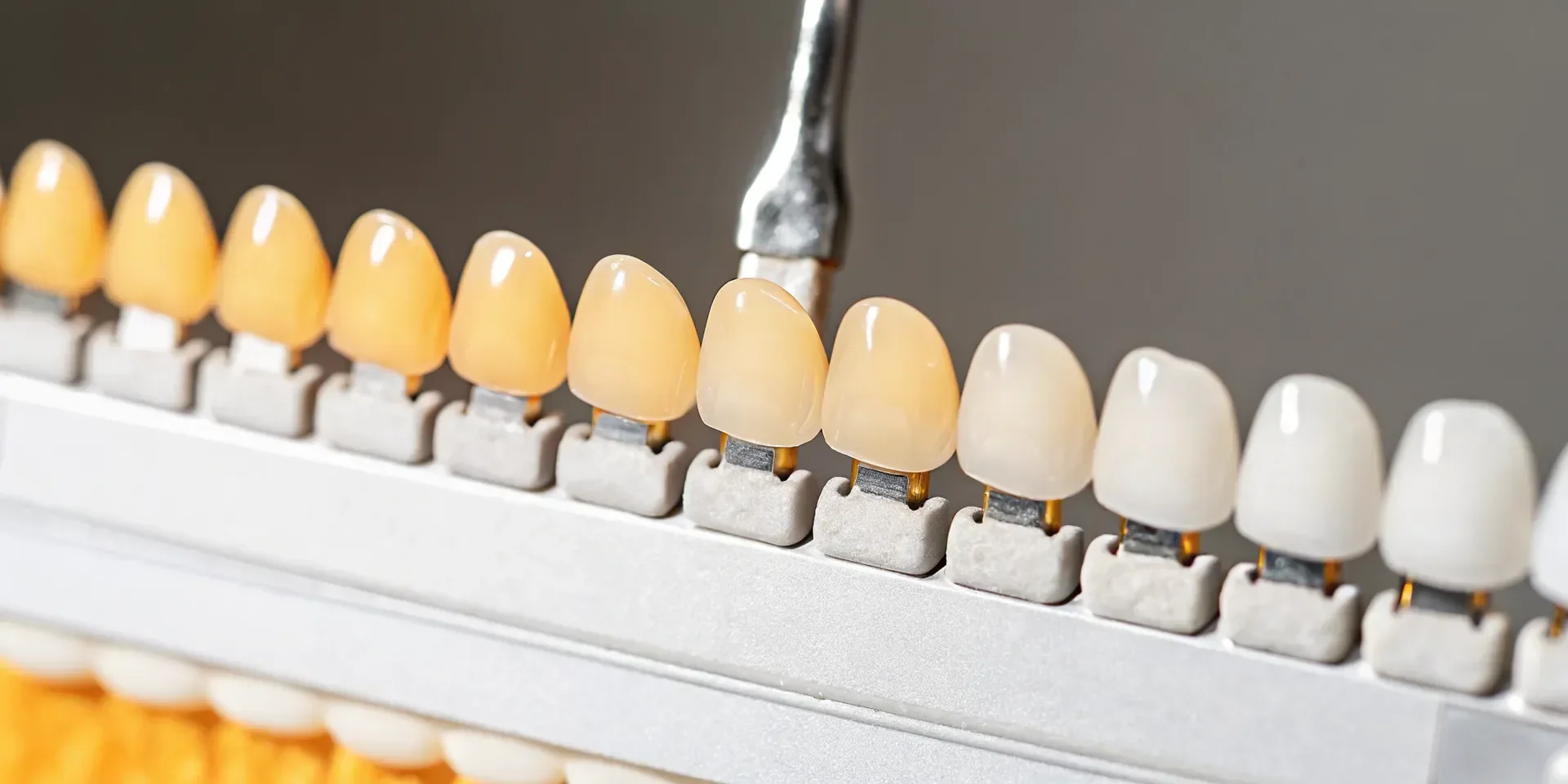
Next, we plan how your new smile will look. Choosing the right color is a key part of the process. We use shade guides to match the resin or porcelain to your natural teeth. This makes sure that the work blends in well. We want your friends and family in Greater Lowell to notice your smile, not your dental work. We take the time to get the match just right.
For those seeking minimally invasive smile improvements, bonding is a great choice. It often keeps more of your natural tooth and is easy to do. We will discuss how each option fits your face shape and look. We can even show you photos of past work to help you decide. This planning phase is all about making sure you are happy with the end result.
Steps and next moves
Once we have a plan, we talk about the treatment steps. Bonding can often be done in one visit and takes about 30 to 60 minutes per tooth (Cleveland Clinic). This makes it a fast way to fix small flaws. Veneers may take more time as they are made in a lab to fit your teeth. We will walk you through the process for each so you know what to expect.
We will give you a clear look at the timeline and cost for your care. Our team is here to answer your questions and help you feel ready for your new smile. We want you to leave our office feeling good about your choices. Whether you choose bonding or veneers, we are here to support you. We look forward to helping you reach your smile goals.
Ready to request a cosmetic dentistry consultation in Lowell?
A chipped or stained tooth can affect how comfortable you feel when you smile. A personalized consultation helps you compare veneers vs bonding based on your teeth, priorities, and preferred maintenance. Our team will explain your options clearly and help you choose an appropriate path.
Ready to improve your smile? Contact our office today or call (978) 458-1179 to request a cosmetic dentistry consultation.
Frequently Asked Questions
What are the disadvantages of dental bonding?
Dental bonding uses a resin that is not as strong as porcelain, so it can stain from coffee or tea over time. It can also chip if you bite hard things like ice or pens. According to the Cleveland Clinic, bonding often lasts about five to seven years. You might need small repairs to keep the teeth looking good as the years pass by.
Are dental veneers or bonding better for a chipped front tooth?
The choice between these paths depends on the size of the chip and your own budget for the care. Bonding is a fast way to fix a small chip in just one visit to our office. According to the Cleveland Clinic, veneers are better for large chips or teeth that have deep cracks. They provide a strong cover that protects the tooth and looks natural for over a full decade.
Are porcelain veneers reversible?
Veneers are not usually reversible because your dentist must remove a small amount of enamel from the front of your teeth. This change is permanent since enamel does not grow back once it is gone. Once you get veneers, you will always need a cover on those teeth to protect them from harm. According to the Cleveland Clinic, dental bonding is a reversible choice for patients.
Can you whiten teeth that have bonding or veneers?
You cannot whiten dental bonding or porcelain veneers because these things do not change color when you use whitening gels. If you whiten your smile, your real teeth will get lighter, but the bonded spots will stay the same color. This can make your smile look patchy, so we suggest that Lowell-area patients whiten their teeth before getting new work. This simple step helps us match the new work to your brightest and most natural smile.
Written by
Dr. Iham Gammas, DMDBoard-Certified Implant Dentist & Founder, Lowell Family Dental Practice. Fellow & Master of ICOI and IADI. Associate Fellow of AAID.