Visible cracks, pain when biting, or a large aging filling can be signs your tooth structure is failing. A crown may protect the remaining tooth before it breaks further.
Ready to speak with a Lowell dentist about your tooth? Call (978) 458-1179 to request an appointment with Dr. Gammas and his team today.
Signs you need a dental crown often include constant tooth pain, visible breaks, and large fillings that take up most of the tooth. You may also need a crown if your tooth is worn from grinding or if you just had a root canal. A dental crown acts as a strong, tooth-shaped cap that covers a weak tooth to help you chew again. According to MedlinePlus, these repairs are vital for supporting a tooth that is too weak to hold a filling. By covering the tooth down to the gum line, a crown stops cracks from getting worse and keeps the tooth safe from more decay. Watching for these signs helps you keep your natural smile healthy.
It is important to know which symptoms require a visit to your dentist for a closer look. Learn how to spot the clearest signs you need a dental crown so you can act before a small problem becomes a large one. The path begins with a dental evaluation.
The clearest signs you need a dental crown
You may wonder if your tooth issues need a crown or just a simple fix. A dental crown is a custom cap that fits over your tooth to protect it and restore its shape. Knowing the signs you need a dental crown can help you act before a small problem becomes a big one. Most people need this care when a tooth is too weak to hold a filling or has a deep crack.
At Lowell Family Dental Practice, we look at your whole oral health to find the best path forward. If you think you might have a damaged tooth, a restorative dental services is the first step. Our team in Lowell helps you understand why a crown might be the right choice to keep your smile strong and healthy.
Cracked or broken teeth
A broken or chipped tooth often needs a crown to work well again. You might notice a sharp pain when you bite down or see lines on the surface. These signs mean the tooth is at risk and needs support to prevent more damage. A crown acts like a shield, holding the tooth together so the crack does not get worse over time.
For some, a cracked tooth happens from grinding or clenching at night. This habit can wear down the enamel and lead to deep cracks that a filling cannot fix. If you wait too long, the crack can reach the root, which may lead to more complex care. Getting a crown early can save the tooth and keep your bite aligned.
Large or failing fillings
When a cavity is very big, there may not be enough natural tooth left to hold a new filling. A crown may be the better choice when a large filling leaves too little healthy tooth structure to support another filling, as explained in this dental crown overview from Cleveland Clinic. Over time, old fillings can also wear down or leak, which puts the tooth at risk for new decay. Replacing these old fillings with a crown gives you a result that lasts.
A large filling can make the walls of your tooth thin and weak. This makes it easy for the tooth to break when you eat hard foods. By covering the tooth with a crown, you give it the strength it needs to handle daily use. This smart step helps you avoid sudden dental issues and keeps your mouth healthy for years to come.
Pain and sensitivity
Constant pain or sensitivity to hot and cold can be a sign that a tooth is weak. If you feel a dull ache that does not go away, it might mean the inner part of the tooth is under stress. A crown can help by sealing the tooth and protecting the nerves inside. This often stops the pain and lets you eat and drink without worry again.
Sometimes, this sensitivity means a crack is letting air or germs reach the nerve. If the pain is sharp and happens only when you chew, the tooth may be shifting. A crown holds the tooth still so it does not move or flex during meals. If the nerve is already hurt, you might need a root canal before the crown is placed.
Care after a root canal
After a root canal, a tooth often becomes weak because it no longer has a blood supply. Most dentists suggest a crown to protect the tooth from breaking after this work. The crown restores the look and feel of the tooth while giving it the support it needs to stay in place. This is a key part of good dental hygiene and long-term oral health.
Without a crown, a tooth that has had a root canal is very likely to break. Even small force from chewing can cause a weak tooth to split. A custom crown ensures that the work done during the root canal is safe for a long time. It lets you use the tooth normally while keeping it safe from new decay or cracks.
Call (978) 458-1179 or visit us at our Lowell office to book your visit and meet Dr. Gammas and his team. We are here to help you find the best way to care for your teeth and your health.
Could it be a filling, crown, or another treatment?
A filling can repair a smaller area of decay when enough healthy tooth remains. A crown covers and reinforces a more weakened tooth. An onlay or root canal may be appropriate in other cases, so an exam and dental imaging are needed before choosing treatment.
If you have a toothache or a broken tooth, you may feel unsure about what to do next. Some dental issues are small and easy to fix in one visit. Other problems need a more complex plan to keep your mouth healthy. A dental crown is a cap that fits over a weak tooth to keep it from breaking more. But it is not always the only choice your dentist will suggest.
When a filling is enough
Fillings are the most common way to fix small holes from decay. Your dentist takes out the soft, decayed part and fills the space with a safe mix. This works well if most of your tooth is still strong. But if a cavity is large, the walls of the tooth may be too thin to hold a filling. A crown is often needed if the gap covers more than two-thirds of the tooth’s width. This shield helps spread the force of your bite so the tooth does not snap.
Onlays and partial crowns
Sometimes you need more than a filling but less than a full crown. These are often called onlays or partial crowns. An onlay fits into the top of your tooth but also covers one or more of the points. This path saves more of your real tooth than a full crown. It is a good middle ground for teeth that have some damage but are still mostly sound. Your dentist will check the strength of your tooth to see if this is a safe choice for you.
Saving the tooth with a root canal
If you feel sharp pain when you drink cold water, the decay may have reached the nerve. A root canal is a way to clean out germs and save your real tooth. After this process, the tooth can become brittle and break. This is why a crown is almost always placed on top after the work is done. It seals the tooth and adds the strength needed for daily use. If the tooth is too weak for any of these fixes, taking it out may be the only way to protect your health.
| Treatment. | Best Use Case. | Main Goal. |
|---|---|---|
| Filling. | Minor decay or small holes. | Restore the tooth surface. |
| Onlay. | Medium damage to the points. | Save more of the tooth. |
| Dental Crown. | Deep cracks or large decay. | Full protection and support. |
| Root Canal. | Infection inside the nerve. | Save the root of the tooth. |
| Extraction. | Severe damage or bone loss. | Remove the source of pain. |
Picking the right treatment is a team effort. We will use X-rays and a close look at your smile to find the best path. If you think you see options when little tooth remains for a crown, do not wait for the pain to grow. An expert dental visit at our Lowell office can help you find the best way to stay healthy. We want to help you make a choice that supports your teeth and your whole body.
What happens if you wait too long?
Waiting can allow a small crack or area of decay to spread. The tooth may become painful, break below the gumline, or develop an infection. Prompt evaluation gives your dentist more options to protect the natural tooth and may reduce the need for more extensive treatment.
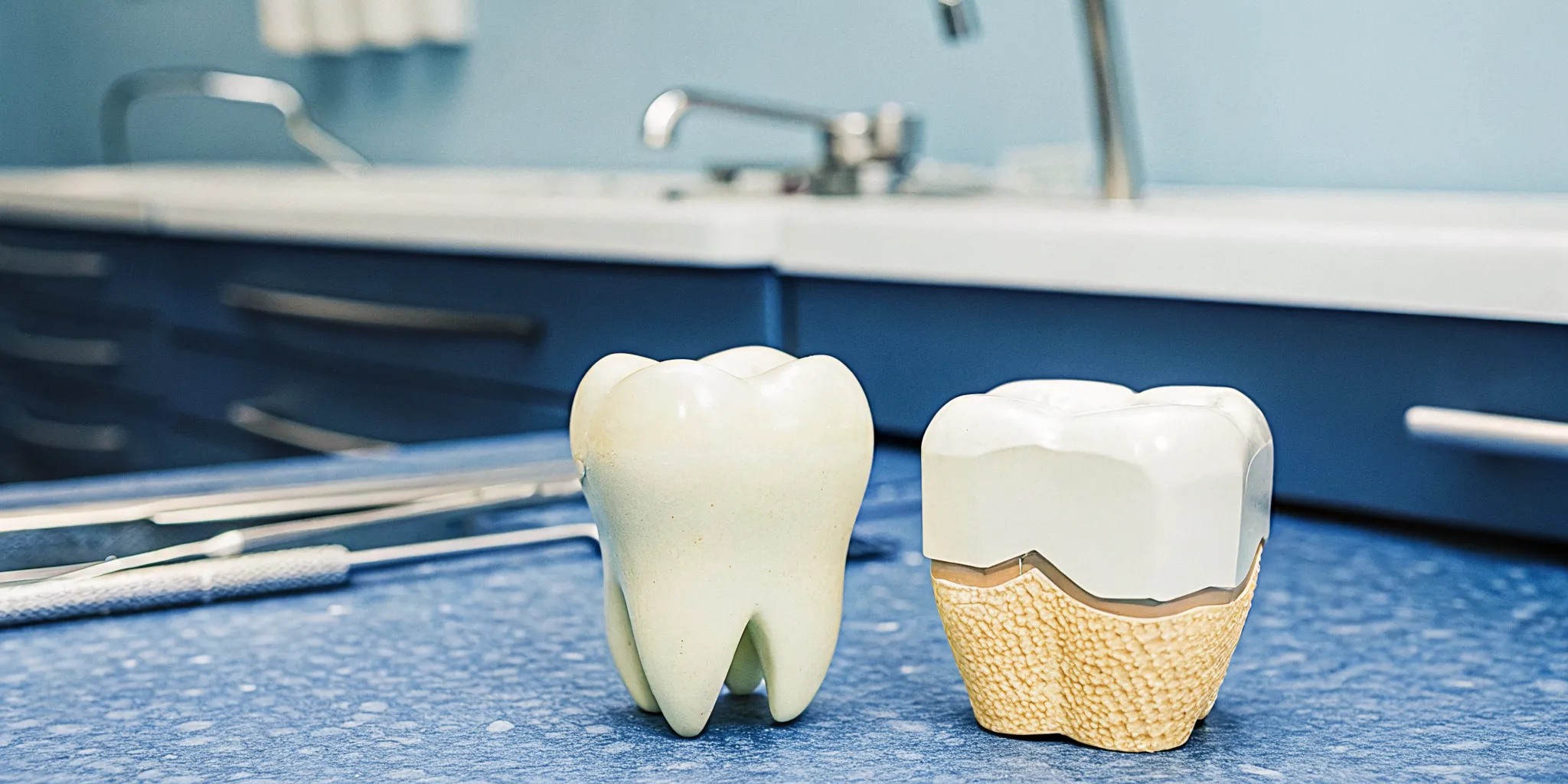
Leaving a damaged tooth alone can lead to many health problems. If you see the when tooth pain needs attention, it is best to act fast. Getting a checkup now can save your smile later.
A small chip or crack may not hurt now, but it will not stay small for long. Teeth do not heal like skin or bone. When a tooth is weak, daily tasks like chewing can make the damage worse over time. If you wait, you may face issues like:
- Sharp pain when you bite down or chew.
- Teeth that break or split without warning.
- Germs that reach the deep parts of your tooth.
- Higher costs for more complex dental work.
Cracks that grow over time
A tiny crack in your tooth is a weak spot that can spread. Every time you bite down, you put pressure on that spot. Over time, the crack can reach deep into the root.
This is why a dental crown is so helpful early on. It acts as a shield that holds the tooth and stops the crack from growing. Without it, the tooth could split in half when you least think it will.
Waiting too long makes the fix much harder. A simple crown can often repair a small crack. But if the crack goes below the gum line, a crown might not be enough.
In those cases, you might lose the whole tooth. Getting help early saves you time and keeps your smile safe.
Deep decay and tooth pain
Cracks and deep decay also open a door for germs. These germs can get inside the soft part of your tooth. This part holds the nerves and blood.
When germs reach the nerve, it causes a lot of pain. You might feel a sharp sting when you drink cold water or eat hot food. This often means you need more than just a crown to fix the problem.
If the germs grow, you may need a root canal. This process removes the sick part from inside the tooth. While this can save your tooth, it is more work and costs more than a simple crown.
Dealing with the signs of a weak tooth early can stop these germs from getting deep inside. It keeps the core of your tooth strong for years to come.
Losing the chance for a fix
The biggest risk of waiting is losing the tooth all the way. If a tooth breaks too far down, a dentist cannot put a crown on it. There must be enough strong tooth left to hold the cap in place.
If the base is too weak or too small, the crown will just fall off. This leaves you with few choices for a fix. Keeping your real teeth is always the smartest move for your health.
Once a tooth is gone, you may need a bridge or an implant to fill the gap. These are great tools, but they take more time to set up. Keeping your real tooth is always the best goal.
Checking for the what to expect after a crown procedure helps you keep your own teeth longer. We want to help you make choices that lead to a lifetime of healthy smiles.
What to expect when a dentist evaluates your tooth
Your dentist will examine the tooth, review your symptoms, and may take dental X-rays to assess damage that is not visible. If a crown is appropriate, the tooth is prepared, an impression is taken, and a custom crown is fitted to restore function and comfort.
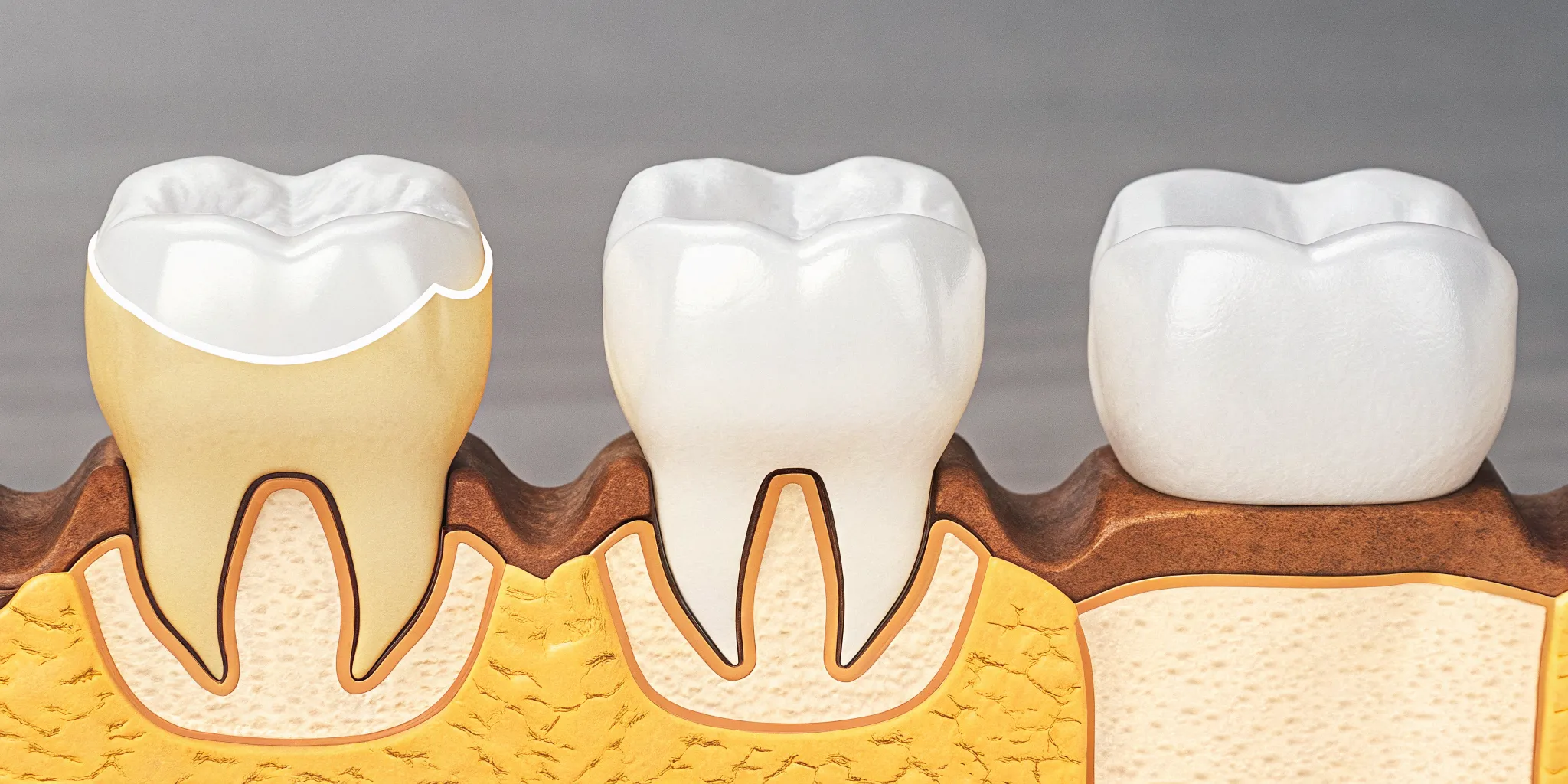
If you notice benefits of a custom dental night guard, the first step is a clear talk with your dentist. They will look at the health of your tooth to see if it is strong enough to hold a cap. This check is not just about one tooth. It is about how that tooth affects your whole smile and your body health. A tooth with a big crack or deep decay can lead to pain or more health issues if you do not fix it soon.
The first check and imaging
Your dentist starts with a close look at the tooth and the gums around it. They will use X-rays to get a full view of the root and the bone. These images show things that the eye cannot see, like infection deep in the tooth. If the dentist finds a lot of damage, they may suggest a crown to keep the tooth from breaking more. They will explain the process so you know what to expect and feel at ease with the plan.
During this visit, the dentist checks your bite and how your teeth work together. This holistic view helps make sure the new crown will feel right in your mouth. They want to find the best way to fix your tooth while keeping you as relaxed as possible. If the tooth needs a root canal first, they will talk about that too. This step is about making a plan that fits your needs.
How the dentist prepares your tooth
Getting a dental crown often takes two visits to the office. The first visit is when the most work happens. The dentist needs to shape the tooth so the crown can slide over it like a cap. They take care to make sure the tooth is ready to hold the new part for a long time. You can expect the team to put your comfort first during this part of the care.
- The dentist numbs the area around the tooth so you feel at ease while they work on the shape.
- They remove a thin layer of the tooth to make room for the custom cap to fit well.
- The team uses a soft paste or a digital tool to take a mold of your teeth and your bite.
- You get a temporary crown made of plastic or metal to cover the tooth while the lab builds the real one.
- At the next visit, the dentist takes off the temporary cap and cleans the area for the new crown.
- They place the permanent crown and use a special glue to bond it to your real tooth.
Final fit and bite checks
The last step is to make sure your new crown fits well. Your dentist will check the edges to see if they are smooth against your gums. They will also look at how your teeth touch when you close your mouth. If the crown is too high, it might cause pain when you chew. The dentist can make small changes right in the office to get the fit just right.
As shown by MedlinePlus, a crown is a tooth-shaped cap that replaces your normal tooth above the gum line. This new cap keeps your tooth strong and can even improve how your smile looks. Once it is on, your dentist will show you how to care for it. You should brush and floss daily to keep the tooth under the crown healthy and free from new decay. Taking care of your crown helps it last for many years and keeps your whole mouth in good shape.
When should you call a Lowell dentist?
Tooth pain or damage can happen when you do not expect it. It is vital to know when to seek help. Many people wait too long to see a dentist. This delay can turn a small issue into a big problem. Acting fast can save your natural tooth and stop pain. Our team at Lowell Family Dental Practice wants to help you. We believe that a healthy smile is part of your whole-body health.
Common signs you need a dental crown
You might feel sharp pain when you chew your food. This often points to a cracked or weak tooth. A dental crown is a cap that fits over your tooth to protect it. You should call a dentist if you see a chip or a break. These are clear signs you need a dental crown to restore how your tooth looks and works. This helps you eat and speak without pain.
Another sign is a large filling that starts to wear down. If a filling covers too much of your tooth, the structure can become weak. A crown can give the support that your tooth needs. You may also feel pain from hot or cold drinks. This can mean the nerve inside your tooth is at risk. Getting an expert dental crown checkup early can prevent more damage. Our goal is to keep your teeth strong for life.
How to protect your tooth before your visit
If you have a damaged tooth, you must be careful. Do not eat hard or brittle foods like ice and hard candy. These can make a crack worse or cause your tooth to break. If an old crown falls off, keep it in a safe place. Bring it to our office when you come for your visit. The tooth underneath might be weak, so do not try to glue it back in place. Doing so can cause more harm to your tooth.
Clean the area around the tooth with care. Use warm water to rinse your mouth and keep it clean. If you grind your teeth at night, you may need a mouth guard to protect them. Proper care and good dental hygiene are key to a healthy smile. Our Lowell team can show you how to care for your teeth and your new dental work. We want your treatment to last for a long time.
The value of timely local care
Seeing a local dentist in Lowell quickly helps save your teeth. A crown acts as a shield for a cracked tooth. It stops the crack from getting deeper into the root of the tooth. This fast care can help you avoid more work like a root canal. We focus on how your oral health affects your whole body. We look at the big picture of your health during every visit.
Our office on Market Street is ready to help you find the best path for your care. We use modern tools to make sure your treatment is a success. Custom crowns can last between five and fifteen years with proper dental care. By choosing local care, you get a team that knows you and your needs. Call (978) 458-1179 or visit our office to book your visit. When you arrive, you’ll meet Dr. Gammas and his team to talk about your smile. You can also reach us at lowellfamilydentalpractice@gmail.com for more info.
How to protect a crowned tooth
A dental crown is a strong tool to fix your smile, but it still needs care. Good care can help your crown last for many years. Even though the cap is tough, the tooth under it can still get a cavity. To prevent this, you must keep the base of the crown clean where it meets your gums.
Keep up with daily cleaning
Daily care is the best way to keep your crown and gums healthy. You should brush your teeth two times a day with a soft brush and paste. It is also vital to floss once every day to remove food from tight spots. Brushing and flossing help you avoid new decay from forming on the real tooth under your crown.
Good habits protect the tooth parts that hold your crown in place. If that tooth gets weak, the cap could become loose or fall off. Keeping your mouth clean also lowers the risk of gum disease. You can learn more about when you might need a dental crown by looking at your whole body health.
Watch what you eat
Your crown is tough, but it can still chip or break like a real tooth. You should avoid chewing on very hard items such as ice or hard candy. Brittle foods can put too much stress on the cap and cause it to fail. It is also wise to stay away from sticky foods that might pull the crown off your tooth.
If you feel a crack or sharp pain when you eat, call your dentist right away. These are often signs you need a dental crown check or a fix for the area. Taking quick action can save your tooth and prevent a more costly repair later.
Protect against teeth grinding
Many people clench or grind their teeth while they sleep. This habit puts a lot of force on your dental work and can wear it down fast. If you grind your teeth, your doctor may suggest a night guard. This clear tray acts as a shield to keep your teeth from hitting each other too hard.
A night guard is a simple way to make sure your crown lasts as long as it should. It protects your work and keeps your jaw joints at ease. Regular dental visits are also key to check that your crown fits well and has no signs of wear.
Frequently Asked Questions
How long do dental crowns usually last?
Per the Cleveland Clinic, most crowns last from five to 15 years. How long your crown lasts depends on how well you care for your mouth. You can help it last by brushing and flossing each day. Using a mouth guard at night can also protect the cap if you grind your teeth. Routine visits to our Lowell office allow the team to check the fit and health of your crown.
Can a tooth under a crown still get a cavity?
Yes, the tooth under your crown can still get a cavity. As stated by MedlinePlus, you must keep the area clean to stop decay near the gums. Tiny germs can still hide where the cap meets your real tooth. Daily brushing and flossing are the best ways to keep the base of the tooth strong. If decay starts under the cap, the tooth may become too weak to hold it.
Do I need a crown if my tooth does not hurt?
Pain is not always the first sign of a dental problem. You may need a crown to protect a weak tooth before it breaks. Per Lowell Family Dental Practice, a crown can keep a small crack from getting worse. If you wait for pain, the damage may be too deep to fix with a simple cap. Fixing a weak tooth early helps save your real tooth and supports your whole body health.
Why do dentists suggest a crown instead of a filling?
A filling works for small holes, but it does not make the tooth strong. A crown is a better choice when a large cavity or crack makes the tooth weak. Per MedlinePlus, a crown is needed when there is not enough real tooth left to hold a filling. The cap acts as a shield to help spread the pressure of your bite so the tooth does not snap.
Ready to protect your smile with a dental crown?
A weak or cracked tooth can get worse fast if you wait too long to get care. If the damage reaches the root, you might face more pain or even lose the tooth. By setting up a visit now, you can keep your tooth strong and healthy for many years. Getting a custom crown today helps you avoid the high cost and stress of more complex work later. You will save time and feel better knowing your smile is safe and works well again. Our team is here to help you find the right fit for your needs and your goals. We focus on how your oral health links to your whole body. You can learn more on our crowns service page to see how we help. Taking this step now is the best way to prevent dental issues that could hurt your health.
Ready to request an appointment? Call (978) 458-1179 to request an appointment with Dr. Gammas and his team today.
If these warning signs sound familiar, request a crown consultation in Lowell to discuss your options.
Written by
Dr. Iham Gammas, DMDBoard-Certified Implant Dentist & Founder, Lowell Family Dental Practice. Fellow & Master of ICOI and IADI. Associate Fellow of AAID.