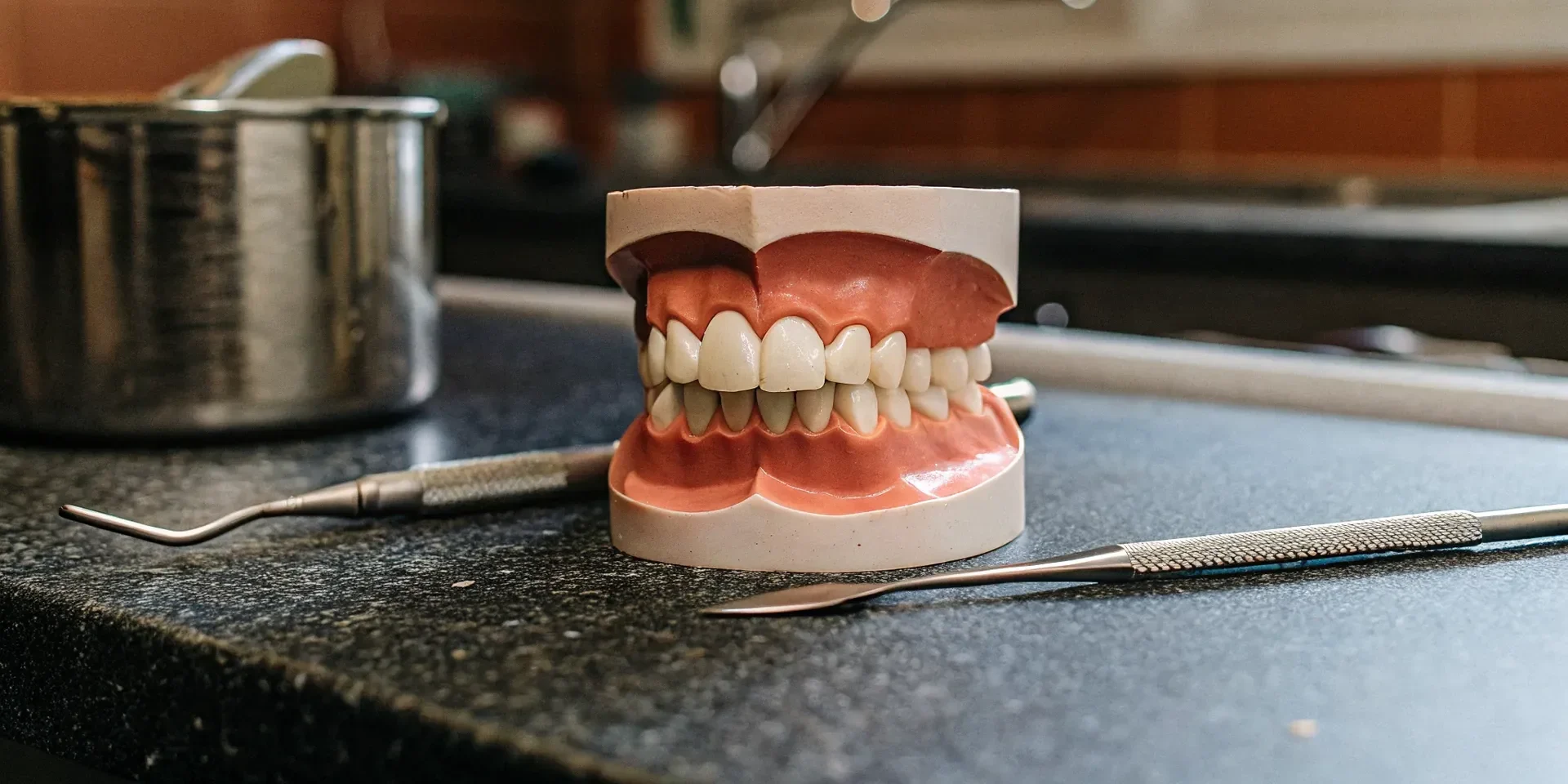
Pink spots in the sink after you brush your teeth are a warning sign from your body. These small signs of blood show that your gums are under stress. You should not ignore this symptom as a normal part of your daily routine.
bleeding gums when brushing are often the first sign of gingivitis, a common gum disease that can be cured if found early. This redness happens when plaque and bacteria build up along your gumline, causing the soft tissues to become very sensitive and prone to frequent injury. While minor irritation can happen, steady bleeding usually shows that your body is fighting an active infection that needs professional care to fix properly. According to the Cleveland Clinic, you should schedule a visit if your gums bleed for more than two weeks despite regular brushing. Our team at Lowell Family Dental Practice treats these symptoms as part of your whole-body health to prevent the spread of serious dental issues.
You might wonder what causes this change in your oral health and how to fix it. We can help you find the root cause of the problem, starting with the question: Why are my gums bleeding when I brush? The path begins with
Why are my gums bleeding when I brush?
Seeing blood in the sink after you brush can be a shock. While it may seem like a small thing, it often means your mouth needs more care. Many things can cause this problem, from the way you clean your teeth to your overall health. Finding the cause early is the best way to keep your smile healthy and avoid more serious issues later on.
The role of plaque and gingivitis
The most common cause of bleeding gums when brushing is a condition called gingivitis. This is an early form of gum disease that happens when plaque builds up along your gumline. Plaque is a sticky film of germs that forms on your teeth every day. If you do not remove it, these germs can make your gums red and swollen.
According to experts, gingivitis is a swelling of the gums that starts when germs infect the tissue. Your gums might bleed easily when you touch them or brush them. The good news is that this stage is easy to fix. With expert care and better habits at home, you can reverse the swelling and stop the bleeding before it gets worse.
If you leave plaque alone, it can turn into a hard stuff called tartar. You cannot brush tartar away on your own. Only a dental pro can remove it. When tartar stays on your teeth, it keeps hurting your gums. This can lead to a deeper infection called periodontitis, which may cause your teeth to loosen or even fall out over time.
Brushing and flossing habits
Sometimes, the way you brush is the problem. If you use a brush with hard bristles or push too hard, you can hurt your gum tissue. This often leads to bleeding even if your gums are healthy. It is best to use a soft brush and move it in small circles. This cleans your teeth without causing pain or damage to the soft parts of your mouth.
Changes in how you floss can also cause bleeding. If you just started flossing after a long break, your gums may bleed for a few days as they get used to the new habit. This is normal and should stop quickly. To keep your mouth in top shape, you should floss once daily and brush at least two times each day.
Other health factors and medications
Your oral health is tied to the rest of your body. Certain pills can make your gums more likely to bleed. These include blood thinners or drugs for blood pressure. If you start a new pill and notice your gums are more sore, tell your dentist. They can help you manage these side effects while keeping your teeth safe.
Other factors like stress, poor diet, or smoking can also play a part. These things make it harder for your body to fight off germs in your mouth. Some people may also notice more bleeding during times of hormone changes, such as during pregnancy. No matter the cause, long-lasting bleeding is a sign that you should see a pro for a full check.
If your gums continue to bleed for more than two weeks, you should book a visit. At Lowell Family Dental Practice, we look at your whole health to find the root of the problem. We can help you find the right gum disease treatment to get your oral health back on track.
Is bleeding a sign of gingivitis or gum disease?
Many people notice a pink tint in the sink after they brush. You might wonder if bleeding gums when brushing are a normal part of life. Often, this blood is the first sign of an inflammatory condition called gingivitis. This early stage of gum disease happens when plaque builds up along your gum line.
Common signs of gingivitis
Gingivitis is the mildest form of gum inflammation. It usually makes your gums look red and swollen. You may also notice that your gums feel sore or bleed easily during daily care. At this stage, the infection only affects the soft tissue and has not yet hurt the bone. Because it is early, the issue is often easy to fix with better habits.
Bad breath can also be a sign of this stage. When germs stay on your teeth too long, they release smells that do not go away. If you see these signs, you can often fix the problem. Expert cleanings and better home care help your gums heal. Most people find their gums stop bleeding once they start a better plan.
How gum disease gets worse
If you ignore early bleeding, the problem can get worse. This leads to a deep inflammation of the periodontium known as periodontitis. This stage is much more bad for your smile. It moves past the soft tissue and starts to break down the bone that holds your teeth in place.
Late gum disease causes your gums to pull away from your teeth. This makes deep pockets where more germs can grow. Over time, your teeth may start to feel loose or shift in your mouth. Unlike gingivitis, you cannot fully fix the bone loss from periodontitis. But a dentist can help stop the disease from getting worse.
| Feature | Gingivitis | Periodontitis |
|---|---|---|
| Area | Soft tissue only | Bone and ligaments |
| Can be fixed? | Fully easy to fix | Permanent bone loss |
| Tooth Firmness | Teeth stay firm | Teeth may loosen |
| Key Sign | Minor bleeding | Receding gum line |
Why early care matters
Finding gum issues early saves you time and money. When you catch gingivitis, you can stop the infection before it hurts your bone. We believe in looking at your oral health as a part of your whole body. Treating your gums now helps keep your heart and other organs healthy too. Taking action today stops the need for more hard work later.
If your signs last for more than two weeks, you should see a dentist. A pro can find the cause of the bleeding and give you a plan to fix it. Steady visits help us catch small problems before they turn into big ones. Your smile needs healthy gums to stay strong for a lifetime.
What should you do about bleeding gums when brushing?
Seeing pink in the sink is often a shock. You might think you should stop brushing your teeth when you see blood. But this is the wrong move. When you stop cleaning, plaque builds up even more. This sticky film of germs makes the swelling worse. At Lowell Family Dental Practice, we want to help you fix this at home while we plan your next visit. Our goal is to keep your whole body healthy by starting with your mouth.
Gentle tools and touch
If you notice bleeding gums when brushing, the first step is to check your tools. Hard bristles can hurt your gum tissue. You should use a soft brush and light pressure. Do not scrub your teeth like you are cleaning a floor. Use small, round motions instead. This helps clear away germs without causing more pain or harm to your mouth.
Daily cleaning habits
Plaque likes to hide in the gaps between your teeth. If you do not floss, these germs stay there and can lead to gum disease. It is common for gums to bleed a little when you first start flossing. This usually stops after a few days as your gums get stronger. You should floss at least once each day to keep the skin around your teeth firm and pink.
- Switch to soft bristles. Use a brush that says “soft” or “extra soft” on the box. This protects the thin skin of your gums from harm.
- Brush with a light touch. Hold your brush with just your fingers, not your whole fist. This helps you avoid pressing too hard on the sore areas.
- Clean between your teeth daily. Use floss or small picks to remove plaque from the gaps. This is key to stopping the germs that cause bleeding.
- Swap out your old brush. Buy a new toothbrush every three months. Frayed or worn bristles can be rough and might carry more germs.
- Stay on your current pills. Some drugs for your heart or blood can cause your gums to bleed more easily. Do not stop taking any pills your doctor gave you without asking them first.
- Book an expert cleaning. A dentist needs to check your mouth if your gums bleed for more than two weeks. You can see an expert to find the root cause of the problem.
Expert care and checkups
Home care is a great start, but it cannot replace a pro’s eye. Our team looks at how your oral health links to your whole-body health. We will check for signs of gingivitis or deeper issues like periodontitis. If the bleeding stays for more than two weeks, it is time to call us. We will work with you to find a plan that fits your needs and keeps your smile bright.
When should you see a dentist for bleeding gums?
Seeing pink in the sink when you spit can be a scary sight. Many people think it is just a small part of their daily habit. But your gums should not bleed when you brush or floss. If you notice bleeding gums when brushing, your body is sending a message. Not acting on this sign can lead to more pain or even lost teeth later. At Lowell Family Dental, we help you know these signs and what to do next.
Signs you need a routine dental visit
For many people, gum issues start small. You might see a little blood once or twice. But if you have bleeding gums that do not get better in two weeks, it is time to call a dentist. This rule helps catch early gum issues before they turn into gum disease that is harder to treat. A simple cleaning or change in how you brush might be all you need to heal.
During a routine visit in our Lowell office, we check for more than just blood. We look for redness, puffiness, or gums that feel tender to the touch. These are all signs of gingivitis, which is a swelling in the soft tissue. We take a holistic view of your health to see if other things like stress or diet play a role. Catching these signs early means we can help you fix the issue before it spreads to the bone.
What to expect during your checkup
- A full look at your gums to find signs of infection or swelling.
- A talk about your health history and any meds you take.
- Pro cleaning to remove plaque that your brush cannot reach.
- Simple tips on how to brush and floss for the best results.
When to seek urgent dental care
In some cases, you should not wait for a regular checkup. Urgent care is needed if your gums bleed a lot and will not stop. If you have a mouth injury from a fall or an accident, you need to see a dentist fast. Trauma to the gums can cause deep damage that only a pro can fix. Our team works to stop the bleeding and save your teeth.
You should also look for signs of a deep infection. If you have a fever, bad taste in your mouth, or facial swelling, seek help right away. These symptoms, along with bleeding gums, can mean a serious health risk. At our practice in Lowell, we focus on quick and kind care for these needs. We want to ensure that a small infection does not lead to bigger issues for your whole body.
Preparing for your dental visit
When you come to see us in Lowell, be ready to talk about your daily habits. Tell us when the bleeding started and if it happens every time you clean your teeth. Mention any new meds you are taking or changes in your health. We believe that your mouth is a window to your whole body. By sharing these details, you help us create a plan that fits your life.
When you book a visit, you’ll meet Dr. Gammas and his team. They take the time to listen to your concerns and explain your options. We believe in a stress-free visit for every patient. Our team in Lowell is here to help you achieve a bright and healthy smile. Steady care at home is the key to keeping your gums pink and firm.
Why local care in Lowell matters
Living in the Lowell area means you have access to expert care close to home. You do not have to travel far to get help for your gums. Our local team knows our neighbors and their health needs. We take pride in being a trusted part of the Lowell area. When you visit us, you are a partner in health. Our goal is to work with you for a lifetime of healthy smiles.
What to expect at a gum health appointment
Seeing blood in the sink can feel scary. If you notice bleeding gums when brushing, you may feel unsure about what comes next. A gum health visit is a calm and easy task. Our team at Lowell Family Dental Practice looks at your comfort.
We look at the big picture of your health to find the best path for you. Your visit starts with a talk. We will ask about your health and any signs you have found.
Talking about your past care
Many people see swollen gums or redness before their visit. We also talk about the tools you use at home to clean your teeth. Sharing this info helps us see why your gums might be tender or bleeding.
Some health issues or drugs can also affect your gums. We want to know about your whole-body health. This helps Dr. Gammas and his team build a plan that fits your life.
Exam and gum checks
If your signs do not get better in two weeks, seeing a dentist is a smart next step. Next, we do an exam of your mouth. We look for signs like redness or loose teeth.
Gingivitis often shows up as swelling and bleeding on probing. We use a small tool to check the space between your teeth and gums. These spots are called pockets.
Small pockets are normal and healthy. Deep pockets may show that your gum disease has moved to a later stage. This check is painless and fast.
Cleaning and new steps
It tells us if your gum tissue is still firm or if it has started to pull away from the tooth. We take these notes to track your health over time. Based on what we find, we will set up a cleaning plan.
If the swelling is mild, a standard cleaning might be enough. For deeper issues, we may need to use tools to reach under the gumline. This helps stop the spread of germs.
Proper cleaning is the best way to slow down gum disease and save your smile. We also teach you how to care for your teeth at home.
Using a soft brush and flossing each day keeps your gums strong. We want you to leave our office feeling sure about your care. At Lowell Family Dental Practice, we partner with you to keep your whole body healthy and happy.
Frequently Asked Questions
What deficiency causes bleeding gums?
While plaque is the main cause, a lack of some vitamins can make your gums weak. Not getting enough vitamin C or K may cause your gum tissue to bleed more easily. A poor diet makes it hard for your body to fight off the germs that lead to gum swelling. Our team at Lowell Family Dental looks at your whole health to find the best way to keep your smile strong.
Why do my gums bleed when I brush even if it does not hurt?
Many early signs of gum disease do not cause any pain. You might see blood in the sink but feel no soreness at all. This happens because the infection is still in the soft parts of your mouth. According to the NCBI, this early swelling can spread if you do not treat it. Finding the problem now stops it from hurting your teeth and bone later.
Does salt water help bleeding gums?
A warm salt water rinse can help soothe sore gums and kill some of the germs in your mouth. You can mix a half-teaspoon of salt into a cup of warm water and swish it for 30 seconds. While this can reduce swelling, it is not a fix for gum disease. You still need to brush, floss, and see a dentist to treat the root cause of the problem.
Can stress make your gums bleed when brushing?
Yes, high stress can affect your oral health. When you are stressed, your body has a harder time fighting off infections like gum disease. It can also cause you to grind your teeth or skip your daily cleaning habits. According to Lowell Family Dental Practice, we believe in placing oral health in the bigger picture of your whole body’s health.
Ready to book your gum health appointment in Lowell?
It is vital to take care of your gums as soon as you see blood while you brush. Leaving these signs alone can lead to deep tooth loss and other health issues that cost much more to fix later. Starting your care now stops the spread of gum disease and keeps your own smile strong for a very long time. You will get a clear plan from our team in Lowell to heal your mouth and protect your health. Our focus is on giving you a stress-free visit that gets your oral health back on the right track. Taking this small step today gives you peace of mind and keeps your whole body healthy.
Ready to book? Call (617) 710-5213 to book a gum health appointment.
Written by
Dr. Iham Gammas, DMDBoard-Certified Implant Dentist & Founder, Lowell Family Dental Practice. Fellow & Master of ICOI and IADI. Associate Fellow of AAID.