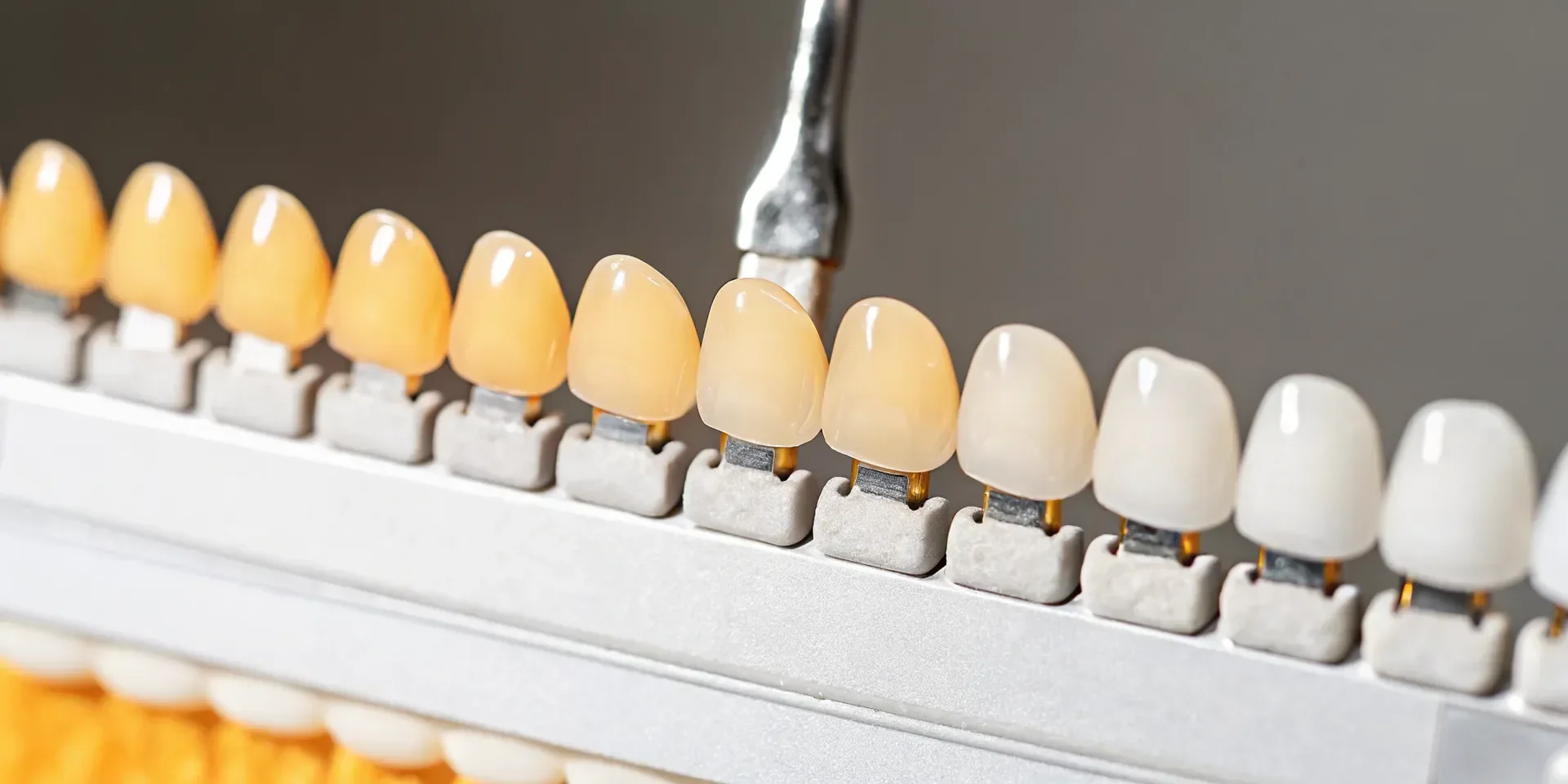
You have tooth-colored fillings and you want a whiter smile. The big question is, what happens to the fillings? It’s a crucial detail that can make all the difference between a seamless smile and a mismatched one. The truth is, the color of your fillings is permanent. They are made from materials like composite resin or porcelain that don’t react to whitening gels the way your natural teeth do. Whitening your teeth will create a contrast, making your old fillings appear darker or more yellow. The good news is there’s a simple solution. This guide will explain the ideal sequence of treatments and show you how to whiten tooth colored fillings by replacing them after you’ve brightened your natural teeth.
Key Takeaways
- Fillings Resist Whitening: Whitening treatments are designed for porous tooth enamel, so they will not change the color of your fillings. The shade of your composite or porcelain restorations is permanent.
- Sequence Is Key for a Seamless Smile: For the best results, whiten your teeth to your desired shade before getting new fillings. This allows your dentist to perfectly match any restorative work to your brighter smile.
- Plan for a Uniform Look: If you already have fillings, whitening your teeth can create a color mismatch. Talk to your dentist about a plan, which often involves replacing old fillings after whitening to achieve an even result.
Can You Whiten Tooth-Colored Fillings?
If you’re dreaming of a brighter smile, you’ve probably wondered if your tooth-colored fillings will lighten along with your natural teeth. It’s a great question, and the straightforward answer is no. The materials used for fillings, like composite resin and porcelain, are designed to be non-porous and stain-resistant, which means they don’t respond to whitening agents the way your natural tooth enamel does.
When you get a filling, your dentist carefully selects a shade that perfectly matches your surrounding teeth at that moment. That color is permanent. Whitening treatments work by using an active ingredient, like hydrogen peroxide, to penetrate the porous enamel of your natural teeth and break down stains. Since your fillings don’t have this same porous structure, the whitening gel can’t alter their color. This is why teeth whitening is most effective on natural tooth structure.
So, what happens if you whiten your teeth when you have fillings? Your natural teeth will get brighter, but your fillings will stay the same color. This can create a noticeable mismatch, especially if the fillings are on your front teeth. Instead of the seamless smile you were hoping for, you might end up with an uneven look that draws more attention to your dental work.
The best approach is to plan your smile makeover with your dentist. If you want a whiter smile, we often recommend whitening your teeth first. Afterward, we can replace your old fillings with new ones that match your brighter, refreshed tooth shade. This ensures everything blends beautifully for a consistent, natural-looking result. If you’re ready to explore your options, you can always schedule a consultation with our team to create a plan that works for you.
What Are Tooth-Colored Fillings Made From?
When we talk about tooth-colored fillings, we’re actually referring to a few different types of materials designed to blend in with your natural smile. Unlike old-school metal fillings, these modern options are made to be discreet. The goal is a seamless repair that looks and feels just like your own tooth. The choice of material often depends on where the filling is needed, your aesthetic goals, and the specific recommendation from your dentist.
The three main players in the world of aesthetic fillings are composite resin, porcelain, and glass ionomer. Each one has its own set of benefits and is suited for different situations. Understanding what they are can help you have a more informed conversation with your dentist about what’s right for you. Whether you need a small filling in a front tooth or a more durable restoration in the back, there’s a tooth-colored option that can get the job done beautifully.
Composite Resin Fillings
Composite resin is probably the most common material used for tooth-colored fillings, and for good reason. It’s a mixture of plastic and fine glass particles that creates a strong, durable filling material. The best part is that it can be tinted to perfectly match the shade of your surrounding teeth, making it virtually invisible. According to the American Dental Association, composite resins are incredibly versatile and are used for everything from small fillings to cosmetic improvements. Because they bond directly to the tooth, they also help support the remaining tooth structure, which is a fantastic bonus.
Porcelain and Ceramic Fillings
Porcelain and ceramic fillings are tooth-colored restorations that may be used as inlays or onlays when a tooth needs more coverage than a small direct filling. A ceramic restoration is custom-made to fit the prepared tooth and selected to complement the surrounding teeth. It can offer a natural-looking option, but it is not the right choice for every cavity. The decision depends on the tooth’s location, the amount of healthy structure remaining, your bite, and your overall treatment needs. A dental exam helps determine whether ceramic, composite resin, or another restoration is appropriate.
Ceramic does not change shade when natural teeth are whitened. If you are considering whitening and have existing ceramic or other tooth-colored restorations, discuss the order of treatment with your dentist so the shade of any future restoration can be selected with your whitening goal in mind.
Glass Ionomer Fillings
Glass ionomer fillings are made from a combination of acrylic and a special type of glass powder. What makes this material unique is its ability to release fluoride over time, which can help protect the tooth from future decay. These fillings also form a chemical bond with the tooth, creating a tight seal that helps prevent leakage around the restoration. While they aren’t quite as wear-resistant as composite resin, glass ionomer cements are often a great choice for fillings on the root surfaces of teeth or in young children, where their protective qualities are most beneficial.
Why Fillings Don’t Respond to Whitening Treatments
If you’ve ever wondered why your fillings stay the same color while your teeth get brighter, you’re not alone. It all comes down to the different materials involved. Whitening treatments are designed with a very specific target in mind: your natural tooth enamel. Understanding how this process works is the first step to planning a whitening strategy that gives you the even, brilliant smile you want. Let’s break down why your dental work doesn’t get the same whitening memo as the rest of your teeth.
How Whitening Works on Natural Teeth
Teeth whitening treatments, whether you use an at-home kit or get professional whitening at our office, use active ingredients like hydrogen peroxide or carbamide peroxide. These agents work by penetrating the porous outer layer of your tooth, called the enamel. Once inside, they create a chemical reaction that breaks down the discolored molecules that cause stains. The result is a visibly brighter and whiter tooth surface. This process is incredibly effective, but it’s exclusively designed for the organic structure of natural teeth. It’s a bit like using a stain remover made for cotton; it works wonders on the right material but won’t have the same effect on polyester.
Why Fillings Resist Whitening
So, why are fillings left out of the whitening party? It’s because they are made from materials that simply don’t react to bleaching agents. Tooth-colored fillings are typically crafted from composite resin or porcelain, which are non-porous and color-matched to your tooth at the time of placement. These materials are chosen for their durability and appearance, but their color is fixed. The whitening gels that work so well on your enamel can’t penetrate or alter the shade of these synthetic materials. This means that while your natural teeth get brighter, your fillings, crowns, and veneers will stay the exact same color they were when your dentist put them in.
Can Whitening Treatments Damage Your Fillings?
While whitening products won’t damage the filling material itself, using them when you have fillings requires a bit of caution. The real concern isn’t for the filling, but for the tooth structure around it. If a filling is old, has a small leak, or if there is any decay around its edges, the whitening gel can seep into these vulnerable areas. This can lead to significant tooth sensitivity or pain. That’s why it’s so important to have a dental check-up before starting any whitening regimen. A dentist can ensure your fillings are secure and your teeth are healthy enough for whitening, preventing any uncomfortable surprises and helping you achieve your goals safely.
What Happens When You Whiten Teeth with Fillings?
Thinking about brightening your smile is exciting, but if you have fillings, you might wonder how they’ll be affected. It’s a great question to ask before you start any whitening treatment. The main thing to know is that the materials used for fillings, crowns, and veneers don’t react to whitening agents the same way your natural teeth do. This can create a few challenges, but don’t worry, there are always solutions to help you get the bright, even smile you want.
The Challenge of a Mismatched Smile
The biggest issue with whitening when you have existing dental work is the potential for a color mismatch. Whitening products are designed to lift stains from the porous enamel of your natural teeth, but they won’t change the color of your fillings. If you whiten your teeth, your fillings will keep their original shade. This can make them stand out, looking darker or more yellow in comparison to your newly brightened teeth. This is especially noticeable if the fillings are on your front teeth, which are most visible when you smile. Planning your cosmetic treatments with a professional ensures you can achieve a seamless result.
How Noticeable Will the Color Difference Be?
Just how obvious the color difference will be depends on a few things: the location of your fillings and how many shades lighter your natural teeth become. A filling on a back molar that’s hidden from view might not be a concern at all. However, a composite filling on one of your front teeth could become quite apparent after a whitening treatment. Because professional teeth whitening can lighten your teeth significantly, the contrast can be quite distinct. It’s always a good idea to talk with your dentist before starting so you know what to expect.
Are Certain Fillings More Affected?
All types of filling materials, including composite resin, porcelain, and ceramic, resist whitening treatments. This is because, unlike your natural tooth enamel, these materials are not porous. They don’t have the tiny holes that allow the bleaching agents to seep in and break down stains. While fillings can’t be whitened, they can still pick up surface stains over time from things like coffee, tea, or red wine. If you have an older, stained filling that no longer matches your teeth, whitening your surrounding teeth will only make that discoloration more obvious.
The Big Question: Whiten Before or After Fillings?
If you’re thinking about getting new fillings and also want a brighter smile, the timing of your treatments is key. The clear recommendation from dental professionals is to whiten your teeth first. This approach gives your dentist a fresh, bright canvas to work with. Once your natural teeth have settled into their new, lighter shade, we can then create fillings or crowns that are perfectly color-matched. This sequence is the secret to achieving a beautifully consistent and natural-looking smile where your dental work blends in seamlessly.
So, what if you already have tooth-colored fillings and want to whiten your teeth? This is a common scenario we see at our practice. If you use a whitening treatment, your natural tooth enamel will lighten, but your existing fillings will not. The materials used in fillings don’t respond to bleaching agents, so they will remain their original color. This can create a noticeable mismatch, making the fillings appear darker or more yellow against your newly brightened teeth, especially if they are in your smile line.
The best way to get an even color across your entire smile is to whiten your natural teeth to your desired shade and then have your old fillings replaced. Your dentist can carefully remove the old fillings and place new ones made from a composite resin that perfectly matches your brighter teeth. Before you start any whitening plan, it’s always a great idea to schedule a consultation. We can take a look at your existing fillings, talk about your goals, and map out a personalized treatment plan to help you safely achieve the radiant, even smile you’re looking for.
How to Achieve a Bright, Even Smile
So, you’ve whitened your teeth, but now your old fillings stand out. Don’t worry, this is a common issue, and there are several ways to get the beautiful, consistent smile you’re looking for. The key is to create a plan that addresses your natural teeth and any existing dental work. By combining professional whitening with other cosmetic treatments, you can achieve a seamless, bright result. Here are a few effective strategies to discuss with your dentist.
Replace Your Fillings After Whitening
If your main concern is a color mismatch, the most straightforward solution is to replace your old fillings after you’ve finished your whitening treatment. When you whiten your teeth, the natural enamel gets brighter, but your composite fillings stay the same color. This can create a noticeable contrast, especially on your front teeth.
By whitening first, you establish a new, brighter baseline for your smile. Your dentist can then remove the old fillings and place new ones that are perfectly color-matched to your newly whitened teeth. This process ensures that your fillings blend in seamlessly, giving your smile a completely natural and uniform appearance. It’s a simple way to update your dental work and harmonize your entire smile.
Opt for Dental Veneers for a Consistent Shade
For a total smile transformation, dental veneers are an excellent option. Veneers are thin, custom-made shells of porcelain that are bonded to the front surface of your teeth. They can correct a wide range of cosmetic issues at once, including discoloration, gaps, chips, and even minor misalignment. If you have multiple fillings or stubborn stains that don’t respond to whitening, veneers can give you a perfectly even and bright smile.
If you decide to get veneers, it’s best to whiten your surrounding natural teeth first. This allows your dentist to match the porcelain veneers to your brightest possible shade, creating a cohesive look. Our team can help you explore all your cosmetic options to find the best path to your ideal smile.
Cover Stains or Damage with Dental Crowns
Sometimes, a tooth has more significant issues than just discoloration. If a tooth is heavily stained, cracked, or has a very large, old filling, a dental crown might be the best solution. A crown, or cap, covers the entire visible portion of a tooth, restoring its shape, size, strength, and appearance. It’s a fantastic way to fix a tooth that detracts from your smile while also protecting it from further damage.
Just like with veneers, the process works best if you whiten your teeth beforehand. Once your natural teeth are at your desired shade, your dentist can create a dental crown that matches them perfectly. This ensures the restored tooth blends in flawlessly with its neighbors.
Correct Minor Issues with Tooth Bonding
If you only have minor imperfections you’d like to address, dental bonding is a quick and effective solution. Bonding uses a tooth-colored composite resin, the same material used for modern fillings, to repair small chips, close gaps, or improve the shape of a tooth. It’s less invasive than veneers or crowns and can typically be completed in a single visit.
After whitening your teeth, your dentist can apply and sculpt the bonding material to correct any minor flaws. Since the resin is matched to your newly brightened enamel, the repair will be virtually invisible. It’s a great finishing touch to perfect your smile after a whitening treatment, helping you achieve that polished, even look.
Plan Your New Smile with Professional Whitening
The first step toward any smile enhancement is a conversation with your dentist. A professional consultation is essential, especially when you have existing fillings, crowns, or other dental work. Your dentist can assess your oral health, discuss your goals, and create a personalized treatment plan that works for you. They will help you decide the right sequence of treatments, whether it’s whitening before new fillings or combining whitening with veneers.
This collaborative approach ensures your whitening journey is both safe and effective. By planning ahead, you can avoid any color-matching surprises and feel confident that you’ll achieve the bright, even smile you’ve always wanted. Ready to get started? You can request an appointment with our team today.
How to Maintain Your Tooth-Colored Fillings
Once you have a smile you love, the goal is to keep it looking great. While you can’t whiten your fillings, you can take simple, everyday steps to prevent them from staining and help them last longer. Proper maintenance not only keeps your fillings looking bright and natural, but it also protects the health of the underlying tooth. Our focus on preventive care is designed to help you maintain your beautiful smile long after you leave our office. By being mindful of your daily habits and sticking to a consistent routine, you can keep your restorations looking seamless for years.
Perfect Your Daily Hygiene Routine
The foundation of a long-lasting filling is excellent oral hygiene. It’s the most effective way to prevent new stains from forming and to protect the edges of your filling where it meets your tooth. Make sure you brush at least twice a day for two minutes and floss once a day. This simple habit removes the plaque and food particles that can cause discoloration over time. A clean surface is less likely to pick up stains, helping your fillings blend in beautifully with your natural teeth.
Avoid Foods and Drinks That Cause Stains
Just like your natural teeth, your fillings are susceptible to staining from certain foods and drinks. Things like coffee, tea, red wine, and dark berries have strong colors that can stain your fillings, making them stand out from the rest of your smile. You don’t have to give them up completely, but try rinsing your mouth with water after you indulge. Drinking dark beverages through a straw can also make a big difference by minimizing contact with your front teeth.
Choose the Right Toothpaste
When you’re standing in the toothpaste aisle, it’s tempting to grab the most powerful whitening option you can find. However, many whitening toothpastes are highly abrasive and can create microscopic scratches on the surface of your fillings. These tiny scratches can actually make your fillings more prone to picking up stains. Instead, use a gentle, non-abrasive fluoride toothpaste. This will effectively clean your teeth and fillings without causing damage. During your next visit, we can recommend a product that’s safe for your dental work.
Don’t Skip Your Regular Dental Check-Ups
Your at-home care is essential, but it can’t replace professional cleanings and exams. We recommend you visit your dentist at least twice a year. During these appointments, our hygienists use special tools to gently polish away surface stains from your teeth and fillings that your toothbrush can’t remove. We also check the condition of your fillings to spot any potential issues, like chipping or leakage, before they become bigger problems. Regular check-ups are the best way to ensure your entire smile stays healthy and bright.
Time for an Update? When to Replace Your Fillings
Dental fillings do an amazing job of restoring teeth, but they don’t last forever. Over time, they can wear down, and if you’re thinking about whitening your teeth, you might be wondering how your old fillings will fit into your new, brighter smile. Knowing when it’s time for a replacement is key to keeping your smile healthy and looking its best. It’s a common concern, and thankfully, there are straightforward solutions to make sure your teeth look seamless and feel great.
Telltale Signs It’s Time for a Replacement
How do you know if your filling needs a refresh? Your mouth will often give you a few clues. A filling might need replacing if you notice it looks discolored, which can stand out against your natural tooth. Over the years, fillings can also weaken, wear down, or develop small cracks along the edges. In some cases, a filling might even feel loose or fall out completely. These issues aren’t just cosmetic; a compromised filling can allow bacteria to sneak in and cause new decay. Regular preventive care appointments are the best way to catch these problems early before they become more serious.
What to Expect When Replacing a Filling
If you and your dentist decide it’s time for an update, the process is usually simple. In most cases, we just replace the old, discolored filling with a new one. If you’re planning on whitening your teeth, we typically recommend you do that first. Once you’ve achieved your desired shade, we can replace your old fillings with new composite resin that perfectly matches your brighter smile. This approach also works well for older crowns or veneers that no longer match. If a filling is small and not visible when you smile, you might decide to leave it as is. The best first step is to request an appointment so we can create a personalized plan together.
Related Articles
- How Tooth-Colored Fillings Improve Your Smile
- Fillings
- Teeth Whitening
- Old and Unsightly Fillings
- Tips for a Whiter Smile
Frequently Asked Questions
I have tooth-colored fillings on my front teeth. Will whitening make them look worse? That’s a great question to ask before you start. Since whitening gels only work on natural tooth enamel, your fillings will stay their original color. If you whiten your teeth, they will get brighter, but the fillings will not, which can make them more noticeable. The best way to avoid this is to whiten your teeth first and then have us replace the old fillings with a new shade that matches your brighter smile.
I already used a whitening kit and now my fillings don’t match. What can I do? Don’t worry, this is a very common situation and it’s completely fixable. The most direct solution is to have your dentist replace the old fillings with new ones that match your current tooth shade. Depending on your goals, other options like dental bonding or veneers could also be great solutions for creating a seamless, even look. A quick consultation can help you figure out the best path forward.
Can whitening treatments damage my fillings or the teeth underneath them? While whitening products will not damage the filling material itself, it is smart to be cautious. If a filling is old or has a tiny leak along the edge, the whitening gel could seep into that space and cause sensitivity in the tooth. This is why we always recommend a dental check-up before you start any whitening. We can make sure your fillings are secure and your teeth are healthy enough for the treatment.
If I get my fillings replaced after whitening, how do I keep them from getting stained again? Keeping your new fillings looking great is all about smart daily habits. The best things you can do are stick to a great oral hygiene routine (brushing twice and flossing once a day) and be mindful of staining foods and drinks like coffee or red wine. Using a non-abrasive toothpaste is also important, as harsh formulas can scratch the filling’s surface and make it more likely to stain. Regular dental cleanings will also help polish away any surface stains.
I want a brighter smile but have several old fillings. Where do I even start? The perfect place to start is with a simple conversation. Schedule a consultation with your dentist to talk about your goals. We can look at the condition of your current fillings, discuss how white you would like your smile to be, and create a personalized plan. This plan will map out the right sequence of treatments, like whitening first and then replacing the fillings, to help you get the beautiful, even smile you want safely and effectively.
Written by
Dr. Iham Gammas, DMDBoard-Certified Implant Dentist & Founder, Lowell Family Dental Practice. Fellow & Master of ICOI and IADI. Associate Fellow of AAID.