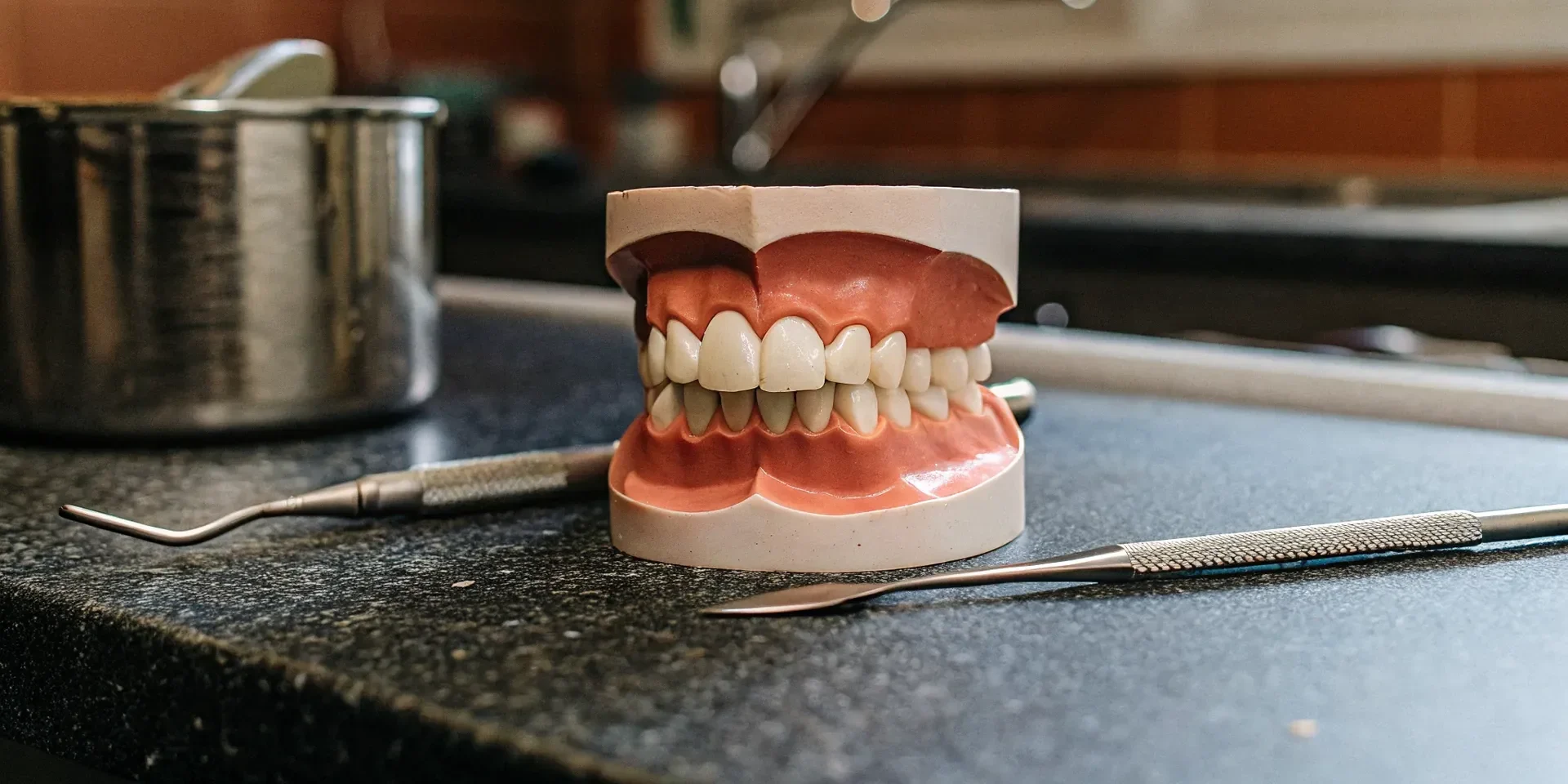
A chipped tooth is more than just a cosmetic inconvenience; it’s a breach in your smile’s first line of defense. Your tooth enamel is incredibly strong, but once it’s compromised, the sensitive inner layers of your tooth are left vulnerable. This can lead to pain, sensitivity, and an increased risk of decay or infection. That’s why knowing what to do—and what not to do—is so important. We’ll cover the immediate steps you should take to protect your tooth, explain why DIY fixes are a bad idea, and walk you through the professional options for how to repair a chipped tooth. Our goal is to give you the clear, actionable information you need to protect your oral health and restore your smile safely.
Key Takeaways
- Manage a Chip Immediately: If you chip a tooth, rinse with warm salt water to clean the area, cover sharp edges with dental wax to protect your mouth, and save any fragments in milk. These first aid steps are crucial while you wait for professional care.
- Leave Repairs to the Professionals: At-home kits are risky and can lead to infection or more damage, so professional care is essential. Only a dentist can properly assess the chip and choose the right solution, like bonding or a crown, to safely restore your tooth.
- Adopt Protective Habits to Prevent Chips: You can avoid most chips by wearing a mouthguard for sports, using a night guard if you grind, and not using your teeth as tools. Regular dental checkups are also essential for catching and fixing weak spots early.
Why Do Teeth Chip in the First Place?
It’s a startling moment: you’re eating, playing, or just going about your day, and you hear an unexpected crunch. A quick check with your tongue reveals a new, sharp edge on a tooth. Chipped teeth are incredibly common, and they can happen for reasons that might surprise you. While a sudden accident like a fall or a sports injury is an obvious culprit, often the damage comes from small, repeated habits that weaken our teeth over time.
Understanding what causes a chip is the first step in preventing another one. From mindless chewing on ice to grinding your teeth at night, many daily actions can put your smile at risk. The good news is that once you know the signs and causes, you can take simple steps to protect your teeth and handle any chips that do occur.
Everyday Habits That Can Chip a Tooth
You might be surprised to learn that many chipped teeth aren’t caused by major accidents, but by simple, everyday habits. Biting down on hard foods like ice, nuts, or hard candy is a frequent cause. Even healthy foods like a crisp apple can cause a chip if your tooth has a weak spot. Another common habit is using your teeth as tools, whether it’s to rip open a package, cut tape, or open a bottle. Your teeth are strong, but they aren’t designed for that kind of pressure. Over time, these actions can lead to tiny fractures that eventually become a noticeable chipped tooth. Teeth grinding, also known as bruxism, is another major factor, as it puts constant stress on your enamel.
How to Know If You Have a Chipped Tooth
Sometimes a chipped tooth is obvious, but other times it can be subtle. You might not feel any pain at all. The most common sign is feeling a rough or jagged edge when you run your tongue over your tooth. You might also visually notice that a piece of your tooth is missing. If the chip is larger and exposes the inner layers of the tooth, you could experience pain or sudden sensitivity to hot and cold temperatures. While a tiny chip might seem harmless, it’s important not to ignore it. A compromised tooth is more vulnerable to decay, and a large chip can lead to a serious infection if left untreated. Regular preventive care can help spot weaknesses before they become bigger problems.
Chipped a Tooth? Here’s What to Do Right Now
That sudden crunch, the sharp edge you feel with your tongue, it’s a sinking feeling. A chipped tooth can happen to anyone, whether from a sports injury, a fall, or biting down on something hard. The good news is, it’s almost always fixable. But what you do in the moments right after it happens can make a big difference. Before you do anything else, take these immediate steps to protect your tooth and manage any discomfort until you can see us.
First Steps: Rinse and Protect
First things first, gently rinse your mouth with warm salt water. This helps clean the area and reduces the risk of infection. Just mix about half a teaspoon of salt into a glass of warm water and swish it around carefully. If the chipped tooth has a sharp or jagged edge, it can cut your tongue or the inside of your cheek. To prevent this, you can cover the edge with a piece of sugarless gum or some dental wax, which you can find at most drugstores. Taking these simple precautions can keep you comfortable and protect your mouth while you prepare to get professional dental care.
How to Handle Pain and Swelling
A chipped tooth can sometimes be surprisingly painful, especially if the damage is close to the nerve. To manage any discomfort and reduce swelling, apply a cold compress or an ice pack wrapped in a towel to your cheek or lips over the affected area. Hold it there for about 15 minutes at a time. For pain relief, an over-the-counter anti-inflammatory medication like ibuprofen can be very effective, but be sure to follow the dosage instructions on the package. These steps will help you stay comfortable, but they are temporary solutions. The most important step is to schedule an appointment so we can assess the damage and prevent further issues.
Don’t Forget to Save the Pieces
If you can find the piece of your tooth that broke off, hold onto it. It might seem small or insignificant, but in some cases, your dentist can actually reattach it. Gently rinse the fragment with water, being careful not to scrub it. The best way to transport the piece is to keep it moist. You can place it in a small container filled with milk or your own saliva. Avoid storing it in plain water. Bringing the piece with you gives your dentist more options for a seamless repair. According to the Cleveland Clinic, keeping the tooth fragment viable is key, so handle it with care and bring it to your appointment.
Can You Really Fix a Chipped Tooth at Home?
When you notice a chip in your tooth, your first instinct might be to search for a quick fix you can do yourself. It’s a tempting thought, but the answer is a clear and simple no. If you’ve chipped a tooth, the very first thing you should do is schedule an appointment with your dentist. You can’t truly fix a chipped tooth at home, and trying to can often lead to bigger problems.
Only a dental professional can properly assess the damage. What looks like a tiny, cosmetic issue on the surface could be a more significant fracture that affects the deeper layers of your tooth. Your dentist will examine the chip, check for any nerve damage, and determine the best course of action. Trying to glue a piece back on or using an at-home kit can trap bacteria, cause infection, or damage the tooth even more. Your smile is too important to risk a DIY repair, so leave it to the experts who have the right tools and knowledge to restore your tooth safely.
The Dangers of DIY Dental Fixes
It’s easy to find so-called “solutions” online, from dental wax kits to temporary filling materials. While these might seem like a good idea, they are not a substitute for professional care. Ignoring a chipped tooth or attempting a DIY fix can lead to more damage, pain, or even serious infections down the road. A chip can leave the sensitive inner layers of your tooth exposed, making it vulnerable to bacteria and decay. What started as a minor issue can quickly become a major one requiring more complex and expensive treatment. It’s always best to see a dentist quickly to get it handled the right way from the start.
Safe At-Home Care Before Your Appointment
While you can’t fix the chip yourself, you can take a few simple steps to manage any discomfort and protect your mouth while you wait for your appointment. If you’ve just chipped a tooth, here’s what you can do for some immediate relief:
- Rinse your mouth with warm salt water to keep the area clean.
- Apply a cold pack to your cheek to reduce any pain or swelling.
- Save the pieces, if you can find them. Place any fragments of the tooth in a small container with milk or your own saliva and bring them to your dentist.
- Protect your mouth by covering any sharp edges of the tooth with sugar-free gum or dental wax.
- Manage pain with an over-the-counter pain reliever like ibuprofen if you need to.
These steps will help keep you comfortable until you can see one of our dental professionals.
How Your Dentist Will Repair Your Chipped Tooth
Once you’re in our office, we’ll take a look at the chip and figure out the best way to fix it. The right treatment really depends on the size and location of the chip. We always focus on restoring your tooth’s health and appearance with the most comfortable and effective method possible. Our goal is to get you smiling confidently again with a solution that feels right for you. From a quick polish to a full restoration, we have a range of dental services to handle any kind of chip.
For Minor Chips: Dental Polishing
If you have a very small, superficial chip, especially one on the edge of a tooth, the fix can be surprisingly simple. We can often smooth and reshape the rough edge through a process called dental polishing. Think of it as gently buffing the tooth to restore its natural contour. This procedure is quick, painless, and doesn’t require any anesthesia. It’s an ideal solution for tiny imperfections that don’t compromise the tooth’s structure but create an uneven or sharp spot. In just a few minutes, we can eliminate the rough edge and make your tooth look and feel good as new.
Filling the Chip with Dental Bonding
For small to medium-sized chips, dental bonding is a fantastic and popular option. In this procedure, we apply a tooth-colored composite resin, which is like a durable putty, to the chipped area. We carefully sculpt it to match the shape of your tooth and then harden it with a special light. The final step is to polish the resin so it blends seamlessly with your natural tooth enamel. The whole process is usually completed in a single visit and is a cost-effective way to repair a chipped tooth and restore your smile’s appearance.
Covering the Damage with Porcelain Veneers
If the chip is on a front tooth and you’re concerned about aesthetics, a porcelain veneer might be the perfect solution. A veneer is a very thin, custom-made shell of porcelain that we bond directly to the front surface of your tooth. It’s designed to cover up imperfections like chips, cracks, or discoloration, giving you a flawless, natural-looking smile. Veneers are highly durable and stain-resistant, making them a great long-term investment in your smile. We can match the veneer’s color to your surrounding teeth so it looks completely natural.
Protecting the Tooth with a Dental Crown
When a large piece of your tooth has broken off or the tooth is significantly weakened, a dental crown is often the best choice. A dental crown is a custom-fitted cap that covers the entire tooth, from the gum line up. It acts like a helmet, restoring the tooth’s original shape, size, and strength while protecting it from further damage. Crowns can be made from various materials, including porcelain, to match your other teeth perfectly. This procedure not only fixes the chip but also reinforces the tooth, ensuring it can function properly for years to come.
For Severe Chips: Root Canal Therapy
If a chip is so deep that it exposes the tooth’s inner pulp, where the nerves and blood vessels are, you might need a root canal. This sounds intimidating, but it’s a necessary procedure to save the tooth and prevent a painful infection. During a root canal, we gently remove the damaged pulp, clean the inside of the tooth, and seal it. Because a tooth is more fragile after a root canal, we almost always place a protective crown over it afterward. Our team is here to make the experience as stress-free and painless as possible.
Let’s Talk About the Cost of Repair
It’s completely normal for your first thought after chipping a tooth to be, “How much is this going to cost?” The good news is that repairing a chipped tooth is often more affordable than people think, and there are several options to fit different budgets. The final cost depends on a few key things, like how significant the chip is and which treatment option is right for you. A small, simple fix will have a very different price tag than a more complex repair.
At our practice, we believe in being completely transparent about costs. We want you to feel confident and informed about your care. Before we do anything, we’ll sit down with you to discuss the best treatment plan for your specific situation. We’ll explain the benefits of each option and provide a clear breakdown of the expenses involved. Our goal is to find a solution that restores your smile beautifully and works for your budget. Your oral health is our priority, and we’re here to help you make the best decision without any pressure. Let’s break down what goes into the cost and how dental insurance can help.
What Factors Into the Final Cost?
The price of fixing a chipped tooth can vary quite a bit. A tiny, cosmetic chip that just needs polishing will cost much less than a large fracture that requires a more complex solution. The type of procedure we decide on together will be the biggest factor. For example, simple dental bonding is often the most budget-friendly option for small chips. If the tooth needs more structural support or the chip is more visible, we might discuss solutions like porcelain veneers or dental crowns. Each of these treatments has a different price point, and we’ll help you find the one that fits your health needs and your budget.
Will Your Dental Insurance Cover It?
This is a great question, and the answer usually depends on why the repair is needed. Most dental insurance plans will help cover the cost if the repair is considered medically necessary. This means the chip is sharp, causing pain, or puts the tooth at risk for further damage or decay. However, if the chip is purely a cosmetic issue and doesn’t affect your oral health, your insurance might not cover the treatment. The best first step is to have the chip examined. Our team is wonderful at working with insurance providers, and we can help you understand your coverage and out-of-pocket costs before we begin any treatment. You can schedule a consultation to get a clear picture of your options.
Why You Shouldn’t Ignore a Chipped Tooth
It’s easy to dismiss a small chip in your tooth, especially if it doesn’t hurt. You might think it’s just a minor cosmetic flaw you can live with. However, ignoring a chipped tooth can set the stage for more significant dental problems down the road. What seems like a tiny imperfection can compromise the strength of your tooth and leave it vulnerable. Taking care of it promptly is about more than just appearances; it’s a crucial step in protecting your long-term oral health.
It Can Lead to Decay and Infection
Your tooth enamel is the strongest substance in your body, acting as a shield for the softer tissues inside. When that shield is chipped, it creates an opening for bacteria to sneak in and cause trouble. While a very small chip might not cause issues, a larger one can expose the inner layers of your tooth. This can lead to a tooth infection if left untreated. Bacteria can settle into the crack, leading to decay that you might not see until it becomes a bigger problem. Addressing a chip quickly helps seal off these entry points and keeps your tooth healthy and strong.
You Might Experience More Pain and Sensitivity
If you’ve ever felt a sudden, sharp pain after sipping a hot coffee or eating ice cream, an untreated chip could be the culprit. When a chip is deep enough to expose the layer beneath your enamel, called dentin, or the nerve inside the tooth, you can expect some discomfort. This exposure can make your tooth extremely sensitive to temperature changes and even sweet or acidic foods. This pain is your body’s way of telling you that something is wrong. Getting the tooth repaired will not only relieve the sensitivity but also protect the vulnerable nerve from further irritation.
It Could Mean More Complex Treatments Later
Putting off a visit to the dentist for a chipped tooth can turn a simple fix into a complicated and more expensive procedure. Ignoring the issue can lead to more damage, pain, or infections, making it important to see a dentist quickly. What might be a quick dental bonding procedure today could become a root canal or require a full dental crown tomorrow if the damage worsens. By addressing the chip right away, you save yourself time, discomfort, and money in the long run. If you have a chip, the best thing you can do is schedule an appointment to have it looked at.
Simple Ways to Prevent Chipped Teeth
While knowing how to fix a chipped tooth is helpful, avoiding one is even better. A few simple habits can make a huge difference in keeping your smile strong and intact. Preventing chips usually comes down to protecting your teeth from unnecessary force and maintaining great oral health. By being mindful in a few key situations and sticking to a solid routine, you can significantly lower your risk of a dental emergency.
Protect Your Smile During Sports
If you or your kids are active in sports, this one is non-negotiable. Whether it’s basketball, soccer, hockey, or gymnastics, physical activities come with a risk of falls or contact that can easily lead to a dental injury. The best line of defense is a mouthguard. This simple piece of protective gear is designed to absorb impact and can drastically reduce the risk of chips, fractures, or even knocked-out teeth. While you can buy generic ones at a store, a custom-fitted mouthguard from your dentist offers the best protection and comfort. It’s a small investment that can save you from a lot of pain and costly repairs down the road.
Stop Grinding with a Night Guard
Do you ever wake up with a sore jaw or a dull headache? You might be grinding your teeth at night, a condition known as bruxism. This constant pressure and friction can wear down your enamel over time, making your teeth much more susceptible to chipping and cracking. A custom-fitted night guard is the most effective way to protect your teeth from this subconscious habit. It creates a soft barrier between your upper and lower teeth, absorbing the force of the grinding. If you suspect you’re a grinder, let’s talk about it at your next visit. We can create a comfortable night guard to keep your smile safe while you sleep.
Remember: Your Teeth Aren’t Tools
We’ve all been tempted. You’re trying to open a stubborn bag of chips, tear a piece of tape, or pop the cap off a bottle, and using your teeth seems like the quickest solution. Please resist the urge! Your teeth are designed for chewing food, not for acting as a multi-tool. Using them to open packages, bite your nails, or hold objects can put them under the exact kind of focused pressure that leads to chips and fractures. It’s a hard habit to break, but making a conscious effort to grab a pair of scissors or a bottle opener instead will save your smile from preventable damage.
Stay on Top of Your Dental Checkups
This might be the most important tip of all. Strong teeth are less likely to chip, and the best way to keep your teeth strong is through consistent care. Regular brushing and flossing at home are your first line of defense, but professional checkups are just as crucial. During your preventive care visits, we can spot and address small issues like weakening enamel or tiny cracks before they become big problems. Professional cleanings remove plaque and tartar that you can’t get at home, helping prevent the decay that can weaken tooth structure. Staying on schedule with your dental appointments is the foundation of a healthy, chip-free smile.
Ready to Get That Chip Looked At?
If you’ve chipped a tooth, your first instinct might be to wait and see, especially if it doesn’t hurt. But taking care of it right away is one of the best things you can do for your long-term oral health. Even a small chip can have sharp edges that irritate your tongue and cheek, and more importantly, it can leave your tooth vulnerable to bigger problems. As experts from Penn Dental Medicine explain, it’s important to get a chipped tooth fixed quickly, even if it seems like just a cosmetic issue at first.
Ignoring a chip can unfortunately open the door to issues like decay or infection. The damaged area can be difficult to clean, allowing bacteria to settle in. According to the Cleveland Clinic, only a dentist can determine the true extent of the damage and help you prevent more serious complications. A quick professional evaluation is the only way to know for sure what you’re dealing with and to get ahead of any potential problems before they become more complex and costly to treat.
While you wait for your appointment, you can cover any sharp edges with a piece of sugar-free gum or dental wax to protect the inside of your mouth. Taking this small step can make you much more comfortable. The most important step, however, is getting a professional opinion. We can assess the chip, discuss your options for dental repairs, and get your smile back to feeling and looking its best. Don’t put it off and let a small problem turn into a big one. When you’re ready, schedule an appointment with us here at Lowell Family Dental Practice. We’re here to help.
Related Articles
- Broken Tooth: Is It an emergency or not?
- Chipped, Cracked, and Worn Teeth
- Toothaches
- Abscessed Tooth
- Emergency Care
Frequently Asked Questions
My chipped tooth doesn’t hurt. Do I still need to see a dentist? Yes, you absolutely should. Pain isn’t the only sign that something is wrong. A chip, even a small one, creates a weak spot in your tooth’s protective enamel. This makes the tooth more likely to chip further and creates a rough surface where bacteria can collect, leading to decay down the road. Think of it as a small crack in a windshield; it’s best to fix it before it spreads and becomes a much bigger problem.
What’s the difference between bonding and a veneer for fixing a chip? Think of dental bonding as a quick and direct fix. We use a tooth-colored resin, almost like a sculptor’s clay, to fill in the chip and reshape the tooth during a single appointment. A porcelain veneer, on the other hand, is a thin, custom-made shell that covers the entire front surface of the tooth. It’s a great option for more visible chips on front teeth or if you want to correct other imperfections at the same time. Bonding is often faster and more affordable, while veneers provide a very durable and beautifully seamless result.
What should I do if I can’t find the piece of my tooth that broke off? Don’t worry, this is very common. While it’s great to bring the fragment in if you find it, it is not essential for a successful repair. We have many excellent ways to restore your tooth so it looks and feels completely natural again. The most important thing is that you come in for your appointment so we can assess the damage and get your tooth properly sealed and protected.
How can I protect my teeth if I grind them but hate the idea of a mouthguard? This is a great question because so many people feel the same way. Often, the dislike for mouthguards comes from experience with bulky, one-size-fits-all versions from a drugstore. A custom-fitted night guard from a dentist is a world away in terms of comfort. It’s made from a precise mold of your teeth, so it’s much slimmer and fits perfectly. Protecting your teeth from the intense pressure of grinding is one of the best ways to prevent future chips, so it’s worth discussing your concerns with us to find a comfortable solution.
Is fixing a chipped tooth considered a cosmetic or a medical procedure by insurance? It can often be both, which is why it can be confusing. The answer really depends on the reason for the repair. If the chip is causing pain, has sharp edges that could cut your mouth, or makes the tooth vulnerable to decay, insurance providers typically consider the repair medically necessary and will likely offer coverage. If the chip is tiny and the repair is purely for aesthetic reasons, it may be classified as cosmetic. The best first step is to let us evaluate the tooth so we can determine the best treatment and help you understand your specific coverage.
Written by
Dr. Iham Gammas, DMDBoard-Certified Implant Dentist & Founder, Lowell Family Dental Practice. Fellow & Master of ICOI and IADI. Associate Fellow of AAID.