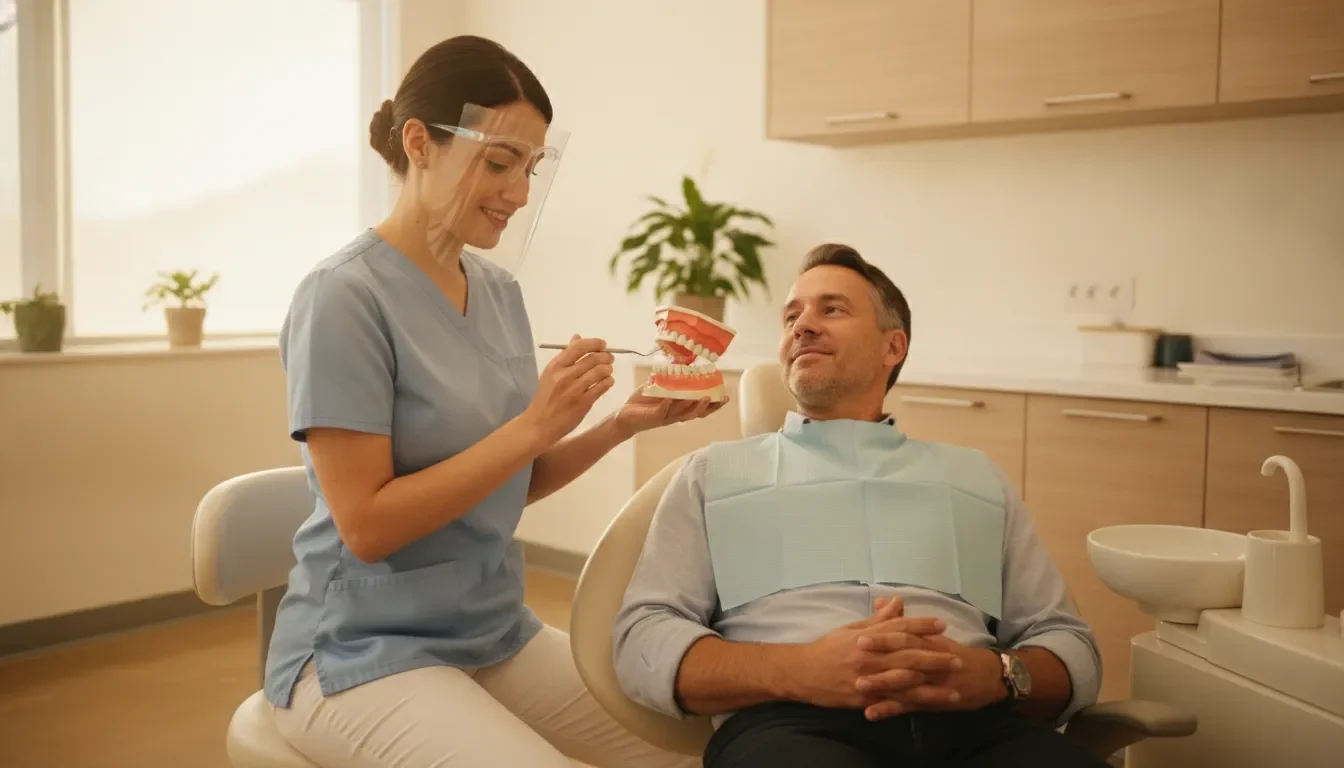
You are the most important defender of your smile. While our team is here to be your partner in health, the small choices you make every single day have the biggest impact on your long-term oral health. Preventing serious dental issues isn’t about luck; it’s about having the right strategy. If you’ve ever wondered how to avoid root canal naturally, you’re asking the perfect question. It’s about so much more than just brushing. We’ll cover the simple, effective habits—from the foods you eat to the way you manage stress—that create a strong foundation for lifelong health.
Key Takeaways
- Proactive habits are your best protection: You can significantly reduce your risk of needing a root canal with consistent daily actions. This includes proper brushing and flossing, eating a tooth-friendly diet, managing stress to prevent grinding, and staying hydrated.
- Partner with your dentist for early intervention: Regular dental check-ups are crucial for catching decay when it’s small and easily treatable. This allows for simpler, gentler procedures that can stop a problem long before a root canal becomes necessary.
- Don’t ignore your tooth’s warning signs: Persistent pain, lingering sensitivity, and swollen gums are clear signals to see a professional. While some home remedies provide temporary relief, they cannot cure an infection, which requires a proper diagnosis and treatment.
What Causes a Root Canal (And How to Prevent One)
Let’s start by clearing the air: a root canal is a procedure designed to save a tooth, not something to fear. It becomes necessary when the soft tissue inside your tooth, known as the pulp, gets infected or inflamed. This can happen for a few reasons, like deep decay from an untreated cavity, a crack or chip that lets bacteria in, or even trauma to the tooth. The procedure itself involves removing the damaged pulp, cleaning the inside of the tooth, and then filling and sealing it to prevent reinfection.
While it’s a highly effective treatment, the real goal is to avoid needing one in the first place. The best strategy is always prevention. Think of it as a three-part plan: maintaining great oral hygiene at home, eating a balanced diet, and partnering with your dentist for regular check-ups. These consistent preventive care visits are your secret weapon, allowing us to catch potential issues when they’re small and easy to manage, long before they become a bigger problem.
How a Simple Cavity Becomes a Big Problem
A cavity doesn’t just appear overnight. It starts as a tiny weak spot on your tooth’s enamel. If left alone, the decay slowly works its way deeper, eventually reaching the tooth’s pulp, which is where the nerves and blood vessels live. Once bacteria reach this inner chamber, it causes an infection, leading to pain and swelling. This is the point where a root canal is needed to clear out the infection and save the tooth from extraction. The good news is that this whole process is preventable. When we spot a cavity in its early stages during a regular check-up, we can often fix it with a simple filling, stopping the decay in its tracks.
Early Warning Signs You Shouldn’t Ignore
Your body is pretty good at telling you when something is wrong, and your teeth are no exception. An infected tooth will often send out clear signals that it needs attention. Don’t ignore a persistent, throbbing toothache or extreme sensitivity to hot and cold temperatures that lingers for more than a few seconds. Other red flags include a tooth that is getting darker, swollen and tender gums around a specific tooth, or a small, pimple-like bump on your gums. If you notice any of these symptoms, it’s time to listen to your body and request an appointment. Acting quickly gives us the best chance to resolve the issue with the simplest treatment possible.
Simple Daily Habits to Protect Your Teeth
Preventing a root canal doesn’t require a complete life overhaul. It’s the small, consistent things you do every day that build a strong defense for your teeth. Think of these habits as your personal oral health toolkit. By focusing on a few key areas, you can significantly reduce your risk of deep decay and keep your smile healthy from the inside out. These simple steps are your first and best line of defense, helping you protect your natural teeth for years to come. It’s all about creating a routine that works for you and supports your long-term health.
Master Your Brushing and Flossing Technique
We all know the drill: brush and floss. But doing it correctly is what truly makes a difference. The main goal is to remove the sticky film of plaque that causes decay. Make sure you’re brushing twice a day for two full minutes, using a soft-bristled brush to avoid irritating your gums. Consider a toothpaste with remineralizing ingredients like hydroxyapatite to help strengthen your enamel. When you floss, curve the floss around each tooth in a C-shape to clean below the gumline. Mastering these simple techniques is a core part of any good preventive care routine and is the most powerful way to stop cavities before they have a chance to form.
Why a Dry Mouth Is Your Enamel’s Enemy
Have you ever noticed your mouth feeling dry? It’s more than just uncomfortable; it’s a red flag for your teeth. Saliva is your body’s natural defense system against cavities. It washes away food debris and neutralizes the harmful acids that bacteria produce. When your mouth is dry, this protective barrier is gone, and your teeth are left vulnerable to attack. To keep saliva flowing, make sure you’re drinking plenty of water throughout the day. Chewing sugar-free gum can also help. If you take medications that cause dry mouth or find it’s a constant issue, it’s a great topic to bring up during your next dental visit. Our team is always here to help new patients find solutions.
The Hidden Impact of Stress on Your Teeth
Life gets stressful, and that tension can show up in surprising places, including your mouth. Many people unconsciously clench their jaw or grind their teeth (a condition called bruxism) when they’re stressed, especially while sleeping. This constant pressure can be incredibly damaging. Over time, it can wear down your enamel, cause tiny fractures, and even crack a tooth. A crack can create an opening for bacteria to get deep inside the tooth, leading to an infection that requires a root canal. Finding healthy ways to manage stress, like taking a walk, practicing mindfulness, or simply unplugging for a bit, isn’t just good for your mind; it’s a crucial step in protecting your teeth.
Protect Your Smile from Grinding and Injury
If you suspect you’re grinding your teeth at night (sore jaw or dull headaches in the morning are common clues), it’s important to take action. A custom-fitted night guard is the most effective way to protect your teeth from the effects of bruxism. It creates a comfortable cushion between your upper and lower teeth, absorbing the pressure so your enamel doesn’t have to. While store-bought guards exist, a professional one is designed to fit your mouth perfectly for better protection and comfort. The same goes for sports; a mouthguard is essential for preventing injuries that could damage a tooth’s nerve. You can easily request an appointment to get fitted for a custom guard and give your smile the protection it deserves.
The Best (and Worst) Foods for Your Teeth
We often think about how food affects our waistline or energy levels, but what we eat has a massive impact on our oral health, too. A smart diet can be one of your best tools for keeping your teeth strong and avoiding problems down the road. It’s not about perfection, but about making small, consistent choices that support a healthy smile from the inside out. Think of it as another layer of defense, working alongside your daily brushing and flossing routine.
Foods That Fortify Your Enamel
Your teeth are constantly rebuilding and need the right nutrients to stay strong. Eating foods rich in specific vitamins and minerals can help your enamel repair itself and slow down decay. Focus on incorporating things like leafy greens, fatty fish, nuts, and cheese into your diet. These foods are packed with calcium and phosphorus, as well as vitamins D and K2, which all work together to strengthen your teeth. Crunchy fruits and vegetables like apples, carrots, and celery are also fantastic because they act like natural toothbrushes, scrubbing away plaque as you chew. A tooth-friendly diet is a cornerstone of great preventive care.
The Top Culprits: Sugar, Acid, and Processed Foods
On the flip side, some foods can actively work against your smile. The biggest offenders are sugar and acid. Sugary treats, sodas, and even starchy foods like crackers and chips feed the harmful bacteria in your mouth, which then produce acid that attacks your enamel. Acidic foods and drinks, like citrus, sports drinks, and coffee, can directly erode your enamel over time. You don’t have to cut these out completely, but it’s important to be mindful. Try to limit them, and when you do indulge, rinse your mouth with water afterward to help neutralize the acid and wash away lingering sugar.
Key Supplements for Stronger Teeth
While a balanced diet is always the best source of nutrients, sometimes supplements can help fill in the gaps to give your teeth extra support. A diet rich in vitamins D and K2, along with magnesium, can help slow decay and support the natural healing process of your teeth. Vitamin D is crucial for absorbing calcium, and Vitamin K2 helps make sure that calcium gets directed to your bones and teeth where it belongs. Before you start taking any new supplements, it’s always a good idea to chat with your doctor or dentist to make sure you’re choosing the right ones for your specific health needs.
Do Natural Oral Health Products Really Work?
With so many “natural” products on the shelves, it’s easy to wonder if they can replace your traditional dental routine. The truth is, some natural ingredients and practices can be great additions to your oral care, while others are more hype than help. The key is knowing which ones are backed by science and understanding their limits. Natural remedies can support a healthy mouth, but they are not a substitute for professional dental care, especially when you’re trying to prevent serious issues like a root canal. Let’s look at what actually works.
Effective Toothpaste Ingredients to Look For
When you’re standing in the toothpaste aisle, the options can feel endless. While fluoride is the gold standard for fighting cavities, some people prefer alternatives. If that’s you, look for toothpastes containing hydroxyapatite. This is a mineral that naturally makes up most of your tooth enamel. Using a toothpaste with hydroxyapatite can help remineralize and strengthen your enamel, making it more resistant to decay. Brushing twice a day with a remineralizing toothpaste is a fantastic step in your preventive care routine, helping to keep your teeth strong and healthy from the outside in.
Choosing a Better Mouthwash
A good mouthwash can feel like the finishing touch to a clean mouth, but not all rinses are created equal. Many popular brands contain high levels of alcohol, which can actually dry out your mouth. A dry mouth is a breeding ground for bacteria and can increase your risk of cavities and gum disease. Instead, opt for an alcohol-free, moisturizing rinse. These formulas help maintain a healthy oral environment without the harsh, drying effects of alcohol. Staying hydrated by drinking plenty of water throughout the day is another simple but powerful way to keep your mouth healthy and comfortable.
The Truth About Oil Pulling
You may have heard about oil pulling, an ancient practice that involves swishing oil (usually coconut oil) in your mouth for several minutes. Proponents claim it “pulls” toxins and bacteria from the mouth. Research suggests that oil pulling with coconut oil may help reduce the bad bacteria that contribute to plaque and gingivitis. While it can be a supportive practice for managing very mild gum inflammation, it’s not a cure-all. Think of it as a potential helper for your gums, but don’t rely on it to fix significant decay or advanced gum disease.
Natural Remedies for Minor Tooth Discomfort
When you have a minor toothache, it’s natural to look for immediate relief. Certain herbal remedies can offer temporary help. Clove oil, for example, contains a natural anesthetic called eugenol and can be dabbed on a sore tooth for short-term pain relief. Turmeric has anti-inflammatory properties and can be made into a paste to help soothe swollen gums. It’s important to remember that these are temporary fixes, not cures. They might calm down your symptoms for a few hours, but they won’t address the underlying cause of the pain, like a cavity or infection.
Using Natural Remedies Safely (And When to Call a Dentist)
While natural remedies like oil pulling and herbal compresses can help manage symptoms like pain and swelling, they cannot fix the root cause of an infected or decayed tooth. An infection deep inside your tooth requires professional treatment to remove the bacteria and save the tooth. Using natural remedies without addressing the core problem can allow the infection to worsen. If you’re experiencing persistent tooth pain, sensitivity, or swelling, it’s a sign that you need to see a dentist. Please don’t wait for the pain to become unbearable; it’s always best to schedule an appointment and get a proper diagnosis.
How Regular Dental Visits Can Save Your Tooth
While your daily habits are your first line of defense, partnering with a great dentist is the secret to keeping your teeth healthy for life. Think of regular dental visits as your smile’s safety net. They are the single most effective way to catch small issues before they become big, painful, and expensive problems. When we can spot decay in its earliest stages, we have so many more options for simple, gentle treatments that protect your natural tooth structure and help you completely sidestep the need for a root canal. It’s all about teamwork, and we’re here to be your partners in preventive care.
What to Expect at Your Preventive Care Visit
If it’s been a while since your last check-up, you might feel a little nervous, and that’s completely normal. Our goal is to make your preventive care visit a positive and stress-free experience. During your appointment, we don’t just polish your teeth. We perform a thorough but gentle cleaning to remove plaque and tartar from hard-to-reach areas. More importantly, we conduct a careful examination of your teeth and gums to look for any early signs of trouble. Catching a tiny spot of decay or a bit of gum inflammation now is what allows us to intervene simply and effectively, preventing the need for more complex procedures later on.
Early Interventions That Stop Decay in Its Tracks
What happens if we do find a small cavity? It doesn’t automatically mean you’re on the path to a root canal. When decay is caught early, we can often use minimally invasive techniques to stop it from progressing. For example, if decay is very close to the tooth’s nerve (or pulp), a procedure called pulp capping can be used. This involves placing a protective layer over the pulp to shield it and give it a chance to heal itself, often preventing infection and the need for a root canal. These gentle interventions are only possible with early detection, which is why your regular check-ups are so critical.
Why Healthy Gums Are Your First Line of Defense
We often focus so much on our teeth that we forget about what’s supporting them: our gums. Healthy gums are the foundation of a healthy smile. They form a tight seal around your teeth, protecting the roots and underlying bone from bacteria. When your gums are compromised by gum disease, that protection is lost, which can lead to serious infections and even tooth loss. During your check-up, we always perform a periodontal exam to assess your gum health. Keeping your gums in top shape is a powerful, proactive step you can take to protect your teeth for the long haul. Ready to get your smile’s safety net in place? You can request an appointment with our team today.
Exploring Gentle Alternatives to Root Canals
When you hear the words “root canal,” it’s easy to feel a little anxious. Many people associate it with a long, uncomfortable procedure, but the reality is that modern root canals are designed to relieve pain, not cause it. Still, wouldn’t it be better to avoid one altogether? The good news is, if we catch a problem in its earliest stages, there are often less invasive ways to handle it. Think of these as proactive measures to stop decay in its tracks and give your tooth a chance to heal, rather than waiting until a more intensive procedure is the only option.
These alternatives aren’t a replacement for a necessary root canal, but they represent a shift toward prevention and early intervention. The goal is to work together to find the gentlest, most effective solution for your specific situation. By exploring options that support your body’s natural healing processes, we can often preserve more of your natural tooth structure and keep your smile healthy for the long run. This approach aligns perfectly with our focus on stress-free, personalized care that considers your overall well-being. It all starts with a conversation about the preventive care options that are right for you and creating a plan to keep your teeth strong from the inside out.
Ozone Therapy for Early-Stage Decay
One of the gentle techniques we can use for early-stage decay is ozone therapy. This approach uses medical-grade ozone gas, a powerful, naturally occurring sterilizer, to eliminate the harmful bacteria causing a cavity. Unlike a traditional filling, it doesn’t involve any drilling. Instead, the gas painlessly penetrates the tooth to kill germs and can help halt the progression of decay.
It’s a fantastic option for small cavities that haven’t yet caused structural damage to the tooth. While it’s not a fix for deep decay, using ozone therapy early on can be an effective, chemical-free way to manage a minor issue and prevent it from becoming a major problem.
Strengthen Your Teeth with Remineralization and Sealants
Your teeth have an amazing natural ability to repair themselves, a process called remineralization. You can support this process by using a toothpaste with ingredients like fluoride or hydroxyapatite, which help rebuild weakened enamel. A diet rich in vitamins and minerals also gives your teeth the building blocks they need to stay strong.
For extra protection, especially on the chewing surfaces of your back molars, we can apply dental sealants. A sealant is a thin, protective coating that is painted onto the tooth. It acts as a barrier, “sealing” out the plaque and food particles that cause decay in the first place. It’s a simple, painless step that can make a huge difference in preventing cavities.
Your Partner in Preventive Dental Care
Ultimately, the best way to avoid a root canal is to have a strong partner in your corner. That’s where we come in. Regular dental check-ups are your first and best line of defense because they allow us to spot trouble when it’s small and manageable. Catching a tiny spot of decay early opens up a world of gentle, preventive options that are no longer on the table once the decay becomes severe.
Even if you are committed to natural oral health, it’s essential to get a professional opinion. We can properly diagnose what’s happening and help you understand which treatments will be safest and most effective for you. We are here to support your health goals and welcome all new patients who want to take a proactive approach to their dental care.
Related Articles
- Root Canal Therapy – Lowell Family Dental Practice & Implant Center
- Prevention Tips for Children – Lowell Family Dental Practice & Implant Center
- The Preventive Program – Lowell Family Dental Practice & Implant Center
- Scaling and Root Planing – Lowell Family Dental Practice & Implant Center
- Abscessed Tooth – Lowell Family Dental Practice & Implant Center
Frequently Asked Questions
My tooth only hurts sometimes. Do I really need to see a dentist right away? Yes, you should definitely schedule a visit. A toothache that comes and goes is often your body’s early warning signal that something is wrong. Pain, even if it isn’t constant, can indicate that decay is getting close to the nerve or that there’s an underlying infection starting. By addressing it now, we have a much better chance of using a simple treatment to fix the problem. Waiting until the pain is severe often limits our options and makes a more complex procedure necessary.
If I brush and floss perfectly, am I guaranteed to never need a root canal? Excellent brushing and flossing are your absolute best defense, but unfortunately, they aren’t a complete guarantee. A root canal can also become necessary due to things outside of your control, like a crack from an accidental injury or from clenching your jaw at night. This is why regular check-ups are so important. They allow us to spot issues like tiny fractures or the effects of grinding before they can lead to an infection inside the tooth.
I think I have a deep cavity. Is it too late to avoid a root canal? Not necessarily. The key is how close the decay is to the tooth’s pulp, or nerve. If we catch it in time, there are gentle procedures we can use to protect the pulp and give it a chance to heal itself, stopping the problem before a full root canal is needed. This is why it’s so important to come in for an evaluation as soon as you suspect a problem. The earlier we can intervene, the more options we have to save your tooth with the most minimal treatment possible.
Can I use natural remedies like clove oil to fix a toothache instead of seeing a dentist? Natural remedies like clove oil can be helpful for providing temporary pain relief, but they cannot fix the underlying cause of the toothache. An infection deep inside a tooth requires professional treatment to remove the bacteria and disinfect the area. Relying only on natural remedies can allow the infection to worsen, potentially leading to more severe pain or even tooth loss. It’s best to use them for short-term comfort while you’re on your way to a dental appointment.
Besides brushing and flossing, what’s the most important thing I can do to protect my teeth? Managing what goes into your mouth and how you handle stress are two incredibly powerful habits. Try to limit sugary and acidic foods, and make sure you’re drinking plenty of water to keep your mouth from getting dry. Saliva is your body’s natural defense against cavities. Also, pay attention to jaw tension. If you suspect you grind your teeth, finding ways to manage stress and talking to us about a custom night guard can prevent cracks and damage that leave your teeth vulnerable to infection.
Written by
Dr. Iham Gammas, DMDBoard-Certified Implant Dentist & Founder, Lowell Family Dental Practice. Fellow & Master of ICOI and IADI. Associate Fellow of AAID.