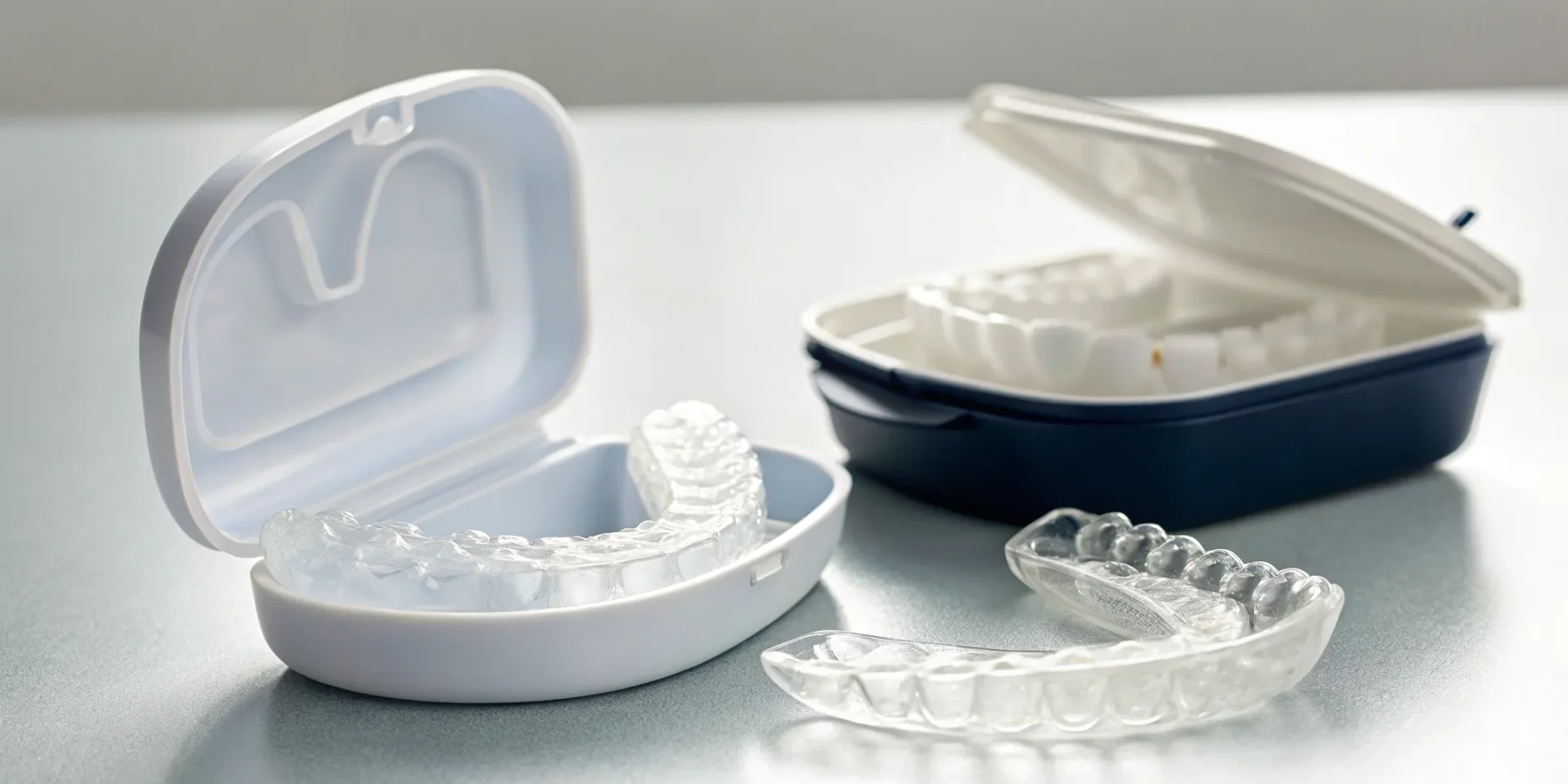
Many people who grind their teeth have no idea they’re even doing it. The habit often happens during deep sleep, so the only clues are the symptoms you wake up with: unexplained headaches, jaw soreness, or even chipped teeth. Over time, this unconscious habit can take a serious toll on your oral health. A professionally recommended night guard for teeth grinding is the most effective way to protect your smile from this hidden problem. It creates a safe barrier that absorbs the damaging forces while you rest. This guide will help you understand the telltale signs of bruxism, explain why a professional evaluation is so important, and show you how to choose a guard that will keep your teeth safe for years to come.
## Key Takeaways
* **A night guard is a shield, not a cure**: Its purpose is to absorb the pressure from grinding and clenching, acting as a protective barrier to prevent tooth damage and reduce jaw strain. The right material, whether soft, hard, or a hybrid, depends on the severity of your grinding.
* **A custom fit is the best investment**: While over-the-counter guards are available, a custom-fitted guard from your dentist provides superior comfort and protection. A precise fit ensures you’ll wear it consistently, making it a more effective long-term solution for your oral health.
* **Professional guidance is key**: Don’t self-diagnose your symptoms. A dentist can accurately assess the severity of your teeth grinding, recommend the correct type of guard, and ensure it is perfectly tailored to your bite for maximum effectiveness.
## What Is a Night Guard?
If you’ve ever woken up with a sore jaw or a dull headache, you might be one of the millions of people who grind their teeth at night, a condition known as bruxism. Many people don’t even realize they’re doing it until a dentist points out the signs. The good news is that there’s a straightforward solution: a night guard.
A night guard is a custom-fitted or store-bought dental appliance that you wear over your teeth while you sleep. Think of it as a protective barrier for your smile. It’s designed to absorb the force of clenching and grinding, preventing your top and bottom teeth from scraping against each other. This simple device can make a huge difference in your oral health and overall comfort, protecting your teeth from long-term damage. At Lowell Family Dental Practice, we often recommend night guards as a first line of defense against the effects of bruxism.
### Signs You Might Be Grinding Your Teeth
Since teeth grinding often happens while you’re asleep, you might not be aware of it. However, your body will likely send you a few signals. Waking up with persistent jaw pain, facial soreness, or unexplained headaches are classic indicators. You might also notice that your teeth look shorter, flatter, or chipped over time.
Another common symptom is increased tooth sensitivity. The constant grinding can wear down your enamel, which is the hard, protective outer layer of your teeth. This exposes the more sensitive layers underneath, making your teeth ache when you consume hot, cold, or sweet foods and drinks. If any of these signs sound familiar, it’s a good idea to [schedule an appointment](https://local.demandforce.com/b/lowellfamilydental/schedule?widget=1) for a professional evaluation.
### How a Night Guard Protects Your Smile
A night guard works by creating a soft cushion between your upper and lower teeth. This physical barrier prevents direct tooth-on-tooth contact, effectively stopping the grinding action from causing damage. By absorbing the pressure from clenching, it not only saves your enamel from being worn away but also helps reduce the strain on your jaw muscles.
This simple intervention can prevent a host of future problems, including cracked teeth, damaged fillings, and even issues with your jaw joint (TMJ). A well-made night guard is designed purely to protect your oral health, ensuring your smile stays healthy and strong for years to come. It’s a small step that provides significant protection while you get a restful night’s sleep.
## Exploring the Different Types of Night Guards
Once you and your dentist decide a night guard is the right step, the next question is: which kind? Night guards aren’t a one-size-fits-all solution, and picking the right one is key to protecting your smile. They come in a few different materials, each designed to handle a specific level of teeth grinding, also known as bruxism. The main goal is to find a guard that’s strong enough to prevent damage but comfortable enough that you’ll actually wear it every single night. After all, the best night guard is one that doesn’t stay in its case.
Think of it like buying running shoes. You wouldn’t buy hiking boots for a marathon, right? Similarly, the type of guard you need depends entirely on your personal situation. Someone who clenches their jaw lightly when stressed will need something different from someone who grinds their teeth heavily all night long. The material directly impacts how it feels and how well it holds up to pressure. Understanding these options will help you have a more productive conversation with your dentist about finding the perfect fit for your smile and your sleep. Let’s look at the three main types so you can feel confident in your choice.
### Soft Guards for Lighter Grinding
If you’re a mild clencher or grinder, a soft night guard might be your perfect match. These are typically made from a flexible, rubber-like plastic that feels more comfortable against your teeth and gums. The main purpose of a soft guard is to create a gentle cushion between your upper and lower teeth, absorbing some of the pressure from clenching. Because they are made from a softer material, they are often the most comfortable option, making them easier to get used to wearing every night. They are a great starting point for anyone new to night guards or whose bruxism is on the lighter side.
### Hard Guards for More Severe Cases
For those with more severe or chronic teeth grinding, a hard night guard is usually the recommended choice. These guards are crafted from a firm, durable acrylic material that is built to last. Unlike soft guards that just provide a cushion, a hard guard creates a rigid barrier that prevents your teeth from making contact at all. This offers maximum protection against the intense forces of heavy grinding, which can lead to tooth wear, fractures, and jaw pain. While they can take a bit longer to get used to, their durability makes them the most effective option for protecting your smile from significant long-term damage.
### Dual Laminate: The Best of Both Worlds
What if your grinding is somewhere in the middle? Or what if you need serious protection but can’t stand the thought of a hard piece of acrylic in your mouth? Enter the dual laminate night guard. This hybrid option truly offers the best of both worlds. It’s designed with a soft, comfortable inner layer that rests against your teeth and a tough, hard outer layer that can withstand heavy grinding. This clever design provides the durability you need for moderate to severe bruxism without sacrificing comfort. It’s an excellent choice for many people, offering a great balance of protection and a pleasant wearing experience.
## Custom vs. Over-the-Counter: Which Is Right for You?
When you’re looking for a night guard, you’ll find two main paths: getting a custom-fitted one from your dentist or picking one up at the local pharmacy. The right choice depends on your specific needs, the severity of your grinding, and your budget. While a store-bought guard might seem like a quick fix, a custom guard is a long-term investment in your health. Let’s walk through the differences so you can make a decision that feels right for you and your smile.
### The Perks of a Custom-Fitted Guard
A custom-fitted night guard, created by your dentist, is the gold standard for a reason. Because it’s made from a precise impression of your teeth, the fit is perfect. It snaps securely into place and feels comfortable, not bulky. This means you’re more likely to wear it every night, which is key to protecting your teeth. Custom guards also offer the best protection because they are designed to handle the specific force of your bite and are made from durable, high-quality materials built to last for years. Think of it as a personalized piece of protective dental equipment designed just for you.
### The Pros and Cons of Store-Bought Options
Over-the-counter night guards are appealing because they are inexpensive and readily available. Most of these are “boil-and-bite” guards, which you soften in hot water and then bite into to create a mold. While this is a step up from one-size-fits-all options, the fit is never as precise as a custom guard. They often feel bulky or loose, which can be distracting when you’re trying to sleep. More importantly, a poor fit offers inadequate protection and, in some cases, might even strain your jaw. An OTC guard is generally a temporary solution at best.
### Comparing Cost and Long-Term Value
The upfront cost is the biggest difference between custom and store-bought guards. A custom guard from your dentist is a bigger initial investment, but it’s important to look at the long-term value. A durable, custom-made guard can last for several years with proper care. In contrast, you might replace a less durable OTC guard a few times a year, and those costs add up. A custom guard provides superior protection, helping you avoid expensive dental services like crowns or implants down the road. Investing in a custom guard now can save you money and protect your smile for years to come.
## How Severe Is Your Teeth Grinding?
Understanding the intensity of your teeth grinding is the first step toward finding the right solution. The severity can range from occasional and mild to chronic and severe, and each level requires a different approach to protection. Paying attention to the signs your body is giving you and seeking a professional opinion will help you determine the best night guard for your specific needs.
### Telltale Signs and Symptoms
Since most teeth grinding happens while you’re asleep, you might not even realize you’re doing it. The clues often show up the next morning. Do you wake up with a sore jaw, dull headaches, or facial pain? These are classic signs. Over time, you might also notice changes to your teeth. Bruxism can wear down your tooth enamel, leading to increased sensitivity to hot or cold foods. In more serious cases, it can even cause your teeth to become chipped, flattened, or loose. If any of this sounds familiar, it’s a good idea to pay closer attention.
### Why a Professional Opinion Matters
While you can spot the symptoms, a dentist is the only one who can truly gauge the extent of the damage and the severity of your grinding. During an exam, we can identify wear patterns that you might not see and check for any stress on your jaw muscles. This professional assessment is key to choosing the right night guard. A guard that’s too soft for heavy grinding will wear out quickly, while one that’s too hard might not be necessary for a mild case. Getting a custom-fitted night guard from a dental professional ensures you get the best protection, a comfortable fit, and a durable solution tailored just for you.
## Key Factors to Consider When Choosing a Night Guard
When you’re ready to find a night guard, a few key details can make all the difference in getting a good night’s sleep and protecting your smile. Think of it less like grabbing a generic product off the shelf and more like finding the perfect pair of shoes. It needs to be durable enough for the job, fit you just right, and have the right level of support. A guard that checks all these boxes will feel comfortable and do its job effectively, so you can wake up without jaw pain or tooth sensitivity.
Making the right choice comes down to understanding your own needs and preferences. Do you grind your teeth heavily or just clench your jaw lightly? Are you sensitive to the feeling of having something in your mouth? Answering these questions will help you decide what to prioritize. A night guard isn’t just a piece of plastic; it’s a custom tool designed to protect your oral health from the long-term effects of bruxism, like worn-down enamel, cracked teeth, and jaw disorders. That’s why taking the time to choose wisely is so important. Let’s walk through the three most important factors to consider: the material it’s made from, how well it fits, and its thickness.
### Finding a Durable, High-Quality Material
A night guard has a tough job, so it needs to be made from a material that can handle the pressure of grinding and clenching night after night. Custom night guards, like the ones we design for our patients, are made from strong, professional-grade materials designed for longevity. While they might take a little getting used to at first, their durability means they are built to last and offer superior protection. Investing in a high-quality material ensures your guard won’t wear down quickly, giving you a reliable and long-term solution for protecting your teeth from damage.
### Prioritizing a Comfortable and Secure Fit
If your night guard isn’t comfortable, you probably won’t wear it consistently, which defeats its purpose. That’s why a snug, secure fit is so important. A well-fitted guard stays in place all night, providing continuous protection without feeling bulky or awkward. This is where custom-made mouth guards really shine. Because they are molded to the exact shape of your teeth and gums, they offer a level of comfort and security that over-the-counter options just can’t match. This personalized fit ensures you can rest easy without being distracted by a loose or ill-fitting appliance.
### Choosing the Right Thickness for Your Needs
Night guards are not one-thickness-fits-all. You have options, and the right choice often depends on your grinding habits and personal comfort. A thinner guard is less noticeable and can make it easier to talk, which some people prefer. A thicker guard, on the other hand, can feel more substantial and protective, which is often a better choice for more severe grinding. The goal is to find the right balance for you. A professionally made guard can be tailored to the ideal thickness for your needs, ensuring it’s both effective and comfortable enough for nightly use.
## Understanding the Cost and Where to Buy
Once you’ve decided a night guard is the right move for protecting your smile, the next step is figuring out the logistics. The cost and purchasing process can feel a bit overwhelming, especially with so many options available. Think of a night guard not just as a purchase, but as an investment in your long-term oral health. A quality guard can save you from costly dental work down the road by preventing cracked teeth, worn enamel, and jaw pain.
The price of a night guard depends heavily on the type you choose and where you get it from. You can find basic options at your local pharmacy or order a custom-fit guard online or directly from your dentist. Each path has its own price point and set of benefits. To help you make a clear choice, let’s break down what you can expect to pay, your buying options, and how dental insurance might help with the cost.
### A Look at Price Ranges
The cost of a night guard can range from less than $30 for a generic, over-the-counter version to several hundred dollars for a professionally fitted one from your dentist. While the lower price tag of a store-bought guard is tempting, it’s important to consider its lifespan and effectiveness.
Custom-made guards, whether from a dentist or an online lab, are made from more durable materials and are designed to last anywhere from three to ten years. Online services that send you an impression kit typically charge between $95 and $200, depending on the material and the severity of your grinding. A guard from your dentist may cost more upfront, but it comes with professional oversight, ensuring the perfect fit and addressing your specific needs.
### Your Buying Options: Dentist, Online, or Retail
You generally have three places to get a night guard, each offering a different level of customization and professional guidance. Getting a guard from your dentist is the best route for a truly custom fit. We take a precise impression of your teeth to create a guard that is comfortable, durable, and offers the best possible protection.
Online retailers are another option; they mail you a kit to take your own dental impression. While more customized than store-bought versions, this path lacks in-person guidance. Finally, over-the-counter (OTC) guards are the most accessible and affordable. Found in drugstores, these are often “boil-and-bite” models. While better than nothing, these types of mouth guards are typically bulkier and less durable.
### Will Insurance Cover Your Night Guard?
This is a common and important question. The answer often depends on your specific dental insurance plan and the reason you need the guard. If a dentist diagnoses you with bruxism (the medical term for teeth grinding), some insurance plans may cover a portion or even the full cost of a custom-fitted occlusal guard.
It’s always a good idea to check directly with your insurance provider to understand your coverage. You can also typically use funds from a Health Savings Account (HSA) or Flexible Spending Account (FSA) to pay for a night guard. Our team is happy to help you understand your benefits and explore payment options. You can find more information on our New Patients page.
## What to Expect from a High-Quality Night Guard
A good night guard does more than just sit in your mouth; it actively protects your smile while you sleep. Whether you go with a custom-fit model from our office or a store-bought version, there are a few non-negotiables. A high-quality guard should feel comfortable, stay in place, and be made from durable, safe material. It acts as a protective cushion, absorbing the force from clenching and grinding that would otherwise wear down your enamel. Let’s break down what sets a great night guard apart from the rest.
### The Custom-Fit Difference
When it comes to night guards, a custom fit makes all the difference. Unlike one-size-fits-all options, a custom guard is made from an impression of your teeth, so it’s shaped specifically for your unique bite. This means it snaps into place securely and won’t feel bulky or awkward, which is a common reason people stop wearing their guards. Because they fit so well, custom-made types of mouth guards offer superior protection and are far more comfortable for all-night wear. They’re also built to last, making them a worthwhile investment in your long-term oral health.
### What to Look for in Over-the-Counter Options
If you’re exploring over-the-counter (OTC) night guards, you’ll find plenty of options at your local pharmacy. Most of these are “boil-and-bite” guards, which you soften in hot water and then bite into to create a mold. While they are more budget-friendly, the fit is less precise than a custom guard and they can feel bulky. If you go this route, look for brands that offer a slimmer profile or adjustable features for a more secure fit. These can be a decent starting point, but keep in mind they tend to wear out faster and may not provide the same level of protection as a professionally made guard.
### Key Features That Matter Most
Regardless of which type you choose, the most important feature of a night guard is comfort. If it’s uncomfortable, you simply won’t wear it. A good guard should fit snugly without irritating your gums or disrupting your sleep. Its primary job is to create a protective barrier that absorbs the pressure from grinding and prevents your top and bottom teeth from making contact. This not only saves your enamel from wear and tear but can also help relieve jaw muscle soreness and headaches associated with clenching. At Lowell Family Dental Practice, we can help you find a solution that provides both comfort and effective preventive care.
## How to Care for Your Night Guard
Once you’ve invested in a night guard, taking care of it is the next crucial step. Think of it as an extension of your oral hygiene routine. Proper care not only keeps your guard clean and fresh but also ensures it continues to protect your teeth effectively for as long as possible. A little daily maintenance goes a long way in preserving its shape, preventing bacteria buildup, and making sure you get the most out of your investment in a healthier smile. Let’s walk through the simple steps to keep your night guard in top condition.
### Your Daily Cleaning Routine
Just like you brush your teeth every morning, your night guard needs a quick clean, too. To maintain its hygiene and longevity, it’s essential to clean it daily. When you take it out, rinse the guard with lukewarm water. Then, use a soft toothbrush and a gentle, non-abrasive soap to give it a light scrub. It’s important to avoid using toothpaste, as its abrasive ingredients can create tiny scratches on the guard’s surface, which can harbor bacteria. Making this a part of your morning routine is a simple way to keep your guard fresh and support your overall preventive care efforts.
### Proper Storage and When to Replace It
After cleaning your night guard, let it air dry completely before storing it. It’s best to keep it in a ventilated case, which allows air to circulate and helps prevent bacteria from growing. This also protects it from getting lost or damaged. While a custom guard is durable, it won’t last forever. You should plan to replace your night guard every 6 to 12 months, depending on how heavily you grind and the wear and tear you notice. If you see cracks or it starts to feel loose, it’s time for a new one. During your next check-up, we can assess its condition and help you decide if it’s time for a replacement. You can always [request an appointment](https://local.demandforce.com/b/lowellfamilydental/schedule?widget=1) to have it checked.
## Common Night Guard Myths, Busted
There’s a lot of chatter out there about night guards, and not all of it is accurate. Misinformation can keep you from getting the protection you need, so let’s clear up a few common myths. Understanding what a night guard can and can’t do is the first step toward making an informed decision about your oral health.
A night guard is a simple yet powerful tool designed to shield your teeth from the intense pressure of grinding and clenching, a condition known as bruxism. Think of it as a protective cushion between your upper and lower teeth. By absorbing the force, it prevents wear and tear, cracks, and jaw pain. But like any solution, it’s important to have the right expectations and address any safety concerns you might have from the start.
### Setting Realistic Expectations
Let’s get one thing straight: a night guard doesn’t actually stop you from grinding your teeth. Instead, its job is to protect your teeth and jaw from the damage that grinding causes. It acts as a barrier, taking the hit so your enamel doesn’t have to. Another common misconception is that any guard will do. The truth is, a proper fit is essential for both comfort and effectiveness. A one-size-fits-all approach rarely works because everyone’s mouth is unique. A poorly fitting guard can be uncomfortable and may not provide the protection you need, which is why a custom-fitted guard is often the best choice.
### Addressing Common Safety Concerns
Some people worry that wearing a night guard could weaken their teeth or jaw over time. Rest assured, these devices are designed to protect, not harm, your oral health. When properly fitted and cared for, a night guard is a safe and effective tool. Discomfort is another common concern, but a well-made guard should feel comfortable enough to sleep in. If it’s causing irritation, it’s likely not the right fit. Remember to clean your guard daily and replace it as recommended. Neglecting your guard can reduce its effectiveness and introduce bacteria, so proper maintenance is key to keeping your smile safe and healthy.
## When Is It Time to See a Dentist?
If you wake up with a sore jaw, dull headaches, or notice your teeth look a little shorter or more worn down, it’s a good idea to check in with your dentist. These are classic signs of teeth grinding, or bruxism, and it’s not something you should ignore. While it might seem like a minor annoyance, chronic grinding can lead to cracked teeth, damaged enamel, and even tooth loss over time. It’s easy to put off a dental visit, but getting a professional opinion is the first step toward protecting your smile.
A dentist can do a thorough evaluation to confirm if you’re grinding your teeth and assess the extent of any damage. They’ll check for signs of wear and tear that you might not be able to see on your own. From there, they can determine if a night guard is the right solution for you and discuss the best type for your specific situation. Instead of guessing which over-the-counter option might work, you get a clear, personalized plan to keep your teeth safe and healthy. Don’t wait for the pain to get worse; [scheduling an appointment](https://local.demandforce.com/b/lowellfamilydental/schedule?widget=1) is a simple, proactive step you can take for your long-term oral health.
### The Benefits of a Professional Evaluation
When it comes to night guards, a custom fit makes all the difference. While store-bought options are available, a professional evaluation ensures you get a guard that’s perfectly molded to your teeth and bite. A dentist will take precise impressions of your mouth to create a device that’s not only comfortable but also provides the best possible protection. According to the Cleveland Clinic, these custom-made mouth guards are more durable and offer superior protection against the forces of grinding. This personalized approach means your night guard will stay in place, feel less bulky, and last for years with proper care, making it a worthwhile investment in your smile.
### Exploring Other Treatment Options
A night guard is an excellent tool for protecting your teeth from damage, but it doesn’t stop the grinding itself. Think of it as a shield for your smile. The underlying cause, which is often stress or anxiety, still needs to be addressed. During your visit, we can discuss the potential triggers for your teeth grinding and explore a more comprehensive approach to your care. This might include stress-reduction techniques, lifestyle adjustments, or other dental services to correct any bite issues that could be contributing to the problem. Our goal is to protect your teeth while also helping you find a lasting solution for a healthier, more comfortable life.
## Frequently Asked Questions
**Will a night guard actually stop me from grinding my teeth?**
That’s a great question, and it gets to the heart of a common misconception. A night guard doesn’t stop the grinding habit itself; instead, it acts as a protective shield for your teeth. It absorbs the intense pressure from clenching and creates a barrier between your upper and lower teeth. This prevents your enamel from wearing down and protects your teeth from chips and cracks while you sleep.
**Is a custom-fitted night guard really that much better than one from the pharmacy?**
Yes, and the difference comes down to fit, comfort, and durability. A custom guard is made from a precise impression of your teeth, so it snaps into place securely and feels much less bulky. Because it’s more comfortable, you’re more likely to wear it consistently. While the initial investment is higher, a custom guard is made from higher-quality materials that last for years, offering superior protection that can help you avoid costly dental work later on.
**How do I know which type of night guard material is right for me?**
The best material really depends on the severity of your grinding. If you’re a light clencher, a flexible, soft guard might provide all the cushion you need. For more severe grinding, a hard acrylic guard offers the most durable protection. There are also hybrid options, called dual laminate guards, that have a soft inner layer for comfort and a hard outer layer for strength. The best way to decide is to have a conversation with your dentist, who can assess your needs and recommend the perfect fit.
**How long will my night guard last, and how do I take care of it?**
With proper care, a custom-fitted night guard can last for several years. To keep it in great shape, you should clean it every morning. Just rinse it with lukewarm water and gently scrub it with a soft toothbrush and a non-abrasive soap. Avoid using toothpaste, which can scratch the surface. Let it air dry completely before putting it in its ventilated case. If you notice any cracks or if the fit starts to feel loose, it’s time to get it checked.
**I wake up with headaches and a sore jaw. Does that automatically mean I need a night guard?**
Waking up with jaw pain and headaches are classic signs of teeth grinding, but it’s always best to get a professional evaluation. A dentist can confirm if bruxism is the cause by looking for specific wear patterns on your teeth and checking for stress in your jaw muscles. This ensures you get an accurate diagnosis and the right solution to protect your smile, whether that’s a night guard or another treatment.
Written by
Dr. Iham Gammas, DMDBoard-Certified Implant Dentist & Founder, Lowell Family Dental Practice. Fellow & Master of ICOI and IADI. Associate Fellow of AAID.