Missing teeth can make it hard to chew your favorite foods or speak with ease. Many people in Lowell face the choice between a quick fix and a long-term plan. Both dental implants and dentures offer ways to fix your smile and protect your jaw health.
Ready to restore your smile and confidence? Schedule your free dental implant consultation with Dr. Iham Gammas at Lowell Family Dental Practice today by calling (978) 458-1179.
Picking between dental implants vs dentures is a big step in fixing your teeth and smile while protecting your oral health for the long term. Dental implants are small metal posts that act as new tooth roots to hold a crown in place and help stop bone loss in your jaw. Dentures are sets of teeth that you take out; they rest on your gums to help you eat and talk but may feel loose over time. Research shows that implants help patients feel much better than standard dentures because they act more like real teeth when you chew or speak. The best choice for you depends on your bone health, your budget, and how much time you want to spend on your daily dental care routine.
Deciding which path to take means knowing the facts about each care option. You must learn what are dental implants and how do they work before you compare them to other tools. The path to your new smile starts with a personalized consultation to find the perfect fit for your lifestyle and goals.
Dental Implants Vs Dentures: What are dental implants and how do they work?
Dental implants are a new way to replace teeth that are gone. They are made to look, feel, and work just like your real teeth. Many people choose them because they are a long-term fix. Not like other ways that sit on top of your gums, an implant is set into your jaw. It acts as a new root for a new tooth. This makes it a strong and stable choice for anyone who wants a healthy smile for years to come.
This kind of care aims for long-term health and a stable bite. At our office, we view these as a key part of restorative care. Most experts agree that dental implants give better results than many older ways of fixing missing teeth. They are a great choice if you want to eat all your favorite foods without worry. You will not have to deal with the stress of a tooth that moves or falls out.
A look at the implant parts
An implant consists of three essential components that work in harmony to replace a natural tooth.
- The Titanium Implant Post: A small, medical-grade metal post that is surgically placed into your jawbone, acting as a sturdy root substitute that integrates with your bone.
- The Abutment: A connector piece that attaches securely to the implant post and supports the final restoration.
- The Custom Dental Crown: The visible, tooth-colored prosthetic crown designed to blend seamlessly with your surrounding natural teeth.
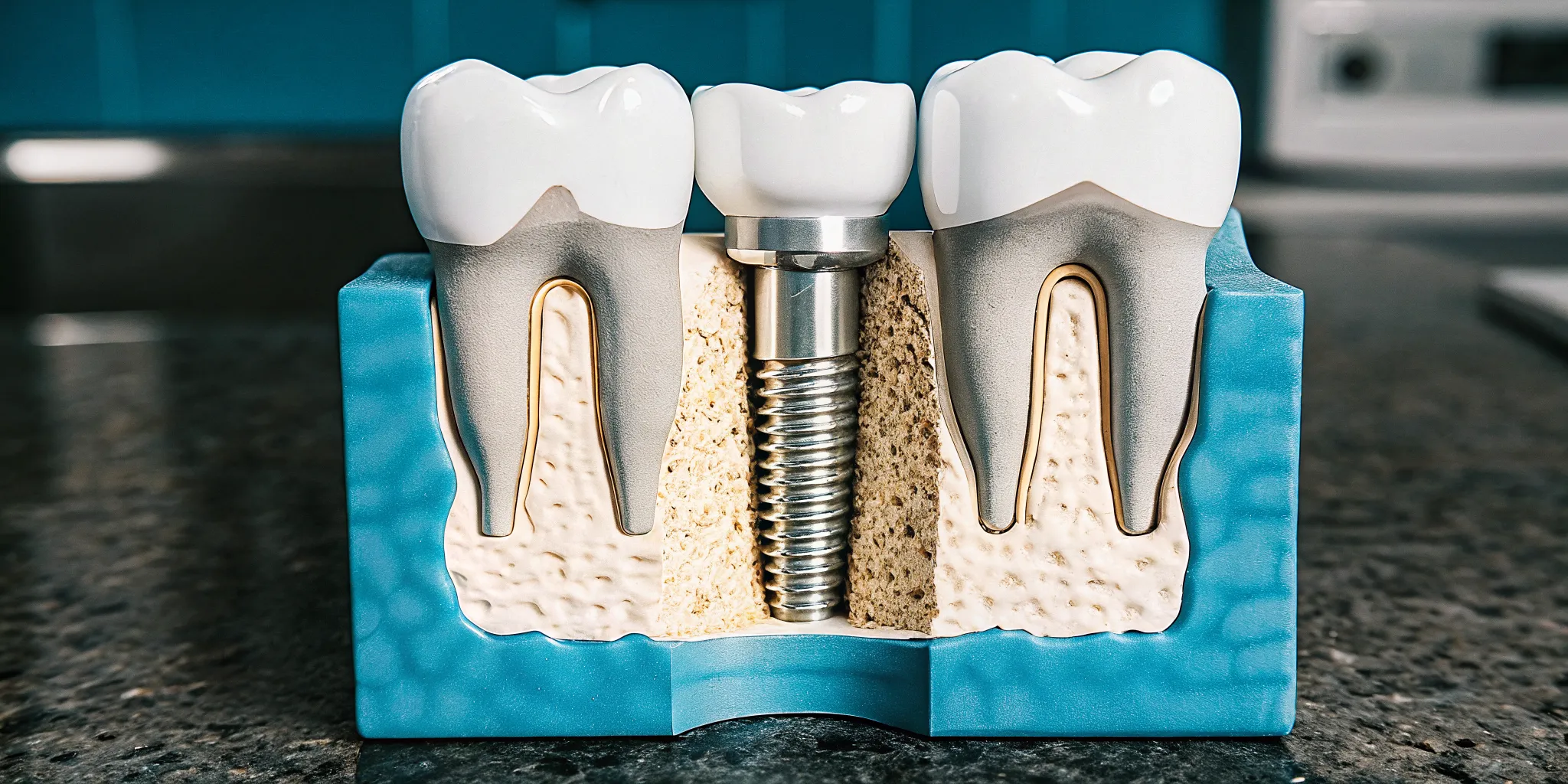
When the parts are put together, they create a full tooth that is deep in the bone. This setup is not the same as old-style fixes. It lets you brush and floss just like you do with your natural teeth. You do not need special tools or glues to keep them clean. This makes it much easier to keep your mouth healthy as you get older.
How the post stays in place
The main reason implants work so well is a process called osseointegration. This is a big word for when the bone grows into the implant. After we place the titanium post, your jawbone starts to heal around it. This can happen because titanium is a special metal that the body accepts. Over a few months, the bone and the post become one. This creates a base that is just as strong as a natural tooth root.
This deep bond is what sets implants apart from other choices. When you compare dental implants vs dentures, the bond with the bone is the main change. Old-style dentures sit on the gums and can sometimes slip. An implant stays in place because it is part of your jaw. This makes it easy to talk and chew. If you want to learn more, we can help you find dental health tools to see if this is right for you.
Support for your jaw and face
Implants do a big job under the surface of your gums. When you lose a tooth root, your jawbone can start to get weak and thin. This happens because the bone is no longer being used to hold a tooth. Over time, this can change the shape of your face. It can make you look older than you are. A dental implant acts like a real root to keep the bone active and strong. This helps you keep a healthy and full look for your jaw and chin.
Choosing this path can also improve how you feel every day. Studies show that implants lead to more joy for most people compared to old-style dentures. They give you the peace of mind that comes with a long-term fix. We offer a full implant-supported tooth replacement guide for our neighbors in Lowell who want to see these perks. Our team is here to help you pick the best path for your health.
What are dentures and who are they best suited for?
Dentures are a common way to replace teeth that are gone. They are tools you can take out that look like real teeth and gums. Most people know them as a set of false teeth. These tools rest right on your gums and use the bone for help. Since they sit on top of your gums, you do not need surgery to put them in place. This makes them a simple choice for many patients.
Types of common dentures
There are two main kinds of common dentures depending on your tooth replacement needs.
- Full Dentures: Designed for patients who are missing all natural teeth in either the upper or lower arch, using suction and natural support to stay in place.
- Partial Dentures: Suitable for patients who retain some natural teeth, using a custom metal or plastic frame to clip securely onto surrounding teeth.
Both types help you chew food and speak well while filling out your face.
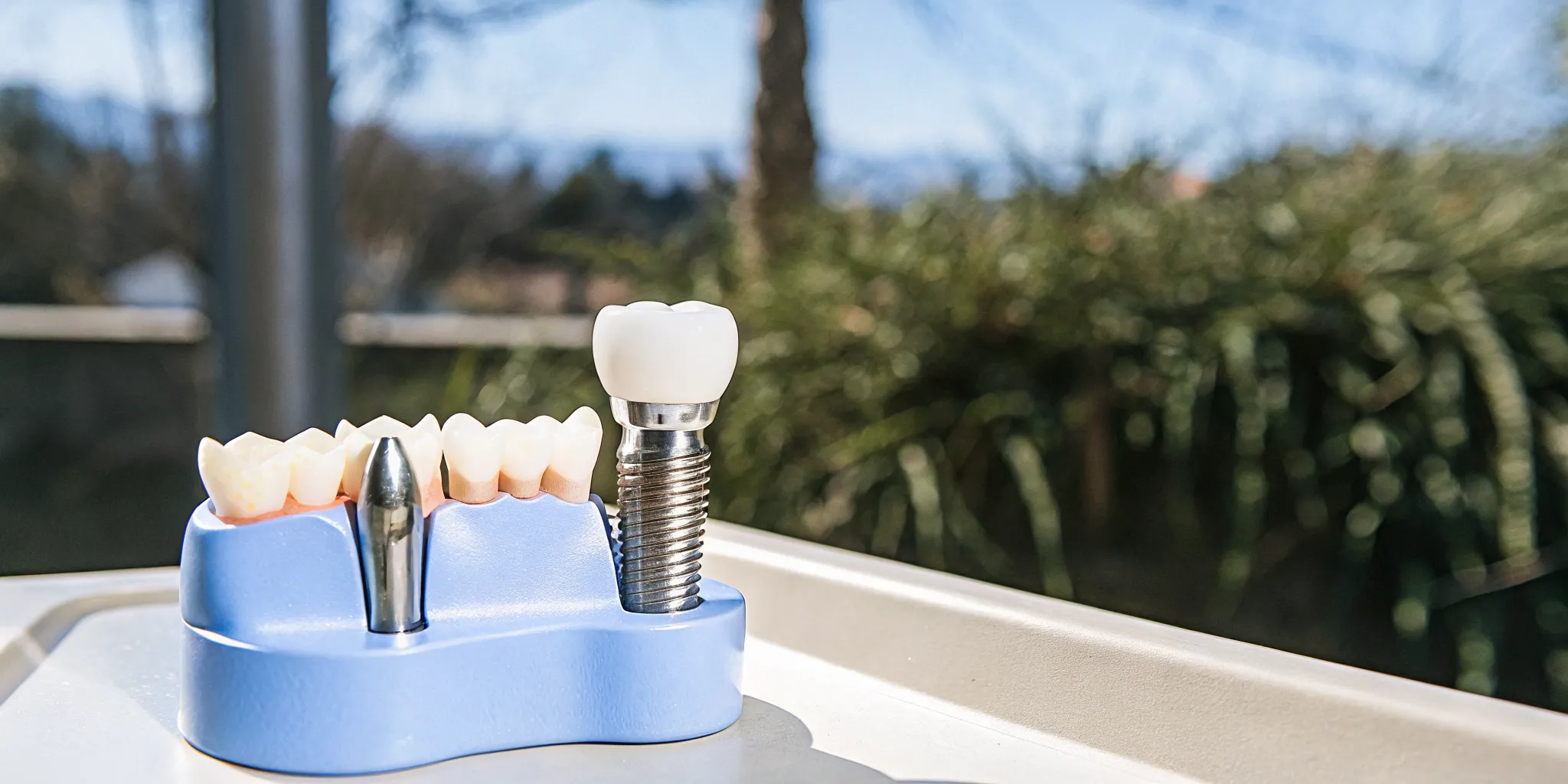
If you need more facts, you can find dental health facts at our office. We want to help you learn about each path before you choose. Our team in Lowell, MA, is here to show how these tools work for your daily life.
Who should choose dentures?
Dentures are often a good fit for people who need a low-cost way to fix their smile. Since they do not need bone grafts or surgery, they are a fast way to get new teeth. Many people pick them because they are easier on the budget than other ways to replace teeth. But your success with them depends on how well you can adjust to the new feel in your mouth.
Success with dentures often comes down to how well you can adjust. Some people find them easy to use right away. Others need time to learn how to speak and eat with them. A study on patient tolerance shows that money and how you adjust both matter. These factors play big roles in how happy you are with the final results.
We invite you to learn more by reading our dental implants treatment guide. This can help you see how other ways to replace teeth compare. Our goal is to make sure you feel sure about your care plan. We focus on your long-term health and how your smile affects your whole body.
Patients who have lost many teeth often choose dentures to avoid long healing times. They work well for those who may not be good for surgery. If your health makes it hard to heal from dental work, dentures give you a safe way to get your smile back. They are a steady tool that has helped people for many years. We work with you to make the fit as snug and comfy as it can be.
Head-to-head comparison: longevity, comfort, and maintenance
Picking between new teeth types is a big choice. You need to know how each one works in your daily life. We look at how long they last, how they feel, and how to keep them clean. This guide helps you see the ways they differ and find helpful dental health tools.
Lifespan and lasting strength
One major point is how long your new teeth will last. Dental implants are a huge step forward in dental care. They often give better long-term results than older methods. Most implants can last for the rest of your life if you care for them well.
Standard dentures do not last as long. Your jaw bone changes shape over time without tooth roots. This means your dentures will lose their fit. Most people need to get new dentures every five to ten years to keep a good fit. This makes implants a better value for your long-term health.
Chewing power and daily comfort
How your teeth feel when you eat and speak matters most. Implants stay firm in your jaw because they act like real tooth roots. This gives you a strong bite that lets you eat all your favorite foods. You can find more details in our dental implants treatment guide.
Old-style dentures can sometimes slip or move. This might make it hard to chew tough foods or speak clearly. Many patients find that implants lead to better daily life than normal dentures. They feel more like your real teeth and do not rub against your gums.
Daily care and ease
Keeping your mouth healthy should be easy. You care for implants just like your real teeth. You brush them and floss them twice a day. There is no need for messy glues or special soaking jars. This saves you time each morning and night.
Dentures need their own kind of care. You must take them out of your mouth every night to clean them. They need to soak in a special liquid to stay fresh and keep their shape. You also have to clean your gums where the dentures sit. This process takes more work than caring for fixed implants.
| Feature. | Dental Implants. | Standard Dentures. |
|---|---|---|
| Lifespan. | Often last 25 years or more. | Usually replaced every 5-10 years. |
| Daily Feel. | Stable and acts like real teeth. | May slip or feel bulky at first. |
| Chewing Power. | Restores full biting force. | Restores some biting force. |
| Daily Care. | Brush and floss like normal. | Remove nightly for soaking. |
| Bone Health. | Stops jaw bone loss. | Does not stop bone loss. |
When dentures are the better choice
Many people look for the best way to fix a lost tooth. While implants are a top choice, they are not always right for every person. There are times when standard dentures are the better pick for your smile. Choosing between dental implants vs dentures often comes down to your health and your budget. At Lowell Family Dental Practice, we help you find the best path for your care.
Budget and health factors
Cost is a big reason why patients pick dentures. Dental implants often need a large payment at the start. This is because they use high-end parts and need a deep process to set them. For some, the price of a full set of implants can be too high. In these cases, a set of dentures gives you a full smile for less money.
Money factors and how well a person can adjust to new teeth affect patient success for each type of care. If you need a low-cost way to get back your smile, dentures are often the way to go. Our team at Lowell Family Dental Practice can help you find a plan that fits your life. We focus on giving you value and long-term health.
Not every person is a match for dental surgery. To get implants, you need strong bone and a body that heals well. Some health issues, like heart problems, can make surgery risky. In these cases, we often suggest dentures. They do not need deep cuts or a long time to heal. This makes them a safe pick for many.
Dentures sit on top of your gums. They do not go into the bone. This makes them a good pick for those who cannot have a dental implants treatment due to health issues. We want to make sure your care is safe and stress-free. We focus on your health above all else.
Immediate results and quick changes
Sometimes, you need new teeth right away. The process for implants can take many months. You have to wait for the bone to grow around the small post. Dentures can often be made and fitted much faster. This gives you a new look and better chewing in less time. For patients with a big event coming up, this speed is a huge plus.
Common dentures also allow for quick changes if your mouth shape shifts. As we age, our gums and bone can change. It is easy to fix or reline a denture to match these changes. You can find more dental health resources on our site to learn how to care for your teeth. We are here to guide you through every step.
Making the right choice for you
Every mouth is unique. What works for one person might not be the best for you. Standard dentures do take time to get used to, and some people find them hard at first. But for many, they are a solid way to eat, talk, and smile again. They offer a way to get your life back without the need for surgery.
We invite you to come in for a talk about your smile with Dr. Gammas and his team. We will look at your health and listen to your needs. Whether you pick dental implants or dentures, our goal is to give you a smile that feels good. We are here to help you make the right choice for your long-term health.
Why most patients choose implants when bone support allows
When your jawbone is strong, picking the right way to fix teeth is a big step. Most patients find that dental implants treatment gives the most help for long-term health.
While old ways like bridges or dentures work, they do not help your bone stay strong. Implants are special because they join with your bone to create a firm base. This link keeps your face shape and stops the bone loss that often comes after you lose a tooth.
Preventing bone loss
Losing a tooth does more than just leave a gap in your smile. It starts a cycle where the jawbone begins to shrink. This happens because the bone no longer has a root to hold.
Standard dentures rest on top of the gums but do not stop this bone loss. Dental implants solve this by acting as new roots. They send signals to the bone to stay strong and thick.
This helps you keep your facial look and avoids the sunken face that can happen over time. At Lowell Family Dental Practice, we see this as a key way to protect your oral health as you age.
Research shows that oral implants offer better long-term results than old ways of fixing missing teeth. If you have the bone to hold them, these tools give a life-long fix that stays solid.
Better strength and function
One of the main issues with old-style dentures is that they can slip or move. This makes it hard to eat tough foods or speak clearly. Patients who choose implants do not have these problems.
Because the metal post sits deep in the bone, the new tooth does not budge. This gives you the bite force to enjoy all your best meals without fear. It also takes away the need for messy glues that many people find hard to use.
For those who need a full set of teeth, implant-held or snap-in dentures are a great choice. These tools use a few implants to lock a denture in place.
Studies in the National Library of Medicine show that these systems lead to much higher patient joy and a better life. You get the rock-solid feel of an implant and do not have to worry about teeth clicking or falling out.
A natural look and feel
Newer implants are made to match the shade and shape of your real teeth. They do not feel like a tool in your mouth; they feel like a part of you.
Since they are fixed in place, you clean them just like your own teeth with daily brushing and flossing. You do not have to take them out at night or soak them in a glass.
This makes your daily life much easier and helps you feel more like yourself. Patients often say they feel more sure of themselves with implants.
When you compare dental implants vs dentures, the ease of care and the natural feel are often the key parts. If your bone is ready, an implant is a simple way to get back your smile and your health.
Frequently Asked Questions
What is the cost difference between dental implants and dentures?
Regular dentures usually cost less at the start than dental implants. However, they may need many fixes or new parts over time. Dental implants cost more upfront but act like real teeth. They help keep your jaw bone strong and can last for life with good care. According to research, cost and how well you adjust are key parts of choosing the best way to fix your smile.
Which is better for elderly patients: dental implants or dentures?
Both ways can work well for older adults. Dentures are a fast way to get new teeth and do not need surgery. Dental implants give you more strength and help you chew with ease. They also stop the jaw bone from shrinking. Studies show that implant-based dentures often lead to more happiness and a better life. The best pick for you depends on your health and your bone strength.
What is the downside of having dental implants?
The main downside is that you need surgery and a long time to heal. It can take a few months for the post to bond with your bone. They also cost more than dentures at the start. Some people may not have enough bone to hold the post in place. Even so, long-term results show they often work better than other ways to replace teeth. They feel natural and stay still while you eat.
How do snap-in dentures compare to traditional dental implants?
Snap-in dentures use a few posts to stay in place. They give more support than regular dentures that rest on the gums. Standard implants can replace each tooth or use a bridge for a fixed fit. You can take out snap-in dentures to clean them, but fixed implants stay in your mouth. At Lowell Family Dental Practice, we help you find the right plan. Both ways offer more help for your jaw than basic dentures.
Ready to find the best way to fix your smile?
Waiting to fix missing teeth often leads to bone loss. These health issues can become very hard to treat as you age. By acting now, you can stop these dental problems before they get worse. You will also save a lot of money on your future dental care. Getting a clear plan today means you will be on your way to a strong smile much sooner. This helps the wellness of your whole body too. Dr. Gammas and his team are here to help you pick the best dental fix for your life. We want to help you reach your long term goals. You can take the first step toward a smile that works well by contacting our friendly office in Lowell.
Ready to start? Call (978) 458-1179 today to schedule your free consultation with Dr. Gammas and his team!ation with Dr. Gammas and his team.
Written by
Dr. Iham Gammas, DMDBoard-Certified Implant Dentist & Founder, Lowell Family Dental Practice. Fellow & Master of ICOI and IADI. Associate Fellow of AAID.