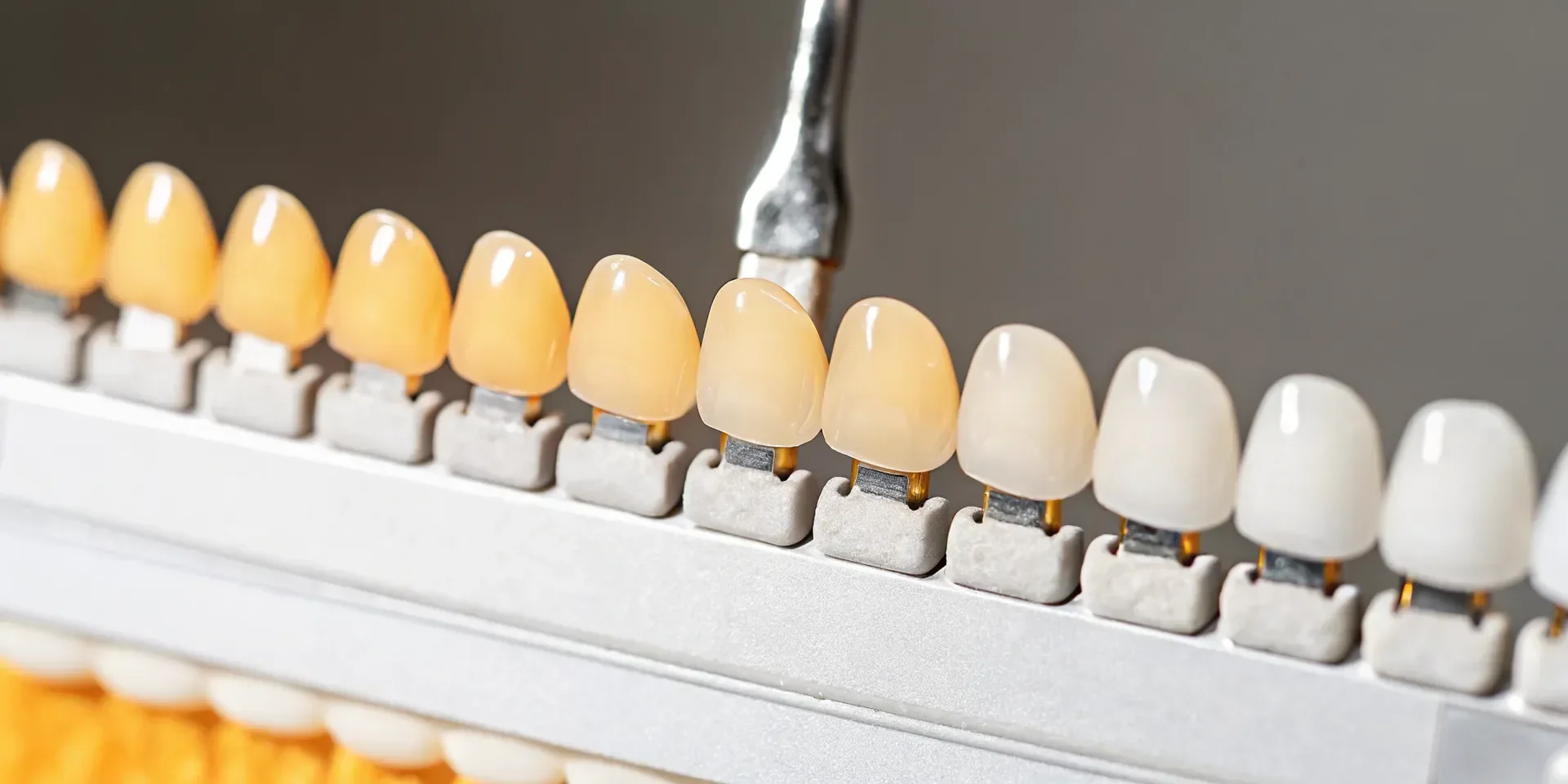
That sinking feeling you get when you realize you’ve chipped a tooth is often followed by a practical concern: the cost of repair. It’s tempting to downplay a small chip, hoping you can just live with it to avoid a dental bill. However, delaying treatment can lead to bigger, more expensive problems later on. Understanding the chipped tooth repair cost without insurance upfront can help you make a timely decision that protects both your oral health and your finances. This guide will provide a transparent breakdown of your options, their prices, and why investing in a repair now is the smartest move for your smile.
Key Takeaways
- Your final cost depends on the chip’s severity: A minor chip fixed with dental bonding is the most budget-friendly option, while a severe fracture requiring a crown or implant will be a larger investment.
- Choose a treatment that fits your needs: Dental bonding and veneers are great for cosmetic fixes on front teeth, but a dental crown is a more durable solution for significant damage, especially on molars.
- Don’t let cost delay your care: You can make treatment affordable without insurance by exploring options like in-house payment plans, healthcare financing programs, or using pre-tax funds from an HSA or FSA.
How Much Does It Cost to Fix a Chipped Tooth Without Insurance?
When you’ve chipped a tooth, one of the first questions that comes to mind is, “How much will this cost to fix?” Without dental insurance, the price for a repair can range from around $300 to as much as $7,000. That’s a wide range, I know, but the final cost really depends on a few key things. The extent of the damage, which tooth is affected, and the specific treatment you need all play a significant role in the final bill.
For example, a tiny chip on a back molar that can be fixed with simple bonding will be on the lower end of that spectrum. On the other hand, a severe fracture on a front tooth that requires a root canal and a custom-made crown will be on the higher end. Understanding what influences the price can help you feel more prepared and confident when you come in for a consultation. At Lowell Family Dental Practice, we believe in being completely transparent about costs. We’ll always walk you through your dental services options and the associated prices so you can make an informed decision that feels right for you and your budget. We want you to feel in control of your dental health, and that starts with clear, upfront information about what to expect.
What factors influence the price?
So, what exactly goes into the price of fixing a chipped tooth? It’s not just one thing. The biggest factor is how badly the tooth is damaged. A small surface chip is a relatively simple fix, but a deep fracture is a different story. The location of the tooth also matters; a front tooth that shows when you smile requires more detailed cosmetic work than a molar in the back. Finally, the materials used for the repair, like composite resin for bonding or porcelain for a crown, will influence the price. We’ll help you understand which treatment is right for your specific situation during your visit.
Does your location affect the cost?
It might seem strange, but where you live can affect how much you pay for dental work. The cost of living and operating a practice varies from city to city, so prices can differ depending on your location. Here in Lowell, we strive to offer fair and competitive pricing for our community. Another “location” factor is the tooth’s position in your mouth. As mentioned, repairing a front tooth often costs more because it’s a highly visible part of your smile. It takes extra skill and artistry to make sure the repair blends in perfectly and looks completely natural, which can be reflected in the cost.
How the severity of the chip changes the price
The extent of the damage is probably the single most important factor in determining your cost. Let’s break it down into three general levels. A minor chip that only affects the tooth’s outer enamel layer is the simplest and most affordable to fix, often with dental bonding. A moderate chip that goes deeper into the dentin layer will cost more to repair. If you have a severe chip that exposes the tooth’s inner pulp, where the nerve is, the treatment becomes more complex. This usually requires a root canal to save the tooth, followed by a crown, making it the most expensive scenario.
What Are Your Treatment Options for a Chipped Tooth?
A chipped tooth can be alarming, but the good news is that there are plenty of ways to restore your smile. The right fix depends on the size of the chip, which tooth is affected, and the overall health of your tooth. From simple cosmetic touch-ups to more comprehensive repairs, we can find a solution that fits your needs and budget. Let’s walk through the most common treatment options so you can feel confident about your next steps.
Dental bonding for small chips
If you have a small, minor chip, especially on a front tooth, dental bonding is often the perfect solution. Think of it as a quick and simple touch-up. We apply a tooth-colored composite resin, which is like a putty, directly to the chipped area. Your dentist will carefully sculpt the resin to match the natural shape of your tooth and then harden it with a special light. The final step is to polish the material so it blends seamlessly with your smile. It’s a straightforward, one-visit procedure that can make a huge difference for minor cosmetic imperfections.
Dental crowns for significant damage
When a chip is large or a significant piece of the tooth has broken off, a dental crown is usually the best choice. A crown is a custom-made cap that covers your entire tooth, restoring its original shape, size, and strength. This not only fixes the appearance of the tooth but also protects it from any further damage or decay. Getting a dental crown provides a durable, long-lasting solution for more serious fractures, ensuring your tooth stays healthy and functional for years to come. It’s a reliable way to save a tooth that has sustained significant trauma.
Dental veneers for front teeth
For chips on your front teeth that affect your smile’s appearance, dental veneers are a fantastic cosmetic option. A veneer is a very thin, custom-made shell, usually crafted from porcelain, that is bonded to the front surface of your tooth. It’s designed to cover up imperfections like chips, cracks, or discoloration, giving you a flawless, natural-looking smile. Because they are designed specifically for you, they match the color and shape of your surrounding teeth perfectly. Veneers are a popular choice for achieving a major smile transformation with a minimally invasive procedure.
Root canals for nerve damage
Sometimes, a chip or crack is so deep that it exposes the sensitive inner pulp of the tooth, which contains nerves and blood vessels. When this happens, it can be quite painful and puts the tooth at risk of infection. In these cases, a root canal is necessary to save the tooth. The procedure involves carefully removing the damaged pulp, cleaning the inside of the tooth, and then sealing it to prevent reinfection. While they have a scary reputation, modern root canals are a smooth, pain-relieving procedure that can save your natural tooth from extraction.
Dental implants for severe cases
In the most severe situations, a tooth may be cracked or broken so badly that it cannot be saved. If the damage extends below the gumline, extraction might be the only option to protect your overall oral health. When a tooth is lost, a dental implant is the gold standard for replacement. This involves placing a small titanium post in your jawbone to act as a new root, which is then topped with a natural-looking crown. An implant looks, feels, and functions just like a real tooth, making it the most permanent and stable solution for tooth loss.
A Breakdown of Chipped Tooth Repair Costs
Let’s talk numbers. Seeing a price tag can be stressful, but knowing the typical cost for different repairs helps you plan and make the best decision for your smile and your wallet. The final price depends on which tooth is chipped, how severe the damage is, and the materials used for the repair. It’s always best to schedule a consultation to get an exact quote, but understanding the general price range for each option is a great first step. Here’s a look at the most common treatments and what you can generally expect to pay for each without insurance.
Dental bonding: $100 to $600
If you have a small, minor chip, dental bonding is often the perfect fix. Think of it as a quick and simple touch-up for your tooth. Your dentist applies a tooth-colored composite resin directly to the chipped area and shapes it to match your natural tooth. It’s a fantastic, budget-friendly option for minor cosmetic dentistry, typically costing between $100 and $600. Because it’s a straightforward procedure, it can usually be done in a single visit, getting you back to your life with a restored smile in no time.
Crowns: $800 to $3,500
When a chip is too large for bonding, a dental crown is your go-to solution. A crown is a custom-made cap that fits over your entire tooth, restoring its shape, size, and strength. It’s ideal for teeth that have lost a significant portion of their structure or are weakened by the damage. The cost for a crown ranges from $800 to $3,500, depending on the material used, like porcelain or ceramic. While it’s a bigger investment, a crown provides durable, long-lasting protection for your tooth.
Veneers: $500 to $2,500
For chips on your front teeth, you might consider veneers for a flawless finish. A veneer is a super-thin shell, usually made of porcelain, that is bonded to the front surface of your tooth. It’s a popular choice because it can completely transform the look of a tooth, covering up chips, cracks, and discoloration. The price for a single veneer typically falls between $500 and $2,500. They are custom-crafted to match the color and shape of your surrounding teeth for a seamless, natural-looking smile.
Root canal and crown: $1,000 to $3,000+
Sometimes, a chip is so deep that it exposes the sensitive inner pulp of the tooth, which contains nerves and blood vessels. When this happens, you’re at risk for infection and a pretty serious toothache. To save the tooth, your dentist will likely recommend a root canal to clean out the damaged pulp, followed by a crown to protect it from further harm. This two-part procedure generally costs between $1,000 and $3,000 or more. It sounds intimidating, but it’s a standard treatment that relieves pain and prevents the need for an extraction.
Implants: $3,000 to $6,500
In the most severe cases, a chip or crack can damage a tooth beyond repair. If the tooth can’t be saved, a dental implant is the best long-term replacement. This process involves placing a small titanium post into your jawbone to act as a new root, then attaching a natural-looking crown on top. Dental implants are a significant investment, ranging from $3,000 to $6,500, but they are the closest you can get to a real tooth. They are incredibly durable, stable, and designed to last a lifetime with proper care.
How to Choose the Best Repair Option for You
Deciding how to fix a chipped tooth involves more than just looking at a price list. The best choice for you will balance cost, how long the repair will last, and how it looks. Think about your daily life, your budget, and what will make you feel most confident in your smile. A quick, cheap fix might seem appealing now, but a more durable solution could save you time and money down the road. Let’s walk through the key factors to consider so you can have a productive conversation with your dentist and feel good about your decision.
Comparing durability and longevity
When you’re weighing your options, think about the long game. Dental bonding is often the most affordable solution for small chips, but the composite resin may need to be touched up or replaced every few years. On the other hand, porcelain veneers and crowns are a bigger investment upfront but can last for a decade or more with proper care. The location of the chip also matters. A molar, which handles a lot of chewing pressure, will need a stronger, more durable restoration like a crown, while a tiny chip on a front tooth might be perfectly fine with bonding. Your daily habits also play a role in how long a repair will last.
Considering aesthetics for a confident smile
Your smile is a huge part of your confidence, so how the repair looks is incredibly important. For chips on your front teeth, you’ll want a solution that blends in seamlessly. Dental veneers are a fantastic option for visible teeth because they cover the entire front surface, creating a flawless and natural appearance. Dental bonding is also a great choice, as the resin can be matched exactly to your tooth color. Crowns can also be made from tooth-colored porcelain, restoring both the function and the beauty of a heavily damaged tooth. Discussing your aesthetic goals with your dentist will help them recommend the best material for your specific needs.
Finding the most cost-effective solution
Finding a cost-effective solution means looking beyond the initial price tag. While dental bonding is often the least expensive option, with costs ranging from about $288 to $915, it may not be the most economical choice if it needs frequent repairs. A crown or veneer might have a higher initial cost but could be more cost-effective over its lifetime. The final price of any dental service depends on several factors, including the specific materials used (resin versus porcelain), the complexity of the procedure, and which tooth is being repaired. The best way to get a clear picture is to schedule a consultation for a personalized treatment plan.
Common myths about repair costs
One of the biggest myths is that you’re completely on your own if you don’t have insurance. While it’s true that insurance plans often don’t cover procedures considered purely cosmetic, like veneers, they frequently help with medically necessary repairs. If your tooth was chipped in an accident or the damage is severe enough to affect your oral health, your plan may cover a portion of a bonding, crown, or root canal procedure. Don’t assume you won’t have any coverage. The best first step is to request an appointment so we can assess the damage and help you understand your options.
How Can You Make Treatment More Affordable?
Seeing the potential cost of fixing a chipped tooth can be daunting, especially without insurance. But please don’t let that number stop you from getting the care you need. Delaying treatment can lead to more complex and expensive problems down the road. The good news is that you have several options for managing the expense and making your dental care fit within your budget.
Whether it’s through a payment plan directly with your dentist, a healthcare financing program, or using a tax-advantaged savings account, there are practical ways to cover the cost of your repair. It’s all about finding the right strategy for your financial situation. We believe everyone deserves a healthy, confident smile, and we’re here to help you explore these options so you can get the treatment you need without unnecessary financial stress. Let’s walk through some of the most common and effective ways to make your chipped tooth repair more affordable.
In-house payment plans
One of the most direct ways to manage costs is by talking to your dental office. Many dental practices offer their own payment plans to help you pay for treatment over time, sometimes with no interest. This approach keeps everything simple and in one place. Instead of dealing with an outside company, you arrange a payment schedule directly with the dental team you already know and trust. It’s always worth asking about this option during your consultation. We are happy to discuss financial arrangements to ensure you can receive the care you need, so feel free to ask our staff about what plans are available.
Third-party financing options
If an in-house plan isn’t the right fit, third-party financing is another popular choice. Think of it like a credit card designed specifically for healthcare expenses. Companies like CareCredit specialize in helping people pay for medical and dental treatments over time. If you are approved, you can often get a promotional period with low or no interest, which allows you to break down a larger bill into smaller, more manageable monthly payments. This can be a great way to get immediate care for your chipped tooth while spreading the cost over several months or even years, depending on the plan you choose.
Dental discount programs
A dental discount program is another excellent alternative to traditional insurance. It’s not insurance, but rather a membership-based service. For a yearly fee, you gain access to a network of dentists who have agreed to provide their services at a discounted rate. This can significantly lower your out-of-pocket costs for procedures like bonding, crowns, or veneers. These dental savings plans are often very straightforward, with no waiting periods or annual maximums, making them a simple way to save money on your dental work. Just be sure to confirm your dentist is part of the program’s network before signing up.
Using your HSA or FSA
If you have a Health Savings Account (HSA) or a Flexible Spending Account (FSA) through your employer, you can use these funds to pay for your chipped tooth repair. The biggest advantage here is that you’re paying with pre-tax money. This means you’re using funds from your paycheck before taxes are taken out, which effectively gives you a discount on the total cost of your treatment. Both HSAs and FSAs are designed to cover qualified medical and dental expenses, and fixing a chipped tooth definitely falls into that category. It’s a smart financial move that helps you save while restoring your smile.
Where to Find Affordable Dental Care
When you’re dealing with a chipped tooth without insurance, finding affordable care is a top priority. The good news is you have several options that can help you get high-quality treatment that fits your budget. Let’s walk through a few places you can look for cost-effective dental care.
Get quotes from different dentists
Just like any major purchase, it’s smart to shop around for dental work. Don’t hesitate to talk to a few dentists to compare their treatment plans and costs before making a decision. One office might suggest bonding while another recommends a veneer, and their prices will vary. A consultation is the best way to understand your options and find a professional you trust. When you call, ask for a detailed cost breakdown for a clear comparison. You can schedule a consultation with our team to get a comprehensive quote for your repair.
Explore local dental schools
Here’s an option many people overlook: local dental schools. You can often find excellent care at a lower price because dental students perform the treatment under the close supervision of experienced, licensed dentists. While appointments might take a bit longer than at a private practice, the cost savings can be significant. It’s a great way to get quality care while helping the next generation of dentists gain hands-on experience. The American Dental Association can help you find accredited dental programs in your area.
Look into community health clinics
Community dental clinics are another fantastic resource for affordable care. Often funded by the government, these clinics provide essential health services to the local community, sometimes on a sliding scale fee model based on your income. This means your cost is adjusted to what you can afford. These clinics can be a lifeline if you need to fix a chipped tooth but are working with a tight budget. The national Health Resources & Services Administration database can help you find a health center that offers dental services near you.
A quick note: why waiting costs more
It’s tempting to put off fixing a small chip, especially when you’re worried about the cost. But waiting almost always costs more in the long run. Delaying treatment can allow a small chip to become a major crack, exposing the nerve inside your tooth. This can lead to a painful infection or the need for a root canal or extraction, which are far more complex and expensive procedures. Fixing a small chip now is an investment that protects your oral health and prevents you from facing much bigger dental treatments and bills later.
Your Next Steps for an Affordable Repair
Once you have a better idea of your options, it’s time to take concrete steps toward getting your tooth fixed without breaking the bank. Feeling prepared for your dental visit can make the entire process feel less stressful. It all comes down to knowing what to ask, understanding the potential costs, and exploring flexible payment solutions.
Think of your initial consultation as a fact-finding mission. This is your opportunity to get personalized advice and a clear treatment plan tailored to your specific situation. Our goal at Lowell Family Dental Practice is to provide you with all the information you need to make a confident decision. We believe that transparent conversations about cost and treatment are a key part of stress-free dental care. By planning ahead, you can focus on what truly matters: restoring your smile and your peace of mind.
Questions to ask at your consultation
Walking into your appointment with a few questions ready can make a world of difference. Your first question should be about whether your dental insurance will cover the repair. Most insurance plans will help pay for a chipped tooth repair if it’s considered medically necessary, for example, if the damage was caused by an accident. However, procedures that are purely cosmetic, like some veneers, often aren’t covered. During your consultation with our team, we can review your specific case and help you understand your benefits. Getting this clarity upfront helps you plan your budget effectively and avoid any surprises down the road.
How to prepare financially
Understanding the potential costs will help you prepare for the investment in your smile. The price for fixing a chipped tooth can vary quite a bit, depending on which treatment you need. Without insurance, here are some typical cost ranges you might see:
- Dental bonding: $288 to $915
- Dental crowns: $800 to $2,500
- Dental veneers: $500 to $2,895
- Dental implants: $3,000 to $7,000
Remember, these are just estimates. The final cost depends on the complexity of your case. We can give you a precise quote after examining the tooth and discussing the best dental services for your situation.
Making the most of payment plans
A high price tag shouldn’t prevent you from getting the care you need. To make treatment more accessible, many dental offices offer payment plans that allow you to spread the cost over several months, often with no interest. This can be a great way to fit the repair into your budget without paying for it all at once. If you don’t have insurance, it’s also worth asking about in-house dental membership plans. These programs often provide discounts on various procedures for a yearly fee. Don’t hesitate to ask our office about your options; we’re here to help find a solution that works for you.
Related Articles
- Broken Tooth: Is It an emergency or not?
- Chipped, Cracked, and Worn Teeth
- Toothaches
- Emergency Care
- Ouch! Are You Biting Your Cheeks More Often?
Frequently Asked Questions
I just chipped my tooth. What is the very first thing I should do? First, don’t panic. If you can find the piece of your tooth, save it in a small container with some milk or your own saliva to keep it from drying out. Then, rinse your mouth with warm water. The most important step is to call a dentist as soon as you can to schedule an appointment. Even a small chip should be looked at to make sure there isn’t hidden damage that could cause problems later.
Does a chipped tooth always hurt? How do I know if it’s an emergency? Not every chipped tooth will cause pain, especially if it’s a minor chip that only affects the outer enamel. However, if you feel any pain, sensitivity to hot or cold, or notice a sharp edge that irritates your tongue or cheek, you should seek care quickly. While a tiny, painless chip isn’t a dire emergency, it’s always best to have it examined promptly to prevent it from getting worse or becoming infected.
How do I know if I need simple bonding or a more expensive crown? Generally, the size and location of the chip will determine the best treatment. Dental bonding is a fantastic solution for smaller, more cosmetic chips, especially on your front teeth. A crown becomes the better option when a large piece of the tooth has broken off, the tooth’s structure is weak, or it needs protection after a root canal. During your consultation, your dentist will assess the damage and explain which option will give you the most durable, long-lasting result.
Is it okay to talk about my budget with the dentist? I’m worried about the cost. Absolutely. In fact, we encourage it. Talking openly about your budget is a normal and essential part of planning your treatment. Your dental team wants to find a solution that restores your oral health and fits your financial situation. This conversation allows us to explore all your options, including different materials or payment plans, to find a path forward that you feel comfortable with.
Once my tooth is fixed, how can I make the repair last as long as possible? Great question. Protecting your investment starts with good daily habits. Continue to brush and floss regularly to keep the tooth and surrounding gums healthy. It’s also wise to avoid biting down on very hard things with the repaired tooth, like ice, hard candy, or pen caps. If you play sports, a mouthguard is a must, and if you grind your teeth at night, a nightguard can protect your repair from excessive pressure.
If tooth damage causes pain, swelling, or a restoration comes loose, our emergency dentist in Lowell, MA page explains urgent care options and when to call.
Written by
Dr. Iham Gammas, DMDBoard-Certified Implant Dentist & Founder, Lowell Family Dental Practice. Fellow & Master of ICOI and IADI. Associate Fellow of AAID.