That sinking feeling when you bite down on something hard and realize a piece of your tooth is missing is all too familiar. Your first thought is probably about how it looks, but the second is almost always about your wallet. Questions immediately start swirling: How much will this cost to fix? Is it going to be a complicated procedure? The good news is that for minor chips, there’s a simple, effective, and affordable solution called dental bonding. This guide is here to give you a clear and honest look at the cost of bonding a chipped tooth, breaking down all the factors that influence the price so you can make an informed decision for your smile.
Key Takeaways
- Bonding is a fast, affordable cosmetic fix: It’s an excellent choice for repairing minor imperfections like chips, gaps, and stains, and the entire procedure can usually be completed in just one appointment.
- Understand the costs and insurance coverage: Bonding is more budget-friendly than veneers or crowns, with the final price depending on the extent of the repair. Insurance is more likely to cover the procedure if it’s deemed medically necessary, so always check with your provider first.
- Simple care makes your bonding last: You can expect your bonding to last five to ten years with proper maintenance. Good oral hygiene and avoiding habits like chewing on ice or using your teeth as tools are key to preserving your results.
What Is Dental Bonding?
If you have a minor chip, crack, or gap in your teeth, you might think your only options are complex and expensive procedures. But there’s a simpler solution that can make a huge difference in your smile: dental bonding. Think of it as a quick and effective way to fix small cosmetic imperfections. We use a special tooth-colored material, called composite resin, to carefully reshape or repair a tooth. It’s one of the most common cosmetic dentistry services because it’s minimally invasive and delivers fantastic results.
The goal of bonding is to restore your tooth’s natural appearance. Whether you’re dealing with a stubborn stain that won’t go away with whitening, a small gap between your front teeth, or an uneven edge from wear and tear, bonding can help. The resin is matched perfectly to the shade of your surrounding teeth, so the repair blends in seamlessly. It’s a straightforward procedure that can often be completed in a single visit, making it a convenient way to get the smile you feel confident about without a major time commitment.
A Step-by-Step Look at the Bonding Process
One of the best things about dental bonding is how simple the process is. For most people, it’s a quick, one-visit appointment that doesn’t even require anesthesia. First, we’ll gently roughen the surface of your tooth and apply a conditioning liquid. This helps the bonding material adhere securely. Next, your dentist will apply the putty-like composite resin, carefully sculpting and shaping it to fix the chip or imperfection. Once it looks perfect, we use a special curing light to harden the resin in seconds. The final step is to trim, shape, and polish the bonded area until it matches the rest of your tooth’s surface. The whole process for one tooth usually takes about 30 to 60 minutes.
The Materials Behind Dental Bonding
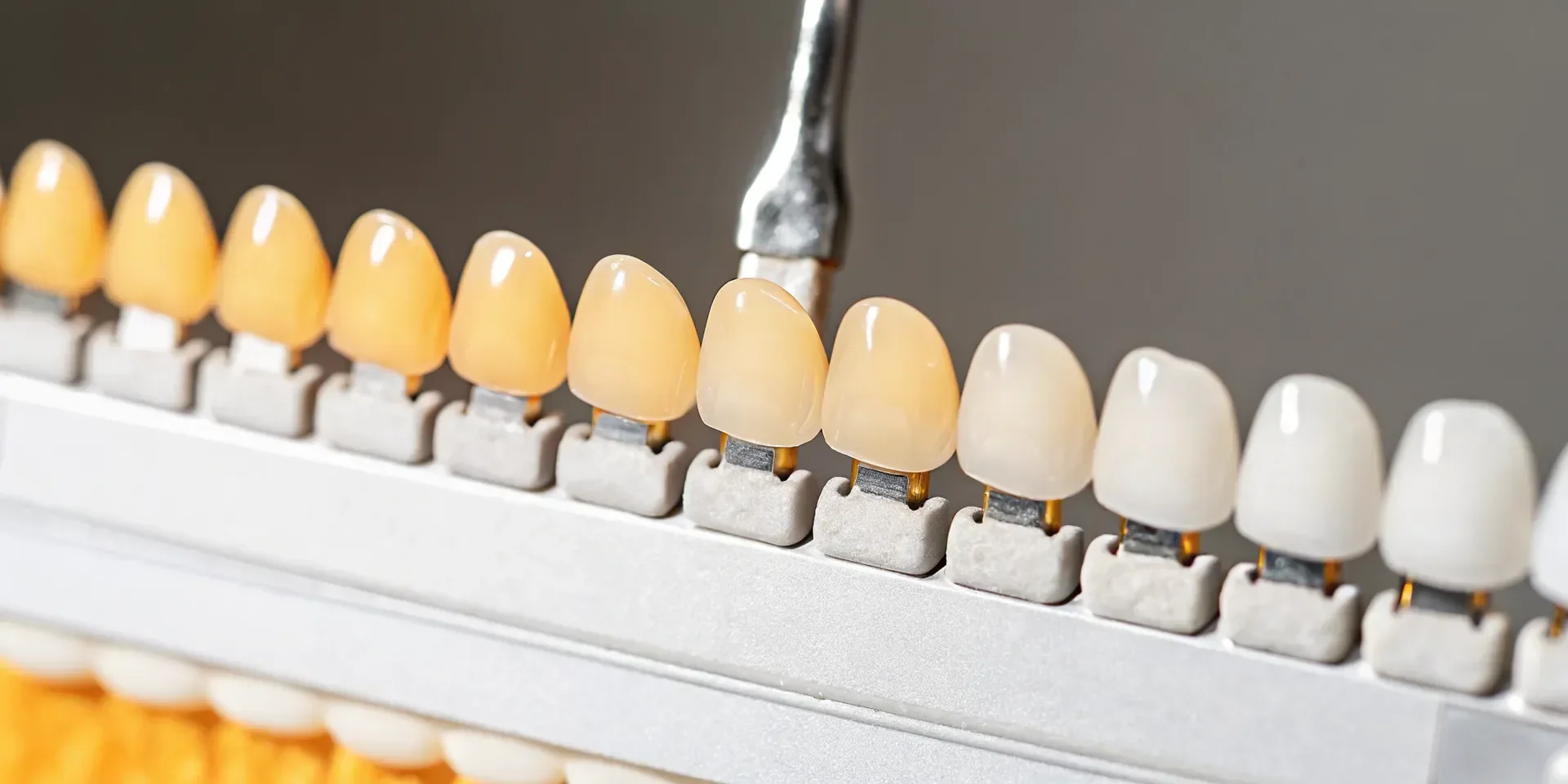
The magic behind dental bonding is a durable plastic material called composite resin. If you’ve ever had a tooth-colored filling, you’re already familiar with it. This material is fantastic because it’s pliable, allowing your dentist to mold it precisely to the desired shape. It also comes in a wide variety of shades, so we can find the perfect match for your natural tooth color, making the repair virtually invisible. The resin creates a strong bond with your tooth, ensuring a durable fix for minor cosmetic issues. It’s a safe, effective, and reliable material that helps us restore the beauty of your smile.
How Much Does It Cost to Bond a Chipped Tooth?
When you’ve chipped a tooth, one of the first questions that comes to mind is, “How much will this cost to fix?” It’s a completely valid concern, and the good news is that dental bonding is one of the most affordable ways to restore your smile. The final price tag can depend on a few things, like how much repair is needed and where your dentist is located. To give you a clearer picture, let’s break down the typical costs and see how bonding stacks up against other popular dental treatments. This will help you understand the investment and decide if it’s the right choice for you and your budget.
A Look at Average Costs
So, what can you expect to pay? While the exact cost will depend on your specific needs, national averages can give you a good starting point. According to a helpful price and procedure guide, dental bonding typically costs between $100 and $600 per tooth for a straightforward fix. For more complex cases, the price might go up to $1,000 per tooth. The complexity of the chip and the time it takes to perfect the repair play a big role in the final cost. The best way to get a precise quote is to schedule a consultation, where we can assess the tooth and give you a detailed breakdown.
How Bonding Costs Compare to Other Options
It’s also helpful to see how bonding compares to other restorative options. Bonding is often the most budget-friendly choice, especially when put next to porcelain veneers or crowns. For example, when you compare the costs, you’ll see that veneers can cost anywhere from $925 to $2,500 per tooth, while crowns typically range from $1,000 to $3,500. While bonding may need to be touched up or replaced every 3 to 10 years, its lower initial cost makes it an accessible solution for many people. It allows you to fix a chip quickly and beautifully without the higher price tag of other cosmetic procedures.
What Factors Affect the Price of Dental Bonding?
When you start looking into dental bonding, you’ll quickly find that there isn’t one set price. The cost can vary quite a bit because every tooth and every patient is unique. Think of it less like buying a product off the shelf and more like commissioning a small piece of custom art for your smile. The final price depends on a few key things that are specific to your situation.
Several elements come together to determine the final cost of your procedure. These include how much work your tooth needs, the specific materials used, and even where your dentist’s office is located. Understanding these factors can help you get a clearer picture of what to expect and have a more productive conversation with your dentist about your specific needs and budget. Let’s walk through the main things that influence the price tag.
The Size and Severity of the Chip
The extent of the damage is the biggest factor in determining the cost. A tiny, cosmetic chip on the edge of a tooth is a relatively quick fix and will be on the lower end of the price scale. This kind of minor damage usually just affects the outer enamel and doesn’t cause any pain. However, if the chip is more significant and exposes the sensitive layer beneath the enamel, called dentin, the procedure becomes more complex and the cost goes up. For severe fractures that reach the tooth’s inner pulp, where the nerve is, the treatment is more involved and considered more urgent, which is reflected in the price. The more time, skill, and material required to restore the tooth’s shape and function, the higher the overall cost will be.
Your Dentist’s Experience and Location
Just like with any skilled service, the dentist’s expertise and the practice’s location play a part in the cost. A dentist with years of experience and specialized training in cosmetic procedures may charge more, but that expertise often translates to a more natural-looking and durable result. At Lowell Family Dental Practice, our team’s extensive experience ensures you receive high-quality, lasting care. Additionally, the cost of living and running a business varies by region, so dental fees in a major metropolitan area might be different from those in a smaller town. It’s all about balancing the investment in a skilled professional with your personal budget to get a result you’re happy with.
Factoring in Consultations and Other Fees
The price you’re quoted for bonding might not be the only expense involved. Before the bonding procedure can happen, you’ll likely need an initial consultation and a professional cleaning to make sure the tooth is healthy and ready for treatment. These preliminary steps are crucial for a successful outcome but can add to the total cost. An oral exam ensures there are no underlying issues, while a cleaning creates a perfect surface for the bonding material to adhere to. Always ask for a detailed cost breakdown that includes any additional appointments or services so you have a complete understanding of the investment from the start.
Does Dental Insurance Cover Bonding?
Whether your dental insurance covers bonding really comes down to one key question: why are you getting it done? The answer depends on if the procedure is for a structural issue or a purely cosmetic one. Think of it this way: if you need bonding to repair a chipped or broken tooth, your insurance is much more likely to cover at least part of the cost because it restores the tooth’s function and health.
On the other hand, if you’re getting bonding simply to change the look of your teeth, like closing a small gap or covering a stain, most dental insurance plans will classify it as a cosmetic procedure. In these cases, coverage is rare, and you would likely be responsible for the full expense. Understanding this distinction is the first step in figuring out your potential out-of-pocket costs.
Is It a Cosmetic or Medically Necessary Fix?
The line between a cosmetic and a medically necessary treatment is determined by your dentist. If a chip or crack compromises the health of your tooth, your dentist will recommend bonding as a necessary repair to prevent further damage or decay. When a dentist deems the procedure essential for your oral health, your insurance provider is more likely to see it as a covered expense.
However, if the tooth is perfectly healthy and the bonding is only meant to improve its appearance, it falls into the cosmetic category. Your dentist can explain the reasoning behind their recommendation, which will help you understand how your insurance company will view the claim.
How to Get the Most from Your Insurance Plan
To avoid any surprises, it’s always a good idea to do a little homework before your appointment. A great first step is to talk with your dentist to get a detailed cost estimate for the procedure. Our team at Lowell Family Dental Practice is always happy to provide this breakdown for you when you schedule a consultation.
Once you have that estimate, you can contact your insurance provider directly to confirm your coverage. Most insurance plans cover basic restorative procedures like bonding and fillings at about 70% to 80%. Knowing your plan’s specifics ahead of time helps you budget accordingly and make the best decision for your smile and your wallet.
How Does Bonding Compare to Other Treatments?
When you have a chipped tooth, dental bonding is a fantastic and popular solution. But it’s helpful to know it’s not your only choice. Depending on the extent of the damage and your long-term goals, other cosmetic treatments like veneers or crowns might be a better fit. Each option comes with its own price point, lifespan, and ideal use case. Understanding these differences is the first step toward making a confident decision about your smile. Let’s walk through how bonding stacks up against the alternatives.
Bonding vs. Veneers: Cost and Durability
Veneers are thin, custom-made shells of porcelain designed to cover the front surface of your teeth. Think of them as a permanent new face for a tooth. While both bonding and veneers can fix chips, cracks, and discoloration, they differ significantly in cost and longevity. Bonding is the more budget-friendly option, typically using a composite resin material. In contrast, veneers are made from high-quality porcelain and cost more upfront. However, that higher initial investment often pays off over time. Veneers are more durable and stain-resistant, lasting anywhere from 10 to 20 years, while bonding usually needs a touch-up every 3 to 10 years.
Bonding vs. Crowns: Price and Lifespan
If the damage to your tooth is more significant, a dental crown might be the recommended solution. Unlike bonding or veneers that cover only part of the tooth, a crown is a cap that encases the entire tooth structure. This provides strength and protection, making it ideal for badly broken or weakened teeth. Because they offer more comprehensive restoration, dental crowns are more expensive than bonding, with prices varying based on the material used. A crown is a long-term fix, often lasting 15 years or more with proper care. The choice between bonding and a crown usually comes down to necessity; bonding is for cosmetic fixes, while a crown restores both appearance and function.
Choosing the Right Treatment for Your Budget
Deciding on the right treatment often involves balancing your budget with your desired outcome. Dental bonding is by far the most affordable way to fix a chipped tooth, with costs generally ranging from $100 to $600 per tooth. For a more durable and stain-resistant fix, porcelain veneers are an excellent choice, though they come at a higher price of $925 to $2,500 per tooth. Dental crowns are the most significant investment, costing between $1,000 and $3,500, but they are reserved for teeth that need structural support. The best way to figure out the right path for your smile is to schedule a consultation to discuss your specific needs and financial considerations.
The Benefits of Dental Bonding (and How Long It Lasts)
If you’re looking for a straightforward way to fix minor imperfections in your smile, dental bonding is an excellent option to consider. It’s one of the most popular cosmetic procedures because it delivers great results without being overly invasive or expensive. Bonding can quickly correct issues that might make you feel self-conscious, giving you a smile you’re proud to show off.
Beyond the immediate cosmetic improvements, it’s also a durable solution. With the right care, your bonded tooth can look great for years. Understanding what the procedure involves and how to maintain it will help you get the most out of your investment in your smile.
Key Advantages and What to Expect
One of the biggest draws of dental bonding is its versatility. This simple procedure can work wonders on a variety of minor cosmetic issues, from hiding chips and cracks to closing small gaps between your teeth. It’s also a great way to cover stubborn stains or even change the shape and length of a tooth. Compared to more intensive procedures like porcelain veneers, bonding is often more affordable and requires less alteration of your natural tooth structure. The process itself is quick and painless, usually completed in a single visit. When you choose this cosmetic dental procedure, you can typically expect the results to last anywhere from five to 10 years, making it a lasting and effective fix.
What Affects How Long Your Bonding Lasts?
How long your dental bonding holds up really comes down to a few key factors: the location of the tooth, your daily habits, and how well you care for your teeth. For example, bonding on a front tooth that does a lot of biting will experience more wear and tear than bonding on a tooth further back. Good oral hygiene is your best friend here. Brushing and flossing regularly will keep the bonding material and your surrounding teeth healthy. It’s also smart to avoid habits that can cause damage, like biting your nails, chewing on ice, or using your teeth to open packages. And, of course, keeping up with your regular dental check-ups allows us to monitor the bonding and address any small issues before they become bigger problems.
What to Expect During Your Consultation
Walking into a dental consultation can feel a little intimidating, but it’s really just a conversation to figure out the best path forward for your smile. Your first step is a thorough, yet gentle, examination. Your dentist will take a close look at the chipped tooth and may take some X-rays to see what’s happening below the surface. This helps determine the extent of the damage and ensures bonding is the right choice for you.
From there, we’ll sit down and talk through all your options. We believe in making sure you feel completely comfortable and informed. We’ll explain the bonding procedure, discuss what you can expect, and map out a treatment plan that fits your needs and goals. This initial meeting is all about getting you the clarity you need to make a confident decision about your dental care.
Key Questions for Your Dentist
Your consultation is the perfect time to ask anything and everything on your mind. Don’t be shy; we’re here to help! To get the most out of your visit, consider asking a few key questions. You might want to know if dental bonding is truly the best solution for your specific situation or if you should consider other dental services like veneers or crowns. Your dentist can explain what’s best for your tooth and your budget. It’s also a good idea to ask about the longevity of the bonding and what the procedure itself involves so you know exactly what to expect on the day of your treatment.
Discussing Payment and Financing Options
Let’s talk about one of the biggest questions on everyone’s mind: the cost. We aim to be completely transparent about pricing. During your consultation, we’ll provide a clear breakdown of the costs. We can also help you understand your insurance benefits. If the bonding is considered medically necessary to restore the tooth’s function, your insurance plan may cover a portion of the cost. If it’s purely for cosmetic reasons, you might be responsible for the full amount. We’re happy to discuss payment plans and other financing options to ensure your care fits comfortably within your budget. You can find more information on our New Patients page.
Getting Answers to Your Top Concerns
It’s completely normal to have some concerns, especially about what happens after the procedure. We encourage you to ask about post-treatment care. For instance, what should you do if your bite feels a little off or if the bonding happens to chip down the road? Knowing who to call and what to expect provides peace of mind. We’ll also share tips on how to care for your bonded tooth to help it last as long as possible. Taking good care of your teeth at home is the best way to protect your investment and keep your smile looking its best. When you’re ready, you can request an appointment to get all your questions answered in person.
Caring for Your Bonded Tooth
Daily Care and Simple Lifestyle Changes
Great news: you can eat and drink right after your bonding procedure. You might notice a little sensitivity to hot or cold for a few days, which is completely normal. To keep comfortable, it’s a good idea to steer clear of very hard or crunchy foods for a day or two. Think of it as giving the bonding a little time to settle in. Your daily routine is the most important part of keeping your bonded tooth looking its best. Just like your other teeth, it needs consistent care. Brush gently twice a day, floss, and consider using an alcohol-free mouthwash to keep your gums healthy without drying out your mouth. Good preventive care is your first line of defense.
Making Your Dental Bonding Last
With the right care, dental bonding can last anywhere from five to ten years. How long your results last really depends on a few things: the location of the bonded tooth, your eating habits, and your oral hygiene routine. To get the most mileage out of your new smile, stick to brushing with a soft-bristled toothbrush and a non-abrasive toothpaste. Harsh toothpastes can scratch the polished surface of the resin. Also, try to avoid habits like biting your fingernails, chewing on ice, or using your teeth to open packages. These actions can put too much pressure on the bonding and cause it to chip. Regular check-ups are also key, so be sure to schedule your next visit to let us keep an eye on things.
When to See Your Dentist for a Touch-Up
Your bonded tooth should feel completely natural, blending in with the rest of your smile. If your bite feels off or you notice any sharp or rough edges, give us a call. It’s usually a quick and easy fix. The same goes for any chips or discoloration. The composite resin can be repaired or replaced if needed. While a tooth can be bonded multiple times, we always want to preserve as much of your natural tooth as possible. If a tooth requires repeated bonding, we might suggest a crown as a more durable, long-term solution. Our experienced team is always here to discuss your options and make sure you feel confident in your dental care.
Related Articles
- Bonding – Lowell Family Dental Practice & Implant Center
- Chipped, Cracked, and Worn Teeth – Lowell Family Dental Practice & Implant Center
- Veneers – Lowell Family Dental Practice & Implant Center
- Crowns and Bridges – Lowell Family Dental Practice & Implant Center
- Broken Tooth: Is It an emergency or not? – Lowell Family Dental Practice & Implant Center
Frequently Asked Questions
Is the dental bonding procedure painful? Not at all. For most minor chips and cosmetic fixes, the process is so comfortable that anesthesia isn’t even necessary. We only work on the surface of the tooth, so you shouldn’t feel any discomfort. The entire appointment is quick, straightforward, and designed to be as stress-free as possible.
Will the bonded tooth look different from my other teeth? The goal of bonding is for the repair to be completely unnoticeable. We use a composite resin material that comes in many different shades, allowing us to select a color that perfectly matches your natural teeth. Your dentist carefully sculpts and polishes the material so it blends seamlessly with the tooth’s shape and sheen, creating a very natural-looking result.
Can I whiten my teeth after getting them bonded? This is a great question. The composite resin used for bonding does not respond to whitening treatments the way natural tooth enamel does. If you’re thinking about whitening your teeth, it’s best to do it before your bonding procedure. That way, we can match the bonding material to your newly brightened smile for a consistent look.
How do I know if bonding is a better choice for me than veneers? The best choice really depends on your specific goals and the condition of your tooth. Bonding is an excellent, affordable solution for smaller issues like minor chips, small gaps, or slight discoloration. Veneers are a more significant investment but are also more durable and stain-resistant, making them a great long-term option for more extensive cosmetic changes. A consultation is the best way to weigh the pros and cons for your unique situation.
What should I do if my bonded tooth chips or feels rough? If you notice a chip or a rough spot on your bonded tooth, please give our office a call. It’s usually a very simple fix that we can handle in a quick touch-up appointment. While the bonding material is strong, it can be damaged by things like chewing on ice or hard candy. We can easily smooth the area or add a bit more resin to restore it.
Written by
Dr. Iham Gammas, DMDBoard-Certified Implant Dentist & Founder, Lowell Family Dental Practice. Fellow & Master of ICOI and IADI. Associate Fellow of AAID.