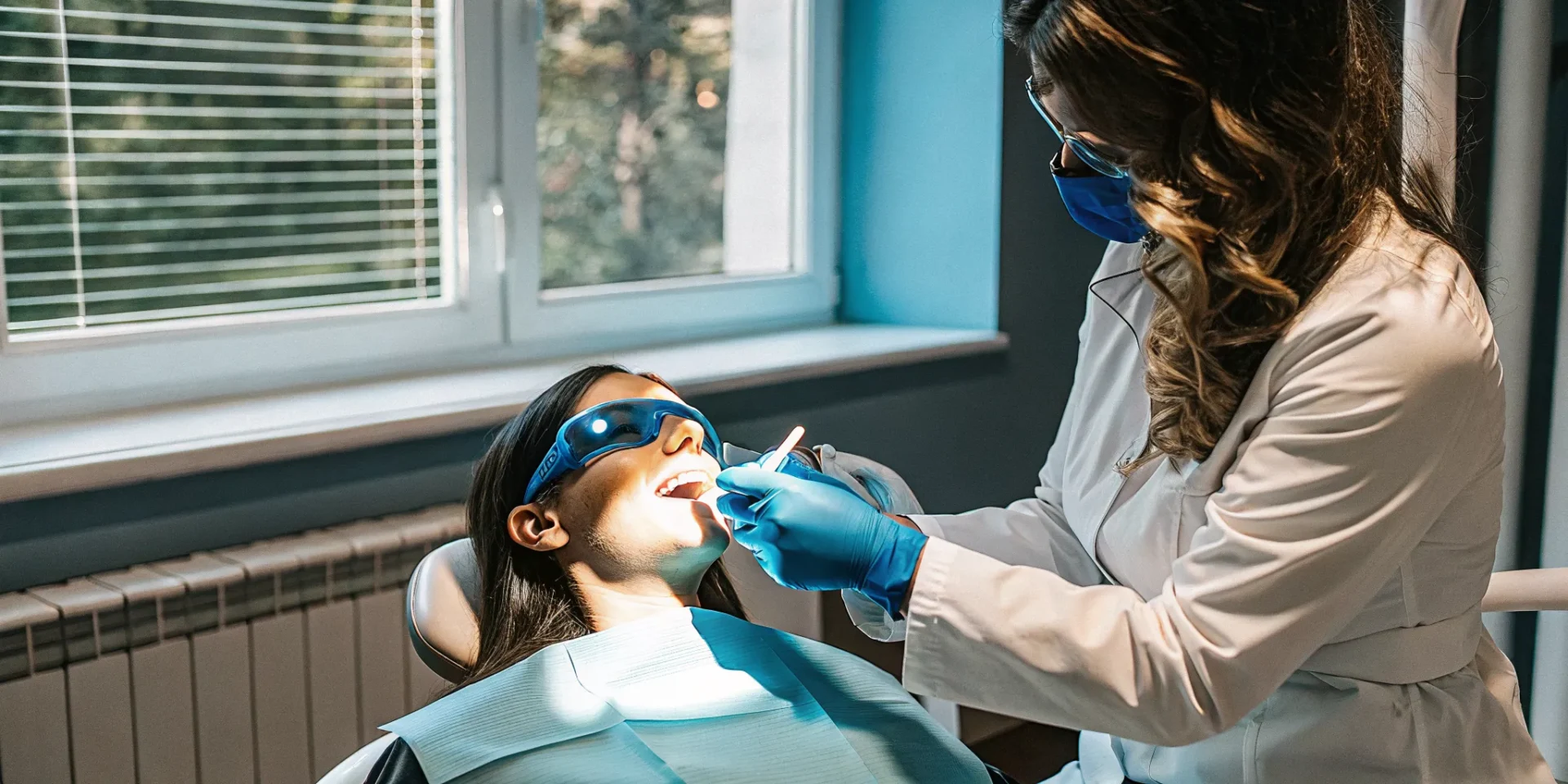
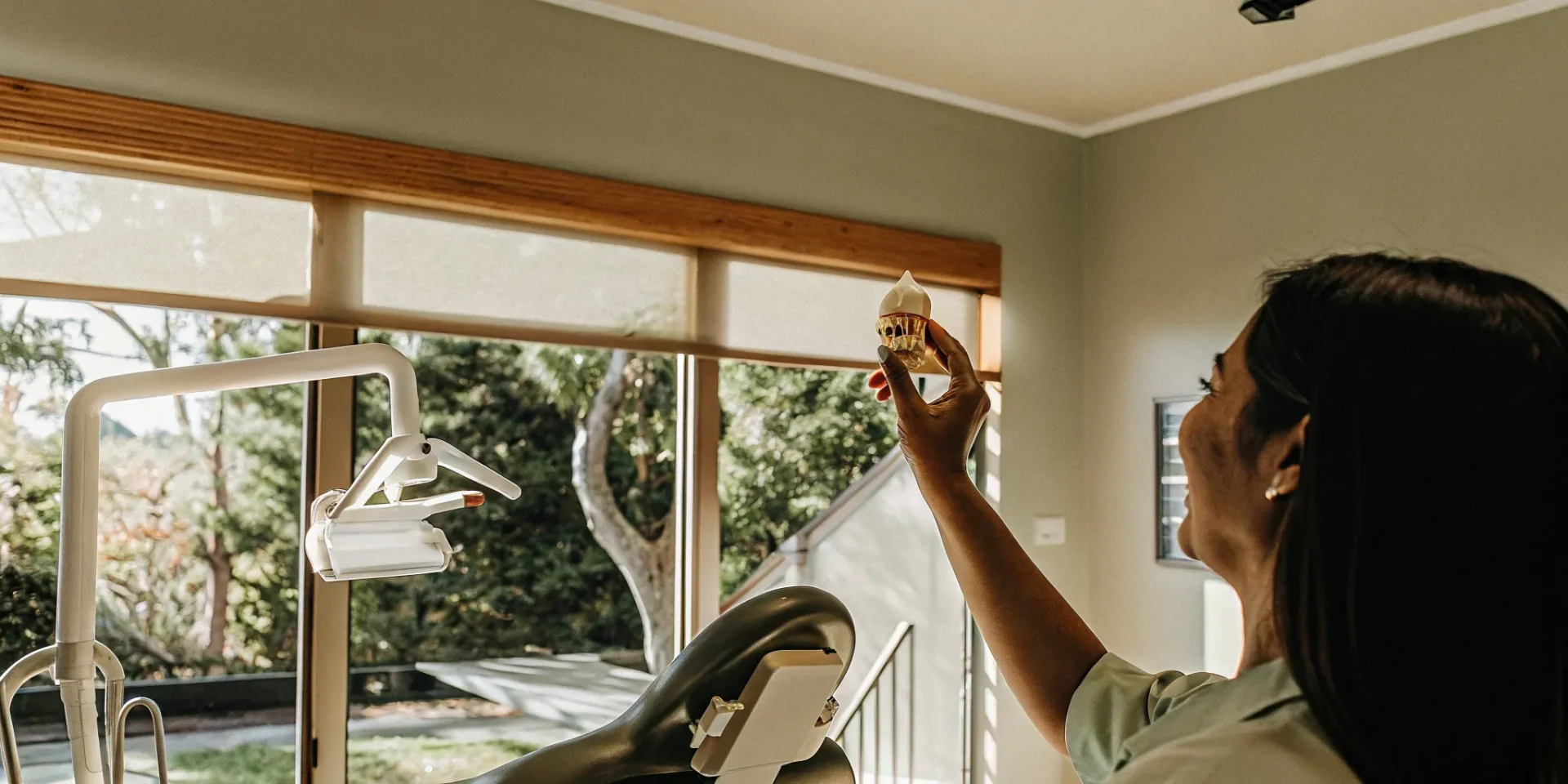
Dentures that slip during a holiday meal or click while you speak create a source of constant social stress. At Lowell Family Dental Practice, we offer advanced solutions to help you enjoy every bite without worry.
Are you tired of dentures that slip or click? Schedule a free consultation for implant supported dentures in Lowell, MA by calling (978) 458-1179 today.
Choosing implant supported dentures lowell ma offers a more stable and lasting way to restore your smile than older options. These devices use dental implants placed into the jawbone to anchor a full arch of teeth. This prevents the shifting and discomfort common with standard teeth. According to medical research, implant-supported dentures provide better stability and grip while helping to preserve bone mass and improve biting force. Dr. Iham Gammas, a Diplomate of the American Board of Oral Implantology, provides these services to ensure every patient gets a fit that feels natural. This modern approach helps you speak clearly and laugh freely without the fear of your dentures coming loose.
Understanding how these systems work is the first step toward a more confident life. As we explore what these dental tools involve. You will discover how they differ from traditional dentures and why more Lowell patients are choosing implant-supported solutions for lasting comfort.
Implant Supported Dentures Lowell Ma: What Are Implant-Supported Dentures and How Do They Work?
Implant-supported dentures are a type of overdenture secured by small metal posts anchored into your jawbone. Unlike standard dentures, which rest on your gums and depend on adhesive or suction, implant-supported dentures clip onto dental implants that integrate with your bone. This creates a stable foundation that prevents slipping and allows you to eat, speak, and smile with total confidence.
If you are considering implant supported dentures in Lowell, MA, understanding how the anchor system works helps you make an informed choice. These dentures attach to two to four implants that act like artificial tooth roots. The implants are small titanium screws placed into your jawbone where teeth once sat. Over several months, your bone grows around the titanium through a process called osseointegration, creating a permanent bond.
Once healed, your custom denture clips onto the implant posts. It stays locked in place while you chew, speak, and laugh. You never have to worry about your teeth sliding or falling out during daily activities. This steady fit eliminates the need for pastes, powders, or adhesives.
Why stability matters for your quality of life
One of the biggest advantages of this system is the confidence it restores. Traditional dentures can shift when you try to eat tougher foods like steak or apples. This can make meals stressful and limit what you feel comfortable eating. In a study on dental implants versus conventional dentures, researchers found that implant-supported dentures provide significantly better retention and patient satisfaction. Retention means the teeth stay exactly where they should. Because they are anchored to implants in your jawbone, they do not rub against your gums, which prevents the sore spots and irritation that many denture wearers experience.
Better health for your jawbone
When you lose teeth, the jawbone beneath your gums begins to shrink. This happens because the bone no longer receives stimulation from tooth roots. Standard dentures sit on top of the gums and do nothing to slow this bone loss. However, implant posts act exactly like natural tooth roots. They signal your body to keep sending blood flow and nutrients to the bone, which maintains its density and volume. This process helps preserve your facial structure, preventing the hollowed or sunken look that can occur with long-term denture wear. Patients who choose dental implants in Lowell MA enjoy the dual benefit of stable teeth and healthier bone for years to come.
At Lowell Family Dental Practice, we offer custom implant dentistry services to restore your smile. You can visit us at 133 Market Street in Lowell to learn whether this approach is right for you. Our team evaluates your oral health and discusses your goals to find the best solution.
What Is the Difference Between Implant-Retained Overdentures and Fixed Implant Dentures?
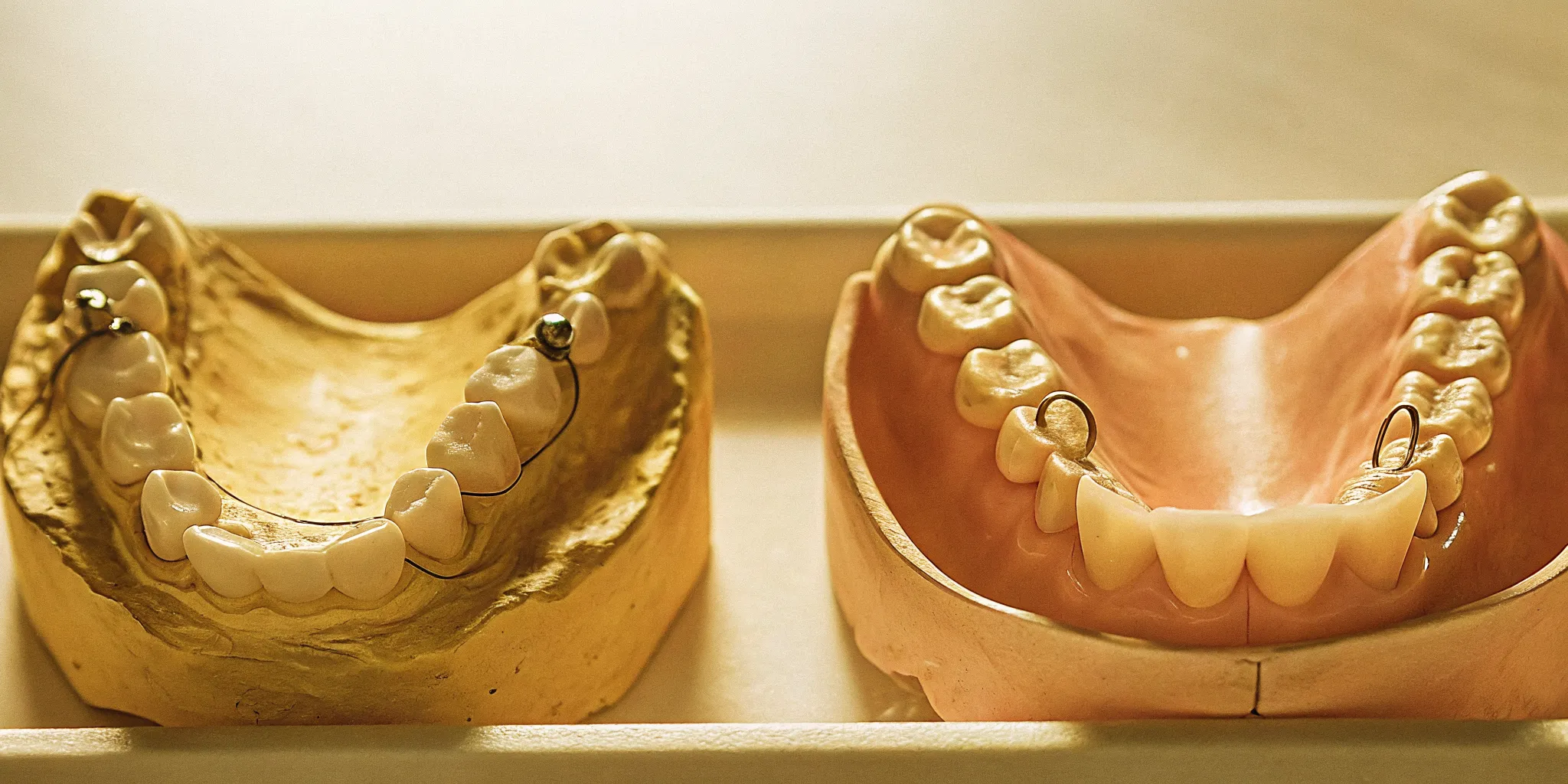
The two main types of implant-supported dentures are snap-on overdentures (removable) and fixed hybrid bridges (nonremovable). Snap-on overdentures clip onto implant posts for daily removal and cleaning, while fixed bridges are screwed permanently onto four or more implants and cannot be removed at home. Each option offers different benefits depending on your bone health, budget, and lifestyle preferences.
Choosing the best way to replace missing teeth is an important decision for your health. At our practice, expert implant dentistry with Dr. Gammas focuses on matching the right solution to your unique needs. Dr. Iham Gammas is a Diplomate of the American Board of Oral Implantology. He and his team help patients find the best dental implants to restore their smiles.
Snap-on overdentures for daily convenience
A snap-on overdenture is a full arch of teeth that clips onto small posts protruding from your implants. You can remove it at night for thorough cleaning. This removal process is straightforward and becomes a simple part of your daily routine. Despite being removable, these dentures do not slip during meals because the clips hold them securely in place. For the lower jaw, research shows that two implants provide better stability than just one for keeping the denture steady. This straightforward approach gives you a strong bite without requiring extensive surgery.
Overdentures also help support your facial appearance. Since the teeth are not rigidly fixed in one position, your dentist can position them in the optimal spots for lip support and natural facial contours. This helps you maintain a youthful look while keeping the denture secure during conversation. Snap-on overdentures are an excellent choice for patients who want dramatically improved stability with the convenience of at-home removal.
Fixed implant dentures for a permanent feel
Fixed implant dentures, also called hybrid bridges, are the closest option to having natural teeth again. They do not snap on and off. Instead, your dentist screws them onto four or more implants, and only a professional can remove them. This permanence makes them feel very solid and compact in your mouth. Many patients prefer this for its natural-feeling security and the confidence that comes from teeth that never move.
Because these teeth stay in place at all times, they offer maximum strength. You can eat crunchy foods like carrots or apples with no concern about shifting. Fixed dentures also take up less space than snap-on versions because they do not require a plastic base covering your palate. This leaves the roof of your mouth open, which helps you taste food more fully and speak with greater clarity. While the upfront investment is higher, the long-term comfort and natural feel are often worth the cost for active patients.
| Feature | Snap-on Overdenture | Fixed Implant Denture |
|---|---|---|
| Can you remove it? | Yes, for daily cleaning | No, only by a dentist |
| How it stays in place | Snaps onto attachment posts | Screwed onto implants |
| Cleaning method | Clean outside the mouth | Brush like natural teeth |
| Palate coverage | May have a partial plate | Open palate (no plate) |
| Bite strength | Stronger than regular dentures | Maximum bite force |
| Typical implant count | 2 to 4 implants | 4 to 8 implants |
Which option is right for you?
- Snap-on overdentures work best if you have some bone loss and want a removable option that is easy to clean and costs less upfront.
- Fixed implant dentures suit patients with adequate bone density who want the most natural-feeling, permanent solution with maximum bite strength.
- Both options prevent bone loss, restore chewing function, and eliminate the need for denture adhesives.
Every patient is unique. Some prefer the easy care of a snap-on overdenture. Others want the set-it-and-forget-it feel of a fixed bridge. Both methods stop bone loss and keep your jaw healthy. Talk to our Lowell dental team to find the solution that fits your life.
How Many Implants Are Needed to Support a Denture?
The number of implants required depends on the type of denture and your jawbone health. Lower snap-on overdentures typically need two implants, while fixed dentures require four to eight implants per arch. Upper jaws often require more implants because the bone is less dense. Your dentist will use a 3D CBCT scan to determine the precise number and placement for your needs.
For many people in Lowell, the main goal is eliminating slippage. A few well-placed posts can make a dramatic difference in your daily comfort. When we plan implant supported dentures in Lowell, MA, we evaluate your jawbone and the type of denture you want.
The standard for lower overdentures
For a lower snap-on denture, two implants are often sufficient. Research confirms that two implants provide significantly better retention than a single implant. This arrangement keeps the denture from moving when you speak or eat and delivers improved biting force compared to conventional dentures.
You might assume that more implants always produce better results, but that is not always the case. For a lower snap-on denture, adding more than two implants often does not improve stability enough to justify the additional surgery. Most patients find that two posts give them all the secure fit they need. This simple setup is an excellent way to achieve a stable smile without extended treatment time.
Fixed arches and multiple implants
If you want permanent teeth that stay in place at all times, you will likely need more implants. Fixed dentures do not snap on and off. They are screwed onto the posts and remain there like natural teeth. Most of the time, this requires four or more implants per arch to distribute bite forces evenly. The upper jaw often needs more support than the lower jaw because upper jawbone tends to be softer and less dense. Your dentist may use four to six posts in the upper arch to ensure long-term stability.
What factors change the implant count?
- Bone density and volume , If your jawbone is thin or has deteriorated, more implants may be needed to distribute pressure safely.
- Denture type , Removable overdentures need fewer implants (typically 2-4) than fixed bridges (4-8 per arch).
- Biting habits , Patients who clench or grind their teeth may require additional implants for durability.
- Facial anatomy , The shape and size of your jawbone help determine the optimal implant positions.
To find the best location for each post, we use a 3D CBCT scan that reveals your bone structure and nerve pathways in precise detail. You can trust the expert implant dentistry of Dr. Gammas to guide your treatment plan. He will help you choose the right number of implants for a strong and lasting smile.
How Do Costs Compare Between Traditional and Implant-Supported Dentures?
Traditional dentures cost less upfront but require ongoing relines, adhesives, and replacements every 5 to 7 years. Implant-supported dentures have a higher initial investment but eliminate recurring expenses and offer superior bone preservation, biting force, and patient satisfaction. When viewed over a 10-year period, the total cost of both options is often comparable.
When you choose a tooth replacement option, you must consider both the upfront price and long-term value. Traditional dentures initially cost less. However, they come with hidden expenses that accumulate over the years. Implant-supported dentures usually cost more on day one, but they offer measurable health benefits and greater longevity.
The hidden costs of bone loss with traditional dentures
Traditional dentures rest directly on your gums. Over time, the pressure from chewing accelerates bone resorption in your jaw. As the bone shrinks, your dentures become loose and uncomfortable. You will need periodic relines or entirely new dentures every few years to maintain a proper fit. These ongoing expenses add up significantly over a decade, not to mention the cost of adhesives, cleaning products, and soreness treatments.
By contrast, implant posts stimulate natural bone preservation by keeping your jawbone active and healthy. This stops the bone loss that causes facial collapse. Because the bone stays strong, your facial shape remains full and youthful. You avoid the recurring cost and inconvenience of frequent denture adjustments and replacements.
Quality of life and daily value
Value is not only about money. It is also about how you feel every day. Research demonstrates that patients with implant-supported dentures report significantly higher satisfaction and quality of life compared to traditional denture wearers. You can eat, speak, and smile without the worry of your teeth shifting. This peace of mind is a critical component of the total value.
Daily meals become more enjoyable as well. These teeth deliver superior biting force, allowing you to chew a wide variety of nutritious foods. You will never need to buy denture adhesives, pastes, or soaking solutions again. When you total the cost of glues, relines, and replacement dentures over a decade, implant-supported solutions often prove more economical.
Want to know your options? Call us at (978) 458-1179 to discuss implant-supported denture costs and financing. We are here to help.
Financing your new smile in Lowell
We understand that the cost of dental implants in Lowell MA represents a significant investment. Dr. Gammas and his team want to ensure that financial concerns do not prevent you from receiving the care you need. Our practice offers flexible payment plans and dental financing options to make treatment accessible for your budget. You can focus on your health rather than the total bill.
If you want a personalized cost estimate tailored to your needs, please reach out to us. Call Lowell Family Dental Practice at (978) 458-1179 to ask about our financing solutions. We will help you find a payment plan that aligns with your budget and smile goals.

Caring for Your Implant-Supported Dentures
Implant-supported dentures require daily cleaning of both the denture itself and the implant attachment sites. Remove snap-on overdentures each night for brushing, clean your gums and implant posts with a soft brush, and visit your dentist twice yearly for professional maintenance. With proper care, your implants can last a lifetime while the denture portion typically needs replacement after 10 to 15 years.
Keeping your new smile bright begins with consistent daily habits. While implant-supported dentures are durable, they still need proper care to serve you for many years. You must clean both the denture itself and the implant components that remain in your mouth.
Daily cleaning steps
- Remove your overdenture each evening and rinse it under warm water to remove food particles.
- Brush the denture gently with a soft brush and nonabrasive cleaner. Avoid standard toothpaste, which can scratch the acrylic surface.
- Soak the denture in a mild cleansing solution or plain water overnight to keep it moist and clean.
- Clean your gums and implant posts using an extra-soft toothbrush or a specialized implant brush. Gently wipe around each post to prevent plaque buildup.
- Rinse your mouth with an antimicrobial mouthwash to keep gum tissue healthy around the implant sites.
Based on guidance from our team, implant supported dentures lowell ma patients who maintain this routine enjoy better long-term outcomes. Good hygiene at the implant site is essential for preventing peri-implantitis, an inflammatory condition that can compromise implant stability.
Eating with your new teeth
One of the greatest benefits of this choice is the return of natural biting force. You can now enjoy a much wider variety of foods than you could with conventional dentures. Crisp vegetables, fresh fruits, and hearty proteins become easy to chew without the fear of your teeth moving. This improved chewing ability supports better nutrition and overall health.
However, you should still use care with extremely hard or sticky items. Chewing ice or biting into hard candy can chip the acrylic teeth. By making sensible choices, you help your smile stay strong. Our team can provide a complete list of dietary tips to help you maximize the life of your new teeth while still enjoying your favorite foods.
Professional checkups and long-term care
Regular visits to our Lowell office are vital for your long-term success. Dr. Gammas and his team will evaluate the fit of your denture and the health of your bone around each implant. We may need to replace the small nylon clips or O-rings that help the denture snap into place. These components wear down with daily use, so staying current with your checkups ensures your denture stays snug and secure.
We also check for any signs of wear on the denture base and implant abutments. Catching minor issues early saves you time, discomfort, and expense later. With the right implant-supported denture care, your new teeth can serve you well for decades. Plan to see us twice a year to keep your smile in optimal condition.
Frequently Asked Questions
Can I eat hard or crunchy foods with implant-supported dentures?
Yes. One of the biggest advantages of this treatment is restored biting force. Traditional dentures slip when you eat tough foods like steak or apples. Since implant-supported dentures anchor to your jawbone, they stay firmly in place while you chew. According to a study from the National Institutes of Health, this stability allows you to eat a much broader range of healthy foods. You can enjoy your meals without the worry of your teeth moving.
How long does it take to get implant-supported dentures?
The process typically takes three to six months from start to finish. First, Dr. Gammas places the implants in your jawbone. You then wait for your bone to heal and fuse with the titanium posts through osseointegration. This healing period is essential for long-term stability. Once the implants are fully integrated, we attach your custom denture. While the timeline may seem long, the result is a durable, stable smile that can last for decades. We guide you through each stage to keep you comfortable and informed.
Do I need a specialist for implant-supported dentures in Lowell?
While many general dentists offer implant placement, choosing a board-certified specialist ensures the highest level of care. Dr. Iham Gammas is a Diplomate of the American Board of Oral Implantology, one of the highest credentials in implant dentistry. When you visit our practice at 133 Market Street in Lowell, you receive care from a Diplomate with advanced training in surgical placement and prosthetic restoration. Trusting an expert helps guarantee that your implants fit correctly and function reliably for a lifetime.
Is the surgery for dental implants painful?
No. Most patients find the procedure is far more comfortable than they anticipated. We use local anesthesia to ensure you feel no pain during the implant placement. Dr. Gammas and our team focus on keeping your visit as stress-free as possible. After the procedure, you may experience mild soreness for a few days, which is typically managed with over-the-counter pain relievers. Our goal is to help you feel calm and safe while we rebuild your smile.
How long will my implant-supported dentures last?
With proper care, your dental implants can last a lifetime. The titanium posts fuse with your bone and become a permanent part of your jaw. The replacement teeth attached to them may need to be replaced or refabricated after 10 to 15 years of normal use due to routine wear from chewing and speaking. To maximize their longevity, brush daily, avoid using your teeth as tools, and attend regular checkups at our Lowell office. Consistent care from Dr. Gammas and his team keeps your mouth healthy and your smile strong for the long term.
Ready to schedule your implant denture consultation?
You can have a strong, healthy smile that stays in place all day without the worry of slipping or discomfort. Delaying treatment for missing teeth allows your jawbone to deteriorate, which can make finding a secure fit more difficult later. Starting your care now stops this bone loss and helps you return to eating and speaking with ease far sooner than you might expect. Our team in Lowell can help you find a treatment plan that fits your budget and your smile goals. Contact Lowell Family Dental Practice to learn more.
Ready to schedule your implant denture consultation? Call (978) 458-1179 today to book your visit and speak with our expert team.
Written by
Dr. Iham Gammas, DMDBoard-Certified Implant Dentist & Founder, Lowell Family Dental Practice. Fellow & Master of ICOI and IADI. Associate Fellow of AAID.