Let's be honest: when you need dental work, the cost is one of the first things you think about. A dental crown is a significant investment in your oral health, so it’s completely normal to want a clear picture of the price tag. The final amount can vary quite a bit, which can feel confusing. We want to demystify the cap vs crown cost so you can feel prepared and in control of your decision. The price isn't just one number; it’s influenced by the material used, your specific dental needs, and your insurance coverage. Here, we’ll provide a straightforward look at what you can expect to pay and explain the financing options available to make your new crown fit comfortably within your budget.
Key Takeaways
- Understand what drives the cost of a crown: The final price is shaped by the material you select, such as porcelain or metal, and any extra procedures your tooth might need beforehand. This is why costs can range from around $800 to $2,500.
- Explore your payment options to manage the expense: You can make a crown more affordable by using dental insurance, which often covers about half the cost for necessary procedures, or by using funds from an HSA or FSA. Many dental offices also offer payment plans.
- Partner with your dentist to choose a long-lasting crown: The best crown for you balances appearance, durability, and your budget. Once it's placed, simple daily care like brushing and flossing is the key to making it last for well over a decade.
Dental Crowns vs. Caps: Are They the Same Thing?
If you’ve heard people use the terms “dental crown” and “tooth cap,” you might be wondering if they’re two different procedures. Let’s clear that up right away: they are exactly the same thing. Dentists use the terms interchangeably to describe the same effective dental solution.
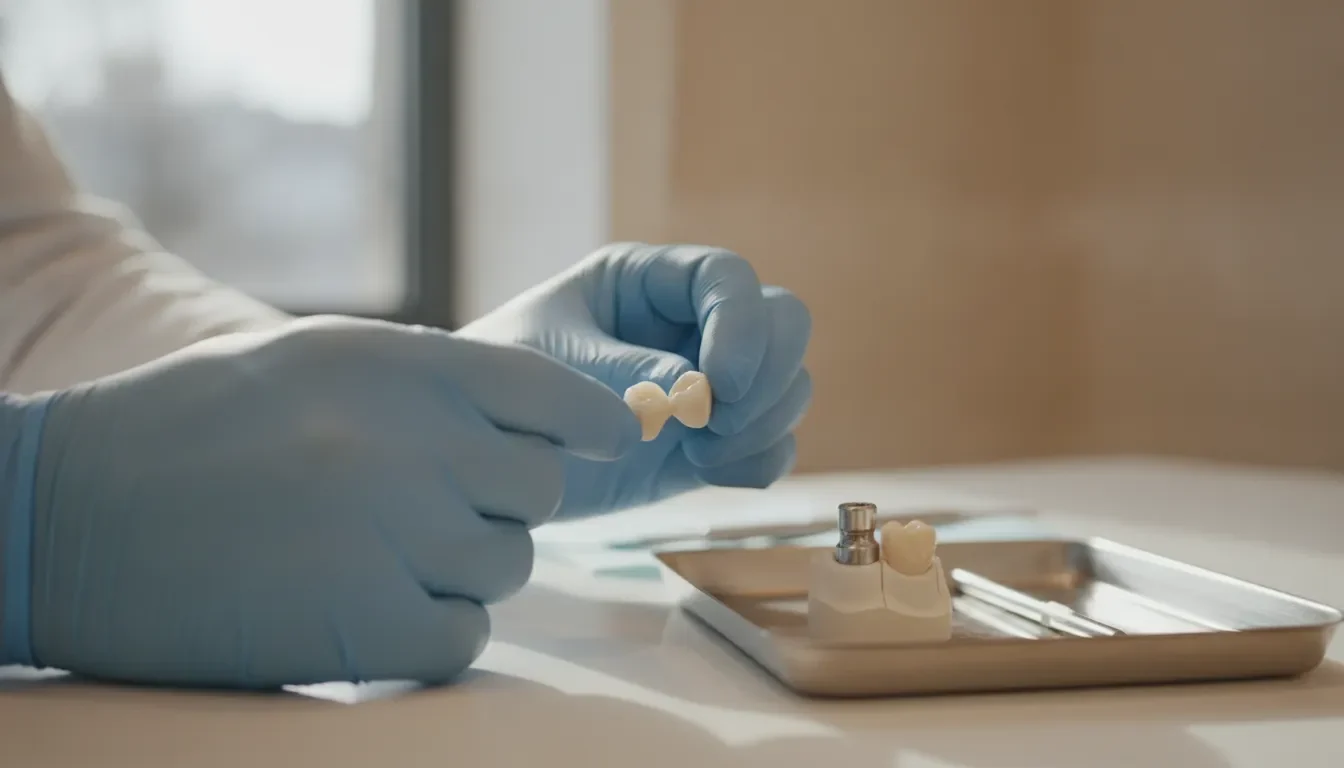
Think of a dental crown as a custom-fitted cover that slips over your entire tooth, right down to the gum line. It’s designed to restore the tooth’s original shape, size, strength, and appearance. When a tooth is damaged, decayed, or weakened, a simple filling might not be enough to fix the problem. That’s where a crown comes in.
Crowns are a versatile restorative treatment used for several key reasons. They can protect a weak tooth from breaking, hold a cracked tooth together, or restore a tooth that's already broken or severely worn down. They are also used to cover and support a tooth with a large filling, hold a dental bridge in place, or improve your smile by covering a misshapen or severely discolored tooth.
So, whether your dentist calls it a crown or a cap, they’re talking about the same reliable procedure for strengthening and protecting your tooth. It’s a common way to get your tooth back to its best, both in how it works and how it looks.
Explore the Types of Dental Crowns and Their Costs
When it comes to dental crowns, one size definitely does not fit all. The material used for your crown plays a huge role in its appearance, durability, and cost. Think of it like choosing tires for your car; you want the right fit for your needs and budget. Some materials are designed to look incredibly natural, while others are built for pure strength to handle the heavy lifting of chewing.
Understanding the differences can help you and your dentist decide on the best path forward for your smile. At Lowell Family Dental Practice, we believe in walking you through all your options so you can feel confident in your choice. Let’s look at the most common types of dental crowns and what you can generally expect in terms of cost.
Porcelain Crowns
If you’re looking for a crown that blends in seamlessly, all-porcelain (or all-ceramic) crowns are a fantastic choice. They are hands-down the most natural-looking option, matching the color and translucency of your existing teeth. This makes them the go-to for front teeth, where aesthetics are a top priority. Because of the high-quality material and artistry involved, they are often at the higher end of the price spectrum, typically ranging from $800 to $2,500 per tooth. While they look amazing, they may not be quite as durable as metal-based crowns, so we’ll consider the location of the tooth before recommending one.
Porcelain-Fused-to-Metal Crowns
Want the best of both worlds? A porcelain-fused-to-metal (PFM) crown might be the perfect fit. This hybrid option has a strong, durable metal base with a tooth-colored porcelain layer on top. The result is a crown that’s tough enough for your back teeth but still looks natural. PFM crowns are a reliable and popular choice that balances strength with aesthetics. They are also a bit more budget-friendly than all-porcelain crowns, with costs generally falling between $800 and $1,500 per tooth. One small thing to keep in mind is that a dark line can sometimes become visible at the gumline over time if your gums recede.
Metal Crowns
When it comes to sheer strength and longevity, nothing beats a metal crown. Made from alloys containing gold, platinum, or other metals, these crowns are incredibly durable and can withstand years of intense chewing and grinding without chipping or breaking. Because of their metallic color, they are almost exclusively used for out-of-sight molars. If you prioritize durability over appearance for a back tooth, a metal crown is an excellent, long-lasting solution. The cost can vary widely depending on the metals used, ranging from $600 to $2,500 per tooth.
Resin Crowns
Resin crowns are the most affordable option available, which makes them an attractive choice if cost is a major concern. Typically, they cost between $300 and $600 per tooth. While they can be matched to your natural tooth color, they are made from a less durable material compared to porcelain or metal. Because of this, they are more prone to wear and fractures over time. We often recommend resin crowns as a temporary solution to protect a tooth while a permanent crown is being made in the lab. They serve as a great short-term fix but aren't usually the best choice for a long-term restoration.
What Determines the Price of a Dental Crown?
Figuring out the cost of a dental crown isn't always straightforward because the final price depends on your unique situation. Think of it less like buying a product off the shelf and more like commissioning a custom piece of work. Several key factors influence the total investment in your smile, from the materials used to the specific work your tooth needs.
Understanding these variables can help you feel more prepared for your consultation and conversation about treatment costs. It’s all about tailoring the solution to fit your tooth perfectly, ensuring it’s strong, functional, and looks great. Let’s walk through the main components that make up the price of a dental crown so you know exactly what to expect.
Your Location and Dentist's Expertise
Just as the cost of living varies from one city to another, so does the price of dental services. The fees in a major metropolitan area are often different from those in a smaller town due to variations in rent, salaries, and other business expenses. Beyond geography, the experience and specialization of your dental team play a significant role. A dentist with advanced training in cosmetic or restorative procedures brings a higher level of skill to your treatment. This expertise ensures your crown is placed with precision, which is essential for its longevity and appearance. At Lowell Family Dental Practice, our experienced staff is committed to providing top-tier care.
The Need for Additional Procedures
Sometimes, a tooth needs a little extra help before it’s ready for a crown. If the tooth has extensive decay or is damaged, you might need a root canal to clear out the infection and save the tooth. In other cases, the tooth structure might not be sufficient to support a crown on its own, requiring a "core buildup" to create a stable foundation. These are separate treatments from the crown itself and will add to the overall cost. During your consultation, we’ll assess the health of your tooth and let you know if any preparatory dental services are needed to ensure your new crown is successful for years to come.
Customization and Lab Fees
Your dental crown is custom-made just for you, and this personalization affects the price. The material you and your dentist choose is one of the biggest factors. For example, a full porcelain crown, prized for its natural look, may have different lab fees than a durable metal or porcelain-fused-to-metal crown. The dental lab that fabricates your crown charges a fee for their skilled technicians' time and the high-quality materials used. More aesthetic or complex crowns often require more artistry and precision from the lab, which can be reflected in the cost. This ensures your crown not only fits perfectly but also blends seamlessly with your other teeth.
Your Specific Insurance Plan
Dental insurance can be a great help in managing the cost of a crown, but coverage varies widely from one plan to another. Most insurance providers cover a portion of the cost for crowns that are considered medically necessary to restore a damaged or decayed tooth. Typically, this is around 50%, but it’s important to check your specific plan’s details, including your deductible and annual maximum. If a crown is for purely cosmetic reasons, your insurance may not cover it. Our team can help you understand your benefits and will submit all the necessary paperwork to maximize your coverage. We welcome new patients and are happy to review your insurance plan with you.
How Much Does a Dental Crown Cost (With vs. Without Insurance)?
Let's start with the big question: what's the price tag on a dental crown? Generally, you can expect a single crown to cost anywhere from $800 to $2,500. It’s a wide range, I know, but the final price depends on a few key things. The biggest factor is the material used to make the crown, which we’ll get into in just a moment. Your dentist’s location and expertise also play a role, as do any additional procedures you might need to prepare the tooth, like a root canal or a dental implant to provide support.
Think of it like this: a simple, functional crown on a back molar might be on the lower end of the scale, while a highly customized, color-matched porcelain crown for a front tooth will likely cost more due to the aesthetic detail required. The goal is always to find the right balance between durability, appearance, and your budget. At Lowell Family Dental Practice, we believe in being completely transparent about costs. We’ll walk you through all your dental service options, explain the pros and cons of each material, and provide a clear estimate before any work begins. This way, you can make an informed decision for your smile without any surprises.
Cost Breakdown by Crown Material
The material your crown is made from is the biggest piece of the pricing puzzle. Each type has its own benefits and associated cost. Here’s a quick look at what you can generally expect:
- Porcelain or Ceramic: These are popular for their natural look and typically cost between $800 and $2,500.
- Porcelain-Fused-to-Metal (PFM): A strong metal base with a porcelain overlay, these crowns run from $800 to $1,500.
- Metal Alloys (including gold): Known for their incredible durability, metal crowns can range from $900 to $2,500.
- Resin: This is the most affordable option, usually costing between $300 and $600, but it's also the least durable.
We can help you decide which material is the best fit for your specific tooth, lifestyle, and budget.
How Insurance Affects Your Final Cost
Dental insurance can make a big difference in your out-of-pocket cost. Most dental plans cover about 50% of the cost for a crown, but only if it’s considered medically necessary. For example, if you need a crown to repair a cracked tooth or after a root canal, your insurance is more likely to help out. If the crown is purely for cosmetic reasons, you may have less coverage or none at all.
Every insurance plan is different, so the best first step is to check your specific benefits. Our team is happy to help you understand your coverage and file claims on your behalf. We want to make sure you get the most out of your plan. If you're a new patient, we can review your insurance details during your first visit.
What to Consider Before Getting a Dental Crown
A dental crown can be a game-changer for your smile’s health and appearance. But like any dental procedure, it’s a decision worth thinking about. Understanding the process and commitment helps you feel confident and prepared every step of the way.
Tooth Sensitivity and Alteration
Getting a crown involves preparing your natural tooth, which means some of the enamel is permanently removed to ensure a perfect fit. It’s a necessary step for a secure and long-lasting result. After the procedure, it’s common to experience some temporary sensitivity to hot or cold foods and drinks. This feeling usually fades within a few weeks as your tooth adjusts to its new covering. If you have any concerns about this process, our team is always here to answer your questions and make sure you feel comfortable. We want all our new patients to feel fully informed.
Potential Complications and Durability
While modern crowns are incredibly strong, they aren’t indestructible. Over time, a crown can potentially chip or crack, especially if you chew on hard objects like ice or pen caps. A perfect fit is also crucial. An ill-fitting crown can lead to discomfort or create a tiny space where bacteria can cause decay underneath. This is why choosing an experienced dental team is so important. We take precise measurements to ensure your dental crowns fit seamlessly with your bite, protecting the tooth underneath and giving you a comfortable, natural feel.
Long-Term Care and Maintenance
Think of your crown as a new-and-improved version of your natural tooth. It needs the same great care. With consistent oral hygiene, a dental crown can last for 10 to 15 years, or even longer. The key is to brush twice a day, floss daily (yes, even around the crown!), and avoid putting excessive pressure on it. Following your dentist's specific care instructions will go a long way in preventing problems and extending the life of your crown. Regular dental check-ups are also essential to ensure everything looks healthy, so be sure to schedule an appointment to keep your smile in top shape.
How Long Do Dental Crowns Last?
A dental crown is a significant investment in your smile, so it’s completely normal to wonder how long it will last. Think of it like any other important purchase: with the right care, you can enjoy it for years to come. While there's no single expiration date for a crown, several factors influence its lifespan, from the material it’s made of to your daily habits. On average, you can expect a crown to last about 10 years, but many people find theirs last much longer. By understanding what affects a crown's durability, you can take simple steps to protect your new tooth and keep your smile looking its best.
Lifespan by Crown Material
The material your crown is made from plays a big role in its longevity. Just like you'd choose different materials for a countertop based on durability, dentists select crown materials for specific needs. Porcelain or ceramic crowns, which are popular for their natural look, typically last between 10 and 15 years. Metal crowns, known for their strength, often last even longer, sometimes well beyond 15 years. Of course, these are just averages. Your personal oral hygiene and eating habits are just as important in determining how long your crown will serve you well. We can help you choose the right material based on the tooth's location and your personal preferences.
Tips to Make Your Crown Last
Once your crown is in place, a little TLC goes a long way in extending its life. The best part is that caring for a crown is very similar to caring for your natural teeth. Sticking to a solid oral hygiene routine by brushing twice a day and flossing daily is your first line of defense against decay around the crown’s edges. It’s also a good idea to be mindful of what you eat. Chewing on ice, hard candies, or other very hard foods can put your crown at risk of chipping or coming loose. Finally, keeping up with regular dental check-ups allows our team to spot any potential issues early. A simple appointment request is all it takes to stay on track.
Making Dental Crowns More Affordable: Your Financing Options
Let's talk about the cost. It's often the biggest question on everyone's mind when considering a dental crown. The good news is that you have several options to make this important investment in your smile more manageable. A beautiful, functional crown shouldn't be out of reach because of the price tag. From spreading out payments to using tax-free savings, there are practical ways to fit the cost into your budget. Understanding your financial options ahead of time can take the stress out of the decision, allowing you to focus on what really matters: restoring your tooth's health and appearance.
In-House Payment Plans and Savings Programs
Many dental practices understand that paying for a crown all at once isn't realistic for everyone. That’s why we often offer flexible solutions right here in the office. One of the most common is an in-house payment plan, which allows you to break down the total cost into a series of smaller, more manageable monthly payments. This way, you can get the care you need now without the financial strain. Some offices also have membership or savings programs that provide discounts on various procedures, including crowns. It’s always a great idea to ask our team what options are available to you.
Using Your HSA, FSA, or Other Financing
If you have a Health Savings Account (HSA) or a Flexible Spending Account (FSA) through your employer, you’re in luck. Dental crowns are considered qualified medical expenses, which means you can use these pre-tax dollars to cover the cost, saving you money. Beyond that, many dental practices partner with third-party financing options. These services function like a credit card for your health care needs, often offering low-interest or even zero-interest payment plans for a set period. This gives you another great way to pay for your treatment over time without derailing your budget.
How to Choose the Right Crown for Your Smile and Budget
Making the right choice for your dental crown comes down to understanding your options and priorities. It’s about finding that sweet spot where appearance, longevity, and cost all align with your needs. Let's walk through how to find the perfect balance for your smile and your wallet.
Balancing Appearance, Durability, and Cost
When you're deciding on a dental crown, you’re essentially weighing three key things: how it looks, how long it will last, and what it costs. The material you choose plays the biggest role here. For example, all-porcelain or zirconia crowns look the most natural and typically cost between $800 and $2,500. Porcelain-fused-to-metal (PFM) crowns offer a good mix of strength and aesthetics, usually running from $800 to $1,500. While resin crowns are the most affordable option at $300 to $600, they aren't as durable. Thinking about where the tooth is located and your budget can help you and your dentist find the best fit.
Key Questions to Ask Your Dentist
Your dentist is your best resource, so don't hesitate to ask questions. A great starting point is simply asking, “Based on my tooth's condition and my budget, which type of crown do you recommend?” It's also smart to get clear on the financial side. Before you commit, check with your insurance provider about what your plan covers, and be sure to ask about any deductibles or yearly limits. Once your crown is placed, pay attention to how it feels. If your bite feels off or the crown seems loose, you should schedule a follow-up appointment right away. Open communication ensures you get a result you're happy with for years to come.
Frequently Asked Questions
How do I know if I actually need a dental crown?
You might need a crown if you have a tooth with a very large cavity, a significant crack, or one that has become weak after a root canal. Crowns are also used to cover a dental implant or to improve the appearance of a misshapen or severely discolored tooth. The best way to know for sure is to have a dentist examine the tooth, as they can determine if a crown is the right solution to restore its strength and function.
Will the process of getting a crown be painful?
We prioritize your comfort, so the procedure itself should not be painful. Your dentist will numb the tooth and the surrounding area completely before starting any work. After the numbness wears off, it's normal to feel some temporary sensitivity or soreness for a few days, but this is typically mild and can be managed easily.
How many appointments does it take to get a crown?
Getting a dental crown usually takes two separate visits. During the first appointment, we prepare the tooth, take impressions to create your custom crown, and place a temporary crown to protect the tooth. A few weeks later, you’ll come back for your second visit, where we will remove the temporary one and permanently cement your new, custom-fitted crown into place.
Why can't I just get a large filling instead of a crown?
A filling is great for repairing smaller areas of decay, but it doesn't add much strength to the tooth. When a tooth is severely damaged or has a very large cavity, a filling may not be enough to hold it together and could even increase the risk of the tooth fracturing. A crown covers the entire tooth, providing the comprehensive support and protection it needs to function properly for years to come.
How do I take care of my new crown?
Caring for a crown is surprisingly simple because you treat it just like one of your natural teeth. The key is consistent oral hygiene, which includes brushing twice a day and flossing daily. It's especially important to floss around the base of the crown to keep the gumline healthy. Also, try to avoid chewing on extremely hard things like ice or hard candy, as this can potentially damage the crown.
Written by
Dr. Iham Gammas, DMDBoard-Certified Implant Dentist & Founder, Lowell Family Dental Practice. Fellow & Master of ICOI and IADI. Associate Fellow of AAID.