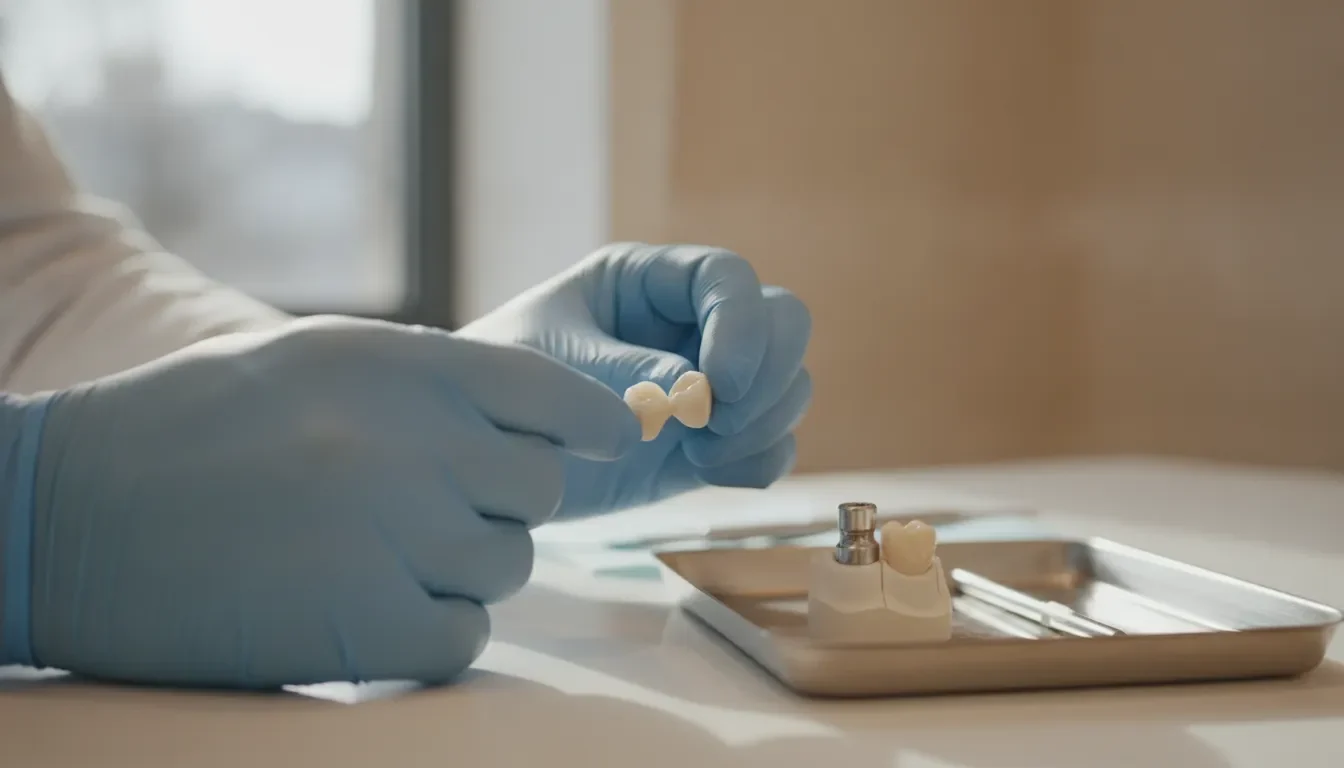
When you lose a tooth, you lose more than just a part of your smile; it can affect how you eat, speak, and feel in social situations. Dental implants offer a powerful, permanent solution to get all of that back. While the average cost of dental implants is a key factor to consider, it’s helpful to view it as an investment in your quality of life. This guide is designed to give you a clear and honest breakdown of the expenses. We’ll explore what influences the price, how insurance can help, and what payment solutions are available to make your new smile a reality.
Key Takeaways
- Know what goes into the price: A single dental implant cost typically covers three parts: the implant post, the abutment, and the crown. The final price is personalized, factoring in your specific oral health, the materials used, and any necessary preparatory work like bone grafts.
- Consider cost-effective options for multiple teeth: If you're missing several teeth, you don't always need an implant for each one. Solutions like implant-supported bridges or All-on-4 restorations can restore your smile beautifully while being more efficient and affordable than multiple individual implants.
- Create a payment plan that works for you: You can make this investment manageable by talking to your dental office about their payment options. Look into third-party financing or using pre-tax funds from your HSA or FSA to make your treatment plan fit comfortably within your budget.
How Much Does a Single Dental Implant Cost?
When you start looking into dental implants, the first question on your mind is usually about the price. It’s a significant investment in your health and confidence, so it’s smart to understand the costs involved. On average, a single dental implant can cost anywhere from $3,000 to $7,000. This is a wide range, but it typically covers the entire process from start to finish. That means you’re usually paying for all three main components: the implant post that goes into your jawbone, the abutment that connects the post to your new tooth, and the custom-made crown that looks and feels like a natural tooth.
Of course, this is just a ballpark figure. The final cost depends entirely on your specific needs, the complexity of the procedure, and the materials used. Think of it as a starting point for your budget. A detailed consultation is the best way to get a precise quote for your smile. At Lowell Family Dental Practice, we provide a full range of dental services and can walk you through a personalized treatment plan that makes sense for you. We’ll take the time to explain every step, ensuring you feel comfortable and informed. Every smile is unique, and your treatment plan will be, too.
Breaking Down the Cost
To understand the total price, it helps to see what goes into it. The cost of a single implant isn’t just one lump sum; it’s a combination of different parts and procedures. First, you have the implant itself, which is a titanium post that acts as a new tooth root. Then there’s the abutment, a small connector piece. Finally, the dental crown is placed on top, which is the part you see when you smile.
In some cases, you might need additional work before the implant can be placed. For example, if you don’t have enough healthy bone in your jaw, a bone graft might be necessary to create a stable foundation. These preparatory procedures can add between $1,500 and $5,000 to your total. A good dental team will always give you a clear, itemized breakdown so you know exactly what to expect. We believe in transparency, especially for our new patients.
How Location Affects the Price
It might surprise you, but where you live can play a big role in how much you pay for a dental implant. Costs for dental procedures can vary quite a bit from one city or state to another. For instance, getting an implant in a major metropolitan area will likely cost more than in a smaller town. This difference is usually due to higher overhead costs for things like rent and staff salaries in larger cities.
While it can be tempting to shop around for the lowest price, it’s also important to find a dentist you trust. The expertise of your dental team and the quality of the materials they use are crucial for a successful, long-lasting result. Reading patient reviews can give you confidence that you’re choosing a practice that prioritizes excellent care and results, which is always a smart investment.
What Factors Influence the Cost of Your Implant?
When you start looking into dental implants, you’ll quickly find there isn’t a single, fixed price. That’s because the total cost is tailored to your specific situation. Think of it less like buying a product off the shelf and more like a custom treatment plan designed just for you. Several key factors come together to determine the final investment in your smile, from the materials we use to your individual oral health needs. Understanding these components will give you a much clearer picture of what to expect.
Your Dentist's Location and Expertise
Just like the cost of living varies from one city to another, so can the cost of dental procedures. A practice in a major metropolitan area often has higher overhead expenses than one in a smaller town, which can be reflected in its pricing. Beyond geography, the experience of your dental team is a significant factor. An implant procedure requires a high level of skill and precision. A dentist with advanced training and a long track record of successful implant cases brings a depth of expertise that is essential for a lasting, healthy result. Our experienced staff is committed to providing that high standard of care.
The Materials Used
A dental implant isn't just one piece; it’s a system made of a few key parts. The implant itself, which acts as the new tooth root, is typically made from biocompatible titanium. The visible part, the crown, is where you have more options. Crowns can be crafted from different materials, such as porcelain or zirconia, each with its own benefits and price point. High-quality materials that offer superior strength and a more natural appearance often cost more, but they also provide a beautiful, durable result. We can walk you through the best options for your specific dental implant to match your goals and budget.
Your Unique Dental Needs
Your oral health is the foundation for a successful dental implant. Before an implant can be placed, we need to ensure your mouth is ready. For some patients, this might involve additional procedures. For example, if you’ve been missing a tooth for a while, your jawbone may have lost some of its density. In that case, a bone graft might be necessary to create a strong and stable base for the implant. The complexity of your case, including the need for preparatory treatments like this, will naturally influence the overall cost. A thorough initial consultation helps us create a complete treatment plan tailored just for you.
What About Multiple Implants?
If you're missing several teeth, the thought of replacing each one with an individual implant can feel overwhelming, both logistically and financially. The good news is that’s often not the most effective approach. Modern dentistry offers several fantastic solutions designed specifically for replacing multiple teeth at once. These options provide the same stability and natural look as single implants but are often more efficient and cost-effective for larger restorations.
Whether you need to replace a few teeth in a row or an entire arch, there’s a treatment plan that can work for you. Solutions like All-on-4 implants and implant-supported bridges are designed to restore your full smile without needing an implant for every single missing tooth. Understanding these options can help you have a more informed conversation with your dentist about the best path forward for your health and your budget. At Lowell Family Dental Practice, we create personalized dental implant treatment plans to match your unique situation and help you regain a confident, functional smile. We’ll walk you through every option so you can feel great about your decision.
The Cost of All-on-4 Implants
The All-on-4 treatment concept is a popular and effective way to restore an entire upper or lower arch of teeth. Instead of a dozen or more individual implants, this technique uses just four strategically placed implants to support a full, permanent denture. It’s a complete smile transformation in a streamlined process. The cost for a single arch typically ranges from $15,000 to $35,000 or more. For a full mouth restoration using this method, the price can vary significantly based on the materials used and the complexity of your case. This is a comprehensive solution that offers a fixed, long-term result without the need for daily removal and cleaning like traditional dentures.
Pricing a Full Mouth Restoration
A full mouth restoration is a completely customized treatment plan tailored to your specific oral health needs. It might involve a combination of implants, crowns, and bridges to rebuild your smile. Because it’s so personalized, the cost can vary widely, but you can generally expect a starting investment of around $30,000 for a complete set of implants. The final price depends on how many implants are needed, the materials you choose for your new teeth, and any preparatory work required, like bone grafts. The best way to get an accurate estimate is to schedule a consultation where we can assess your needs and map out a clear plan with transparent pricing.
Saving Money with Multiple Implants
If you need to replace two or three teeth that are next to each other, you don't necessarily need an implant for each one. A great, cost-effective solution is an implant-supported bridge. This involves placing an implant on either side of the gap and then attaching a bridge of artificial teeth to them. This approach gives you the security and bone-preserving benefits of implants while reducing the total number of implants needed. A bridge supported by two implants can cost anywhere from $6,000 to $15,000, making it a much more accessible option than three separate implants. It’s a smart way to get a durable, beautiful result while managing costs effectively.
Are There Other Costs to Consider?
When you receive a quote for a dental implant, it usually covers the three key parts: the implant post itself, the connecting abutment, and the final crown that looks like your natural tooth. But to get a complete picture of the final cost, it’s helpful to look at the entire process from your first consultation to your final follow-up. Depending on your specific dental health, you might need a few extra steps to ensure your implant is successful and lasts for decades. These preparatory treatments and diagnostic appointments are a crucial part of the journey and will factor into your total investment.
Think of it like preparing a solid foundation before building a house. You need to make sure the ground is stable and ready to support the structure. The same principle applies to dental implants; a healthy jawbone is the foundation for a strong, lasting tooth. These additional procedures aren't just add-ons; they are essential steps that create the ideal conditions for the implant to integrate properly and function just like a natural tooth. Understanding these potential costs upfront helps you plan your budget without any surprises and feel confident in your decision to restore your smile. Let’s walk through some of the services that might be part of your personalized treatment plan.
Preparatory Procedures (Bone Grafts, Sinus Lifts)
For a dental implant to be successful, it needs to fuse with a sufficient amount of healthy jawbone. If you’ve had a missing tooth for a while, the bone in that area may have started to shrink. In this case, a bone graft might be necessary to build the area back up and create a dense, stable base. Similarly, if you need an implant in your upper jaw near your sinuses, a sinus lift may be required to create enough space and bone height. These procedures are essential for creating a solid foundation for your implant. While they add to the overall cost, they are a critical investment in the long-term health and stability of your new tooth.
Extractions and Site Prep
If the tooth you’re replacing is still in place but is damaged or decayed beyond repair, it will need to be extracted first. Sometimes, this can be done at the same time the implant post is placed, but other times, the site may need to heal before the implant surgery can proceed. Preparing the site properly is key to a smooth procedure and a successful outcome. We always make sure the area is perfectly ready to receive the implant, setting you up for the best possible results with your dental implant treatment. This careful preparation helps ensure the implant integrates seamlessly with your jaw.
Consultations, Imaging, and Follow-Ups
Your journey begins with an initial consultation and detailed imaging, like X-rays or a CT scan. These diagnostics are not just formalities; they allow us to create a precise, customized treatment plan just for you. They help us assess your bone density, map out nerve pathways, and determine the exact placement for your implant. The initial quote you receive often includes the consultation, the surgery itself, and your follow-up visits. It’s always a good idea to clarify exactly what your estimate covers so you feel confident moving forward. Ready to get a clear picture of your costs? You can schedule a consultation with our team.
Will Insurance Cover Dental Implants?
Let’s tackle the big question: will insurance help pay for your dental implants? The honest answer is that it depends entirely on your specific plan. Insurance can feel like a puzzle, but understanding a few key pieces can help you see the full picture. While full coverage for dental implants is still uncommon, more and more insurance companies are recognizing them as a necessary and valuable treatment for long-term oral health. This means many plans will cover certain parts of the process, even if they don't cover the entire thing.
For example, your insurance might help with the cost of the tooth extraction, the diagnostic imaging, or the final crown that attaches to the implant. Because every policy is different, there isn't a one-size-fits-all answer. Some plans might offer a specific allowance for implants, while others may cover a percentage of the cost after you've met your deductible. The best way to get a clear answer is to look at your policy details or give your provider a call. Our team is also here to help. When you come in for a consultation, we can help you review your benefits and submit the necessary paperwork to maximize any coverage you have. We believe in making the financial side of things as clear and stress-free as the dental work itself.
Understanding Your Dental Plan
Most dental insurance plans have specific rules about what they will and won’t cover. Historically, many have classified dental implants as a cosmetic procedure, which means they often don’t cover the full cost. However, things are changing, and more plans are starting to offer some level of coverage. Your plan might not pay for the implant post itself, but it could help with the cost of the final crown or related procedures like an extraction.
It’s also important to check your plan’s annual maximum. Most policies have a cap on what they’ll pay for dental care each year, often between $1,000 and $1,500. This amount can certainly help, but it likely won’t cover the entire treatment. We can help you understand your new patient benefits and create a plan to make the most of them.
When Medical Insurance Might Help
In certain situations, your medical insurance might step in to cover a portion of your dental implant procedure. This is not the standard, but it can happen if your tooth loss was the result of a medical condition, an accident, or another trauma. For example, if you lost a tooth in a car accident, your medical insurance may be responsible for covering the restorative treatment.
It’s a good idea to check with both your medical and dental insurance providers to see what might be possible. For those on Medicare, it’s important to know that standard plans typically don’t include dental implant coverage. However, some Medicare Advantage plans do offer dental benefits that might contribute to the cost. The key is to ask questions and explore all your options.
How Can You Pay for Dental Implants?
Seeing the final price tag for dental implants can feel a little overwhelming, but don't let it stop you from exploring your options. A healthy, confident smile is within reach, and there are several practical ways to manage the cost. Most dental practices understand that this is a significant investment in your health and offer flexible solutions to make it work for your budget. The key is to have an open conversation with your dental office about your financial situation. At Lowell Family Dental Practice, we believe in transparent pricing and are always here to help you find a payment solution that makes you feel comfortable and confident moving forward with your treatment.
From breaking the total cost into smaller monthly payments to using pre-tax savings accounts, you have more control than you might think. Let’s walk through some of the most common and effective ways to pay for your dental implants.
Payment Plans and Dental Loans
One of the most straightforward ways to manage the cost of dental implants is through a payment plan. Many dental offices, including ours, offer in-house plans that let you spread the expense over several months or even longer. This approach breaks a large, one-time payment into predictable monthly installments that are easier to fit into your budget. It allows you to get the care you need now without having to pay the full amount upfront. We encourage you to ask about our payment options for new patients. Additionally, specialized dental loans are available from various financial institutions to help cover the costs of necessary procedures.
Using Third-Party Financing
If your dental insurance doesn't cover the full cost of your implants, third-party financing is an excellent alternative. Companies like CareCredit offer credit cards specifically for health and wellness expenses. These can be used to pay for dental procedures and often come with promotional financing options, like interest-free periods if you pay the balance within a certain timeframe. Applying is simple, and you can get a decision quickly, often right in the dental office. This provides a flexible payment solution, giving you the power to move forward with your treatment plan without delay while managing the expense on your own terms.
Tapping into Your HSA or FSA
Do you have a Health Savings Account (HSA) or Flexible Spending Account (FSA) through your employer? If so, you can use these pre-tax dollars to pay for your dental implants. These accounts are designed to help you cover out-of-pocket medical and dental expenses, and implants are almost always a qualified expense. Using an HSA or FSA is a smart financial move because you’re paying with money that hasn’t been taxed, which can save you a significant amount. Be sure to check your account balance and plan your contributions accordingly to make the most of this valuable benefit.
Making Your Implants More Affordable
The price tag for dental implants can feel intimidating, but a beautiful, permanent smile is more attainable than you might think. The key is understanding your options and creating a financial plan that works for you. Instead of just looking at the final number, think about the different ways you can approach the cost. From flexible payment options to smart timing, there are several paths to make your implant treatment fit comfortably within your budget. Let's walk through a few practical strategies to help you manage the investment in your long-term oral health.
Comparing Treatment Plans
Once you have a cost estimate, you can explore different ways to pay for it. Many people find it helpful to break the total cost into smaller, more manageable pieces. We can help you understand options like in-house payment plans or third-party financing, which allow you to spread payments out over time. You can also use funds from a Flexible Spending Account (FSA) or Health Savings Account (HSA) for your treatment. These accounts let you use pre-tax dollars for medical expenses, which can lead to significant savings. Our team is here to help you review all the possibilities so you can choose the one that feels right for you.
Timing Your Treatment Strategically
Planning is everything. The best first step is to schedule a consultation to get a precise cost estimate tailored to your specific needs. Knowing the exact cost upfront empowers you to plan your finances effectively. You can decide on the best time to begin treatment, perhaps aligning it with when your FSA or HSA funds become available for the year. This proactive approach removes the guesswork and helps you move forward with confidence, knowing you have a clear financial roadmap for your new smile.
Focusing on Value, Not Just Price
While other tooth replacement options might seem cheaper at first, dental implants are truly an investment in your future. With proper care, they can last a lifetime, saving you money on the replacements and repairs that dentures or bridges often require. More importantly, they improve your quality of life. You can eat, speak, and smile without a second thought. Implants also protect your jawbone from deteriorating, which is essential for your long-term oral health. When you consider the durability and confidence they provide, our dental implant services offer incredible value that lasts for decades.
Are Dental Implants a Good Investment?
Thinking about the cost of dental implants can feel overwhelming, but it helps to look at them as a long-term investment in your health and happiness. Unlike other solutions that may need to be replaced or adjusted over the years, a dental implant is designed to be a permanent part of your smile. It’s more than just filling a gap; it’s about restoring full function. This means you can get back to eating your favorite foods, speaking clearly, and smiling for photos without a second thought.
Beyond the cosmetic and functional perks, implants play a crucial role in your oral health. When you lose a tooth, the underlying jawbone can begin to deteriorate. A dental implant mimics a natural tooth root, stimulating the bone and keeping it strong. This helps maintain your facial structure and protects the health of your surrounding teeth. When you weigh the one-time cost against a lifetime of benefits, many people find that the investment pays for itself in confidence and quality of life.
Comparing Implants to Other Options
When you're missing a tooth, you have a few different paths you can take. Options like dental bridges and dentures are often less expensive upfront, which can make them seem like the more budget-friendly choice. However, it’s important to consider the long-term picture. Bridges rely on neighboring teeth for support, which can put stress on otherwise healthy teeth. Dentures may require frequent adjustments, special adhesives, and can sometimes feel less secure.
Dental implants, on the other hand, stand on their own without impacting other teeth. Since they are surgically placed into the jawbone, they offer unmatched stability. This means they won’t slip or shift, giving you a secure and natural feel. While the initial investment is higher, their durability means you won't face the recurring costs of replacements that often come with other dental services.
The Long-Term Value of a Healthy Smile
Investing in a dental implant is about more than just the tooth itself; it’s about investing in your future self. Think of the money you’ll save over the years by not needing replacements, repairs, or special cleaning products associated with dentures. Because implants are cared for just like natural teeth with simple brushing and flossing, they integrate seamlessly into your daily routine.
The real value, however, often lies in the confidence a complete smile provides. A secure, natural-looking tooth can make a world of difference in your personal and professional life. It allows you to feel comfortable and self-assured in any situation. Plus, by preserving your jawbone, implants help you maintain a more youthful facial structure over time. It’s a comprehensive solution that supports your health, appearance, and well-being for years to come.
Frequently Asked Questions
Why isn't there a single set price for a dental implant?
The cost of a dental implant is tailored to you, not based on a universal price list. Your final investment depends on a few key things: the materials chosen for your new tooth, the complexity of your specific case, and your unique oral health. For instance, some people might need a bone graft to create a solid foundation before the implant can be placed, which would be factored into their personalized treatment plan.
Are there extra costs I should know about besides the implant itself?
A quote for an implant typically covers the three main parts: the post, the abutment, and the crown. However, your treatment plan might include other necessary steps. If the tooth being replaced needs to be extracted first, or if your jawbone requires preparation to support the implant, those procedures will be part of the total cost. We provide a clear, itemized breakdown so you see the full picture before we begin.
What if I need to replace several teeth? Does the cost just multiply?
Not at all. If you're missing several teeth in a row, we often recommend more efficient solutions than placing an implant for every single tooth. An implant-supported bridge, for example, can replace three or four teeth using just two implants. For a full arch of teeth, the All-on-4 treatment concept uses four implants to support a complete set. These options are often more cost-effective for restoring a larger smile.
Will my insurance actually help pay for any of this?
It really depends on your specific plan. While it's true that many insurance policies don't cover the entire implant procedure, more are starting to contribute to certain parts of the process. Your plan might help with the cost of the final crown, the initial consultation, or any necessary extractions. We can help you review your benefits to make sure you get the most out of your coverage.
What's the best way to figure out my exact cost and payment options?
The only way to get a precise number is to come in for a consultation. This allows us to assess your oral health, discuss your goals, and create a treatment plan just for you. From there, we can give you a detailed cost breakdown and walk you through all the payment and financing options available. This ensures you have a clear and comfortable financial path forward.
Written by
Dr. Iham Gammas, DMDBoard-Certified Implant Dentist & Founder, Lowell Family Dental Practice. Fellow & Master of ICOI and IADI. Associate Fellow of AAID.