Waking up with a sore jaw, a dull headache, or sensitive teeth can make it hard to understand what is happening while you sleep. Teeth grinding and clenching, also called bruxism, can place repeated pressure on teeth and the jaw muscles. A night guard for teeth grinding can create a protective barrier, but the right design depends on your bite, symptoms, dental history, and how strongly you clench.
Contact Lowell Family Dental Practice or call 978-458-1179 to discuss your symptoms and whether a dental evaluation is appropriate.

This educational guide focuses on how night guards work, how custom and over-the-counter options differ, and when professional advice matters. It is not a product ranking or a list of retail recommendations. Instead, it gives you practical questions to consider before choosing protection for nighttime grinding.
What Does a Night Guard Do for Teeth Grinding?
A night guard sits between the upper and lower teeth while you sleep. By keeping those surfaces from rubbing directly against each other, it can help reduce the wear that repeated grinding may cause. It may also cushion some of the force placed on the jaw muscles and joints. A guard protects teeth from contact, but it does not necessarily stop clenching or address every cause of bruxism.
Grinding pressure can be difficult to notice because it often happens during sleep. Over time, repeated force may contribute to flattened or chipped teeth, tooth sensitivity, sore jaw muscles, morning headaches, or damage to existing dental work. These symptoms can have other causes too, so they should not be treated as a diagnosis by themselves.
Signs You May Be Grinding or Clenching at Night
Some people learn about nighttime grinding from a partner who hears a clicking or crunching sound. Others notice changes when they wake up or during a routine dental visit. Possible signs include:
- Jaw fatigue, tenderness, or stiffness in the morning.
- Frequent morning headaches, especially around the temples.
- New or unexplained sensitivity to hot, cold, or pressure.
- Small chips, worn edges, cracks, or flattened chewing surfaces.
- Indentations along the sides of the tongue or cheek irritation.
- A night guard that develops visible wear, holes, or thin spots.
One symptom does not prove that bruxism is present. A dentist can look for patterns of wear, ask about sleep and stress, examine your bite, and consider other explanations before recommending a guard or additional care.
Custom vs. Over-the-Counter Night Guards
Night guards are not all made the same way. The main choice is often between a guard designed from dental impressions or a product purchased from a pharmacy or online retailer. Both categories can vary in material, thickness, retention, and durability, so the label alone does not determine whether a guard will be comfortable or suitable.
Custom night guards made by a dentist
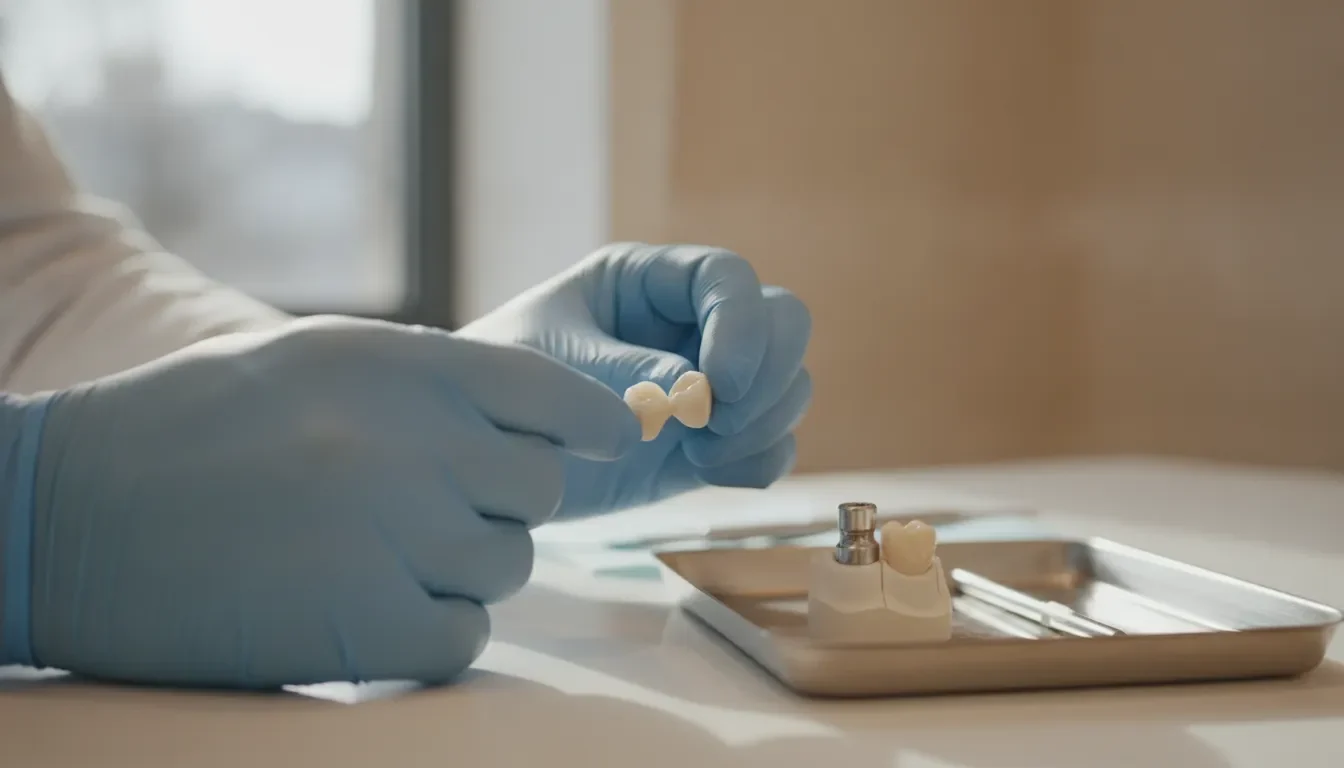
A custom night guard is made to fit your teeth and help protect them from grinding pressure.
Because it is designed from an impression or digital scan, a custom guard can be shaped for your dental arch and bite. A close fit may make it easier to keep the guard in place and speak or sleep comfortably. The dental team can also select a design and material based on your symptoms, existing restorations, and the level of protection that is appropriate for you.
Custom does not mean that a guard is permanent or that it will solve every jaw symptom. Teeth and dental work can change, and a guard can wear down. It should be checked periodically and replaced when it no longer fits correctly or shows significant wear.
Over-the-counter and boil-and-bite guards
Over-the-counter guards are available in ready-to-wear and moldable forms. A ready-to-wear guard is used as supplied, while a boil-and-bite guard is softened and shaped at home according to the package instructions. These options can be less expensive and easier to obtain quickly, but they may be bulkier, less stable, or less precisely matched to your teeth.
A guard that feels loose, interferes with breathing, causes pain, triggers more clenching, or changes the way your teeth meet is not a good fit. Do not keep wearing a device that causes significant discomfort or new symptoms. Ask a dental professional whether it should be adjusted, discontinued, or replaced with another approach.
For a closer explanation of the decision points, read our guide to custom night guards versus over-the-counter options. The goal is to match the type of protection to your dental needs, not simply choose the cheapest or most heavily marketed product.
Why Fit Matters in a Night Guard for Teeth Grinding
Fit affects comfort, retention, and how the guard contacts your teeth. A guard that is too tight may irritate the teeth or gums. A guard that is too loose may move during sleep or encourage you to clench against it. Excess material can make it difficult to close your lips comfortably, while an inappropriate thickness may alter how your bite feels in the morning.
If you have crowns, bridges, veneers, implants, orthodontic appliances, loose teeth, gum disease, or jaw-joint symptoms, mention those conditions before using a new guard. The best design for one person may not be suitable for another. A professional fitting also gives the dental team a baseline for checking whether the appliance is helping or creating a new concern.
How to Choose the Right Protection
Before choosing a night guard, consider the following questions:
- What symptoms are you trying to address? Note jaw soreness, tooth sensitivity, headaches, visible wear, or damage to dental work. This information helps distinguish a general comfort concern from a problem that needs an exam.
- How severe or frequent does the grinding appear to be? A partner’s observations, the amount of wear on a current guard, and a clinical examination can provide useful context. Avoid assuming that a softer or thicker guard is automatically better.
- Does the device stay in place? A guard should not need to be held in position by forceful clenching. It should not rub the gums, make swallowing difficult, or cause significant morning pain.
- Can you clean and store it consistently? A guard needs routine care. If the design is difficult to remove, clean, or dry, it may be harder to use safely over time.
- Has your dental situation changed? Recent fillings, crowns, extractions, orthodontic changes, or new jaw symptoms may affect the fit and should be discussed with your dentist.
Do not use a sports mouthguard as a substitute for a night guard. Sports guards are designed for impact protection and may have different materials, contours, and retention characteristics. A dental professional can help you select a device for nighttime grinding rather than relying on a product made for another purpose.
How to Clean and Care for Your Night Guard
Good care can help a night guard remain comfortable and usable. After removing it, rinse it with cool or lukewarm water to clear away saliva and debris. Gently brush it with a soft toothbrush and a mild, non-abrasive cleanser recommended for the material. Hot water can deform some guards, and abrasive toothpaste may scratch the surface.
Allow the guard to dry before putting it in a ventilated case. Keep it away from pets, heat, and direct sunlight. Clean the case regularly and do not share the appliance. Follow the cleaning instructions provided by your dental office or the manufacturer, because materials and designs differ.
Inspect the guard for cracks, rough edges, discoloration, thinning, holes, or a change in fit. These changes can signal that it needs professional review or replacement. Bring the appliance to dental appointments when possible so the team can assess wear and fit alongside your teeth.
When Should You Schedule a Dental Evaluation?
A dental evaluation is especially important if you have persistent jaw pain, a cracked or loose tooth, new sensitivity, damaged dental work, bleeding or sore gums, or a guard that causes discomfort. Schedule care promptly for swelling, severe pain, a major crack, or an injury. A dental professional can determine whether the concern is related to grinding or needs another type of treatment.
Talk with a dentist before using a night guard if you have significant bite changes, untreated dental problems, or symptoms such as loud snoring, waking up gasping, or witnessed pauses in breathing. Grinding can occur alongside sleep-related breathing concerns, but a night guard is not a diagnosis or treatment for sleep apnea. Share your full health history and current medications so recommendations can be made safely.
At Lowell Family Dental Practice, an evaluation can include questions about your symptoms, an examination of your teeth and gums, a review of your bite, and discussion of the options that fit your needs. The appropriate plan may be a custom guard, a different type of protection, monitoring, treatment for another dental condition, or referral for additional evaluation.
Frequently Asked Questions
Will a night guard stop me from grinding?
A night guard separates the teeth and can help protect them from direct grinding contact. It does not guarantee that clenching will stop or that every symptom will disappear. If pain, headaches, or tooth damage continue, schedule an evaluation rather than simply switching products.
How long does it take to get used to a night guard?
It can take several nights to adjust to wearing an appliance. A well-fitting guard should become more comfortable with consistent use, but significant pain, gagging, looseness, or a changed bite is not something to ignore. Contact your dental office for guidance if those symptoms persist.
Can I sleep in a night guard every night?
Many people are instructed to wear a properly fitted night guard during sleep, but the recommendation depends on the person’s dental condition and the appliance. Follow the instructions from your dentist and return for a review if the fit changes or the guard shows wear.
How often should a night guard be replaced?
There is no single replacement schedule for every guard. Heavy grinding, material, cleaning habits, dental work, and changes in fit all affect its useful life. Replace or have it checked when it becomes thin, cracked, uncomfortable, distorted, or no longer stays securely in place.
Book a consultation with Dr. Gammas and his team to review your grinding symptoms, current guard, and options for protecting your teeth. Call 978-458-1179 with questions.
Protect Your Smile With the Right Next Step
A night guard for teeth grinding should be comfortable enough to use, stable enough to stay in place, and appropriate for your teeth and bite. Learning the differences between custom and over-the-counter options is a useful first step, but an evaluation is the safest way to address persistent symptoms or signs of damage.
Contact Lowell Family Dental Practice to meet Dr. Gammas and his team and discuss a personalized plan for nighttime grinding. Call 978-458-1179 to schedule a visit.
Written by
Dr. Iham Gammas, DMDBoard-Certified Implant Dentist & Founder, Lowell Family Dental Practice. Fellow & Master of ICOI and IADI. Associate Fellow of AAID.